What Is Good Posture?
Learn how posture changes across sitting, standing and movement.


Whole-body standing posture assessment.
Good standing posture is a relaxed, balanced standing position that lets you breathe and move easily. Your head sits comfortably over your trunk, your ribs rest over your pelvis, your knees stay relaxed and your weight is shared through both feet.
There is no single perfect posture to hold all day. Comfortable posture varies between people, and regular movement and position changes are usually more useful than trying to stay rigidly upright.
If standing feels painful, tiring or difficult to control, a physiotherapist can assess your posture, movement, strength and daily demands. For broader information, see our Posture Correction, Exercises & Physiotherapy Guide.
Head
Let your head balance comfortably over your trunk rather than pushing it forwards or forcing it backwards.
Ribs and pelvis
Allow your rib cage to rest naturally over your pelvis without excessive arching or bracing.
Knees
Keep your knees relaxed rather than pushing them firmly backwards.
Feet
Let your weight feel comfortably distributed through both feet.
Breathing
Your breathing should remain easy rather than feeling restricted by a stiff upright position.
Movement
A useful standing position should be easy to leave when you walk, turn, reach or change tasks.
Standing posture can influence how your muscles and joints share load. A comfortable position may reduce unnecessary muscular effort and make prolonged standing feel easier.
However, posture alone rarely explains neck or back pain. Sleep, stress, workload, physical capacity, previous injury, fitness and the amount of time spent in one position can all affect how your body feels.
Rather than searching for one perfect alignment, aim to:

Simple standing posture cues can help you explore a comfortable starting position.
Use the following points as flexible reference cues rather than a checklist you must hold perfectly. Aim for an easy, tall position that still lets you breathe, relax and move.
Think about gently lengthening through the top of your head. Avoid forcing your chin backwards or holding your neck stiffly.
Let your shoulders sit comfortably rather than squeezing your shoulder blades firmly together.
Avoid deliberately flaring your ribs forwards or pulling them down with excessive abdominal tension.
Your spine naturally has curves. You do not need to flatten your lower back or exaggerate its arch.
Avoid pushing your knees firmly backwards. A relaxed knee position usually makes it easier to shift your weight and move.
Feel contact through your heels and the front of your feet without trying to grip the floor with your toes.
Short posture resets can be useful during ordinary activities. For example, check how you are standing while waiting in a queue, talking on the phone or moving from sitting to standing.
A wall check is a simple body-awareness exercise. It can give you a temporary reference for how your head, rib cage and pelvis feel when they are more vertically stacked.
It is not a diagnostic test, and you do not need to reproduce the wall position throughout the day. Body shape, spinal curves, comfort and mobility vary between people.
Place your heels a few centimetres away from the wall.
Your bottom and upper back may lightly touch the wall. Your head may also touch comfortably, but do not force it backwards.
Slide your hand gently behind your lower back. A natural space is normal and will differ between people.
Notice whether the position feels relaxed and easy to move from rather than trying to memorise an exact alignment.
If the position feels painful, forced or very difficult to achieve, a physiotherapist can assess whether mobility, strength, balance or other factors may be contributing.
These positions are not automatically harmful. However, any posture may become tiring when you hold it for long periods or find it difficult to vary.
There is no single exercise that creates ideal posture. Exercise can instead help improve the strength, mobility, balance and endurance needed to stand and move comfortably.
Depending on your assessment and goals, a physiotherapist may use exercises for:
You can also explore our posture exercises, sitting posture guide and posture improvement tips.
Consider a physiotherapy assessment when standing repeatedly causes pain, fatigue, stiffness or difficulty with normal activities. Assessment can help identify whether mobility, strength, balance, work demands or movement habits are contributing.
You may benefit from assessment if:
If back discomfort is your main concern, see our good back posture tips and back pain prevention guide.
Good standing posture is a relaxed, balanced position that allows comfortable breathing and movement. Your head may sit roughly over your trunk, your ribs over your pelvis and your weight through both feet, but normal posture varies between people.
Start by changing position regularly rather than trying to hold one perfect posture. Short posture resets, movement breaks and exercises that improve strength, mobility and balance may also help.
Standing position can influence how muscles and joints share load, particularly when one posture is held for a long time. However, pain usually has several contributing factors, so posture alone rarely explains persistent symptoms.
No. A useful standing posture should feel comfortable and be easy to change. Regular movement and position changes are generally more useful than trying to hold one rigid upright position.
Consider physiotherapy if standing repeatedly causes pain, unusual fatigue, stiffness or difficulty with normal activities. A physiotherapist can assess your movement, strength and other factors that may be contributing.
If standing feels uncomfortable, start with regular movement breaks and relaxed posture resets. Avoid forcing your body into one fixed upright position.
Consider a physiotherapy assessment if standing repeatedly causes pain, fatigue or recurring symptoms. Your physiotherapist can assess how you move, identify relevant contributing factors and recommend a plan suited to your work and activities.
Select a PhysioWorks clinic to continue to live booking, an appointment request or reception assistance.
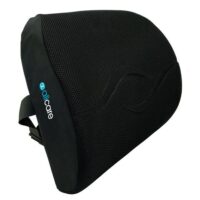
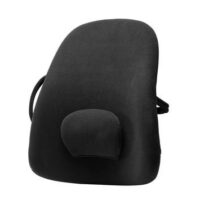
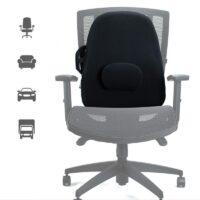
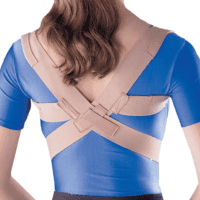
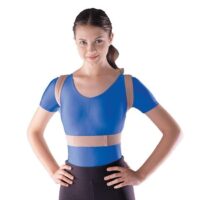
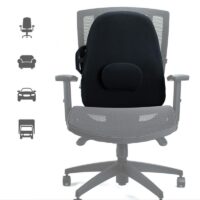
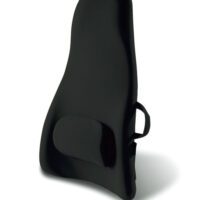
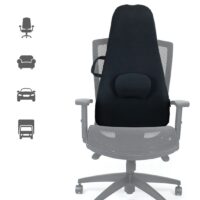
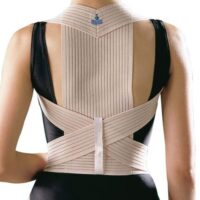
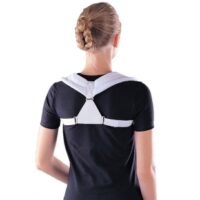
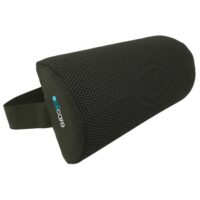
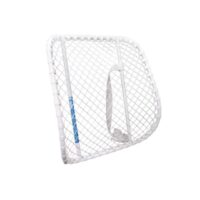
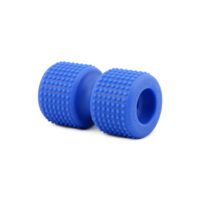
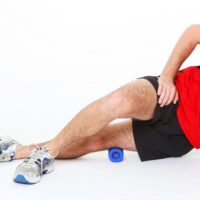
These posture products are commonly used by our physiotherapists to improve posture, postural strength, endurance and flexibility, plus assist home exercise programs.