
A tailored exercise plan helps match rehab to your body, symptoms and goals.
Why Are Physiotherapy Exercises Specific to You?



Supervised exercise helps match your program to your stage.
A physiotherapy exercise program is a tailored plan that helps improve movement, strength, balance and control after pain, injury, surgery or deconditioning. Rather than giving generic stretches, a physiotherapist matches your exercises to your symptoms, capacity, goals and stage of recovery. For the broader treatment overview, visit our exercise programs page.
The right plan can help you load tissues safely, rebuild confidence and avoid doing too much too soon. It should also give you a clear path forward, not guesswork.
Short answer: physiotherapy exercises are specific because your diagnosis, symptoms, strength, confidence, goals and recovery stage all affect what is safe and useful. A good program matches the exercise, dose and progression to you.
Why Do Physiotherapists Prescribe Specific Exercises?
Different injuries need different loading plans. A painful tendon may need a different approach from a stiff joint, weak muscle, irritated nerve or post-operative repair. Therefore, your physiotherapist selects exercises that fit the problem and your current tolerance.
Your starting point also matters. Age, fitness, pain level, work demands, balance, confidence and medical history can all change what is safe and useful. A good plan should challenge you without repeatedly flaring symptoms.
What Should a Physiotherapy Exercise Program Include?
A physiotherapy exercise program often progresses in stages. Early work may focus on comfortable movement, swelling control, breathing, posture or simple muscle activation. Later, the plan may shift towards strength training, endurance, control and daily tasks such as walking, lifting, squatting, stairs or sport.
Common Exercise Types
- Mobility: to restore comfortable range.
- Activation: to help weak or inhibited muscles switch on.
- Strength: to improve load tolerance.
- Balance: to improve control and reduce falls risk.
- Function: to return to work, sport or daily activity.
This is why copying someone else’s rehab often falls short. Even with the same diagnosis, two people may need different exercises, dosage and pacing. Some people start with gentle stretching exercises. Others are ready for resistance-based progressions such as resistance band exercises.

Strength exercises should match your capacity.
Should Physiotherapy Exercises Hurt?
Not always. Some exercises should feel easy and controlled, especially early in recovery. Others may feel challenging as your strength and tolerance improve.
However, severe pain, sharp pain, swelling, loss of confidence or a flare-up that lasts into the next day may suggest the exercise needs adjustment. Your physiotherapist may change the range, load, speed, support, rest time or technique.
A Simple Load Check
- Green light: mild effort that settles quickly.
- Yellow light: discomfort that needs a dosage change.
- Red light: sharp pain, swelling, giving way or symptoms that worsen afterwards.
For some conditions, careful progressions such as eccentric strengthening may be useful. The key is matching the exercise to your stage, rather than pushing through every symptom.
How Does a Program Progress?
A useful program should change as you improve. It should not stay at the same level for weeks if your strength, confidence and control have moved forward.
| Stage | Main Goal | Example Focus |
|---|---|---|
| Early | Settle symptoms and restore movement | Gentle mobility, activation and supported movement |
| Middle | Build capacity | Strength, balance, endurance and control drills |
| Later | Return to life, work or sport | Stairs, lifting, running, agility or sport-specific tasks |
For active people, later stages may include agility exercises or higher-level strengthening built on a base of core exercises.
What Happens If You Stop Too Early?
If you stop too early, weak or poorly coordinated muscles may stay that way. As a result, irritated tissues can remain overloaded, and nearby joints or muscles may start to compensate. This can slow recovery and may allow symptoms to return.
Not every exercise needs to continue forever. Even so, many people benefit from keeping part of their routine until they have enough strength, movement and control for normal daily life, work or sport.
When Assessment May Help
An assessment may help if you are unsure which exercises are safe, if symptoms keep returning, or if online exercises have not matched your needs. It can also help after surgery, after a major flare-up, or when you feel weak, stiff, unsteady or deconditioned.
Your physiotherapist can then refine your physiotherapy exercise plan by changing the movement, dosage, support or progression. Where balance or falls risk is part of the picture, specific balance training may also be appropriate.
Activity and Load Still Matter
Exercises work best when they sit beside sensible load management. You may need to adjust walking, gym training, running, work tasks or sitting time while tissues settle and capacity improves.
In other words, the exercise itself is only one part of the plan. Matching it to your weekly load often makes the program more practical and sustainable.
Keep Going, Change It, or Get Help?
- Keep going if symptoms are mild and settle quickly.
- Change it if pain keeps building during or after exercise.
- Get assessed if symptoms keep returning, spreading, swelling or limiting normal activity.

Exercise programs progress towards real-life movement.
What This Means for You
If you have pain, weakness, stiffness, balance loss or delayed recovery, a tailored physiotherapy exercise program may help clarify what to do next. The aim is to match the right exercise to the right stage, then progress it step by step.
Assessment can help you avoid overdoing it, underloading it or wasting time on exercises that do not suit your problem. You can also read more about broader physiotherapy care at PhysioWorks.
Related Information
- Exercise Programs
- Strength Training
- Stretching Exercises
- Resistance Band Exercises
- Eccentric Strengthening
- Core Exercises
- Balance Training
- Agility Exercises
- Physiotherapy
Physiotherapy Exercise Program FAQs
What is a physiotherapy exercise program?
A physiotherapy exercise program is a tailored plan designed to improve movement, strength, control and function after pain, injury, surgery or deconditioning.
Why are physiotherapy exercises specific to each person?
Exercises should match your diagnosis, symptoms, recovery stage, fitness, goals and daily demands. This helps the plan progress safely and reduces the risk of unnecessary flare-ups.
Should physiotherapy exercises hurt?
They should not usually cause severe or sharp pain. Some exercises may feel challenging, but pain that lingers or worsens may mean the load, range or dosage needs changing.
How often should I do my exercises?
It depends on the goal. Some exercises may suit daily practice. Others need rest days so tissues can recover. Your physiotherapist can help set the right dose.
When should I get assessed?
Assessment may help if pain keeps returning, online exercises have not worked, you feel weak or unstable, or you are recovering after surgery or a significant injury.
What To Do Next
If you are unsure which exercises are safe, book a physiotherapy assessment. Your physiotherapist can check your movement, explain what is likely driving your symptoms and build a plan that fits your stage.
If your exercises are helping, keep building gradually. If they are flaring symptoms or you are not progressing, it is worth having the plan reviewed.
Choose your clinic and appointment pathway
Select a PhysioWorks clinic to continue to live booking, an appointment request or reception assistance.
Strength Products
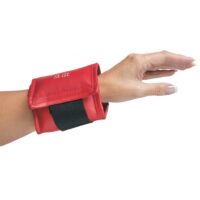
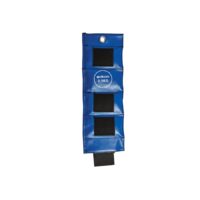
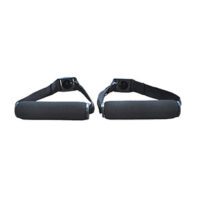
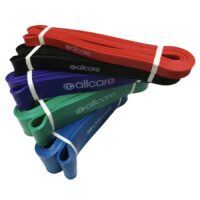
These strength products are commonly used by our physiotherapists to improve strength, controlled movement, plus assist home exercise programs.
-
-
-
-
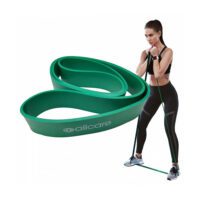 Exercise Equipment, Resistance Band
AllCare Powerloop Bands
$24.95 – $79.95Select optionsQuick View -
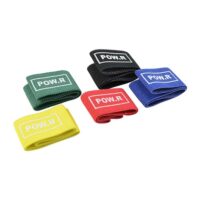 Exercise Equipment, Knee, Resistance Band
POW.R Fabric Mini Loop Bands
$12.00 – $55.00Select optionsQuick View - Gift Ideas, Back, Christmas Gift Ideas, Exercise Balls, Exercise Equipment, Knee, Pelvic Floor, Product Search
66fit Pilates Balls
$14.95 – $16.95Select optionsQuick View -

-
-


-
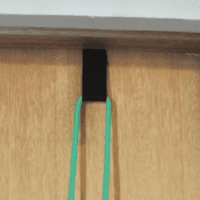 Exercise Equipment, Resistance Band, Shoulder
Resistance Band Anchor Stirrup
$13.00Add to cartQuick View -
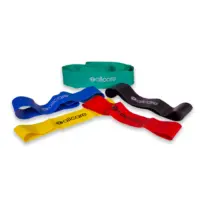
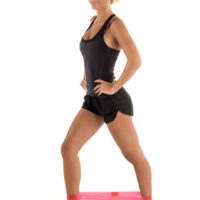
- Exercise Equipment, Back, Elbow, Foot, Hand & Wrist, Knee, Resistance Band, Shoulder
Resistance Bands Pre-Packed 1.5m
$10.95Select optionsQuick View







References
- Hayden JA, Ellis J, Ogilvie R, Malmivaara A, van Tulder MW. Exercise therapy for chronic low back pain. Cochrane Database Syst Rev. 2021;2021(9):CD009790. doi:10.1002/14651858.CD009790.pub2
- De la Corte-Rodriguez H, Roman-Belmonte JM, Resino-Luis C, Madrid-Gonzalez J, Rodriguez-Merchan EC. The role of physical exercise in chronic musculoskeletal pain: best medicine-a narrative review. Healthcare (Basel). 2024;12(2):242. doi:10.3390/healthcare12020242
- Heisig J, Wassenaar TM, Tarp J, et al. Adherence support strategies for physical activity randomized controlled trials in chronic musculoskeletal pain: a systematic review. J Phys Act Health. 2025;22(1):4-18. doi:10.1123/jpah.2024-0327
- Arora NK, Donath L, Miller C, et al. Exercise for chronic musculoskeletal pain: time to prescribe with precision. BMJ Open Sport Exerc Med. 2025;11(4):e003076. doi:10.1136/bmjsem-2025-003076
