
Sports Injuries
Sports Injuries



Sports injuries are pain, tissue damage or movement problems that develop during training, competition or return to sport. They may affect muscles, tendons, ligaments, joints, bones or nerves.
Some injuries happen suddenly after a collision, fall, awkward landing or fast change of direction. Others build gradually when training load rises faster than the body can adapt. Use this hub to find the right sport or condition guide and learn when an assessment may help.
Browse Sports Injury Guides
Choose a sports family to find injury information that matches your activity.
Football Sports
Soccer, rugby league, rugby union, AFL and touch football
Team Sports
Basketball, netball, volleyball, cricket and hockey
Racquet Sports
Tennis, squash, pickleball, padel and badminton
Outdoor Sports
Running, cycling, triathlon, golf and athletics
Indoor Sports
Weightlifting, gymnastics, boxing and martial arts
Water Sports
Swimming, rowing, water polo, surfing and wakeboarding
Winter Sports
Skiing, snowboarding and other winter activities
Sports Health
Concussion, prevention and return-to-sport guidance
Popular Sports Injury Guides
These guides cover activities commonly played for recreation, school, fitness and club competition.
When Does Your Sports Pain Occur?
The movement that causes pain can help you choose a relevant body-region guide. However, one painful action does not confirm a diagnosis.
Running or Sprinting
Calf, Achilles, hamstring, knee, shin, hip or foot symptoms may increase as speed or distance rises.
Jumping or Landing
Knee, ankle, Achilles and lower-leg pain may appear during take-off, landing or repeated jumping.
Cutting or Pivoting
Fast direction changes can load the knee, ankle, hip and groin during field and court sports.
Throwing or Serving
Shoulder, elbow, wrist and back symptoms may develop with repeated overhead speed and rotation.
Tackling or Contact
Contact may cause bruising, joint injuries, fractures or concussion symptoms that need prompt assessment.
Repeated Training Load
Gradually increasing tendon, bone or joint pain may mean that training demand has outpaced recovery.
Find Help by Painful Body Region
Start with the painful area when you are unsure which sports injury guide matches your symptoms.
Knee pain
Running, jumping, pivoting and landing
Ankle pain
Rolling, landing and direction changes
Shoulder pain
Throwing, serving, swimming and contact
Back pain
Lifting, rotation and repeated loading
Hip and groin pain
Kicking, sprinting, lunging and cutting
Hamstring pain
Acceleration, sprinting and kicking
What Are Sports Injuries?
Sports injuries are physical problems linked to exercise or sport. They can range from mild irritation that affects one movement to major trauma that stops walking, training or competition.
A sports injury may be:
- Acute: caused by a clear event, such as a collision, fall, twist or awkward landing.
- Overuse-related: caused by repeated load with too little time for adaptation or recovery.
- Recurrent: a previous injury that returns when sport demands increase.
- Sport-related concussion: a brain injury caused by a direct or indirect force to the head or body.
How Common Are Sports Injuries?
Sports injuries affect recreational, school, community and competitive athletes. The Australian Institute of Health and Welfare reported 62,100 sports injury hospitalisations in Australia during 2023–24.1
Hospital figures represent more serious injuries. Many other sports injuries are managed through general practice, physiotherapy, community health services or self-care.
What Causes Sports Injuries?
Most sports injuries occur when a sudden force exceeds tissue tolerance or repeated training demand rises faster than the body can adapt. Several factors often contribute.
- Sudden changes in training volume, frequency or intensity
- Returning too quickly after illness, holidays or injury
- Fatigue and reduced movement control late in a session
- Incomplete strength, confidence or sport-specific rehabilitation
- Rapid changes in footwear, equipment, surface or technique
- Direct contact, falls, collisions or awkward landings
- Reduced sleep, recovery or preparation between demanding sessions
What Are Common Sports Injuries?
Injury patterns vary between sports. The following conditions commonly affect people involved in running, jumping, pivoting, sprinting, throwing and contact activities.
- Sprained ankle: often follows a sudden roll, uneven landing or direction change.
- ACL injury: may occur during pivoting, cutting, braking or awkward landing.
- Meniscus tear: can follow twisting load and may cause pain, swelling or catching.
- Tendinopathy: may develop when repeated tendon load outpaces recovery.
- Hamstring strain: commonly occurs during sprinting, acceleration or kicking.
- Shin splints: may develop after a fast increase in running or jumping load.
- Achilles tendinopathy: often causes gradually increasing pain with running, jumping or push-off.
- Concussion: needs symptom-led management and a staged return-to-sport process.
Who Has a Higher Risk of Sports Injury?
Anyone who takes part in physical activity can become injured. Risk may rise when training changes quickly or previous capacity has not returned.
- People returning after time off: fitness and tissue tolerance may fall during illness, holidays or inactivity.
- Athletes with a previous injury: recurrence may be more likely when strength, control or confidence remains reduced.
- Junior athletes: rapid growth can temporarily change coordination, flexibility and load tolerance.
- Masters athletes: recovery time, work demands, sleep and previous injuries may require closer planning.
- Athletes moving to a higher level: greater speed, contact or training volume may create a sudden demand increase.
When Should You Stop Sport and Seek Assessment?
Stop the activity and seek healthcare advice when an injury causes a marked loss of function or symptoms that suggest more than a minor training response.
- Inability to bear weight or use the affected limb normally
- Visible deformity or concern about a fracture or dislocation
- Rapid swelling, extensive bruising or severe pain
- A joint that repeatedly gives way, locks or catches
- New numbness, weakness or altered coordination
- Head impact followed by headache, dizziness, confusion, memory problems, balance changes or unusual behaviour
- Chest pain, breathing difficulty or collapse during sport
Call emergency services for severe trauma, loss of consciousness, worsening neurological symptoms, breathing difficulty or another medical emergency.
When Should You See a Physiotherapist?
Consider physiotherapy when symptoms keep returning, stop you training normally or affect confidence with sport-specific movement.
- Pain that has not settled as expected
- Repeated flare-ups whenever training increases
- Swelling, stiffness, weakness or reduced movement
- Difficulty running, landing, changing direction or throwing
- Reduced confidence after an injury
- Uncertainty about how much training is safe
- A need for staged return-to-sport testing and progression
How Can Physiotherapy Help Sports Injuries?
Sports injury physiotherapy assesses the injury and the movement demands of your activity. The aim is to help you understand the problem, protect healing tissue where needed and rebuild the capacity required for training and competition.
An assessment may include:
- Discussion of the injury, symptoms, training history and goals
- Joint movement, muscle strength and functional testing
- Balance, landing, running or change-of-direction assessment
- Review of training load, recovery and aggravating activities
- A staged rehabilitation and return-to-sport plan
Management may include activity changes, exercise rehabilitation, strength training, movement retraining and sport-specific progressions. Manual therapy or massage may support comfort and movement where appropriate. However, rehabilitation usually needs active loading and gradual exposure to sport demands.
Do Sports Injuries Need Scans?
Not every sports injury needs imaging. A clinical history and physical examination can often guide early management of common sprains, strains and overuse problems.
An X-ray, ultrasound, MRI or another test may be considered when symptoms suggest a fracture, major tissue injury or another condition that needs investigation. Imaging may also help when recovery does not follow the expected pattern.
Sports Injury Prevention and Preparation
No plan prevents every injury. However, sensible preparation can improve the body’s ability to tolerate training and competition.
Progress Training
Increase volume, speed and intensity in manageable steps rather than large sudden jumps.
Maintain Strength
Use regular strength work that reflects the running, jumping, landing, throwing or contact demands of your sport.
Prepare for Movement
Use a progressive warm-up before high-speed, high-force or technically demanding sessions.
Plan Recovery
Allow recovery between demanding sessions and adjust training when fatigue or symptoms rise.
Read our injury prevention essentials for practical preparation guidance.
How Do You Return Safely to Sport?
Return to sport is usually a progression rather than one test or date. Early stages may focus on comfortable movement and strength. Later stages add speed, power, agility, contact and sport-specific skill.
A return-to-sport plan may progress through:
- Daily activities and basic exercise without an unacceptable symptom increase
- Strength, balance and control appropriate for the injury
- Running, jumping, throwing or other sport-specific movements
- Controlled training with increasing speed and complexity
- Full training before unrestricted competition where appropriate
Symptoms, tissue healing, strength, confidence and sport demands all affect the timeframe. Returning before these areas are ready may increase recurrence risk.
Not Sure Which Sports Injury Guide You Need?
Start with the sport or painful body region that best matches your concern. An assessment may help when several areas are involved, the diagnosis is unclear or symptoms keep returning as training increases.
The goal is not only to become comfortable at rest. Rehabilitation should help rebuild enough movement, strength and confidence for the demands of your sport.
FAQs About Sports Injuries
What are the most common sports injuries?
Common sports injuries include ankle sprains, knee ligament injuries, meniscus tears, tendon pain, hamstring strains, shin pain, shoulder injuries, back pain and concussion. The likely injury depends on the sport, training load, previous injuries and movement demands.
Can I keep training with a sports injury?
Some people can continue with modified training. Choose activities that do not worsen the injury or interfere with recovery. Stop and seek assessment when pain, swelling, instability, neurological symptoms or loss of function are significant.
Do sports injuries always need scans?
No. Many sports injuries can initially be assessed through your history and a physical examination. Imaging may help when a fracture, significant tissue injury or unexpected recovery pattern is suspected.
How long does sports injury rehabilitation take?
Timeframes vary with the diagnosis, tissue involved, injury severity and sport demands. Mild injuries may improve over several weeks. Major ligament, tendon, bone or concussion-related problems may need a longer staged rehabilitation process.
What increases the risk of reinjury?
Returning too quickly, skipping strength progressions, incomplete sport-specific rehabilitation and rapid training increases can raise reinjury risk. A previous injury may also remain relevant when strength, control or confidence has not returned.
When can I return to competition?
Return should be based on symptoms, function, physical capacity and your ability to tolerate training demands. Many athletes benefit from completing controlled sport-specific training before unrestricted competition.
What to Do Next
If a sports injury limits training, confidence or performance, a physiotherapy assessment can help identify the likely problem and guide the next step.
PhysioWorks can assess movement, strength and sport demands, then develop a rehabilitation plan matched to your goals and activity level.
Choose your clinic and appointment pathway
Select a PhysioWorks clinic to continue to live booking, an appointment request or reception assistance.
Muscle & Soft Tissue Products
These muscle and soft tissue products are commonly used by our physiotherapists to relax or loosen muscles, improve strength, comfort, flexibility, and home exercise programs.
-
-
-
-


-
-
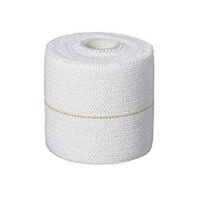

- Liniments & Gels, Massage Liniments, Pain Management
Fisiocrem
$16.95 – $39.95Select optionsQuick View -
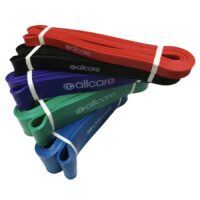
 Exercise Equipment, Resistance Band
AllCare Powerloop Bands
$24.95 – $79.95Select optionsQuick View -
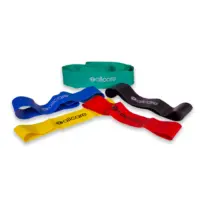
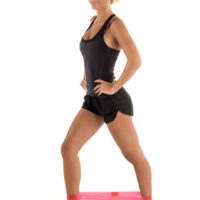
-
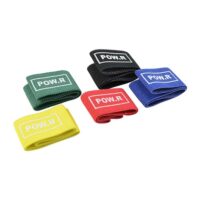 Exercise Equipment, Knee, Resistance Band
POW.R Fabric Mini Loop Bands
$12.00 – $55.00Select optionsQuick View - EMS Machines, Pain Management, TENS Machine, TENS Machine & EMS
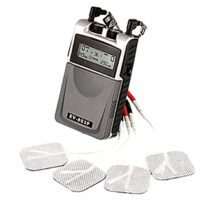
NeuroTrac Rehab (TENS Machine + EMS)
$285.00Add to cartQuick View -
-
-
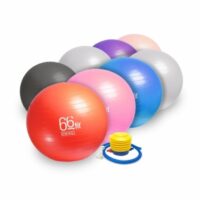
 Exercise Balls, Back, Exercise Equipment, Knee, Shoulder
66fit Exercise Balls | Core & Rehab Stability Ball
$32.00 – $57.00Select optionsQuick View












References
- Australian Institute of Health and Welfare. Sports injury: Overview. Updated July 29, 2025. Accessed July 21, 2026.
- Gabbett TJ. Load management: What it is and what it is not! Sports Health. 2023;15(4):478. doi:10.1177/19417381231179946.
- Patricios JS, Schneider KJ, Dvorak J, et al. Consensus statement on concussion in sport: the 6th International Conference on Concussion in Sport—Amsterdam, October 2022. Br J Sports Med. 2023;57(11):695-711.
- Smith MD, Vicenzino B, Bahr R, et al. Return to sport decisions after an acute lateral ankle sprain injury: introducing the PAASS framework—an international multidisciplinary consensus. Br J Sports Med. 2021;55(22):1270-1276. doi:10.1136/bjsports-2021-104087.
- Meredith SJ, Rauer T, Chmielewski TL, et al. Return to sport after anterior cruciate ligament injury: Panther Symposium ACL Injury Return to Sport Consensus Group. JISAKOS. 2021;6(3):138-146. doi:10.1136/jisakos-2020-000495.
