Many people ask what happens if you don’t get surgery on your ACL after a knee injury. The answer depends on how stable your knee feels, your sport or work demands, and how well you respond to rehabilitation. In many cases, a structured program guided by a physiotherapist can help you return to everyday life and some sports without reconstruction. For the broader picture, visit our ACL Injury page.
However, not every ACL-deficient knee behaves the same way. Some people regain good strength, confidence, and control. Others continue to notice giving way with twisting, pivoting, or quick direction changes. This page explains what may happen if you choose not to have ACL surgery, when rehabilitation may be enough, and when an orthopaedic review may still be worth discussing.
If you do not have surgery after an ACL tear, treatment usually focuses on progressive rehabilitation to improve knee strength, control, and confidence. Many people do well with physiotherapy, especially for everyday activities, straight-line exercise, and some lower-risk sports. On the other hand, if the knee keeps giving way, you may be more likely to irritate other structures such as the meniscus, and reconstruction may need to be reconsidered. For the main overview, see our ACL Injury page.
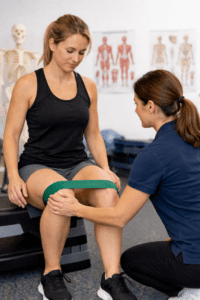
The most common first step is a rehabilitation trial. This usually includes reducing swelling, restoring knee movement, rebuilding quadriceps and hamstring strength, improving balance, and retraining the way you walk, squat, land, and change direction. During this process, your physiotherapist looks closely at whether your knee feels stable and whether your symptoms are improving.
Some people become what clinicians often call “copers”. In simple terms, that means they can function well despite the ACL tear. They may return to daily life, gym work, cycling, straight-line running, and sometimes selected sports without repeated episodes of instability. Others remain “non-copers”, meaning the knee still feels unreliable during higher-demand tasks.
Rehabilitation is not just a matter of waiting for the knee to settle. It is an active process. Early treatment usually targets pain, swelling, knee extension, and muscle activation. As your knee improves, exercises become more demanding and may include step control, lunges, single-leg strength work, hopping preparation, agility drills, and sport-specific movement retraining.
Your physiotherapist may also assess how other knee ligaments, the meniscus, and your overall movement patterns affect stability. This matters because an isolated ACL tear can behave very differently from an ACL injury combined with meniscus damage, cartilage irritation, or other ligament injury.
Non-surgical care may suit people whose knee feels stable after rehabilitation, whose sport or work does not involve frequent pivoting, and who are willing to stay consistent with their exercise program. It can also suit people who want to trial rehabilitation first before deciding on reconstruction.
Research over the last few years continues to support a rehabilitation-first discussion for selected patients. That does not mean surgery is unnecessary for everyone. Instead, it means surgery is not always automatic, and some people can achieve good results without immediate reconstruction.
A careful review becomes more important if your knee repeatedly gives way, if you cannot trust it on stairs or uneven ground, or if you want to return to pivoting sports such as football, netball, or basketball. Recurrent instability can increase stress on the meniscus and joint surfaces over time.
If that pattern appears, your physiotherapist may suggest an orthopaedic opinion alongside continued rehabilitation. This does not lock you into surgery. Rather, it helps clarify your options, expected timelines, and whether reconstruction may better suit your goals. You can also read more about post-operative rehab on our ACL Rehabilitation After Surgery page.
The decision often comes down to what loads your knee needs to handle. Walking, cycling, controlled gym training, and straight-line jogging place different demands on the ACL compared with cutting, pivoting, contact sport, or awkward landings. Therefore, someone who wants to return to social cycling may face a different decision from a teenager returning to netball or a footballer wanting to cut and sidestep at speed.
Your job matters too. If your work involves ladders, unstable ground, carrying loads, or fast direction changes, knee instability may have a bigger impact on safety and performance.
If your ACL is torn, surgery is not always the only option. A high-quality assessment and a structured rehabilitation plan can clarify whether your knee is coping well enough without reconstruction. Many people function well without surgery, while others find that instability keeps limiting their activity. The key is to match the plan to your symptoms, goals, and knee demands rather than assuming every ACL tear needs the same pathway.
Select a PhysioWorks clinic to continue to live booking, an appointment request or reception assistance.
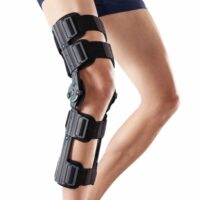
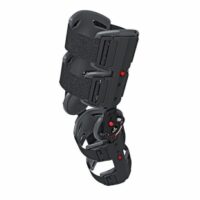
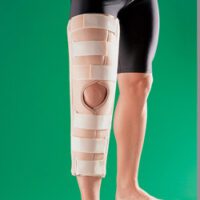
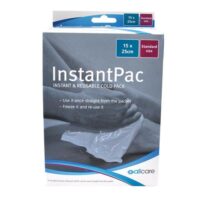
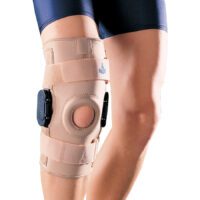
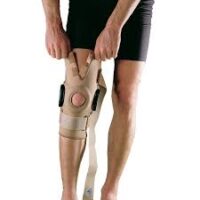
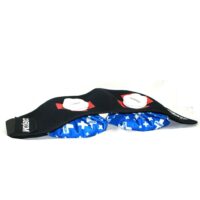
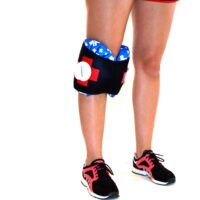
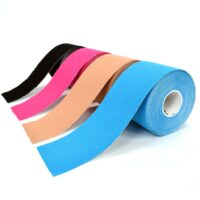
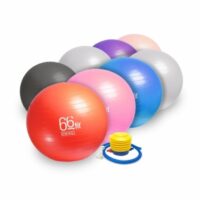
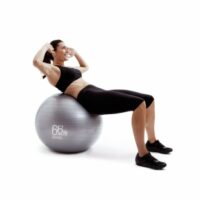
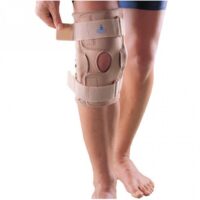
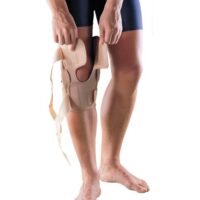
These ACL knee support products are commonly used by our physiotherapists to help reduce strain, improve stability, and support your ACL recovery at home.


For research summaries and management pathways, visit our main condition page: ACL Injury