
How to Relieve Knee Pain
How to Relieve Knee Pain


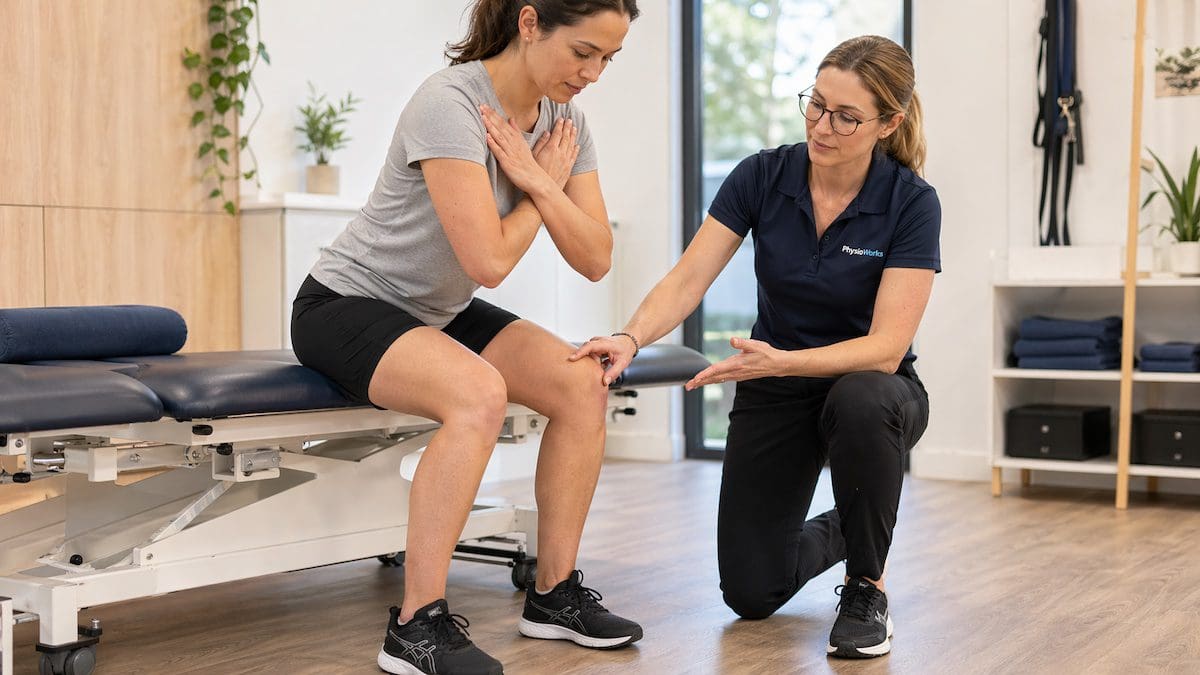
A physiotherapist checks kneecap alignment during a supported sit-to-stand.
Knee pain relief usually involves identifying the cause and matching the right treatment. Many cases improve with guided exercise, load management, and movement retraining, while some injuries need short-term protection. Early assessment helps direct the most effective plan and speeds recovery.
If your knee pain started suddenly or keeps returning, use this guide alongside the knee pain hub to understand what may be driving your symptoms and what to do next.
Quick Signs to Notice
- pain with stairs, squatting, or running
- swelling after a twist or impact
- locking, catching, or giving way
- morning stiffness or pain after rest
- pain worsening the next day after activity
Related Knee Pages
What can you do to relieve knee pain?
Start by reducing activities that clearly aggravate your knee, keep it moving within tolerance, and begin targeted strengthening. Long-term relief usually comes from identifying the cause, not just settling symptoms.
Common contributors include patellofemoral pain, meniscus injury, tendon overload, bursitis, or knee arthritis. Each tends to need slightly different management.
Should you rest or exercise with knee pain?
Most people improve with relative rest rather than complete rest. Reduce painful loads briefly, but keep the knee moving and rebuild strength gradually.
Complete rest often leads to stiffness and weakness. Instead, use guided knee exercises to restore control, tolerance, and confidence.
How much pain is acceptable during exercise?
Mild discomfort during exercise is usually acceptable if it settles quickly and does not worsen the next day. Sharp pain, swelling, or instability means the exercise needs adjusting.
This approach helps you load the knee safely without pushing it into a flare-up.
Exercise Decision Guide
- Continue: mild discomfort that settles quickly
- Modify: pain during exercise that lingers slightly
- Stop: sharp pain, swelling, or instability
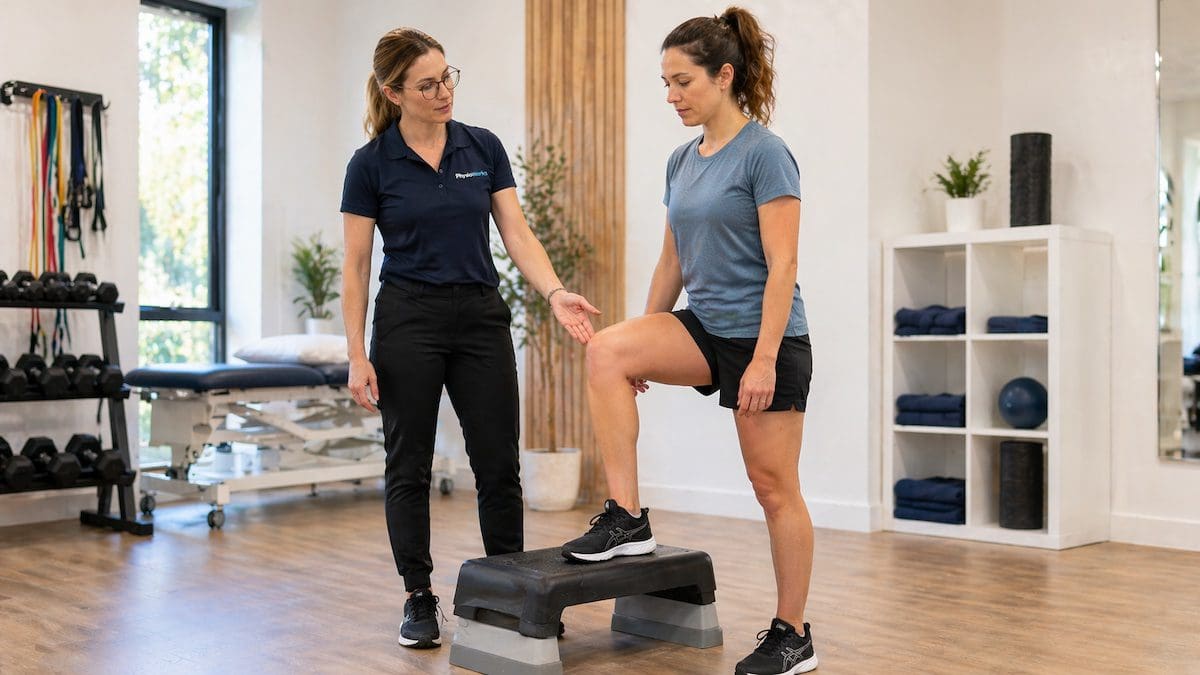
Step-up exercises help rebuild knee strength and control.
Should you use ice or heat for knee pain?
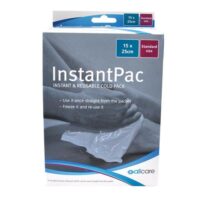
Ice may help reduce swelling after a flare-up, while heat may feel better for stiffness. Use both as short-term tools rather than stand-alone solutions.
If you want general guidance, Healthdirect provides useful information on managing soft tissue injuries.
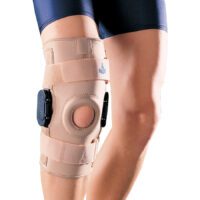
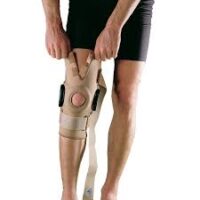
When should you use a knee brace?
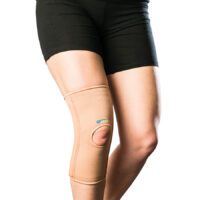
A knee brace may help if your knee feels unstable or irritated during activity. However, it should match the underlying problem rather than replace exercise and load management.
A physiotherapist can guide the right choice within a structured knee treatment plan.
How can physiotherapy help relieve knee pain?
Physiotherapy helps by identifying the painful structure, modifying aggravating loads, and building a plan around movement, strength, and confidence. Many people also benefit from taping, manual therapy, and activity advice in the short term.
Your plan may include mobility work, strength training, walking guidance, return-to-running advice, stair strategy, and movement retraining.
When should you get knee pain checked?
Get your knee assessed if pain follows a twist or fall, if you cannot weight-bear, or if the knee locks, swells, or gives way.
Persistent or recurring pain should also be reviewed. This guide to common knee injuries may help clarify your next step.
What to do next
If your symptoms are mild, begin with load reduction and guided exercise. If they persist, worsen, or limit activity, a physiotherapy assessment can help you move forward with a clear plan.
Start with the knee pain guide or head straight to knee treatment if you want tailored care.
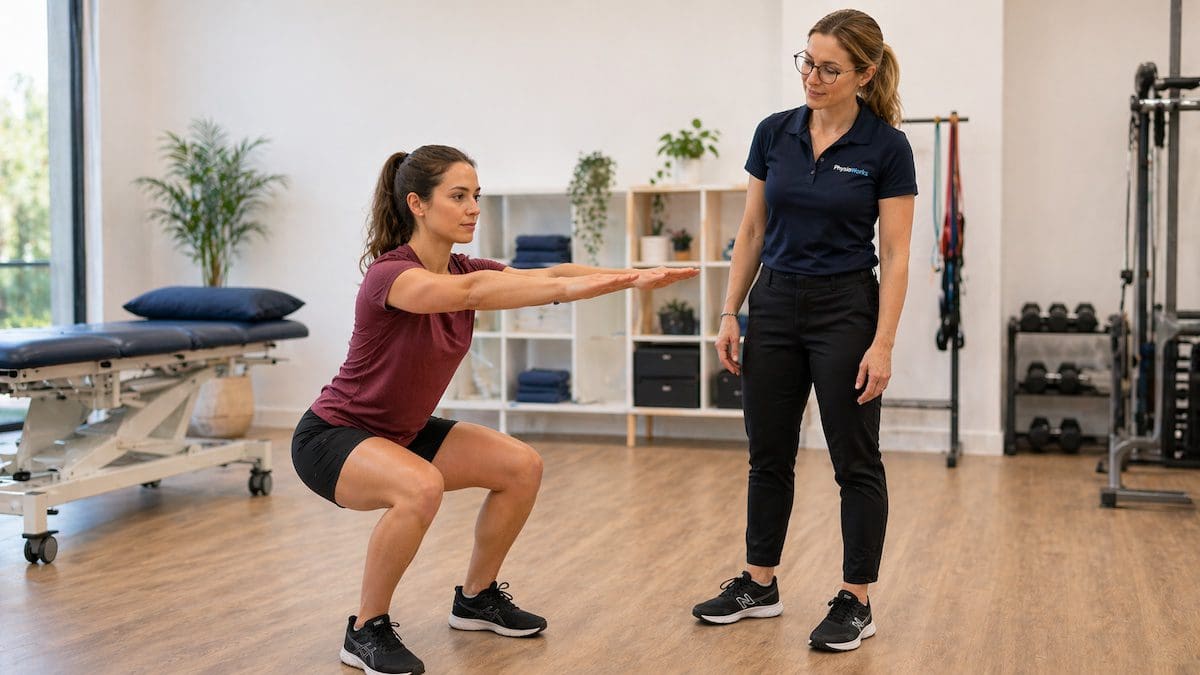
Controlled squatting shows improving knee confidence and function.
Choose your clinic and appointment pathway
Select a PhysioWorks clinic to continue to live booking, an appointment request or reception assistance.
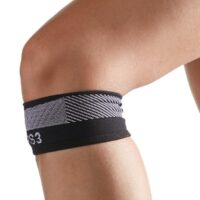
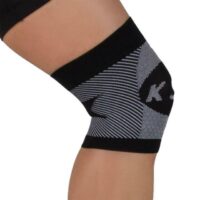
Knee Support Products
These knee support products are commonly used by our physiotherapists to help reduce strain, improve stability, and support your recovery at home.
-
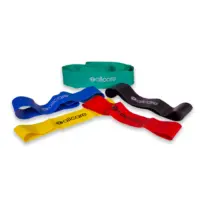
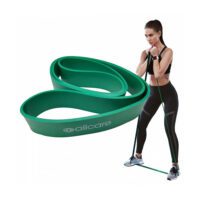 Exercise Equipment, Resistance Band
AllCare Powerloop Bands
$24.95 – $79.95Select optionsQuick View -
-
-
-
-


-

 Calf, Elbow, Ice & Heat, Knee, Pain Management
Victor Elastic Cold Sleeve
$44.00 – $60.00Select optionsQuick View - EMS Machines, Pain Management, TENS Machine, TENS Machine & EMS
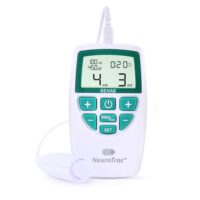
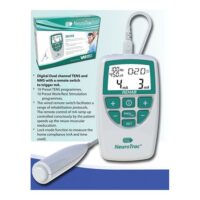
NeuroTrac Rehab (TENS Machine + EMS)
$285.00Add to cartQuick View -
-
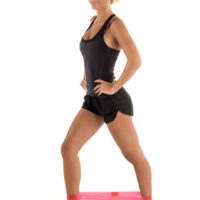
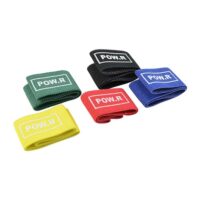 Exercise Equipment, Knee, Resistance Band
POW.R Fabric Mini Loop Bands
$12.00 – $55.00Select optionsQuick View -
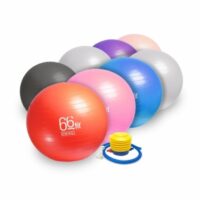
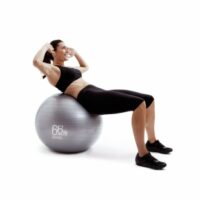 Exercise Balls, Back, Exercise Equipment, Knee, Shoulder
66fit Exercise Balls | Core & Rehab Stability Ball
$32.00 – $57.00Select optionsQuick View - Liniments & Gels, Massage Liniments, Pain Management
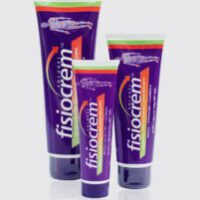
Fisiocrem
$16.95 – $39.95Select optionsQuick View -
-


References
- Crossley KM, van Middelkoop M, Callaghan MJ, et al. Patellofemoral pain. Br J Sports Med. 2016;50(14):247-250.
- Kolasinski SL, Neogi T, Hochberg MC, et al. 2020 American College of Rheumatology guideline for the management of osteoarthritis of the hand, hip, and knee. Arthritis Care Res (Hoboken). 2020;72(2):149-162.
- Culvenor AG, Collins NJ, Vicenzino B, et al. Management of patellofemoral pain syndrome. BMJ. 2017;357:j393.