
Corked Thigh


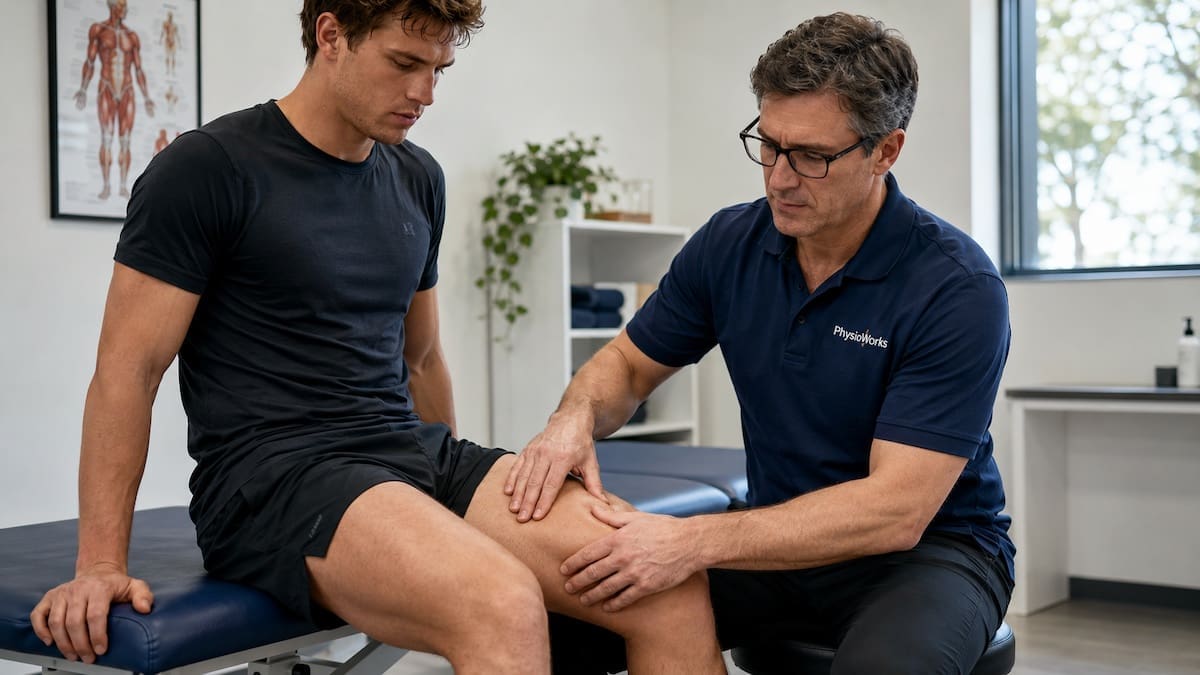
A corked thigh is a quadriceps contusion caused by a direct blow to the front of the thigh. The impact bruises muscle fibres and small blood vessels. This can cause pain, swelling, stiffness and trouble running, kicking or bending the knee.
A corked thigh is also called a dead leg, quadriceps contusion or Charley horse. It often happens in contact sport, including football, rugby union, rugby league and other sports where a knee, ball, stick or opponent can hit the thigh.
If walking, running or knee bend becomes painful after a knock, a musculoskeletal physiotherapist can assess the injury and guide a safe recovery plan.
Quick Summary: Corked Thigh
- A corked thigh is a bruise to the quadriceps muscle.
- It usually follows a direct blow in sport.
- Early care should avoid heat, alcohol, running and deep massage.
- Severe injuries may need crutches, imaging or medical review.
- Return to sport should depend on pain, strength, knee bend and sport testing.
What Is a Corked Thigh?
A corked thigh is a bruise to the front thigh muscle, usually the quadriceps. A direct blow presses the muscle against the femur. This can damage muscle fibres and small blood vessels.
A corked thigh is a type of soft tissue muscle injury. Mild cases can settle quickly. More severe cases can limit knee movement and delay return to sport.
How Does a Corked Thigh Happen?
Most corked thighs happen when a hard blow hits the front of the thigh. The muscle is often working hard at the time, which can increase the injury.
- You are tackled or kneed in the front of the thigh.
- A hard ball, stick or opponent hits your quadriceps.
- Your thigh is hit while the muscle is tight or active.
The impact can create a haematoma, which means a collection of blood in or around the muscle. Risk factors include fatigue, poor conditioning, poor warm-up, previous thigh injuries and lack of protective padding.
Intramuscular vs Intermuscular Contusions
Clinicians often describe two main corked thigh patterns. The pattern can affect bruising, stiffness and recovery time.
| Type | What happens | Recovery pattern |
|---|---|---|
| Intramuscular | Bleeding stays trapped inside the muscle sheath. | Often stiffer and slower to settle. |
| Intermuscular | Blood can spread between muscle layers and under the skin. | Often bruises more visibly and may settle faster. |
Both types can be painful. Your physiotherapist can assess which pattern is more likely and adjust your rehab plan.
What Are the Symptoms of a Corked Thigh?
Corked thigh symptoms usually start soon after impact. Pain, swelling and stiffness can increase over the next 24 to 72 hours.
- Immediate pain at the front of the thigh
- Thigh tightness or stiffness
- Swelling or a firm lump in the muscle
- Bruising within 24 to 72 hours
- Trouble walking, running or climbing stairs
- Trouble bending the knee fully
How Severe Is a Corked Thigh?
Physiotherapists often grade a corked thigh by pain, swelling, walking, knee bend and muscle power. More severe injuries usually take longer to recover.
| Grade | Common signs | Likely impact |
|---|---|---|
| Grade 1 | Mild tightness and discomfort. | Walking is usually possible. Sport may still hurt. |
| Grade 2 | Clear pain, swelling and less knee bend. | Running and kicking are usually limited. |
| Grade 3 | Marked pain, swelling and loss of power. | Crutches, imaging or medical review may be needed. |
A severe corked thigh can look similar to a thigh muscle strain or tear. A proper assessment helps guide the safest plan.
How Do Physiotherapists Assess a Corked Thigh?
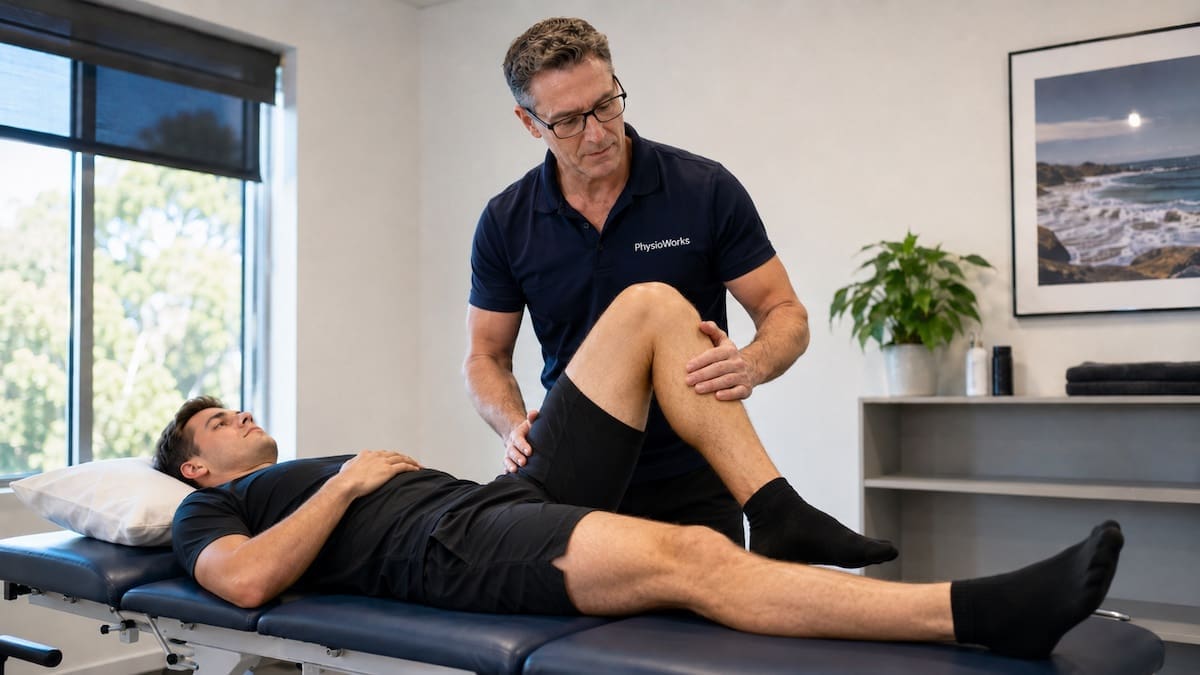
A physiotherapist will ask how the injury happened and how your symptoms have changed. They will also check how well your thigh tolerates movement and load.
- Inspection for swelling, bruising and muscle shape changes
- Palpation of the quadriceps for tenderness, firmness or gaps
- Hip and knee range-of-motion testing
- Quadriceps and lower-limb strength testing
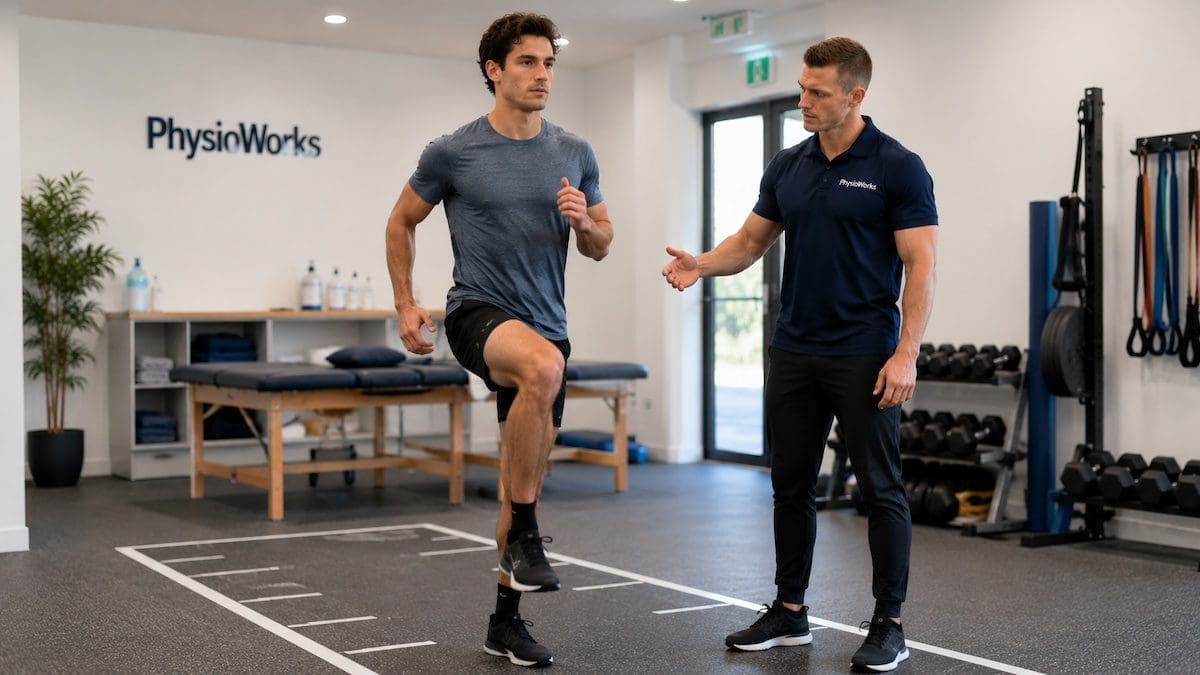
- Squats, step-ups or short jogs when safe
If symptoms are severe or unusual, your physiotherapist may discuss medical review or imaging. This can help exclude fracture, a large haematoma or myositis ossificans.
What Should You Do in the First 48 to 72 Hours?
Early care should protect the injured quadriceps and reduce further bleeding. Modern soft tissue guidelines use PEACE & LOVE principles. These focus on protection, education and steady loading.1
Early rule: avoid H.A.R.M. factors for the first 48 to 72 hours: Heat, Alcohol, Running and deep Massage.
- Protect: avoid contact, running and kicking that increase pain.
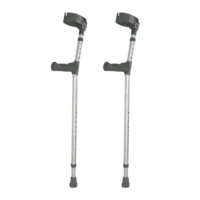
- Offload: use crutches if weight-bearing is painful.
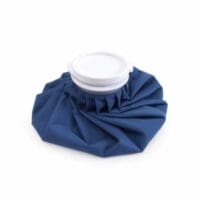
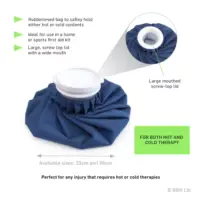
- Ice: short cooling bouts may help pain. Do not place ice directly on skin.
- Compression: use a firm bandage or thigh sleeve to limit swelling.
- Elevation: rest with the leg supported and raised when possible.
If you are unsure what to do after a heavy knock to the thigh, book an assessment with a sports physiotherapist.
How Is a Corked Thigh Treated?
Treatment usually moves from protection and gentle movement into strength, running and contact preparation. Your plan should match your pain, swelling, knee bend, strength and sport demands.
- Gentle movement for the hip and knee
- Isometric quadriceps work to maintain muscle activity
- Progressive strength training for the thigh, hip and calf
- Balance and control drills to rebuild coordination
- Running progressions from walking to jogging, striding and sprinting
- Sport drills such as kicking, cutting and contact work when safe
Manual therapy and carefully timed soft tissue work may help comfort and movement. This might include quadriceps and leg massage once the early bleeding risk has settled.
Your physiotherapist may also use a structured physiotherapy exercise program to rebuild load tolerance and reduce reinjury risk.
When Can You Return to Sport After a Corked Thigh?
Return time depends on injury severity, early care, sport demands and rehab progress. Mild injuries may settle within 1 to 3 weeks. Severe injuries may take 4 to 8 weeks or longer.2,3
Return-to-Sport Checklist
- Walk and jog without a limp
- Sprint at game speed
- Change direction, decelerate and jump without pain
- Kick or perform sport skills at full intensity
- Show near-symmetrical strength and flexibility
Your physiotherapist may also advise on protective padding or taping for your early games back.
When Should You Worry About Myositis Ossificans?
Myositis ossificans can occur after a severe corked thigh when bone forms inside the healing muscle. It is uncommon, but it can cause a firm painful lump, stiffness and slow recovery.3,4
- Increasing pain or stiffness after early improvement
- A firm, tender lump in the muscle
- Night pain or pain at rest
- Knee movement that does not improve as expected
If your physiotherapist suspects myositis ossificans, they will discuss medical review and imaging. Early recognition can help guide safer loading.
How Can You Reduce the Risk of Another Corked Thigh?
You cannot remove all contact risk. However, better preparation can reduce the chance of a severe corked thigh.
- Build good quadriceps and hip strength.
- Complete an active warm-up before training and games.
- Use protective padding if your sport permits it.
- Avoid playing when very fatigued or under-conditioned.
- Rehab previous thigh injuries before returning to full contact.
When Should You See a Physiotherapist or Doctor?
See a physiotherapist if walking, knee bend, running or sport remain limited after a knock to the thigh. Seek prompt medical review if pain worsens, swelling is rapid, or you develop a hard lump or night pain.
- You have a visible thigh lump or rapid swelling.
- You are limping or cannot walk normally.
- You cannot bend or straighten your knee normally.
- Training remains painful several days after injury.
- Pain worsens instead of easing.
- You notice fever, unexplained bruising or systemic symptoms.
- You feel a very hard mass in the muscle.
What to Do Next
If you suspect a corked thigh, avoid further contact and high-speed running. Use early PEACE principles, avoid H.A.R.M. factors, then book an assessment if walking, knee bend or sport remain painful.
A structured plan can help you move from early protection to walking, strength, running, kicking and return-to-sport testing with less guesswork.
Book your appointment – 24/7
Choose your preferred PhysioWorks clinic and book online.
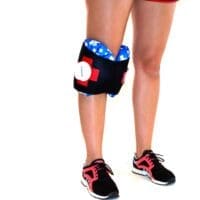
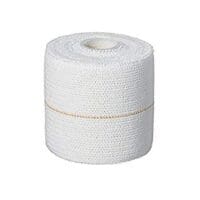
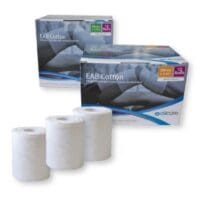
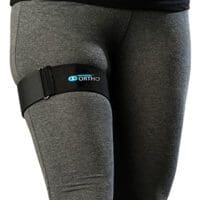
Thigh Products
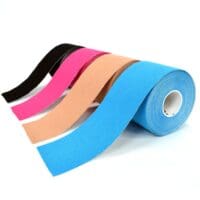
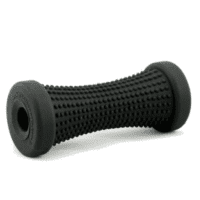
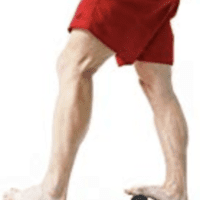
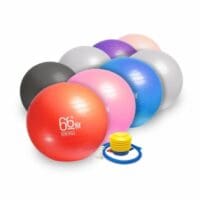
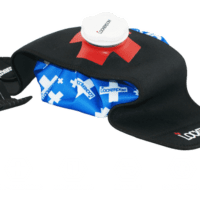
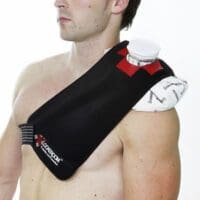
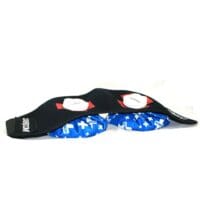
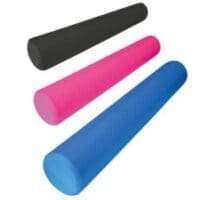
These thigh products are commonly used by our physiotherapists to improve strength, provide comfort, improve flexibility, plus assist home exercise programs.
-
-
-
-
 Gift Ideas, Christmas Gift Ideas, Exercise Equipment, Foot, Knee, Massage Tools, Pain Management
Footeez Lockeroom
$45.00Add to cartQuick View -
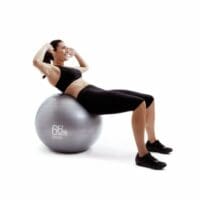 Exercise Balls, Back, Exercise Equipment, Knee, Shoulder
66fit Exercise Balls | Core & Rehab Stability Ball
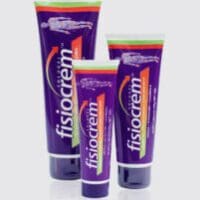
$32.00 – $57.00Select optionsQuick View - Liniments & Gels, Massage Liniments, Pain Management
Fisiocrem
$13.98 – $35.50Select optionsQuick View -
-
-
-
-
-
-
 Ankle, Back, Braces & Supports, Calf, Foot, Groin, Heel, Hip, Knee, Thigh, Walking
Forearm Crutches
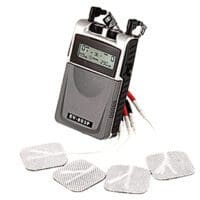
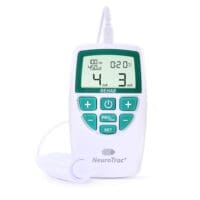
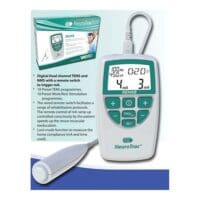
$64.00Select optionsQuick View - EMS Machines, Pain Management, TENS Machine, TENS Machine & EMS
NeuroTrac Rehab (TENS Machine + EMS)
$299.95Add to cartQuick View -
-


Related Articles
- Thigh Pain – Start here for front, back, inner and outer thigh pain.
- Muscle Strain – Learn how muscle strains differ from bruises.
- Thigh Strain – A related cause of front-of-thigh pain.
- Acute Soft Tissue Injury – Early care for bruises, sprains and strains.
- Sports Physiotherapy – Return-to-sport planning after injury.
- Forearm Crutches – Support when painful walking needs offloading.
Corked Thigh FAQs
What is a corked thigh?
A corked thigh is a painful bruise to the quadriceps muscle at the front of your thigh. It usually follows a direct blow in sport. The impact can cause bleeding, swelling and stiffness.
How long does a corked thigh take to heal?
Mild corked thighs may settle within 1 to 3 weeks. More severe injuries can take 4 to 8 weeks or longer. Recovery depends on injury grade, early care and rehab progress.
Should I massage or stretch a corked thigh?
Avoid strong stretching and deep massage in the first 48 to 72 hours. These may worsen bleeding and swelling. A physiotherapist can advise when gentle movement and soft tissue work are safer.
Can I play sport with a corked thigh?
Avoid sport if you are limping, cannot sprint, cannot bend your knee normally, or have worsening pain. Returning too early may delay recovery and raise reinjury risk.
When can I return to sport after a corked thigh?
Return when you can walk, jog, sprint, change direction and perform sport skills without pain. Your physiotherapist may also check strength, flexibility and confidence before you play.
When should I see a physiotherapist or doctor for a corked thigh?
Seek advice if you cannot walk normally, your thigh swells quickly, pain worsens, or you struggle to bend your knee. See a doctor if you notice a hard lump, night pain or possible myositis ossificans signs.
Follow PhysioWorks
Get free physiotherapy tips, exercise videos, recovery advice, and blog updates.
 |  |  | B |  |  |
References
- Dubois B, Esculier JF. Soft-tissue injuries simply need PEACE and LOVE. Br J Sports Med. 2020;54(2):72-73.
- Haws BE, et al. Definitive management of thigh contusions in athletes: a systematic review. J ISAKOS. 2017;2(6):353-359.
- Devilbiss Z, Hess T, Ho GWK. Myositis Ossificans in Sport: A Review. Curr Sports Med Rep. 2018;17(9):290-295.
- Sports Medicine Australia. Quadriceps Contusion (Cork Thigh) Fact Sheet. Updated 2025.