- Description
- Additional information
Description
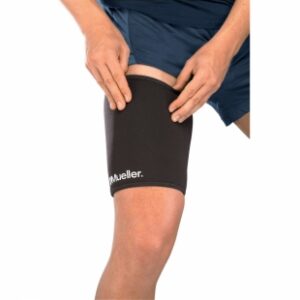
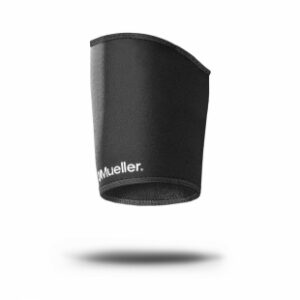
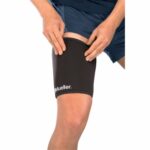
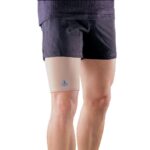
Mueller Thigh Sleeve, thigh compression sleeve, quadriceps and hamstring strain support
Mueller Thigh Sleeve
Thigh pain can limit your training, affect your walking pattern, and slow recovery from muscle strains. Quadriceps and hamstring injuries are common in running, football, gym training, and field sports. Even mild muscle tightness can reduce power output and increase the risk of re-injury. The Mueller Thigh Sleeve provides targeted compression and warmth to support muscle recovery and improve comfort during movement.
Why use a thigh compression sleeve?
Muscle strains, corked thighs, and post-training soreness often respond well to controlled compression and gentle heat retention. Compression can help manage swelling, support soft tissue recovery, and improve comfort during activity. From a physiotherapy perspective, maintaining warmth around the muscle may assist flexibility and reduce stiffness, especially in cooler conditions.
For recovery guidance, read our Muscle Strain Treatment article. If you suspect a hamstring issue, see Hamstring Injuries for rehabilitation tips and return-to-activity advice.
How does the Mueller Thigh Sleeve work?
The Mueller Thigh Sleeve uses a soft neoprene blend to provide supportive compression across the thigh. Neoprene retains therapeutic warmth, which can help improve blood flow and reduce muscle stiffness. This warmth may support tissue flexibility during activity and help keep the area comfortable during colder weather.
Its contoured shape helps distribute pressure evenly without restricting movement. Trimmed edges reduce rolling and irritation, while the fitted design helps the sleeve stay in place during walking, running, or gym training.
Unlike rigid bracing, this sleeve allows functional movement while offering consistent support. It works best as part of a broader recovery plan that may include strengthening, mobility work, and progressive loading. For more information, read our Quadriceps Injuries guide.
What is it used for?
The Mueller Thigh Sleeve suits a range of common thigh complaints and activity needs, including:
- Mild to moderate quadriceps strains
- Hamstring tightness or low-grade strains
- Post-corked thigh recovery
- General thigh muscle fatigue
- Warm-up support before sport
- Cold-weather muscle stiffness
Who and when does it help most?
This sleeve suits runners, footballers, gym users, and active adults who want additional thigh support during sport, work, or recovery. It can be useful during early return-to-training phases when muscle confidence remains low but full bracing is not required.
Use tips: Measure mid-thigh circumference before purchasing. Wear during activity or for short periods after exercise. Remove if you notice numbness, tingling, or increased pain. Avoid wearing overnight unless your health professional recommends it.
Key benefits
- Targeted compression: Supports the thigh during movement and recovery.
- Heat retention: Helps keep muscles warm and comfortable.
- Comfortable neoprene blend: Soft feel with supportive performance.
- Secure contoured fit: Designed to stay in place during activity.
- Versatile use: Suitable for sport, work, and cold conditions.
Sizing chart
Measure around mid-thigh:
| SM | MD | LG | XL |
| 21" – 23" | 23" – 25" | 25" – 27" | 27" – 29" |
| 53 – 58 cm | 58 – 63 cm | 63 – 68 cm | 68 – 73 cm |
FAQs
Does a thigh compression sleeve help muscle strains?
Yes. A thigh compression sleeve may help mild muscle strains by supporting comfort and managing swelling during activity. It works best alongside structured rehabilitation. Read more: Muscle Strain Treatment.
Can I wear a thigh sleeve during sport?
Yes, if your injury is stable and symptoms are mild. Many people wear compression during return-to-training phases to help keep the muscle warm and supported.
Should I wear it all day?
Most people use it during activity or short recovery periods after exercise. Remove it if it feels too tight or you notice numbness or tingling.
Is heat helpful for a thigh injury?
Heat can help with stiffness and tightness, especially before activity. In the first 24–48 hours after an acute injury with swelling, relative rest may suit better. Read more: Hamstring Injuries.
How tight should a thigh sleeve be?
It should feel snug and supportive without restricting circulation. If your lower leg or foot feels cold, numb, or discoloured, the sleeve may be too tight or the size may be incorrect.
When should I see a physiotherapist?
Seek assessment if pain persists beyond several days, bruising is significant, you cannot walk normally, or pain increases with activity. A physiotherapist can confirm the injury grade and set a safe loading plan.
Learn more
- Muscle Strain Treatment – Practical recovery steps and progressions.
- Hamstring Injuries – Causes, symptoms, and rehab guidance.
- Quadriceps Injuries – Strengthening and return-to-sport tips.
For an Australian overview of muscle strains, see the Better Health Channel article on muscle strains.
Additional information
| Weight | 0.2 kg |
|---|---|
| Dimensions | 3 × 10 × 27 cm |