
Groin Strain Physiotherapy


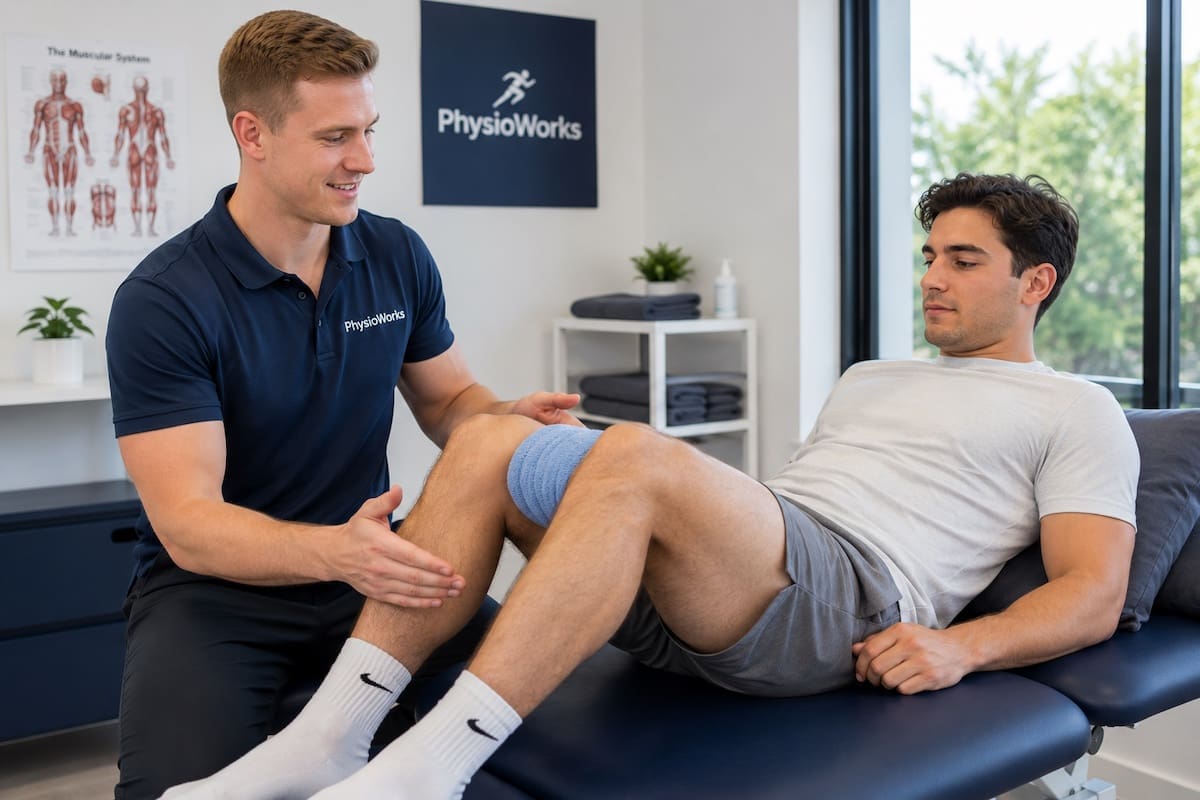
Groin strain physiotherapy helps reduce pain, restore adductor strength, and guide a safe return to sport and daily activity. A groin strain commonly affects the inner thigh muscles. It often happens during sprinting, kicking, jumping, or a quick change of direction.
Many people notice groin pain after training or a match. However, similar symptoms can also come from tendon overload, hip joint irritation, or abdominal wall issues. A clear assessment helps find the main pain source and the right rehab path.
If symptoms include hip pinching, clicking, or deep front-of-hip pain, our hip pain resources may help. If pain started during sprinting or a stride change, compare your symptoms with a hamstring strain. Sudden sharp pain during a kick or cut often suggests a higher-load injury. A gradual build-up may suggest overload.
Groin Strain: Quick Summary
- Most groin strains involve the inner thigh adductor muscles.
- Pain often appears with sprinting, kicking, cutting, or squeezing the legs together.
- Rest alone may not prepare the groin for sport.
- Rehab usually moves from pain control to strength, running, and sport drills.
- Assessment helps separate groin strain from hip, tendon, abdominal, or pelvic pain.
What Is a Groin Strain?
A groin strain occurs when one or more inner thigh muscles are overstretched or torn. The injury most often involves the hip adductor muscles, especially the adductor longus.
Groin strains are common in football codes, soccer, hockey, athletics, martial arts, and court sports. Fast movements can load the groin suddenly. Common triggers include acceleration, side-stepping, kicking, tackling, and reaching wide with the leg.
How Do You Know If You Have a Groin Strain?
A groin strain often causes inner thigh pain that feels worse when you run, kick, stretch the groin, or squeeze your knees together. The pain may start suddenly during sport. It may also build over several sessions if the adductors are overloaded.
Common Symptoms
- Localised inner thigh or groin pain
- Tightness, weakness, or cramping in the groin
- Pain when stretching the groin muscles
- Discomfort when squeezing the legs together
- Pain with running, kicking, skating, or change of direction
- Less confidence when pushing off one leg
How Physiotherapists Assess a Groin Strain
Groin pain can be tricky because several conditions share similar symptoms. A physiotherapist may assess strength, range of motion, load tolerance, tenderness, and movement control. Testing may include adductor squeeze tests, hip mobility checks, and tasks that match your sport.
Assessment may also check nearby contributors. These can include hip flexor load, abdominal wall load, pelvic control, hip joint mobility, and running mechanics. If the symptoms fit a different pattern, your physiotherapist may compare the findings with hip flexor pain, osteitis pubis, FAIS, or a hip labral tear.
Imaging is not always required. Ultrasound or MRI may help when symptoms persist, progress stalls, bruising is marked, or the diagnosis is unclear. If symptoms include a new lump, severe abdominal pain, or pain with coughing or straining, medical review may be needed.
When Groin Pain May Need Extra Care
Book an assessment if groin pain stops you training, keeps returning, or changes your running, kicking, or walking pattern.
Seek medical advice sooner if you notice a new lump, marked swelling, severe bruising, fever, night pain, testicular pain, or pain that worsens when coughing or straining.
Groin Strain Severity Grades
- Grade 1: mild pain with small strength loss and only slight activity limits
- Grade 2: moderate pain with clear strength loss, reduced running, and difficulty changing direction
- Grade 3: severe pain with major strength loss, bruising, and limited walking or sport function
Even when pain settles, symptoms can return if the groin reloads too quickly. Tendon irritation may also develop during recovery, especially with repeated kicking, sprinting, or wide-leg movements. A staged plan helps reduce flare-ups and builds more reliable progress.
Groin Strain Physiotherapy Treatment
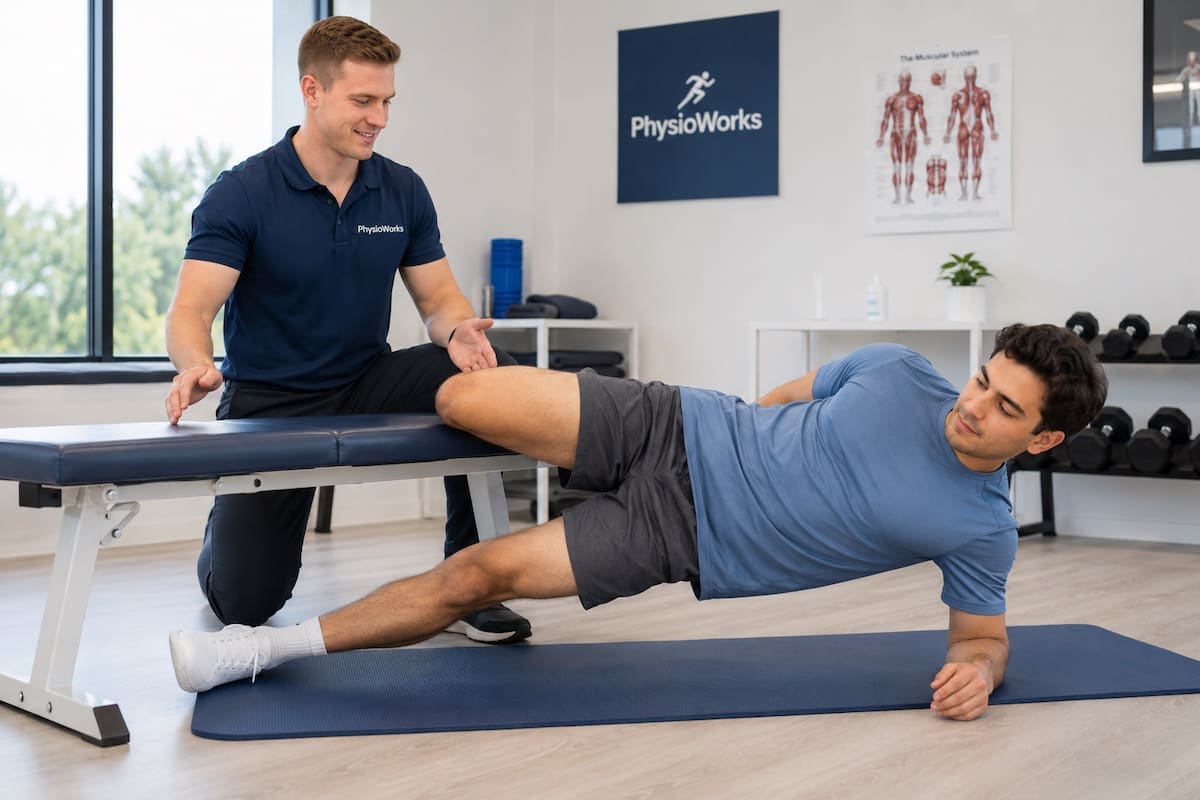
Modern groin strain physiotherapy uses progressive loading rather than long periods of rest. Your plan should match your pain level, injury severity, training history, and sport demands. It usually starts with pain control and simple strength, then moves toward running, cutting, kicking, and return-to-play tasks.
- Education for load management and pacing
- Pain-guided activity changes
- Progressive adductor strengthening, including isometric and eccentric work
- Hip, trunk, and pelvic control exercises
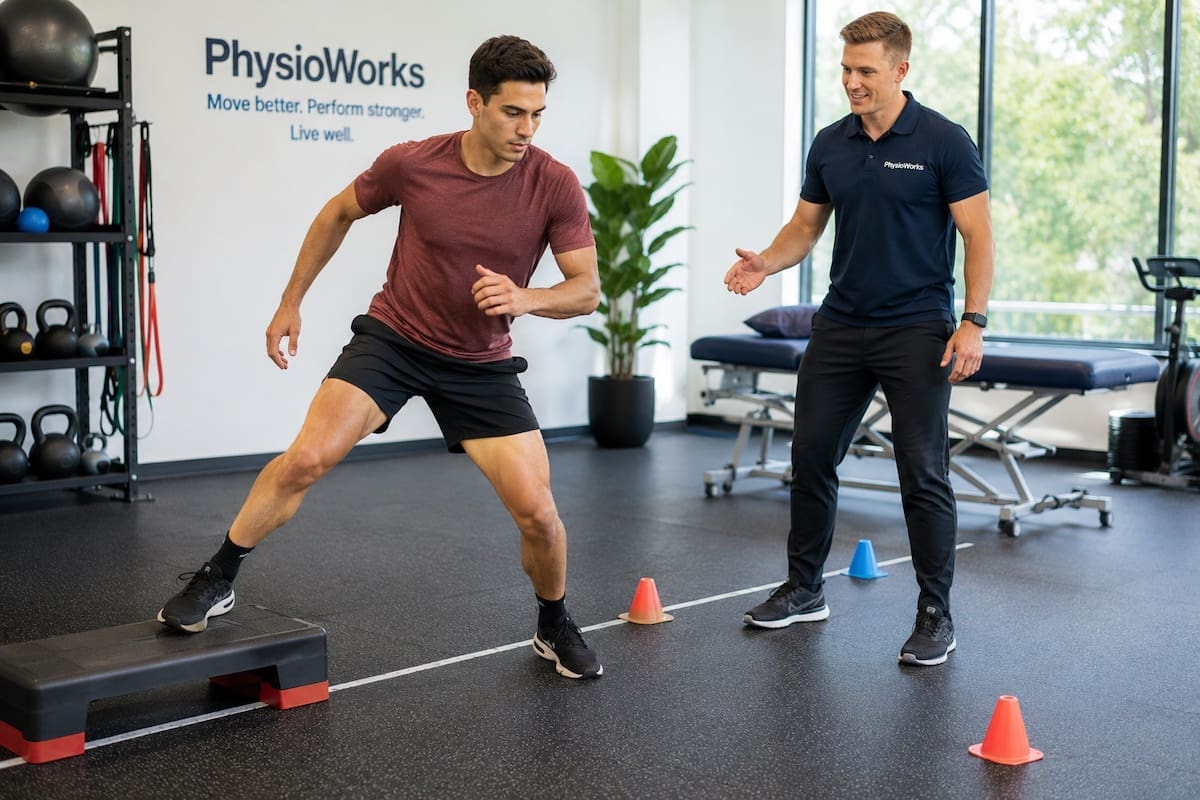
- Running and change-of-direction progressions
- Sport-specific drills to prepare for return to play
How to Progress Safely
A good groin rehab plan should not jump straight from rest to full sport. Progression works best when pain, strength, and confidence improve together.
- Start with pain-free or low-pain adductor loading.
- Add hip and trunk control before speed work.
- Build running before cutting and kicking.
- Test sport tasks before full training.
Groin Strain Rehab Progression
Rehab should progress when symptoms, strength, and movement control are ready. Timing varies between people. The table below shows the usual pathway.
| Stage | Main Goal | Examples |
|---|---|---|
| Early | Settle pain and protect the injury | Walking changes, gentle range, adductor isometrics |
| Build | Restore strength and control | Adductor loading, hip strength, trunk control, step drills |
| Run | Rebuild running tolerance | Straight-line running, acceleration, deceleration |
| Sport | Prepare for training and game demands | Cutting, kicking, tackling, agility, game-speed exposure |
Return to Sport and Recurrence Risk
Returning too early can increase the risk of another groin injury. A physiotherapist may use strength tests, squeeze tests, running tolerance, and sport-specific drills to guide progression. This helps you build confidence before full training or competition.
For athletes, return-to-sport planning may also link with sports physiotherapy. This can help bridge the gap between clinic rehab and match demands.
Related Groin and Hip Conditions
Groin strain is only one cause of groin pain. Related conditions can overlap, especially when pain has lasted for several weeks or returns each season.
What To Do Next
If you have groin pain that limits sport, keeps returning, or affects walking, book a physiotherapy assessment. A clear diagnosis and staged loading plan can help you avoid guessing and reduce the risk of repeated flare-ups.
If you play a running, kicking, or change-of-direction sport, bring details about your training load, recent changes, and the exact movement that triggered symptoms. This helps your physiotherapist match rehab to your sport.
Book your appointment – 24/7
Choose your preferred PhysioWorks clinic and book online.
Groin Products
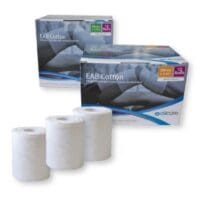
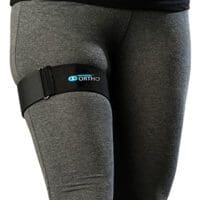
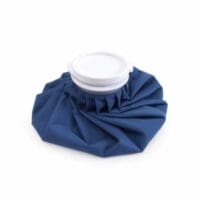
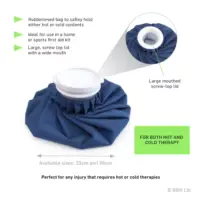
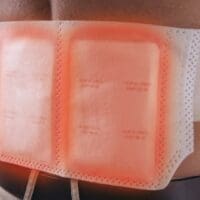
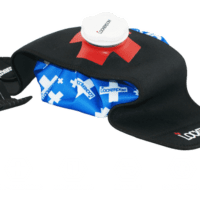
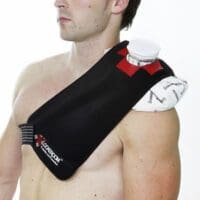
These groin products are commonly used by our physiotherapists to improve groin pain, strength, balance, proprioception, endurance and flexibility, plus assist home exercise programs.
-
-
- Exercise Equipment, Resistance Band
POW.R Wide Fabric Loop Resistance Band
$14.95 – $49.95Select optionsQuick View - Liniments & Gels, Massage Liniments, Pain Management
Fisiocrem
$13.98 – $35.50Select optionsQuick View -
-
 Exercise Equipment, Resistance Band
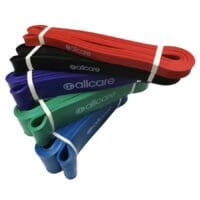
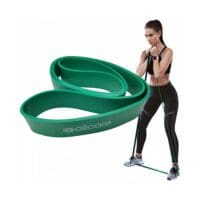
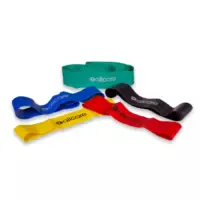
AllCare Powerloop Bands
$22.00 – $65.00Select optionsQuick View -
-
-
-
-
-
 Exercise Equipment, Knee, Resistance Band
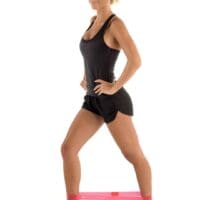
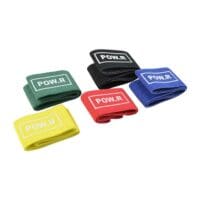
POW.R Fabric Mini Loop Bands
$12.00 – $55.00Select optionsQuick View -
-
-
-
 Ankle, Back, Braces & Supports, Calf, Foot, Groin, Heel, Hip, Knee, Thigh, Walking
Forearm Crutches
$64.00Select optionsQuick View



Follow PhysioWorks
Get free physiotherapy tips, exercise videos, recovery advice, and blog updates.
 |  |  | B |  |  |
Groin Strain FAQs
How long does a groin strain take to heal?
Recovery time depends on the injury grade and your sport demands. Mild groin strains may improve within a few weeks. Moderate or severe strains often need a longer rehab plan with strength, running, and sport-specific loading.
Can I keep exercising with a groin strain?
You may be able to keep some exercise in your routine. However, you will usually need to modify painful running, kicking, stretching, or change-of-direction drills. A physiotherapist can guide safe loading while you protect the injured adductor muscles.
Which muscles are involved in a groin strain?
Groin strains usually involve the adductor muscles on the inner thigh. The adductor longus is commonly affected because it works hard during sprinting, cutting, kicking, and side-to-side movements.
Should I stretch a groin strain?
Strong stretching too early can irritate a groin strain. Gentle movement may help, but rehab should focus on pain-guided loading, strength, and function. Your physiotherapist can explain when stretching is suitable for your stage.
Is imaging required for groin pain?
Imaging is not always required. Clinical assessment often guides early treatment. Ultrasound or MRI may help if symptoms persist, bruising is significant, progress stalls, or the diagnosis remains unclear.
When should I worry about groin pain?
Book an assessment if pain stops you training, affects walking, or keeps returning. Seek medical advice sooner if you notice a new lump, marked swelling, severe bruising, fever, testicular pain, or pain that worsens with coughing or straining.
References
- Thorborg K, Hölmich P, Serner A, et al. Exercise and load management of adductor strains, adductor ruptures, and long-standing adductor-related groin pain. J Athl Train. 2023.
- Markovic G, Šarabon N, Pausic J, Hadžić V. Adductor muscles strength and strength asymmetry as risk factors for groin injuries among professional soccer players: a prospective study. Int J Environ Res Public Health. 2020;17(14):4946.
- Vergani L, Woodley S, Akuthota V, et al. Return-to-play decision support in long-standing adductor-related groin pain: a Delphi study among experts. J Orthop Sports Phys Ther. 2022.
- Tedeschi R, Giorgi F, Platano D, Berti L, Donati D. Optimizing conservative management of groin pain in athletes: insights from a narrative review. Life (Basel). 2025;15(3):411. doi:10.3390/life15030411