- Description
- Additional information
Description
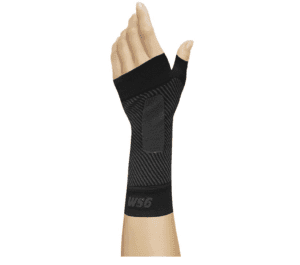
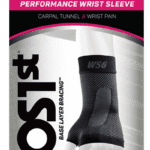
Wrist Sleeve WS6 | Wrist Compression Support for Pain Relief
Physiotherapy-Driven Wrist Support for Pain, Strain & Carpal Tunnel
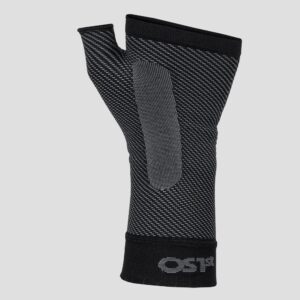
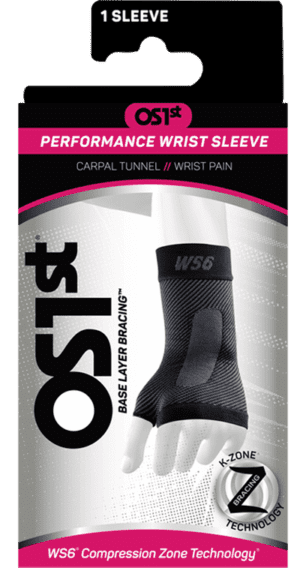
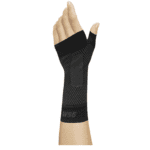
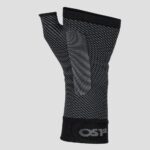
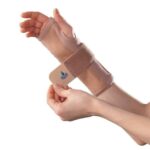
Wrist Sleeve WS6 is a medical-grade wrist compression sleeve designed to reduce wrist pain, improve circulation, and support recovery from conditions such as carpal tunnel syndrome, tendon irritation, and overuse strain. From a physiotherapy perspective, effective wrist support must assist tissue healing while allowing functional movement. The WS6 achieves this balance through structured graduated compression and stabilising gel zones.
WHY – Why Use a Wrist Compression Sleeve?
Wrist pain commonly develops from repetitive activities such as typing, gym training, racquet sports, manual work, or post-injury weakness. When tissues become overloaded, swelling and irritation can reduce strength and function. Graduated compression assists circulation, helps manage swelling, and provides proprioceptive feedback that improves joint awareness.
For individuals managing wrist tendonitis or nerve-related symptoms, structured compression can reduce strain on irritated structures while you continue daily tasks or rehabilitation exercises.
HOW – How the WS6 Works
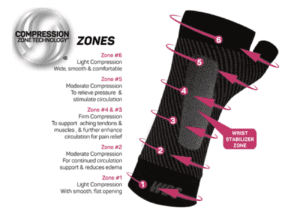
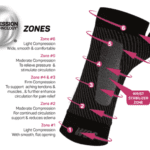
The WS6 features patented Compression Zone Technology that applies graduated compression across the wrist joint. This means the pressure is strategically distributed rather than uniform. As a result, circulation improves while excessive joint movement is moderated.
Soft hypoallergenic gel stabiliser zones help maintain position and deliver targeted support without restricting normal wrist motion. The sleeve fits comfortably under clothing and remains secure during activity.
Unlike rigid braces, the WS6 allows controlled mobility. This makes it suitable during early rehabilitation phases, gym training, or return-to-work programs guided by a physiotherapist.
WHAT – What Is It Used For?
The Wrist Sleeve WS6 supports a wide range of wrist conditions and use cases, including:
- Carpal tunnel syndrome management
- Wrist tendonitis and overuse strain
- Post-fracture or post-immobilisation weakness
- Gym lifting support
- Racquet and stick sports
- Workplace repetitive strain
It can be worn during activity or recovery periods. Many people use it after exercise to help manage post-training swelling or fatigue. For best results, ensure correct sizing and avoid excessive tightness.
Who Is It Best Suited For?
The WS6 suits office workers, tradies, athletes, gym users, and individuals returning from wrist injury. It is especially helpful in early-stage rehabilitation when joint support and circulation enhancement are priorities.
Key Benefits of Wrist Sleeve WS6
- Graduated compression for circulation support
- Helps reduce wrist swelling and fatigue
- Improves joint awareness and stability
- Comfortable hypoallergenic gel stabilisers
- Suitable for sport, work, and rehabilitation
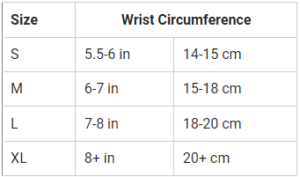
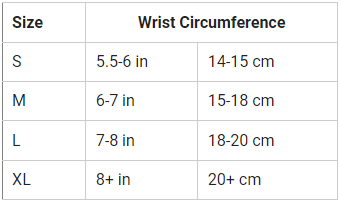
WS6 Performance Wrist Sleeve Sizing
| Size | Wrist Circumference | |
|---|---|---|
| S | 5.5–6 in | 14–15 cm |
| M | 6–7 in | 15–18 cm |
| L | 7–8 in | 18–20 cm |
| XL | 8+ in | 20+ cm |
Frequently Asked Questions
Does a wrist compression sleeve help carpal tunnel syndrome?
Compression sleeves may assist circulation and reduce swelling associated with mild carpal tunnel symptoms. However, severe or persistent nerve compression requires assessment. Read more about carpal tunnel syndrome here.
Should I wear a wrist sleeve during exercise?
Yes, many athletes use wrist sleeves during gym training or racquet sports to improve stability and joint awareness. Ensure the sleeve supports rather than restricts movement.
Can I wear the WS6 all day?
You may wear it during activity or work periods. Remove periodically to allow skin recovery and circulation assessment.
Is compression better than rigid bracing?
For mild to moderate wrist pain, compression sleeves often allow more functional movement compared to rigid splints. Your physiotherapist can guide which option suits your stage of recovery.
How tight should a wrist compression sleeve be?
It should feel snug but not cause numbness, tingling, or colour change in the hand.
When should I seek physiotherapy?
If pain persists beyond two weeks, worsens, or includes nerve symptoms such as tingling or weakness, assessment is recommended. Learn more via our wrist pain guide.
Related Articles
Explore more wrist health resources:
- Carpal Tunnel Syndrome – Causes, symptoms and treatment options
- Wrist Tendonitis – Managing overuse injuries
- Wrist Pain Overview – Diagnosis and rehabilitation strategies
For evidence-based information on wrist compression and bracing, see this overview from the NCBI clinical review on carpal tunnel syndrome.
What To Do Next
Select your correct size using the chart above. If symptoms persist or you are unsure which support suits your condition, book a physiotherapy assessment at your nearest PhysioWorks clinic.
Additional information
| Weight | 0.1 kg |
|---|---|
| Dimensions | 2 × 10 × 20 cm |
| Size | S, M, L, XL |