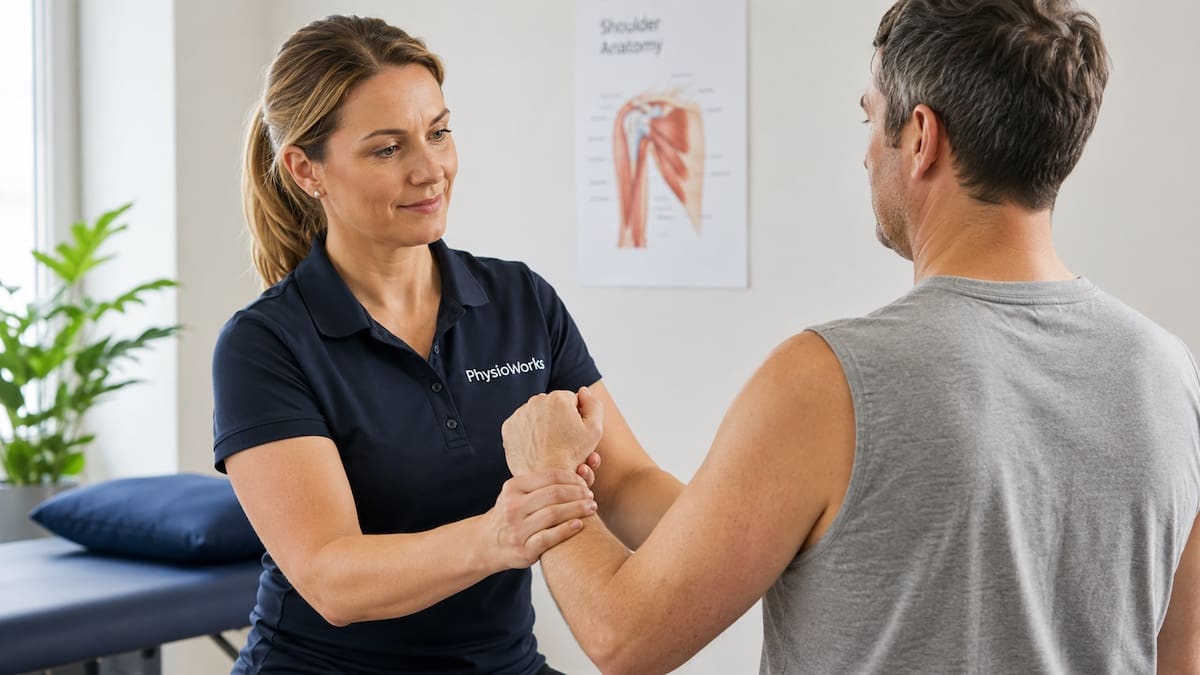
Testing rotator cuff control.


Testing rotator cuff control.
Your rotator cuff is a group of four shoulder muscles and tendons. It helps keep the ball of your upper arm centred in the shoulder socket while you lift, reach, rotate, throw, push, pull, and control your arm.
If you are trying to understand shoulder pain, start with the broader shoulder pain guide. Then compare your symptoms with common rotator cuff injury patterns.
The rotator cuff is a shoulder control system. It includes the supraspinatus, infraspinatus, teres minor, and subscapularis muscles. These muscles guide the shoulder joint, help hold the arm bone in the socket, and support smooth arm movement.
In simple terms, the rotator cuff gives your shoulder movement and stability. When it becomes irritated, weak, overloaded, or torn, daily tasks can become painful. Dressing, reaching overhead, sleeping on that side, gym work, throwing, or lifting may all feel harder.
Rotator cuff problems often overlap with shoulder impingement, shoulder bursitis, rotator cuff tendinopathy, and rotator cuff tear.
The rotator cuff has four muscles: supraspinatus, infraspinatus, teres minor, and subscapularis. Their tendons blend around the top of the shoulder and help keep the head of the humerus steady against the shoulder blade as your arm moves. The NCBI rotator cuff anatomy summary describes these muscles as key dynamic stabilisers of the shoulder.
The rotator cuff controls shoulder movement and stability during lifting, reaching, pushing, pulling, and throwing. It gently compresses the ball of the upper arm into the shoulder socket so the larger shoulder muscles can move the arm with better control.
This is why rotator cuff strength matters. A strong, well-timed cuff helps your shoulder feel steadier when you reach overhead, lift away from your body, return to gym training, swim, play tennis, or throw.
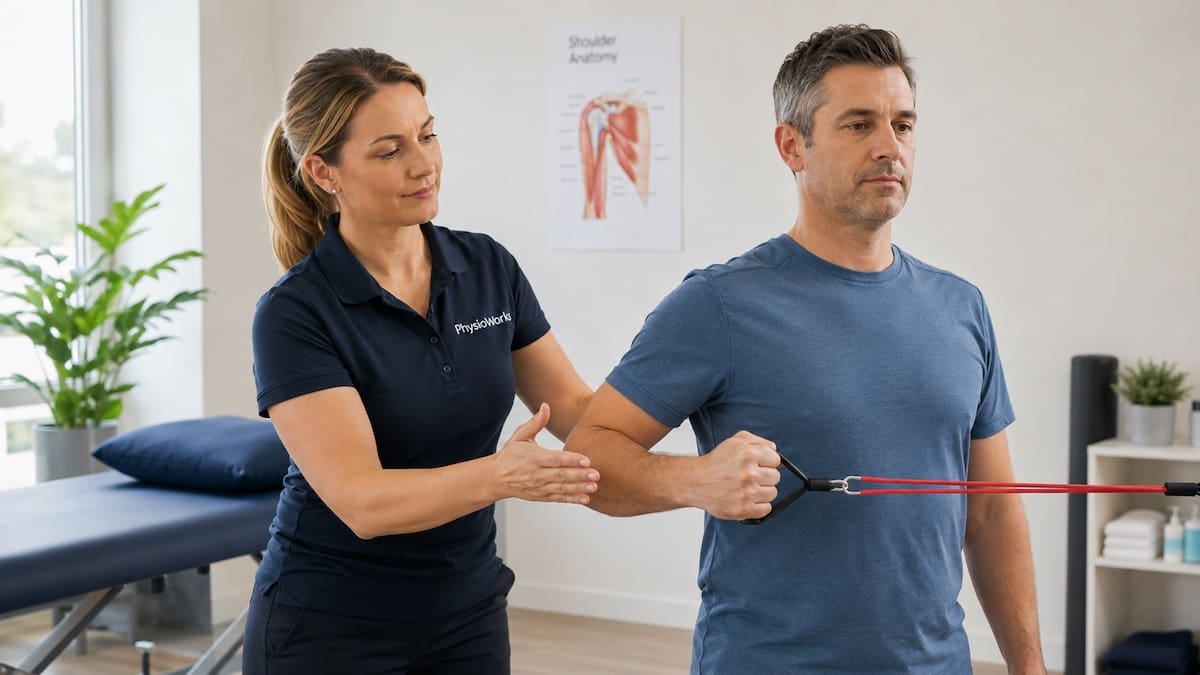
Building shoulder rotation control.
Rotator cuff problems can start after a sudden injury or build slowly over time. Common triggers include a fall, heavy lift, repeated overhead work, gym overload, throwing, swimming, or age-related tendon change.
Load changes matter. A shoulder may tolerate normal activity, then flare when training, work, DIY, or sport load rises faster than the cuff can adapt. Posture, shoulder blade control, sleep position, and neck stiffness can also affect symptoms.
The rotator cuff is not one diagnosis. It is a group of tissues that can be affected in different ways. Common related conditions include:
Common rotator cuff symptoms include pain when lifting the arm, weakness, night pain, reduced function, and pain when reaching behind the back or away from the body. Some people notice a painful arc, where pain appears through part of the movement and then eases.
Symptoms alone do not confirm the exact diagnosis. A physiotherapist may assess your shoulder movement, strength, painful arc, shoulder blade control, neck contribution, and load tolerance. Imaging may help when symptoms are severe, persistent, traumatic, or do not follow the expected pattern.
Book sooner if: you had a fall, felt a pop, developed sudden weakness, cannot lift the arm, have bruising, or pain is disturbing sleep.
Routine assessment may suit: shoulder pain that keeps returning, limits gym or work, or does not settle with simple load changes.
Physiotherapy is often the first approach for many cuff-related shoulder problems. Treatment usually focuses on calming pain, restoring comfortable movement, improving shoulder blade control, and rebuilding rotator cuff strength.
Your plan should match your symptoms, tissue irritability, work demands, sport, age, and goals. It may include load management, strengthening, movement correction, sleep-position advice, manual therapy, and staged return to activity.
Many people improve without surgery, especially when symptoms are matched with a clear rehab plan. However, larger tears, traumatic tears, sudden weakness, or loss of function may need medical review and imaging.
The right pathway depends on tear size, pain level, strength, function, age, tissue quality, and what you need your shoulder to do. A guided assessment can help decide whether rehab is suitable or whether a surgical opinion should be considered.
You may be able to keep exercising if symptoms are mild, predictable, and settle quickly. Reduce or modify exercises that cause sharp pain, worsening night pain, or next-day flare-ups.
| Shoulder response | Practical next step |
|---|---|
| Mild ache that settles within 24 hours | Keep load light and progress slowly. |
| Pain during overhead lifting | Reduce range, load, or volume. |
| Night pain or next-day flare | Back off and seek guidance. |
| Sudden weakness after injury | Book assessment promptly. |
Rotator cuff recovery usually works best when load is changed, pain is monitored, and strength is rebuilt in stages. Early exercises may feel small, but they help restore control before heavier lifting, sport, or overhead work returns.
These pages may help you compare symptoms and choose your next step:
The rotator cuff includes both muscles and tendons. The muscles start on the shoulder blade, and their tendons attach near the top of the upper arm bone. Together, they help move and stabilise the shoulder.
The four rotator cuff muscles are supraspinatus, infraspinatus, teres minor, and subscapularis. A common memory aid is SITS, using the first letter of each muscle.
Yes, many people can still move the arm with a rotator cuff tear. Movement depends on tear size, pain level, strength, and which tendon is involved. Sudden weakness after injury should be assessed promptly.
No. Many cuff-related shoulder problems improve with physiotherapy, load management, and strengthening. Surgery may be considered for some larger, traumatic, or function-limiting tears.
Rotator cuff pain often feels like pain on the side or front of the shoulder. It may worsen with lifting, reaching, lying on the sore side, gym pressing, swimming, throwing, or reaching behind your back.
Book an assessment if shoulder pain persists, worsens, affects sleep, limits lifting, or follows a fall or heavy lift. Seek care sooner if you notice sudden weakness, bruising, deformity, numbness, or loss of function.

Restoring confident shoulder reach.
If your symptoms sound like rotator cuff pain, compare them with our rotator cuff injury and shoulder pain guides. A physiotherapy assessment can help clarify whether your pain is more likely related to tendinopathy, tear, bursitis, impingement, or another shoulder condition.
Book an appointment if shoulder pain limits sleep, work, sport, gym training, or daily reaching tasks.
Select a PhysioWorks clinic to continue to live booking, an appointment request or reception assistance.
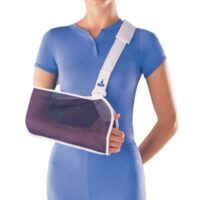
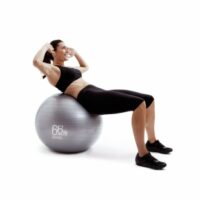
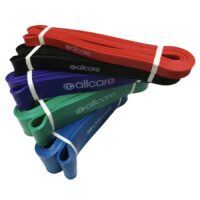
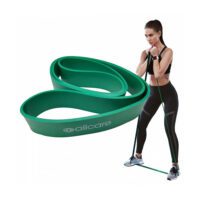
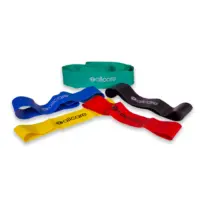
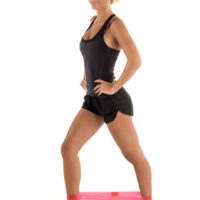
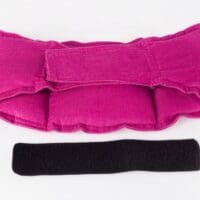
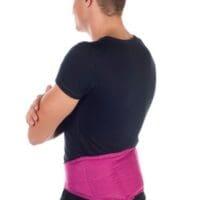
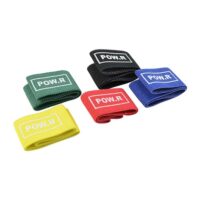
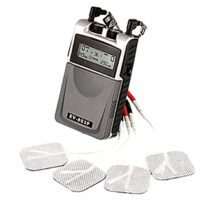
These shoulder products are commonly used by our physiotherapists to improve strength, posture, movement, plus assist home exercise programs.