
Shoulder pain causes range from tendon irritation and bursitis to joint stiffness, instability, arthritis, fracture, or pain referred from the neck. This page explains the most common reasons for symptoms and links to detailed shoulder pain conditions so you can understand what may be contributing to your problem.
The shoulder has excellent mobility, but that freedom comes at a cost. Because several muscles, tendons, ligaments, joints, and the shoulder blade need to work together, small problems can quickly affect lifting, reaching, throwing, sleeping, dressing, or sport.
Common signs people notice include:
The most common shoulder pain causes include rotator cuff injury, shoulder impingement, shoulder bursitis, frozen shoulder, shoulder arthritis, instability, dislocation, AC joint injury, fracture, or pain referred from the neck. Some conditions begin gradually with overload, while others start suddenly after trauma.
The shoulder includes the humerus, scapula, clavicle, labrum, rotator cuff tendons, bursa, capsule, and supporting ligaments. Because the shoulder prioritises movement over deep bony stability, it depends heavily on soft tissues and muscle control. As a result, repetitive overhead activity, poor load tolerance, sudden trauma, or joint stiffness can all trigger symptoms.
Pain with lifting often happens when the rotator cuff tendons or bursa become irritated, especially during overhead reach, throwing, pressing, swimming, or repeated work above shoulder height. Problems such as rotator cuff tendinopathy, rotator cuff tear, or shoulder impingement commonly create a painful arc or weakness during elevation.
The rotator cuff stabilises the shoulder and helps guide movement. Overload, age-related tendon change, repetitive overhead activity, or trauma may contribute to pain and weakness. Related pages include Rotator Cuff Injury, Rotator Cuff Tendinopathy, and Rotator Cuff Tear.
Shoulder bursitis involves irritation of the bursa, while shoulder impingement describes painful compression of soft tissues during movement. These problems often cause pain when reaching overhead, reaching behind your back, or lying on the sore side. Swimmers and overhead athletes may also develop swimmer’s shoulder.
If your shoulder feels increasingly stiff as well as painful, frozen shoulder or shoulder arthritis may be involved. These conditions often reduce rotation, reaching, dressing, and sleeping comfort. Frozen shoulder can also be more stubborn in some people with diabetes.
A traumatic event such as a fall, collision, or awkward force can cause shoulder dislocation, labral injury, or functional shoulder instability. These problems may cause pain, apprehension, slipping, catching, or repeated episodes of the shoulder feeling unreliable.
The top of the shoulder can also hurt because of the AC joint or the long head of the biceps tendon. In more traumatic situations, a humerus fracture or other fracture may be the cause, especially after a fall or direct impact.
Yes. Sometimes pain felt around the shoulder is referred from the cervical spine rather than the shoulder joint itself. If symptoms travel down the arm, change with neck movement, or include tingling, a problem such as neck arm pain may need to be considered alongside local shoulder causes.
A physiotherapist or doctor will usually assess your symptom history, range of motion, strength, painful movements, joint stability, and aggravating tasks. Imaging such as ultrasound, X-ray, or MRI may help in selected cases, but many shoulder problems are first identified clinically through careful examination and movement testing.
If you want a general public overview, Healthdirect explains common features of shoulder pain.
You should arrange assessment sooner if shoulder pain follows trauma, causes marked weakness, prevents normal arm use, keeps worsening, creates severe night pain, or is associated with deformity, swelling, or repeated instability. Persistent symptoms that do not improve with sensible load reduction also deserve a proper diagnosis.
Treatment depends on the cause. Physiotherapy often focuses on settling pain, improving mobility, restoring rotator cuff and scapular strength, rebuilding load tolerance, and helping you return to work, gym, or sport safely. Some people also benefit from medication advice, injection review, or surgical opinion when symptoms are severe or structurally significant.
Post-operative rehabilitation is also important after some procedures. You can read more about post-operative shoulder physiotherapy if surgery forms part of your management.
Rotator cuff-related pain is one of the most common causes of shoulder pain. This broad group includes tendinopathy, irritation, and tears affecting the tendons that help stabilise and lift the shoulder.
This often happens when irritated tendons or the bursa are compressed during elevation. Rotator cuff problems, impingement, bursitis, or joint stiffness are common reasons for painful lifting.
Night pain can occur because irritated tissues become more sensitive when you lie on the shoulder, or because inflammation and stiffness make it harder to find a comfortable position.
Some mild shoulder pain settles with activity modification and gradual recovery. However, persistent, recurrent, or worsening symptoms are more likely to improve when the exact cause is identified and treated properly.
You should consider assessment if pain lasts more than one to two weeks, limits lifting or sleep, follows trauma, or causes weakness, stiffness, or repeated instability.
If shoulder pain is affecting sleep, work, sport, or daily activity, the next step is a proper assessment to identify the structure involved and the loads that are irritating it. Early diagnosis often helps guide the right treatment plan and reduce the risk of prolonged symptoms.
A physiotherapist may help you understand the cause, improve movement, and build a staged recovery plan tailored to your goals.
Select a PhysioWorks clinic to continue to live booking, an appointment request or reception assistance.
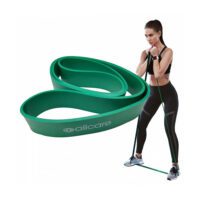
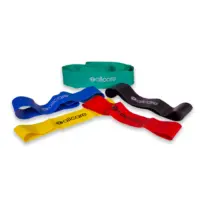
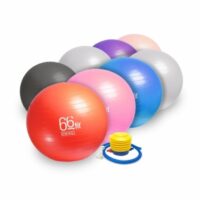
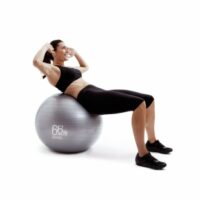
These shoulder products are commonly used by our physiotherapists to improve strength, posture, movement, plus assist home exercise programs.