Shoulder

What Causes Shoulder Pain?

Shoulder pain causes range from tendon irritation and bursitis to joint stiffness, instability, arthritis, fracture, or pain referred from the neck. This page explains the most common reasons for symptoms and links to detailed shoulder pain conditions so you can understand what may be contributing to your problem.

The shoulder has excellent mobility, but that freedom comes at a cost. Because several muscles, tendons, ligaments, joints, and the shoulder blade need to work together, small problems can quickly affect lifting, reaching, throwing, sleeping, dressing, or sport.

Common signs people notice include:

  • pain when lifting the arm
  • night pain when lying on the shoulder
  • stiffness or restricted movement
  • weakness with reaching or overhead activity
  • pain after sport, gym, work, or a fall

What Are the Most Common Shoulder Pain Causes?

The most common shoulder pain causes include rotator cuff injury, shoulder impingement, shoulder bursitis, frozen shoulder, shoulder arthritis, instability, dislocation, AC joint injury, fracture, or pain referred from the neck. Some conditions begin gradually with overload, while others start suddenly after trauma.

Shoulder Anatomy and Why the Joint Gets Sore

The shoulder includes the humerus, scapula, clavicle, labrum, rotator cuff tendons, bursa, capsule, and supporting ligaments. Because the shoulder prioritises movement over deep bony stability, it depends heavily on soft tissues and muscle control. As a result, repetitive overhead activity, poor load tolerance, sudden trauma, or joint stiffness can all trigger symptoms.

Why Does Shoulder Pain Hurt When You Lift Your Arm?

Pain with lifting often happens when the rotator cuff tendons or bursa become irritated, especially during overhead reach, throwing, pressing, swimming, or repeated work above shoulder height. Problems such as rotator cuff tendinopathy, rotator cuff tear, or shoulder impingement commonly create a painful arc or weakness during elevation.

Rotator Cuff Problems

The rotator cuff stabilises the shoulder and helps guide movement. Overload, age-related tendon change, repetitive overhead activity, or trauma may contribute to pain and weakness. Related pages include Rotator Cuff Injury, Rotator Cuff Tendinopathy, and Rotator Cuff Tear.

Bursitis and Impingement

Shoulder bursitis involves irritation of the bursa, while shoulder impingement describes painful compression of soft tissues during movement. These problems often cause pain when reaching overhead, reaching behind your back, or lying on the sore side. Swimmers and overhead athletes may also develop swimmer’s shoulder.

Frozen Shoulder and Arthritis

If your shoulder feels increasingly stiff as well as painful, frozen shoulder or shoulder arthritis may be involved. These conditions often reduce rotation, reaching, dressing, and sleeping comfort. Frozen shoulder can also be more stubborn in some people with diabetes.

Instability, Dislocation, and Labral Injury

A traumatic event such as a fall, collision, or awkward force can cause shoulder dislocation, labral injury, or functional shoulder instability. These problems may cause pain, apprehension, slipping, catching, or repeated episodes of the shoulder feeling unreliable.

AC Joint, Biceps, and Fracture Pain

The top of the shoulder can also hurt because of the AC joint or the long head of the biceps tendon. In more traumatic situations, a humerus fracture or other fracture may be the cause, especially after a fall or direct impact.

Can Shoulder Pain Come From Your Neck?

Yes. Sometimes pain felt around the shoulder is referred from the cervical spine rather than the shoulder joint itself. If symptoms travel down the arm, change with neck movement, or include tingling, a problem such as neck arm pain may need to be considered alongside local shoulder causes.

How Is the Cause of Shoulder Pain Diagnosed?

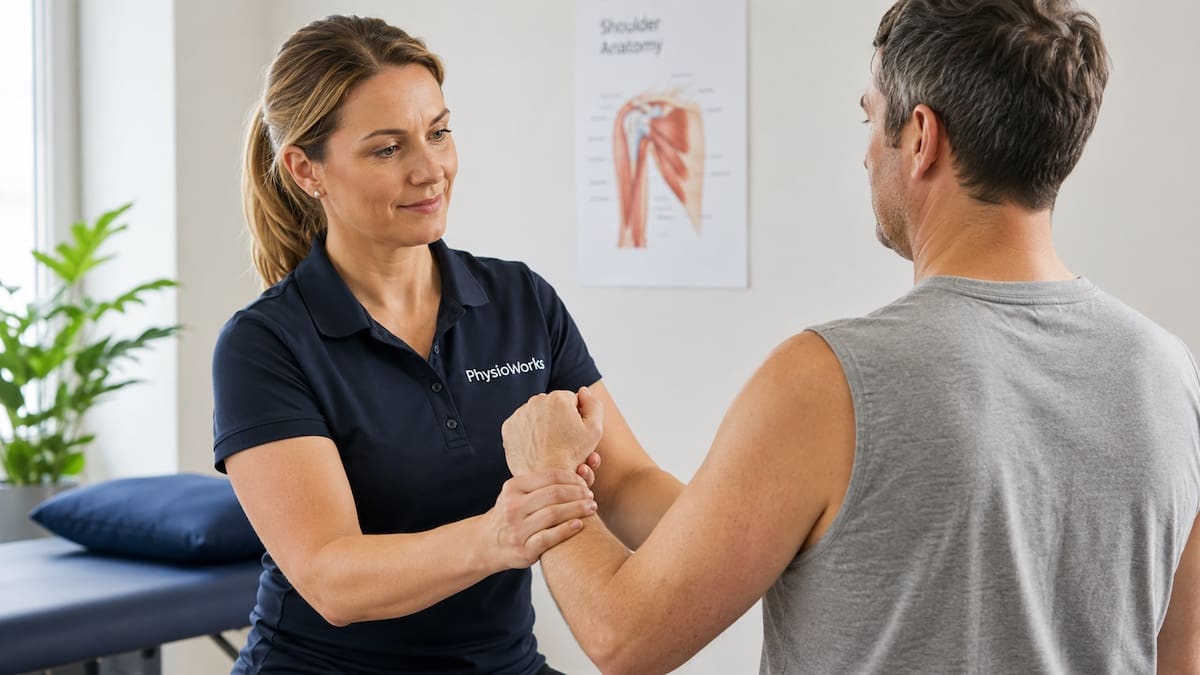
A physiotherapist or doctor will usually assess your symptom history, range of motion, strength, painful movements, joint stability, and aggravating tasks. Imaging such as ultrasound, X-ray, or MRI may help in selected cases, but many shoulder problems are first identified clinically through careful examination and movement testing.

If you want a general public overview, Healthdirect explains common features of shoulder pain.

When Should You Worry About Shoulder Pain?

You should arrange assessment sooner if shoulder pain follows trauma, causes marked weakness, prevents normal arm use, keeps worsening, creates severe night pain, or is associated with deformity, swelling, or repeated instability. Persistent symptoms that do not improve with sensible load reduction also deserve a proper diagnosis.

How Is Shoulder Pain Treated?

Treatment depends on the cause. Physiotherapy often focuses on settling pain, improving mobility, restoring rotator cuff and scapular strength, rebuilding load tolerance, and helping you return to work, gym, or sport safely. Some people also benefit from medication advice, injection review, or surgical opinion when symptoms are severe or structurally significant.

Post-operative rehabilitation is also important after some procedures. You can read more about post-operative shoulder physiotherapy if surgery forms part of your management.

Related Shoulder Pain Articles

Shoulder Pain FAQs

What is the most common cause of shoulder pain?

Rotator cuff-related pain is one of the most common causes of shoulder pain. This broad group includes tendinopathy, irritation, and tears affecting the tendons that help stabilise and lift the shoulder.

Why does my shoulder hurt when I lift my arm?

This often happens when irritated tendons or the bursa are compressed during elevation. Rotator cuff problems, impingement, bursitis, or joint stiffness are common reasons for painful lifting.

Why is shoulder pain worse at night?

Night pain can occur because irritated tissues become more sensitive when you lie on the shoulder, or because inflammation and stiffness make it harder to find a comfortable position.

Can shoulder pain go away on its own?

Some mild shoulder pain settles with activity modification and gradual recovery. However, persistent, recurrent, or worsening symptoms are more likely to improve when the exact cause is identified and treated properly.

When should I see a physiotherapist for shoulder pain?

You should consider assessment if pain lasts more than one to two weeks, limits lifting or sleep, follows trauma, or causes weakness, stiffness, or repeated instability.

What to Do Next

If shoulder pain is affecting sleep, work, sport, or daily activity, the next step is a proper assessment to identify the structure involved and the loads that are irritating it. Early diagnosis often helps guide the right treatment plan and reduce the risk of prolonged symptoms.

A physiotherapist may help you understand the cause, improve movement, and build a staged recovery plan tailored to your goals.

Book your appointment – 24/7

Choose your preferred PhysioWorks clinic and book online.

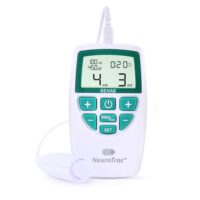
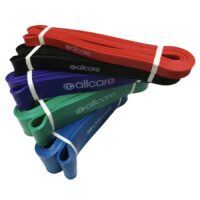
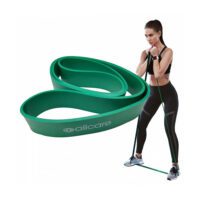
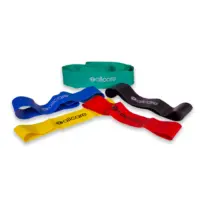
Shoulder Products

These shoulder products are commonly used by our physiotherapists to improve strength, posture, movement, plus assist home exercise programs.

View all shoulder products

Follow PhysioWorks

Get free physiotherapy tips, exercise videos, recovery advice, and blog updates.

Facebook Instagram YouTube B X Email PhysioWorks

References

  1. Lucas J, Macaskill P, Irwig L, et al. A systematic review of the global prevalence and incidence of shoulder pain. BMC Musculoskelet Disord. 2022;23(1):1075. doi:10.1186/s12891-022-06053-8
  2. Lafrance S, Charron M, Dubé MO, et al. The efficacy of exercise therapy for rotator cuff-related shoulder pain according to the FITT principle: a systematic review with meta-analyses. J Orthop Sports Phys Ther. 2024;54(8):499-512. doi:10.2519/jospt.2024.12453
  3. Dyer BP, Pritchard MG, Jaggi A, et al. Diabetes as a prognostic factor in frozen shoulder: a systematic review. Arch Phys Med Rehabil. 2022;103(3):538-549. doi:10.1016/j.apmr.2021.09.010

Shoulder Pain Symptoms Guide

Article by John Miller & Erin Runge

Shoulder pain symptoms often include pain with lifting, night pain, weakness, stiffness, or clicking. If you are unsure what your symptoms mean, start with our shoulder pain guide, then use this page to compare patterns and next steps.

Common causes include rotator cuff injury, shoulder bursitis, frozen shoulder, shoulder impingement, and shoulder instability.

Common Shoulder Pain Symptoms

  • Pain with lifting or overhead activity
  • Night pain when lying on the sore side
  • Weakness with carrying or pressing
  • Stiffness and reduced movement
  • Clicking or instability

What Should You Do?

  • Mild pain → Modify activity
  • Pain with sleep or lifting → Begin guided rehab
  • Symptoms lasting more than 7 to 10 days → Book physiotherapy
  • Trauma or weakness → Seek urgent care

When Should You Worry About Shoulder Pain?

Seek prompt assessment if pain follows trauma, you cannot lift your arm, or symptoms worsen at night. Deformity, swelling, fever, or nerve symptoms require urgent care.

Urgent signs: deformity, sudden weakness, fever, chest pain, or nerve symptoms.

Why Does Shoulder Pain Hurt at Night?

Night pain commonly reflects rotator cuff irritation, bursitis, or frozen shoulder. Compression and irritation often make symptoms worse in static positions.

Why Does It Hurt When I Lift My Arm?

This often reflects tendon or bursa overload. Learn more about shoulder impingement or rotator cuff tears.

Why Does My Shoulder Feel Stiff?

Stiffness often relates to capsular restriction such as frozen shoulder or arthritis.

Clicking or Instability — What Does It Mean?

Instability may suggest shoulder instability or prior dislocation.

Quick Comparison Guide

Condition Key Feature
Rotator cuff Pain lifting arm
Bursitis Painful arc
Frozen shoulder Global stiffness
Instability Slipping feeling

Shoulder Symptom Pathway

Use this quick pathway to help sort your symptoms:

Do You Need an MRI?

MRI is usually reserved for trauma, severe weakness, or persistent symptoms. Read more: Do you need an MRI?

How Can Physiotherapy Help?

Physiotherapy restores movement, strength, and control, while reducing pain and helping prevent recurrence.

Not sure what to do? A physio can guide your rehab plan.

Start here: shoulder exercises and rotator cuff exercises. You may also benefit from scapular stabilisation exercises if shoulder blade control is contributing.

How Long Does It Take to Heal?

  • Mild: 2 to 6 weeks
  • Moderate: 6 to 12 weeks
  • Severe: longer depending on condition

Shoulder Pain FAQs

Can shoulder pain go away?

Yes, mild shoulder pain can settle with smart load reduction and sensible exercise. However, persistent or recurring symptoms often need structured rehabilitation.

Should I rest or exercise?

Relative rest with guided exercise usually works best. Avoid movements that sharply aggravate pain, but keep the shoulder moving in comfortable ranges.

When should I see a physio?

You should see a physiotherapist if symptoms persist beyond 7 to 10 days, worsen, affect sleep, or limit function.

How long does shoulder pain take to heal?

Recovery ranges from weeks to months depending on the diagnosis, severity, and how early the right treatment starts.

What to Do Next

If symptoms are not improving, early assessment helps prevent chronic issues and gets you moving in the right direction sooner.

Early treatment = faster recovery.

Return to Shoulder Pain Guide

Book your appointment – 24/7

Choose your preferred PhysioWorks clinic and book online.

Shoulder Products

These shoulder products are commonly used by our physiotherapists to improve strength, posture, movement, plus assist home exercise programs.

View all shoulder products

Follow PhysioWorks

Get free physiotherapy tips, exercise videos, recovery advice, and blog updates.

Facebook Instagram YouTube B X Email PhysioWorks

Common Youth Arm Injuries

Gymnast performing handstand with shoulder stability assessment by physiotherapist
Handstand shoulder control assessment in gymnast

Common youth arm injuries usually affect the elbow, shoulder, wrist, or growth plates in active children and teenagers. They often develop from repeated throwing, tumbling, gripping, falls, or rapid training spikes. If your child plays overhead or weight-bearing sport, compare this page with kids sports injuries and kids arm pain to narrow down the most likely cause.

Because growing bones are still developing, young athletes can get injuries that behave differently from adult tendon problems. Growth plates and apophyses are often the weak point, especially around the elbow, shoulder, and wrist. That is why early load changes, good technique, and the right assessment matter.

Common signs to watch for

  • Pain with throwing, serving, tumbling, or gripping
  • Pain that eases with rest but returns during sport
  • Tenderness around the elbow, shoulder, wrist, or forearm
  • Reduced speed, strength, accuracy, or confidence
  • Swelling, guarding, clicking, or locking

What are common youth arm injuries?

Common youth arm injuries include thrower’s elbow, medial apophysitis, growth plate stress injuries, gymnast’s wrist, sprains, fractures, and osteochondritis dissecans. The exact diagnosis depends on your child’s age, sport, training load, and where the pain sits.

In throwing and racquet sports, the main problems often involve the inside of the elbow or the shoulder. In gymnastics and tumbling, repeated weight-bearing can overload the wrist, elbow, and growth plates. More general or persistent symptoms may also overlap with broader arm pain patterns.

What causes common youth arm injuries?

Common youth arm injuries usually happen when training load rises faster than the growing body can adapt. Repeated throwing, too many competitions, poor recovery, growth spurts, and falls are some of the biggest drivers.

Recent reviews note that many youth overuse injuries occur at the relatively weaker growth centres rather than at adult-style tendon sites. Repetitive throwing sports are a classic example, but gymnastics, racquet sports, and contact sports can also stress the shoulder, elbow, wrist, and hand.

Thrower’s elbow is one of the best-known youth overuse arm injuries.

Thrower’s elbow and medial apophysitis

Thrower’s elbow usually describes overload on the inner side of the elbow in young overhead athletes. It commonly affects cricket, baseball, softball, and tennis players who throw or serve often, especially during growth spurts or busy tournament periods.

One common diagnosis is medial apophysitis, often called Little League elbow. This happens when repeated valgus stress irritates the growth area near the medial epicondyle. Children may report inner elbow pain, loss of throwing speed, soreness after sport, or tenderness that keeps returning. If your child’s symptoms clearly build with overhead sport, compare them with throwing injuries, baseball injuries, and cricket injuries.

Osteochondritis dissecans and joint surface injury

Osteochondritis dissecans can affect the capitellum of the elbow in young throwing athletes and gymnasts. It involves damage to the bone and cartilage surface and may cause deeper elbow pain, catching, locking, stiffness, or loss of range.

This is more serious than a simple overload flare. Stable cases may settle with unloading and staged rehabilitation, but unstable lesions sometimes need specialist review. For a related PhysioWorks page, see juvenile osteochondritis dissecans.

Growth plate stress injuries in the arm

Growth plate stress injuries happen because immature bone does not tolerate repeated load as well as mature tissue. These injuries can affect the shoulder, elbow, wrist, or hand and deserve attention because delayed diagnosis can prolong symptoms and, in rare cases, affect growth.

Examples include little league shoulder, little league elbow, and gymnast’s wrist. Children often say the arm feels sore during sport, improves with rest, then flares again when training resumes. A spike in throwing volume, too many teams at once, or heavy tumbling loads can all contribute.

Gymnastics upper limb injuries in youth athletes

Gymnastics places high load through the arms because they act as weight-bearing limbs during skills such as handstands, tumbling, and vaulting. This repeated loading can stress the wrist, elbow, and shoulder, particularly during growth spurts.

One of the most recognised conditions is gymnast’s wrist, which involves irritation of the distal radial growth plate. Athletes may report wrist pain with weight-bearing, reduced tolerance to training, or soreness that builds across sessions. Elbow and shoulder overload injuries can also develop with repeated tumbling or high training volumes.

These injuries often behave differently from adult conditions. Growth plate irritation is more common than tendon problems, so early load management is important. If symptoms are persistent, compare with wrist pain or shoulder pain pages to guide next steps.

Common gymnastics-related arm injuries

  • Gymnast’s wrist (distal radial growth plate stress)
  • Elbow overload and osteochondritis dissecans
  • Shoulder overuse injuries during tumbling and bars work
  • Repetitive strain from high training volume

When should you worry about youth arm injuries?

You should worry more about youth arm injuries if pain follows a fall, causes swelling or deformity, keeps returning with sport, wakes your child at night, or leads to locking, catching, numbness, or clear loss of strength.

Get your child assessed sooner if they have:

  • Rapid swelling or visible deformity after trauma
  • Ongoing pain over a growth plate
  • Clicking, catching, locking, or loss of motion
  • Numbness, tingling, or noticeable weakness
  • Pain that keeps returning despite rest

If the pain is local to the elbow, it may also help to review the broader elbow pain cluster. For public health advice on youth throwing safety, the official Pitch Smart guidelines are also worth reviewing with parents and coaches.

How are common youth arm injuries treated?

Most common youth arm injuries improve with the right diagnosis, short-term load reduction, and a gradual return-to-sport plan. Treatment usually focuses on settling irritation, protecting the injured area, restoring strength and movement, and fixing the training or technique issue that caused the overload.

Physiotherapy may include shoulder and elbow strength work, trunk and hip control, wrist or forearm loading, mobility work, technique advice, and staged return to throwing or tumbling. Management is not one-size-fits-all. A child with growth plate irritation needs a different plan from a child with a fracture, instability, or osteochondritis dissecans.

FAQs about common youth arm injuries

Can children get tennis elbow or golfer’s elbow?

Sometimes, but classic adult tendon problems are less common in younger athletes than growth plate irritation. In children and early teenagers, inner or outer elbow pain often needs careful review to rule out apophysitis, instability, or overload at a developing structure.

Is arm pain during throwing normal in kids?

No. Mild muscle soreness can happen after sport, but repeated pain during throwing is not something to push through. If pain changes speed, accuracy, confidence, or willingness to throw, the load or diagnosis needs to be checked.

What sport causes the most youth arm injuries?

Throwing and overhead sports create a high elbow and shoulder load, so baseball, softball, cricket, and tennis are common triggers. Gymnastics also places high stress through the wrist and elbow because the arms become weight-bearing limbs.

Do growth spurts increase the risk?

Yes. Growth spurts can change movement control, flexibility, strength balance, and tissue tolerance. That means a training load that felt fine a few months ago may suddenly become too much for a growing athlete.

Will my child need imaging?

Not always. Many overuse injuries can be suspected from a careful history and physical assessment. However, X-ray, ultrasound, or MRI may be appropriate if there is trauma, suspected fracture, locking, persistent growth plate pain, or concern about osteochondritis dissecans.

How long should my child rest?

That depends on the diagnosis. Some mild overload injuries settle with short-term load reduction and a graded rebuild, while growth plate injuries or joint surface injuries may need a longer break and closer progression. Rest alone is not enough if the load problem is not addressed.

What to do next

If your child has ongoing arm pain with sport, do not rely on guesswork. Start by reducing the painful activity, note exactly what triggers symptoms, and avoid pushing through repeated elbow, shoulder, or wrist pain during growth.

A physiotherapist can assess whether the problem looks like overload, a growth plate injury, joint irritation, or a more significant sports injury. Early guidance often shortens recovery and helps young athletes return with a safer plan.

Book your appointment – 24/7

Choose your preferred PhysioWorks clinic and book online.

Follow PhysioWorks

Get free physiotherapy tips, exercise videos, recovery advice, and blog updates.

Facebook Instagram YouTube B X Email PhysioWorks

References

  1. Lintner LJ, Swisher J, Sitton ZE. Childhood and Adolescent Sports-Related Overuse Injuries. Am Fam Physician. 2023;108(6):544-553.
  2. Caine D, Patel V, Nguyen JC. Overuse Injury of the Epiphyseal Primary Physis. Semin Musculoskelet Radiol. 2024;28(4):375-383. doi:10.1055/s-0044-1785207
  3. Shanley E, Kissenberth MJ, Thigpen CA, et al. Arm Injury in Youth Baseball Players: a 10-Year Cohort Study. J Shoulder Elbow Surg. 2023;32(6S):S106-S111. doi:10.1016/j.jse.2023.02.009
  4. Major League Baseball and USA Baseball. Pitch Smart. Accessed March 30, 2026.

Cortisone Injection for Shoulder Bursitis

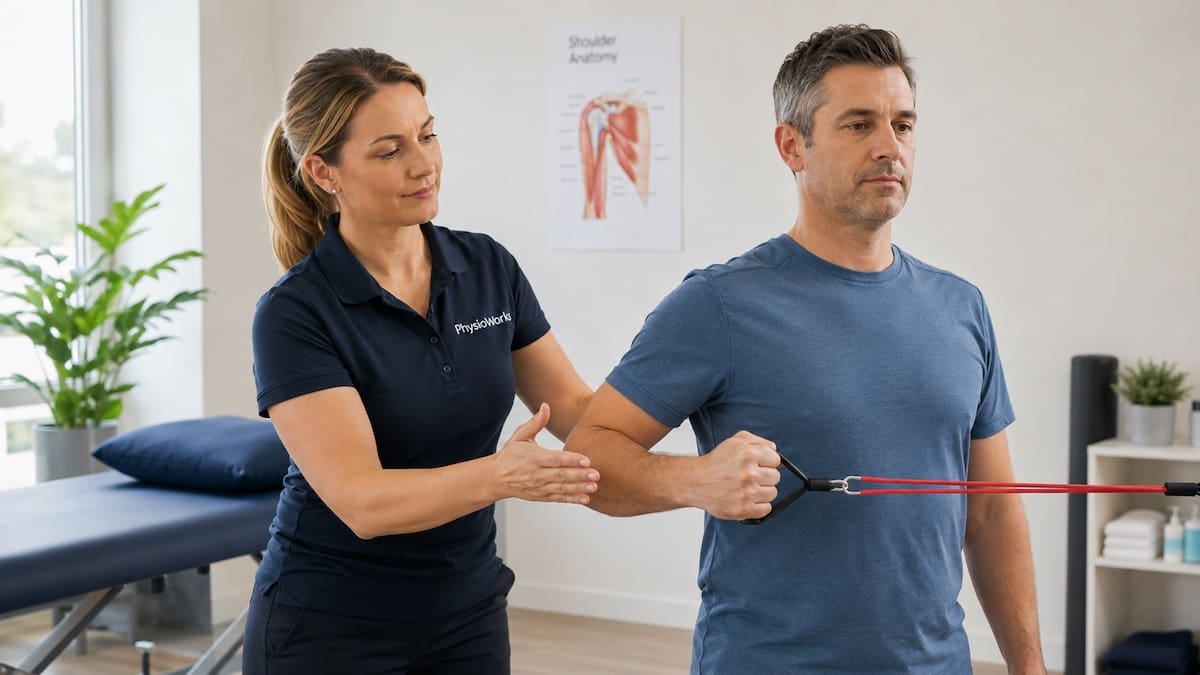
physiotherapist assessing shoulder pain before cortisone injection decision

Assessment helps determine whether a shoulder cortisone injection is appropriate.

A cortisone injection for shoulder bursitis may help reduce short-term pain when inflammation limits reaching, lifting, sleep, or rehabilitation. It does not repair tendon damage. Instead, it may create a window of comfort so you can restart movement and progress shoulder strengthening.

Shoulder pain from shoulder bursitis, shoulder impingement, or a rotator cuff injury can make everyday tasks difficult. If early care has not settled your pain, your physiotherapist may discuss whether a shoulder cortisone injection is worth considering with your doctor.

Quick Summary

  • A shoulder cortisone injection may reduce bursitis pain short term.
  • It is usually placed into the subacromial bursa, not the tendon.
  • Ultrasound guidance may improve injection accuracy where available.
  • Repeated injections may affect tendon health, so timing matters.
  • Exercise-based rehabilitation remains the first-line approach.

What Is a Cortisone Injection in the Shoulder?

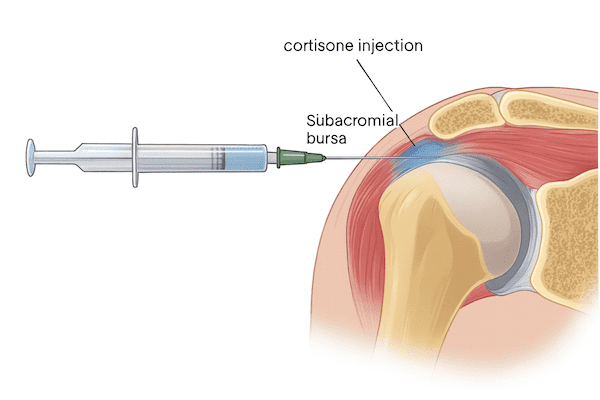
A cortisone injection in the shoulder is an anti-inflammatory treatment that usually combines corticosteroid medication with local anaesthetic. For rotator cuff-related shoulder pain, the injection commonly targets the subacromial bursa to reduce irritation and improve movement comfort.

This diagram shows where cortisone is typically injected to reduce shoulder inflammation.

cortisone injection shoulder illustration showing subacromial bursa injection

Diagram showing where a cortisone injection is placed into the shoulder bursa.

The injection does not fix the underlying cause of pain. It may help reduce inflammation enough to allow a better response to rotator cuff tear rehabilitation, shoulder mobility work, and strength progression.

When Should You Consider a Cortisone Injection for Shoulder Bursitis?

You may consider a cortisone injection for shoulder bursitis when pain remains high despite appropriate early non-surgical care, including guided rehabilitation. It is most useful when pain blocks sleep, movement, or the ability to complete your rehabilitation exercises.

  • Shoulder pain severely restricts reaching or lifting.
  • Night pain affects sleep.
  • Inflammation prevents exercise progression.
  • Symptoms have not improved with appropriate early care.
  • A doctor or physiotherapist has confirmed that injection timing is appropriate.

Which Shoulder Conditions May Respond?

Shoulder injections may be considered for inflammatory pain linked to the subacromial bursa or rotator cuff region. They are not suitable for every shoulder problem, so accurate assessment matters.

Are Shoulder Cortisone Injections Safe?

Shoulder cortisone injections are generally considered safe when used carefully, infrequently, and in the right tissue. Clinicians usually avoid injecting directly into tendons because corticosteroids may affect tendon structure, especially when injections are repeated.

Ultrasound guidance may improve injection accuracy and short-term pain outcomes where available. However, injection should not replace active rehabilitation for rotator cuff tendinopathy.

Injection May Help When

  • pain is clearly inflammatory
  • bursitis is limiting sleep or movement
  • rehab cannot progress due to pain
  • the injection is part of a broader treatment plan

Rehab Should Stay the Priority When

  • weakness or poor shoulder control is the main issue
  • pain improves with exercise modification
  • symptoms are mild and improving
  • you have already had repeated injections

What Happens During the Injection?

Your doctor will usually clean the skin, then guide a small needle into the bursa or joint space. The injection may include corticosteroid medication and local anaesthetic. Some people notice short-term numbness from the anaesthetic before the anti-inflammatory effect builds over several days.

After the injection, you may be advised to rest the shoulder briefly before gradually restarting your rehabilitation program. Your physiotherapist can guide safe exercise timing based on your pain, movement, strength, and goals.

Why Rehabilitation Still Matters After Injection

The 2025 JOSPT clinical practice guideline supports active rehabilitation as the initial treatment for rotator cuff tendinopathy. Corticosteroid injections may help reduce pain and short-term disability, but they should not be used as first-line care.

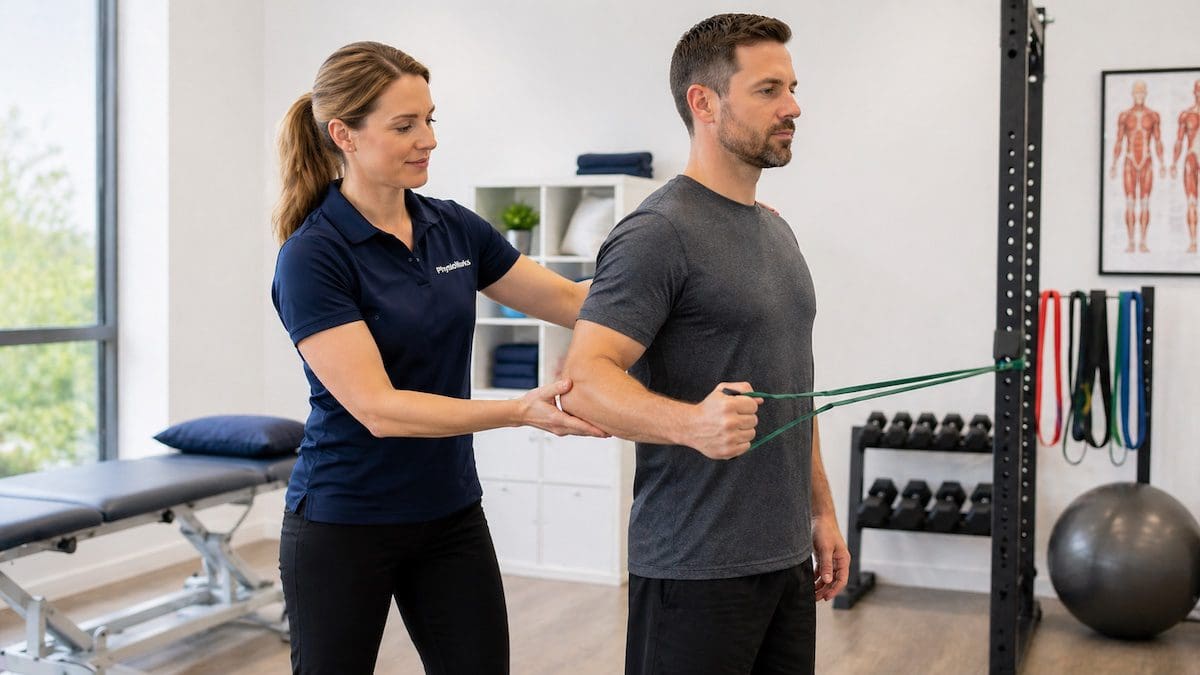
physiotherapist guiding rotator cuff rehab after shoulder cortisone injection

Rehabilitation helps restore strength and movement after a shoulder cortisone injection.

A shoulder cortisone injection works best when paired with structured physiotherapy. Once pain settles, your program should target shoulder strength, scapular control, movement quality, load tolerance, and the activities that matter most to you.

Your rehabilitation plan may include:

  • rotator cuff strengthening
  • scapular control exercises
  • thoracic and shoulder mobility work
  • graded return to lifting, work, gym, or sport
  • activity modification to reduce flare-ups

Do Cortisone Injections Fix Rotator Cuff Tears?

No. Cortisone injections may reduce pain, but they do not repair torn tendon fibres. Rotator cuff tears need a structured strengthening plan, and larger or worsening tears may require further medical review.

If you have ongoing weakness, loss of function, or pain after a shoulder injury, your physiotherapist may recommend further assessment. This may include medical imaging or review with your GP or sports physician.

Risks and Limitations of Shoulder Cortisone Injections

Most people tolerate shoulder cortisone injections well, but side effects can occur. Risk depends on your health, injection location, dose, frequency, and tendon condition.

  • temporary pain flare for 24–48 hours
  • skin thinning or lightening near the injection site
  • rare infection risk
  • temporary blood sugar rise in people with diabetes
  • possible tendon weakening with repeated injections

When Should You Seek Professional Advice?

Seek professional advice if shoulder pain limits work, sport, sleep, or daily tasks. A physiotherapist can assess your shoulder movement, strength, irritability, and likely pain source before helping you decide whether rehab alone, medical review, or injection discussion is the next step.

Related Shoulder Information

Common Questions About Shoulder Cortisone Injections

Is a cortisone injection for shoulder bursitis safe?

A cortisone injection for shoulder bursitis is generally considered safe when used carefully, placed accurately, and limited in frequency. Clinicians usually avoid injecting directly into tendons because repeated corticosteroid exposure may affect tendon strength.

How long does a shoulder cortisone injection last?

Pain relief may last from several weeks to a few months. Results vary depending on the condition, injection accuracy, activity load, tendon health, and whether the person completes a structured rehabilitation program.

Where is cortisone injected for shoulder bursitis?

For shoulder bursitis, cortisone is commonly injected into the subacromial bursa. Ultrasound guidance may help improve accuracy and reduce the chance of injecting into nearby tissues such as the rotator cuff tendon.

Can cortisone repair a rotator cuff tear?

No. Cortisone may reduce pain and inflammation, but it does not repair torn tendon fibres. Rotator cuff tears usually need progressive strengthening, load management, and sometimes further medical review.

Should you rest after a shoulder cortisone injection?

Most people are advised to rest the shoulder briefly after a cortisone injection, then gradually restart movement and physiotherapy exercises. Your clinician should guide timing based on your symptoms and injection details.

What to Do Next

If shoulder pain has not settled, book a physiotherapy assessment. Your physiotherapist can help identify the likely pain source, guide your rehabilitation, and discuss whether a cortisone injection for shoulder bursitis may be appropriate as part of your broader recovery plan.

patient lifting arm overhead comfortably after shoulder bursitis treatment

The goal is comfortable, confident shoulder movement.

Book your appointment – 24/7

Choose your preferred PhysioWorks clinic and book online.

Shoulder Products

These shoulder products are commonly used by our physiotherapists to improve strength, posture, movement, plus assist home exercise programs.

View all shoulder products

Follow PhysioWorks

Get free physiotherapy tips, exercise videos, recovery advice, and blog updates.

Facebook Instagram YouTube B X Email PhysioWorks

How to Identify a Torn Rotator Cuff and Seek Proper Treatment

If you are trying to work out whether you have a torn rotator cuff, the most useful clues are usually shoulder pain, weakness, loss of arm function, and night pain. However, not every painful shoulder means a tear. A torn rotator cuff sits within the broader group of shoulder pain conditions, so it helps to compare your symptoms with other common shoulder problems early.

Some tears happen suddenly after a fall, heavy lift, or shoulder dislocation. Others develop more gradually as part of a broader rotator cuff injury pattern. The right next step depends on how the symptoms started, how much strength you have lost, and whether your shoulder is still working reasonably well day to day.

How Do You Know if You Have a Torn Rotator Cuff?

A torn rotator cuff often causes shoulder pain, weakness, and difficulty lifting or rotating your arm. In particular, pain at night, loss of overhead strength, or a sudden drop in function after a fall or lift can raise suspicion. However, physiotherapy assessment is still important because bursitis, tendinopathy, and frozen shoulder can cause similar symptoms.

Quick Self-Check: Could It Be a Torn Rotator Cuff?

A torn rotator cuff becomes more likely if you have one or more of these signs:

  • your shoulder pain started after a fall, sudden lift, or shoulder dislocation
  • you have noticeable weakness lifting your arm
  • your shoulder pain wakes you at night
  • you struggle to reach overhead, dress, or wash your hair
  • your shoulder feels painful and weak rather than just stiff

Important: These signs can raise suspicion, but they do not confirm a tear. A physiotherapist can help work out whether your pain is more likely due to a torn rotator cuff, tendinopathy, bursitis, frozen shoulder, or another shoulder injury.

What Is a Torn Rotator Cuff?

A torn rotator cuff means one or more of the shoulder’s rotator cuff tendons has partially or fully torn. These tendons help stabilise your shoulder and guide lifting and rotation. Some tears are small and painful but still functional, while larger tears can cause marked weakness, poor control, and difficulty raising the arm.

If your symptoms sound more like tendon irritation than a full tear, it is also worth reading about rotator cuff tendinopathy, which can overlap with the same pain pattern.

What Are the Two Main Types of Torn Rotator Cuff?

The two main patterns are traumatic tears and atraumatic tears. A traumatic tear follows a clear injury event, while an atraumatic tear develops more gradually over time through repeated loading, tendon degeneration, or smaller repeated stresses.

Traumatic Torn Rotator Cuff

A traumatic torn rotator cuff often happens after a fall onto the arm, a sudden heavy lift, or a shoulder dislocation. These cases usually stand out because the onset is memorable. Pain can be sharp, sleep may become difficult quickly, and arm strength often drops noticeably.

Atraumatic Torn Rotator Cuff

An atraumatic torn rotator cuff develops without one big injury. Instead, the tendon may gradually fail after repeated overload, age-related tendon change, or prolonged overhead use. Symptoms often build over time and can feel similar to slower rotator cuff irritation until the shoulder is properly assessed.

Common Torn Rotator Cuff Symptoms

  • pain at the top or outer part of the shoulder
  • pain that travels into the upper arm
  • weakness with lifting, reaching, or rotating
  • difficulty washing your hair or reaching into a cupboard
  • painful clicking, catching, or loss of smooth movement
  • sleep disruption from shoulder pain
  • pain when lying on the affected side

What Symptoms Make a Torn Rotator Cuff More Likely?

A torn rotator cuff becomes more likely when shoulder pain is paired with weakness or loss of function. Night pain alone is not enough. The stronger clues are trouble lifting the arm, pain plus weakness after trauma, and reduced control during reaching or overhead movement.

You may still be able to move the arm with a smaller tear. For that reason, this related guide can help: Can you lift your arm with a rotator cuff tear?

When Should You Worry About a Torn Rotator Cuff?

You should worry more about a torn rotator cuff if the pain started after trauma, you suddenly cannot lift the arm well, or your strength has dropped sharply. In those cases, prompt physiotherapy or medical review is sensible because larger tears and associated injuries sometimes need earlier imaging or surgical opinion.

Arrange an Assessment Promptly If You Have:

  • sudden weakness after a fall or heavy lift
  • constant shoulder pain that disrupts sleep
  • marked difficulty lifting the arm
  • significant bruising, deformity, or a recent dislocation
  • persistent symptoms that are not settling

Do You Need a Scan to Identify a Torn Rotator Cuff?

Not always. A skilled assessment often gives a strong early indication of whether you may have a torn rotator cuff and whether conservative treatment is appropriate first. Imaging becomes more important when there has been trauma, major weakness, poor recovery, or a question about surgery.

For more on that question, read Can you diagnose a torn rotator cuff without an MRI?. You can also read more about rotator cuff tears and broader shoulder injuries.

How Is a Torn Rotator Cuff Treated?

Torn rotator cuff treatment depends on tear size, symptom severity, age, activity demands, and how well your shoulder still functions. Many people start with physiotherapy, pain reduction strategies, and a progressive rehabilitation plan. Others, especially after a significant traumatic tear, may need referral to a shoulder surgeon for further opinion.

Physiotherapy commonly focuses on calming pain, restoring comfortable movement, improving shoulder blade control, and rebuilding shoulder strength. A guided program may also include rotator cuff exercises once the shoulder is ready.

Treatment May Include:

  • accurate diagnosis and shoulder assessment
  • pain reduction advice and load modification
  • guided shoulder mobility work
  • rotator cuff and shoulder blade strengthening
  • return-to-work, gym, or sport planning
  • referral for imaging or specialist review when appropriate

Book your appointment – 24/7

Choose your preferred PhysioWorks clinic and book online.

Torn Rotator Cuff FAQs

Can a torn rotator cuff heal without surgery?

Some people improve well without surgery, especially with smaller or degenerative tears. Physiotherapy may help reduce pain, improve strength, and restore better shoulder function. However, not every tear behaves the same way, so the decision depends on function, symptoms, age, and tear pattern.

Does a torn rotator cuff always stop you lifting your arm?

No. Smaller or partial tears may still allow arm lifting, but it often feels painful, weak, or awkward. Larger traumatic tears are more likely to cause major difficulty lifting the arm away from the body or overhead.

Why does a torn rotator cuff hurt more at night?

Night pain is common because the shoulder can become more sensitive after daily loading, and lying on the sore side may compress irritated tissues. Some people also notice the pain more at night because there are fewer distractions.

What is the difference between a torn rotator cuff and tendinopathy?

Tendinopathy usually refers to tendon irritation or degeneration without a complete tear. A torn rotator cuff means some tendon fibres have partially or fully torn. Both can cause pain and weakness, so assessment helps separate them.

When do you need surgery for a torn rotator cuff?

Surgery is considered more often when there is a significant traumatic tear, persistent weakness, poor function, failure of rehabilitation, or a tear pattern that is less likely to respond well to conservative care alone.

Should you rest a torn rotator cuff completely?

Usually not for long. Short-term activity modification may help settle pain, but too much complete rest can leave the shoulder weaker and stiffer. Most people do better with a graded plan than with full inactivity.

What to Do Next

If you think you may have a torn rotator cuff, do not rely on pain alone to judge the seriousness. The key questions are how the injury started, how much strength you have lost, and whether your shoulder function is getting worse or improving.

A physiotherapist can assess your shoulder, explain whether your symptoms fit a torn rotator cuff or another diagnosis, and guide the next step. That may include rehabilitation, imaging advice, or referral for specialist review when appropriate.

For additional reading, you may also find these pages helpful:

Shoulder Products

These shoulder products are commonly used by our physiotherapists to improve strength, posture, movement, plus assist home exercise programs.

View all shoulder products

Follow PhysioWorks

Get free physiotherapy tips, exercise videos, recovery advice, and blog updates.

Facebook Instagram YouTube B X Email PhysioWorks

References

  1. Altamimi TA, Alghamdi OS, Alzahrani MM, et al. A Narrative Review of Rotator Cuff Tear Management. Cureus. 2024;16(11):e75260. doi:10.7759/cureus.75260
  2. American Academy of Orthopaedic Surgeons. Management of Rotator Cuff Injuries Clinical Practice Guideline. 2025.
  3. Healthdirect Australia. Rotator cuff injury. Accessed March 27, 2026.
You've just added this product to the cart: