What are the main signs that help identify a knee injury?
The most useful indicators include:
- how the injury occurred
- pain location
- swelling speed
- locking, clicking, or instability
- which movements aggravate symptoms
A twisting injury often suggests a meniscus or ligament issue. Gradual pain during jumping or running is more consistent with tendon overload. Kneecap-related pain behaves differently again, especially with stairs or prolonged sitting.
A physiotherapist will assess movement, swelling, strength, joint stability, and function. This combined assessment provides a clearer picture than any single symptom.
Common knee injury patterns
Meniscus Injury
Clues: joint-line pain, clicking, locking, twisting pain, delayed swelling.
Learn more
ACL or Ligament Injury
Clues: twist, pop, rapid swelling, instability, giving way.
Learn more
Patellofemoral Pain
Clues: pain around the kneecap, worse with stairs, sitting, squatting, or running.
Learn more
Patella Tendon Injury
Clues: pain below the kneecap, worse with jumping and loading.
Learn more
How do you know if a knee injury might be a meniscus injury?
A meniscus injury often causes pain along the joint line, with clicking, catching, or a feeling that the knee does not move smoothly. Swelling may appear more gradually over several hours rather than immediately after the injury.
Many people describe a twist, pivot, squat, or awkward turn before symptoms begin. Some also notice pain with deeper bending, turning on a planted foot, or getting up from a chair. For more detail, see our guide to meniscus injury symptoms and treatment.
How do you know if a knee injury could be an ACL or ligament injury?
An ACL or other knee ligament injury often causes pain after a change of direction, twist, landing, collision, or sporting tackle. Rapid swelling, a “pop”, and a feeling that the knee is unstable are common features, especially with ACL injuries.
Ligament injuries can affect different parts of the knee depending on which ligament is involved. If your knee feels unstable, see our pages on knee ligament injuries, ACL injury, and PCL injury.
What does pain at the front of the knee usually mean?
Front knee pain often points towards kneecap joint irritation, tendon overload, or patellofemoral problems. The exact pain location matters. Pain around or behind the kneecap often behaves differently from pain felt directly below it.
If your pain worsens with stairs, sitting, squatting, or running, the problem may be linked to the kneecap joint or movement control. In contrast, a very local sore spot just below the kneecap is more suggestive of a patella tendon injury.
Why can it be hard to tell what type of knee injury you have?
Many knee injuries share similar early symptoms, including pain, swelling, stiffness, and reduced confidence with movement. It is also common for more than one structure to be injured at the same time, especially after twisting or sporting injuries.
Because of this, self-diagnosis is often unreliable. A structured assessment that considers how the injury occurred, movement patterns, joint stability, and symptom behaviour provides a clearer and safer diagnosis. Healthdirect also provides a general overview of knee injuries.
When should you get a knee injury checked?
Seek assessment if you notice:
- significant or rapid swelling
- locking or inability to straighten
- repeated giving way
- difficulty weight bearing
- worsening or persistent pain
- recovery is not progressing as expected
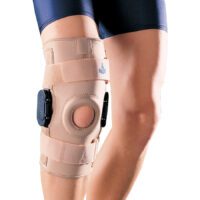
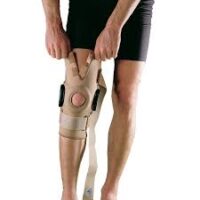
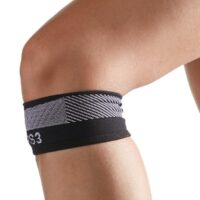
Early assessment helps guide appropriate treatment and prevents unnecessary aggravation. It can also help determine whether you may benefit from rehabilitation, taping, bracing, imaging, or medical review.
Related knee injury pages
Frequently Asked Questions About Knee Injuries
Can you tell what knee injury you have from symptoms alone?
Sometimes you can make a reasonable guess from the symptom pattern, but symptoms alone are not always enough. Several knee injuries overlap, and mixed injuries are common. A proper assessment is usually the best way to identify the likely structure involved and plan the next step safely.
Does swelling speed matter after a knee injury?
Yes. Very fast swelling can be more suspicious for a significant ligament or joint injury, while slower swelling may fit some meniscus or overload presentations. However, swelling speed is only one clue and should always be interpreted with the injury mechanism and other symptoms.
What if my knee clicks but does not hurt much?
A click on its own does not always mean a serious problem. However, clicking with pain, locking, catching, swelling, or giving way is more meaningful and should be assessed. Persistent clicking that affects sport or daily function also deserves attention.
Can more than one knee structure be injured at once?
Yes. It is quite common for a knee injury to involve more than one structure, especially after twisting sports injuries, direct impact, or falls. This is one reason why self-diagnosis can be difficult.
Do all knee injuries need imaging?
No. Many knee injuries can be assessed well from the history and physical examination. Imaging is more likely to be useful when symptoms are severe, the knee is unstable, weight bearing is difficult, or recovery is not following the expected pattern.
Is front knee pain always tendon-related?
No. Front knee pain can come from the kneecap joint, the patella tendon, surrounding soft tissues, or movement control issues. Pain location, tenderness, aggravating activities, and loading history help separate these possibilities.
What should you do next?
If unsure, avoid pushing through pain or testing the knee repeatedly. Reduce aggravating loads and arrange an assessment to identify the likely injury and plan recovery.
Your physiotherapist can help identify the most likely injured structure, explain what activities are safe, guide the right exercises, and advise whether you may need bracing, imaging, medical review, or a graded return to sport.