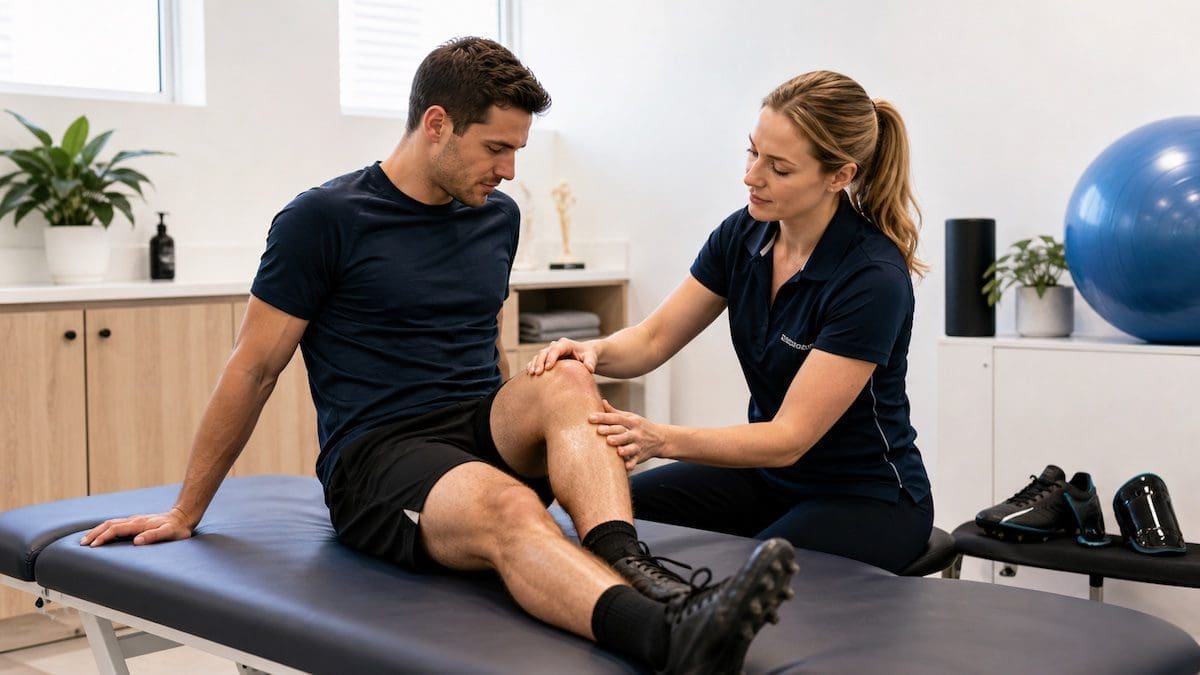
Early knee assessment helps guide safe next steps after suspected ACL tear symptoms.


Early knee assessment helps guide safe next steps after suspected ACL tear symptoms.
ACL tear symptoms often appear suddenly after a pivot, twist, awkward landing or quick change of direction. Common signs include a pop, sharp knee pain, fast swelling and a feeling that the knee may give way.
An ACL tear affects the anterior cruciate ligament, which helps stabilise the knee during cutting, stopping, landing and turning. For a full overview of causes, diagnosis and treatment options, see our main ACL injury page.
These symptoms can overlap with meniscus tears, knee ligament injuries and bone bruising. A knee physiotherapist or doctor can assess your knee and help decide whether imaging or referral is needed.
An ACL tear usually happens when the knee twists, collapses inwards or changes direction under load. It often occurs without a heavy collision. People commonly injure the ACL during football, netball, basketball, skiing, trail running or gym-based landing drills.
The ACL sits deep inside the knee and links the thigh bone to the shin bone. It helps stop the shin sliding forwards and helps control rotation. When the ligament tears, the knee can feel loose, wobbly or unreliable during weight bearing.
The first signs of an ACL tear are usually a pop, sharp pain, rapid swelling and knee instability. Many people cannot keep playing sport after the injury. Some can walk, but the knee may feel unsafe or weak.
Fast swelling is important because it may mean bleeding inside the knee joint. This can occur with ACL tears and other serious knee injuries. Early assessment helps check whether the ACL, meniscus, cartilage or other ligaments are involved.
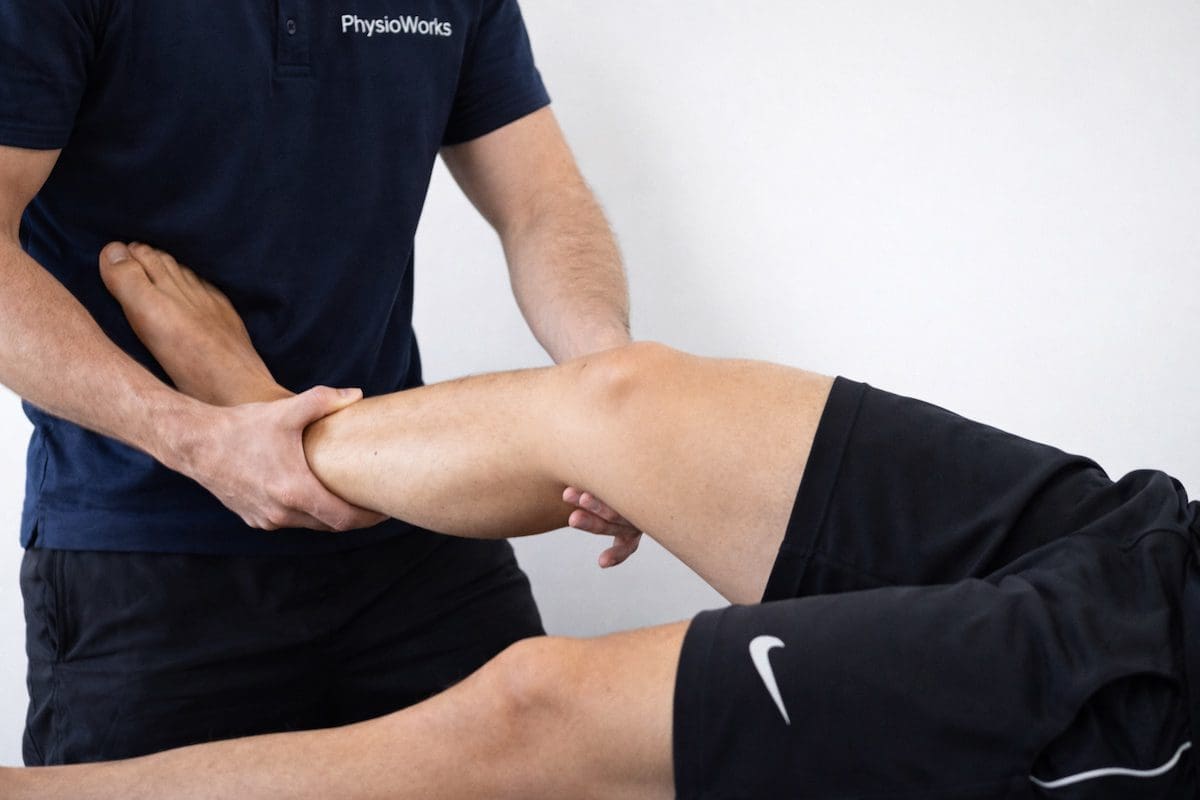
Knee stability tests help guide diagnosis after a twisting injury.
Some people can walk with a torn ACL once the first pain eases. However, walking ability does not rule out an ACL tear. The knee may still feel unstable, swollen or stiff, especially on stairs, slopes or uneven ground.
Avoid testing the knee with running, jumping or cutting movements after a suspected ACL tear. These actions may increase giving-way episodes and may irritate other structures. A guided knee pain assessment is a safer next step.
ACL tears more often cause rapid swelling and instability. Meniscus tears more often cause joint-line pain, catching, clicking or locking. However, both injuries can occur together, so symptoms alone cannot always separate them.
A physiotherapist or sports doctor may use knee stability tests, meniscus tests and movement assessment to guide the diagnosis. MRI may be useful when the injury pattern is unclear, symptoms are severe or surgery is being considered.
Practical point: A swollen knee after a twisting injury deserves early review, even if pain settles within a few days.
Seek early assessment if your knee swells quickly, gives way, locks, feels unstable or cannot take weight comfortably. You should also seek urgent medical care if you have severe pain, obvious deformity, numbness, calf swelling, fever or signs of infection.
Early advice helps protect the knee and gives you a clearer plan. It can also help decide whether you need a brace, crutches, imaging, referral or early rehabilitation.
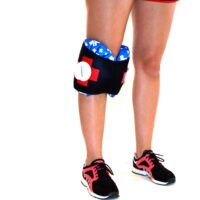
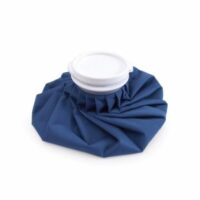
Stop sport or training and avoid pivoting, jumping or running. Use sensible short-term care such as relative rest, compression and elevation. Ice may help pain in the first stage if it suits you.
Next, book a knee assessment. Your physiotherapist can check swelling, movement, walking pattern, knee stability and early muscle control. They may also discuss whether you need medical review or MRI.
Treatment depends on your age, sport, goals, knee stability, other knee injuries and confidence with movement. Some people need ACL reconstruction. Others may manage with structured rehabilitation and careful return-to-sport testing.
Physiotherapy helps you reduce swelling, restore knee motion, rebuild strength and improve movement control. Later stages focus on balance, landing control, running, agility and return-to-sport readiness.
A complete ACL plan should not rely on time alone. It should use strength, hop, balance, confidence and sport-specific testing before higher-risk activity. Read more about ACL reconstruction rehabilitation and ACL injury prevention.
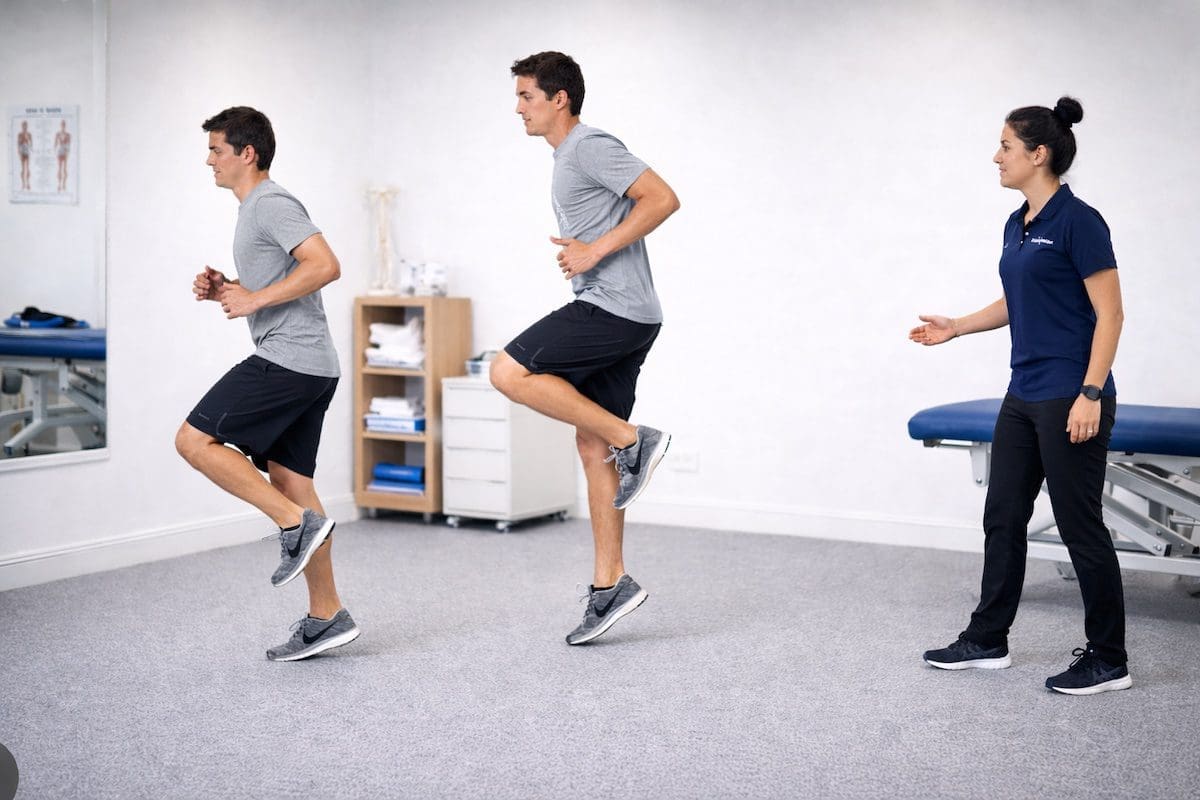
Rehab rebuilds knee control, strength and confidence.
| Pop + rapid swelling | Book an early knee assessment and avoid pivoting sport. |
| Giving way | Seek guidance before stairs, running or return to training. |
| Locking or catching | Assessment should also consider a meniscus injury. |
| Severe pain or unable to weight bear | Seek urgent medical review. |
The first signs are usually a pop, sharp pain, rapid swelling and knee instability. Many people cannot continue sport after the injury. Some can walk afterwards, but the knee may still feel unsafe.
You can often still bend and straighten the knee after an ACL tear, especially once the first pain settles. However, swelling may limit motion. Painful catching, locking or joint-line pain may suggest a meniscus injury as well.
ACL tears often cause a pop, rapid swelling and giving way. Meniscus tears more often cause clicking, catching, locking or pain along the joint line. These injuries can occur together, so clinical assessment and sometimes MRI are needed.
Meniscus tears, MCL injuries, LCL injuries, patella dislocation and bone bruising can mimic some ACL tear symptoms. A structured knee assessment helps identify the most likely injured structure and guide safe next steps.
Pain is often sharp at the time of injury. It may ease, then build again as swelling increases. Pain levels vary because an ACL tear may occur alone or with meniscus, cartilage, bone or other ligament damage.
A clinician can often strongly suspect an ACL tear from the injury story and knee stability tests. MRI can confirm the diagnosis and check for associated injuries that may affect treatment decisions.
ACL tear pain is usually felt deep inside the knee. Some people also notice pain on the outer side or back of the knee, especially when there is bone bruising, meniscus injury or another ligament injury.
Both can be significant. ACL tears often cause more instability during pivoting sport. Meniscus tears may cause locking, catching or joint-line pain. The impact depends on the injury pattern, your goals and how the knee responds to rehabilitation.
If you suspect an ACL tear, do not test the knee with sport, jumping or pivoting. Book an assessment with a knee physiotherapist or speak with your doctor. Early guidance can help you protect the knee and choose the right pathway.
PhysioWorks clinics across Brisbane provide knee injury assessment and rehabilitation planning at Ashgrove, Clayfield, Loganholme, Rochedale, Salisbury and Sandgate.
Select a PhysioWorks clinic to continue to live booking, an appointment request or reception assistance.
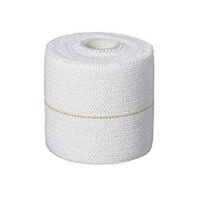
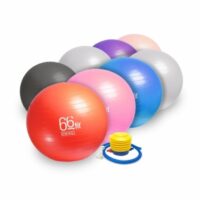
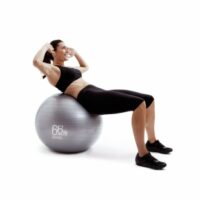
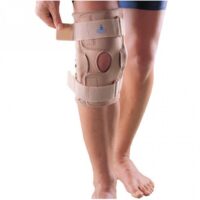
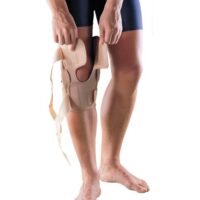
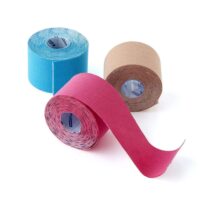
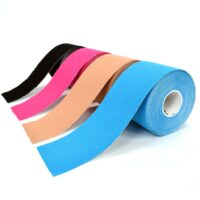
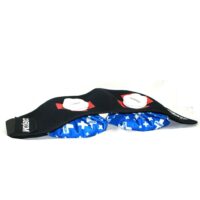
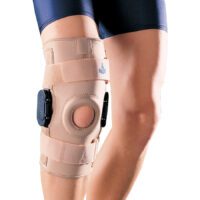
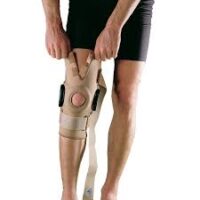
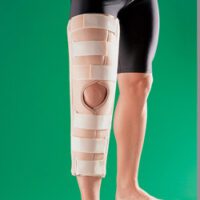
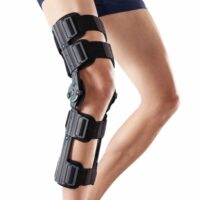
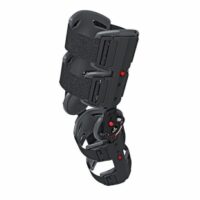
These ACL knee support products are commonly used by our physiotherapists to help reduce strain, improve stability, and support your ACL recovery at home.