Do You Need ACL Surgery? FAQs

Will You Need an Operation for an ACL Tear?

Quick Answer

Most ACL tears do not automatically require surgery. Surgery becomes more likely if your knee feels unstable, gives way, or if you want to return to pivoting or contact sport. Associated injuries such as meniscus tears, cartilage damage, or multi-ligament injuries also make surgery more likely.

An operation for an ACL tear is not always necessary. Some people manage well with structured rehabilitation, while others are more likely to require surgery because of ongoing instability, sport demands, work demands, or associated knee injuries.

The best choice depends on your goals, symptoms, knee function, and how stable your knee feels during daily activity and higher-demand movement.

If you are still confirming the diagnosis, start with our ACL injury guide. You may also find it helpful to read how to know if you have a torn ACL, ACL tear symptoms, and ACL challenges and considerations.

ACL Surgery Decision Snapshot

  • Stable knee → Rehabilitation is often suitable
  • Knee giving way → Surgery becomes more likely
  • Pivoting or contact sport → Surgery is commonly recommended
  • Lower-demand lifestyle → Rehab may be enough
  • Associated injuries → Surgery is more likely

Surgery is more likely when:

  • your knee repeatedly gives way
  • you want to return to pivoting or contact sport
  • you have associated meniscus, cartilage, or ligament injury
  • your work involves cutting, turning, climbing, or unstable surfaces
  • rehabilitation has not restored enough control or confidence

What affects the decision about ACL tear surgery?

The decision depends on knee stability, your activity goals, and whether other structures in the knee were also injured. Age alone does not determine the outcome. Instead, your physiotherapist and surgeon assess how your knee performs during walking, running, gym work, landing, cutting, and sport.

Do all ACL tears need surgery?

No. Many people return to daily activity and gym training with rehabilitation alone. However, ongoing instability or a goal to return to pivoting sport increases the likelihood of surgery.

Compare your options here: ACL surgery pros and cons, non-surgical ACL management, and ACL reconstruction vs exercise management.

When is an operation for an ACL tear more likely?

Surgery is more likely when the knee remains unstable despite rehabilitation, or when your lifestyle requires cutting, turning, pivoting, or landing movements. It also becomes more likely when there is a combined injury pattern involving the meniscus, MCL, cartilage, or another ligament.

Can a torn ACL heal without surgery?

Some ACL tears may show healing on imaging, but that does not always restore full function for sport or higher-demand movement. Decisions still depend on knee stability, strength, confidence, and control.

What happens if you choose ACL reconstruction?

ACL reconstruction replaces the torn ligament with a graft. Common graft choices include hamstring tendon, patellar tendon, quadriceps tendon, and occasionally donor tissue. Your surgeon will recommend the most suitable option based on your age, sport, anatomy, and injury pattern.

Rehabilitation remains essential after surgery. It helps restore movement, strength, balance, jumping, landing control, and confidence. Learn more about ACL rehabilitation and ACL injury prevention.

How long should you wait before ACL surgery?

Immediate surgery is usually not required. Reducing swelling, restoring knee extension, improving quadriceps activation, and walking more normally first often improves your surgical starting point and post-operative outcomes.

What should you do if you think you have an ACL tear?

Avoid pivoting movements and get assessed early. Physiotherapy helps guide diagnosis, reduce swelling, improve movement, and support the decision between rehabilitation and surgery.

What to discuss at your appointment

Discuss your sport, work demands, instability episodes, MRI findings, future goals, and whether you want to return to pivoting activity. These factors guide whether surgery is appropriate.

Do You Need ACL Surgery? FAQs

Can you live without an ACL?

Yes. Many people function well for daily activity without an ACL. However, instability may still occur during sport, rapid changes of direction, or uneven ground.

Is ACL surgery always required for athletes?

No. Some athletes succeed with rehabilitation, while others require surgery depending on instability, sport demands, position, and return-to-play goals.

Can physiotherapy help even if surgery is planned?

Yes. Pre-surgery rehabilitation often improves swelling, knee extension, quadriceps strength, movement quality, and recovery outcomes.

What if my knee feels stable after rehab?

If your knee feels stable and matches your activity goals, non-surgical management may remain appropriate. Your physiotherapist can help test whether your knee is coping well enough.

What injuries can change the recommendation toward surgery?

Meniscus tears, cartilage injury, MCL damage, and multi-ligament injury can all shift the recommendation more towards surgery, especially if the knee remains unstable.

What to Do Next

If your knee feels unstable or unreliable, book an assessment early. Early physiotherapy can help confirm the diagnosis, guide rehabilitation, and identify whether you should also discuss surgical opinion.

Related injuries such as a meniscus tear or MCL tear may influence your treatment plan.

Book your appointment – 24/7

Choose your preferred PhysioWorks clinic and book online.

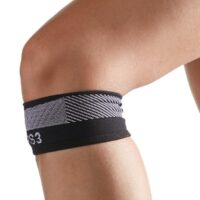
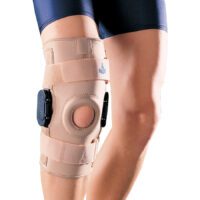
Knee Support Products

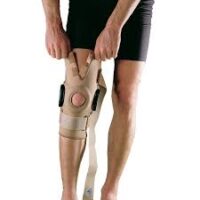
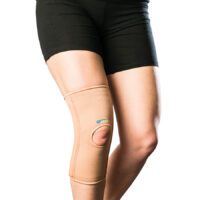
These knee support products are commonly used by our physiotherapists to help reduce strain, improve stability, and support your recovery at home.

View all knee support products

Follow PhysioWorks

Get free physiotherapy tips, exercise videos, recovery advice, and blog updates.

Facebook Instagram YouTube B X Email PhysioWorks

You've just added this product to the cart: