Does an ACL Brace Help After an ACL Injury?
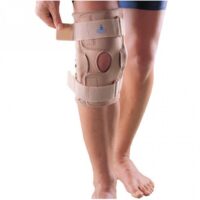
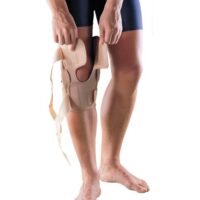
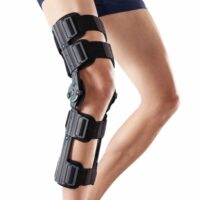
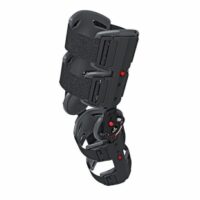
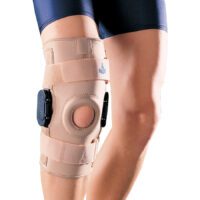
An ACL brace may help some people feel more stable after injury by limiting movements that stress the knee. It can be useful during early recovery, but it works best alongside physiotherapy, strength work, and movement retraining rather than as a stand-alone solution.
An ACL brace can support flat walking, basic household tasks, and carefully selected rehabilitation exercises. However, it does not restore full ligament function, so long-term progress still depends on strength, balance, landing control, and confidence. If you are unsure whether your knee symptoms fit an ACL injury, read about ACL tear symptoms and what the ACL does.
How Does an ACL Brace Work?
An ACL brace aims to reduce forward movement and rotation of the shin bone under the thigh bone. This mechanical support may lessen giving-way episodes and improve knee awareness while your rehabilitation programme rebuilds strength and control.
Some braces mainly guide straight-line movement, while others also help manage twisting stress. Many people notice improved confidence when they first return to weight-bearing, stairs, or light activity. Even so, bracing should support rehabilitation, not replace it.
When Might an ACL Brace Be Recommended?
Your physiotherapist may recommend an ACL brace when the knee feels unstable, when a partial tear is being managed without surgery, or while you are waiting for an orthopaedic opinion. It may also help when work, study, or parenting demands require extra support in the short term.
- Early walking after an ACL tear.
- Partial ACL injuries managed conservatively.
- Episodes of instability on uneven ground.
- Added support while progressing rehabilitation.
- Short-term support while awaiting surgical review.
Bracing decisions should always consider swelling, range of motion, other knee injuries, and your activity goals. Related problems such as MCL tear or meniscus tear can also influence the plan.
What Is the Cross Bracing Protocol?
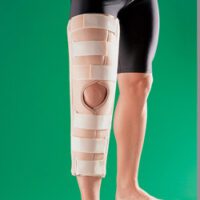
The Cross Bracing Protocol is a structured non-surgical ACL management approach used for selected acute ACL ruptures. It involves bracing the knee at 90 degrees for the first four weeks, then gradually restoring movement until brace removal at 12 weeks, alongside supervised rehabilitation.
In a 2023 study published in the British Journal of Sports Medicine, 80 people began the protocol within four weeks of injury. At three months, 90% showed MRI evidence of ACL continuity. People with stronger healing on MRI also tended to report better function and knee-related quality of life. Even so, the authors noted that longer-term follow-up and further trials are still needed.
This means the protocol may be promising for some people, but it is not suitable for every ACL tear. Tear location, knee stability, associated damage, and personal goals still matter when deciding whether bracing is appropriate.
Can an ACL Brace Replace Surgery?
An ACL brace does not usually replace surgery when surgery is clearly indicated. Some people cope well without reconstruction through structured rehabilitation and, in selected cases, bracing. Others continue to experience instability that affects work, daily life, or pivoting sport and may need surgical review.
Decision-making should consider your age, sport, work demands, associated knee injuries, and whether the knee repeatedly gives way. For more on this decision, see what happens if you don’t get surgery on your ACL.
How Should You Use an ACL Brace Safely?
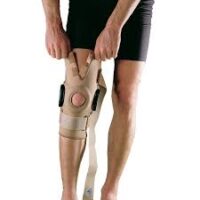
An ACL brace should fit firmly without causing skin irritation, numbness, or circulation problems. Your physiotherapist may recommend when to wear it, which activities it suits, and when to reduce reliance on it as your knee control improves.
- Check the fit and strap tension regularly.
- Use the brace for the activities advised by your physiotherapist.
- Keep doing your strengthening and neuromuscular exercises.
- Monitor for skin irritation, swelling, or discomfort.
- Have the brace reviewed if it slips or feels ineffective.
Related ACL Information
What to Do Next
If your knee feels unstable after an ACL injury, an early physiotherapy assessment can help determine whether an ACL brace is worth considering and what rehabilitation path best suits you. The right plan depends on your symptoms, knee stability, activity goals, and whether other structures are involved.
Early advice may help you decide between bracing, non-surgical rehabilitation, or referral for orthopaedic review, while giving you a clearer pathway back to work, exercise, and sport.