
Short walks on flat, even ground are often easier to manage when knee pain is irritable.
Walking with knee pain does not always mean you need to stop walking. Many people can remain active by reducing distance, slowing their pace and choosing flatter surfaces. Your symptoms during the walk and over the following 24 hours provide useful guidance.
Knee pain can have several causes. Therefore, the right walking level depends on how your symptoms began, whether the knee swells or gives way, and which activities aggravate it. For a broader overview, visit our knee pain guide.
You can often continue walking when discomfort remains mild, your walking pattern stays normal and symptoms settle afterwards. Start with a short walk on flat, even ground. Reduce the distance or pace if pain builds, swelling develops or the knee remains worse the next morning.
Walking repeatedly loads the kneecap joint, cartilage, tendons, muscles and other tissues around the knee. Symptoms may develop after an injury or gradually when your activity level exceeds your current capacity.
Common contributors include:
Walking is usually more appropriate when pain remains mild, you are not limping and symptoms return to their usual level shortly after activity. Gentle movement can help preserve joint mobility, leg strength and confidence.
However, continuing unchanged is less suitable when pain progressively increases, your stride becomes uneven or swelling develops. In that situation, adjust the walking load rather than repeatedly pushing through the same flare-up.
Pain stays mild, your walking pattern remains normal and symptoms settle shortly afterwards.
Pain builds as you walk, you begin limping or the knee remains noticeably worse the next morning.
The knee locks, repeatedly gives way, swells rapidly or cannot comfortably support your weight.
Choose a distance you can complete without a major increase in pain or a next-day flare.
Flat, even surfaces usually place less demand on the knee than hills, stairs and uneven paths.
A comfortable pace can reduce peak knee load and help you maintain a smoother walking pattern.
Two shorter walks may be better tolerated than one long session while symptoms are irritable.
Check pain, swelling, stiffness and walking comfort later that day and the following morning.
There is no single safe distance for everyone. Your starting distance should reflect your present symptoms, usual activity level and the likely cause of your pain.
Choose a duration that produces no more than a small, temporary increase in discomfort. For example, if a 20-minute walk causes pain that remains elevated the next morning, reduce the next walk to 10 or 15 minutes. You can then increase gradually once that level feels predictable.
Increase one variable at a time. Add either distance, speed, hills or frequency rather than changing everything together.
Hills and stairs are not inherently harmful. However, they increase the demand on the thigh muscles and kneecap joint. Downhill walking can be particularly provocative because your muscles must control the body as you descend.
Temporarily use flatter routes if hills or stairs trigger a flare. Once symptoms settle and strength improves, you can gradually restore them rather than avoiding them permanently. Read more about knee pain on stairs.
Comfortable, secure footwear may make walking easier. Choose shoes that fit well, feel stable and suit the surface you plan to use. A shoe does not need to be heavily cushioned or marketed for knee pain to be appropriate.
Consider professional advice before buying expensive shoes, braces or orthotics solely to treat knee pain. These products may help selected people, but they do not replace a clear diagnosis, sensible load management and appropriate strengthening.
Arrange a physiotherapy or medical assessment when:
Seek prompt medical care if you cannot take several steps, the knee is visibly deformed, swelling rises rapidly, or the joint becomes hot and red. Calf swelling with chest pain or shortness of breath also requires urgent medical assessment.
Many people can continue walking when pain remains mild, their stride stays normal and symptoms settle shortly afterwards. Start with short, comfortable walks on flat ground and adjust the distance according to the response later that day and the next morning.
Choose a distance that does not produce a substantial increase in pain, swelling or next-day stiffness. Begin below your current limit and increase gradually once the distance feels predictable.
You may need to temporarily reduce steep hills, stairs, uneven surfaces, fast pacing and long continuous walks. These activities are not always harmful, but they can exceed your knee’s current capacity.
Swelling can occur when the knee joint or surrounding tissues become irritated. It may follow an injury or occur when walking volume exceeds your current tolerance. Persistent or increasing swelling should be assessed.
Consider an assessment when symptoms continue beyond one or two weeks, limit normal walking or repeatedly return when you increase distance. Earlier assessment is appropriate when the knee swells, locks, gives way or changes your walking pattern.
You may not need to stop walking completely. Start with a manageable distance, choose a comfortable pace and monitor the response over the next 24 hours. If pain, swelling or loss of confidence continues, a physiotherapist can assess the likely cause and help you build a suitable walking progression.
Select a PhysioWorks clinic to continue to live booking, an appointment request or reception assistance.
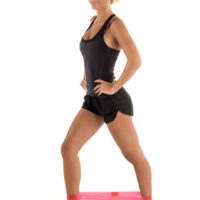
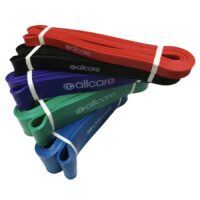
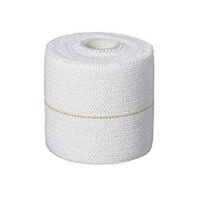
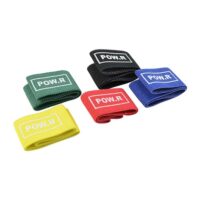
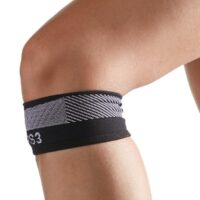
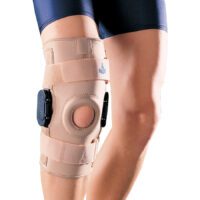
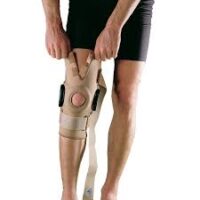
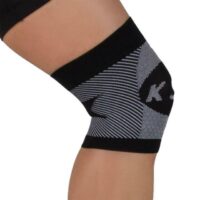
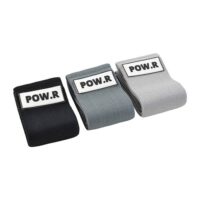
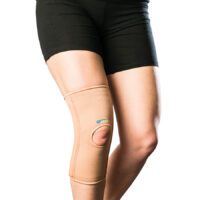
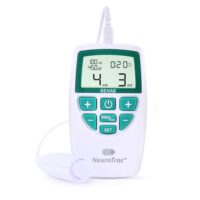
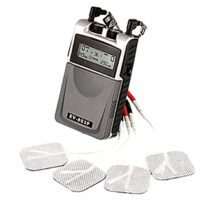
These knee support products are commonly used by our physiotherapists to help reduce strain, improve stability, and support your recovery at home.