What Is the Most Effective Foot Pain Treatment?
The most effective foot pain treatment depends on the cause of the pain, the tissue involved and how much load your foot can currently tolerate.
The most effective foot pain treatment depends on the cause of the pain, the tissue involved and how much load your foot can currently tolerate.


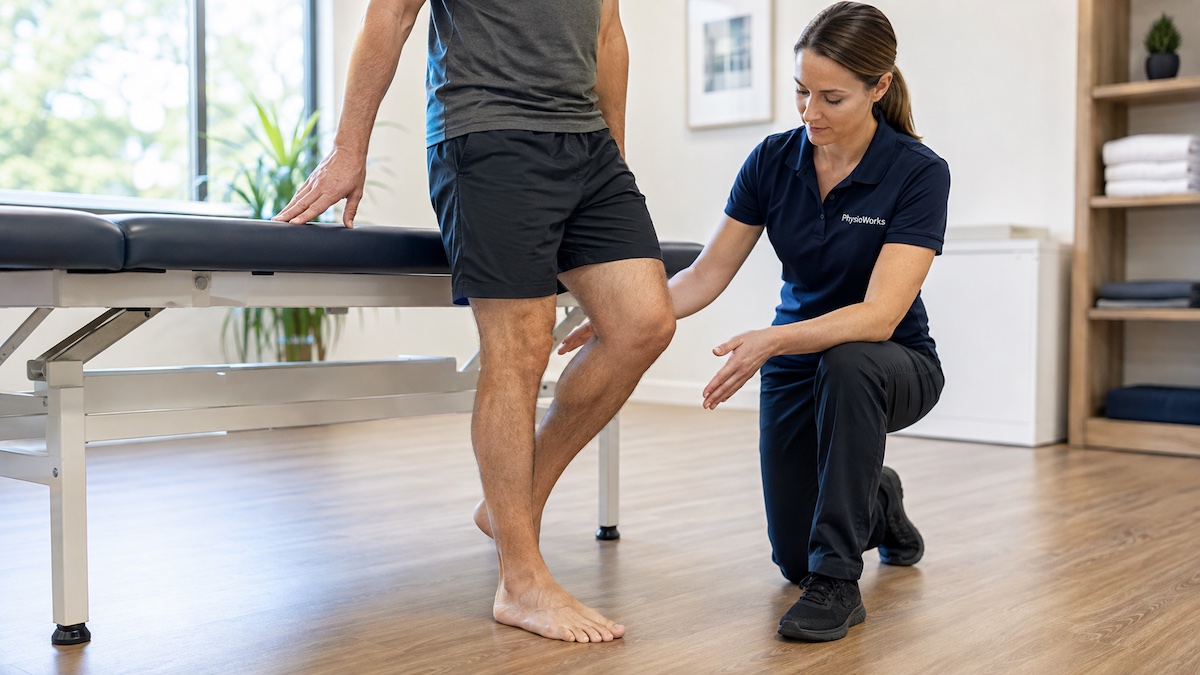
Pain beneath the heel may require a different approach from pain in the ball of the foot, a tendon problem, a joint injury or a foot stress fracture. Therefore, identifying the likely source of your symptoms is an important first step.
For information about common causes, symptoms and assessment, visit our main Foot Pain guide.
The foot contains many bones, joints, muscles, tendons, ligaments and nerves. Several conditions may cause pain in a similar area even though they need different treatment plans.
Heel pain
Conditions such as plantar fasciitis may respond to education, taping, stretching, progressive loading and selected footwear changes.
Forefoot pain
Metatarsalgia and related conditions may require changes to footwear, activity, pressure distribution and foot strength.
Tendon pain
Tendon problems usually need progressive loading matched to the affected tendon and its current capacity.
Bone stress injury
A suspected stress reaction or fracture may require prompt assessment and temporary protection from impact loading.
Joint or ligament injury
Management may include protection, movement restoration, strengthening and a staged return to walking, work or sport.
Nerve-related pain
Burning, tingling, numbness or shooting pain may require assessment of the foot and other possible sources along the nerve pathway.
You may need to temporarily reduce or change the activity that repeatedly aggravates your foot. This does not always mean complete rest. Instead, the aim is to find a level of walking, work, exercise or sport that your foot can tolerate without a sustained increase in symptoms.
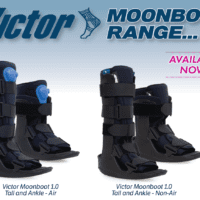
More protective management may be required after significant trauma or when a bone stress injury is suspected. In selected cases, this may include a brace, supportive shoe or walking boot.
Exercise should match the painful structure and your functional goals. A rehabilitation program may include:
Useful supporting information includes our guides to active foot posture correction exercises, strength training and closed kinetic chain exercises.
Suitable footwear may improve comfort by changing pressure, cushioning or stability. The right choice depends on the diagnosis, foot shape, activity and work demands.
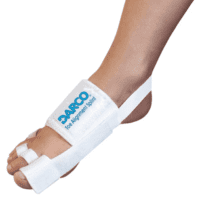
Selected people may also benefit from temporary padding, heel cups, taping or foot orthoses. These supports should address a specific problem rather than substitute for rehabilitation when strength and load tolerance also need attention.
A physiotherapist may assess walking, balance, calf capacity, foot control and the activities that reproduce your symptoms. Runners may benefit from a targeted running analysis, while other presentations may need a broader gait analysis.
Taping, activity modification, manual therapy or soft-tissue treatment may help some people move more comfortably during rehabilitation. However, passive treatment alone usually does not rebuild the strength and capacity required for lasting activity tolerance.
A small and temporary increase in symptoms may be acceptable during some rehabilitation programs. However, the appropriate response depends on the diagnosis.
Exercise or activity should be reviewed when pain becomes sharp, causes limping, continues to rise after the activity or remains clearly worse later that day or the following morning. Suspected fractures and acute traumatic injuries require more cautious loading than many gradual-onset tendon or plantar heel conditions.
Consider an assessment when pain:
Many foot problems can initially be assessed from the history and physical examination. Imaging may be considered when the findings suggest a fracture, bone stress injury, significant joint injury, persistent unexplained pain or another condition that could change management.
A scan should answer a clinical question. Imaging findings also need to be interpreted alongside your symptoms and examination rather than treated in isolation.
Start by reducing the activities that clearly aggravate the pain while maintaining comfortable movement where appropriate. Check whether your footwear is worn, poorly fitted or unsuitable for the activity.
Persistent or limiting symptoms benefit from a diagnosis-led plan. A physiotherapist can assess the painful region, explain likely contributing factors and build a staged program for walking, work, exercise or sport.
Select a PhysioWorks clinic to continue to live booking, an appointment request or reception assistance.
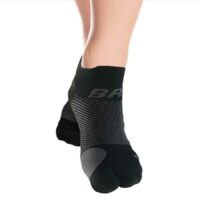
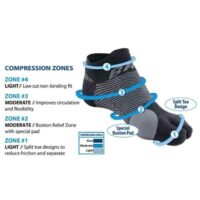
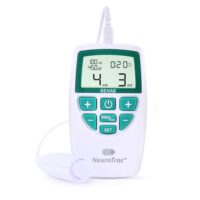
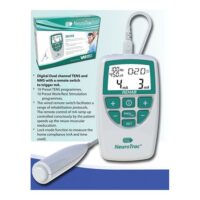
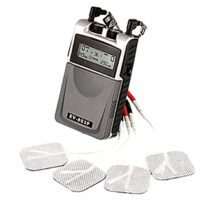
These feet products are commonly used by our physiotherapists to improve support, comfort, strength, balance, flexibility, and home exercise programs.

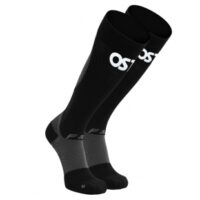
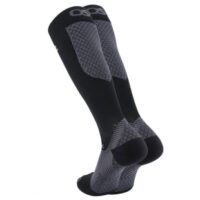


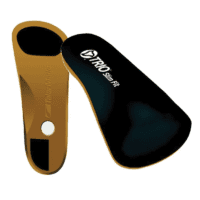
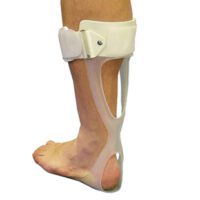
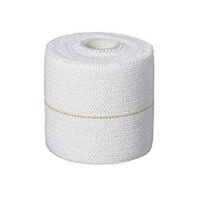

The most effective treatment matches the diagnosis and commonly combines appropriate activity changes, progressive exercise, footwear advice and gradual reloading. Taping, braces, orthoses or hands-on treatment may help selected conditions.
Mild foot pain may improve after reducing an aggravating activity and wearing suitable footwear. Assessment is recommended when pain persists, returns, worsens or limits normal activity.
Recovery may take days, weeks or several months depending on the diagnosis, severity, symptom duration and required activity level. Bone, tendon and long-standing overload problems often recover more slowly than a minor irritation.
Complete rest is not required for every foot problem. Many conditions respond better to temporary load reduction followed by gradual activity and exercise. A fracture or significant acute injury may need greater protection.
No. Orthotics may help selected people by changing pressure or improving comfort, but they are not required for every condition. Footwear, exercise and load management may be equally or more important.
Seek prompt care after major trauma, if you cannot bear weight, or when there is marked swelling, redness, heat, discolouration, an open wound, fever, rapidly increasing pain, significant numbness or weakness.