
HARM Protocol: What to Avoid After an Injury


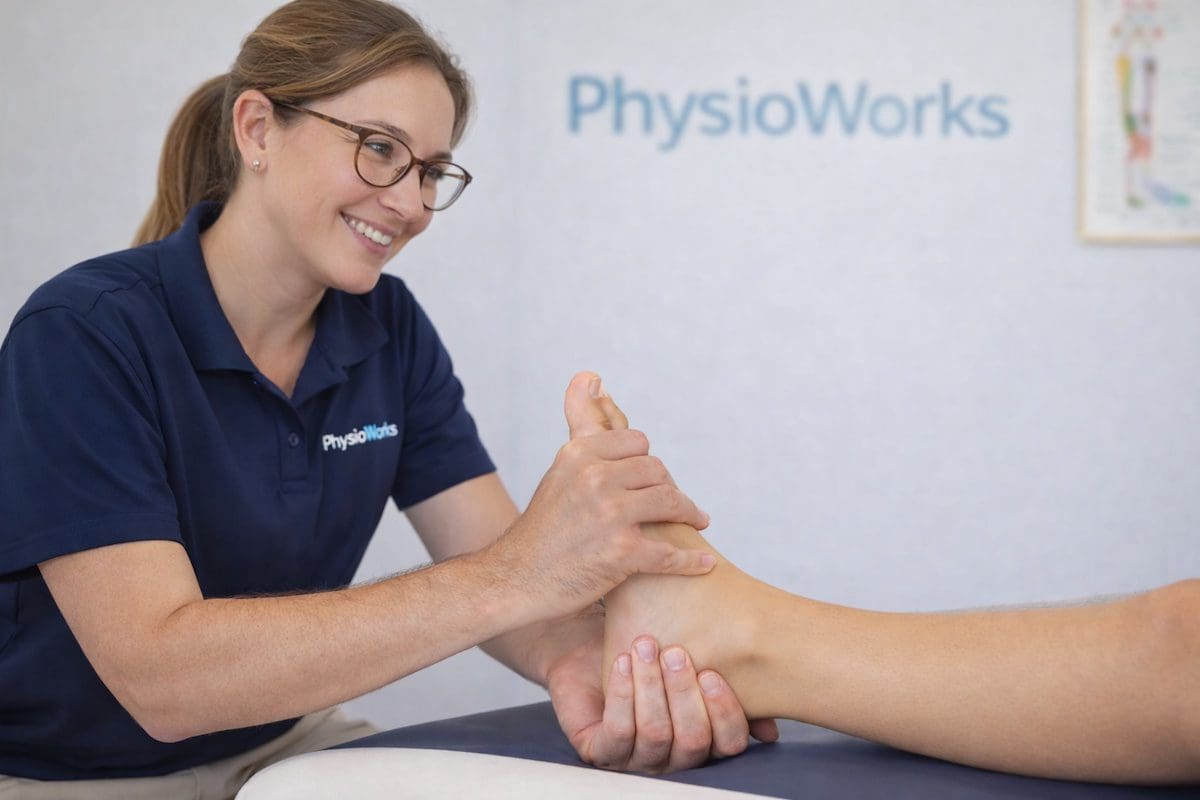
Early guidance helps you avoid common injury mistakes.
HARM protocol helps you avoid four common early injury mistakes: Heat, Alcohol, Running and Massage. In the first 48–72 hours after an acute injury, these choices may increase swelling, bruising, pain or tissue irritation.
This advice is most relevant after a fresh sprain, strain, knock, twist or soft tissue injury. Instead of pushing through, focus on protection, gentle movement, compression where useful, and clear activity limits. For a broader first-week guide, see acute injury treatment.
Many people pair HARM advice with early first-aid steps and staged rehabilitation. You may also find these guides useful: sports injury management, acute soft tissue injury, and soft tissue injury healing.
Quick Answer: What Should You Avoid After an Injury?
- Heat: avoid heat packs, hot baths, spas and saunas early.
- Alcohol: avoid alcohol because it may increase swelling and reduce judgement.
- Running: avoid hard exercise or “running it off”.
- Massage: avoid deep massage directly over the fresh injury.
What Is the HARM Protocol?
HARM stands for Heat, Alcohol, Running and Massage. These are the main things to avoid soon after an acute injury because they can increase blood flow, swelling or irritation around damaged tissue.
HARM does not mean you should stay completely still. Instead, protect the area from sharp pain, keep gentle movement within comfort, and avoid the activities that clearly stir symptoms up.
Why Do the First 48–72 Hours Matter?
In the first few days, injured blood vessels and soft tissues can remain sensitive. Extra heat, hard exercise or deep pressure may add more swelling and bruising. This can make the area feel stiffer and more painful.
During this early phase, a physiotherapist may assess the injury, screen for warning signs, and help you decide what is safe to move. If symptoms are settling, the plan usually shifts toward guided mobility, strength and a gradual return to normal activity.
Seek prompt advice if you notice:
- severe or worsening pain
- rapid swelling or major bruising
- inability to weight-bear or use the limb normally
- numbness, tingling, weakness or coldness
- obvious deformity or suspected fracture
For a broader checklist, read early warning signs of an injury.
What Should You Avoid?
H = Heat
Heat can feel soothing, but it may increase swelling early after injury. Avoid heat packs, hot baths, spas, saunas and strong heat rubs for the first 48–72 hours. Heat may become useful later if swelling has settled and stiffness is the main problem.
A = Alcohol
Alcohol may increase blood flow and swelling. It can also dull your judgement, which makes it easier to overload the injured area too soon. Prioritise water, sleep and regular meals while the injury settles.
R = Running or Early Hard Exercise
Do not try to “run it off” in the first few days. Hard training can worsen symptoms and delay return to sport. Instead, reduce load and use pain as a guide. A staged plan usually moves from gentle mobility to strength, then running, gym work or sport-specific drills.
Once symptoms settle, strength training may help rebuild tissue capacity and reduce repeat flare-ups. For injuries that are past the first few days but still not right, see sub-acute soft tissue injury.
M = Massage
Avoid deep massage directly over a fresh injury. Strong pressure can irritate bruised or torn tissue and may increase swelling. Gentle work away from the injured spot may help some people, but timing matters. Ask your physiotherapist before booking hands-on care for a new injury.
What Can You Do Instead?
Most people do better with early protection and sensible movement, not complete rest. The right mix depends on the injury, swelling, pain level and daily demands.
- Protect: reduce movements that trigger sharp pain.
- Compress: use a suitable wrap or bandage where swelling is a problem.
- Elevate: raise the injured area when swelling builds.
- Move gently: keep comfortable motion going where safe.
- Progress gradually: return to load step by step.
Compression and support products may help some injuries. Useful options include an elastic adhesive bandage or rigid strapping tape, depending on the body region, skin tolerance and activity goal.
Should You Use Ice After an Injury?
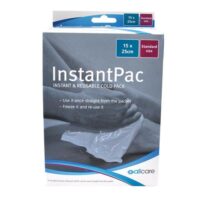
Ice may help short-term pain relief for some acute injuries. However, research is mixed on whether ice improves swelling, range of motion or long-term function. Use it as a comfort tool, not as the whole treatment plan.
Keep ice sessions brief, place a cloth between ice and skin, and stop if the area becomes numb, overly cold or more painful. Compression, elevation and comfortable movement often matter just as much.
When Can You Return to Exercise?
Return to exercise when pain, swelling and movement are improving. Start with easy movement and light loading before running, jumping, lifting or sport. A simple rule is this: if symptoms spike during activity or worsen later that day, the load was probably too high.
If your injury happened during sport, a physiotherapist can help map your return using pain, swelling, strength and function. This is especially useful if you need to return to sprinting, cutting, jumping, lifting or manual work.
HARM Protocol FAQs
What does the HARM protocol stand for?
HARM stands for Heat, Alcohol, Running and Massage. These are the main things to avoid in the first 48–72 hours after a fresh injury because they may increase swelling, bruising or tissue irritation.
How long should I avoid heat, alcohol, running and massage?
Most people avoid HARM for the first 48–72 hours. After that, the next step depends on pain, swelling and function. If symptoms are improving, you may start gentle progressions. If symptoms are worsening, seek advice.
Should I use ice after an injury?
Ice may help short-term pain relief for some injuries. Use a cloth layer, keep sessions brief, and stop if symptoms worsen or the skin becomes numb or overly cold. Do not rely on ice alone.
Is complete rest better after an acute injury?
Complete rest is rarely needed for long. Early protection is useful, but gentle movement within comfort can reduce stiffness and support confidence. The key is to avoid sharp pain and high-load activity too soon.
When should I see a physiotherapist?
Book an assessment if pain is severe, swelling rises quickly, you cannot use the area normally, you notice numbness or deformity, or symptoms do not improve over several days.
What to Do Next
Start by avoiding HARM for 48–72 hours, then reassess your symptoms. If swelling keeps rising, pain stays high, or function is not improving, book a physiotherapy assessment.
Your physiotherapist can assess the likely injury, identify any warning signs, and guide the safest next step for work, sport, gym and daily activity.
Choose your clinic and appointment pathway
Select a PhysioWorks clinic to continue to live booking, an appointment request or reception assistance.
Muscle & Soft Tissue Products
These muscle and soft tissue products are commonly used by our physiotherapists to relax or loosen muscles, improve strength, comfort, flexibility, and home exercise programs.
- EMS Machines, Pain Management, TENS Machine, TENS Machine & EMS
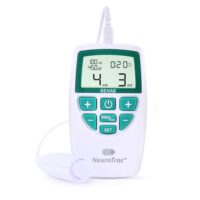
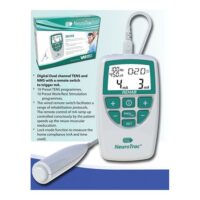
NeuroTrac Rehab (TENS Machine + EMS)
$285.00Add to cartQuick View -
-
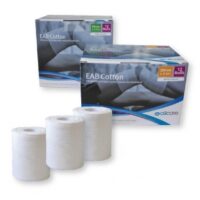
-
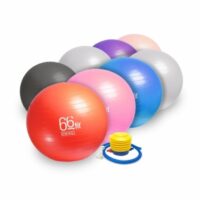
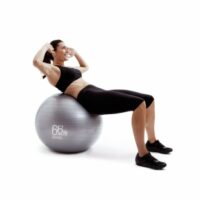 Exercise Balls, Back, Exercise Equipment, Knee, Shoulder
66fit Exercise Balls | Core & Rehab Stability Ball
$32.00 – $57.00Select optionsQuick View -
-
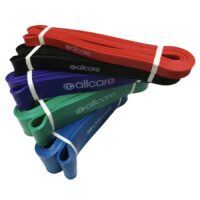
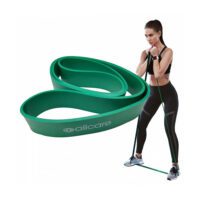 Exercise Equipment, Resistance Band
AllCare Powerloop Bands
$24.95 – $79.95Select optionsQuick View -
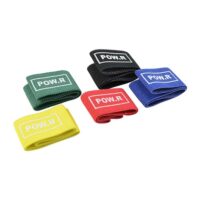 Exercise Equipment, Knee, Resistance Band
POW.R Fabric Mini Loop Bands
$12.00 – $55.00Select optionsQuick View -
-
-
-
- Liniments & Gels, Massage Liniments, Pain Management
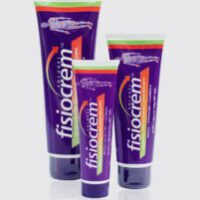
Fisiocrem
$16.95 – $39.95Select optionsQuick View -
-




References
- Sports Medicine Australia. Soft tissue injuries. Accessed July 3, 2026.
- Klintberg IH, Larsson MEH. Shall we use cryotherapy in the treatment in surgical procedures, in acute pain or injury, or in long term pain or dysfunction? A systematic review. J Bodyw Mov Ther. 2021;27:368-387. doi:10.1016/j.jbmt.2021.03.002
- Miranda JP, Silva WT, Silva HJ, Mascarenhas RO, Oliveira VC. Effectiveness of cryotherapy on pain intensity, swelling, range of motion, function and recurrence in acute ankle sprain: a systematic review of randomised controlled trials. Phys Ther Sport. 2021;49:243-249. doi:10.1016/j.ptsp.2021.03.011
- Racinais S, Ihsan M, Whiteley R, et al. Cryotherapy for treating soft tissue injuries in sport medicine. Br J Sports Med. 2024;58(19):1072-1073. doi:10.1136/bjsports-2024-108656
- Bsoul N, Ning L, Cai L, et al. Evidence-based clinical practice guidelines for the management of acute ankle injuries: a PRISMA systematic review and quality appraisal with AGREE II. BMC Musculoskelet Disord. 2024;25:523. doi:10.1186/s12891-024-07655-z
