
Whiplash
Whiplash: Symptoms, Treatment and Recovery



Whiplash is a neck injury caused by a sudden force that moves the head and neck rapidly, commonly during a motor vehicle collision. It can cause neck pain, stiffness, headaches and sometimes dizziness or arm symptoms. Symptoms may start immediately or develop over the following days.
If your symptoms are less severe but arose after a collision, arrange a medical assessment to check for injuries requiring investigation. For related information, see our neck pain guide and severe neck pain warning signs.
If the injury occurred in a motor vehicle accident, our CTP physiotherapy and motor accident rehabilitation guide explains the relevant service pathway.
What is whiplash?
Whiplash occurs when an impact or sudden movement rapidly accelerates and decelerates the head and neck. This can affect neck muscles, joints and other soft tissues. Clinicians use the term whiplash-associated disorders (WAD) to describe the resulting pattern of symptoms and signs.
Common causes include rear-end or side-impact motor vehicle collisions, sporting contact and falls. The force and circumstances vary, so symptoms alone cannot establish whether a serious injury has occurred.
What are the symptoms of whiplash?
Symptoms differ between people and may change during the first few days. Common features include:
- Neck pain, tenderness or stiffness
- Headaches, sometimes starting near the base of the skull
- Shoulder or upper-back pain
- Reduced or uncomfortable neck movement
- Arm pain, tingling or numbness
- Dizziness or a sense of unsteadiness
- Sleep disturbance, fatigue or difficulty concentrating
Headache and dizziness can also occur with concussion or other injuries. They should not automatically be attributed to the neck. Learn more about headache assessment and physiotherapy and cervicogenic neck headache.
How is whiplash assessed?
A clinician will ask about how the injury happened, your symptoms, relevant medical history and how everyday activities have changed. Where serious injury has been excluded, a physiotherapy assessment may include comfortable neck movement, muscle function, arm sensation and strength, balance and other tests guided by your symptoms.

Do you need an X-ray or scan?
Not every whiplash injury needs imaging. Following trauma, a doctor or emergency clinician assesses whether an X-ray or other investigation is needed. Validated screening tools, including the Canadian C-Spine Rule where applicable, help identify possible cervical spine injury. MRI or other tests may be considered for specific neurological or other concerning findings.
How is recovery progress measured?
Your physiotherapist may track pain, neck movement and activities such as driving, work, exercise and sleep. A questionnaire such as the Neck Disability Index can help measure how symptoms affect daily function. Follow-up assessment helps guide exercise progression or identify when further review is needed.
What treatment helps whiplash?
For uncomplicated whiplash, treatment generally begins with clear advice, reassurance and a gradual return to normal activity. An exercise program can then help restore comfortable movement, strength and confidence. Treatment should reflect your symptoms, examination findings and recovery goals.
Movement
Gentle neck movement and regular changes of position can help you remain active without forcing painful end ranges.
Exercise
Progressive neck-specific exercises may improve movement control, strength and activity tolerance.
Daily activity
Adjust work, screen use, driving and recreation as needed, then build back towards usual routines.
Dizziness
When appropriate, assessment may identify a need for balance or eye-head coordination exercises or another medical review.
Hands-on care
Some people find short-term symptom relief from appropriately selected manual treatment, alongside active rehabilitation.
Education
Understanding symptom fluctuations and pacing activity can support a practical recovery plan.
Your GP or pharmacist can advise about suitable pain medication, including potential risks and interactions. Medication should not replace assessment when symptoms suggest a more serious injury.
What can you do in the first few days?
-
Check for injuries that need urgent care
Seek emergency or prompt medical assessment after significant trauma or when warning signs are present.
-
Keep gently active once it is safe
Try comfortable movements, short walks and regular position changes. Avoid long periods of bed rest or complete inactivity.
-
Adjust demanding tasks temporarily
Reduce tasks that sharply aggravate symptoms, but aim to resume normal activity progressively rather than avoiding movement altogether.
-
Review symptoms and function
Arrange further assessment if symptoms worsen, new neurological problems appear or you cannot make reasonable progress with daily activities.
Should you wear a neck collar?
Soft cervical collars are not recommended routinely for uncomplicated acute whiplash. Current Australian whiplash guidance favours staying active and using gentle exercises instead of prolonged immobilisation. If a doctor has prescribed a collar because of suspected instability, fracture or another specific injury, follow that medical advice and do not remove it without clearance.
How long does whiplash take to recover?
Many people notice worthwhile improvement over the first few weeks, although recovery time varies. Some experience symptoms for several months or longer. More intense early pain, greater difficulty with everyday activities and psychological distress can signal a need for closer monitoring and tailored support.
Progress is not always linear. A temporary symptom flare does not necessarily mean further damage, but new or worsening neurological signs require medical review. If your recovery is slower than expected, your clinician can reassess the diagnosis, function, exercise plan and other factors affecting progress.
When can you return to driving, work and sport?
Return to activities depends on symptom control and your ability to perform each task safely. Before driving, you must be able to look around adequately, react to traffic and remain alert without medication-related impairment. Seek advice if dizziness, limited neck movement or other symptoms make driving unsafe.
For work and sport, gradual increases in time, movement and load are often preferable to an immediate return to full demands. Contact sport requires particular care where symptoms, concussion or possible cervical injury remain unresolved.
Can whiplash be prevented?
Seatbelt use, appropriately positioned head restraints and safer driving practices may reduce some collision-related risks. They cannot prevent every injury. Read our dedicated whiplash prevention guide for more detail.
What should you do next?
If serious injury has been excluded but neck pain, headaches, movement limits or other symptoms are affecting your everyday life, a physiotherapist can assess your presentation and discuss an individual rehabilitation plan. Choose your preferred PhysioWorks clinic using the appointment options below.
Choose your clinic and appointment pathway
Select a PhysioWorks clinic to continue to live booking, an appointment request or reception assistance.
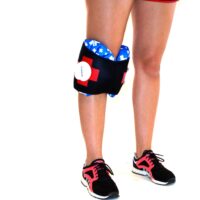
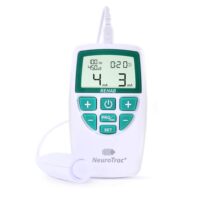
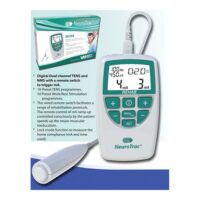
Neck Products
These neck products are commonly used by our physiotherapists to improve strength, posture, movement, plus assist home exercise programs.
-


- EMS Machines, Pain Management, TENS Machine, TENS Machine & EMS
NeuroTrac Rehab (TENS Machine + EMS)
$319.99Add to cartQuick View -

 Ice & Heat, Pain Management, Uncategorized
PhysiPak Universal Heat pack
$79.00Select optionsQuick View -
-


-

 Back, Exercise Equipment, Neck, Resistance Band
66Fit Over Door Neck Traction Unit
$63.00Add to cartQuick View - Liniments & Gels, Massage Liniments, Pain Management
Fisiocrem
$16.95 – $39.95Select optionsQuick View - Christmas Gift Ideas, Neck, Pillows/Cushions
FlexiPillow Alleve Pillow
$109.95Add to cartQuick View -
-
-


-
-













Whiplash FAQs
How long does whiplash take to heal?
Many people improve over the first few weeks, but recovery varies. Some symptoms persist for months. An assessment can help you track function and plan rehabilitation if progress is slow.
Should you rest after whiplash?
Once serious injury has been excluded, prolonged rest is generally not recommended. Gentle neck movement and a gradual return to everyday activity are usually preferable.
When should I worry about whiplash symptoms?
Seek emergency medical care for severe or worsening headache, confusion, repeated vomiting, fainting, new weakness, difficulty walking or other major neurological changes after an injury. Significant neck pain after high-risk trauma also needs prompt assessment.
Can whiplash cause dizziness or headaches?
Yes. Headaches and dizziness can occur after whiplash, but they may also have other causes, including concussion. Assessment is important when these symptoms are new, severe or persistent.
What treatment works best for whiplash?
For uncomplicated whiplash, advice to stay active, gentle movement and progressive exercise form the main approach. Physiotherapy may help tailor exercises and monitor recovery. Some hands-on treatments may offer short-term symptom relief.
References and further reading
- Malfliet A, Lenoir D, Murillo C, et al. Pain Science Education, Stress Management, and Cognition-Targeted Exercise Therapy in Chronic Whiplash Disorders: A Randomized Clinical Trial. JAMA Network Open. 2025;8(8):e2526674. Read the study.
- Muñoz Lazcano P, Rojano Ortega D, Fernández López I. Effects of a Guided Neck-Specific Exercise Therapy on Recovery After a Whiplash: A Systematic Review and Meta-analysis. American Journal of Physical Medicine & Rehabilitation. 2024;103(11):971–978. Read the review.
- Muñoz-Bustos M, Soto-Martínez A, Carrasco-Uribarren A, Ceballos-Laita L. Is the integration of education with exercise beneficial for whiplash-associated disorders? A systematic review and meta-analysis. Journal of Manual & Manipulative Therapy. 2025;33(5):378–391. Read the review.
- State Insurance Regulatory Authority (SIRA). Guidelines for the management of acute whiplash-associated disorders, third edition, 2014; official resource updated 2024. Read the Australian guideline.
- MedlinePlus. Neck injuries and disorders.