Wall slide for shoulder blade control.


Wall slide for shoulder blade control.
Scapulohumeral rhythm describes how your shoulder blade and shoulder joint move together when you lift your arm. Good timing helps your shoulder move smoothly, stay strong, and create space for the rotator cuff tendons. When the movement pattern changes, some people notice shoulder pain, clicking, weakness, or poor control.
This page explains what scapulohumeral rhythm means, why it matters, and how physiotherapy may help when altered shoulder blade movement contributes to symptoms. For broader shoulder causes and treatment options, visit our Shoulder Pain guide.
Scapulohumeral rhythm means the shoulder blade, also called the scapula, rotates and tilts as the upper arm bone moves. This helps your arm lift overhead without relying only on the ball-and-socket joint.
A common teaching model says about two-thirds of arm elevation comes from the shoulder joint and one-third from the shoulder blade. In real people, the ratio varies. The more useful idea is simple: the shoulder blade and arm need to share the work.

Shoulder blade and arm movement rhythm.
Your shoulder is built for mobility. However, it also needs strong control from the rotator cuff, shoulder blade muscles, neck, and upper back. These muscles help guide your arm during reaching, lifting, throwing, swimming, and gym exercises.
When timing changes, the shoulder may feel less stable or less powerful. Some people also notice symptoms during overhead activity, especially if the rotator cuff or bursa is already irritated.
A visible shoulder blade difference does not always mean there is a problem. It matters more when the movement links with pain, weakness, loss of function, or reduced confidence.
Scapulohumeral rhythm can change for several reasons. Often, more than one factor is involved. Common contributors include:
Shoulder blade control may also change in people with shoulder instability, shoulder bursitis, or frozen shoulder.
Altered scapulohumeral rhythm may be one part of a shoulder pain picture. It can be relevant when symptoms appear during lifting, reaching, or repeated arm use.
If pain travels down the arm, causes pins and needles, or feels linked to neck movement, a physiotherapist may also assess your neck pain and nerve-related signs.
A physiotherapist watches how your shoulder blade and arm move during simple tasks. They may compare both sides, then test strength, range, control, and symptom response.
Assessment may include:
Scans such as X-ray, ultrasound, or MRI can show bones and soft tissues, but they do not show how your shoulder blade works during real movement. That is why a clinical movement assessment remains useful.
Targeted exercise may help when altered movement control is linked with pain, fatigue, or poor function. The aim is not to force a perfect-looking shoulder blade. Instead, treatment should improve comfort, strength, control, and confidence.
Your program may include:
Useful rehab rule: the right exercise should feel controlled. Mild effort is normal, but sharp pain, increasing weakness, or worsening symptoms means the program may need adjusting.
Treatment depends on what your assessment finds. Some people need strength work. Others need mobility, load management, technique coaching, or help settling an irritable shoulder.
Physiotherapy may include:
If your shoulder symptoms relate to sport or overhead loading, throwing injuries and sports physiotherapy may also be relevant.
Consider physiotherapy assessment if shoulder pain or clicking keeps returning, limits overhead tasks, or affects work, training, sleep, or sport. Early advice may help you understand what is driving the problem and how to load the shoulder safely.
Seek prompt medical advice if you have a recent major injury, visible deformity, sudden loss of shoulder power, fever, unexplained swelling, chest pain, or severe night pain that does not ease.
If shoulder blade control seems linked with your pain, a physiotherapist can assess your scapulohumeral rhythm, strength, range, and loading pattern. They can then explain which changes matter and which are normal movement variation.
Book a physiotherapy appointment if you want a clear plan for shoulder pain, clicking, overhead movement, gym loading, swimming, throwing, or work-related reaching.
Select a PhysioWorks clinic to continue to live booking, an appointment request or reception assistance.
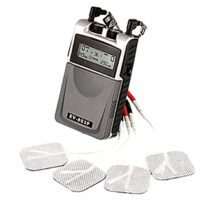
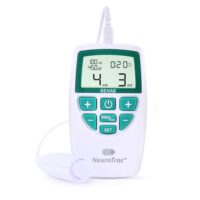
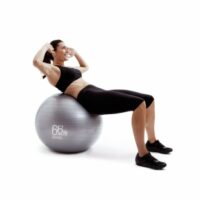
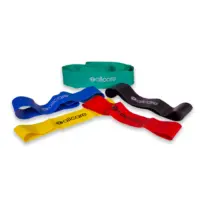
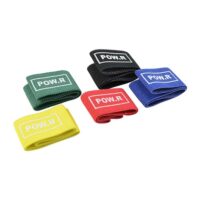
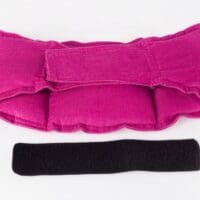
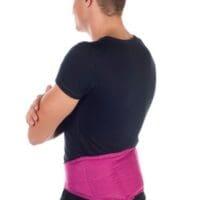
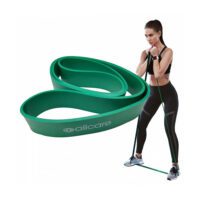
These shoulder products are commonly used by our physiotherapists to improve strength, posture, movement, plus assist home exercise programs.







No. Shoulder blade movement varies between people. It also changes with age, strength, sport, fatigue, injury history, and current symptoms. A physiotherapist looks for patterns that relate to your pain or loss of function, not just minor side-to-side differences.
It can contribute in some cases, but it is rarely the only factor. Shoulder pain often involves load, tendon capacity, joint mobility, muscle endurance, sleep, work demands, and training history. Assessment helps identify which factors matter most for you.
Many people improve shoulder comfort and control with targeted exercise. The goal is better movement, strength, and confidence rather than a perfect-looking shoulder blade. Exercises should match your pain level, strength, and activity goals.
Usually no. Scans can help when a clinician suspects a structural injury, but they do not show how your shoulder blade moves during real tasks. A movement assessment is usually more useful for scapulohumeral rhythm.
The serratus anterior, trapezius, rotator cuff, deltoid, pectoral muscles, and upper back muscles all help guide shoulder movement. Good control usually comes from coordinated timing, not one muscle working alone.
Book an assessment if clicking is painful, increasing, linked with weakness, or limiting lifting, sport, sleep, or work. Harmless clicking can occur, but painful or worsening clicking deserves a proper movement and strength review.