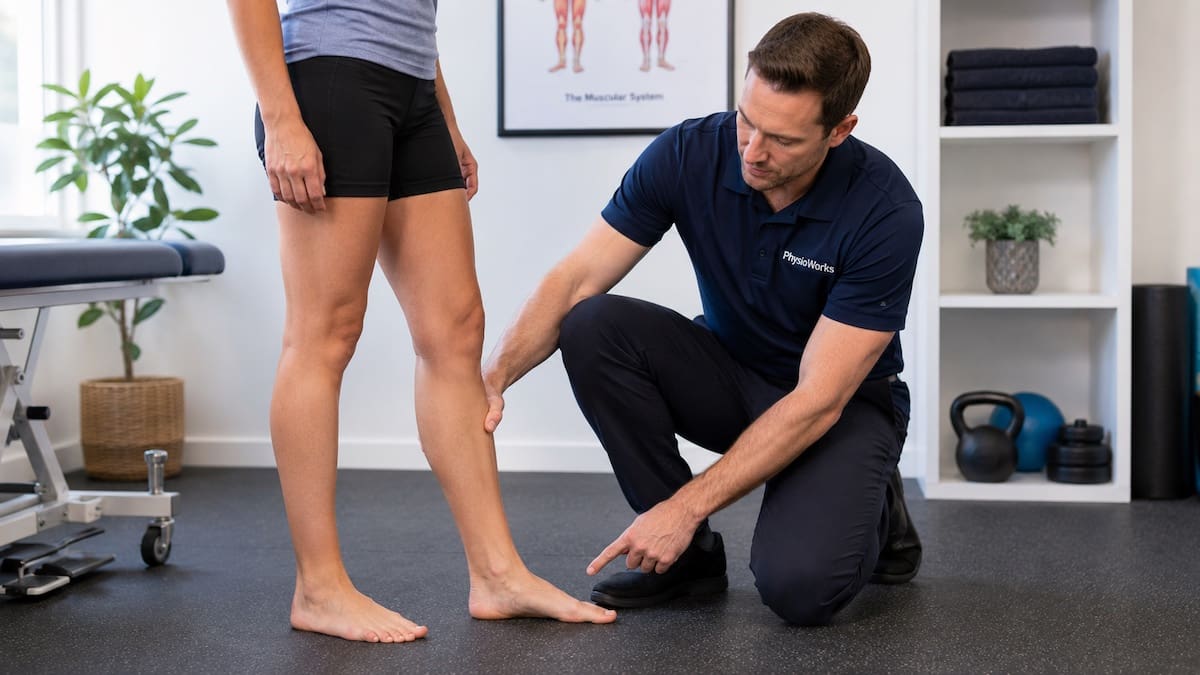
Foot, ankle and heel pain may develop after a sudden injury or build gradually as tissues become overloaded. Common contributing factors include an ankle twist, a rapid increase in activity, reduced strength, limited movement, repeated impact, footwear changes, growth-related stress and poor balance.
Sometimes one obvious incident causes the symptoms. In other cases, walking, running, hills, jumping or sport gradually places more demand on a structure than it can currently tolerate.
Start with the foot section when pain sits in the arch, forefoot, midfoot or toes, or when standing and walking provoke symptoms more than ankle twisting does.
Consider potential benefits, limitations and loading issues before changing running footwear.
Which ankle injury guides should you read?
The ankle section is most useful when you have swelling, bruising, a recent twist, pain with weight-bearing or repeated episodes of the ankle giving way.
Where should you start for heel, Achilles or shin pain?
Heel, Achilles and shin symptoms often relate to repeated loading during walking, running, hills, sprinting or jumping. The exact location and behaviour of the pain can help guide your next reading.
Review activity-related shin pain, common contributing factors and rehabilitation options.
What about children, balance and recurrent ankle rolling?
Children and teenagers may require a different pathway because growth-related heel and leg pain are common. Balance retraining can also be important when an old ankle injury continues to affect confidence or stability.
Understand how balance, coordination and falls risk may be assessed.
When should you seek prompt medical assessment?
Arrange a physiotherapy or medical assessment when symptoms persist, repeatedly return, affect normal walking or prevent work, exercise or sport.
Common foot, ankle and heel pain FAQs
Is foot, ankle or heel pain always caused by an injury?
No. Symptoms can develop through overload, stiffness, tendon irritation, unsuitable footwear, training errors, balance problems, growth-related issues or an old injury that never fully recovered. Sometimes repeated stress matters more than one traumatic event.
What causes heel pain during the first steps of the morning?
First-step heel pain commonly occurs with plantar fascia irritation. Achilles tendon problems and other heel structures can also contribute. Symptoms may feel stronger after rest because tissues have temporarily stiffened before loading resumes.
How do you know if an ankle sprain needs treatment?
An ankle sprain may need assessment when swelling, bruising or pain limits weight-bearing, or when confidence and stability do not return. Guided rehabilitation is particularly useful when symptoms persist or the ankle repeatedly gives way.
Can children get heel pain?
Yes. Active children can develop growth-related heel pain, including Sever’s disease. Symptoms commonly appear during running, jumping or sport and may improve with appropriate load modification and rehabilitation.
Can physiotherapy help foot, ankle and heel pain?
Physiotherapy may help identify likely contributing structures, improve movement and strength, guide activity progression and support a return to walking, work or sport. Treatment may also include footwear advice, taping, balance retraining and progressive exercise.
What should you do if the pain keeps returning?
Recurring symptoms may mean that strength, load tolerance, balance or movement control has not fully recovered. Repeated ankle sprains, persistent heel pain or ongoing Achilles symptoms should be assessed more closely.
Understand common Achilles symptoms, loading issues and recovery principles.
What should you do next?
If your symptoms are broad or unclear, start with the main foot pain, ankle pain or heel pain guide. Then select the condition page that most closely matches your symptoms.
Book an assessment when pain persists, worsens, repeatedly returns or affects walking, work, exercise or sport. Your physiotherapist can assess the area, explain likely contributing factors and recommend an individual management plan.
Helpful supports and self-management options
Choose your clinic and appointment pathway
Select a PhysioWorks clinic to continue to live booking, an appointment request or reception assistance.
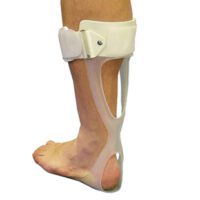
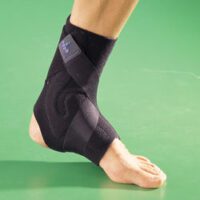
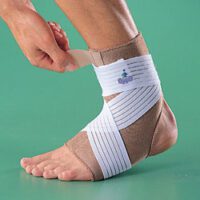
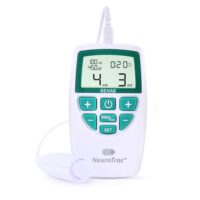
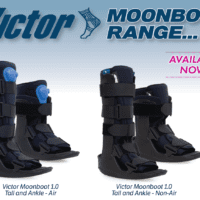
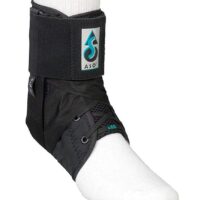
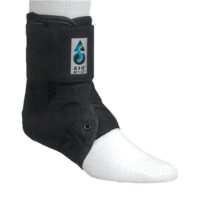
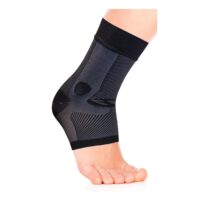
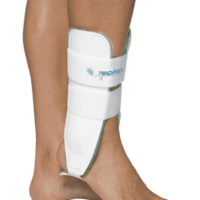
These ankle products are commonly used by our physiotherapists to improve ankle pain, strength, balance, proprioception, endurance and flexibility, plus assist home exercise programs.