FAQs

Frequently Asked Questions


What Causes Shoulder Pain?

Shoulder pain causes range from tendon irritation and bursitis to joint stiffness, instability, arthritis, fracture, or pain referred from the neck. This page explains the most common reasons for symptoms and links to detailed shoulder pain conditions so you can understand what may be contributing to your problem.

The shoulder has excellent mobility, but that freedom comes at a cost. Because several muscles, tendons, ligaments, joints, and the shoulder blade need to work together, small problems can quickly affect lifting, reaching, throwing, sleeping, dressing, or sport.

Common signs people notice include:

  • pain when lifting the arm
  • night pain when lying on the shoulder
  • stiffness or restricted movement
  • weakness with reaching or overhead activity
  • pain after sport, gym, work, or a fall

What Are the Most Common Shoulder Pain Causes?

The most common shoulder pain causes include rotator cuff injury, shoulder impingement, shoulder bursitis, frozen shoulder, shoulder arthritis, instability, dislocation, AC joint injury, fracture, or pain referred from the neck. Some conditions begin gradually with overload, while others start suddenly after trauma.

Shoulder Anatomy and Why the Joint Gets Sore

The shoulder includes the humerus, scapula, clavicle, labrum, rotator cuff tendons, bursa, capsule, and supporting ligaments. Because the shoulder prioritises movement over deep bony stability, it depends heavily on soft tissues and muscle control. As a result, repetitive overhead activity, poor load tolerance, sudden trauma, or joint stiffness can all trigger symptoms.

Why Does Shoulder Pain Hurt When You Lift Your Arm?

Pain with lifting often happens when the rotator cuff tendons or bursa become irritated, especially during overhead reach, throwing, pressing, swimming, or repeated work above shoulder height. Problems such as rotator cuff tendinopathy, rotator cuff tear, or shoulder impingement commonly create a painful arc or weakness during elevation.

Rotator Cuff Problems

The rotator cuff stabilises the shoulder and helps guide movement. Overload, age-related tendon change, repetitive overhead activity, or trauma may contribute to pain and weakness. Related pages include Rotator Cuff Injury, Rotator Cuff Tendinopathy, and Rotator Cuff Tear.

Bursitis and Impingement

Shoulder bursitis involves irritation of the bursa, while shoulder impingement describes painful compression of soft tissues during movement. These problems often cause pain when reaching overhead, reaching behind your back, or lying on the sore side. Swimmers and overhead athletes may also develop swimmer’s shoulder.

Frozen Shoulder and Arthritis

If your shoulder feels increasingly stiff as well as painful, frozen shoulder or shoulder arthritis may be involved. These conditions often reduce rotation, reaching, dressing, and sleeping comfort. Frozen shoulder can also be more stubborn in some people with diabetes.

Instability, Dislocation, and Labral Injury

A traumatic event such as a fall, collision, or awkward force can cause shoulder dislocation, labral injury, or functional shoulder instability. These problems may cause pain, apprehension, slipping, catching, or repeated episodes of the shoulder feeling unreliable.

AC Joint, Biceps, and Fracture Pain

The top of the shoulder can also hurt because of the AC joint or the long head of the biceps tendon. In more traumatic situations, a humerus fracture or other fracture may be the cause, especially after a fall or direct impact.

Can Shoulder Pain Come From Your Neck?

Yes. Sometimes pain felt around the shoulder is referred from the cervical spine rather than the shoulder joint itself. If symptoms travel down the arm, change with neck movement, or include tingling, a problem such as neck arm pain may need to be considered alongside local shoulder causes.

How Is the Cause of Shoulder Pain Diagnosed?

A physiotherapist or doctor will usually assess your symptom history, range of motion, strength, painful movements, joint stability, and aggravating tasks. Imaging such as ultrasound, X-ray, or MRI may help in selected cases, but many shoulder problems are first identified clinically through careful examination and movement testing.

If you want a general public overview, Healthdirect explains common features of shoulder pain.

When Should You Worry About Shoulder Pain?

You should arrange assessment sooner if shoulder pain follows trauma, causes marked weakness, prevents normal arm use, keeps worsening, creates severe night pain, or is associated with deformity, swelling, or repeated instability. Persistent symptoms that do not improve with sensible load reduction also deserve a proper diagnosis.

How Is Shoulder Pain Treated?

Treatment depends on the cause. Physiotherapy often focuses on settling pain, improving mobility, restoring rotator cuff and scapular strength, rebuilding load tolerance, and helping you return to work, gym, or sport safely. Some people also benefit from medication advice, injection review, or surgical opinion when symptoms are severe or structurally significant.

Post-operative rehabilitation is also important after some procedures. You can read more about post-operative shoulder physiotherapy if surgery forms part of your management.

Related Shoulder Pain Articles

Shoulder Pain FAQs

What is the most common cause of shoulder pain?

Rotator cuff-related pain is one of the most common causes of shoulder pain. This broad group includes tendinopathy, irritation, and tears affecting the tendons that help stabilise and lift the shoulder.

Why does my shoulder hurt when I lift my arm?

This often happens when irritated tendons or the bursa are compressed during elevation. Rotator cuff problems, impingement, bursitis, or joint stiffness are common reasons for painful lifting.

Why is shoulder pain worse at night?

Night pain can occur because irritated tissues become more sensitive when you lie on the shoulder, or because inflammation and stiffness make it harder to find a comfortable position.

Can shoulder pain go away on its own?

Some mild shoulder pain settles with activity modification and gradual recovery. However, persistent, recurrent, or worsening symptoms are more likely to improve when the exact cause is identified and treated properly.

When should I see a physiotherapist for shoulder pain?

You should consider assessment if pain lasts more than one to two weeks, limits lifting or sleep, follows trauma, or causes weakness, stiffness, or repeated instability.

What to Do Next

If shoulder pain is affecting sleep, work, sport, or daily activity, the next step is a proper assessment to identify the structure involved and the loads that are irritating it. Early diagnosis often helps guide the right treatment plan and reduce the risk of prolonged symptoms.

A physiotherapist may help you understand the cause, improve movement, and build a staged recovery plan tailored to your goals.

Book your appointment – 24/7

Choose your preferred PhysioWorks clinic and book online.

Shoulder Products

These shoulder products are commonly used by our physiotherapists to improve strength, posture, movement, plus assist home exercise programs.

View all shoulder products

Follow PhysioWorks

Get free physiotherapy tips, exercise videos, recovery advice, and blog updates.

Facebook Instagram YouTube B X Email PhysioWorks

References

  1. Lucas J, Macaskill P, Irwig L, et al. A systematic review of the global prevalence and incidence of shoulder pain. BMC Musculoskelet Disord. 2022;23(1):1075. doi:10.1186/s12891-022-06053-8
  2. Lafrance S, Charron M, Dubé MO, et al. The efficacy of exercise therapy for rotator cuff-related shoulder pain according to the FITT principle: a systematic review with meta-analyses. J Orthop Sports Phys Ther. 2024;54(8):499-512. doi:10.2519/jospt.2024.12453
  3. Dyer BP, Pritchard MG, Jaggi A, et al. Diabetes as a prognostic factor in frozen shoulder: a systematic review. Arch Phys Med Rehabil. 2022;103(3):538-549. doi:10.1016/j.apmr.2021.09.010

Shoulder Pain Symptoms Guide

Article by John Miller & Erin Runge

Shoulder pain symptoms often include pain with lifting, night pain, weakness, stiffness, or clicking. If you are unsure what your symptoms mean, start with our shoulder pain guide, then use this page to compare patterns and next steps.

Common causes include rotator cuff injury, shoulder bursitis, frozen shoulder, shoulder impingement, and shoulder instability.

Common Shoulder Pain Symptoms

  • Pain with lifting or overhead activity
  • Night pain when lying on the sore side
  • Weakness with carrying or pressing
  • Stiffness and reduced movement
  • Clicking or instability

What Should You Do?

  • Mild pain → Modify activity
  • Pain with sleep or lifting → Begin guided rehab
  • Symptoms lasting more than 7 to 10 days → Book physiotherapy
  • Trauma or weakness → Seek urgent care

When Should You Worry About Shoulder Pain?

Seek prompt assessment if pain follows trauma, you cannot lift your arm, or symptoms worsen at night. Deformity, swelling, fever, or nerve symptoms require urgent care.

Urgent signs: deformity, sudden weakness, fever, chest pain, or nerve symptoms.

Why Does Shoulder Pain Hurt at Night?

Night pain commonly reflects rotator cuff irritation, bursitis, or frozen shoulder. Compression and irritation often make symptoms worse in static positions.

Why Does It Hurt When I Lift My Arm?

This often reflects tendon or bursa overload. Learn more about shoulder impingement or rotator cuff tears.

Why Does My Shoulder Feel Stiff?

Stiffness often relates to capsular restriction such as frozen shoulder or arthritis.

Clicking or Instability — What Does It Mean?

Instability may suggest shoulder instability or prior dislocation.

Quick Comparison Guide

Condition Key Feature
Rotator cuff Pain lifting arm
Bursitis Painful arc
Frozen shoulder Global stiffness
Instability Slipping feeling

Shoulder Symptom Pathway

Use this quick pathway to help sort your symptoms:

Do You Need an MRI?

MRI is usually reserved for trauma, severe weakness, or persistent symptoms. Read more: Do you need an MRI?

How Can Physiotherapy Help?

Physiotherapy restores movement, strength, and control, while reducing pain and helping prevent recurrence.

Not sure what to do? A physio can guide your rehab plan.

Start here: shoulder exercises and rotator cuff exercises. You may also benefit from scapular stabilisation exercises if shoulder blade control is contributing.

How Long Does It Take to Heal?

  • Mild: 2 to 6 weeks
  • Moderate: 6 to 12 weeks
  • Severe: longer depending on condition

Shoulder Pain FAQs

Can shoulder pain go away?

Yes, mild shoulder pain can settle with smart load reduction and sensible exercise. However, persistent or recurring symptoms often need structured rehabilitation.

Should I rest or exercise?

Relative rest with guided exercise usually works best. Avoid movements that sharply aggravate pain, but keep the shoulder moving in comfortable ranges.

When should I see a physio?

You should see a physiotherapist if symptoms persist beyond 7 to 10 days, worsen, affect sleep, or limit function.

How long does shoulder pain take to heal?

Recovery ranges from weeks to months depending on the diagnosis, severity, and how early the right treatment starts.

What to Do Next

If symptoms are not improving, early assessment helps prevent chronic issues and gets you moving in the right direction sooner.

Early treatment = faster recovery.

Return to Shoulder Pain Guide

Book your appointment – 24/7

Choose your preferred PhysioWorks clinic and book online.

Shoulder Products

These shoulder products are commonly used by our physiotherapists to improve strength, posture, movement, plus assist home exercise programs.

View all shoulder products

Follow PhysioWorks

Get free physiotherapy tips, exercise videos, recovery advice, and blog updates.

Facebook Instagram YouTube B X Email PhysioWorks
Physiotherapist assessing elbow pain causes during arm movement test in clinic

Assessing elbow pain and movement

The most common elbow pain causes include tennis elbow, golfer’s elbow, olecranon bursitis, nerve irritation, muscle strain, and joint injury. The exact cause often depends on where the pain sits, what movements aggravate it, and whether you also have swelling, weakness, stiffness, numbness, or grip pain.

Because the elbow transfers load between your shoulder, forearm, and hand, pain can come from local tissues or be referred from the neck. This guide explains the common causes of elbow pain, what different pain locations may mean, when to seek help, and how a physiotherapist may help.

  • Outer elbow pain: often linked with tennis elbow
  • Inner elbow pain: may suggest golfer’s elbow or nerve irritation
  • Pain at the point of the elbow: may suggest bursitis
  • Elbow pain with neck symptoms: may be referred nerve pain
  • Pain after a fall: may suggest joint or bone injury

Where is your elbow pain?

Pain location gives useful clues, although a proper assessment is still important when symptoms persist or do not follow the usual pattern.

Outer Elbow Pain

Often related to tennis elbow, especially if gripping, lifting, shaking hands, typing, or carrying with the palm down feels sore.

Inner Elbow Pain

May relate to golfer’s elbow, throwing stress, flexor tendon overload, or ulnar nerve irritation.

Point of Elbow Pain

Swelling or tenderness over the tip of the elbow may suggest olecranon bursitis, especially after leaning or knocking the elbow.

Common elbow pain regions and what they may suggest

This diagram helps show why pain location matters. Outer elbow pain often points towards tennis elbow, inner elbow pain may suggest golfer’s elbow or nerve irritation, and pain over the tip of the elbow may be more consistent with bursitis.

What causes elbow pain?

Elbow pain often develops from tendon overload, repetitive gripping, throwing, lifting, direct pressure, or a sudden injury. Sometimes the pain starts gradually during work, sport, gym training, or housework. In other cases, it begins after a fall, knock, twist, or awkward lift.

The elbow is closely linked with the wrist, forearm, shoulder, and neck. That means pain can come from the tendons, bursa, joint surfaces, ligaments, muscles, or nearby nerves. In some people, symptoms that feel like elbow pain actually relate to cervical radiculopathy or neck arm pain.

Common causes of elbow pain

Tennis Elbow

Tennis elbow is one of the most common causes of outer elbow pain. It usually involves overload of the wrist extensor tendons and often feels worse with gripping, lifting, carrying, racquet sports, repetitive hand use, or gym exercises such as rows and pull-downs.

Golfer’s Elbow

Golfer’s elbow causes pain on the inner side of the elbow. It commonly affects people doing repeated wrist flexion, climbing, throwing, pulling, golf, racquet sports, or manual work. Some people also notice forearm tightness and pain when twisting or gripping.

Olecranon Bursitis

Olecranon bursitis affects the small fluid-filled sac over the point of the elbow. It often causes visible swelling, tenderness, and discomfort when leaning on the elbow. Pressure, direct trauma, infection, or inflammatory conditions can all contribute.

Youth Elbow Overuse Injuries

Children and teenagers can develop elbow pain from repetitive throwing, gymnastics, racquet sports, and other high-load arm activities. These cases may involve growth-related stress or overuse patterns. For more detail, see youth arm pain.

Neck-Related or Nerve-Related Pain

Not all elbow pain starts in the elbow. Nerve irritation from the neck or arm can cause elbow pain, tingling, numbness, burning, or weakness. This is more likely if symptoms travel into the forearm or hand, or if neck movement changes the pain. See cervical radiculopathy and neck arm pain.

Muscle Strain or Repetitive Strain Injury

A muscle strain or repetitive strain injury may create elbow discomfort, especially after sudden increases in training load, heavy lifting, gardening, climbing, computer work, or repeated tool use.

Arthritis, Fracture, or Joint Injury

Less commonly, elbow pain may be linked with arthritis, joint irritation, ligament injury, dislocation, or fracture. These causes are more likely after trauma or when pain comes with marked swelling, bruising, locking, loss of movement, or a feeling that the elbow is unstable.

Why does elbow pain happen without an obvious injury?

Many people develop elbow pain gradually from repeated gripping, lifting, typing, gym work, tools, or sport rather than from a single accident. Tendons and nearby tissues can become irritated when load builds faster than your body adapts.

How do you know which elbow pain cause is most likely?

The most likely cause usually depends on pain location, aggravating movements, and associated symptoms. For example, pain with gripping and lifting often points towards tendon overload, while numbness or tingling raises the possibility of nerve involvement.

  • Outer elbow pain: often worse with gripping, lifting, carrying, or typing
  • Inner elbow pain: often worse with wrist flexion, pulling, climbing, or throwing
  • Swelling over the point of the elbow: more consistent with bursitis
  • Pins and needles or numbness: may suggest nerve irritation
  • Pain at night or after a fall: may need earlier assessment to rule out a more significant issue

A physiotherapist may assess your elbow, wrist, forearm, shoulder, and neck to work out whether the main problem is tendon, joint, nerve, muscle, or bursa related.

How can physiotherapy help elbow pain?

Physiotherapy for elbow pain usually aims to identify the exact pain source, reduce aggravation, restore strength, and rebuild load tolerance. This often includes advice on grip load, lifting technique, workstation changes, exercise progression, and a gradual return to work, gym, or sport.

Treatment may include:

  • load modification and activity advice
  • graded strengthening for the forearm and wrist
  • mobility work for the elbow, wrist, shoulder, or neck
  • manual therapy where appropriate
  • sport, gym, or work technique advice
  • a staged return-to-activity plan

When should you worry about elbow pain?

You should seek prompt assessment if elbow pain follows significant trauma, the elbow looks deformed, you cannot straighten or bend it properly, or you have marked swelling, fever, redness, numbness, or weakness. These features may suggest a more serious injury, infection, or significant nerve involvement.

You should also book an assessment if symptoms have lasted more than a few weeks, keep returning, wake you at night, or limit normal gripping, lifting, sport, or work tasks.

Elbow pain causes FAQs

What is the most common cause of elbow pain?

The most common cause of elbow pain is tendon overload, especially tennis elbow on the outside of the elbow or golfer’s elbow on the inside. These problems often build from repeated gripping, lifting, typing, or sport.

What causes elbow pain without injury?

Elbow pain without a clear injury often comes from gradual overload rather than a single accident. Common causes include tennis elbow, golfer’s elbow, repetitive strain, poor load progression at the gym, manual work, and prolonged gripping or typing.

Can gym cause elbow pain?

Yes. Gym training can trigger elbow pain when exercises such as pull-ups, rows, curls, presses, or gripping work overload the forearm tendons. Technique issues, sudden training increases, and limited recovery can all contribute.

Can elbow pain come from the neck?

Yes. Elbow pain can be referred from the neck when a cervical nerve becomes irritated. This is more likely if you also have neck pain, tingling, burning, numbness, or symptoms that travel into the forearm or hand.

Why does my elbow hurt when I grip or lift?

Pain with gripping or lifting often points towards tendon overload around the elbow, especially tennis elbow or golfer’s elbow. Forearm muscle strain and repetitive hand use can also contribute.

Why does my elbow hurt at night?

Night pain can happen when the elbow is irritated enough to stay sensitive at rest, or when sleeping position keeps loading the joint or tendon. Persistent night pain, especially with swelling, trauma, or restricted movement, deserves assessment.

Is elbow swelling always bursitis?

No. Swelling over the point of the elbow often suggests olecranon bursitis, but swelling can also occur after trauma, infection, fracture, joint irritation, or inflammatory conditions.

How long does elbow pain take to settle?

Recovery time depends on the cause. Mild overload may settle within a few weeks, while persistent tendon pain often takes longer if load is not modified properly. Early diagnosis and the right exercise plan usually help.

When should you see a physiotherapist for elbow pain?

You should see a physiotherapist if elbow pain lasts more than one to two weeks, keeps returning, limits work or sport, or comes with weakness, tingling, stiffness, or reduced grip strength.

Quick elbow pain check

A physiotherapy assessment may be worthwhile if:

  • your elbow pain has lasted more than 1 to 2 weeks
  • gripping, lifting, gym work, or sport keeps flaring it up
  • you have weakness, tingling, or reduced movement
  • the pain keeps coming back
  • you are not sure if the pain is coming from the elbow or the neck

What to do next for elbow pain

If your elbow pain is recent, avoid repeatedly pushing into aggravating movements for a few days. However, complete rest is rarely the best long-term answer. Many elbow problems settle better when the real cause is identified and load is rebuilt in a sensible way.

If you are unsure whether your pain is coming from the tendon, nerve, bursa, joint, or neck, a physiotherapist can assess the area, explain what is most likely going on, and guide your recovery plan.

Book your appointment – 24/7

Choose your preferred PhysioWorks clinic and book online.

Follow PhysioWorks

Get free physiotherapy tips, exercise videos, recovery advice, and blog updates.

Facebook Instagram YouTube B X Email PhysioWorks

References

  1. Wallis JA, Bourne AM, Jessup RL, Johnston RV, Frydman A, Cyril S, Buchbinder R. Manual therapy and exercise for lateral elbow pain. Cochrane Database Syst Rev. 2024;5(5):CD013042. doi:10.1002/14651858.CD013042.pub2
  2. Adani N, Azalia X, Gani KS, et al. Non-traumatic medial-sided elbow pain: A comprehensive review of etiologies, diagnostic strategies, and treatment approaches. Cureus. 2025;17(10):e94701. doi:10.7759/cureus.94701
  3. Tennis elbow. Healthdirect Australia. Accessed March 31, 2026.

Common Wrist & Hand Injuries

wrist hand pain physiotherapy

Common wrist and hand injuries include fractures, sprains, tendon problems, nerve irritation, and arthritis. They often cause pain, swelling, weakness, tingling, or reduced grip. The right treatment depends on which tissue is injured, how severe the problem is, and whether symptoms are recent, recurring, or slowly worsening.

Your wrist and hand are involved in almost every daily task, from typing and gripping to lifting, sport, and work. Because of that, even a mild injury can become frustrating quite quickly. This page explains the common causes of wrist and hand pain, links you to key diagnosis pages, and outlines how physiotherapy may help settle symptoms and restore function.

Quick signs to look for

  • pain when gripping, lifting, twisting, or typing
  • swelling, stiffness, or reduced wrist movement
  • numbness or tingling into the thumb or fingers
  • pain around the thumb base or outer wrist
  • weak grip or trouble with jars, doors, sport, or work tasks

Where is your wrist or hand pain?

The location of your pain can offer useful clues. While a proper assessment is still important, this quick guide may help point you in the right direction.

Thumb-side wrist pain

Pain near the thumb side of the wrist often relates to tendon irritation or joint overload.

de Quervain’s tenosynovitis
Hand or wrist arthritis

Numbness or tingling

Pins and needles, night symptoms, or finger numbness may suggest nerve irritation.

Carpal tunnel syndrome

Pain after a fall

Sudden pain, swelling, bruising, or reduced movement after trauma may indicate a fracture or sprain.

Broken wrist
Thumb sprain
Finger sprain

Pain with gripping or repetition

Gradual pain linked to tools, gym, typing, lifting, or sport often points to overuse.

Wrist tendinopathy
RSI - repetitive strain injury

What are common wrist and hand injuries?

Common wrist and hand injuries usually fall into three groups: traumatic injuries, overuse conditions, and joint-related conditions such as arthritis. The likely pattern often becomes clearer when you consider how symptoms started, the exact sore spot, and whether you also have weakness, numbness, swelling, or stiffness.

Traumatic wrist and hand injuries

Traumatic injuries often happen after a fall, a sporting impact, or a sudden twist. These problems usually cause sharp pain, swelling, bruising, and difficulty using the hand.

Overuse wrist and hand injuries

Overuse problems develop when tissues are loaded faster than they recover. This often happens with prolonged gripping, repetitive work, gym training, racquet sports, tool use, childcare, or poor workstation setup.

Joint and systemic causes

Some people develop wrist or hand pain because of joint wear, inflammation, or broader health conditions. These presentations often cause aching, stiffness, swelling, and reduced hand function over time.

Why do common wrist and hand injuries happen?

Common wrist and hand injuries happen because tissues are overloaded, twisted, compressed, inflamed, or directly injured. Sometimes the cause is obvious, such as a fall. In other cases, symptoms build gradually from repeated gripping, poor ergonomics, forceful thumb use, sport, work, or a sudden jump in activity without enough recovery.

Overuse problems especially need sensible exercise load management. If your tissues keep getting stressed faster than they adapt, symptoms often linger. A physiotherapist can help you modify load, technique, and recovery without shutting down all activity.

Common wrist and hand injury patterns at a glance

Symptom pattern
Common clue
Possible condition

Pain after a fall
Bruising, swelling, sudden pain
Broken wrist or sprain

Thumb-side wrist pain
Pain lifting, gripping, wringing

Numb fingers at night
Tingling, shaking hand for relief

Pain with typing or repetition
Builds gradually with use

Stiff aching joints
Morning stiffness or age-related change

When should you worry about wrist or hand pain?

You should take wrist or hand pain seriously if you have marked swelling, deformity, severe bruising, numbness that does not settle, night pain, dropping objects, or pain after a fall onto an outstretched hand. These signs may point to a fracture, significant ligament injury, or nerve compression that needs prompt assessment.

It is also sensible to seek help if symptoms are not settling after a few days, are returning each time you train or work, or are stopping you from gripping, lifting, typing, or sleeping comfortably. For broader public advice, Healthdirect also provides useful guidance on hand pain.

How are common wrist and hand injuries treated?

Treatment for common wrist and hand injuries depends on the diagnosis, but most plans aim to reduce irritation, restore movement, rebuild strength, and improve load tolerance. Physiotherapy often combines hands-on treatment, activity advice, exercises, taping or bracing, and a staged return to normal tasks.

Early management

Recent injuries often respond best to early injury treatment, temporary activity changes, and avoiding the HARM factors. Early assessment is particularly useful when pain follows a fall, forceful twist, or sudden increase in use.

Movement, strength, and tissue loading

Stiff or painful joints may improve with manual physiotherapy techniques and a tailored exercise plan. Strength and control work can help wrist tendinopathy, RSI, and recovery after sprains. In some cases, physiotherapy instrument mobilisation may also be used to improve mobility.

Ergonomics and support

If work or study seems to be contributing, improving ergonomics or booking an online workstation assessment can reduce repeated strain. Some presentations also benefit from temporary support using a wrist brace, supportive taping, or kinesiology tape.

Pain relief options

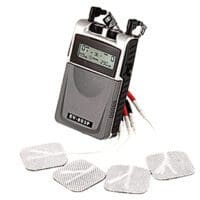
Depending on the diagnosis, some people may benefit from short-term pain relief strategies such as acupuncture or dry needling, heat, or TENS machines. These options work best when they support an active rehabilitation plan rather than replace it.

FAQs about common wrist and hand injuries

What are the most common wrist and hand injuries?

The most common wrist and hand injuries include fractures, finger and thumb sprains, carpal tunnel syndrome, de Quervain’s tenosynovitis, RSI, wrist tendinopathy, and hand or wrist arthritis. The most likely diagnosis depends on how your pain started, where it sits, and whether you also have swelling, weakness, or tingling.

Can common wrist and hand injuries heal without surgery?

Yes, many common wrist and hand injuries improve well with non-surgical care such as protection, load modification, exercises, bracing, and physiotherapy. Surgery is usually reserved for more severe fractures, major ligament injuries, persistent nerve compression, or symptoms that do not respond to appropriate conservative treatment.

What is the difference between carpal tunnel syndrome and de Quervain’s tenosynovitis?

Carpal tunnel syndrome usually causes numbness, tingling, or weakness in the hand because the median nerve is compressed at the wrist. de Quervain’s tenosynovitis usually causes pain and swelling near the thumb side of the wrist because the involved tendons become irritated.

Can typing cause wrist and hand injuries?

Typing alone is not always the full cause, but it can contribute when combined with long hours, poor workstation setup, high repetition, gripping tasks, or limited breaks. Symptoms are more likely when overall load builds faster than your tissues can recover.

How can physiotherapy help common wrist and hand injuries?

Physiotherapy may help by identifying the painful tissue, improving movement, reducing irritation, building strength, and guiding a safer return to work, exercise, and daily tasks. It can also help you modify technique, training, or workstation habits that may be driving the problem.

When should I see a physiotherapist for wrist or hand pain?

You should consider a physiotherapy assessment if pain is persistent, recurring, linked to swelling or weakness, or interfering with sleep, work, gym training, sport, or daily use of your hand. Earlier assessment is often helpful after a fall, a sudden twist, or ongoing numbness and tingling.

What should you do next for common wrist and hand injuries?

If your wrist or hand pain is not settling, keeps returning, or is stopping you from doing normal tasks, a physiotherapy assessment can help clarify the likely diagnosis and the best next step. Early advice often reduces frustration and helps you avoid prolonged protection, repeated flare-ups, or guessing with the wrong treatment.

Your physiotherapist can help work out whether the issue is more likely to be a fracture, sprain, tendon problem, nerve irritation, or arthritis-related stiffness, then build a plan around your work, sport, and recovery goals.

Book your appointment – 24/7

Choose your preferred PhysioWorks clinic and book online.

Follow PhysioWorks

Get free physiotherapy tips, exercise videos, recovery advice, and blog updates.

Facebook Instagram YouTube B X Email PhysioWorks

References

  1. Zaheer SA, Salahuddin M, Hussain F, et al. Neurodynamic Techniques in the Treatment of Mild-to-Moderate Carpal Tunnel Syndrome: A Systematic Review and Meta-Analysis. J Clin Med. 2023;12(16):5277. doi:10.3390/jcm12165277
  2. Challoumas D, Ramasubbu R, Rooney E, Seymour-Jackson E, Putti A, Millar NL. Management of de Quervain Tenosynovitis: A Systematic Review and Network Meta-Analysis. JAMA Netw Open. 2023;6(10):e2337001. doi:10.1001/jamanetworkopen.2023.37001
  3. Kolasinski SL, Neogi T, Hochberg MC, et al. 2019 American College of Rheumatology/Arthritis Foundation Guideline for the Management of Osteoarthritis of the Hand, Hip, and Knee. Arthritis Care Res (Hoboken). 2020;72(2):149-162. doi:10.1002/acr.24131
  4. Karanasios S, Korakakis V, Mavraganis K, et al. Exercise-Based Interventions Are Effective in the Management of Patients with Thumb Carpometacarpal Osteoarthritis: A Systematic Review and Meta-Analysis of Randomised Controlled Trials. J Clin Med. 2024;13(9):2478. doi:10.3390/jcm13092478

Common Causes of Arm Pain

Female physiotherapist assessing common causes of arm pain during upper limb examination in clinic
Physiotherapist assessing shoulder and arm movement to identify the cause of arm pain.

What are the common causes of arm pain?

Common causes of arm pain include problems affecting the arm, neck, shoulder, elbow, and wrist and hand. Pain may come from muscles, tendons, ligaments, joints, nerves, or referred pain from the neck. Some cases follow injury or overuse, while others build gradually with irritation, inflammation, or joint change.

Arm pain can start after sport, work, lifting, a fall, or repeated strain. It may feel sharp, dull, aching, burning, or tingling. In some people, the pain stays local. In others, it travels from the neck into the shoulder, elbow, forearm, or hand. For a broader overview, read our Arm Pain guide.

Because several body regions can refer symptoms into the arm, the right treatment depends on the exact source. For example, cervical radiculopathy may cause pain, tingling, or numbness into the arm, while shoulder, elbow, or wrist problems more often cause local pain with movement.

Quick summary

  • Arm pain can come from the neck, shoulder, elbow, wrist, or hand
  • Overuse, injury, inflammation, arthritis, and nerve irritation are common causes
  • Tingling or numbness may suggest nerve involvement
  • Weakness or reduced grip can point to tendon, nerve, or joint problems
  • Sudden left arm pain with chest symptoms needs urgent medical review

Common causes of arm pain by body region

Neck-related arm pain

Neck problems can refer pain into the upper arm, forearm, or hand. This pattern is common with cervical radiculopathy, pinched nerve, or other forms of neck arm pain. You may also notice tingling, numbness, altered sensation, or weakness.

Shoulder pain

Shoulder conditions often cause pain in the upper arm, especially with lifting, reaching, dressing, or sleeping on that side. Common examples include rotator cuff injuries, frozen shoulder, shoulder bursitis, and biceps tendinopathy.

Elbow pain

Elbow pain commonly develops from repeated gripping, lifting, racquet sports, gym training, or manual work. Frequent causes include tennis elbow, golfer’s elbow, and olecranon bursitis. Pain may sit on the inside or outside of the elbow and can spread down the forearm.

Wrist and hand pain

Wrist and hand problems can cause local pain, stiffness, swelling, tingling, or reduced grip strength. Common examples include carpal tunnel syndrome, wrist and hand arthritis, de Quervain’s tenosynovitis, repetitive strain injury, or a finger sprain.

Common causes of arm pain by tissue type

Muscle strain

Muscle strain can cause aching, tightness, and pain with lifting or resisted movement. It often follows heavy work, sport, or a sudden overload.

Tendinopathy

Tendinopathy affects the tendons that attach muscle to bone. This type of pain often builds gradually and worsens with repeated activity or loading.

Ligament injury

Ligament injuries usually follow a twist, fall, or forceful stretch. They may cause pain, swelling, bruising, and joint instability.

Arthritis

Arthritis may cause aching, stiffness, joint swelling, and reduced movement. Symptoms often feel worse after rest or with repeated use.

Bursitis

Bursitis is irritation of a bursa, which helps reduce friction between tissues. It may cause local pain, swelling, and tenderness near a joint.

Nerve irritation

Nerve-related arm pain may cause burning, tingling, numbness, or weakness. Depending on the source, this can occur with cervical radiculopathy, a pinched nerve, or carpal tunnel syndrome.

Is arm pain ever serious?

Yes. Arm pain is not always serious, but some symptoms need urgent medical review. Sudden severe left arm pain with chest pressure, shortness of breath, dizziness, or sweating may point to a heart-related problem. A clear deformity, major swelling, loss of movement, or severe trauma also needs urgent care.

When should you seek professional help for arm pain?

You should seek assessment if your pain is severe, keeps returning, lasts more than a few days, or limits sleep, work, sport, or daily activities. It is also sensible to get checked if you notice weakness, dropping objects, pins and needles, numbness, swelling, bruising, or pain spreading from the neck.

How is the cause of arm pain diagnosed?

A physiotherapist or doctor will usually assess your symptom pattern, injury history, neck and upper limb movement, strength, nerve signs, and areas of tenderness. They may also consider whether the pain is referred from another region, such as the neck or shoulder. Imaging is only used when clinically appropriate.

What can help arm pain?

Treatment depends on the cause of your arm pain. A physiotherapist may recommend activity modification, manual therapy, progressive strengthening, mobility work, nerve-related exercises, taping, or a staged return to work and sport. Early assessment can help guide the right plan and reduce the risk of ongoing symptoms.

What to do next

If your arm pain is not settling, book an assessment with your physiotherapist or doctor. Early diagnosis can help identify whether the source is the neck, shoulder, elbow, wrist, hand, muscle, tendon, ligament, joint, or nerve. That makes treatment more targeted and may help you recover sooner.

Book your appointment – 24/7

Choose your preferred PhysioWorks clinic and book online.

Shoulder Products

These shoulder products are commonly used by our physiotherapists to improve strength, posture, movement, plus assist home exercise programs.

View all shoulder products

Related Articles

  1. Arm Pain – Broader guide to upper limb pain causes, assessment, and treatment.
  2. Neck Arm Pain – Learn how neck problems can refer symptoms into the arm.
  3. Cervical Radiculopathy – A common nerve-related source of arm pain, tingling, or numbness.
  4. Rotator Cuff Injury – A frequent shoulder-related cause of upper arm pain.
  5. Tennis Elbow – Common outer elbow pain linked to gripping and overuse.
  6. Carpal Tunnel Syndrome – Nerve compression in the wrist that can cause pain, tingling, and weakness.

References

  1. Mayo Clinic. Arm pain: Definition.
  2. Mayo Clinic. Arm pain: Causes.
  3. Mayo Clinic. Arm pain: When to see a doctor.
  4. NHS. Elbow and arm pain.
  5. MedlinePlus. Arm Injuries and Disorders.
  6. MedlinePlus. Elbow Injuries and Disorders.
  7. MedlinePlus. Wrist Injuries and Disorders.

Follow PhysioWorks

Get free physiotherapy tips, exercise videos, recovery advice, and blog updates.

Facebook Instagram YouTube B X Email PhysioWorks

Arm Pain FAQs

What are the most common causes of arm pain?

The most common causes of arm pain include neck-related nerve irritation, shoulder injuries, tennis elbow, golfer’s elbow, carpal tunnel syndrome, muscle strain, tendinopathy, ligament injury, bursitis, and arthritis. The location of your symptoms often helps point to the main source.

Can neck problems cause arm pain?

Yes. Neck conditions such as cervical radiculopathy or a pinched nerve can cause pain, tingling, numbness, or weakness that travels into the shoulder, arm, or hand. This is called referred or nerve-related pain and may feel different from local shoulder or elbow pain.

When should I worry about arm pain?

You should seek urgent medical help for sudden severe arm pain with chest symptoms, major trauma, obvious deformity, severe swelling, or major loss of movement. Ongoing pain, weakness, numbness, or repeated flare-ups also deserve assessment so the source is not missed.

Should I see a physiotherapist for arm pain?

Yes. A physiotherapist may help identify whether your arm pain is coming from the neck, shoulder, elbow, wrist, hand, muscles, tendons, ligaments, or joints. They can then explain the likely cause and guide a treatment plan based on your symptoms, goals, and daily demands.

Can arm pain go away on its own?

Some mild cases settle with rest, activity changes, and time. However, persistent, worsening, or repeated symptoms usually need assessment, especially if you have tingling, weakness, night pain, or trouble using the arm for work, sport, or normal daily tasks.

Common Youth Arm Injuries

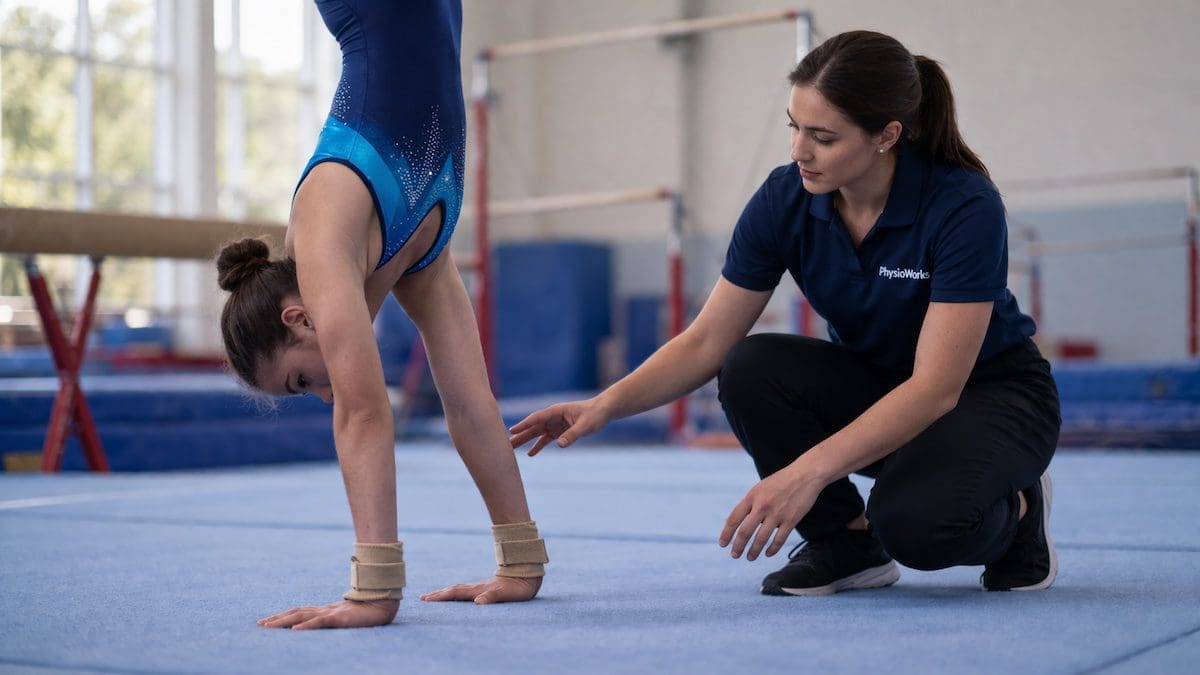
Gymnast performing handstand with shoulder stability assessment by physiotherapist
Handstand shoulder control assessment in gymnast

Common youth arm injuries usually affect the elbow, shoulder, wrist, or growth plates in active children and teenagers. They often develop from repeated throwing, tumbling, gripping, falls, or rapid training spikes. If your child plays overhead or weight-bearing sport, compare this page with kids sports injuries and kids arm pain to narrow down the most likely cause.

Because growing bones are still developing, young athletes can get injuries that behave differently from adult tendon problems. Growth plates and apophyses are often the weak point, especially around the elbow, shoulder, and wrist. That is why early load changes, good technique, and the right assessment matter.

Common signs to watch for

  • Pain with throwing, serving, tumbling, or gripping
  • Pain that eases with rest but returns during sport
  • Tenderness around the elbow, shoulder, wrist, or forearm
  • Reduced speed, strength, accuracy, or confidence
  • Swelling, guarding, clicking, or locking

What are common youth arm injuries?

Common youth arm injuries include thrower’s elbow, medial apophysitis, growth plate stress injuries, gymnast’s wrist, sprains, fractures, and osteochondritis dissecans. The exact diagnosis depends on your child’s age, sport, training load, and where the pain sits.

In throwing and racquet sports, the main problems often involve the inside of the elbow or the shoulder. In gymnastics and tumbling, repeated weight-bearing can overload the wrist, elbow, and growth plates. More general or persistent symptoms may also overlap with broader arm pain patterns.

What causes common youth arm injuries?

Common youth arm injuries usually happen when training load rises faster than the growing body can adapt. Repeated throwing, too many competitions, poor recovery, growth spurts, and falls are some of the biggest drivers.

Recent reviews note that many youth overuse injuries occur at the relatively weaker growth centres rather than at adult-style tendon sites. Repetitive throwing sports are a classic example, but gymnastics, racquet sports, and contact sports can also stress the shoulder, elbow, wrist, and hand.

Thrower’s elbow is one of the best-known youth overuse arm injuries.

Thrower’s elbow and medial apophysitis

Thrower’s elbow usually describes overload on the inner side of the elbow in young overhead athletes. It commonly affects cricket, baseball, softball, and tennis players who throw or serve often, especially during growth spurts or busy tournament periods.

One common diagnosis is medial apophysitis, often called Little League elbow. This happens when repeated valgus stress irritates the growth area near the medial epicondyle. Children may report inner elbow pain, loss of throwing speed, soreness after sport, or tenderness that keeps returning. If your child’s symptoms clearly build with overhead sport, compare them with throwing injuries, baseball injuries, and cricket injuries.

Osteochondritis dissecans and joint surface injury

Osteochondritis dissecans can affect the capitellum of the elbow in young throwing athletes and gymnasts. It involves damage to the bone and cartilage surface and may cause deeper elbow pain, catching, locking, stiffness, or loss of range.

This is more serious than a simple overload flare. Stable cases may settle with unloading and staged rehabilitation, but unstable lesions sometimes need specialist review. For a related PhysioWorks page, see juvenile osteochondritis dissecans.

Growth plate stress injuries in the arm

Growth plate stress injuries happen because immature bone does not tolerate repeated load as well as mature tissue. These injuries can affect the shoulder, elbow, wrist, or hand and deserve attention because delayed diagnosis can prolong symptoms and, in rare cases, affect growth.

Examples include little league shoulder, little league elbow, and gymnast’s wrist. Children often say the arm feels sore during sport, improves with rest, then flares again when training resumes. A spike in throwing volume, too many teams at once, or heavy tumbling loads can all contribute.

Gymnastics upper limb injuries in youth athletes

Gymnastics places high load through the arms because they act as weight-bearing limbs during skills such as handstands, tumbling, and vaulting. This repeated loading can stress the wrist, elbow, and shoulder, particularly during growth spurts.

One of the most recognised conditions is gymnast’s wrist, which involves irritation of the distal radial growth plate. Athletes may report wrist pain with weight-bearing, reduced tolerance to training, or soreness that builds across sessions. Elbow and shoulder overload injuries can also develop with repeated tumbling or high training volumes.

These injuries often behave differently from adult conditions. Growth plate irritation is more common than tendon problems, so early load management is important. If symptoms are persistent, compare with wrist pain or shoulder pain pages to guide next steps.

Common gymnastics-related arm injuries

  • Gymnast’s wrist (distal radial growth plate stress)
  • Elbow overload and osteochondritis dissecans
  • Shoulder overuse injuries during tumbling and bars work
  • Repetitive strain from high training volume

When should you worry about youth arm injuries?

You should worry more about youth arm injuries if pain follows a fall, causes swelling or deformity, keeps returning with sport, wakes your child at night, or leads to locking, catching, numbness, or clear loss of strength.

Get your child assessed sooner if they have:

  • Rapid swelling or visible deformity after trauma
  • Ongoing pain over a growth plate
  • Clicking, catching, locking, or loss of motion
  • Numbness, tingling, or noticeable weakness
  • Pain that keeps returning despite rest

If the pain is local to the elbow, it may also help to review the broader elbow pain cluster. For public health advice on youth throwing safety, the official Pitch Smart guidelines are also worth reviewing with parents and coaches.

How are common youth arm injuries treated?

Most common youth arm injuries improve with the right diagnosis, short-term load reduction, and a gradual return-to-sport plan. Treatment usually focuses on settling irritation, protecting the injured area, restoring strength and movement, and fixing the training or technique issue that caused the overload.

Physiotherapy may include shoulder and elbow strength work, trunk and hip control, wrist or forearm loading, mobility work, technique advice, and staged return to throwing or tumbling. Management is not one-size-fits-all. A child with growth plate irritation needs a different plan from a child with a fracture, instability, or osteochondritis dissecans.

FAQs about common youth arm injuries

Can children get tennis elbow or golfer’s elbow?

Sometimes, but classic adult tendon problems are less common in younger athletes than growth plate irritation. In children and early teenagers, inner or outer elbow pain often needs careful review to rule out apophysitis, instability, or overload at a developing structure.

Is arm pain during throwing normal in kids?

No. Mild muscle soreness can happen after sport, but repeated pain during throwing is not something to push through. If pain changes speed, accuracy, confidence, or willingness to throw, the load or diagnosis needs to be checked.

What sport causes the most youth arm injuries?

Throwing and overhead sports create a high elbow and shoulder load, so baseball, softball, cricket, and tennis are common triggers. Gymnastics also places high stress through the wrist and elbow because the arms become weight-bearing limbs.

Do growth spurts increase the risk?

Yes. Growth spurts can change movement control, flexibility, strength balance, and tissue tolerance. That means a training load that felt fine a few months ago may suddenly become too much for a growing athlete.

Will my child need imaging?

Not always. Many overuse injuries can be suspected from a careful history and physical assessment. However, X-ray, ultrasound, or MRI may be appropriate if there is trauma, suspected fracture, locking, persistent growth plate pain, or concern about osteochondritis dissecans.

How long should my child rest?

That depends on the diagnosis. Some mild overload injuries settle with short-term load reduction and a graded rebuild, while growth plate injuries or joint surface injuries may need a longer break and closer progression. Rest alone is not enough if the load problem is not addressed.

What to do next

If your child has ongoing arm pain with sport, do not rely on guesswork. Start by reducing the painful activity, note exactly what triggers symptoms, and avoid pushing through repeated elbow, shoulder, or wrist pain during growth.

A physiotherapist can assess whether the problem looks like overload, a growth plate injury, joint irritation, or a more significant sports injury. Early guidance often shortens recovery and helps young athletes return with a safer plan.

Book your appointment – 24/7

Choose your preferred PhysioWorks clinic and book online.

Follow PhysioWorks

Get free physiotherapy tips, exercise videos, recovery advice, and blog updates.

Facebook Instagram YouTube B X Email PhysioWorks

References

  1. Lintner LJ, Swisher J, Sitton ZE. Childhood and Adolescent Sports-Related Overuse Injuries. Am Fam Physician. 2023;108(6):544-553.
  2. Caine D, Patel V, Nguyen JC. Overuse Injury of the Epiphyseal Primary Physis. Semin Musculoskelet Radiol. 2024;28(4):375-383. doi:10.1055/s-0044-1785207
  3. Shanley E, Kissenberth MJ, Thigpen CA, et al. Arm Injury in Youth Baseball Players: a 10-Year Cohort Study. J Shoulder Elbow Surg. 2023;32(6S):S106-S111. doi:10.1016/j.jse.2023.02.009
  4. Major League Baseball and USA Baseball. Pitch Smart. Accessed March 30, 2026.
Common Sources of Spinal Pain & Injury

Article by John Miller & Erin Runge

Common sources of spinal pain include muscles, joints, discs, nerves, bones, and inflammatory conditions affecting the neck, thoracic spine, lower back, or sacroiliac region. Physiotherapists commonly assess spinal pain by identifying whether symptoms arise from muscles, joints, discs, nerves, or underlying conditions. Although many flare-ups improve with time, the pattern of pain, stiffness, referral, and aggravating movements often points towards the most likely cause. If you want a broader overview first, start with our spinal pain conditions guide.

For many people, symptoms sit within one of four common regions: neck pain, thoracic pain, lower back pain, or sacroiliac joint pain (SIJ). However, spinal pain can also reflect nerve irritation, poor load tolerance, postural strain, degenerative change, or less common medical conditions.

Quick guide: common spinal pain patterns

  • Local neck or back pain often points to muscle, joint, or disc irritation.
  • Pain into the buttock or leg may suggest sciatica, disc irritation, or spinal stenosis.
  • Pain into the shoulder or arm can come from the neck, such as neck arm pain.
  • Morning stiffness or age-related flare-ups may fit spondylosis or degenerative disc disease.
  • Pain after trauma, fever, weight loss, or neurological change needs prompt medical review.

What are the common sources of spinal pain?

The most common sources of spinal pain are muscle overload, joint irritation, disc problems, nerve irritation, and age-related degenerative change. The likely source usually becomes clearer when you match the location of pain with referral patterns, stiffness, aggravating movements, and the way symptoms started.

Common sources of spinal pain by region

Your spine works as one linked system, yet the most likely causes often differ by region. Matching your symptoms to the right area can make the next step clearer and can help you find the most relevant condition page.

Neck and upper cervical region

Thoracic spine and upper back

Which tissues commonly cause spinal pain?

Spinal pain usually comes from a mix of tissues rather than one structure alone. Muscles may tighten or strain, joints can become stiff or irritated, discs can become sensitive, and nerves may become compressed or inflamed. Load, posture, sleep, stress, fitness, and previous injury can all influence how these tissues behave.

Joint-related sources

Spinal joints often become painful with twisting, arching backwards, prolonged standing, or repeated loading. Common examples include facet joint arthropathy, lumbar facet joint pain, and SIJ pain.

Muscle-related sources

Muscles may be a major contributor when pain starts after lifting, twisting, sudden activity, or repetitive postural loading. Examples include pulled back muscle, muscle pain, muscle cramps, and DOMS.

Disc-related sources

Discs can contribute to spinal pain when bending, lifting, coughing, sitting, or prolonged flexion aggravates symptoms. You may find these pages useful: bulging disc and degenerative disc disease.

Nerve-related or referred pain

Nerve irritation can create pain, tingling, numbness, heaviness, or burning that spreads beyond the spine. Depending on the region, that may include sciatica, neck arm pain, cervical radiculopathy, or thoracic outlet syndrome.

When should you worry about spinal pain?

You should worry about spinal pain if it follows significant trauma, causes progressive weakness, affects bladder or bowel control, creates saddle numbness, or comes with fever, unexplained weight loss, or feeling very unwell. These patterns are less common, but they need prompt medical review.

Red flags that need urgent medical review

  • new bladder or bowel problems
  • saddle numbness
  • progressive arm or leg weakness
  • severe pain after a fall, crash, or major trauma
  • fever, unexplained weight loss, or night pain that is worsening

How is spinal pain assessed?

A physiotherapist will usually assess your movement, symptom behaviour, strength, nerve signs, aggravating positions, and recent load changes. They will also consider posture and daily habits, which is why links such as posture correction and posture exercises can be useful when posture contributes to recurring flare-ups.

Many people do not need immediate scans. Instead, the first step is often to identify the most likely tissue source, calm symptoms, restore movement, and build strength and load tolerance. For a broad treatment overview, see back pain physiotherapy. For general Australian consumer guidance, Healthdirect also provides useful information on back pain and neck pain.

How physiotherapy usually helps spinal pain

Physiotherapy for spinal pain often focuses on settling irritated tissues, restoring movement, improving strength, and gradually rebuilding load tolerance. The program may include mobility work, targeted exercises, pacing advice, and return-to-activity progressions based on whether the main driver looks more muscular, joint-related, disc-related, nerve-related, or degenerative.

What to do next

If you are unsure what is driving your symptoms, use the region-based links above to compare the most likely causes. Book a physiotherapy assessment to identify the source and start the right treatment plan if your pain is severe, keeps returning, limits work or sleep, or travels into your arm or leg.

A clear diagnosis usually leads to a better plan. Your physiotherapist can help decide whether your spinal pain is more likely to be muscular, joint-related, disc-related, nerve-related, or part of a broader inflammatory or bone-health issue.

Common Sources of Spinal Pain: FAQs

Is spinal pain always caused by a disc problem?

No. Spinal pain can come from muscles, joints, ligaments, nerves, discs, or a mix of contributors. Disc irritation is common, but it is only one part of the spinal pain picture. Your symptom pattern and assessment findings usually help narrow down the likely source.

What is the most common source of spinal pain?

The most common source depends on the region and the person. In everyday practice, muscle overload, joint irritation, disc sensitivity, and nerve-related pain are frequent contributors. Load spikes, prolonged sitting, poor recovery, and stiffness can all make spinal pain more likely.

Can posture cause spinal pain?

Posture can contribute, yet it is rarely the whole story on its own. Symptoms usually build from a mix of sustained positions, low movement variety, reduced strength or endurance, stress, and repeated loading. That is why posture advice works best when paired with movement and strengthening.

When is spinal pain serious?

Spinal pain is more concerning if it comes with trauma, fever, unexplained weight loss, night pain that keeps worsening, saddle numbness, bladder or bowel change, or progressive weakness. These patterns need medical review rather than simple self-management.

Should I rest or keep moving with spinal pain?

For most people, gentle movement is better than prolonged rest. Short walks, easy mobility, and staying active within tolerable limits often help symptoms settle. If movement sharply worsens pain or you develop neurological symptoms, organise an assessment sooner.

Can physiotherapy help spinal pain?

Yes, physiotherapy may help by identifying the most likely pain source, calming symptoms, improving movement, and building strength and load tolerance. The best plan depends on whether your pain behaves more like muscle, joint, disc, nerve, inflammatory, or bone-related pain.

Book your appointment – 24/7

Choose your preferred PhysioWorks clinic and book online.

Back Support Products

These back support products are commonly used by our physiotherapists to help reduce back pain, improve comfort, and support your recovery at home.

View all back support products

Follow PhysioWorks

Get free physiotherapy tips, exercise videos, recovery advice, and blog updates.

Facebook Instagram YouTube B X Email PhysioWorks

References

  1. Healthdirect. Back pain. Healthdirect Australia. 2025.
  2. Healthdirect. Neck pain. Healthdirect Australia. Accessed March 27, 2026.

  3. Zhou T, Zhao Y, Xie M, et al. Recent clinical practice guidelines for the management of low back pain: a global comparison. Pain Pract. 2024.
  4. GBD 2021 Low Back Pain Collaborators. Global, regional, and national burden of low back pain, 1990-2021. Lancet Rheumatol. 2023.

What are the most common arthritis conditions?

The most common arthritis conditions include osteoarthritis, rheumatoid arthritis, psoriatic arthritis, ankylosing spondylitis, lupus-related joint disease, and fibromyalgia. These common types of arthritis can cause joint pain, stiffness, swelling, reduced movement, and flare-ups that affect daily life.

Arthritis is not one single condition. Instead, it is a broad group of joint and musculoskeletal disorders. Some forms mainly involve cartilage wear and age-related joint change, while others are driven by inflammation or immune system activity. Knowing which type you have helps guide the best advice, exercise plan, pacing strategy, and treatment pathway.

This guide provides a practical overview of the main arthritis-related conditions seen at PhysioWorks, plus links to more detailed pages for each diagnosis and body region.

Common arthritis symptoms may include:

  • joint pain that worsens with activity or after rest
  • morning stiffness or reduced movement
  • swelling, flare-ups, or joint warmth
  • symptoms affecting one joint or several joints
Physiotherapist assessing knee arthritis and discussing treatment options with patient

Assessment and treatment planning are important early steps in managing arthritis symptoms.

What is arthritis?

Arthritis describes a group of conditions that affect joints and nearby tissues. It often causes pain, stiffness, swelling, weakness, and reduced mobility. Some types develop gradually with age or joint wear, while others involve inflammatory or autoimmune processes that can affect several joints and sometimes other body systems.

What are the main types of arthritis?

The main types of arthritis usually fall into two broad groups: osteoarthritis and degenerative joint conditions, and inflammatory arthritis conditions. Both can cause pain and stiffness, but they often behave differently and may need different treatment approaches.

What is the difference between osteoarthritis and inflammatory arthritis?

Osteoarthritis usually develops when joint cartilage and supporting structures change over time. Inflammatory arthritis is different. It involves immune-driven joint irritation, often with morning stiffness, swelling, fatigue, and flare-ups. A rheumatology physiotherapist, GP, or rheumatologist can help clarify the pattern and guide the next steps.

Quick comparison of common arthritis conditions

If you want a fast summary, these are the main differences between the most common arthritis conditions.

Condition Typical pattern Common areas Key signs
Osteoarthritis Degenerative or wear-related Knees, hips, hands, spine Activity pain, stiffness, reduced movement
Rheumatoid Arthritis Autoimmune and inflammatory Hands, wrists, feet, multiple joints Morning stiffness, swelling, fatigue
Psoriatic Arthritis Inflammatory Fingers, toes, spine, larger joints Joint pain plus psoriasis-related features
Ankylosing Spondylitis Inflammatory spinal arthritis Spine, pelvis, chest wall Persistent back stiffness, especially in the morning
Lupus Autoimmune and systemic Multiple joints and body systems Joint pain, fatigue, broader symptoms
Fibromyalgia Pain sensitisation condition Widespread body pain Widespread pain, fatigue, sensitivity

Common arthritis conditions

The most common arthritis-related conditions on PhysioWorks fall into two broad groups: inflammatory arthritis conditions and osteoarthritis-related conditions. Some spinal and peripheral joint problems also sit within this broader arthritis cluster.

Inflammatory arthritis and related conditions

  • Rheumatoid Arthritis – an autoimmune condition that commonly affects smaller joints first and may cause swelling, morning stiffness, and fatigue.
  • Psoriatic Arthritis – an inflammatory arthritis linked with psoriasis that may affect the fingers, toes, spine, or larger joints.
  • Ankylosing Spondylitis – an inflammatory spinal arthritis that often causes persistent back stiffness, especially in the morning.
  • Lupus – a complex autoimmune condition that may cause joint pain, fatigue, and broader systemic symptoms.
  • Fibromyalgia – not a true arthritis, but it is often grouped with rheumatology conditions because it can cause widespread pain, fatigue, and sensitivity.

Osteoarthritis and degenerative joint conditions

  • Osteoarthritis – the most common form of arthritis, often linked with joint stiffness, reduced movement, and activity-related pain.
  • Spondylosis – arthritic change in the spine that can contribute to neck pain or back pain.
  • Degenerative Disc Disease – age-related disc change that may contribute to spinal stiffness and load-related pain.
  • Spinal Stenosis – narrowing around the spinal canal that can cause pain, tingling, or walking limitation.
  • Osteoporosis & Osteopenia – bone density conditions that are not arthritis, but are often discussed alongside age-related joint change because they affect long-term musculoskeletal health.

Which joints are most commonly affected by arthritis?

Arthritis can affect almost any joint, but some patterns are more common. Osteoarthritis often affects load-bearing joints such as the hips, knees, and spine, while inflammatory arthritis may affect the hands, feet, wrists, or several joints at once. These pages can help if you want joint-specific information:

Spinal arthritis conditions

Peripheral joint arthritis conditions

How can physiotherapy help arthritis?

Physiotherapy may help you move more comfortably, improve joint confidence, and build strength around painful joints. Treatment often includes education, flare-up planning, mobility work, strengthening, and guidance on returning to walking, work, exercise, or sport. For hip and knee osteoarthritis, structured exercise programs such as the GLA:D® Australia Program can also be helpful.

Hip arthritis physiotherapy Brisbane consult with physio guiding older woman sit-to-stand

Targeted exercises and simple movement coaching can improve strength, mobility, and confidence with arthritis.

Good arthritis care is not only about pain relief. It is also about load management, pacing, and choosing the right amount of activity for your current stage. That may mean building gradually, modifying aggravating tasks, spacing out heavier loads, and learning how to stay active without repeatedly flaring your symptoms.

If your symptoms fit an inflammatory pattern, a rheumatology physiotherapist may work alongside your GP and rheumatologist. If your main concern is day-to-day aching or stiffness, you may also find our joint pain relief page useful.

If you want public health information about arthritis and related symptoms, Healthdirect also offers a helpful overview of arthritis.

When should you seek help for arthritis symptoms?

You should seek help if joint pain, stiffness, or swelling lasts longer than expected, limits walking or sleep, or keeps returning. Early review is also wise if you notice morning stiffness lasting more than 30 minutes, joint warmth, repeated flare-ups, or symptoms affecting several joints at once.

Prompt medical review matters if you have rapid swelling, unexplained weight loss, fever, severe night pain, or sudden loss of function. These features may suggest something more urgent than simple joint wear.

Seek prompt medical review if you notice:

  • rapid swelling in a joint
  • fever or feeling unwell with joint pain
  • severe night pain or unexplained weight loss
  • sudden loss of joint function

Frequently asked questions about common arthritis conditions

Is arthritis always caused by ageing?

No. Age can increase the risk of osteoarthritis, but many arthritis conditions are inflammatory or autoimmune and can affect younger adults as well. Joint injury, genetics, load history, activity levels, and broader health factors can also influence when symptoms start and how they progress.

What is the most common type of arthritis?

Osteoarthritis is the most common type of arthritis. It often affects the knees, hips, hands, and spine. Symptoms usually include stiffness, aching, reduced joint movement, and pain that builds with activity or follows longer periods of inactivity.

Can exercise help arthritis?

Yes. Appropriate exercise is one of the main treatments for many arthritis presentations. It may help reduce pain, improve strength, support joint function, and increase confidence with movement. The key is to match the exercise type and dosage to your symptoms, goals, and current flare-up level.

How do you know if joint pain is inflammatory?

Inflammatory joint pain often causes longer morning stiffness, visible swelling, and symptoms that affect several joints. People may also notice fatigue or flare-ups that do not match their activity levels. A GP, rheumatologist, or physiotherapist can help identify whether your pattern needs further medical assessment.

Can physiotherapy help rheumatoid arthritis or psoriatic arthritis?

Yes. Physiotherapy may help you manage flare-ups, maintain joint mobility, improve strength, and keep moving safely between medical reviews. It does not replace rheumatology care, but it can support day-to-day function, exercise planning, and practical activity pacing.

Do all arthritis conditions affect the same joints?

No. Different arthritis conditions affect different joints and tissues. Osteoarthritis commonly affects load-bearing joints such as the hips, knees, and spine, while inflammatory arthritis often affects the hands, wrists, feet, or several joints at the same time.

What to do next

If you are not sure which arthritis condition best matches your symptoms, start with an assessment. A physiotherapist can help identify the likely source of your joint pain, explain what is driving your symptoms, and guide you towards the most appropriate next step.

Early assessment can help you reduce flare-ups, improve movement confidence, and avoid unnecessary loss of strength or activity. If you have ongoing symptoms, booking early can help you start the right plan sooner and stay active with more confidence.

What to do now:

  • note which joints are painful, stiff, swollen, or flaring
  • stay gently active rather than stopping all movement
  • book an assessment if symptoms are persisting or worsening

The sooner you identify the likely cause of your symptoms, the sooner you can start the right treatment plan.

Book your appointment – 24/7

Choose your preferred PhysioWorks clinic and book online.

Arthritis-Related Products

These arthritis related products are useful for pain relief, functional support and performance improvement, such as strengthening and flexibility.

View all arthritis-related products

Follow PhysioWorks

Get free physiotherapy tips, exercise videos, recovery advice, and blog updates.

Facebook Instagram YouTube B X Email PhysioWorks

References

  1. Gibbs AJ, Holden MA, Nicholls EE, et al. Recommendations for the management of hip and knee osteoarthritis: a systematic review of clinical practice guidelines. Osteoarthritis Cartilage. 2023;31(9):1280-1292. doi:10.1016/j.joca.2023.05.015
  2. Moseng T, Dagfinrud H, Estilow T, et al. EULAR recommendations for the non-pharmacological core management of hip and knee osteoarthritis: 2023 update. Ann Rheum Dis. 2024;83(6):730-740. doi:10.1136/ard-2023-225041
  3. Nikiphorou E, Santos EJ, Marques A, et al. 2021 EULAR recommendations for the implementation of self-management strategies in patients with inflammatory arthritis. Ann Rheum Dis. 2021;80(10):1278-1285. doi:10.1136/annrheumdis-2021-220249
  4. Gravaldi LP, Lopes H, Meneses-Santos D, et al. Effectiveness of physiotherapy in patients with ankylosing spondylitis: a systematic review and meta-analysis. Clin Rehabil. 2022;36(6):748-761. doi:10.1177/02692155211070107

Common Muscle Injuries

Article by John Miller & Erin Runge
Common muscle injuries physiotherapist assessing quadriceps muscle strain during clinical physiotherapy examination

Common muscle injuries can affect the neck, back, arms, and legs, and they often develop after overuse, sudden force, poor posture, repeated strain, or training errors. This guide explains common patterns of muscle pain, links to the broader muscle pain hub, and highlights key pages such as muscle strain, back muscle pain, delayed onset muscle soreness (DOMS), and muscle treatment.

Common muscle injuries may include:

  • neck and back muscle strain
  • hamstring, thigh, groin, and calf injuries
  • overuse-related arm pain and tendon overload
  • delayed onset muscle soreness and cramps
  • widespread muscle pain linked to broader medical conditions

What are common muscle injuries?

Common muscle injuries occur when muscle fibres or the surrounding soft tissues are overloaded, overstretched, bruised, or repeatedly irritated. Some happen suddenly during sport, lifting, sprinting, or awkward movement. Others build over time through repetitive work, poor posture, deconditioning, training errors, or inadequate recovery.

People often use terms such as muscle strain, muscle tear, myalgia, and muscle pain interchangeably. However, the cause can vary a lot. For that reason, a clear diagnosis helps guide the most suitable management plan and reduces the risk of returning to activity too soon.

What are the most common neck and back muscle injuries?

The neck and back are common sites for muscle overload because they work constantly to support posture, lifting, movement, and daily activity. These problems may also overlap with joint irritation, referred pain, or nerve-related symptoms, so assessment can be useful when symptoms persist.

  1. Back Muscle Pain: Back muscle pain often develops from lifting, prolonged sitting, poor posture, or sudden overload. Treatment may include activity modification, hands-on therapy, and exercises to improve strength and movement control.
  2. Neck Sprain: A neck sprain can follow awkward movement, poor sleeping posture, or minor trauma. Early movement, simple exercises, and posture advice may help reduce stiffness and pain.
  3. Text Neck: Text neck is linked to prolonged mobile phone or screen use. It commonly causes neck pain, upper back tightness, and headaches, and may improve with posture changes, exercise, and workstation advice.
  4. Whiplash: Whiplash often occurs after motor vehicle accidents or sudden jolts. Recovery usually benefits from early guidance, controlled movement, and progressive rehabilitation.

What are the most common lower limb muscle injuries?

Lower limb muscle injuries are common in running, field sports, gym training, jumping, and fast change-of-direction activity. These injuries often affect sport participation, walking speed, pushing off, and confidence during movement.

  1. Hamstring Strain: Hamstring injuries are common in sprinting and sport. They often need a structured rehabilitation program that restores strength, flexibility, and running tolerance.
  2. Thigh Strain: Thigh muscle strains can affect the quadriceps or surrounding muscles and often occur with kicking, sprinting, or jumping. Early management followed by graded strengthening is usually important.
  3. Groin Strain: Groin pain commonly affects athletes involved in kicking, twisting, and fast direction changes. Recovery often requires careful load management and progressive strengthening.
  4. Calf Muscle Tear: Calf tears can occur during pushing off, sprinting, or sudden acceleration. A progressive return-to-walking and strengthening program is often needed before return to sport.
  5. Corked Thigh: A corked thigh is a direct-impact muscle injury that can cause pain, swelling, and reduced movement. Early compression and sensible loading may influence recovery.

What are the most common upper limb and overuse muscle injuries?

The upper limb is often affected by repetitive gripping, lifting, racquet sports, throwing, desk work, and impact injuries. In many cases, the muscle problem overlaps with tendon overload or repetitive strain.

  1. Golfer's Elbow and Tennis Elbow: These overuse injuries affect the forearm tendon attachments around the elbow and can cause pain with gripping, lifting, and repetitive hand use.
  2. Repetitive Strain Injury (RSI): RSI may affect the forearm, wrist, shoulder, or neck and is often linked to repetitive work tasks, poor ergonomics, and insufficient recovery.
  3. Delayed Onset Muscle Soreness (DOMS): DOMS often appears after new or harder-than-usual exercise and can cause temporary pain, tightness, and reduced performance.
  4. Muscle Cramps: Fatigue-related cramps may develop during or after exercise, especially when load, intensity, or conditioning has changed.

Can muscle pain come from broader medical conditions?

Not all muscle pain comes from a local strain or tear. In some cases, widespread, persistent, or unexplained symptoms may be linked to broader health conditions. That is one reason why recurring or unusual symptoms deserve proper assessment.

  1. Fibromyalgia: Fibromyalgia may cause widespread muscle pain, fatigue, and increased sensitivity. Management often includes education, pacing, exercise, and coordinated medical care.
  2. Rheumatoid Arthritis: Rheumatoid arthritis can contribute to muscular pain, joint stiffness, and reduced activity tolerance. Treatment often involves medical care plus physiotherapy support.

How can you help prevent common muscle injuries?

Although not every injury is preventable, several habits may help reduce your risk of common muscle injuries and improve tissue tolerance over time.

  • Regular Exercise: Regular physical activity can improve muscle strength, tissue tolerance, and movement control.
  • Posture Improvement: Better posture during work, study, and training may reduce ongoing overload in the neck and back.
  • Proper Warm-up and Cool-down: A sensible warm-up may help prepare muscles for activity, especially before sprinting, jumping, or heavier exercise.
  • Ergonomic Adjustments: Workstation and task modifications may reduce repetitive strain and cumulative overload.
  • Early Soft Tissue Injury Care: Early management can help settle pain, guide loading, and reduce aggravation after an acute injury.
  • Load management: Gradually increasing training or workload is often safer than making sudden large jumps in intensity or volume.

When should you seek help for a muscle injury?

You should consider professional advice if your pain is severe, your function is limited, swelling or bruising is significant, or symptoms are not settling as expected. It is also worth getting assessed if the injury keeps returning or stops you from work, exercise, or sport.

A physiotherapist may help identify whether the problem is a muscle strain, tendon issue, referred pain, nerve irritation, or a broader medical condition. Early assessment may also help guide suitable loading, exercise progression, and return-to-sport planning.

Frequently Asked Questions

What are the most common muscle injuries?

The most common muscle injuries include muscle strains in the hamstring, calf, groin, thigh, back, and neck. Overuse-related pain such as RSI, DOMS, muscle cramps, and elbow tendon overload is also common. The exact pattern often depends on your work, sport, posture, and recent activity levels.

How long do common muscle injuries take to heal?

Recovery time varies based on the severity, location, and whether the injury is acute or repetitive. Mild muscle injuries may settle within days to a few weeks, while moderate or recurring problems can take much longer. A proper assessment can help guide expected recovery time and safe progression.

What does a muscle tear feel like?

A muscle tear may feel like a sudden sharp pain, pulling sensation, or popping feeling during activity. It can also cause bruising, weakness, swelling, or difficulty using the injured area. More significant tears usually need a proper assessment before you return to normal exercise or sport.

Should I exercise with muscle pain?

That depends on the cause and severity of the pain. In many cases, gentle movement and modified exercise can help. However, exercising too hard or too soon may aggravate a more significant strain or tear. A physiotherapist may help you judge what level of activity is appropriate.

When should I see a physiotherapist for common muscle injuries?

You should consider an assessment if the pain is severe, if there is bruising or weakness, if symptoms keep returning, or if the injury is not improving. Physiotherapy may help clarify the diagnosis and guide safe progression back to work, exercise, or sport.

What to do next

If you have ongoing muscle pain, a recent strain, or repeated muscle injuries, an assessment can help clarify the diagnosis and guide your next steps. Early advice may help you return to normal activity sooner and reduce the risk of persistent or recurring symptoms.

Your physiotherapist may discuss activity modification, recovery timelines, exercise progressions, and when to return to work, training, or sport. That plan will depend on the injured area, the severity of the problem, and your goals.

Book your appointment – 24/7

Choose your preferred PhysioWorks clinic and book online.

Muscle & Soft Tissue Products

These muscle and soft tissue products are commonly used by our physiotherapists to relax or loosen muscles, improve strength, comfort, flexibility, and home exercise programs.

View all muscle & soft tissue products

Follow PhysioWorks

Get free physiotherapy tips, exercise videos, recovery advice, and blog updates.

Facebook Instagram YouTube B X Email PhysioWorks

Related articles

References

  1. Pollock N, James SLJ, Lee JC, Chakraverty R. British Athletics muscle injury classification: a new grading system. Br J Sports Med. 2014;48(18):1347-1351.
  2. Valle X, Alentorn-Geli E, Tol JL, Hamilton B, Garrett WE Jr, Pruna R, Til L, Gutierrez JA, Alomar X, Balius R, Malliaropoulos N, Monllau JC, Whiteley R, Witvrouw E, Samuelsson K, Rodas G. Muscle injuries in sports: a new evidence-informed and expert consensus-based classification with clinical application. Sports Med. 2017;47(7):1241-1253.
  3. Shield AJ, Bourne MN. Hamstring muscle strain injuries: what can we learn from history?. Br J Sports Med. 2015;49(19):1241-1242.
  4. Järvinen TAH, Järvinen TLN, Kääriäinen M, Kalimo H, Järvinen M. Muscle injuries: biology and treatment. Am J Sports Med. 2005;33(5):745-764.
  5. Cheung K, Hume P, Maxwell L. Delayed onset muscle soreness: treatment strategies and performance factors. Sports Med. 2003;33(2):145-164.
  6. Dupuy O, Douzi W, Theurot D, Bosquet L, Dugué B. An evidence-based approach for choosing post-exercise recovery techniques to reduce markers of muscle damage, soreness, fatigue, and inflammation: a systematic review with meta-analysis. Front Physiol. 2018;9:403.
  7. National Health Service. Sprains and strains. NHS. Accessed March 15, 2026.

Article by John Miller & Erin Runge
Headache causes shown by young adult with temple, eye, neck and jaw pain in clinic

Common headache types and pain locations.

What are the most common headache causes?

Headache causes usually fall into two groups. Primary headaches are headache conditions themselves. Secondary headaches happen when another issue contributes to the pain.

Common headache causes include migraine, tension-type headache, cluster headache, neck headache, jaw-related headache, illness, medication overuse, or head and neck injury.

If you are trying to work out what type of headache you have, start with the broader headache physiotherapy guide. Compare where the pain sits, what it feels like, what triggers it, and whether you also have nausea, light sensitivity, neck pain, jaw pain, dizziness, or recent injury.

The International Headache Society groups headaches using the ICHD-3 classification. This framework separates primary headache disorders from headaches caused by another health issue.

Quick clues that may help narrow the cause:

  • One-sided throbbing pain with nausea or light sensitivity often fits migraine.
  • A tight band-like ache across the forehead or into the neck often fits tension-type headache.
  • Pain starting in the upper neck or base of the skull may fit a cervicogenic neck headache.
  • Jaw pain, clicking, or clenching may point to a TMJ headache.
  • Headache after a hit to the head or neck needs consideration of concussion.

How are headache causes classified?

Headache causes are usually classified as primary or secondary. Primary headaches include migraine, tension-type headache, and cluster headache. Secondary headaches happen because something else is contributing to the pain, such as neck dysfunction, jaw irritation, concussion, illness, medication overuse, or another medical problem.

This distinction matters because the best plan depends on the likely driver. For example, a migraine plan differs from care for a neck headache or a jaw-related headache.

Common headache causes

Common headache causes include primary headache disorders, such as migraine, tension-type headache, and cluster headache. They also include secondary causes, such as neck joint irritation, muscle tension, jaw dysfunction, concussion, infection, sinus symptoms, medication overuse, and other medical conditions.

Primary headache causes

Migraine often causes moderate to severe head pain, commonly on one side, with nausea, light sensitivity, sound sensitivity, or visual disturbance. Tension-type headaches more often feel like a tight or pressing band and may link with stress load, muscle tension, posture habits, or poor sleep. Cluster headaches are usually severe, one-sided, and focused around one eye.

Secondary headache causes

Secondary headaches happen when another issue refers pain into the head. Common examples include cervicogenic headaches, TMJ headaches, headache after concussion, and headache related to illness, medication use, or broader medical conditions. Some people also have more than one headache type at the same time.

How can headache symptoms point to the cause?

Headache symptoms often give useful clues, although they do not confirm a diagnosis on their own. Location, intensity, duration, timing, triggers, and associated symptoms all help narrow the likely cause.

How to identify your headache type quickly:

Headache cause comparison

Pattern Common clues Useful next step
Migraine Throbbing pain, nausea, light sensitivity, aura, or sound sensitivity. Compare symptoms with the migraine guide.
Tension-type headache Band-like pressure across the forehead, temples, neck, or shoulders. Review the tension headache guide.
Neck headache Pain starts near the upper neck or base of the skull. Check the cervicogenic neck headache guide.
Jaw headache Jaw pain, temple pain, clicking, clenching, chewing pain, or stiffness. Read about TMJ headache.
Concussion headache Headache after a head, face, or neck impact. Use the concussion return-to-sport guide.

Tension-type headache

A tension-type headache often feels like a steady, non-throbbing band across the forehead, temples, or upper neck. Neck and shoulder tightness are common. Unlike migraine, severe nausea and strong light sensitivity are usually less prominent.

TMJ headache physiotherapy jaw assessment with patient lying supine

Jaw movement assessment may help identify TMJ-related headache symptoms.

Jaw headache

A jaw-related or TMJ headache is often felt around the temple, jaw, ear, or one side of the face. It may be aggravated by clenching, chewing, yawning, or long dental appointments. Clicking, locking, or jaw stiffness can also be present.

Neck headache

A neck headache often starts in the upper neck or base of the skull and can spread toward the forehead, eye, or top of the head. It may worsen with sustained posture, neck movement, desk work, or poor sleep positions.

Cluster headache

Cluster headache usually causes intense one-sided pain around the eye, often with a red eye, tearing, blocked or runny nose, or restlessness. These headaches commonly arrive in repeated bursts or clusters.

Concussion headache

Headache after a blow to the head, face, or neck may be linked to concussion. If the headache worsens, or comes with confusion, vomiting, seizure, slurred speech, unusual behaviour, weakness, or drowsiness, urgent medical review is important.

When should you worry about a headache?

You should worry about a headache when it is sudden and severe, clearly different from your usual pattern, follows trauma, or comes with fever, seizure, confusion, weakness, vision loss, or fainting. Those features need urgent medical assessment rather than self-management.

Seek urgent medical care if your headache:

  • starts suddenly and is extremely severe
  • follows a head or neck injury
  • comes with fever, neck stiffness, confusion, or seizure
  • includes weakness, numbness, fainting, or vision loss
  • is a major change from your normal headache pattern

For a fuller guide, see severe headache symptoms and red flags.

Could your neck or jaw be causing your headache?

Yes. Neck joints, upper cervical muscles, jaw joints, and jaw muscles can all refer pain into the head. That is why some headaches feel worse with posture, desk work, jaw clenching, chewing, or limited neck movement.

If your symptoms seem linked to the neck, read what causes cervicogenic headache or how to get rid of a neck headache. If chewing, clenching, or jaw stiffness are part of the picture, a TMJ headache becomes more likely.

Related information

Frequently asked questions about headache causes

What is the most common cause of headaches?

Common headache causes include migraine, tension-type headache, neck-related headache, jaw-related headache, illness, and head or neck injury. Tension-type headache is one of the most common primary headache patterns, but the right diagnosis depends on your symptoms and history.

Can neck pain cause a headache?

Yes. Upper neck joints, muscles, and surrounding tissues can refer pain into the head. This pattern is often described as a cervicogenic headache or neck headache, especially when neck movement or posture aggravates symptoms.

Can jaw problems cause headaches?

Yes. Jaw clenching, TMJ irritation, grinding, and chewing overload can all contribute to headache symptoms. A TMJ headache often sits around the temple, jaw, ear, or one side of the face and may come with clicking or stiffness.

How do I know if it is migraine or tension headache?

Migraine more often causes throbbing pain, nausea, light sensitivity, or aura. Tension-type headache more often feels like a steady band or pressure without strong nausea. Some people have overlapping features, so assessment can still help.

Are all headaches serious?

No. Most headaches are not caused by serious disease. However, a sudden severe headache, headache after trauma, or headache with neurological or systemic symptoms needs urgent medical review. That is why recognising headache red flags matters.

Who should assess headache causes?

Your GP, neurologist, dentist, or physiotherapist may all play a role depending on the suspected cause. Physiotherapists commonly help assess headaches linked to the neck, jaw, posture, muscle tension, movement control, or recovery after minor neck injury.

What matters most:

  • Headache causes are best identified by location, triggers, and associated symptoms.
  • Neck, jaw, migraine, and tension headaches often overlap, so patterns matter more than single signs.
  • Red flag symptoms always override self-diagnosis and need urgent medical review.

When to monitor vs act:

  • Monitor: familiar headache pattern, mild to moderate symptoms, settles with rest or usual care
  • Book assessment: persistent, recurring, or unclear headache cause
  • Urgent care: sudden severe headache, neurological symptoms, or headache after injury

What to do next

If you are not sure what is causing your headaches, compare your symptom pattern rather than guessing from one sign alone. The most useful clues are the pain location, symptom behaviour, associated features, and whether the problem seems linked to the neck, jaw, trauma, illness, or a known migraine pattern.

If your headache seems related to your neck, jaw, posture, muscle tension, or a previous injury, a physiotherapist may help assess the source and guide the next step. If red flags are present, seek urgent medical review first.

Tension headache neck and shoulder treatment during physiotherapy session

Physiotherapy may help when neck and shoulder tension contributes to headache symptoms.

Book your appointment – 24/7

Choose your preferred PhysioWorks clinic and book online.

Follow PhysioWorks

Get free physiotherapy tips, exercise videos, recovery advice, and blog updates.

Facebook Instagram YouTube B X Email PhysioWorks

References

  1. Headache Classification Committee of the International Headache Society (IHS). The International Classification of Headache Disorders, 3rd edition. Cephalalgia. 2018;38(1):1-211. doi:10.1177/0333102417738202.
  2. Lee HJ. Update on Tension-type Headache. Headache Pain Res. 2025;26(1):38-47. doi:10.62087/hpr.2024.0025.
  3. Sico JJ, Sandbrink F, Oskoui M, et al. 2023 U.S. Department of Veterans Affairs and U.S. Department of Defense Clinical Practice Guideline for the Management of Headache. Ann Intern Med. 2024;177(12):1675-1694. doi:10.7326/ANNALS-24-00551.
  4. World Health Organization. Migraine and other headache disorders. Updated October 24, 2025. Accessed March 31, 2026.
You've just added this product to the cart: