


A physiotherapist assesses the lateral ankle ligaments during movement testing for ankle pain.
Ankle pain is most commonly caused by ligament sprains, tendon injuries, joint irritation, or ankle arthritis. These problems can develop suddenly after a twist, fall, or sporting injury, or gradually with overuse. Persistent symptoms may relate to Achilles tendinopathy, impingement, poor foot mechanics, or inflammatory arthritis.
This page explains the common causes of ankle pain, the signs that may suggest a more serious injury, and when physiotherapy or medical review may help. Early assessment can speed recovery, reduce re-injury risk, and guide you towards the right treatment plan.
Common Causes of Ankle Pain at a Glance
The most common cause of ankle pain is a ligament sprain, especially a lateral ankle sprain on the outside of the joint. This often happens when the foot rolls inwards during sport, running, or uneven walking. Symptoms may include swelling, bruising, stiffness, and ankle instability.
Common ankle pain symptoms include swelling, bruising, stiffness, pain with walking, reduced ankle movement, and a feeling of weakness or instability. Sudden symptoms after a twist often suggest a sprain or fracture, while gradual pain may point to a tendon, joint, or overload problem.
Common causes of ankle pain usually fall into four broad groups: ligament injuries, tendon injuries, joint irritation, and longer-term arthritic or inflammatory conditions. The exact cause often depends on how the pain started, where it is located, and whether symptoms are sudden, gradual, or linked to walking, sport, or standing.
Sprained ankles are among the most frequent ankle injuries. A typical lateral ankle sprain affects the ligaments on the outer side of the ankle, while a high ankle sprain or syndesmosis injury involves the ligaments higher between the shin bones. These injuries can range from mild stretching to more significant tearing and often cause pain, swelling, and difficulty walking.
Tendon pain often builds more gradually and may worsen with running, jumping, stairs, or long walks. Common tendon-related causes include Achilles tendinopathy, peroneal tendinopathy, and tibialis posterior tendinopathy. These conditions are often linked to overuse, training errors, calf weakness, foot posture, or a sudden rise in load.
Ankle pain can also come from structures becoming pinched or irritated during movement. Anterior ankle impingement often hurts when the ankle bends up, while posterior ankle impingement may hurt when pointing the foot down. Retrocalcaneal bursitis can cause pain and swelling around the back of the heel.
Ankle arthritis often causes deeper joint pain, stiffness, reduced motion, and symptoms that may worsen after activity or first thing in the morning. Inflammatory causes such as rheumatoid arthritis, psoriatic arthritis, or gout may also affect the ankle and can produce warmth, swelling, and flare-ups.
Sometimes ankle pain is driven or worsened by how forces move through the foot and ankle. Problems such as flat feet, calf tightness, poor balance, or reduced ankle mobility can increase stress on ligaments, tendons, and joints. In these cases, treatment usually needs to address both the painful tissue and the load pattern causing it.
| Condition | Pain pattern | Common cause | Typical signs |
|---|---|---|---|
| Sprained ankle | Sharp, sudden | Rolling or twisting injury | Swelling, bruising, instability |
| Achilles or peroneal tendinopathy | Aching, gradual | Overuse or load increase | Stiffness, worse with activity |
| Ankle impingement | Pinching pain | Repeated compression at the joint | Pain at end-range ankle movement |
| Ankle arthritis | Deep, stiff, persistent | Joint wear, old injury, inflammation | Morning stiffness, reduced motion |
| Fracture or severe injury | Severe, immediate | Fall, twist, collision | Unable to weight bear, marked swelling |
Early treatment can reduce recovery time and lower the risk of ongoing ankle instability.
When should you worry about ankle pain?
You should take ankle pain more seriously if you cannot weight bear, swelling is severe, the ankle looks deformed, or the pain has not settled after several days. Ongoing symptoms may suggest a fracture, significant ligament injury, tendon tear, or inflammatory joint problem.

A physiotherapist observes Achilles loading and foot posture during a barefoot standing test.
Ankle pain is diagnosed by combining your history, the injury mechanism, the exact pain location, and a physical examination. A physiotherapist may assess swelling, ligament tenderness, tendon loading, balance, walking, and joint movement. If a fracture or significant structural injury is suspected, imaging may also be recommended.
If your pain is severe, you cannot weight bear, or symptoms last more than a week, Healthdirect’s ankle pain guide also recommends medical review. This is especially important when a fracture, infection, inflammatory arthritis, or tendon rupture is possible.
Physiotherapy may help by identifying the exact source of your ankle pain, reducing unnecessary rest, and guiding the right mix of protection, mobility, strength, balance, and return-to-activity planning. Treatment may include taping, exercise progression, load management, footwear advice, and hands-on treatment where appropriate.
For some people, support strategies such as ankle strapping, calf strengthening, balance retraining, and gradual return to sport can reduce re-injury risk. For others, the key issue is not the ankle alone, but a broader foot, calf, or whole lower limb loading problem.
Mild ankle pain from a minor sprain or overload episode can settle with relative rest, sensible activity modification, and gradual return to movement. However, if pain keeps returning, walking remains difficult, or the ankle feels unstable, assessment is worthwhile because untreated ligament or tendon problems can linger.
A torn ankle ligament often causes more swelling, bruising, and loss of confidence than a mild sprain. You may feel a sudden twist, hear or feel a pop, and struggle to walk normally afterwards. A physiotherapy or medical assessment helps determine the severity and whether imaging is needed.
Walking can help some ankle problems, especially when symptoms are mild and improving. However, walking may aggravate a fracture, severe sprain, irritated tendon, or inflamed joint if you do too much too soon. The safest guide is whether walking increases swelling, limping, or next-day pain.
Flat feet can contribute to ankle pain because altered foot posture may change how load moves through the ankle and lower leg. This can place extra stress on structures such as the tibialis posterior tendon, Achilles tendon, or the ankle joint itself, especially during longer periods of standing or walking.
Recovery time depends on the cause. A mild ankle sprain may settle within a few weeks, while tendon problems, higher-grade ligament injuries, or ankle arthritis usually take longer. Persistent swelling, instability, or pain beyond expected healing time often means the condition needs a more targeted rehabilitation plan.
If ankle pain is getting worse, reduce aggravating activity and arrange an assessment rather than pushing through. Worsening pain can point to a more significant ligament injury, tendon overload, joint irritation, or an unrecognised fracture. Early review often prevents a short-term problem becoming a longer-term one.
If your ankle pain is recent, severe, or stopping you from walking normally, seek early assessment. If the pain is persistent, recurrent, or linked to sport, work, or standing, a physiotherapist can help identify the exact cause and build a practical treatment plan.
The right diagnosis matters. A simple sprain, tendon problem, impingement, or arthritis flare can all feel similar at first, yet each needs a different approach. Early treatment may help you recover faster and move with more confidence.
Select a PhysioWorks clinic to continue to live booking, an appointment request or reception assistance.
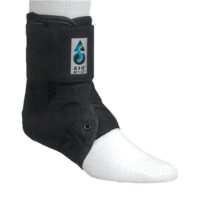
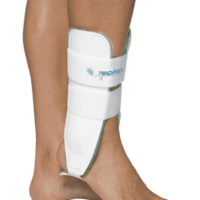
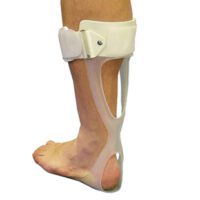
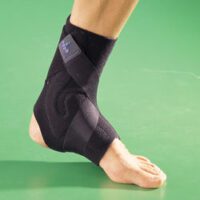
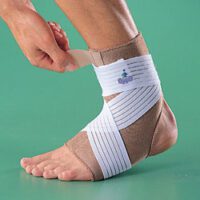
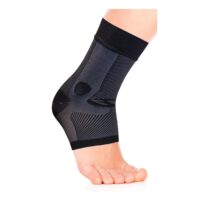
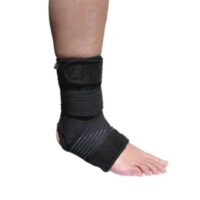
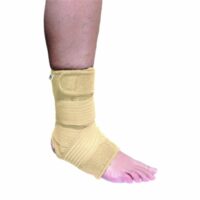
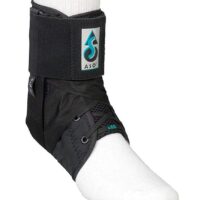
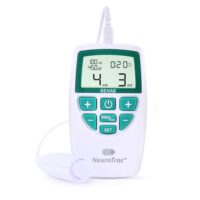
These ankle products are commonly used by our physiotherapists to improve ankle pain, strength, balance, proprioception, endurance and flexibility, plus assist home exercise programs.