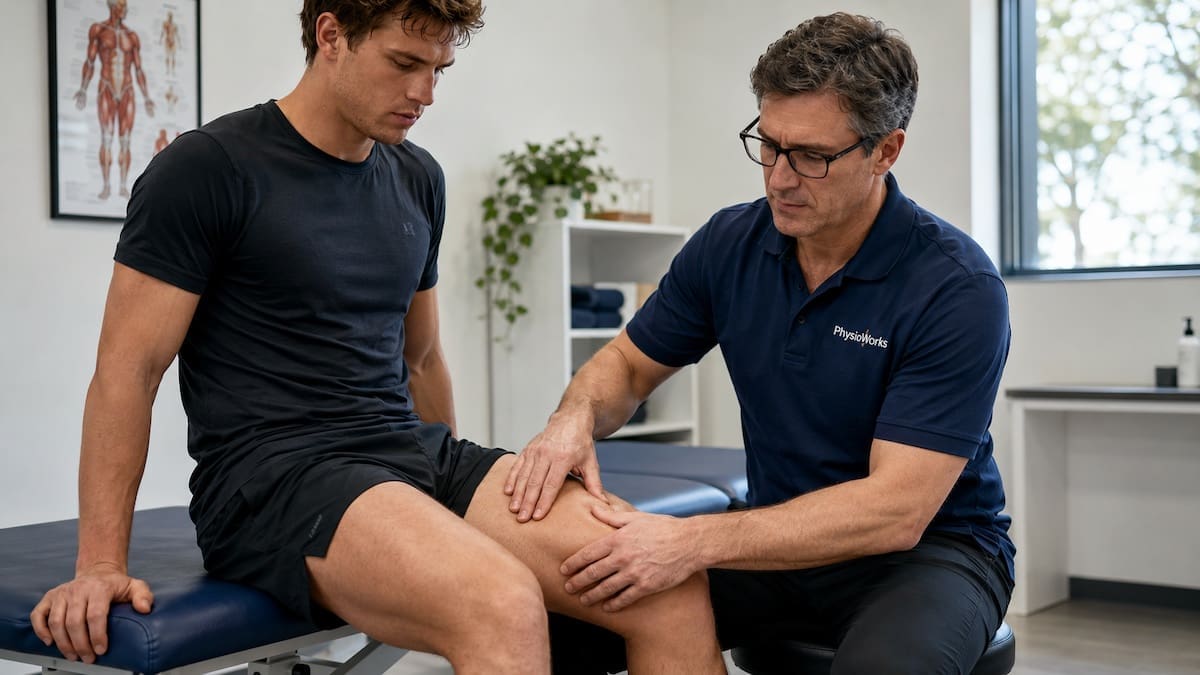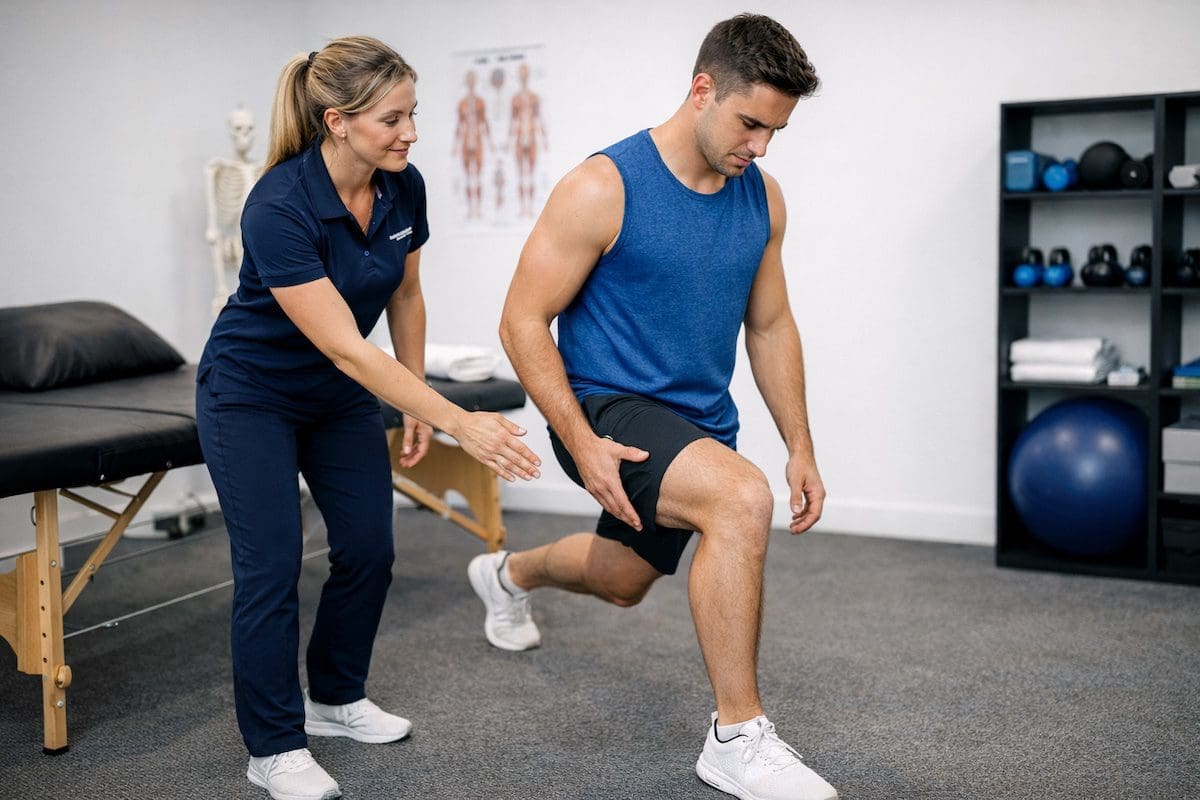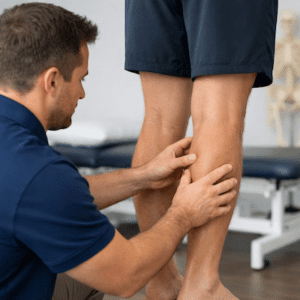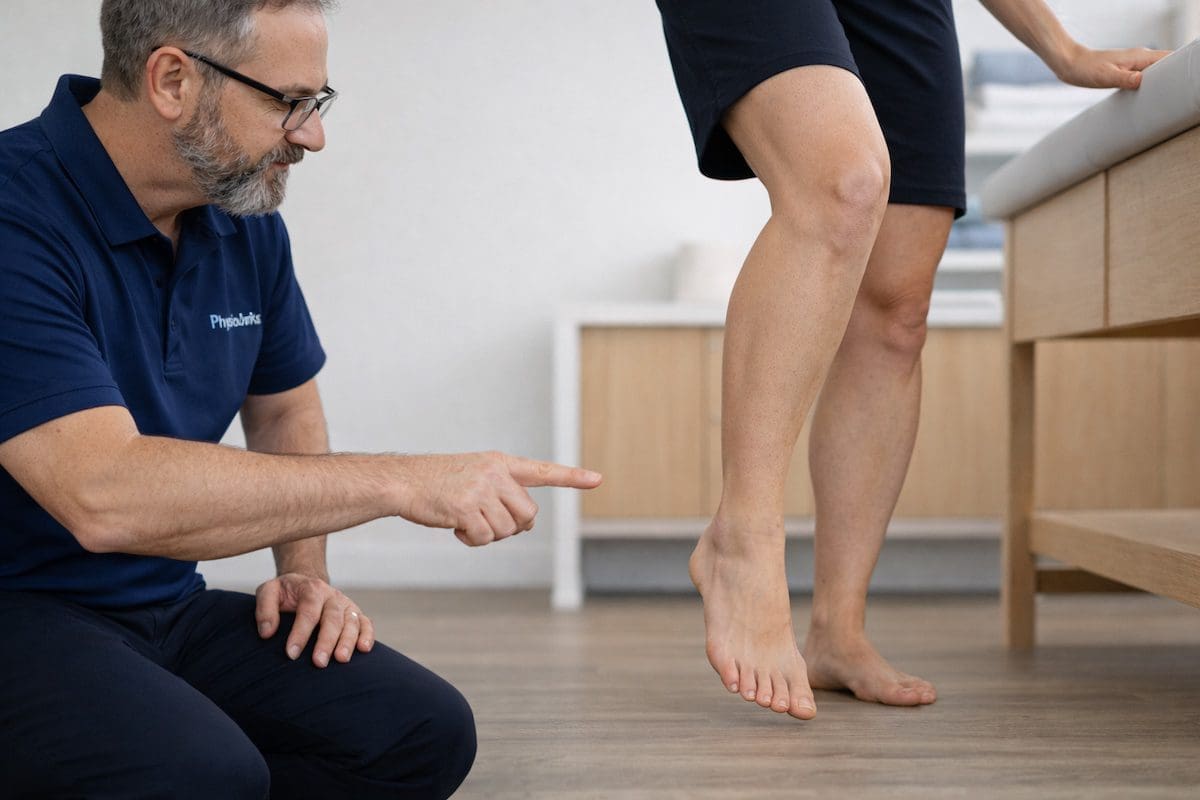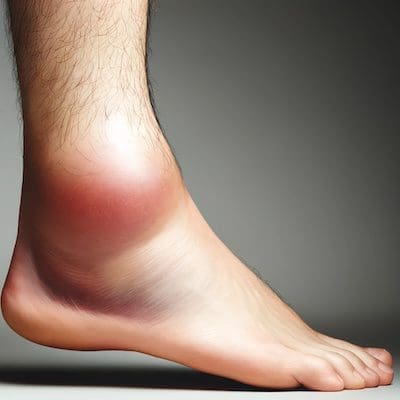
FAQs

Frequently Asked Questions


What Causes Foot, Ankle & Heel Pain?

Foot, ankle and heel pain can come from joints, ligaments, tendons, muscles, nerves, bone stress, growth-related issues, or simple overload. This page helps you quickly work out the most likely pain pathway, which PhysioWorks article to read next, and when to seek a professional assessment.

If your symptoms are broad or unclear, start with our main guides to foot pain, ankle pain, and heel pain. Then move into the more specific pages below for sprains, plantar fasciitis, Achilles tendinopathy, shin splints, balance issues, and children’s heel pain.

Quick symptom guide

Use this guide if you are not sure where to start.

Pain location decision tree

Where is your pain mainly located?

What causes foot, ankle and heel pain?

Foot, ankle and heel pain usually develops because of overload, reduced strength, a sudden twist, repetitive sport, poor balance, footwear issues, growth-related stress, or irritation of nearby tendons, joints, nerves, or bones. Common examples include a sprained ankle, plantar fasciitis, Achilles tendinopathy, and shin splints.

Symptoms can also build when you suddenly increase walking, running, jumping, hills, or sport intensity. In many cases, the issue is not one major injury. Instead, it is a tissue that has been asked to handle more load than it can currently tolerate.

Clinical guidelines support careful assessment, gradual loading, and targeted rehabilitation for many common ankle sprains, heel pain conditions, and tendon problems. For a broader public-health overview, Healthdirect provides practical advice on foot care and common foot problems.

Which foot pain FAQs should you read first?

Read the foot section first if your symptoms are in the arch, forefoot, midfoot, or toes, or if standing and walking provoke pain more than ankle twisting does. These pages help you work out whether the issue is more likely related to loading, footwear, soft tissue irritation, or movement habits.

Typical foot pain clues: arch pain, forefoot pain, pain with standing, sore first steps, pain after long walks, or footwear-related aggravation.

Which ankle injury FAQs are most useful?

The ankle section is best if you have swelling, bruising, a recent twist, pain with weight-bearing, or a repeated feeling that the ankle gives way. These pages focus on ligament injury, ankle support, strapping, instability, and recovery planning.

Typical ankle injury clues: swelling, bruising, tenderness on the outside of the ankle, rolling injuries, reduced confidence on uneven ground, or recurring ankle sprains.

What heel pain FAQs should you check?

Heel pain often comes from the plantar fascia, Achilles tendon, or other structures that absorb load during walking and running. Morning pain, pain after rest, and pain that builds through activity are common clues that help narrow the pathway.

Typical heel pain clues: pain with first steps in the morning, pain after sitting, soreness under the heel, or pain at the back of the heel during running and jumping.

Where should you start for Achilles or shin pain?

Achilles or shin pain often develops with running, jumping, hills, sprinting, or a sudden jump in training load. Start here if pain sits through the tendon at the back of the heel or along the shin during or after exercise.

What about youth injuries, balance, and recurrent ankle rolling?

Children and teenagers often need a different pathway because growth-related heel pain and activity-related leg pain are common. Balance and proprioception pages are also useful if you keep rolling your ankle or feel unsteady after an old injury.

When should you worry about foot, ankle or heel pain?

You should seek prompt advice if you cannot weight-bear, have major swelling or bruising, notice deformity, develop pins and needles or numbness, or your pain keeps returning. It is also wise to get checked if heel pain lasts more than a few weeks, ankle sprains keep recurring, or sport pain is stopping normal training.

Common foot, ankle and heel pain FAQs

Is foot, ankle or heel pain always caused by an injury?

No. Foot, ankle and heel pain can come from overload, stiffness, tendon irritation, poor footwear, training errors, balance problems, growth-related issues, or an old injury that never fully settled. Sometimes the main problem is repeated stress rather than one single traumatic event.

What causes heel pain first thing in the morning?

First-step heel pain often points towards plantar fascia irritation, although Achilles tendon issues and other heel structures can also contribute. Morning symptoms are common when tissues stiffen overnight and react again once you start walking.

How do you know if an ankle sprain needs treatment?

An ankle sprain often needs treatment if you have swelling, bruising, pain with weight-bearing, reduced confidence on uneven ground, or repeated episodes of rolling. Guided rehabilitation is especially helpful when symptoms linger or stability does not return.

Can children get heel pain?

Yes. Active children commonly develop heel pain from growth-related loading problems such as Sever’s disease. Symptoms often appear during sport, running, or jumping and may ease with rest, load modification, and a structured treatment plan.

Can physiotherapy help foot, ankle and heel pain?

Physiotherapy may help by identifying the painful structure, improving mobility and strength, guiding load progression, and helping you return to walking, work, or sport. Many people also benefit from footwear advice, taping, balance retraining, and progressive exercise.

What should you do if pain keeps coming back?

Recurring pain usually means the area has not fully regained strength, tolerance, balance, or control. Recurrent symptoms deserve a closer assessment, especially after repeated ankle sprains, stubborn heel pain, or ongoing Achilles symptoms.

Related articles

  1. Sprained Ankle Treatment & Recovery Guide
  2. Ankle Pain: Effective Management and Treatment Options
  3. Plantar Fasciitis
  4. Achilles Tendinopathy
  5. Ankle Strapping
  6. Heel Pain

What to do next

If you are not sure which article best matches your symptoms, start with the broadest body-region page first, then move into the specific condition page that best matches your pain pattern. That usually makes it much easier to work out whether your symptoms look more like a foot, ankle, heel, Achilles, shin, or balance problem.

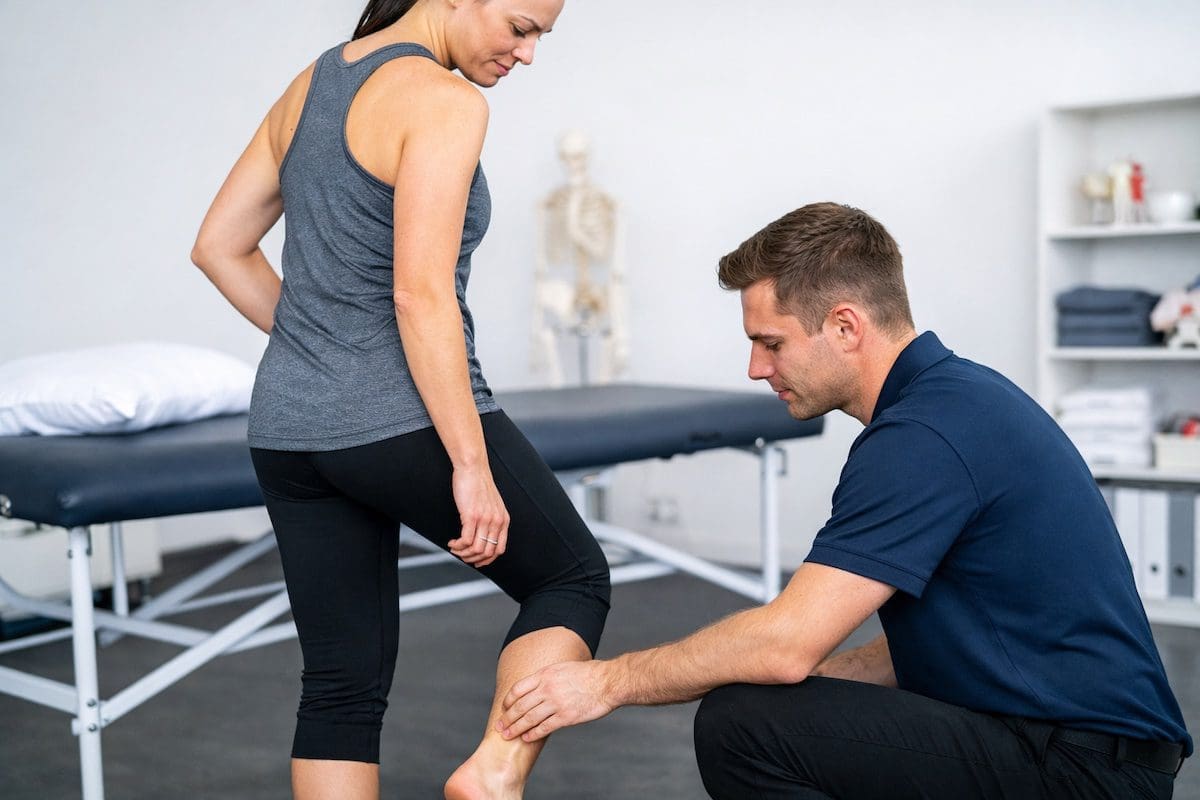
If your symptoms are persistent, worsening, or affecting walking, work, or sport, book an assessment with a PhysioWorks physiotherapist. A structured assessment can help narrow the cause and guide the most useful next steps.

Helpful supports and self-management options

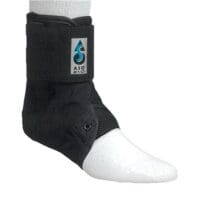
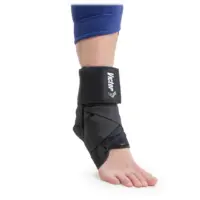
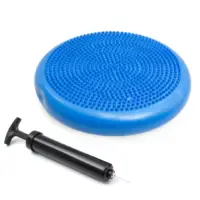
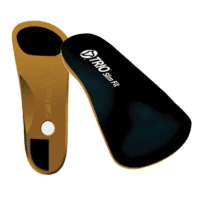
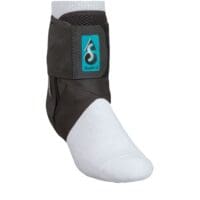
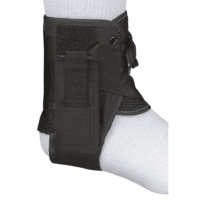
Depending on your condition, helpful options may include taping, braces, shoe inserts, massage balls, and guided exercise tools. These products work best when matched to the right diagnosis and treatment stage.

Book your appointment – 24/7

Choose your preferred PhysioWorks clinic and book online.

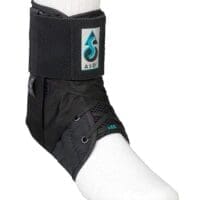
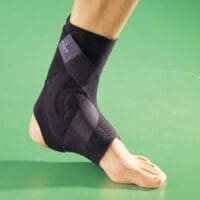
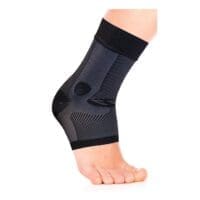
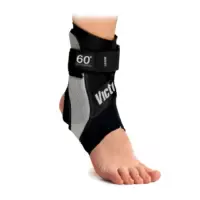
Ankle Products

These ankle products are commonly used by our physiotherapists to improve ankle pain, strength, balance, proprioception, endurance and flexibility, plus assist home exercise programs.

View all ankle products

Follow PhysioWorks

Get free physiotherapy tips, exercise videos, recovery advice, and blog updates.

Facebook Instagram YouTube B X Email PhysioWorks

References

  1. Martin RL, Davenport TE, Paulseth S, et al. Ankle stability and movement coordination impairments: lateral ankle ligament sprains revision 2021. J Orthop Sports Phys Ther. 2021;51(4):CPG1-CPG80. doi:10.2519/jospt.2021.0302
  2. Koc TA Jr, Bise CG, Neville C, Carreira D, Martin RL. Heel pain - plantar fasciitis: revision 2023. J Orthop Sports Phys Ther. 2023;53(12):CPG1-CPG39. doi:10.2519/jospt.2023.0303
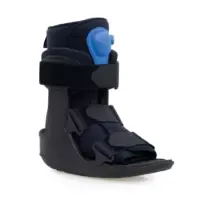
  3. Pillay J, Riva JJ, Squires JE, et al. Falls prevention interventions for community-dwelling older adults: systematic review and meta-analysis of benefits, harms, and patient values and preferences. Syst Rev. 2024;13(1):289. doi:10.1186/s13643-024-02681-3

Heel Pain Causes

Common reasons your heel hurts and when to get it checked.

Heel pain causes assessed with plantar heel palpation during physiotherapy examination

Assessing plantar heel pain causes

Heel pain causes can range from common overload problems such as plantar fasciitis and Achilles tendinopathy through to stress fractures, nerve irritation, arthritis, and children’s growth-related heel pain. For a broader overview, visit our heel pain guide.

The best starting point is the exact location and behaviour of your pain. Pain under the heel often points towards plantar heel pain. Pain at the back of the heel may involve the Achilles tendon, heel bone insertion, or a nearby bursa. Sometimes the source can also come from the foot, ankle, lower leg, or a nearby nerve.

Quick answer: Under-heel pain is often linked with plantar heel pain, while back-of-heel pain may involve the Achilles tendon or nearby bursa. Burning, tingling, night pain, marked swelling, or trouble weight-bearing needs earlier assessment.

What are the most common heel pain causes?

The most common heel pain causes include plantar fasciitis, heel spur irritation, Achilles tendinopathy, retrocalcaneal bursitis, Sever’s disease in children, stress fractures, and, less often, nerve irritation or inflammatory joint conditions. The likely cause usually depends on where the pain sits, what loads aggravate it, and whether you also notice swelling, stiffness, numbness, limping, or pain at rest.

Quick guide: where is your heel pain?

Heel pain location gives useful clues. It does not confirm a diagnosis on its own, but it helps narrow the most likely structures involved.

Pain location Common possibilities Common pattern
Under the heel Plantar fasciitis, plantar heel pain, heel spur irritation Sharp first-step pain after rest
Back of the heel Achilles tendinopathy, insertional Achilles irritation, retrocalcaneal bursitis Pain with running, hills, stairs, calf raises, or shoe pressure
Inside heel or arch Tarsal tunnel syndrome, tendon overload, nerve irritation Burning, tingling, numbness, or pain that spreads
Heel pain in children Sever’s disease Pain during growth spurts, often worse with running or jumping
Deep or worsening heel pain Foot stress fracture or broader stress fracture concern Progressive pain, pain with walking, or pain after a load spike

Common heel pain patterns

Heel pain becomes easier to sort through when you match the pain pattern to the likely structure involved. Pain with the first few steps in the morning often points towards plantar heel pain. Pain at the back of the heel during running, calf raises, or stairs may point more towards the Achilles tendon or the bursa near the heel bone.

Common signs may include:

  • pain under the heel with first steps after rest
  • pain at the back of the heel during running or calf loading
  • tenderness near the shoe line or Achilles insertion
  • heel pain in active children during growth spurts
  • pain that worsens after a sudden increase in walking, standing, or sport

Which heel pain cause matches your symptoms?

The sections below outline common heel pain causes. They are not a substitute for diagnosis, but they can help you decide whether your symptoms sound like a plantar fascia, Achilles tendon, bursa, nerve, bone stress, or children’s growth-related problem.

Plantar Fasciitis

Plantar fasciitis is one of the most common causes of pain under the heel. It often causes sharp pain with the first few steps in the morning or after sitting. Calf tightness, prolonged standing, walking volume changes, running load, and footwear changes can all contribute.

Heel Spur

Heel spurs are bony growths that may appear alongside plantar heel pain. However, a spur on imaging is not always the true pain source. Many people improve when treatment focuses on the irritated soft tissues, foot strength, load management, and footwear support rather than the X-ray finding alone.

Achilles Tendinopathy

Achilles tendinopathy often causes pain at the back of the heel or just above it. Symptoms usually build with running, jumping, hills, or repeated calf raises. Morning stiffness and soreness after activity are common.

Retrocalcaneal Bursitis

Retrocalcaneal bursitis causes irritation between the Achilles tendon and the heel bone. People often notice swelling, tenderness near the back of the heel, or pain where shoes rub. This can overlap with insertional Achilles problems.

Sever’s Disease

Sever’s disease is a common cause of heel pain in active children, especially during growth spurts. Running and jumping sports often aggravate it. Children may limp, complain after training, or feel pain when rising onto tiptoes.

Foot Stress Fracture or Bone Irritation

A foot stress fracture can also cause heel or foot pain, especially if pain is severe, progressive, or linked with a sudden rise in training load. Broader stress fracture patterns often behave differently from routine soft tissue overload and deserve earlier assessment if walking becomes difficult.

Nerve-Related Causes

Nerve irritation can mimic heel pain. Tarsal tunnel syndrome, a pinched nerve, or even sciatica may cause burning, tingling, numbness, or pain that does not behave like a typical plantar fascia or Achilles problem.

Inflammatory or Arthritic Causes

Less commonly, heel pain can relate to inflammatory or arthritic conditions such as rheumatoid arthritis, psoriatic arthritis, or broader ankle arthritis presentations. These cases often need a wider assessment, especially if symptoms are persistent, bilateral, or linked with other joint complaints.

Why does heel pain location matter?

The location of your heel pain helps narrow the likely cause. Pain under the heel often points towards plantar heel pain or a heel spur. Pain at the back of the heel may fit Achilles tendinopathy, insertional irritation, or retrocalcaneal bursitis. Medial or lateral heel pain may suggest tendon overload, nerve irritation, or foot mechanics issues. You may also find our foot pain and ankle pain pages helpful if your symptoms spread beyond the heel.

How is the cause of heel pain assessed?

A physiotherapist usually checks your pain location, walking pattern, calf strength, ankle movement, foot posture, footwear, and recent load changes. They may also test tenderness under the heel, the Achilles insertion, the heel bone, or the inside ankle region if nerve symptoms are present.

Assessment clues that matter:

  • whether pain is worse with first steps, running, stairs, or rest
  • whether symptoms sit under the heel, behind the heel, or near the arch
  • whether numbness, tingling, swelling, bruising, or limping is present
  • whether training, footwear, work demands, or growth spurts changed recently

When should heel pain be checked?

You should get heel pain checked if it keeps returning, limits walking, affects work or sport, or does not improve after a short period of sensible load reduction. Earlier assessment is also important if you have marked swelling, bruising, numbness, a limp, pain at rest, or difficulty weight-bearing.

For an external evidence-based overview of plantar heel pain management, the JOSPT guideline provides a useful summary of current best practice: Heel Pain - Plantar Fasciitis: Revision 2023.

Related heel, foot, and ankle conditions

Heel Pain Causes: FAQs

What is the most common cause of heel pain?

The most common cause of heel pain is often plantar fasciitis, especially when pain sits under the heel and is worse with the first few steps after rest. However, pain at the back of the heel may fit Achilles tendinopathy or retrocalcaneal bursitis instead, so the pain pattern still matters.

Can a heel spur cause pain on its own?

A heel spur can be linked with pain, but it is not always the true source of symptoms. Many people have a heel spur on imaging without pain. In practice, the surrounding soft tissues, load tolerance, calf tightness, and foot mechanics often matter more than the spur itself.

Why does my heel hurt more in the morning?

Morning heel pain is commonly linked with plantar heel pain, including plantar fasciitis. The tissues can feel stiff after rest, so the first few steps become sharp or tender. This pattern is less typical of nerve pain and can help separate plantar heel pain from some other heel problems.

What causes heel pain in children?

In active children, one of the most common causes is Sever’s disease, also called calcaneal apophysitis. It tends to appear during growth spurts and with running or jumping sports. Children may complain after training, limp, or feel pain when the heel is squeezed or loaded.

Can heel pain come from a nerve?

Yes. Heel pain can sometimes come from a nerve rather than the heel tissues themselves. Tarsal tunnel syndrome, a pinched nerve, or referred pain from sciatica may cause burning, tingling, numbness, or symptoms that do not behave like typical plantar fascia or Achilles pain.

Can shoes or training changes trigger heel pain?

Yes. A sudden change in shoes, walking volume, running load, hills, court sport, or standing time can trigger heel pain. This does not mean the shoe is always the only cause. It means the heel tissues may not have adapted to the new load yet.

When should I worry about heel pain?

You should take heel pain more seriously if it causes a marked limp, swelling, bruising, numbness, pain at rest, or difficulty weight-bearing. Pain that keeps returning or worsens despite rest also deserves a proper assessment, particularly when a stress fracture or tendon rupture needs to be ruled out.

What to do next

If your heel pain is not settling, the main priority is to identify which structure is overloaded and why. The location of the pain, the activities that aggravate it, and the way it behaves after rest all help guide the right diagnosis and treatment plan.

A physiotherapist can assess your heel, foot, ankle, calf strength, walking pattern, training load, and footwear factors. Early advice may help you avoid a longer cycle of recurring heel pain and repeated activity setbacks.

What to do now:

  • note whether the pain is under the heel or at the back of the heel
  • reduce aggravating walking, running, or jumping load for a few days
  • check your footwear, training changes, and morning stiffness pattern
  • book an assessment if symptoms persist, recur, or affect normal walking

Book your appointment – 24/7

Choose your preferred PhysioWorks clinic and book online.

Achilles & Heel Products

These Achilles and heel products are commonly used by our physiotherapists to improve strength, comfort, movement, and home exercise programs.

View all Achilles and heel products

Follow PhysioWorks

Get free physiotherapy tips, exercise videos, recovery advice, and blog updates.

Facebook Instagram YouTube B X Email PhysioWorks

References

  1. Koc TA Jr, Bise CG, Neville C, et al. Heel Pain - Plantar Fasciitis: Revision 2023. J Orthop Sports Phys Ther. 2023;53(12):CPG1-CPG39. doi:10.2519/jospt.2023.0303.
  2. Morrissey D, Cotchett M, Said JH, et al. Management of plantar heel pain: a best practice guide informed by a systematic review, expert clinical reasoning and patient values. Br J Sports Med. 2021;55(19):1106-1118. doi:10.1136/bjsports-2019-101970.
  3. Chen J, Ahn J, Mullen S, et al. Management of Insertional Achilles Tendinopathy. Orthop Clin North Am. 2022;53(2):221-232. doi:10.1016/j.ocl.2021.11.002.
  4. Kothari EA, Marshall C, Young TP. A Review of Pediatric Heel Pain. Cureus. 2023;15(2):e34937. doi:10.7759/cureus.34937.
  5. Tu P, Bytomski JR. Diagnosis of Heel Pain. Am Fam Physician. 2011;84(8):909-916.

How Do You Treat Achilles Tendinopathy?

Achilles tendinopathy assessment during standing calf loading test by physiotherapist

Achilles tendon assessment under load

Achilles tendinopathy is best assessed under load, with physiotherapists using weight-bearing tests to guide treatment.

Achilles tendinopathy treatment focuses on load management, progressive calf strengthening, and a gradual return to walking, running, or sport. Most cases improve when the tendon is loaded correctly rather than fully rested. The goal is to settle pain, rebuild tendon capacity, and improve how much load your Achilles tendon can handle.

In short: the best treatment combines reducing aggravating load and rebuilding strength through controlled exercise.

If you are also looking for a broader overview, see our main page on Achilles tendinopathy. This problem is also part of the wider calf pain and heel pain cluster, depending on exactly where your symptoms sit.

Quick Answer

Most Achilles tendinopathy treatment plans work best when they follow a simple progression:

  • reduce the loads that are flaring the tendon
  • start controlled calf-loading exercises
  • build strength and tendon capacity over time
  • return gradually to walking, running, or sport
  • Morning stiffness is common.
  • Pain often builds with hills, stairs, hopping, or running.
  • Mid-portion and insertional Achilles pain are managed slightly differently.
  • Exercise usually helps, but the dose matters.

Achilles tendinopathy treatment explained

Achilles tendinopathy is usually treated with a staged rehabilitation plan that reduces pain, improves calf strength, and gradually reloads the tendon. Most people do best with modified activity plus a progressive exercise program, rather than relying on rest, massage, or passive treatment alone.

Most successful rehab plans follow a clear loading progression:

Achilles Tendinopathy Treatment Pathway

Step 1

Reduce the activities that flare your tendon, such as hills, sprinting, jumping, or sudden training spikes.

Step 2

Begin controlled loading with calf exercises that match your pain level and tendon irritability.

Step 3

Build calf strength, endurance, and tendon capacity with gradual progression.

Step 4

Return to walking, running, and sport step by step once the tendon tolerates higher loads.

Treatment needs to match whether the problem is mid-portion Achilles tendinopathy or pain closer to the heel insertion. If your symptoms sit right at the heel attachment, you may also need to consider whether Achilles enthesopathy is part of the picture.

What is the first step in Achilles tendinopathy treatment?

The first step is to calm the tendon down without stopping all activity. That usually means reducing the loads that flare it, such as fast running, hill work, jumping, or repeated calf raises, while keeping enough movement to maintain strength and function.

This stage is often called load management. It does not mean doing nothing. Instead, it means choosing the right amount of activity for your current tendon capacity. Many people make better progress when they keep moving within tolerable limits rather than resting completely. For more on this approach, read why rest is not always best for tendon pain.

What exercises help Achilles tendinopathy?

The most helpful exercises are usually progressive calf-loading exercises. These may start with isometric holds or controlled heel raises, then progress to heavier slow resistance work, single-leg calf strength, and eventually hopping, running, or sport-specific drills when the tendon is ready.

Example Rehab Progression

  • Early stage: pain-calming load reduction, gentle isometric calf work, and controlled walking volume.
  • Building stage: double-leg then single-leg calf raises with steady progression.
  • Strength stage: heavier slow resistance work to improve tendon capacity.
  • Return stage: hopping, jogging, faster running, and sport-specific drills when tolerated.

Your physiotherapist will adjust the speed of this progression based on your pain response, strength, and activity goals.

The exact program depends on your pain irritability, strength, and goals. Insertional Achilles pain often needs modified exercise depth at first to avoid excessive compression at the heel. Mid-portion pain can often tolerate a broader loading range. If you are unsure whether your calf is also involved, see calf strain and tear for related symptoms.

Mid-portion vs insertional Achilles pain

These two presentations overlap, but they are not identical. Knowing which pattern you have helps guide the right exercise approach.

Feature Mid-portion Achilles Tendinopathy Insertional Achilles Tendinopathy
Usual pain location A few centimetres above the heel bone Right at the tendon attachment on the heel
Common aggravators Running, stairs, hopping, sudden load increases Heel compression, uphill work, deep calf stretching, rigid shoe pressure
Exercise note Often tolerates a fuller calf-raise range earlier Often needs modified range at first to reduce compression
Helpful supports Load management and strength progression Load management, footwear changes, and sometimes heel lifts

Do you need imaging for Achilles tendinopathy?

Most cases of Achilles tendinopathy can be diagnosed by a physiotherapist from your history, pain pattern, tendon tenderness, calf strength, and movement testing. Ultrasound or MRI is usually reserved for stubborn symptoms, unusual presentations, or when another diagnosis needs to be ruled out.

Clinical assessment is usually more important than imaging findings when guiding treatment decisions.

This matters because tendon scans do not always match pain levels. A tendon can look abnormal on imaging without being the main reason for symptoms. That is why your pain pattern, function, and response to loading often guide treatment more than the scan alone.

How can physiotherapy help Achilles tendinopathy?

Physiotherapy helps by identifying what is overloading your tendon, then building a treatment plan that matches your stage of recovery. This may include exercise progression, walking or running advice, calf strength testing, ankle mobility work, footwear guidance, and return-to-sport planning.

Hands-on treatment may help some people settle surrounding calf tightness or stiffness, but it should support rehabilitation rather than replace it. If you have general tendinopathy questions, this broader guide explains how tendon overload problems usually behave.

When should you worry about Achilles tendon pain?

You should get Achilles tendon pain checked if it is not improving, keeps flaring with normal walking or exercise, or is affecting your ability to work, train, or sleep.

A sudden pop, major weakness, bruising, or trouble pushing off your foot raises concern about an Achilles rupture, which needs urgent assessment.

An early review is also sensible if the pain is right at the heel, if swelling is marked, or if your symptoms are not following a clear recovery pattern. Persistent heel pain can also overlap with other conditions in the heel pain cluster.

Common treatment options for Achilles tendinopathy

  • Load modification: reduce aggravating activity without stopping all movement.
  • Progressive strengthening: build calf and tendon capacity over time.
  • Footwear or heel lifts: sometimes helpful in irritable stages or insertional pain.
  • Running or training changes: adjust hills, speed, volume, and frequency.
  • Mobility and movement work: improve ankle, calf, and lower-limb control where needed.
  • Return-to-sport progressions: add spring, plyometrics, and sport loads gradually.

Related articles

Achilles tendinopathy FAQs

Can Achilles tendinopathy heal without treatment?

Some mild cases may settle if you reduce aggravating load, but many people do not recover well with rest alone. A structured program usually gives you a better chance of improving pain, calf strength, and tendon capacity while reducing the risk of repeated flare-ups.

Is walking good for Achilles tendinopathy?

Walking is often helpful if it stays within tolerable pain limits. However, long walks, hills, or fast walking may still aggravate an irritable tendon. The goal is to keep useful activity in your week while adjusting volume and intensity to suit your current stage.

Are heel lifts helpful for Achilles tendinopathy?

Heel lifts may help some people, especially in more irritable phases or when insertional pain is aggravated by tendon compression. They are usually a short-term support rather than a full treatment on their own. Exercise and load progression still do the heavier lifting over time.

How long does Achilles tendinopathy take to improve?

Recovery time varies. Some people feel better over several weeks, while more stubborn cases take a few months of steady rehabilitation. Progress is usually not linear. Small flare-ups can happen, especially if activity increases faster than the tendon is ready for.

Should you stretch the Achilles tendon?

Stretching may help some people, but it is not the main treatment for most Achilles tendinopathy cases. It also needs care in insertional pain, where aggressive stretching into end range can increase compression near the heel. Strength and load progression are usually more important.

What should you avoid with Achilles tendinopathy?

Try to avoid pushing through sharp flare-ups, sudden training spikes, repeated hill running, or jumping loads that clearly worsen symptoms. Also avoid relying only on passive care while skipping your strengthening plan. The tendon usually needs well-dosed loading to recover properly.

What to do next

If your Achilles pain keeps returning, is limiting your walking or running, or is stopping you from getting back to sport, a physiotherapy assessment can help clarify the diagnosis and guide the right rehab stage. Treatment works best when it matches your symptoms, strength, and load tolerance.

At PhysioWorks, we can assess whether your pain fits mid-portion or insertional Achilles tendinopathy, identify contributing factors, and build a practical plan to help you return to activity with more confidence.

Book your appointment – 24/7

Choose your preferred PhysioWorks clinic and book online.

Calf Products

These calf products are commonly used by our physiotherapists to improve strength, provide comfort, improve flexibility, plus assist home exercise programs.

View all calf products

Follow PhysioWorks

Get free physiotherapy tips, exercise videos, recovery advice, and blog updates.

Facebook Instagram YouTube B X Email PhysioWorks

References

  1. Silbernagel KG, Hanlon S, Sprague A. Current Clinical Concepts: Conservative Management of Achilles Tendinopathy. J Athl Train. 2020;55(5):438-447. doi:10.4085/1062-6050-356-19.
  2. Maetz R, Dubé MO, Tougas A, Prudhomme F, Dubois B, Roy JS. Systematic Review and Meta-analyses of Randomized Controlled Trials Comparing Exercise Loading Protocols With Passive Treatment Modalities or Other Loading Protocols for the Management of Midportion Achilles Tendinopathy. Orthop J Sports Med. 2023;11(5):23259671231171178. doi:10.1177/23259671231171178.
  3. Demangeot Y, O'Neill S, Degache F, et al. Exercise Parameters to Consider for Achilles Tendinopathy: A Modified Delphi Study With International Experts. Br J Sports Med. 2025;59(19):1337-1349. doi:10.1136/bjsports-2025-110183.
  4. Judd A, et al. UK Defence Rehabilitation Review of Achilles and Patellar Tendinopathy Conservative Management: A Systematic Review. BMJ Mil Health. 2025. Published online ahead of print.

Shin Pain Causes, Treatment & Injury Rehab

Physiotherapist palpating mid tibia to assess shin pain and tibial stress injury

Targeted shin pain assessment

Shin pain is a common lower-leg problem, especially in runners, active adults, and people who have recently increased their training load. Although many people assume it is just shin splints, shin pain can also relate to bone stress, tendon overload, muscle strain, or compartment syndrome. It also overlaps closely with running injuries, where repeated impact and training errors often load the lower leg too quickly.

In most cases, shin pain starts when the tissues in the lower leg are asked to do more than they can currently tolerate. A physiotherapist can assess whether your symptoms are more consistent with shin splints, a tibial stress fracture, tendon irritation, muscle injury, or pain referred from elsewhere such as sciatica.

What causes shin pain?

Shin pain usually develops when repeated lower-leg load exceeds the tissue’s current capacity. Common causes include shin splints, bone stress injury, tendon overload, muscle strain, compartment syndrome, and less commonly referred nerve pain or systemic conditions.

  • Diffuse inner shin ache with running or jumping
  • Sharp or localised point pain over the tibia
  • Tightness, cramping, or pressure with exercise
  • Pain after training spikes, hills, or harder surfaces
  • Symptoms linked with footwear, recovery, or technique changes

What are the most common shin pain causes?

The most common shin pain causes are shin splints, bone stress injuries, tendon overload, muscle strain, and exercise-related compartment pressure. The pain pattern, exact location, and aggravating activities help narrow down which structure is most likely involved.

Shin splints

Shin splints usually cause a broad aching pain along the shin, often after running, jumping, or sudden increases in training. This problem commonly reflects overload of the tissues attaching around the tibia rather than a single traumatic injury.

Bone stress injuries

A tibial stress fracture or bone stress injury tends to cause more localised tenderness and often hurts more with impact, hopping, or everyday walking. This needs earlier assessment because management differs from shin splints and longer rest from impact may be required.

Tendon and muscle overload

Shin pain can also arise from nearby tendons and muscles, especially when the lower leg is overloaded. This includes tibialis posterior tendinopathy, calf muscle tear, muscle strain, DOMS, and muscle cramps.

Pressure or nerve-related causes

Exercise-related tightness, pressure, or cramping that settles with rest may point towards compartment syndrome. Burning, tingling, or spreading symptoms may also come from nerve irritation such as sciatica.

If you want a broader lower-limb overview, see our guides to leg pain and calf pain.

How do you know if shin pain is serious?

Shin pain is more concerning when it becomes very localised, hurts with normal walking, worsens despite rest, or causes night pain. These signs may suggest bone stress injury or another problem that needs earlier assessment.

Signs you should get shin pain checked sooner

  • One exact tender point on the shin bone
  • Pain that lingers after exercise or hurts with walking
  • Night pain or pain at rest
  • Pain with hopping or impact drills
  • Rapid worsening after only a small training increase

How is shin pain diagnosed?

Physiotherapist assessing shin pain with tibia palpation along anterior lower leg

Targeted shin pain assessment

Shin pain is diagnosed by combining your symptom history, training load, pain location, and a physical assessment. A physiotherapist looks for signs of bone stress, tendon overload, muscle injury, mobility loss, strength deficits, and running or loading errors.

Your assessment may include:

  • pain mapping along the tibia and lower leg
  • walking, hopping, and single-leg loading tests
  • ankle, calf, and foot strength checks
  • review of footwear, surfaces, and recent training changes
  • screening for referred symptoms from the back or nerve system

In some cases, imaging may be recommended when a bone stress injury is suspected or symptoms are not behaving like a simple overload pattern.

How can physiotherapy help shin pain?

Physiotherapy for shin pain aims to identify the pain source, reduce aggravation, rebuild lower-leg capacity, and guide a graded return to sport or exercise. Good rehab usually combines load management, strength work, movement correction, and progressive impact exposure.

Treatment may include temporary reduction of aggravating load, calf and foot strengthening, ankle mobility work, running or walking progression, taping or support advice, and technique or footwear review. If your symptoms relate more to a muscle injury or sub-acute lower-leg issue, a staged rehab plan similar to sub-acute soft tissue injury management may help.

For recurring overload patterns, a physiotherapist may also use principles from exercise load management, gait analysis, or running analysis to guide a safer return to impact.

For a general Australian overview, Healthdirect also provides public health information about shin splints.

Common shin pain treatment options

The best shin pain treatment depends on the diagnosis. Many people improve with the right combination of relative rest, guided exercise, and a gradual return to activity rather than complete inactivity for long periods.

When should you seek help for shin pain?

You should seek help for shin pain if symptoms are worsening, becoming more localised, or stopping you from walking, running, or training normally. Early assessment may help distinguish overload from bone stress injury and shorten the path back to activity.

If your pain is mild and settles quickly after activity, a short period of load reduction may be enough. If it keeps returning, shifts from diffuse to focal, or spreads with nerve-like symptoms, it is worth getting it checked properly.

Common Questions About Shin Pain

What are the first signs of shin splints?

The first signs of shin splints often include a dull ache along the shin during or after running, jumping, or hill work. Early on, the pain may ease during rest but return when training load increases again. The pain is usually broader and less pinpoint than a tibial stress fracture.

How do I know if shin pain is a stress fracture?

Stress fracture pain is usually more focal and easier to point to with one finger. It often hurts more with impact, hopping, or walking, and may stay painful after exercise rather than settling quickly. Night pain, rest pain, or increasing tenderness over a small spot are stronger reasons to get assessed sooner.

Can you still run with shin pain?

Some mild overload-related shin pain can settle with a short reduction in running volume and intensity. However, you should stop impact and seek review if pain becomes sharp, localised, or lasts into everyday walking. Running through more serious bone stress pain can slow recovery.

Does footwear matter for shin pain?

Footwear can matter when it changes how load is distributed through your lower leg. Worn shoes, abrupt footwear changes, or shoes that do not match your current training demands may contribute to shin pain in some people. However, shoes are usually only one part of the bigger load-management picture.

How long does shin pain take to improve?

Recovery time depends on the diagnosis and how early you modify load. Mild overload cases may settle over a few weeks, while bone stress injuries or longer-standing symptoms often take much longer and need a more cautious progression. Earlier assessment often helps reduce delays and repeated flare-ups.

Can tight calves cause shin pain?

Tight or overloaded calf muscles can contribute to shin pain by changing how force is transferred through the lower leg. Calf stiffness often sits alongside weakness, reduced ankle mobility, or training spikes rather than acting alone. Rehab usually works better when it also addresses strength, load, and running progression.

Can compartment syndrome feel like shin splints?

Yes. Exercise-related compartment syndrome can sometimes feel similar early on, especially when pain builds with repeated running or impact. However, compartment syndrome more often causes pressure, tightness, cramping, or altered sensation that settles after rest, rather than the broader aching pattern commonly seen with shin splints.

What to do next

If shin pain is interfering with walking, running, sport, or gym training, the next step is to reduce the aggravating load and get the problem assessed properly. The earlier you identify whether the issue is shin splints, bone stress, tendon overload, or another lower-leg condition, the easier it is to choose the right rehab plan.

You should book an assessment sooner if the pain is very localised, hurts with hopping or walking, wakes you at night, or keeps returning each time you increase training. Those patterns are more likely to need a more specific diagnosis and a more cautious return-to-impact plan.

A physiotherapist can help you work out the source of your shin pain, guide treatment, and plan a safer return to activity.

Physiotherapy patient walking confidently in shoes and shorts with normal pain-free movement

Confident walking in shoes after recovery

With the right diagnosis, load management, and rehab progression, many people can return to comfortable walking, running, and sport with more confidence.

Book your appointment – 24/7

Choose your preferred PhysioWorks clinic and book online.

Ankle Products

These ankle products are commonly used by our physiotherapists to improve ankle pain, strength, balance, proprioception, endurance and flexibility, plus assist home exercise programs.

View all ankle products

Follow PhysioWorks

Get free physiotherapy tips, exercise videos, recovery advice, and blog updates.

Facebook Instagram YouTube B X Email PhysioWorks

References

  1. Winters M. The diagnosis and management of medial tibial stress syndrome: An evidence update. Unfallchirurg. 2020;123 Suppl 1:15-19. doi:10.1007/s00113-019-0667-z
  2. Winters M, Bakker EWP, Moen MH, Barten CC, Teeuwen R, Weir A. Medial tibial stress syndrome can be diagnosed reliably using history and physical examination. Br J Sports Med. 2018;52(19):1267-1272. doi:10.1136/bjsports-2016-097037
  3. Fallon K. Shin pain in athletes. Aust J Gen Pract. 2023.

Common Causes of Ankle Pain and Injuries

Physiotherapist assessing lateral ankle ligament injury with gentle inversion test for ankle pain diagnosis

A physiotherapist assesses the lateral ankle ligaments during movement testing for ankle pain.

Ankle pain is most commonly caused by ligament sprains, tendon injuries, joint irritation, or ankle arthritis. These problems can develop suddenly after a twist, fall, or sporting injury, or gradually with overuse. Persistent symptoms may relate to Achilles tendinopathy, impingement, poor foot mechanics, or inflammatory arthritis.

This page explains the common causes of ankle pain, the signs that may suggest a more serious injury, and when physiotherapy or medical review may help. Early assessment can speed recovery, reduce re-injury risk, and guide you towards the right treatment plan.

Common Causes of Ankle Pain at a Glance

What is the most common cause of ankle pain?

The most common cause of ankle pain is a ligament sprain, especially a lateral ankle sprain on the outside of the joint. This often happens when the foot rolls inwards during sport, running, or uneven walking. Symptoms may include swelling, bruising, stiffness, and ankle instability.

Common ankle pain symptoms

Common ankle pain symptoms include swelling, bruising, stiffness, pain with walking, reduced ankle movement, and a feeling of weakness or instability. Sudden symptoms after a twist often suggest a sprain or fracture, while gradual pain may point to a tendon, joint, or overload problem.

Common causes of ankle pain

Common causes of ankle pain usually fall into four broad groups: ligament injuries, tendon injuries, joint irritation, and longer-term arthritic or inflammatory conditions. The exact cause often depends on how the pain started, where it is located, and whether symptoms are sudden, gradual, or linked to walking, sport, or standing.

1. Sprained ankles and syndesmosis injuries

Sprained ankles are among the most frequent ankle injuries. A typical lateral ankle sprain affects the ligaments on the outer side of the ankle, while a high ankle sprain or syndesmosis injury involves the ligaments higher between the shin bones. These injuries can range from mild stretching to more significant tearing and often cause pain, swelling, and difficulty walking.

2. Ankle tendinopathies

Tendon pain often builds more gradually and may worsen with running, jumping, stairs, or long walks. Common tendon-related causes include Achilles tendinopathy, peroneal tendinopathy, and tibialis posterior tendinopathy. These conditions are often linked to overuse, training errors, calf weakness, foot posture, or a sudden rise in load.

3. Joint impingement and bursitis

Ankle pain can also come from structures becoming pinched or irritated during movement. Anterior ankle impingement often hurts when the ankle bends up, while posterior ankle impingement may hurt when pointing the foot down. Retrocalcaneal bursitis can cause pain and swelling around the back of the heel.

4. Ankle arthritis and inflammatory conditions

Ankle arthritis often causes deeper joint pain, stiffness, reduced motion, and symptoms that may worsen after activity or first thing in the morning. Inflammatory causes such as rheumatoid arthritis, psoriatic arthritis, or gout may also affect the ankle and can produce warmth, swelling, and flare-ups.

5. Biomechanical contributors

Sometimes ankle pain is driven or worsened by how forces move through the foot and ankle. Problems such as flat feet, calf tightness, poor balance, or reduced ankle mobility can increase stress on ligaments, tendons, and joints. In these cases, treatment usually needs to address both the painful tissue and the load pattern causing it.

Ankle pain comparison table

Condition Pain pattern Common cause Typical signs
Sprained ankle Sharp, sudden Rolling or twisting injury Swelling, bruising, instability
Achilles or peroneal tendinopathy Aching, gradual Overuse or load increase Stiffness, worse with activity
Ankle impingement Pinching pain Repeated compression at the joint Pain at end-range ankle movement
Ankle arthritis Deep, stiff, persistent Joint wear, old injury, inflammation Morning stiffness, reduced motion
Fracture or severe injury Severe, immediate Fall, twist, collision Unable to weight bear, marked swelling

Early treatment can reduce recovery time and lower the risk of ongoing ankle instability.

When should you worry about ankle pain?

You should take ankle pain more seriously if you cannot weight bear, swelling is severe, the ankle looks deformed, or the pain has not settled after several days. Ongoing symptoms may suggest a fracture, significant ligament injury, tendon tear, or inflammatory joint problem.

  • Severe swelling or bruising
  • Unable to walk or hop
  • Pain that persists beyond a week
  • Repeated giving way or ankle instability
  • Pain with fever, redness, or sudden unexplained swelling
Barefoot heel pain assessment with physiotherapist observing Achilles tendon during standing test

A physiotherapist observes Achilles loading and foot posture during a barefoot standing test.

How is ankle pain diagnosed?

Ankle pain is diagnosed by combining your history, the injury mechanism, the exact pain location, and a physical examination. A physiotherapist may assess swelling, ligament tenderness, tendon loading, balance, walking, and joint movement. If a fracture or significant structural injury is suspected, imaging may also be recommended.

If your pain is severe, you cannot weight bear, or symptoms last more than a week, Healthdirect’s ankle pain guide also recommends medical review. This is especially important when a fracture, infection, inflammatory arthritis, or tendon rupture is possible.

How can physiotherapy help ankle pain?

Physiotherapy may help by identifying the exact source of your ankle pain, reducing unnecessary rest, and guiding the right mix of protection, mobility, strength, balance, and return-to-activity planning. Treatment may include taping, exercise progression, load management, footwear advice, and hands-on treatment where appropriate.

For some people, support strategies such as ankle strapping, calf strengthening, balance retraining, and gradual return to sport can reduce re-injury risk. For others, the key issue is not the ankle alone, but a broader foot, calf, or whole lower limb loading problem.

Common Causes of Ankle Pain FAQs

Can ankle pain go away on its own?

Mild ankle pain from a minor sprain or overload episode can settle with relative rest, sensible activity modification, and gradual return to movement. However, if pain keeps returning, walking remains difficult, or the ankle feels unstable, assessment is worthwhile because untreated ligament or tendon problems can linger.

How do I know if I have a torn ankle ligament?

A torn ankle ligament often causes more swelling, bruising, and loss of confidence than a mild sprain. You may feel a sudden twist, hear or feel a pop, and struggle to walk normally afterwards. A physiotherapy or medical assessment helps determine the severity and whether imaging is needed.

Is walking good for ankle pain?

Walking can help some ankle problems, especially when symptoms are mild and improving. However, walking may aggravate a fracture, severe sprain, irritated tendon, or inflamed joint if you do too much too soon. The safest guide is whether walking increases swelling, limping, or next-day pain.

Can flat feet cause ankle pain?

Flat feet can contribute to ankle pain because altered foot posture may change how load moves through the ankle and lower leg. This can place extra stress on structures such as the tibialis posterior tendon, Achilles tendon, or the ankle joint itself, especially during longer periods of standing or walking.

How long does ankle pain take to heal?

Recovery time depends on the cause. A mild ankle sprain may settle within a few weeks, while tendon problems, higher-grade ligament injuries, or ankle arthritis usually take longer. Persistent swelling, instability, or pain beyond expected healing time often means the condition needs a more targeted rehabilitation plan.

What should you do if ankle pain is getting worse?

If ankle pain is getting worse, reduce aggravating activity and arrange an assessment rather than pushing through. Worsening pain can point to a more significant ligament injury, tendon overload, joint irritation, or an unrecognised fracture. Early review often prevents a short-term problem becoming a longer-term one.

What to do next

If your ankle pain is recent, severe, or stopping you from walking normally, seek early assessment. If the pain is persistent, recurrent, or linked to sport, work, or standing, a physiotherapist can help identify the exact cause and build a practical treatment plan.

The right diagnosis matters. A simple sprain, tendon problem, impingement, or arthritis flare can all feel similar at first, yet each needs a different approach. Early treatment may help you recover faster and move with more confidence.

Book your appointment – 24/7

Choose your preferred PhysioWorks clinic and book online.

Ankle Products

These ankle products are commonly used by our physiotherapists to improve ankle pain, strength, balance, proprioception, endurance and flexibility, plus assist home exercise programs.

View all ankle products

Follow PhysioWorks

Get free physiotherapy tips, exercise videos, recovery advice, and blog updates.

Facebook Instagram YouTube B X Email PhysioWorks

References

  1. Doherty C, Delahunt E, Caulfield B, Hertel J, Ryan J, Bleakley C. The incidence and prevalence of ankle sprain injury: a systematic review and meta-analysis of prospective epidemiological studies. Sports Med. 2014;44(1):123-140. doi:10.1007/s40279-013-0102-5.
  2. Martin RL, Davenport TE, Fraser JJ, et al. Ankle stability and movement coordination impairments: lateral ankle ligament sprains revision 2021. J Orthop Sports Phys Ther. 2021;51(4):CPG1-CPG80. doi:10.2519/jospt.2021.0302.
  3. Silbernagel KG, Hanlon S, Sprague A. Current clinical concepts: conservative management of Achilles tendinopathy. J Athl Train. 2020;55(5):438-447. doi:10.4085/1062-6050-356-19.
  4. Ankle pain — pain when walking. Healthdirect Australia. Accessed April 19, 2026.

How Do You Know If Your Ankle Is Sprained?

sprained ankle

How do you know if your ankle is sprained? A sprained ankle usually causes pain, swelling, bruising, and difficulty walking after the foot twists or rolls. It is one of the most common causes of ankle pain, especially during sport, stepping awkwardly, or walking on uneven ground.

Most ankle sprains affect the outer ankle ligaments. However, some injuries involve the ligaments higher between the shin bones, which is called a high ankle sprain. This page explains the common signs, how ankle sprains happen, and when you should seek professional help.

Common Signs of a Sprained Ankle

A sprained ankle often has a clear injury moment. Many people feel the ankle roll, twist, or give way, followed by immediate pain.

  • Swelling around the ankle, often on the outside
  • Bruising that may appear within hours or over the next day
  • Pain when standing, walking, or changing direction
  • Tenderness when pressing on the ligaments
  • Reduced ankle movement or stiffness
  • A feeling of instability or poor balance
  • Sometimes a popping sensation at the time of injury

These symptoms can vary from a mild stretch injury to a more significant ligament tear. If the pain is severe or you cannot walk, the injury may be more than a simple sprain.

What Is a Sprained Ankle?

A sprained ankle is a ligament injury caused by the ankle moving beyond its normal range. The most common pattern is the foot rolling inward, which stresses the ligaments on the outside of the ankle. This is often called a lateral ankle sprain.

Some people injure the ligaments higher up between the tibia and fibula. These injuries are known as high ankle sprains. They can take longer to settle and may be more common in contact sports or twisting injuries.

How Do You Know If Your Ankle Is Sprained or Broken?

It is not always easy to tell the difference without an assessment. Sprains usually cause swelling, bruising, and pain over the ligaments. A fracture may cause more severe pain, marked tenderness over the bone, inability to walk, or pain that does not fit the usual ligament pattern.

If you cannot take four steps, have strong pain directly over the ankle bones, or the swelling is severe, you may need imaging. The Healthdirect guidance on sprains and strains is a useful general reference, but a physiotherapist or doctor can assess whether you may need further investigation.

Common Causes of a Sprained Ankle

Ankle sprains often happen during sport, running, jumping, landing awkwardly, or walking on uneven ground. They can also occur in everyday situations such as missing a step, slipping, or wearing unstable footwear.

Risk may be higher if you have had a previous ankle sprain, poor balance, reduced calf strength, or limited ankle mobility. Recurrent sprains can sometimes lead to chronic ankle instability.

What Should You Check Straight After an Ankle Injury?

Start by checking whether you can walk, how quickly swelling appears, and where the pain sits. Ligament tenderness on the outside of the ankle is common with a sprain. Pain high above the ankle joint may suggest a high ankle sprain. Pain more in the foot can overlap with problems such as a foot sprain or another foot injury.

You should also look for bruising, reduced range of motion, and whether the ankle feels unstable. These details help guide early treatment and assessment.

When Should You Worry About a Sprained Ankle?

You should seek prompt assessment if you cannot walk properly, if pain is worsening, if swelling is severe, or if the ankle looks deformed. Ongoing instability, repeated giving way, or symptoms that do not improve over several days also deserve attention.

Persistent swelling or recurrent ankle rolling may point to ligament laxity, poor balance control, or chronic ankle instability. Early management often helps reduce recovery time and improve long-term ankle control.

How Is a Sprained Ankle Treated?

Early management usually includes relative rest, compression, elevation, and gradual return to comfortable movement. A physiotherapist may guide you with pain control, swelling reduction, ankle mobility exercises, calf and lower leg strengthening, and balance retraining.

Rehabilitation is important because the ankle needs more than pain relief. It also needs strength, joint control, and confidence restored. This is one reason why acute injury treatment and progressive rehabilitation matter after an ankle sprain.

How Long Does a Sprained Ankle Take to Heal?

Mild ankle sprains may settle in a couple of weeks, while moderate or severe ligament injuries can take much longer. Recovery depends on the grade of injury, how quickly rehabilitation begins, and whether the ankle regains normal strength and balance.

If symptoms linger, or if you keep spraining the same ankle, a guided rehab program may help reduce the risk of future setbacks. For some people, adding balance improvement exercises plays an important role in recovery.

Frequently Asked Questions

Can you still walk with a sprained ankle?

Yes, some people can still walk with a mild sprained ankle, but it is usually painful and limited. If you cannot bear weight or walking is very difficult, the injury may be more severe or may involve a fracture.

Does bruising always mean the ankle is sprained?

No. Bruising is common with a sprained ankle, but it can also occur with fractures and other soft tissue injuries. Bruising helps suggest tissue damage, but it does not confirm the exact structure involved.

What is the difference between a low ankle sprain and a high ankle sprain?

A low ankle sprain usually affects the ligaments on the outside of the ankle after the foot rolls inward. A high ankle sprain involves the ligaments between the shin bones and often causes pain above the ankle joint.

Can a sprained ankle lead to long-term problems?

Yes. Without proper rehabilitation, some people develop repeated sprains, poor balance, and ongoing instability. That is why restoring strength and control matters, not just waiting for pain to settle.

Should I see a physio for a sprained ankle?

If symptoms are moderate, persistent, or recurrent, physiotherapy can help assess ligament injury severity, improve recovery, and lower the risk of future ankle sprains.

Related Articles

  1. Sprained Ankle
  2. Swollen Ankle
  3. Ankle Pain
  4. Acute Injury Treatment
  5. High Ankle Sprain
  6. Chronic Ankle Instability
  7. Sports Injuries
  8. Balance Improvement

What to Do Next

If you suspect a sprained ankle, early assessment can help clarify whether the ligaments, bones, or nearby joints have been injured. A physiotherapist can assess swelling, ligament tenderness, movement, walking ability, and ankle stability.

Targeted rehabilitation may help reduce pain, restore mobility, and improve balance so the ankle is better prepared for everyday activity, work, and sport.

References

  1. Doherty C, Delahunt E, Caulfield B, Hertel J, Ryan J, Bleakley C. The incidence and prevalence of ankle sprain injury: a systematic review and meta-analysis of prospective epidemiological studies. Br J Sports Med. 2017;51(2):113-121. doi:10.1136/bjsports-2016-096178
  2. Vuurberg G, Hoorntje A, Wink LM, et al. Diagnosis, treatment and prevention of ankle sprains: update of an evidence-based clinical guideline. Br J Sports Med. 2018;52(15):956. doi:10.1136/bjsports-2017-098106
  3. Martin RL, Davenport TE, Fraser JJ, et al. Ankle stability and movement coordination impairments: lateral ankle ligament sprains revision 2021 clinical practice guidelines. J Orthop Sports Phys Ther. 2021;51(4):CPG1-CPG80. doi:10.2519/jospt.2021.0302

Book your appointment – 24/7

Choose your preferred PhysioWorks clinic and book online.

Ankle Products

These ankle products are commonly used by our physiotherapists to improve ankle pain, strength, balance, proprioception, endurance and flexibility, plus assist home exercise programs.

View all ankle products

Follow PhysioWorks

Get free physiotherapy tips, exercise videos, recovery advice, and blog updates.

Facebook Instagram YouTube B X Email PhysioWorks

Common Ankle Ligament Injuries

physiotherapist assessing ankle joint mobility with passive movement during ankle injury examination

Ankle joint assessment during physiotherapy

Common ankle ligament injuries usually happen after the foot rolls, twists, or lands awkwardly. The most common injury is a lateral ankle sprain affecting the outer ankle ligaments, while a high ankle sprain involves the ligaments above the ankle joint. These injuries often cause pain, swelling, bruising, and reduced confidence with walking or sport.

If you have rolled your ankle, early assessment can help separate a straightforward sprain from a more significant ligament injury, fracture risk, or another cause of ongoing ankle pain. Good diagnosis and progressive rehabilitation may help reduce the risk of repeated sprains, stiffness, and long-term instability.

Common signs of ankle ligament injuries

  • pain after rolling or twisting the ankle
  • swelling or bruising around the joint
  • pain with walking, stairs, running, or sport
  • a feeling that the ankle may give way
  • pain higher above the ankle in some sprains

What are common ankle ligament injuries?

Common ankle ligament injuries affect the soft tissues that stabilise the ankle during walking, landing, and change of direction. The most common pattern is a lateral ankle sprain affecting the anterior talofibular ligament, calcaneofibular ligament, or both. Less often, the stronger deltoid ligament on the inside of the ankle is injured, while a high ankle sprain affects the syndesmosis between the tibia and fibula and often takes longer to settle.

  • Lateral ligament injuries: usually occur when the foot rolls inwards and stress the outer ankle.
  • Deltoid ligament injuries: affect the inner ankle and are less common, but can be more significant.
  • Syndesmosis injuries: involve the ligaments above the ankle joint and are often called high ankle sprains.

What causes common ankle ligament injuries?

Most common ankle ligament injuries happen after a twist, roll, awkward landing, sudden change of direction, or contact in sport. Previous sprains, reduced ankle strength, poor balance, and returning to sport too early can all increase your risk. If the ankle stays painful or unstable, related problems such as anterior ankle impingement or a repeat sprained ankle may also need review.

Which ankle ligaments are most often injured?

The anterior talofibular ligament is the most commonly injured ankle ligament. It often gets injured first during a lateral ankle sprain, especially when the foot points down and rolls in. More force can then involve the calcaneofibular ligament, while the posterior talofibular ligament is less commonly injured.

Ankle anatomy in simple terms

The main ankle joint joins the tibia, fibula, and talus. Below it sits the subtalar joint, which helps the foot adapt to the ground. Ligaments connect these bones and help control excessive movement, especially during walking, landing, cutting, and change of direction.

How do you know whether it is a low or high ankle sprain?

A low ankle sprain usually causes pain and swelling around the outside of the ankle. A high ankle sprain often causes pain above the ankle joint, especially with twisting, walking, or pushing off. If you are unsure, pages such as how do you know if your ankle is sprained? and common causes of ankle pain can help explain the difference.

Low vs high ankle sprain

  • Low ankle sprain: pain and swelling usually sit around the outside of the ankle.
  • High ankle sprain: pain often sits higher above the ankle joint and may feel worse with twisting or pushing off.
  • Recovery: high ankle sprains often take longer than a typical lateral sprain.

Common symptoms of common ankle ligament injuries

Symptoms depend on which ligament is involved and how severe the injury is. Mild sprains may mainly cause local tenderness and swelling, while more severe injuries can make weight-bearing hard and leave the ankle feeling unstable.

  • pain on the outside or inside of the ankle
  • swelling and bruising
  • pain with walking, running, or stairs
  • tenderness over the injured ligament
  • a feeling that the ankle may give way
  • pain higher above the ankle in syndesmosis injuries

How are common ankle ligament injuries diagnosed?

A physiotherapist will usually assess how the injury happened, where your pain sits, how much swelling you have, and whether you can walk. They will also test ligament tenderness, ankle movement, loading tolerance, and balance. If your symptoms suggest a fracture, severe syndesmosis injury, or another structural problem, imaging may be recommended.

If you want broad public-health advice on early care, Healthdirect’s guide to sprained ankle management is a useful reference.

Lateral ankle ligament assessment with physiotherapist palpating anterior talofibular ligament

Lateral ankle ligament assessment

Why are ankle ligament injuries sometimes misdiagnosed?

Common ankle ligament injuries can overlap with fractures, tendon injuries, joint impingement, cartilage irritation, or syndesmosis injuries. A high ankle sprain may be missed when all ankle sprains are treated the same. Ongoing pain after an apparently simple sprain may also point to a ligament tear, persistent instability, or another ankle diagnosis that needs more specific rehabilitation.

How can physiotherapy help common ankle ligament injuries?

Physiotherapy for common ankle ligament injuries usually starts by calming pain and swelling, protecting the ankle where needed, and helping you regain comfortable walking. Rehabilitation then progresses to mobility, calf and ankle strength, balance, landing control, and sport-specific loading. This staged approach matters because good rehab may reduce the risk of repeated sprains and chronic instability.

Early stage focus

Early rehabilitation usually focuses on settling pain and swelling, restoring safe weight-bearing, and regaining comfortable ankle movement. Advice on load modification, strapping, bracing, or walking support may also help during this phase.

Progressive rehab focus

As symptoms improve, rehabilitation shifts toward calf and ankle strength, balance, direction change control, landing mechanics, and graded return to running or sport. This progression is important because returning too early can increase the risk of repeated sprains.

Concussion return to sport balance test performed by athlete with physiotherapist assessment

Balance training to improve ankle stability

Typical physiotherapy treatment may include

  • advice on early load modification and safe activity
  • manual therapy where stiffness is limiting motion
  • ankle and calf strengthening
  • balance and proprioception training
  • strapping or bracing advice when appropriate
  • graded return-to-running or return-to-sport planning

Why do ankle sprains keep recurring?

Ankle sprains often recur when swelling settles but strength, balance, and landing control have not fully returned. Some people also regain walking before they regain ankle stability, which increases the risk of rolling the ankle again during sport, uneven ground, or fast changes of direction.

How does balance training help reduce reinjury risk?

Balance training helps your ankle respond faster to sudden movement and improves control through the foot and lower leg. This type of rehabilitation is especially helpful after lateral ankle sprains because it may reduce repeated giving way, improve confidence, and support a safer return to activity.

Is this ankle injury right for physiotherapy?

If your ankle is painful, swollen, or feels unstable after a roll or twist, physiotherapy may help guide your recovery. Early assessment can help confirm the injury type and reduce the risk of long-term instability or repeated sprains.

When should you seek help for an ankle ligament injury?

You should get your ankle assessed if you cannot comfortably take a few steps, the swelling is severe, the pain is high above the ankle, the ankle keeps giving way, or symptoms are not improving over the first week. It is also worth reviewing repeated sprains, because ongoing instability can contribute to longer-term ankle pain and reduced confidence with sport.

Related ankle injury pages

FAQs about common ankle ligament injuries

What is the most common ankle ligament injury?

The most common ankle ligament injury is a lateral ankle sprain, usually affecting the anterior talofibular ligament on the outside of the ankle.

How long do ankle ligament injuries take to heal?

Mild injuries may improve over a few weeks, while more significant sprains and high ankle sprains often take longer. Recovery depends on swelling, pain, stability, and whether strength and balance are restored properly.

Can you walk on a torn ankle ligament?

Sometimes you can, especially with a mild or moderate sprain. However, pain, swelling, and instability may still mean the ligament is injured and the ankle needs assessment and a graded recovery plan.

What is the difference between a low and high ankle sprain?

A low ankle sprain affects the ligaments around the outside of the ankle joint. A high ankle sprain affects the ligaments between the tibia and fibula above the ankle and often causes pain higher up.

Do ankle ligament injuries heal without surgery?

Many do. Most ankle ligament injuries improve with good assessment, appropriate protection, and progressive rehabilitation. Surgery is usually reserved for selected severe injuries or persistent instability that does not respond well to conservative care.

Why does my ankle keep rolling after a sprain?

Repeated rolling can happen when strength, balance, landing control, or confidence have not fully returned. Persistent instability after a sprain should be reassessed.

What to do next

If you think you have injured your ankle ligaments, an early assessment can help clarify whether it is a straightforward sprain, a high ankle sprain, or another ankle injury. A physiotherapist can guide pain control, movement, strength, balance, and your safe return to work, walking, exercise, or sport.

Running during football after ankle injury recovery with physiotherapist observing progress

Return to football after ankle injury

Book your appointment – 24/7

Choose your preferred PhysioWorks clinic and book online.

Ankle Products

These ankle products are commonly used by our physiotherapists to improve ankle pain, strength, balance, proprioception, endurance and flexibility, plus assist home exercise programs.

View all ankle products

Follow PhysioWorks

Get free physiotherapy tips, exercise videos, recovery advice, and blog updates.

Facebook Instagram YouTube B X Email PhysioWorks

References

  1. Wagemans J, Bleakley C, Taeymans J, Schurz AP, Kuppens K, et al. Exercise-based rehabilitation reduces reinjury following acute lateral ankle sprain: A systematic review update with meta-analysis. PLoS One. 2022;17(2):e0262023. doi:10.1371/journal.pone.0262023
  2. Guo Y, Cheng T, Yang Z, Huang Y, Li M, Wang T. A systematic review and meta-analysis of balance training in patients with chronic ankle instability. Syst Rev. 2024;13(1):64. doi:10.1186/s13643-024-02455-x
  3. Mugno AT, Constant D. Recurrent Ankle Sprain. In: StatPearls [Internet]. Treasure Island (FL): StatPearls Publishing; 2026.

Common Causes of Foot Pain

Article by John Miller & Erin Runge

Foot pain can come from joints, tendons, nerves, bones, or loading problems.

Common causes of foot pain include overuse injuries, tendon problems, nerve irritation, arthritis, and changes in foot biomechanics. Foot pain can affect walking, running, work, and daily comfort, so identifying the likely source early helps guide the right treatment and next steps.

Many cases relate to local structures in the foot, while others link to nearby regions such as the ankle, calf, or lower back. If you are unsure where your symptoms fit, start with our foot pain hub and related pages on heel pain, ankle pain, and calf pain.

Physiotherapist assessing foot pain through arch and ankle movement testing

Foot pain often starts during simple daily movements such as standing or walking.

Early foot pain may feel like stiffness, aching, sharp loading pain, or discomfort when you first get moving after rest.

Common signs linked to foot pain

  • Pain with walking, running, or standing
  • Morning stiffness or first-step pain
  • Swelling, bruising, or local tenderness
  • Burning, tingling, or numbness
  • Pain that worsens with load or certain shoes

What are the common causes of foot pain?

The common causes of foot pain include soft tissue irritation, tendon overload, nerve irritation, joint degeneration, poor loading tolerance, and traumatic injury. The exact cause often depends on where the pain sits, what activities aggravate it, and whether symptoms began gradually or after a specific incident.

Some causes affect the heel or arch, while others affect the forefoot, midfoot, toes, or ankle region. Below are some of the more common contributors.

Foot injuries

Tendon injuries

Bone and growth-related causes

Ligament and traumatic ankle injuries

Degenerative and inflammatory causes

Biomechanical and nerve-related causes

Systemic contributors

Physiotherapist assessing foot pain through arch and ankle movement testing

A physiotherapy assessment helps identify the most likely source of foot pain.

Assessment may include walking analysis, foot loading tests, joint movement checks, strength testing, and footwear review.

What do these causes of foot pain mean for you?

Foot pain can range from mild irritation to a more persistent problem that affects walking, work, exercise, or sport. Short-term symptoms sometimes settle with load reduction, footwear changes, and simple care, but ongoing or worsening pain often suggests a more specific issue that needs targeted treatment.

The exact location of your symptoms matters. Heel pain may point towards plantar fasciopathy, pain behind the ankle may relate to Achilles tendinopathy, and forefoot pain may fit conditions such as metatarsalgia or Morton’s neuroma.

When should you be concerned about foot pain?

You should be more concerned about foot pain if it lasts more than one to two weeks, becomes sharper with walking, causes swelling, or limits your ability to bear weight. These patterns can indicate a more persistent tendon, joint, nerve, or bone issue.

Signs you should get foot pain checked

  • Pain lasting longer than 1–2 weeks
  • Sharp or worsening pain when walking
  • Swelling, bruising, or marked tenderness
  • Difficulty standing or weight-bearing
  • Numbness, tingling, or burning pain
  • Pain stopping sport, work, or daily activity

Not sure what is causing your foot pain? A physiotherapy assessment can help identify the likely source of symptoms and guide the right treatment plan.

How is the cause of foot pain diagnosed?

The cause of foot pain is usually diagnosed through a combination of symptom history, foot and ankle examination, walking assessment, and loading tests. Imaging is not always needed, but it can help when a fracture, significant joint injury, or stubborn symptoms are suspected.

A physiotherapist may also assess nearby regions such as the calf, ankle, knee, and lower back because symptoms sometimes refer into the foot. General information on allied health assessment is also available through Healthdirect’s physiotherapy overview.

How can physiotherapy help foot pain?

Physiotherapy for foot pain may help by identifying the structure involved, reducing aggravating loads, improving strength and mobility, and guiding your return to normal activity. Treatment often includes activity modification, manual therapy, footwear advice, taping, exercise, and gradual loading strategies.

For active people, related training factors also matter. If symptoms began with increased mileage or higher impact activity, pages on running injuries and lower-limb loading patterns may also help.

Foot and ankle manual therapy treatment by physiotherapist in clinic setting

Manual therapy for foot and ankle pain

Hands-on physiotherapy techniques may help reduce foot pain, improve joint movement, and support your recovery.

Related foot pain information

What should you do next for foot pain?

If your foot pain is not settling, is affecting walking, or keeps returning, getting the right diagnosis is the best next step. Early assessment can help you understand what is driving the pain and what treatment is most likely to help.

Your physiotherapist can guide you on activity modification, footwear, exercises, and when you may need further investigation.

Patient walking comfortably with physiotherapist guidance during recovery session

Confident, pain-free walking recovery

Targeted treatment can help restore comfortable walking, confidence, and activity.

Book your appointment – 24/7

Choose your preferred PhysioWorks clinic and book online.

Ankle Products

These ankle products are commonly used by our physiotherapists to improve ankle pain, strength, balance, proprioception, endurance and flexibility, plus assist home exercise programs.

View all ankle products

Follow PhysioWorks

Get free physiotherapy tips, exercise videos, recovery advice, and blog updates.

Facebook Instagram YouTube B X Email PhysioWorks

Common foot pain FAQs

What is the most common cause of foot pain?

Common causes of foot pain include plantar fasciopathy, tendon overload, forefoot irritation, nerve irritation, arthritis, and footwear or loading problems. The most likely cause depends on the location of symptoms and what activities aggravate them.

Why does foot pain hurt more when walking?

Foot pain often worsens with walking because walking increases load through the heel, arch, forefoot, and ankle. If tissues are irritated or overloaded, each step can increase compression, tension, or impact stress.

Can foot pain come from the ankle or back?

Yes. Some foot pain comes from nearby structures such as the ankle, calf, or lower back. Nerve-related pain, altered walking mechanics, and referred symptoms can all contribute to foot discomfort.

When should I worry about foot pain?

You should be more concerned if foot pain is worsening, lasts beyond one to two weeks, causes swelling, stops you weight-bearing, or affects daily activity. These signs suggest you should arrange an assessment.

Can physiotherapy help foot pain?

Yes. Physiotherapy may help foot pain by identifying the likely cause, reducing aggravating loads, improving strength and mobility, and guiding a gradual return to walking, work, exercise, or sport.

Do I need a scan for foot pain?

Not always. Many causes of foot pain can be identified clinically. However, scans may be useful when a fracture, significant joint problem, or persistent symptoms are suspected.

References

  1. Morrissey D, Cotchett M, Said J'Bari A, et al. Management of plantar heel pain: a best practice guide informed by a systematic review, expert clinical reasoning and patient values. Br J Sports Med. 2021;55(19):1106-1118. doi:10.1136/bjsports-2019-101970
  2. Barton CJ, Bonanno D, Menz HB. Development and evaluation of a tool for the assessment of footwear characteristics. J Foot Ankle Res. 2009;2:10. doi:10.1186/1757-1146-2-10
  3. Trojian T, Tucker AK. Plantar Fasciitis. Am Fam Physician. 2019;99(12):744-750.
  4. Aicale R, Tarantino D, Maffulli N. Overuse injuries in sport: a comprehensive overview. J Orthop Surg Res. 2018;13(1):309. doi:10.1186/s13018-018-1017-5

When Should You Worry About Foot and Ankle Pain?


Foot and ankle pain weight-bearing arch assessment by physiotherapist

Assessing foot and ankle loading

Foot and ankle pain should worry you when it is severe, follows a clear injury, stops you walking properly, or does not improve with sensible early care. It can come from simple overload, a sprained ankle, tendon irritation, arthritis, plantar fascia pain, or a more serious problem such as a fracture. For broader background, start with our guides to foot pain and ankle pain.

You should act sooner if the area is hot, red, increasingly swollen, unstable, painful over the bone, or painful at night. Pain that keeps flaring with running, jumping, or long walks can also suggest a bone stress injury rather than a simple strain.

Quick Signs You Should Get Checked

  • You cannot walk properly for four steps.
  • Your foot or ankle looks deformed or badly swollen.
  • You have sharp bony tenderness after a twist, fall, or landing injury.
  • The joint feels hot or red, or you also have a fever.
  • Pain keeps returning, worsens at night, or flares with impact loading.

What Does Foot and Ankle Pain Usually Mean?

Foot and ankle pain usually means one or more tissues are irritated, overloaded, injured, or inflamed. Common examples include ligament sprains, tendon overload, joint irritation, plantar fasciitis, arthritis, or a foot stress fracture. The likely cause depends on where the pain sits, how it started, and what makes it worse.

Side-of-ankle pain after a roll often points towards a ligament injury. Heel pain with first steps may fit heel pain patterns such as plantar fascia irritation or Achilles-related problems. Pain across the midfoot after a twist or heavy landing needs a closer look because injuries such as a Lisfranc injury can be missed early.

Is This Foot or Ankle Pain Serious?

Usually monitor it at home if pain is mild, you can still walk, swelling is light, and symptoms improve over a few days.

Book a physiotherapy assessment soon if pain affects walking, keeps returning, follows sport or training load, or is not improving as expected.

Seek urgent medical review if you cannot weight-bear, the area looks deformed, the joint is hot and red, or the pain followed a significant injury and feels severe.

When Should You Worry About Foot and Ankle Pain?

You should worry about foot and ankle pain if it is severe, limits walking, follows a significant injury, or does not settle as expected. You should also act sooner if the area is hot, red, increasingly swollen, unstable, or painful directly over bone rather than mainly through soft tissue.

Seek urgent medical review if you suspect a fracture, dislocation, infection, or Achilles rupture. Healthdirect can also help Australians decide where to seek care if they are unsure, but severe injury, deformity, or urgent medical symptoms need prompt medical attention.

Foot and Ankle Pain Severity Guide

Mild

Pain is noticeable but manageable. You can still walk, swelling is minor, and symptoms settle with reduced activity, good footwear, and simple self-care.

Moderate

Pain affects walking, stairs, exercise, or work tasks. Swelling, stiffness, or weakness lasts more than a few days. This level usually deserves a physiotherapy review.

Severe

Pain is sharp, intense, or worsening. You cannot weight-bear properly, the area is badly swollen or deformed, or symptoms suggest fracture, rupture, or infection. This level needs urgent medical assessment.

Common Causes of Foot and Ankle Pain

Common causes of foot and ankle pain include ligament sprains, tendon injuries, joint irritation, overload from walking or sport, arthritis, plantar fascia pain, and bone stress injuries. A clear injury often points towards a sprain or fracture. Gradually worsening pain can fit tendon overload or stress fracture patterns.

Sprain vs Fracture vs Stress Fracture

Sprain: often follows a twist or roll, causes swelling and bruising around the joint, and tends to hurt most with movement and walking.

Fracture: is more likely after a stronger injury, with marked bony tenderness, heavier swelling, and difficulty weight-bearing.

Stress fracture: often builds gradually, feels localised over bone, and worsens with repeated loading such as running, jumping, or long walks.

Do You Need an X-ray for Foot or Ankle Pain?

You may need an X-ray when a fracture is reasonably suspected after an acute injury. The Ottawa Ankle Rules help guide whether imaging is appropriate after a recent ankle or midfoot injury, rather than ordering scans for every sprain.

For ankle injuries, an X-ray is usually considered when there is pain in the malleolar zone plus one of the following:

  • bone tenderness along the back edge or tip of the lateral malleolus
  • bone tenderness along the back edge or tip of the medial malleolus
  • inability to bear weight for four steps both immediately and at assessment

For foot injuries, an X-ray is usually considered when there is midfoot pain plus one of the following:

  • bone tenderness at the base of the fifth metatarsal
  • bone tenderness at the navicular
  • inability to bear weight for four steps both immediately and at assessment

An X-ray is less reliable for early stress fractures, so persistent bony pain may need further review even if an initial X-ray is clear. Persistent load-related pain should not be ignored.

What Are the Red Flags for Foot and Ankle Pain?

Red flags include deformity, severe swelling, inability to walk, sudden calf or heel pain with a pop, a hot or feverish joint, or pain that is severe and worsening rather than gradually settling. These patterns can suggest fracture, dislocation, infection, Achilles rupture, or another more serious injury.

If you have swelling with redness and fever, or the ankle feels obviously unstable after trauma, arrange urgent medical assessment. If the pain developed gradually but is sharp, localised over bone, and worsens with impact, consider a bone stress injury rather than “just a strain”.

Can You Keep Walking on Foot and Ankle Pain?

Yes, sometimes. You can usually keep gentle walking if pain stays mild, your limp does not worsen, and symptoms settle after activity.

Reduce load if pain increases during the walk, changes your gait, or leaves you worse later that day.

Stop and get checked if you cannot walk four steps, the pain is sharp over bone, or the ankle feels unstable after injury.


Foot and ankle pain balance exercise with physiotherapist checking control

Rebuilding ankle and foot control

How Is Foot and Ankle Pain Treated?

Treatment depends on the cause, stage, and severity of the problem. Many people improve with a combination of load modification, manual therapy, exercise rehabilitation, taping or bracing, footwear advice, and a graded return to walking, work, or sport.

For example, ankle pain physiotherapy often includes mobility work, calf and lower-leg strengthening, balance training, and confidence rebuilding. Broader physiotherapy treatment may also include hands-on care, diagnosis clarification, and a structured plan for recovery.

Who Should You See for Foot or Ankle Pain?

A physiotherapist is a sensible first step for many foot and ankle pain presentations, especially if you are unsure whether the problem is a sprain, tendon issue, overload injury, or something more significant. A physiotherapist can assess the pattern, guide early management, and tell you when medical imaging or medical referral may be needed.

In some cases, you may also need a GP, sports doctor, podiatrist, or orthopaedic opinion. That is more likely when the pain is severe, the diagnosis is unclear, symptoms keep recurring, or a fracture, infection, or surgical problem is suspected.

Top 6 FAQs About Foot and Ankle Pain

Is foot and ankle pain always a sprain?

No. A sprain is common, especially after a twist, but foot and ankle pain can also come from tendon overload, joint irritation, arthritis, plantar fascia pain, nerve irritation, or a fracture. The history, pain location, swelling pattern, and ability to load the leg help narrow it down.

How do you know if foot and ankle pain could be a fracture?

A fracture becomes more likely if you have bony tenderness, marked swelling, a clear traumatic mechanism, difficulty weight-bearing, or pain that feels deeper and sharper than a typical soft-tissue sprain. The Ottawa Ankle Rules help guide when imaging is worth considering after an acute injury.

Can physiotherapy help foot and ankle pain?

Yes, physiotherapy may help many causes of foot and ankle pain by clarifying the diagnosis, reducing irritation, improving movement, rebuilding strength, and progressing you back to walking or sport. It is especially useful when symptoms linger, keep returning, or are linked to weakness, stiffness, balance, or overload.

When should you stop sport or exercise?

You should reduce or stop impact loading if pain alters your walking, worsens during the session, spikes afterwards, or leaves you limping the next day. That does not always mean complete rest. It usually means changing the type, amount, or intensity of loading until the area calms down.

Is swelling always a sign of serious injury?

No. Swelling is common after ankle sprains and other soft-tissue injuries. However, heavy swelling with deformity, inability to walk, intense pain, or a hot red joint is more concerning and should be assessed sooner. The context matters more than the swelling alone.

Should you get an MRI for foot and ankle pain?

Not always. MRI is usually reserved for cases where the diagnosis remains unclear, symptoms do not follow the expected recovery path, or a stress fracture, tendon tear, cartilage injury, or more complex foot problem is suspected. Many common sprains and overload issues can be assessed well without early MRI.


Foot and ankle pain walking gait retraining with physiotherapist

Returning to comfortable walking

What to Do Next

If your foot and ankle pain is severe, keeps returning, or is not improving, book an assessment rather than guessing. Early review can help rule out more serious injury, explain what is driving your pain, and give you a plan that matches your work, walking, exercise, and sport goals.

If you are not sure where to start, see our symptoms search, foot pain, ankle pain, or how do you know if your ankle is sprained? guides for the next best step.

Book your appointment – 24/7

Choose your preferred PhysioWorks clinic and book online.

In some cases, temporary support such as braces, taping, or compression can help protect the area and improve confidence while you recover.

Ankle Products

These ankle products are commonly used by our physiotherapists to improve ankle pain, strength, balance, proprioception, endurance and flexibility, plus assist home exercise programs.

View all ankle products

Follow PhysioWorks

Get free physiotherapy tips, exercise videos, recovery advice, and blog updates.

Facebook Instagram YouTube B X Email PhysioWorks

References

  1. Gomes YE, Chau M, Banwell HA, Causby RS. Diagnostic accuracy of the Ottawa ankle rule to exclude fractures in acute ankle injuries in adults: a systematic review and meta-analysis. BMC Musculoskelet Disord. 2022;23(1):885. doi:10.1186/s12891-022-05831-7
  2. Expert Panel on Musculoskeletal Imaging, Smith SE, Chang EY, Ha AS, et al. ACR Appropriateness Criteria® Acute Trauma to the Ankle. J Am Coll Radiol. 2020;17(11S):S355-S366. doi:10.1016/j.jacr.2020.09.014
  3. Martin RL, Davenport TE, Fraser JJ, et al. Ankle Stability and Movement Coordination Impairments: Lateral Ankle Ligament Sprains Revision 2021. J Orthop Sports Phys Ther. 2021;51(4):CPG1-CPG80. doi:10.2519/jospt.2021.0302
  4. Paavana T, Rammohan R, Hariharan K. Stress fractures of the foot - current evidence on management. J Clin Orthop Trauma. 2024;50:102381. doi:10.1016/j.jcot.2024.102381

Common Youth Leg Injuries

Article by John Miller & Erin Runge
Common youth leg injuries in young athletes during running, jumping, and sport
Young athletes with common youth leg injuries

Common youth leg injuries usually involve growth plates, tendons, joints, or bone stress around the hip, knee, shin, heel, and ankle. Many start with repeated running, jumping, kicking, or fast growth rather than one major trauma. This guide helps parents, coaches, and young athletes recognise common patterns and find the right next step through our wider kids sports injuries and kids leg pain resources.

In growing athletes, leg pain often reflects a mix of training load, growth spurts, recovery habits, footwear, and movement control. Some problems settle quickly with guided load reduction, while others need earlier assessment to rule out more serious issues such as SCFE, Perthes disease, or a stress-related injury.

What is the most common youth leg injury?

The most common youth leg injuries are growth-related conditions such as Osgood-Schlatter disease at the knee and Sever’s disease at the heel, followed by overuse problems such as shin splints and ankle sprains. These issues often develop during growth spurts combined with running and jumping sports.

Quick signs to watch

  • pain that builds with sport, running, or jumping
  • limping during or after activity
  • swelling, tenderness, or pain over a growth plate
  • morning stiffness or pain after rest
  • pain that does not settle with a few days of lighter activity

What are common youth leg injuries?

Common youth leg injuries include growth-related knee pain, heel pain, hip conditions, ankle sprains, avulsion injuries, and overuse bone or tendon irritation. The most common patterns usually affect active children and teenagers during periods of rapid growth, especially when sport load rises faster than recovery.

At PhysioWorks, the most frequent youth lower-limb presentations include Osgood-Schlatter disease, Sinding Larsen Johansson syndrome, patellofemoral pain syndrome, Sever’s disease, avulsion injuries, and sprained ankles. Some young athletes also develop patella dislocation, meniscus injuries, or hip pain linked to growth and sport.

Common youth leg injuries by area

Youth leg injuries often cluster by body region. Looking at the pain location can help narrow the likely cause, although children can struggle to describe pain clearly, so a careful assessment still matters.

Where is the pain? Quick guide

  • Hip / groin: Perthes disease, SCFE, or avulsion injury
  • Front of knee: Osgood-Schlatter disease or Sinding Larsen Johansson syndrome
  • Around the kneecap: patellofemoral pain syndrome
  • Inner or deep knee: meniscus or ligament injury
  • Shin: shin splints or tibial stress fracture
  • Heel: Sever’s disease, which is very common in growing athletes
  • Ankle: sprain or instability

Pain location helps guide diagnosis, but a proper assessment still matters if symptoms persist, worsen, or cause limping.

Hip and pelvis injuries

Hip and pelvis pain in children and teenagers may come from growth-related bone conditions, traction injuries, or sport overload. More important diagnoses include Perthes disease, SCFE, and pelvic avulsion injuries. Groin or upper-thigh pain after sprinting or kicking can also point to a muscle or tendon issue.

Knee injuries

The knee is one of the most common pain sites in growing athletes. Typical causes include Osgood-Schlatter disease, Sinding Larsen Johansson syndrome, patellofemoral pain syndrome, patella dislocation, knee ligament injury, and meniscus tears.

Shin, heel, and ankle injuries

Lower-leg pain can come from Sever’s disease, ankle sprains, chronic ankle instability, shin splints, or tibial stress fracture. Heel pain in children is especially likely to reflect calcaneal apophysitis during running and jumping sports.

Why do common youth leg injuries happen during growth spurts?

Common youth leg injuries often rise during growth spurts because bones, muscles, tendons, and coordination do not all adapt at the same speed. This can increase stress on growth plates, apophyses, and lower-limb tissues, especially when sport and training continue to build at the same time.

Growth-related pain often follows a distal-to-proximal pattern through the lower limb, and faster gains in height or leg length can raise the chance of overuse and growth-related injuries in youth athletes.

When should you worry about common youth leg injuries?

You should worry about common youth leg injuries when pain causes limping, night pain, major swelling, inability to weight-bear, locking, repeated giving way, or pain that keeps returning despite rest. Hip, groin, and knee pain with a limp deserves earlier assessment because some growth-related hip conditions need prompt diagnosis.

Red flags include a child who refuses sport because of pain, has visible swelling, cannot hop or jog, has pain after a fall that is not settling, or reports pain at rest. Hip pain may be felt in the groin, thigh, or even the knee, so unusual knee pain with a limp should not be ignored.

Seek earlier assessment if a child or teenager has a limp, cannot fully weight-bear, has major swelling, locking, repeated giving way, pain at night, or hip/groin pain that refers to the knee.

Load management for common youth leg injuries

Load management means reducing irritation first, rebuilding strength and control next, then progressing back to sport in stages. It is one of the most important principles for common youth leg injuries because repeated load without enough recovery can keep growth-related pain and overuse symptoms going.

Overuse injuries in young athletes are strongly linked to repetitive stress without enough recovery, while growth and maturity changes can further increase risk. In practice, that often means temporarily reducing sprinting, jumping, kicking, hills, or extra training sessions rather than stopping all movement for long periods.

  • Reduce: calm the painful load by modifying training, sport volume, and aggravating drills.
  • Rebuild: improve flexibility, strength, landing control, calf capacity, hip control, and sport mechanics.
  • Progress: return gradually to running, training, and games once pain response, function, and confidence improve.

Helpful supports for youth leg injuries

Some simple supports can help reduce load and improve comfort during recovery, especially alongside physiotherapy and training modification.
  • Supportive footwear: helps reduce impact and improve load distribution
  • Heel lifts or inserts: may ease strain in conditions such as Sever’s disease
  • Knee taping or braces: can assist with patellofemoral or growth-related knee pain
  • Compression: may help with swelling and recovery after activity

These options should match the diagnosis and activity level, so it is worth discussing the right choice for your child.

How can physiotherapy help common youth leg injuries?

Physiotherapy for common youth leg injuries aims to confirm the likely source of pain, rule out more serious causes, and guide safe return to activity. Treatment may include load advice, joint and muscle assessment, strength work, mobility exercises, footwear guidance, taping, and return-to-sport planning.

We also help parents and coaches decide what the child can still do safely. Many youth injuries improve well with early guidance, especially growth-related knee and heel pain, but the best plan depends on the diagnosis, age, maturity stage, sport demands, and whether symptoms are worsening or settling.

FAQs

Is leg pain normal in growing children?

Some leg pain is common in growing children, but ongoing sport pain is not something to ignore. Repeated pain during running, jumping, or training can point to a growth-related injury, tendon overload, bone stress, or joint irritation that benefits from proper assessment.

What is the most common cause of heel pain in children?

The most common cause of heel pain in active children is Sever’s disease, also called calcaneal apophysitis. It is one of the most common causes of heel pain in growing athletes, and conservative treatment is usually effective.

Can a child feel hip pain in the knee?

Yes. Some hip conditions in children and teenagers can refer pain into the thigh or knee. That is why unexplained knee pain with limping, reduced hip movement, or groin pain deserves a careful assessment rather than assuming the knee itself is the main problem.

Should children stop sport completely if they have leg pain?

Not always. Many common youth leg injuries improve with modified load rather than full rest. The better plan is usually to reduce the aggravating volume or intensity, keep tolerated activity going, and build back up with guided progressions.

When does a young athlete need a scan or X-ray?

A scan or X-ray is not needed for every case of youth leg pain. It becomes more relevant when there is major trauma, inability to weight-bear, persistent night pain, suspected fracture, suspected significant hip pathology, or symptoms that are not improving as expected.

What should parents do first for common youth leg injuries?

Start by reducing painful sport load, avoiding drills that sharply increase symptoms, and arranging assessment if the child is limping, swelling, or not settling. Early guidance often shortens recovery and helps prevent a manageable overuse problem becoming a longer interruption.

What to do next

If your child or teenager has ongoing leg pain, repeated soreness after sport, or a limp that is not settling, book an assessment sooner rather than later. Early diagnosis can help you avoid training mistakes, protect a growing athlete, and get a clearer plan for school sport, club sport, and recovery.

PhysioWorks can help identify the likely source of common youth leg injuries, explain what is safe to continue, and guide a staged return to running, jumping, and training.

Book your appointment – 24/7

Choose your preferred PhysioWorks clinic and book online.

Follow PhysioWorks

Get free physiotherapy tips, exercise videos, recovery advice, and blog updates.

Facebook Instagram YouTube B X Email PhysioWorks

References

  1. Brenner JS, Watson A. Overuse injuries, overtraining, and burnout in young athletes. Pediatrics. 2024;153(2):e2023065129.
  2. Hernandez-Lucas P, Barrios-Fernandez S, Vera-Garcia FJ, et al. Conservative treatment of Sever’s disease: a systematic review. Int J Environ Res Public Health. 2024;21(4):436.
  3. Parry GN, Johnson DM, Gledhill A, et al. Associations between growth, maturation and injury in youth athletes engaged in elite pathways: a scoping review. BMJ Open Sport Exerc Med. 2024;10(3):e001976.
You've just added this product to the cart: