
Chronic Ankle Instability



Assessing ankle balance and stability control.
Chronic ankle instability is a long-term problem where the ankle repeatedly feels weak, wobbly, or prone to giving way after a previous sprained ankle. It often affects balance, confidence, and return to sport. For a broader overview of related conditions, visit our Ankle Pain guide.
If your ankle still rolls on uneven ground, swells after activity, or never feels fully trustworthy after a sprain, chronic ankle instability may be the reason. Early rehab, ankle sprain prevention strategies, and targeted balance retraining may help reduce repeat injury risk and improve confidence with walking, running, and sport.
Quick summary
- Chronic ankle instability often develops after one or more ankle sprains
- Common signs include giving way, swelling, pain, and poor balance
- It may affect walking, running, landing, and uneven-ground confidence
- Rehabilitation usually targets strength, proprioception, and movement control
- Early treatment may help lower the risk of repeat sprains and long-term joint irritation
What is chronic ankle instability?
Chronic ankle instability, often shortened to CAI, describes an ankle that repeatedly feels unstable or gives way after a previous sprain. Many people also notice ongoing pain, swelling, stiffness, reduced confidence, or trouble with cutting, landing, jumping, and walking on uneven ground.
What symptoms can chronic ankle instability cause?
Common symptoms include repeated rolling of the ankle, a sense of giving way, outer ankle pain, swelling after activity, reduced balance, and difficulty trusting the foot during sport. Some people also develop stiffness, weakness, or lingering symptoms after what seemed like a simple sprain.
Why does my ankle keep giving way after a sprain?
Your ankle may keep giving way because the ligaments, muscles, tendons, balance system, and movement control around the joint have not fully recovered. Repeated sprains can then create a cycle where the ankle feels unstable and becomes easier to re-injure.
What causes chronic ankle instability?
Chronic ankle instability usually develops when an ankle sprain has not fully recovered. The ankle ligaments may remain stretched or irritated, while the surrounding muscles and reflexes fail to regain normal control. Poor balance, reduced calf and foot strength, and returning to sport too early can all contribute.
Sometimes another problem may sit alongside CAI. These can include a high ankle sprain, syndesmosis injury, peroneal tendinopathy, ankle arthritis, cartilage irritation, or anterior ankle impingement. That is why a proper assessment matters if symptoms keep returning.
How is chronic ankle instability diagnosed?
A physiotherapist usually diagnoses chronic ankle instability from your injury history, symptoms, and physical examination. Assessment may include ligament testing, range of motion, calf and ankle strength, hopping, landing, single-leg balance, and walking or running mechanics.
Imaging is not always necessary, but it can be useful when symptoms suggest a fracture, cartilage injury, tendon tear, or another diagnosis. If you want a general overview of ankle sprain care, Healthdirect also provides useful information about sprains and strains.

Single-leg reach drill to retrain ankle stability and balance control.
How can physiotherapy help chronic ankle instability?
Physiotherapy for chronic ankle instability aims to improve ankle control, reduce symptoms, and help you return to daily activity or sport with more confidence. Treatment depends on your deficits, goals, and sport, but it commonly includes:
- Strengthening exercises: to build calf, ankle, foot, and hip strength for better support and control
- Balance and proprioception training: to improve your ability to react quickly during standing, walking, landing, and change of direction
- Manual therapy: to improve joint mobility, reduce stiffness, and restore movement where needed
- Taping or bracing advice: to support the ankle during higher-risk activity while rehab progresses
- Return-to-sport progressions: to rebuild confidence for running, cutting, jumping, and uneven surfaces
- Education: to guide footwear, training loads, and self-management between sessions
Rehabilitation usually progresses from symptom settling and movement confidence to more challenging balance, hopping, landing, and sport-specific drills. Many people also benefit from a home program that combines strength and balance improvement exercises with a gradual return to full loading.
Is chronic ankle instability serious?
Chronic ankle instability can become a significant problem if it keeps causing repeat sprains, limits activity, or affects your confidence with walking and sport. Ongoing instability may also increase the risk of long-term joint irritation and post-traumatic ankle changes, so persistent symptoms are worth assessing early.
How long does recovery take?
Recovery time varies with ligament damage, strength loss, balance deficits, and how often the ankle gives way. Many people improve over several weeks to a few months with a structured rehabilitation program. Longer-standing or more severe cases may take longer, especially when returning to pivoting sport.
What can you do to prevent another ankle sprain?
Prevention usually combines progressive strengthening, regular balance improvement exercises, sport-specific drills, and a gradual return to full activity. Some people also benefit from temporary taping or bracing. Good rehab after the first sprain is one of the best ways to reduce the risk of chronic ankle instability.
If you are still early after injury, follow a structured sprained ankle rehabilitation plan rather than waiting for repeated giving way.
When should you seek help?
Book an assessment if your ankle keeps rolling, feels unstable, swells repeatedly, limits sport, or still does not feel right weeks after a sprain. You should also seek help sooner if you cannot weight-bear, have marked bruising, locking, sharp joint pain, or symptoms that are getting worse rather than better.
What to do now:
- Book an assessment if your ankle still feels unstable or keeps rolling.
- Start a structured rehab plan focused on strength, balance, and landing control.
- Use ankle sprain prevention strategies to reduce repeat injury risk.
FAQs about chronic ankle instability
Why does my ankle keep giving way?
Your ankle may keep giving way because the ligaments, muscles, balance system, and movement control have not fully recovered after a sprain. Chronic ankle instability is common when rehabilitation has been incomplete or the ankle has been sprained more than once.
Can exercise help chronic ankle instability?
Yes. Progressive strengthening, balance retraining, hopping drills, and sport-specific exercises often form the core of treatment. A physiotherapist can tailor the program to your symptoms, sport, and stage of recovery.
Will I need surgery for chronic ankle instability?
Most people improve with structured rehabilitation. Surgery is usually considered only when significant instability continues despite good-quality rehabilitation, or when there is associated ligament damage or another structural problem that needs surgical review.
Can chronic ankle instability lead to arthritis?
It may contribute to long-term joint irritation and post-traumatic ankle changes, particularly when repeated sprains continue over time. Early assessment and rehabilitation may help reduce that ongoing risk.
When should I book an appointment?
Book an appointment if your ankle still feels unstable, keeps rolling, or stops you from walking, running, training, or working normally. Early treatment is often better than waiting for another sprain.
Related articles
- Ankle Pain – a broader guide to common ankle conditions, diagnosis, and treatment options.
- Sprained Ankle – common signs, early treatment, and recovery guidance after an ankle sprain.
- Ankle Sprain Prevention – practical ways to lower your risk of rolling the ankle again.
- Balance Improvement – exercises that may help ankle control and postural stability.
- High Ankle Sprain – important when ankle pain sits higher or recovery is slower than expected.
- Syndesmosis Injury Treatment – guidance for a more complex ankle ligament injury.
What to do next
If you suspect chronic ankle instability, a physiotherapist can assess the cause of your instability and build a plan to improve strength, balance, confidence, and return-to-sport readiness.
Early treatment may help stop the cycle of repeat sprains and ongoing ankle pain, especially if your ankle still feels unreliable after a previous injury.

Confident walking after ankle rehab.
Choose your clinic and appointment pathway
Select a PhysioWorks clinic to continue to live booking, an appointment request or reception assistance.
Ankle Products
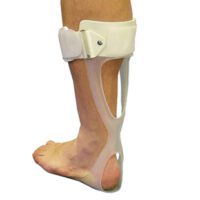
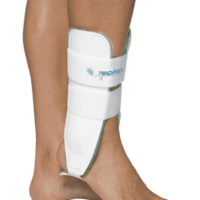
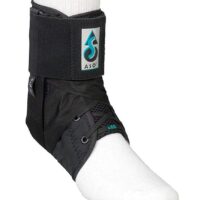
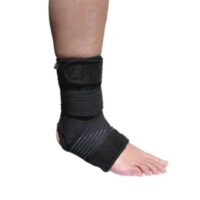
These ankle products are commonly used by our physiotherapists to improve ankle pain, strength, balance, proprioception, endurance and flexibility, plus assist home exercise programs.
-
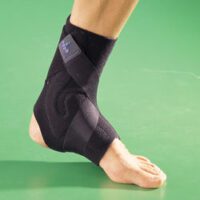 Ankle, Braces & Supports, Foot
Ankle Support with Plastic Stay – OPPO 1109
$52.00Select optionsQuick View - Liniments & Gels, Massage Liniments, Pain Management
Fisiocrem
$16.95 – $39.95Select optionsQuick View -
-

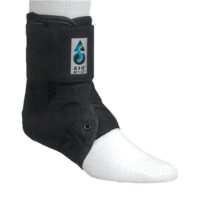
 Ankle, Braces & Supports, Foot, Walking
Victor Moonboot 1.0 Air or No Air
$77.00 – $79.00Select optionsQuick View -

- EMS Machines, Pain Management, TENS Machine, TENS Machine & EMS
NeuroTrac Rehab (TENS Machine + EMS)
$285.00Add to cartQuick View -
-
-

-
-
-
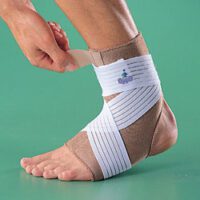 Ankle, Braces & Supports, Clearance Sale
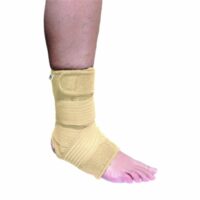
Ankle Support with Strap – OPPO 1003
$42.00Select optionsQuick View -


-
-
-






Social Media - Follow Us for Free Tips
For more tips on ankle rehab, injury prevention, and return-to-sport progressions, follow PhysioWorks on social media.


References
- Martin RL, Davenport TE, Fraser JJ, et al. Lateral ankle ligament sprains revision 2021 clinical practice guidelines. J Orthop Sports Phys Ther. 2021;51(4):CPG1-CPG80.
- Guo Y, Cheng T, Yang Z, et al. A systematic review and meta-analysis of balance training in patients with chronic ankle instability. Syst Rev. 2024;13:64.
- Tedeschi R, di Paolo S, Zotti F, et al. Exploring the best rehabilitation methods for chronic ankle instability: a systematic review. Healthcare (Basel). 2024;12(20):2041.
- Liu S, Xie W, Shen S, et al. Exploratory analysis of unstable surface training: a systematic review and meta-analysis for chronic ankle instability. Arch Rehabil Res Clin Transl. 2024;6(4):100365.
