
Physiotherapy Instrument Mobilisation (PIM)

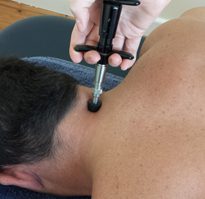
Physiotherapy Instrument Mobilisation (PIM) is a physiotherapy treatment that uses a handheld, spring-loaded instrument to apply a precise, low-force mobilisation to a stiff or painful joint. At PhysioWorks, PIM may form part of a broader physiotherapy and joint treatment plan when hands-on care, exercise, and movement retraining are appropriate.
PIM aims to improve joint movement, settle pain, and help you move more comfortably. It can be useful when a physiotherapist wants a very specific input to a spinal or peripheral joint, or when a lower-force option is preferred. Importantly, PIM is only one part of good care. Your physiotherapist will still assess your symptoms, movement, strength, and nerve function before deciding whether this technique suits you.
What is Physiotherapy Instrument Mobilisation (PIM)?
Physiotherapy Instrument Mobilisation is a targeted joint mobilisation technique performed with a spring-loaded instrument rather than the therapist’s hands alone. The instrument delivers a fast, controlled force to a selected joint or segment. This can help a physiotherapist apply treatment accurately while keeping the force low and comfortable for many patients.
How Does Physiotherapy Instrument Mobilisation Work?
PIM works by applying a measured mechanical impulse to a joint that is not moving well or is contributing to pain. Your physiotherapist first checks which structures are involved. Then they position you carefully and apply the instrument to the most relevant joint, often as part of a wider session that may also include manual physiotherapy techniques, neurodynamics, exercise, and advice about daily movement.
Although some people feel immediate relief, the main goal is not just a quick change. The aim is to support better movement, improve function, and help you progress into active rehabilitation. For that reason, PIM is usually combined with exercises and a personalised management plan rather than used in isolation.
Who Can Benefit From PIM?
PIM may help people with mechanical joint stiffness, painful movement, or reduced mobility in the spine or limbs. Your physiotherapist may consider it for some cases of neck pain, spinal joint restriction, some shoulder or rib joint problems, or other musculoskeletal conditions where a specific joint appears to be contributing to symptoms.
However, not everyone is suited to instrument mobilisation. Your physiotherapist will consider your diagnosis, irritability, medical history, neurological signs, and comfort before choosing any mobilisation technique. If another approach is better, your treatment may focus more on exercise, load management, education, or other hands-on techniques.
What Are the Benefits of Physiotherapy Instrument Mobilisation?
The main potential benefits of PIM include:
- precise, low-force joint mobilisation
- improved joint movement
- reduced pain during movement
- better tolerance for follow-up exercise and rehabilitation
- a useful option when traditional hands-on mobilisation is not ideal
Good treatment still depends on the right diagnosis and the right overall plan. PIM is not a stand-alone fix for every painful joint. Instead, it is one tool a physiotherapist may use within a broader evidence-informed program.
What Should You Expect During a PIM Appointment?
Your appointment should start with a thorough assessment. Your physiotherapist will discuss your symptoms, aggravating movements, injury history, and goals. They may assess joint motion, muscle function, posture, and nerve sensitivity before deciding whether PIM is appropriate.
If PIM is used, the treatment is usually brief and targeted. Most people describe the instrument as quick and controlled. Afterwards, your physiotherapist may reassess your movement and then progress to exercises, self-management strategies, or other treatment options that match your problem.
Where Is PIM Available?
PIM availability can vary between practitioners and locations. If you are considering this treatment, check your nearest PhysioWorks clinic or discuss your needs with reception so they can direct you to the most suitable physiotherapist and clinic pathway.
If you are booking in Brisbane’s northside, you can also view our clinic information for Clayfield and Sandgate.
Is PIM Better Than Traditional Hands-On Mobilisation?
Not necessarily. The best technique depends on the person in front of the physiotherapist, the body region involved, symptom severity, and what response the clinician is aiming for. In practice, the strongest results usually come from matching the treatment to the problem and combining it with exercise and education, rather than relying on any single technique alone.
Related Articles
- Joint Mobilisation Techniques in Physiotherapy – Learn how physiotherapists use joint mobilisation to improve comfort and movement.
- Understanding Neurodynamics in Physiotherapy – Read how nerve mobility can influence pain, stiffness, and movement quality.
- Personalised Physiotherapy Treatment – See why the best treatment plan depends on your diagnosis, goals, and response to care.
Frequently Asked Questions
Is Physiotherapy Instrument Mobilisation painful?
PIM is usually designed to be controlled and low force. Many people tolerate it well. However, the sensation varies depending on the joint being treated and how irritable your symptoms are. Your physiotherapist should explain what they are doing, monitor your response, and adjust the treatment if needed.
Can PIM help joint stiffness?
Yes, it can help some types of joint stiffness when restricted joint movement is contributing to your pain or loss of function. Even so, long-term improvement usually depends on what you do after treatment as well, such as exercises, movement retraining, and activity progression.
Is PIM the same as manual therapy?
PIM sits within the broader manual therapy space, but it uses an instrument to deliver the mobilisation rather than relying only on the therapist’s hands. A physiotherapist may use PIM, hands-on mobilisation, exercise, advice, or a combination of these approaches depending on your assessment findings.
Do I need PIM for every painful or stiff joint?
No. Some people improve with exercise, load modification, education, or other physiotherapy techniques without needing instrument mobilisation. The right choice depends on your diagnosis, symptoms, goals, and how your body responds during assessment and treatment.
What to Do Next
If joint stiffness, pain, or reduced movement is limiting your work, sport, or daily activity, book a physiotherapy assessment. A physiotherapist can identify the structure involved, explain whether Physiotherapy Instrument Mobilisation is suitable, and build a treatment plan that fits your needs.
Early assessment is especially helpful if your symptoms keep returning, you are losing movement, or your pain is affecting sleep, training, or normal function.
References
- Australian Physiotherapy Association. Value of manual therapy in physiotherapy. Australian Physiotherapy Association; 2024.
- Reynolds B, Cook C, et al. Manual physical therapy for neck disorders: an umbrella review. J Man Manip Ther. 2025;33(1):18-35. doi:10.1080/10669817.2024.2425788
- Wilhelm M, Cleland J, Carroll A, et al. The combined effects of manual therapy and exercise on pain and related disability for individuals with nonspecific neck pain: A systematic review with meta-analysis. J Man Manip Ther. 2023;31(6):393-407. doi:10.1080/10669817.2023.2202895
- Baeske R, Hall T, Dall’Olmo RR, et al. In people with shoulder pain, mobilisation with movement and exercise improves function and pain more than sham mobilisation with movement and exercise: a randomised trial. J Physiother. 2024;70(4):288-293. doi:10.1016/j.jphys.2024.08.009
- Nim C, Aspinall SL, Cook CE, et al. The Effectiveness of Spinal Manipulative Therapy in Treating Spinal Pain Does Not Depend on the Application Procedures: A Systematic Review and Network Meta-analysis. J Orthop Sports Phys Ther. 2025;55(2):109-122. doi:10.2519/jospt.2025.12707
Choose your clinic and appointment pathway
Select a PhysioWorks clinic to continue to live booking, an appointment request or reception assistance.