
Posture Correction


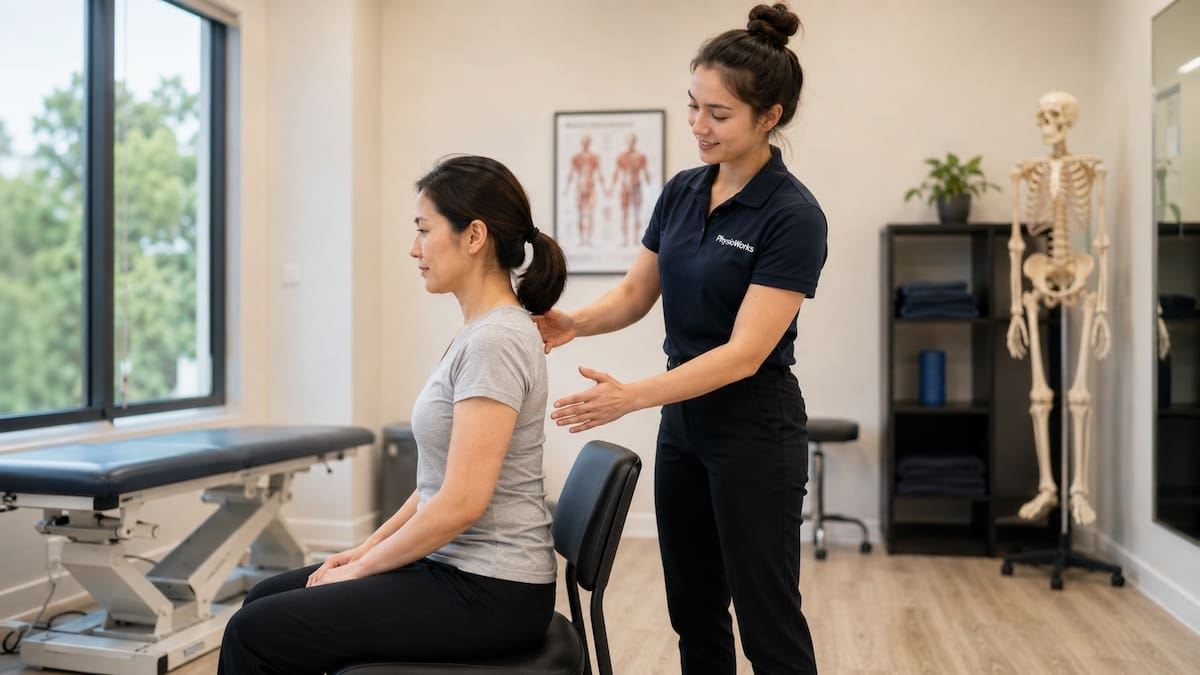
Posture correction physio can help if you feel tight, stiff, or sore after sitting, driving, lifting, or desk work. Many people blame “bad posture”, yet posture rarely acts alone. Symptoms often build from a mix of habits, load, stress, sleep, fitness, and movement options.
A physio can assess how you sit, stand, and move. They can then help you choose changes that fit your day. If symptoms link with your neck, upper back, or lower back, these pages may also help: neck pain physio, thoracic and upper back pain physio, and lower back pain physio.
Posture Correction Physio: Quick Answer
Most people improve posture by using a clear plan and repeatable habits. That plan may include mobility for stiff areas, strength for tired muscles, and simple cues that make better positions easier during real tasks.
Key point: Posture correction works best when it improves comfort, strength, movement variety and daily tolerance. It is not about forcing one perfect position all day.
What Usually Helps Posture Correction?
| Problem | Helpful starting point |
| Desk-related neck or upper back tightness | Movement breaks, screen setup, neck and mid-back mobility |
| Slumping late in the day | Posture endurance, shoulder blade strength and pacing |
| Sitting pain or low back fatigue | Chair support, hip mobility and gradual sitting tolerance |
| Poor awareness of posture habits | Taping, short-term support and simple habit cues |
What Does Posture Correction Physio Involve?
A posture plan works best when it targets what actually limits you. Your physio may:
- Review your work setup, daily habits, and symptom triggers.
- Screen your neck, mid-back, shoulders, hips, and breathing pattern.
- Check muscle strength and endurance, not just “tightness”.
- Test movement control during work, sport, parenting or gym tasks.
- Build a plan you can repeat at home and at work.
To support your plan, you can also read the posture physiotherapy guide and browse posture exercises.
Does “Bad Posture” Cause Pain?
Posture can add to discomfort, especially when you hold one position for too long. However, pain usually involves more than one posture. Workload, stress, sleep, strength, joint mobility and activity habits can all matter.
Modern posture correction often focuses on:
- Comfort and tolerance, rather than one “perfect” position.
- Movement variety across the day.
- Capacity, including strength and endurance for your workload.
- Task fit, so posture changes match work, sport and home life.
What Actually Works for Posture Correction?
Posture correction tends to work best when it is practical. The plan should match the tasks that trigger symptoms, such as typing, driving, lifting, gym training or long study blocks.
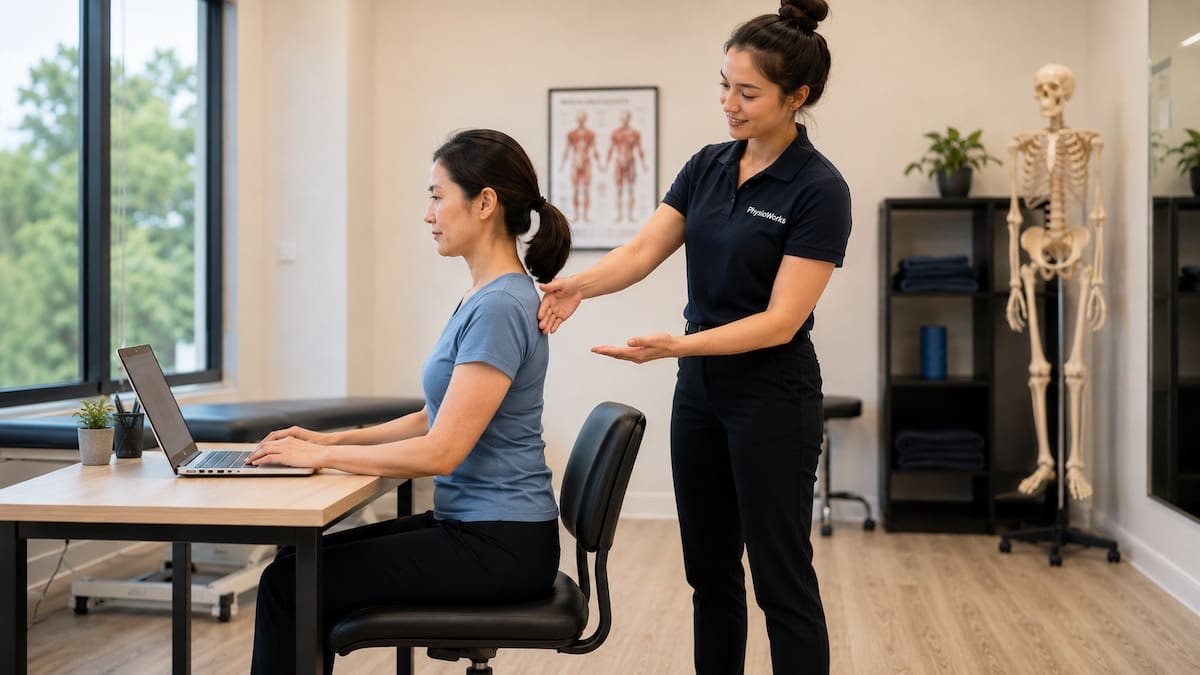
1) Build Endurance for Posture Muscles
Many people can “sit tall” for 30 seconds, then fatigue and slump again. A plan that builds endurance often works better than chasing one static position. Your physio may use short holds, higher-rep sets, and gradual time-based goals.
2) Improve Mobility Where You Need It
If your mid-back feels stiff, you may struggle to sit or stand more upright without overworking your neck or low back. Targeted mobility work can restore movement options. Strength work then helps you keep the change.
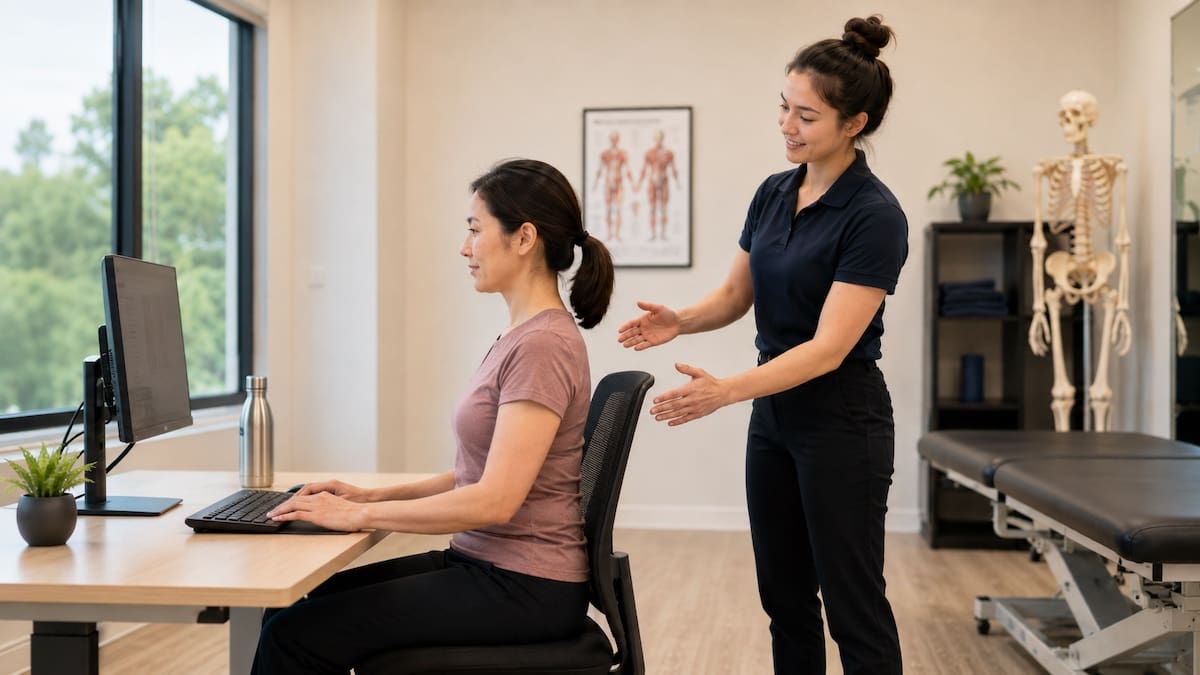
3) Train Posture in Real Tasks
Posture drills only help when they transfer into daily life. For that reason, your physio may add cues during typing, lifting, driving, gym work, or sport movements. This approach often sticks better than posture reminders alone.
4) Reduce Flare-Ups With Simple Changes
Small changes can reduce load quickly. For example:
- Stand and move for 1–2 minutes every 30–45 minutes.
- Swap long sitting blocks for shorter blocks plus movement.
- Change screen height and keyboard distance to reduce neck strain.
- Use task cues, such as “ribs relaxed” or “shoulders wide”, rather than rigid bracing.
When Should You Get Posture Checked?
You may benefit from a physio review if posture-related soreness keeps returning, affects sleep, limits work, or stops you exercising. Also seek advice if pain spreads into your arm or leg, causes pins and needles, or follows a fall or injury.
A physio can discuss whether posture, strength, joint movement, nerve sensitivity or workload is the main issue.
Posture Correction Tools and Supports
Tools work best as support plus practice. They can help you notice posture earlier. You then use that awareness to change habits.
Posture Braces and Correctors
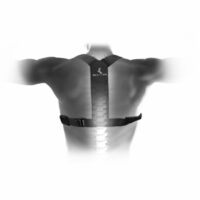
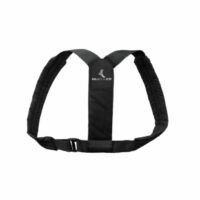
Posture braces and supports can increase awareness, especially in the early phase. Use them for shorter sessions while you train strength and endurance. Then, taper use as control improves.
Kinesiology Tape for Posture
Kinesiology taping can act as a light cue when you need a subtle reminder. Many people prefer tape for short-term use at work, at training, or during a return-to-activity plan.
Support for Upper Back and Shoulders
Upper back and shoulder braces may help you catch slouching earlier. Combine them with strength work for the mid-back, shoulder blades, and rotator cuff.
Lower Back Posture Support
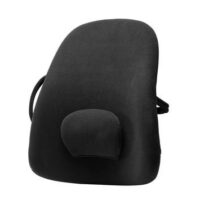
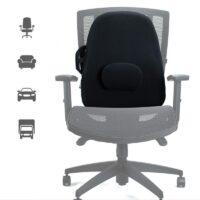
If sitting triggers symptoms, lower back sitting cushions can reduce strain while you build tolerance. They can help during driving, desk work, and long meetings.
Exercise Balls for Posture Retraining
Exercise balls can build posture endurance when used in small doses. Start with 5–10 minutes, then increase slowly. Alternate with a stable chair to avoid fatigue-driven slumping.
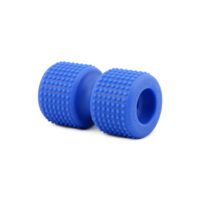
Spine Mobility Tools
A stiff mid-back can limit comfortable upright positions. Alongside hands-on care, some people use home options like the Lockeroom Posture Pro to support their mobility routine.
Sleep Posture Matters
Sleep can influence next-day stiffness and sensitivity. A supportive pillow can help you settle into a comfortable position and reduce morning neck strain.
Related Posture and Spine Guides
- Posture physiotherapy guide
- Posture exercises
- Text neck
- Neck pain
- Thoracic and upper back pain
- Lower back pain
People Also Ask
Can posture be corrected as an adult?
Yes. Adults can improve posture by building strength, endurance, and movement options. You usually see progress faster when you practise changes in real tasks, not only in isolated drills.
How long does posture correction take?
Timeframes vary. Many people notice better awareness within weeks. Strength, endurance, and habit changes often take longer, especially if your workload stays high.
Do posture braces work?
Posture braces may help increase awareness in the early phase. Most people do best when they combine brace use with exercises and gradual tapering.
Is poor posture linked to pain?
Posture can add to discomfort, especially with long periods in one position. Pain usually involves several factors, so a plan should target habits, capacity, and movement options.
Should I see a physio for posture correction?
A physio can assess posture in daily tasks, identify contributing factors, and discuss suitable options to improve comfort and function.
What to Do Next
If posture discomfort affects work, sport, or sleep, start with a clear assessment and a simple plan you can repeat. Your physio can discuss options and tailor the program to your goals and schedule.
Choose your clinic and appointment pathway
Select a PhysioWorks clinic to continue to live booking, an appointment request or reception assistance.
Posture Products
These posture products are commonly used by our physiotherapists to improve posture, postural strength, endurance and flexibility, plus assist home exercise programs.
- Gift Ideas, Back, Braces & Supports, Pillows/Cushions, Posture
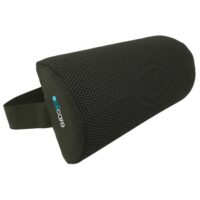
All Care Lumbar Support D-Roll
$20.50Add to cartQuick View -
 Back, Braces & Supports, Pillows/Cushions, Posture
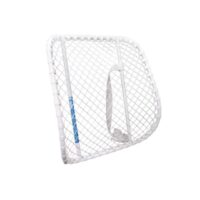
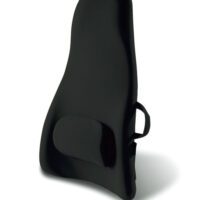
AllCare Deluxe Back Cushion
$56.00Add to cartQuick View -
-
- Braces & Supports, Back, Neck, Posture, Shoulder
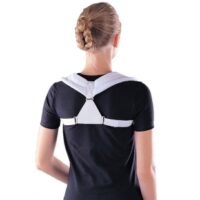
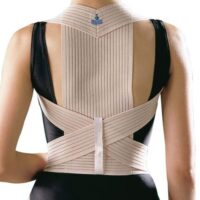
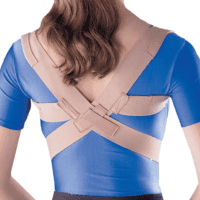
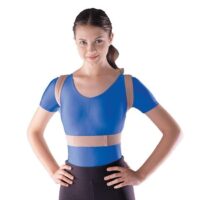
OPPO 2175 Posture Aid & Clavicle Brace
$59.95Select optionsQuick View -
-
-

- Back, Braces & Supports, Christmas Gift Ideas, Posture
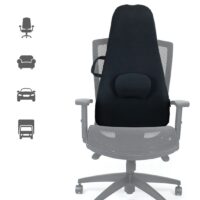
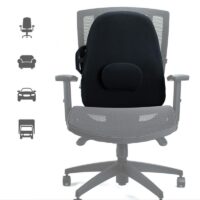
OBUSFORME Low Back Cushion
$159.99Add to cartQuick View - Back, Braces & Supports, Posture, Shoulder
OPPO 2075 Posture Aid & Clavicle Brace
$35.00Select optionsQuick View -
 Back, Braces & Supports, Posture, Shoulder
Mueller Adjustable Posture Corrector
$44.95Add to cartQuick View



References
- Argyrou S, et al. The effectiveness of an exercise program based on motor learning principles for the correction of the forward head posture: a randomized controlled trial. 2025.
- Sepehri S, Sheikhhoseini R, Piri H, et al. The effect of various therapeutic exercises on forward head posture, rounded shoulder, and hyperkyphosis among people with upper crossed syndrome: a systematic review and meta-analysis. BMC Musculoskelet Disord. 2024;25:105.
- Norasteh AA, Karimi K, Faraji S, et al. Exercise therapy to improve cervical proprioception in individuals with asymptomatic forward head posture: a systematic review of randomized controlled trials. PLoS One. 2025;20(9):e0330665. doi:10.1371/journal.pone.0330665
- Nilmart P, et al. Internet-based telerehabilitation versus in-person therapeutic exercises in young adult females with chronic neck pain and forward head posture: randomized controlled trial. JMIR Rehabil Assist Technol. 2025.
- Hamzelouie R, Arazpour M, et al. Effectiveness of orthotic devices in the treatment of forward head posture: a systematic review. Prosthet Orthot Int. 2025. doi:10.1177/20556683251362878
