FAQs

Frequently Asked Questions


Common Thigh Injuries

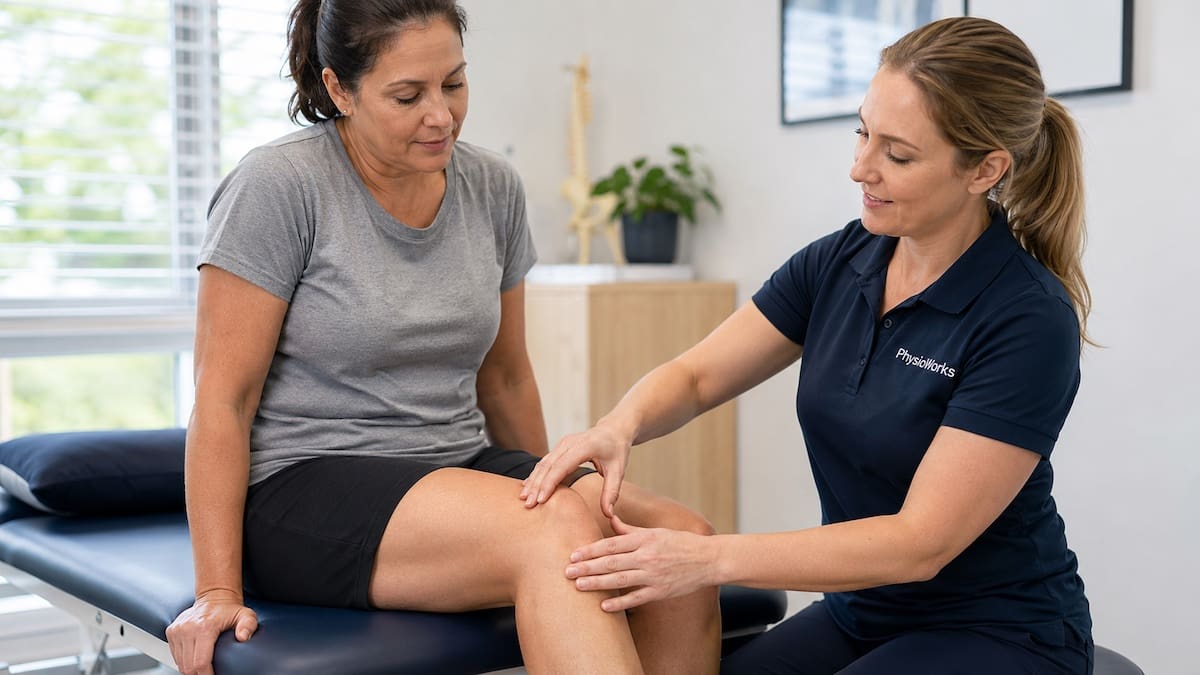
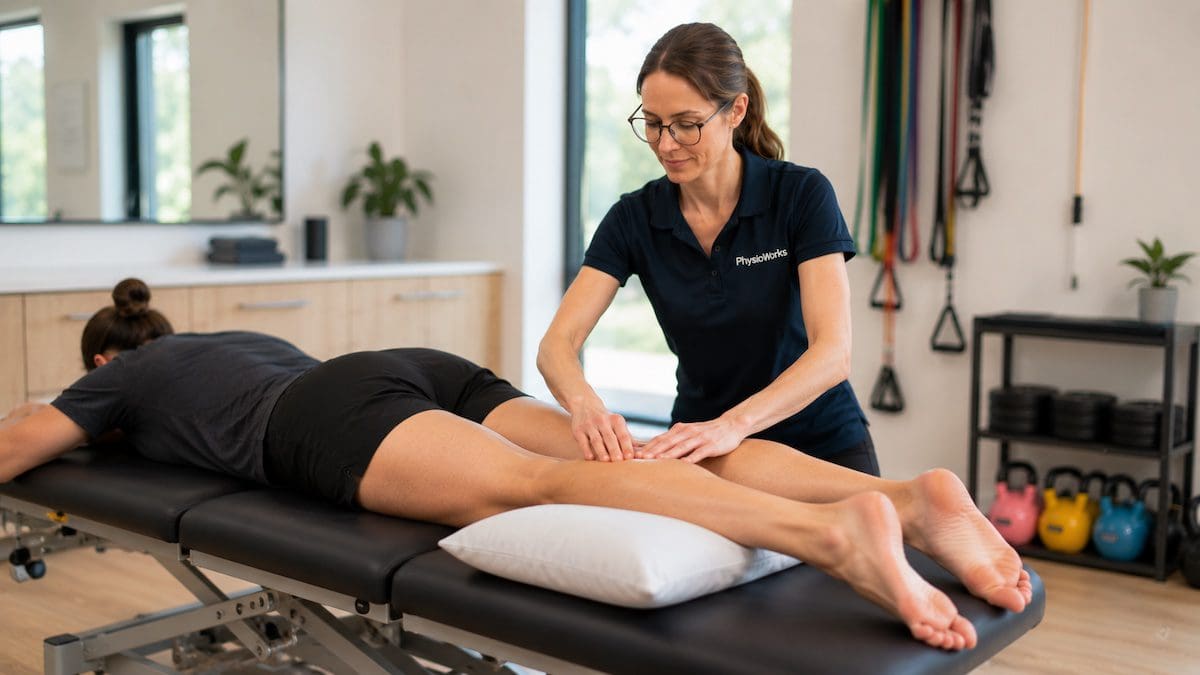
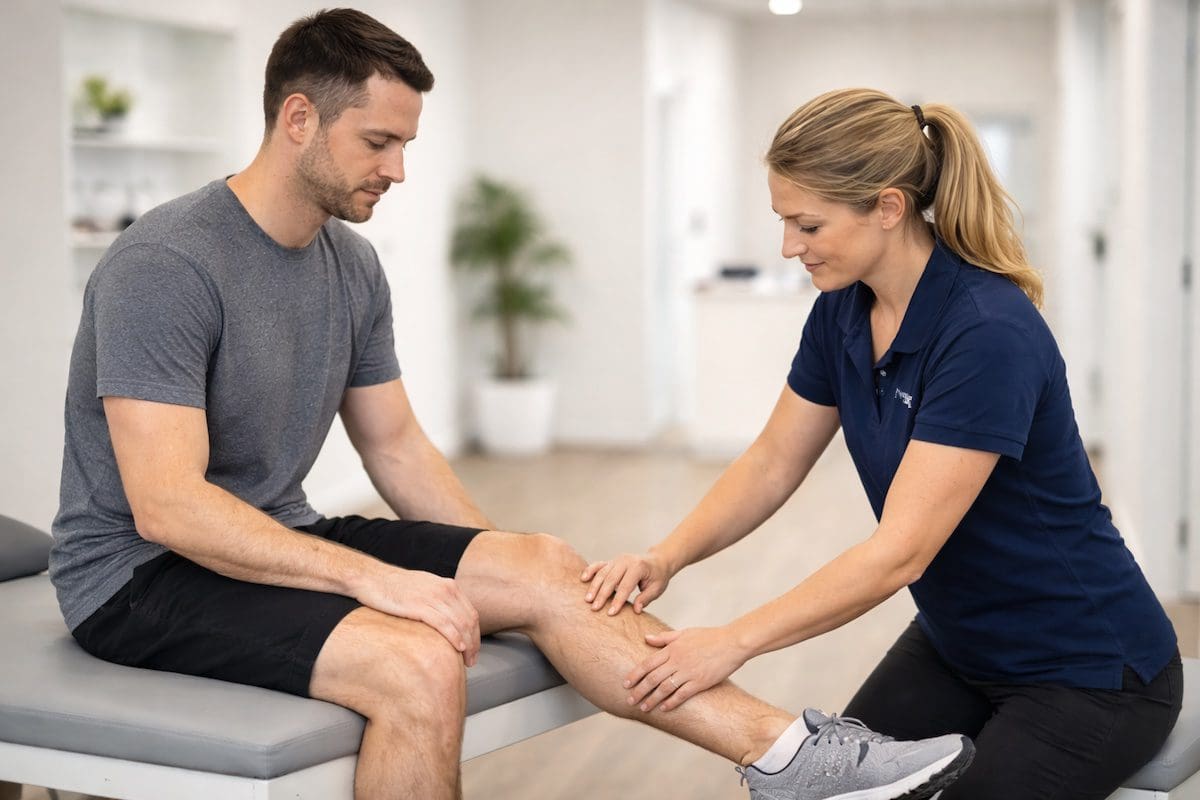
Common thigh injuries quadriceps assessment after direct sports impact
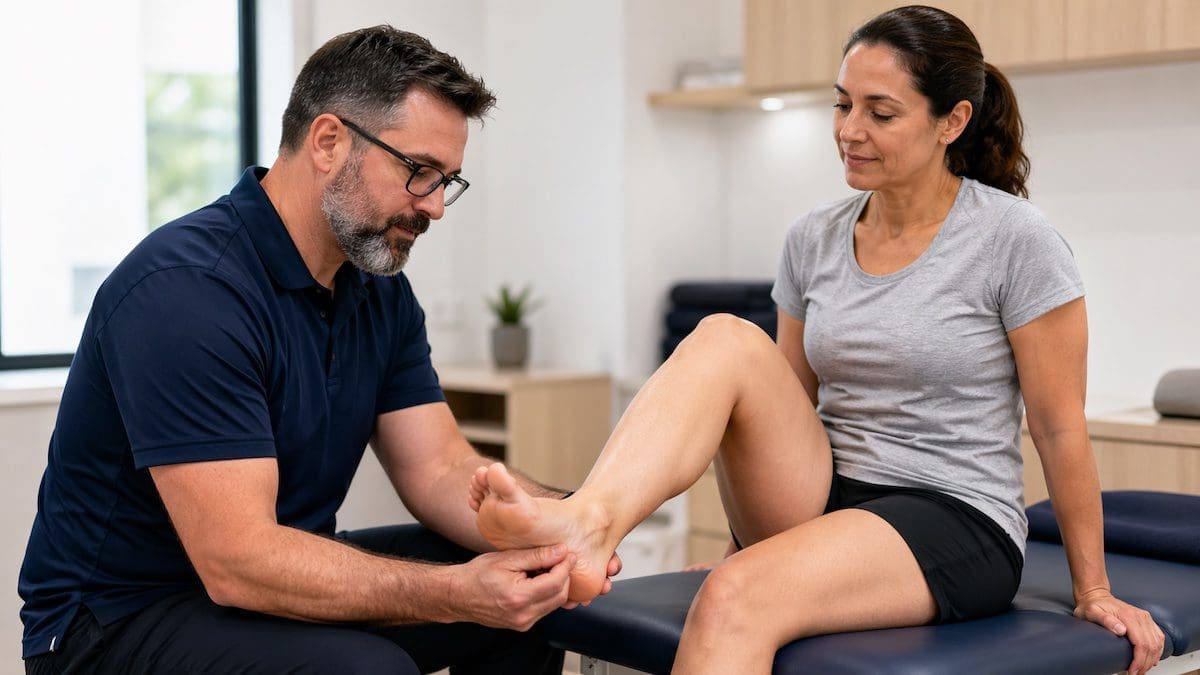
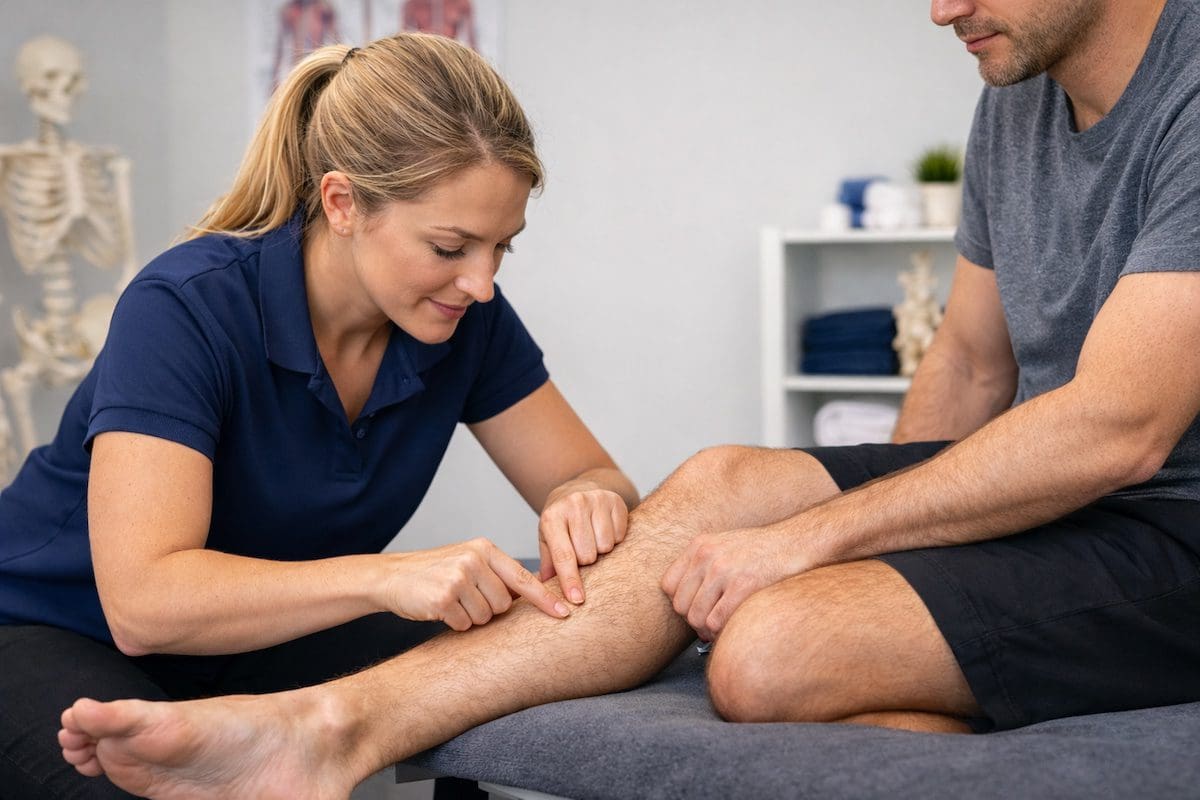
Physiotherapy assessment helps identify the source and severity of thigh pain.

What Are the Most Common Thigh Injuries?

Common thigh injuries include muscle strains, corked thigh, hamstring strain, ITB syndrome, runner’s knee, and pain referred from the lower back, hip, or knee. The source of pain is not always obvious early, so symptom pattern, injury mechanism, and movement testing all matter.

If you are active, play sport, or have recently increased training, start by checking the main thigh pain patterns. This can help you decide whether your pain sounds like a muscle injury, a bruising injury, an overload problem, or referred pain such as sciatica.

Quick check: a sudden pull, bruising, swelling, limping, tingling, numbness, or pain that keeps returning should be assessed rather than ignored.

Seek urgent medical care: if you cannot weight-bear, have severe swelling, major trauma, spreading numbness, new weakness, or bladder or bowel changes.

Which Thigh Injuries Are Most Common?

Most common thigh injuries affect the front, back, or outer side of the thigh. However, pain can also refer from the lower back, hip, or knee. That is why a clear history and physical assessment help guide the right treatment plan.

Hamstring Strain

A hamstring strain affects one or more muscles at the back of the thigh. It often happens during sprinting, kicking, jumping, or sudden acceleration. Common signs include a sharp pull, local tenderness, weakness, and pain with fast walking, bending, or sport.

Thigh Strain or Corked Thigh

A thigh strain can follow a forceful stretch, hard sprint, kick, or sudden change of speed. A corked thigh usually follows a direct knock. Pain, bruising, swelling, stiffness, and difficulty lifting the leg are common.

ITB Syndrome

ITB syndrome is an overload problem often linked with running or cycling. Pain usually sits near the outside of the knee, but tightness or irritation can also track along the outer thigh. Training changes, hip control, and load tolerance can all play a role.

Runner’s Knee

Runner’s knee, also called patellofemoral pain, usually causes discomfort around or behind the kneecap. Some people feel pain spreading into the lower thigh, especially with stairs, squats, hills, running, or long sitting.

Sciatica or Referred Nerve Pain

Sciatica may cause thigh pain, burning, tingling, numbness, or weakness. Unlike a simple muscle strain, nerve-related pain may travel down the leg and may change with sitting, bending, coughing, or spinal movement.

What Causes Common Thigh Injuries?

Common thigh injuries often follow sprinting, kicking, sudden acceleration, awkward landing, direct contact, or repeated overload. Other cases relate to poor load progression, reduced strength, limited mobility, running mechanics, or referred symptoms from the back, hip, or knee.

Overuse injuries can build when the thigh muscles and surrounding tissues do not have enough time to adapt. This may happen after a sudden increase in distance, speed, hills, gym loading, sport sessions, or match minutes.

Why Does Thigh Pain Happen During Sport or Exercise?

Thigh pain during sport or exercise often means the tissue load has exceeded what your muscles, tendons, joints, or nerves can currently tolerate. This may follow repeated sprinting, kicking, hills, change-of-direction work, or returning to sport before the thigh has recovered enough.

The pain pattern gives useful clues. A sharp local pain after a sprint may suggest a strain. Bruising after contact may suggest a corked thigh. Burning, tingling, numbness, or pain that travels may suggest nerve involvement.

How Can You Help Prevent Common Thigh Injuries?

Prevention starts with good training habits. A suitable warm-up, gradual workload progression, and a structured exercise program may help improve strength, control, and load tolerance.

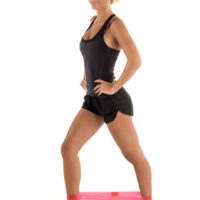
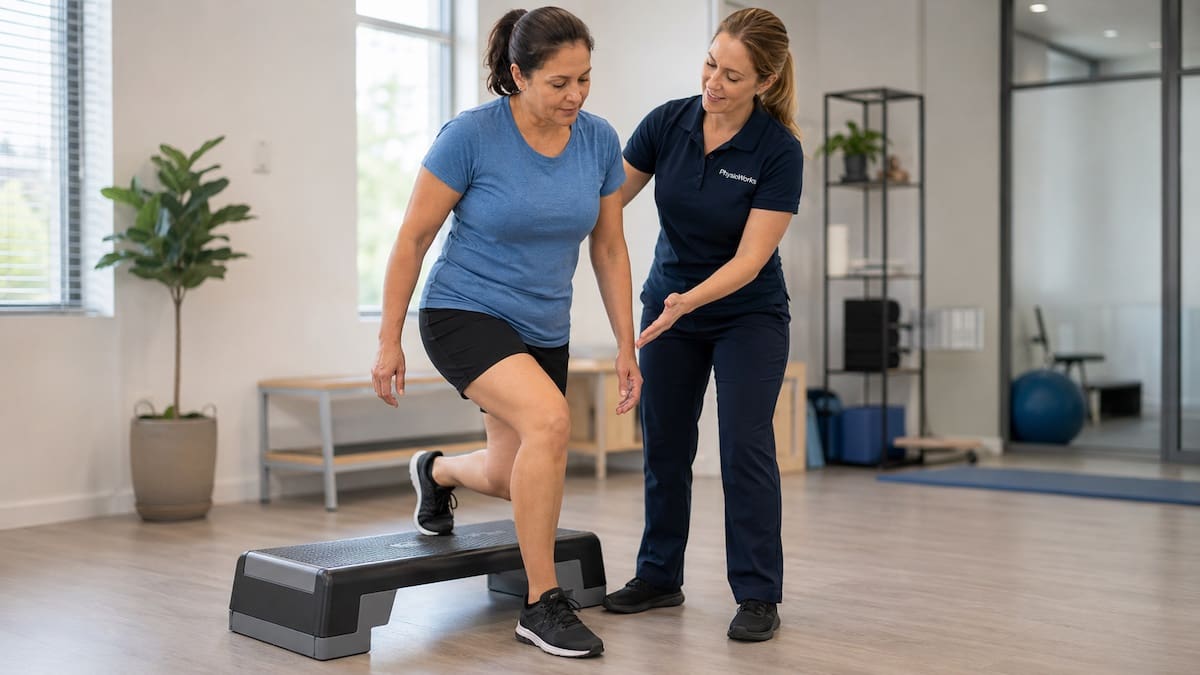
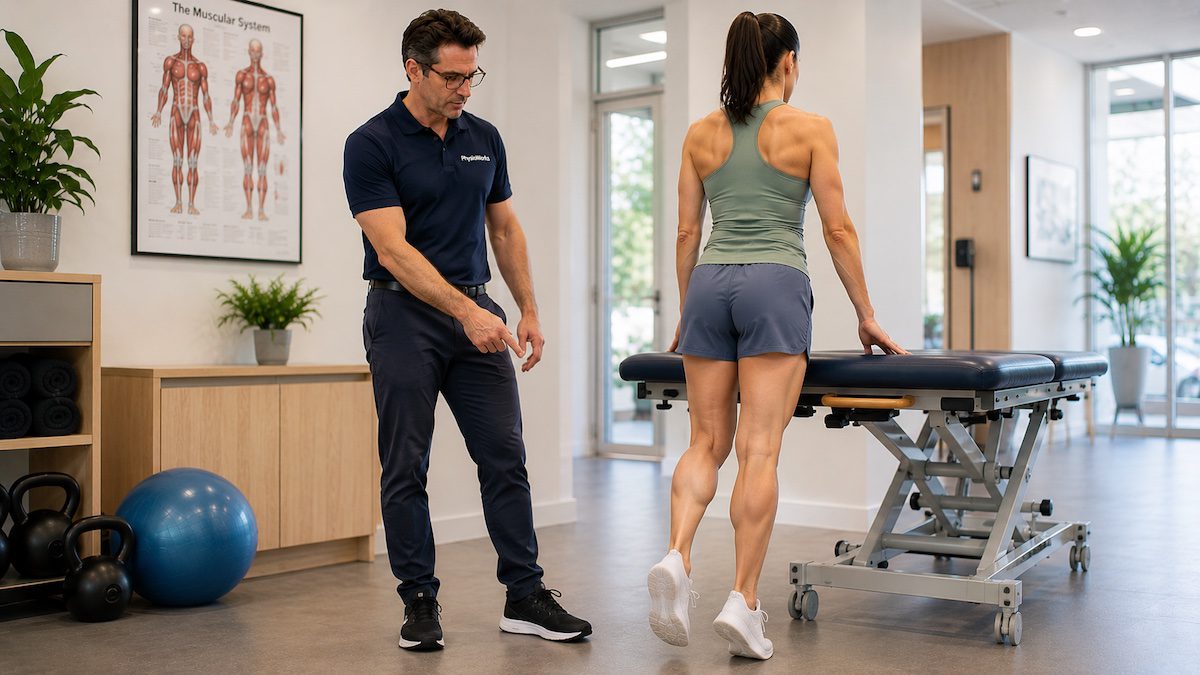
Common thigh injuries rehab exercise with supervised lunge strengthening
Controlled strengthening can support graded thigh injury recovery.
  • Warm up well: prepare for speed, kicking, and change-of-direction work.
  • Progress gradually: avoid sudden jumps in distance, intensity, hills, or sprint volume.
  • Build strength: train the hamstrings, quadriceps, gluteals, calves, and trunk.
  • Improve control: work on landing, running, deceleration, and single-leg stability.
  • Respect recovery: sleep, rest days, and lighter sessions still matter.

When Should You Worry About Thigh Pain?

You should seek help if thigh pain is severe, you cannot walk normally, swelling or bruising is significant, symptoms keep returning, or you notice numbness, tingling, or weakness. Ongoing pain that limits work, training, stairs, sitting, or sleep also deserves assessment.

For nerve-related leg pain, Healthdirect provides a useful public overview of sciatica symptoms and causes.

FAQs About Common Thigh Injuries
How do I know if thigh pain is a strain or sciatica?

A muscle strain usually causes local pain, tenderness, and weakness in one part of the thigh after a clear movement or effort. Sciatica more often causes pain that travels, with tingling, numbness, burning, or symptoms that change with back movement or sitting.

How long do common thigh injuries take to heal?

Recovery time depends on the source and severity. A mild muscle issue may settle within days to a few weeks. A larger strain, overload problem, or nerve-related presentation can take longer. Early diagnosis and the right loading plan usually help guide the timeline.

Can I keep exercising with thigh pain?

Sometimes, but it depends on the cause. Mild symptoms may allow modified activity. Sharp pain, limping, bruising, worsening symptoms, numbness, tingling, or weakness usually mean you should stop and get advice. Good management often means modifying load, not pushing through.

What treatment helps common thigh injuries?

Treatment may include load modification, targeted strengthening, mobility work, manual therapy, running or movement advice, and a graded return-to-sport plan. The right option depends on whether the problem is muscular, tendon-related, joint-related, or referred from the back.

Can thigh pain come from the knee, hip, or back?

Yes. Some thigh pain starts outside the thigh. Knee problems can refer pain into the lower thigh, hip problems can affect the upper thigh, and back or nerve irritation can send pain, tingling, or numbness down the leg.

Related PhysioWorks Guides

What to Do Next

If your thigh pain is not settling, keeps coming back, or affects walking, work, training, or sport, a physiotherapist can assess the likely source and guide your next step. Early advice may help you choose the right loading plan and reduce repeated flare-ups.

Choose your clinic and appointment pathway

Select a PhysioWorks clinic to continue to live booking, an appointment request or reception assistance.

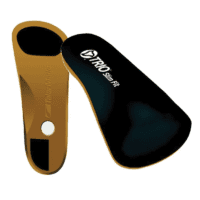
Thigh Products

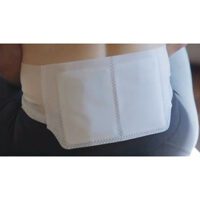
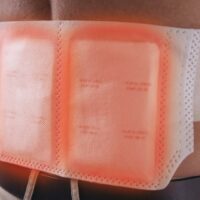
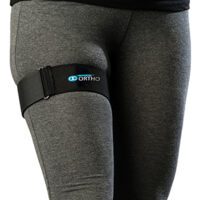
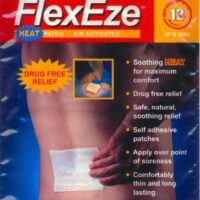
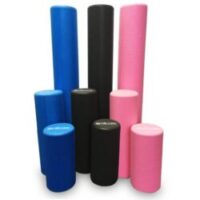
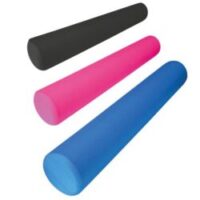
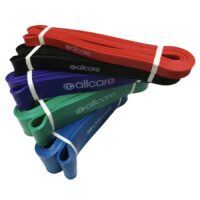
These thigh products are commonly used by our physiotherapists to improve strength, provide comfort, improve flexibility, plus assist home exercise programs.

View all thigh products

Follow PhysioWorks

Get physiotherapy tips, exercise videos, recovery advice and blog updates.

References

  1. Jankaew A, Chen JC, Chamnongkich S, Lin CF. Therapeutic Exercises and Modalities in Athletes With Acute Hamstring Injuries: A Systematic Review and Meta-analysis. Sports Health. 2023;15(4):497-511. doi:10.1177/19417381221118085
  2. Pietsch S, Lorenz S, Ueblacker P, Mickschl DJ, Hasler M, Kümmel J, et al. Epidemiology of quadriceps muscle strain injuries in elite track and field athletes. Br J Sports Med. 2024;58(2):95-101.
  3. Pietsch S, Lorenz S, Hasler M, Ueblacker P, Mickschl DJ, Schlegel TF, et al. Risk Factors for Quadriceps Muscle Strain Injuries in Sport: A Systematic Review. Int J Sports Phys Ther. 2022;17(4):536-550.
  4. Sanchez-Alvarado A, Bokil C, Cassel M, Engel T. Effects of conservative treatment strategies for iliotibial band syndrome on pain and function in runners: a systematic review. Front Sports Act Living. 2024;6:1386456. doi:10.3389/fspor.2024.1386456
  5. Neal BS, Lack SD, Bartholomew C, Morrissey D, et al. Best practice guide for patellofemoral pain based on synthesis of a systematic review, the patient voice and expert clinical reasoning. Br J Sports Med. 2024;58(24):1486-1495. doi:10.1136/bjsports-2024-108110
  6. Zaina F, Doniselli FM, Andreucci A, et al. Identification of Best Evidence for Rehabilitation in persons with low back pain with radiculopathy. Arch Phys Med Rehabil. 2023;104(6):1209-1218. doi:10.1016/j.apmr.2023.02.013
Knee Pain Causes

A practical guide to common knee pain causes, symptom patterns, warning signs and suitable next steps.

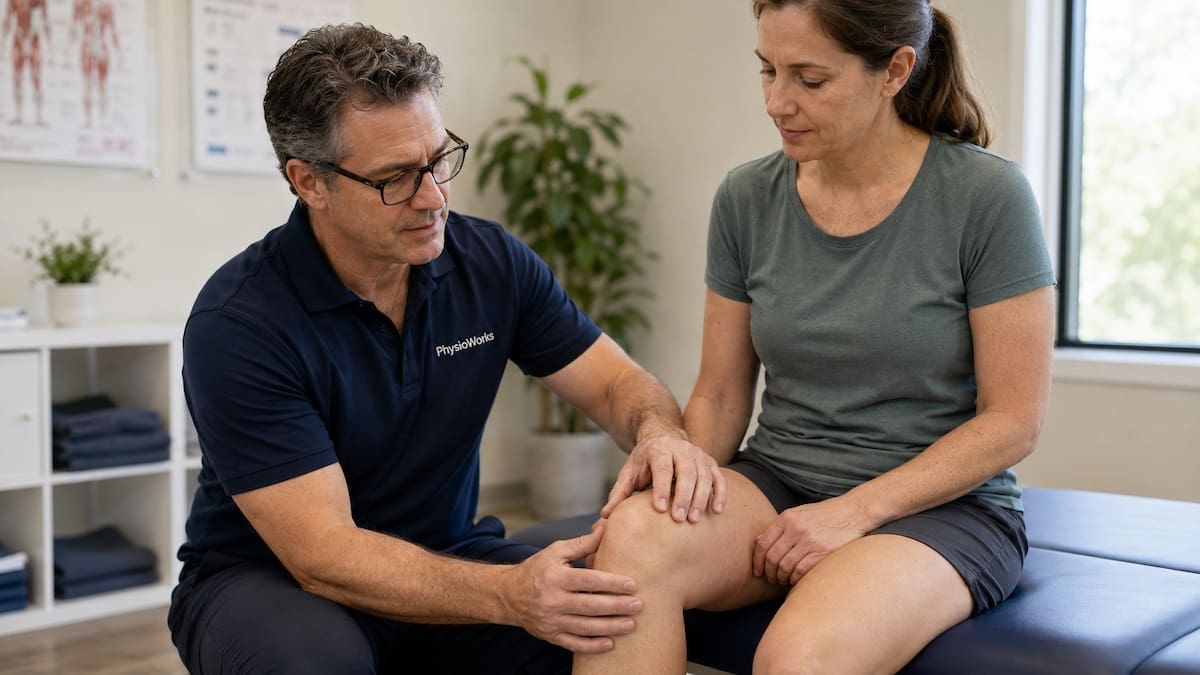
Physiotherapist assessing the kneecap and knee joint line
A knee assessment considers pain location, swelling, movement and stability.

Knee pain can begin after a sudden twist, impact or fall. It can also develop gradually after changes in running, walking, gym work, kneeling, sport or daily activity.

This guide explains common symptom patterns and links to more detailed information. It does not replace an individual assessment. Start with our broader knee pain guide when you need an overview of assessment, treatment and recovery.

What matters most when knee pain starts?

How it started

A twist, impact or sudden stop may suggest a different problem from pain that developed after a gradual training increase.

What the knee does

Fast swelling, locking, giving way or difficulty bearing weight may require prompt assessment.

Where it hurts

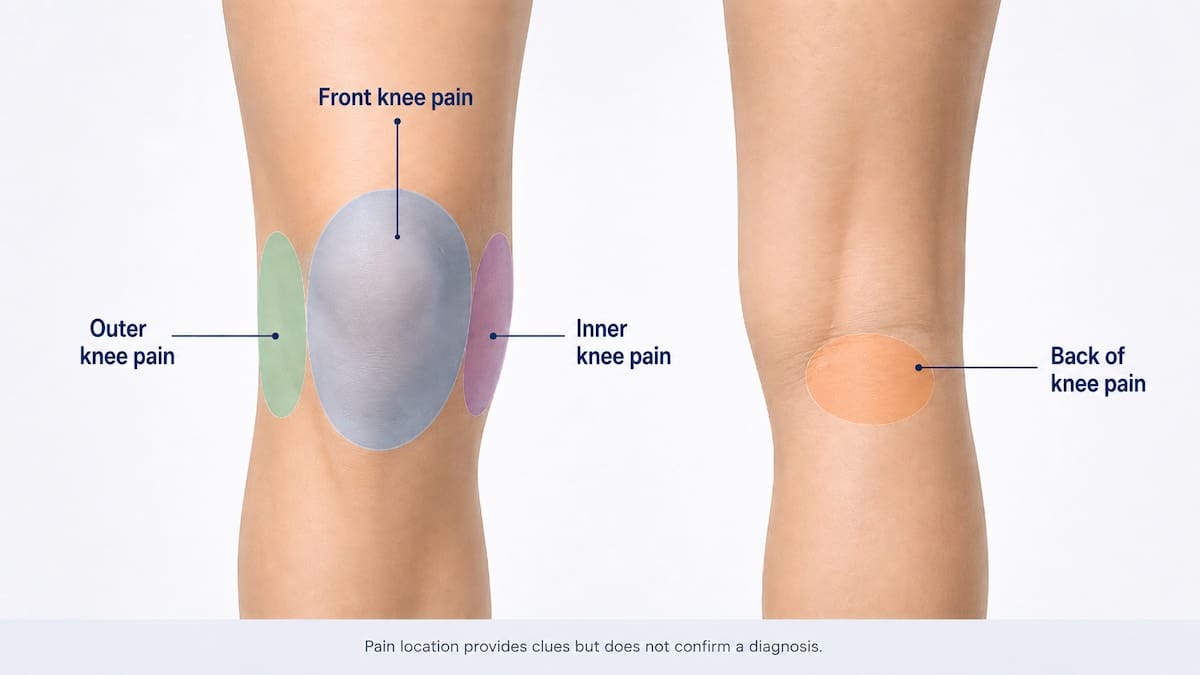
Front, inner, outer or back knee pain can provide useful clues, but pain location alone does not confirm a diagnosis.

What are the most common knee pain causes?

Most knee pain falls into several broad groups: sudden injury, repeated overload, age-related joint change or irritation of the soft tissues around the knee. Your symptom history, swelling response, movement and activity load help guide the likely cause.

Kneecap pain

Patellofemoral pain syndrome usually causes pain around or behind the kneecap. It often worsens with stairs, squats, lunges, hills, running or prolonged sitting with bent knees.

Meniscus injuries

Meniscus injuries may cause joint-line pain, catching, clicking, restricted movement or pain during twisting and deep bending.

Ligament injuries

Knee ligament injuries often follow twisting, pivoting, sudden stopping or direct impact. They may cause fast swelling, instability or poor confidence when changing direction. Learn more about ACL injuries.

Tendon overload

Patellar tendinopathy commonly causes pain just below the kneecap. It often develops after repeated jumping, sprinting or a sudden increase in training load.

Knee arthritis

Knee osteoarthritis may cause stiffness, swelling, deep aching and reduced walking tolerance. Symptoms often build gradually and may feel worse after rest or prolonged weight-bearing activity.

Bursitis

Knee bursitis can cause localised swelling and tenderness. It may follow prolonged kneeling, direct pressure or repeated irritation around the front or inner side of the knee.

What other conditions can cause knee pain?

Other common causes include iliotibial band syndrome, plica irritation and growth-related knee conditions in active children and teenagers.

Osgood-Schlatter disease and Sinding-Larsen-Johansson syndrome can cause pain around the growing knee. These conditions usually respond better to sensible activity changes and progressive strengthening than complete rest.

Less commonly, knee pain may come from the hip or lower back. Inflammatory arthritis, fracture, infection and other medical conditions may also cause knee symptoms. An assessment becomes more important when the symptoms do not fit a clear activity pattern or fail to improve as expected.

What can knee pain location tell you?

Pain location can help narrow the possibilities. However, several knee conditions may overlap, and the exact location does not confirm a diagnosis on its own.

Diagram showing front, inner, outer and back knee pain locations

Front of the knee

Kneecap irritation or patellar tendon overload may worsen with stairs, squats, running or prolonged sitting.

Inner side of the knee

The medial ligament, medial meniscus, nearby tendons or joint structures may become painful after twisting or side forces.

Outer side of the knee

Iliotibial band irritation, the lateral meniscus or outer joint structures may become painful during running, downhill activity or cutting.

Back of the knee

Symptoms may relate to the joint, hamstring or calf tendons, a fluid-filled swelling or referred pain from another area.

What does knee swelling mean?

Swelling provides useful information about the type and severity of a knee problem. The timing of swelling matters as much as the amount.

Immediate swelling

Rapid swelling after a twist or collision may occur with a significant ligament or internal joint injury.

Gradual swelling

Swelling that develops over several hours may occur with meniscus irritation, joint overload or arthritis.

Localised swelling

A small, tender area at the front or inner side of the knee may relate to an irritated bursa or nearby soft tissue.

How is knee pain assessed?

Knee pain is often assessed through your symptom history, pain location, swelling pattern, movement, strength and response to load. Imaging can help in selected cases, but many common knee problems can first be assessed clinically.

Your physiotherapist may assess walking, squatting, step-down control, knee range, ligament stability, meniscus signs, strength, balance, hopping and training load.

A scan may be considered when there is concern about fracture, major internal injury, infection, persistent locking, significant instability or poor recovery despite appropriate care.

Healthdirect also provides general information about knee pain and when to seek medical care.

When does knee pain need urgent medical care?

How can physiotherapy help?

Physiotherapy can help identify the likely pain source, settle irritation and rebuild movement, strength and confidence. The management plan should match the condition because arthritis, kneecap pain, tendon overload, meniscus irritation and ligament injuries require different progressions.

Management may include activity changes, swelling control, progressive strengthening, balance retraining, taping, bracing where appropriate and a planned return to walking, running, gym work or sport.

Individual recovery varies. Your age, injury severity, previous knee problems, activity demands, general health and consistency with rehabilitation can all influence progress.

Can you keep exercising with knee pain?

You can often remain active when symptoms stay mild, settle soon after exercise and do not cause increasing swelling, locking or giving way.

Reduce the activities that clearly aggravate the knee. This may include speed, hills, jumping, deep bending or overall training volume. Continue comfortable movement where possible rather than stopping every form of activity.

A guided knee exercise program can help restore strength and load tolerance.

How should you manage knee load?

Load management means reducing the activities that are irritating the knee, maintaining suitable movement and progressively rebuilding capacity.

  1. Identify the main trigger

    Note whether pain follows running, stairs, kneeling, jumping, gym work, prolonged sitting or another specific activity.

  2. Reduce the aggravating dose

    Temporarily lower the speed, depth, distance, resistance or frequency rather than stopping all movement automatically.

  3. Rebuild strength

    Progress exercises for the thigh, hip, calf and knee according to the likely diagnosis and your current ability.

  4. Increase activity gradually

    Avoid sudden jumps in running distance, hill work, stairs, jumping or sporting intensity.

  5. Review the response

    Check pain, swelling, movement and confidence over the next 24 to 48 hours before progressing further.

Why does knee pain keep returning?

Recurring knee pain may mean that the joint or surrounding tissues remain underprepared for the load being placed on them. Strength may not have fully recovered, activity may have increased too quickly or the original diagnosis may need review.

Resting until the pain disappears does not always restore the capacity needed for daily activity or sport. A progressive rehabilitation plan can help bridge the gap between feeling better and being ready for full activity.

Athletes may also benefit from reviewing their return-to-sport timing before resuming unrestricted training or competition.

Knee pain causes FAQs

What causes knee pain most often?

Common knee pain causes include kneecap irritation, meniscus injuries, ligament sprains, tendon overload, bursitis and arthritis. The likely cause depends on where the pain sits, how it started, whether swelling is present and which movements trigger symptoms.

How do I know if knee pain may involve the meniscus?

Meniscus symptoms may include joint-line pain, catching, clicking, restricted movement or pain during twisting and deep bending. Other knee problems can feel similar, so these symptoms do not confirm a tear on their own.

Can knee pain improve without surgery?

Yes. Many knee conditions improve with appropriate activity changes, progressive strengthening, movement retraining and time. Surgery is usually considered only for selected injuries or advanced joint problems.

Do I need a scan for knee pain?

Not always. Many common knee problems can first be assessed through your history and physical tests. Imaging may help when there is concern about fracture, significant internal injury, locking, major instability, infection or poor recovery.

Can children and teenagers develop knee pain?

Yes. Young active people may develop growth-related overload conditions, including Osgood-Schlatter disease and Sinding-Larsen-Johansson syndrome. Sensible activity changes and progressive strengthening often form part of management.

When should I see a physiotherapist for knee pain?

Consider an assessment when knee pain persists, keeps returning, follows a sporting injury or affects walking, stairs, work, gym activity, running or sport. Seek more urgent care when significant warning signs are present.

What should you do next?

Book a physiotherapy assessment when you are unsure which knee condition fits your symptoms, when pain keeps returning or when the problem limits walking, work, exercise or sport.

A clear assessment can help identify the likely cause, guide suitable activity changes and establish an exercise plan that matches your goals.

Arrange prompt assessment when your knee swells quickly, locks, repeatedly gives way or becomes difficult to bear weight through. Seek urgent medical care when a red, hot or severely swollen knee occurs with fever, major trauma or other serious warning signs.

Choose your clinic and appointment pathway

Select a PhysioWorks clinic to continue to live booking, an appointment request or reception assistance.

Knee Support Products

These knee support products are commonly used by our physiotherapists to help reduce strain, improve stability, and support your recovery at home.

View all knee support products

Follow PhysioWorks

Get physiotherapy tips, exercise videos, recovery advice and blog updates.

References

  1. Healthdirect Australia. Knee pain. Accessed 14 June 2026.
  2. Neal BS, Lack S, Barton C, et al. Best practice guide for patellofemoral pain based on synthesis of a systematic review, the patient voice and expert clinical reasoning. Br J Sports Med. 2024;58(24):1486-1498.
  3. Culvenor AG, Crossley KM, Agarwal S, et al. Rehabilitation after anterior cruciate ligament and meniscal injuries: a best-evidence synthesis of systematic reviews for the OPTIKNEE consensus. Br J Sports Med. 2022;56(24):1445-1453.
  4. American Academy of Orthopaedic Surgeons. Management of Acute Isolated Meniscal Pathology: Clinical Practice Guideline. Published 10 June 2024.
  5. Brophy RH, Fillingham YA. AAOS Clinical Practice Guideline Summary: Management of Osteoarthritis of the Knee (Nonarthroplasty), Third Edition. J Am Acad Orthop Surg. 2022;30(9):e721-e729.

Knee Pain FAQs: What Your Symptoms May Mean

Understand common knee symptoms, what they may suggest, when imaging may help and when you should arrange an assessment.

Knee pain FAQs kneecap and joint line assessment by physiotherapist

A knee assessment considers your symptoms, swelling, movement, strength, stability and walking ability.

Clear Answers to Common Knee Pain Questions

Knee pain may begin after a twist, fall, collision, awkward landing or sudden change in activity. It can also build gradually with stairs, hills, running, kneeling, squatting or changes within the joint.

Common causes include patellofemoral pain syndrome, knee ligament injury, meniscus tear and knee arthritis.

For a broader overview of possible causes, assessment and treatment pathways, visit our main Knee Pain guide. Healthdirect also provides an Australian overview of knee pain.

Fast swelling

Rapid swelling after a twist or collision may suggest a ligament or internal joint injury.

Clicking

Clicking without pain is often less concerning than clicking with swelling, catching or locking.

Kneecap pain

Pain with stairs, squats or prolonged sitting often relates to how the kneecap is being loaded.

Morning stiffness

Stiffness after rest can occur with arthritis, swelling or irritation within the knee.

Giving way

Repeated instability or buckling should be assessed, particularly when it follows an injury.

Walking change

Limping or reduced walking tolerance suggests that your current activity level may be too high.

What Do Your Knee Symptoms Suggest?

Your symptom pattern can help you choose the most relevant information. However, it does not replace an individual assessment.

Knee pain FAQs kneecap control during step down screening

A step-down assessment can provide useful information about knee control, strength and symptom response.

Where Should You Start?

Choose the question or symptom pathway that best matches your situation. Arrange an assessment sooner if your knee is very swollen, locking, repeatedly giving way or stopping you from walking normally.

  1. Identify the main symptom

    Consider whether pain, swelling, stiffness, locking or instability is causing the greatest difficulty.

  2. Think about how it started

    A sudden twist, collision or fall suggests a different pathway from pain that built gradually with activity.

  3. Check your normal function

    Notice whether you can walk, use stairs, bend and straighten the knee without limping or increasing swelling.

  4. Choose the next step

    Use the guides below for general information or arrange an assessment when symptoms remain unclear or limiting.

Knee Pain by Location

Pain location can help narrow the possibilities. Still, the injury history, swelling, strength, movement and walking ability also matter.

Front of Knee Pain

Front knee pain often involves the kneecap joint or patellar tendon. It may hurt with stairs, squats, running, jumping or prolonged sitting.

Read about patellofemoral pain syndrome.

Inner Knee Pain

Inner knee pain may involve the medial ligament, medial meniscus, joint irritation or repeated overload. It often follows twisting, pivoting or deep bending.

Read about meniscus tears.

Outer Knee Pain

Outer knee pain can occur with running load, hill work, side-to-side sport, ligament injury or irritation around the outside of the joint.

Explore sports knee injuries.

Back of Knee Pain

Back knee pain may come from swelling, a Baker’s cyst, tendon irritation or restricted joint movement. It may feel tight with full bending or straightening.

Read about Baker’s cysts.

When Is Knee Pain More Concerning?

Seek prompt assessment when knee pain follows a significant twist, pop, collision or fall. You should also arrange care if the knee becomes very swollen, repeatedly gives way, locks or cannot fully straighten.

Common Knee Pain FAQs

Do all knee injuries need an MRI?

No. Many knee problems can be assessed from your story, swelling, movement, strength and stability tests. MRI may help when symptoms are severe, the diagnosis remains unclear or the result may change your treatment plan.

Can knee clicking be normal?

Yes. Knee clicking without pain, swelling, locking, catching or giving way is often not serious. Clicking that begins after an injury or occurs with swelling or movement loss should be assessed.

For more detail, read Is Knee Clicking Dangerous?

Is walking good for knee pain?

Walking may help when symptoms stay mild, your stride remains normal and the discomfort settles soon afterwards. Reduce the distance or pace if walking causes limping, swelling, sharper pain or a flare that lasts into the next day.

Can a meniscus tear improve without surgery?

Some meniscus tears improve with physiotherapy, activity changes and progressive strengthening. Recovery depends on factors such as the tear type, location, age, locking, swelling and activity goals.

What is the first thing to do after a knee injury?

Stop the aggravating activity and avoid repeatedly testing painful movements. Monitor swelling, walking and knee movement. Arrange an early assessment if the knee feels unstable, locks, swells quickly or prevents normal walking.

When is knee pain more concerning?

Knee pain is more concerning when it follows a significant twist, pop, collision or fall. It should also be checked if the knee is very swollen, giving way, locking, unable to straighten or painful enough to stop normal walking.

How Much Walking Is Appropriate?

Use your symptoms during and after walking to judge whether the current distance and pace are suitable.

Green light

Mild discomfort that does not change your stride and settles shortly after walking.

Amber light

Pain that gradually builds, changes your stride or remains noticeably worse for several hours.

Red light

Sharp pain, swelling, limping, locking, instability or a clear next-day flare.

For practical short-term options, see How to Relieve Knee Pain.

Helpful Knee Pain Guides

Use these pages to move from a broad symptom pattern to more specific information.

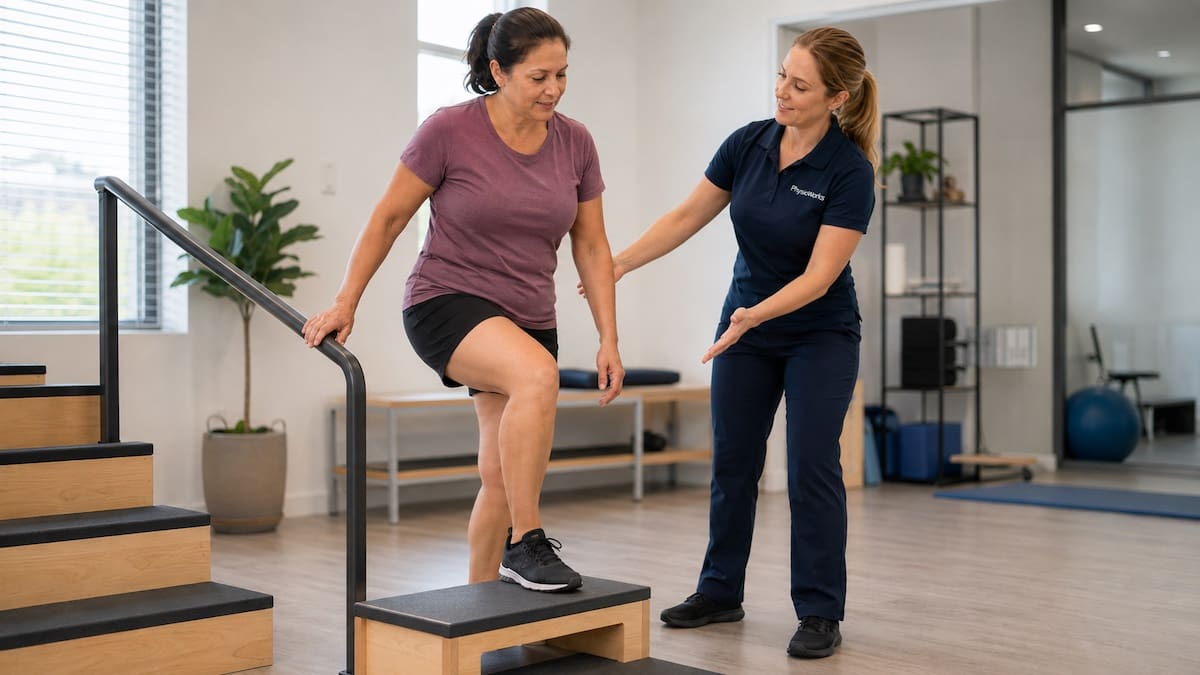
Knee pain FAQs knee joint control during supported step up

Progressive strengthening can help restore knee confidence for walking, stairs, work and sport.

What to Do Next

Choose the guide that best matches your symptoms. However, arrange an assessment rather than guessing when your knee is swollen, locking, giving way or preventing normal walking.

A physiotherapist may assess your movement, strength, swelling and knee stability. They can then explain the likely causes, discuss whether imaging may help and guide a gradual return to walking, stairs, work, exercise or sport.

Choose your clinic and appointment pathway

Select a PhysioWorks clinic to continue to live booking, an appointment request or reception assistance.

Knee Support Products

These knee support products are commonly used by our physiotherapists to help reduce strain, improve stability, and support your recovery at home.

View all knee support products

Follow PhysioWorks

Get physiotherapy tips, exercise videos, recovery advice and blog updates.

References

  1. Noorduyn JCA, van de Graaf VA, Willigenburg NW, et al. Effect of physical therapy vs arthroscopic partial meniscectomy in people with degenerative meniscal tears: five-year follow-up of the ESCAPE randomised clinical trial. JAMA Netw Open. 2022;5(7):e2220394. doi:10.1001/jamanetworkopen.2022.20394
  2. Kotsifaki R, Korakakis V, King E, et al. Aspetar clinical practice guideline on rehabilitation after anterior cruciate ligament reconstruction. Br J Sports Med. 2023;57(9):500-514. doi:10.1136/bjsports-2022-106158
  3. Lawford BJ, Hall M, Hinman RS, et al. Exercise for osteoarthritis of the knee. Cochrane Database Syst Rev. 2024;12(12):CD004376. doi:10.1002/14651858.CD004376.pub4

Common Causes of Calf Pain

Article by John Miller & Erin Runge
Physiotherapist assessing a calf strain injury during a calf muscle examination

A calf assessment helps identify whether pain involves muscle, tendon, nerve or another cause.

Common causes of calf pain include muscle strain, Achilles tendon problems, muscle cramps, exercise-related pressure, referred nerve pain and circulation problems. Some causes improve with sensible activity changes and rehabilitation. Others need prompt medical assessment.

How the pain started provides an important clue. Sudden pain during sprinting may suggest a muscle injury. In contrast, pain that gradually increases with running, hills or walking may reflect tendon overload, reduced calf capacity or another lower-leg condition.

This guide compares common symptom patterns, warning signs and practical next steps. You can also explore the broader calf pain conditions guide.

Quick Guide to Calf Pain

The symptom pattern can help narrow the likely source, although it cannot confirm a diagnosis by itself.

Sharp pain during sprinting or jumping
May indicate a calf muscle strain or tear.

Morning stiffness near the heel
May indicate Achilles tendon irritation or tendinopathy.

A sudden pop and weak push-off
May indicate an Achilles tendon rupture.

Predictable tightness during exercise
May occur with chronic exertional compartment syndrome.

Burning, tingling or back-related pain
May indicate referred nerve pain.

Swelling, warmth or redness
Needs prompt medical assessment.

What Structures Can Cause Calf Pain?

The calf contains several structures that help you walk, run, jump and push away from the ground. The main calf muscles are the gastrocnemius and soleus. These muscles connect with the Achilles tendon, which attaches to the heel bone.

Pain may also arise from nerves, blood vessels, the knee, the lower back or pressure inside the lower-leg muscle compartments. Therefore, calf pain does not always mean that the calf muscle itself is injured.

Sudden Causes of Calf Pain

Calf Strain or Tear

A calf strain or tear often causes sudden pain during sprinting, jumping, lunging or changing direction. Some people describe a sharp pull, tearing sensation or feeling like something struck the calf.

Common features include:

  • localised tenderness;
  • pain when walking or pushing off;
  • weakness during a calf raise;
  • swelling or bruising;
  • difficulty running or climbing stairs.

The severity can vary. A mild strain may allow walking with discomfort, while a larger tear can cause marked weakness, swelling and limping.

Achilles Tendon Rupture

An Achilles tendon rupture usually causes sudden pain at the back of the ankle or lower calf. People often report a popping sound or a feeling that someone kicked the back of the leg.

Walking may become difficult, and the injured leg may feel weak when pushing away from the ground. A suspected rupture needs prompt assessment because early diagnosis helps guide appropriate management.

Direct Impact or Contusion

A collision, fall or direct blow can bruise the calf muscles. Pain and swelling usually sit around the impact area. More severe trauma may also injure deeper tissues or, less commonly, contribute to acute compartment syndrome.

Gradual and Overuse Causes

Achilles Tendinopathy

Achilles tendinopathy can cause pain in the lower calf, along the tendon or close to the heel. Symptoms commonly build after increased running, hill training, jumping or a rapid change in activity.

Typical features include morning stiffness, tenderness, pain during calf raises and discomfort when starting exercise. Some people feel better after warming up, although symptoms may return during or after activity.

Calf Muscle Overload

The calf muscles can become painful when activity exceeds their current capacity. This may happen after increasing walking distance, running volume, hills, court sport or gym exercises too quickly.

Overload usually causes a gradual ache, tightness or fatigue rather than one clear moment of injury. Reduced calf strength, limited ankle movement, recent inactivity and a previous calf injury may contribute.

Muscle Cramps

Muscle cramps cause a sudden, involuntary and often painful tightening of the calf. Exercise-related cramps may occur with fatigue, unfamiliar loading, poor pacing or inadequate conditioning.

Hydration may play a role in some cases. However, recurrent cramps are not always caused by dehydration alone. Persistent or unexplained cramping deserves further assessment, especially when it occurs without exercise or alongside weakness, swelling or other symptoms.

Calf Pain During Exercise

Chronic Exertional Compartment Syndrome

Chronic exertional compartment syndrome can cause predictable tightness, pressure or cramping during running or repeated exercise. Symptoms often begin after a similar amount of activity and ease after stopping.

Some people also experience tingling, numbness or weakness. This pattern differs from a simple muscle strain because symptoms often recur at a repeatable exercise threshold.

Circulation-Related Walking Pain

Reduced blood flow can cause calf discomfort during walking. The pain may begin after a consistent walking distance and improve with rest. This pattern requires medical assessment, particularly in people with cardiovascular risk factors.

A physiotherapy assessment may help determine whether symptoms behave like a muscle, tendon or nerve problem. However, suspected circulation problems require medical investigation.

Referred Pain from the Back or Nerves

Not all calf pain starts in the calf. Irritation of a nerve in the lower back may refer symptoms into the back of the leg. This can occur with sciatica or another nerve-related condition.

Nerve-related calf symptoms may include:

  • burning or electric pain;
  • tingling or numbness;
  • pain extending from the back or buttock;
  • weakness in the ankle or foot;
  • symptoms affected by spinal position.

A thorough assessment helps distinguish referred nerve pain from a local calf muscle or tendon problem.

Other Possible Causes

Baker’s Cyst

A Baker’s cyst is a fluid-filled swelling behind the knee. If the cyst becomes irritated or leaks fluid down the leg, it may cause calf tightness, swelling or discomfort.

These symptoms can resemble other conditions, including a blood clot. Therefore, new or unexplained calf swelling should be medically assessed.

Stress Injury or Fracture

A stress injury of the tibia or another lower-leg bone can sometimes feel like calf or shin pain. Symptoms commonly worsen with repeated weight-bearing activity and may become more localised over time.

Persistent bone tenderness, night pain or increasing pain with walking or running needs further assessment.

Inflammation or Infection

Less commonly, calf pain may relate to infection or an inflammatory condition. Increasing redness, heat, swelling, fever or feeling generally unwell requires prompt medical care.

When Calf Pain Needs Urgent Medical Care

Seek urgent medical assessment if calf pain occurs with:

  • new one-sided swelling;
  • redness, warmth or unexplained tenderness;
  • chest pain or shortness of breath;
  • a cold, pale or discoloured foot;
  • severe pain after trauma;
  • rapidly increasing tightness or pressure;
  • progressive numbness or weakness;
  • fever or signs of infection.

These features may indicate a blood clot, circulation problem, acute compartment syndrome, infection or another condition that needs urgent medical investigation.

Could Calf Pain Be a Deep Vein Thrombosis?

A deep vein thrombosis, or DVT, is a blood clot within a deep vein. It may cause calf pain, swelling, warmth, tenderness or a change in skin colour. However, symptoms vary, and some people have few obvious signs.

Risk may increase after surgery, prolonged immobility, long-distance travel, serious illness or a previous clot. Pregnancy, some medications and certain medical conditions may also affect risk.

A suspected DVT is not suitable for routine self-treatment, exercise testing or massage. Seek prompt medical assessment. A doctor may arrange appropriate testing, commonly including vascular ultrasound.

Why Does My Calf Hurt When Walking?

Calf pain while walking may come from reduced muscle capacity, Achilles tendon irritation, a recovering strain, referred nerve pain or a circulation problem.

The timing of symptoms can help identify the next step:

  • Pain from the first few steps: may occur with an acute muscle injury or an irritable tendon.
  • Pain after increasing distance: may reflect reduced load tolerance.
  • Pain at a consistent distance that eases with rest: may require assessment for circulation or exertional pressure problems.
  • Pain with tingling or back symptoms: may indicate nerve involvement.

How Is Calf Pain Assessed?

A physiotherapist will ask how the pain started, where it sits and which activities aggravate it. The assessment may include walking, ankle movement, calf strength, balance, calf raises and tests of the knee, ankle and lower back.

The clinician will also check for swelling, bruising, weakness, altered sensation and warning signs that require medical referral.

Imaging is not necessary for every calf problem. Ultrasound or MRI may help clarify selected muscle and tendon injuries. Suspected blood clots, fractures, circulation problems or other medical conditions require the appropriate medical pathway.

How Physiotherapy May Help

Treatment depends on the cause rather than the symptom alone. A rehabilitation program may include:

  • temporary activity modification;
  • progressive calf strengthening;
  • ankle mobility exercises;
  • walking or running progression;
  • tendon or muscle loading;
  • balance and lower-limb control exercises;
  • return-to-sport planning.

The aim is to rebuild the calf’s capacity for daily activity, work or sport without progressing the load too quickly.

Calf pain single-leg calf raise rehabilitation

Progressive calf strengthening can rebuild walking, running and push-off capacity.

Reducing the Risk of Calf Pain

You may reduce the risk of recurrent calf pain by progressing activity gradually and maintaining calf strength.

Useful strategies include:

  • avoiding sudden increases in running or walking volume;
  • including both straight-knee and bent-knee calf exercises;
  • warming up before high-speed or jumping activity;
  • allowing enough recovery between demanding sessions;
  • reviewing footwear when symptoms follow a major footwear change;
  • addressing persistent ankle stiffness or calf weakness;
  • following a staged return after a previous injury.

People increasing their walking load may also find the walking injury guide helpful.

Related Calf and Leg Conditions

Explore the most relevant PhysioWorks guides.

Calf Pain FAQs

What is the most common cause of calf pain?

Muscle overload and calf strains are common causes, particularly after running, jumping, hills or a rapid increase in activity. However, the most likely cause depends on how the pain started, where it sits and whether there is swelling, weakness or nerve-related symptoms.

Why does my calf hurt after walking?

Calf pain after walking may come from reduced muscular capacity, Achilles tendon irritation, a recovering calf strain or a rapid increase in walking distance. Pain that predictably starts after a set distance and eases with rest also needs assessment for circulation or exertional pressure problems.

What should I do for a pulled calf muscle?

Reduce activities that cause sharp pain, keep the leg moving within a comfortable range and avoid returning to running or jumping too quickly. A staged strengthening program usually works better than prolonged complete rest. Seek assessment if walking is difficult, bruising is extensive or weakness is significant.

How can I prevent calf cramps?

Build exercise capacity gradually, manage fatigue and allow enough recovery between demanding sessions. Hydration may help in some situations, but repeated cramping is not always caused by dehydration. Seek advice if cramps are frequent, unexplained or occur alongside weakness, swelling or other symptoms.

When is calf pain serious?

Calf pain is more concerning when it occurs with one-sided swelling, warmth, redness, chest pain, shortness of breath, severe weakness, a cold or discoloured foot, fever or rapidly increasing pressure. These symptoms require urgent medical assessment.

What to Do Next

Seek urgent medical care when calf pain occurs with swelling, redness, warmth, breathing difficulty, severe weakness or another warning sign.

Otherwise, consider a physiotherapy assessment when calf pain keeps returning, affects walking or running, follows an injury, or does not improve as expected. Identifying whether the problem involves muscle, tendon, nerve or another structure helps guide an appropriate rehabilitation plan.

Choose your clinic and appointment pathway

Select a PhysioWorks clinic to continue to live booking, an appointment request or reception assistance.

Follow PhysioWorks

Get physiotherapy tips, exercise videos, recovery advice and blog updates.

References

  1. de Jonge S, et al. The tendon unit: biochemical, biomechanical, hormonal influences and pathophysiology in tendinopathy. Sports Med Open. 2021;7(1).
  2. Healthdirect Australia. Deep vein thrombosis. Accessed July 2026.

Foot, Ankle & Heel Pain FAQs

Find the most useful PhysioWorks information for foot, ankle, heel, Achilles or shin pain based on where your symptoms occur and how they started.

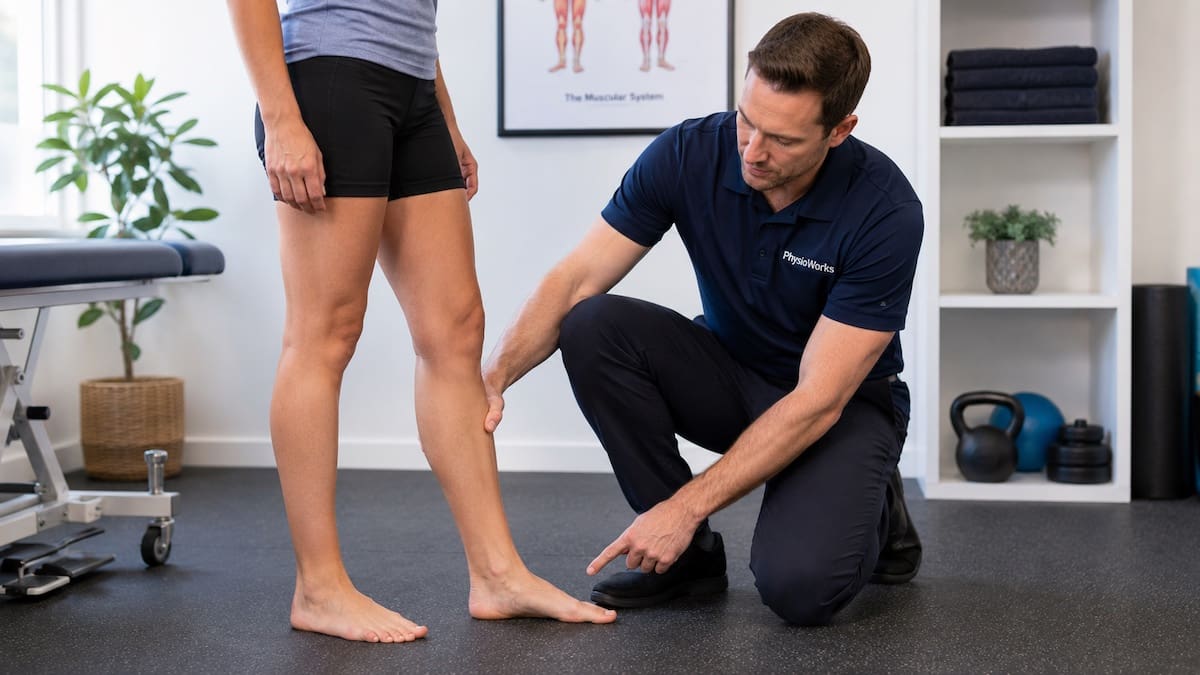
Physiotherapist assessing a patient’s foot and ankle while standing
A foot and ankle assessment considers where symptoms occur, how they started and how the area responds to standing and movement.

Where should you start?

Begin with the pathway that best matches your main symptom location. These links provide general guidance and cannot confirm a diagnosis.

Pain under the heel or arch

Start with plantar fasciitis information if pain is strongest under the heel, through the arch or during your first steps after rest.

Pain behind the heel

Read about Achilles tendinopathy if pain sits through the tendon at the back of the heel and worsens with running, hills or jumping.

General ankle pain or swelling

Use the ankle pain guide if symptoms are broad, developed gradually or do not clearly match a recent ligament injury.

Pain through the foot or forefoot

Visit the foot pain hub for symptoms through the toes, forefoot, midfoot or arch, particularly when standing or walking aggravates pain.

Shin pain during exercise

Read about shin splints if pain develops along the shin during or after running, jumping or a recent increase in training.

Heel pain in a child

Start with Sever’s disease information when an active child or teenager develops heel pain during running, jumping or sport.

What causes foot, ankle and heel pain?

Foot, ankle and heel pain may develop after a sudden injury or build gradually as tissues become overloaded. Common contributing factors include an ankle twist, a rapid increase in activity, reduced strength, limited movement, repeated impact, footwear changes, growth-related stress and poor balance.

Sometimes one obvious incident causes the symptoms. In other cases, walking, running, hills, jumping or sport gradually places more demand on a structure than it can currently tolerate.

Common examples include a sprained ankle, plantar fasciitis, Achilles tendinopathy and shin splints.

Healthdirect also provides general information about foot care and common foot problems.

Which foot pain guides are most useful?

Start with the foot section when pain sits in the arch, forefoot, midfoot or toes, or when standing and walking provoke symptoms more than ankle twisting does.

Foot pain treatment

Learn how assessment, activity changes, exercise and other treatment options may assist.

Plantar fasciitis

Explore common features of pain beneath the heel and through the plantar fascia.

Barefoot running

Consider potential benefits, limitations and loading issues before changing running footwear.

Which ankle injury guides should you read?

The ankle section is most useful when you have swelling, bruising, a recent twist, pain with weight-bearing or repeated episodes of the ankle giving way.

Sprained ankle recovery

Review assessment, rehabilitation and return-to-activity considerations after an ankle sprain.

Ankle strapping

See how ankle taping may provide short-term support during selected activities or recovery stages.

What details help narrow the cause?

Location matters

Pain under the heel, behind the heel, through the forefoot or around the ankle may point towards different structures.

How it started matters

A sudden twist, fall or impact requires a different assessment pathway from pain that gradually builds with activity.

Function matters

Difficulty weight-bearing, marked swelling, repeated instability or declining walking ability deserves closer assessment.

Where should you start for heel, Achilles or shin pain?

Heel, Achilles and shin symptoms often relate to repeated loading during walking, running, hills, sprinting or jumping. The exact location and behaviour of the pain can help guide your next reading.

Shin splints

Review activity-related shin pain, common contributing factors and rehabilitation options.

What about children, balance and recurrent ankle rolling?

Children and teenagers may require a different pathway because growth-related heel and leg pain are common. Balance retraining can also be important when an old ankle injury continues to affect confidence or stability.

Sever’s disease

Read about growth-related heel pain commonly seen in active children and teenagers.

Kids’ leg pain

Explore common activity-related leg complaints that can affect children during sport and growth.

Growing pains

Learn about typical growing-pain patterns and symptoms that may need further assessment.

When should you seek prompt medical assessment?

Arrange a physiotherapy or medical assessment when symptoms persist, repeatedly return, affect normal walking or prevent work, exercise or sport.

Common foot, ankle and heel pain FAQs

Is foot, ankle or heel pain always caused by an injury?

No. Symptoms can develop through overload, stiffness, tendon irritation, unsuitable footwear, training errors, balance problems, growth-related issues or an old injury that never fully recovered. Sometimes repeated stress matters more than one traumatic event.

What causes heel pain during the first steps of the morning?

First-step heel pain commonly occurs with plantar fascia irritation. Achilles tendon problems and other heel structures can also contribute. Symptoms may feel stronger after rest because tissues have temporarily stiffened before loading resumes.

How do you know if an ankle sprain needs treatment?

An ankle sprain may need assessment when swelling, bruising or pain limits weight-bearing, or when confidence and stability do not return. Guided rehabilitation is particularly useful when symptoms persist or the ankle repeatedly gives way.

Can children get heel pain?

Yes. Active children can develop growth-related heel pain, including Sever’s disease. Symptoms commonly appear during running, jumping or sport and may improve with appropriate load modification and rehabilitation.

Can physiotherapy help foot, ankle and heel pain?

Physiotherapy may help identify likely contributing structures, improve movement and strength, guide activity progression and support a return to walking, work or sport. Treatment may also include footwear advice, taping, balance retraining and progressive exercise.

What should you do if the pain keeps returning?

Recurring symptoms may mean that strength, load tolerance, balance or movement control has not fully recovered. Repeated ankle sprains, persistent heel pain or ongoing Achilles symptoms should be assessed more closely.

What should you do next?

If your symptoms are broad or unclear, start with the main foot pain, ankle pain or heel pain guide. Then select the condition page that most closely matches your symptoms.

Book an assessment when pain persists, worsens, repeatedly returns or affects walking, work, exercise or sport. Your physiotherapist can assess the area, explain likely contributing factors and recommend an individual management plan.

Helpful supports and self-management options

Choose your clinic and appointment pathway

Select a PhysioWorks clinic to continue to live booking, an appointment request or reception assistance.

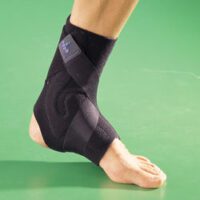
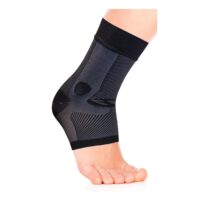
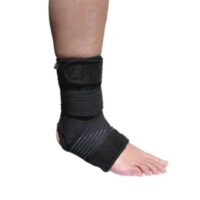
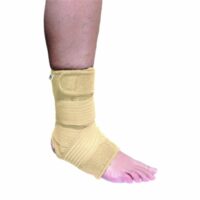
Ankle Products

These ankle products are commonly used by our physiotherapists to improve ankle pain, strength, balance, proprioception, endurance and flexibility, plus assist home exercise programs.

View all ankle products

Follow PhysioWorks

Get physiotherapy tips, exercise videos, recovery advice and blog updates.

References

  1. Martin RL, Davenport TE, Paulseth S, et al. Ankle stability and movement coordination impairments: lateral ankle ligament sprains revision 2021. J Orthop Sports Phys Ther. 2021;51(4):CPG1-CPG80. doi:10.2519/jospt.2021.0302
  2. Koc TA Jr, Bise CG, Neville C, Carreira D, Martin RL. Heel pain—plantar fasciitis: revision 2023. J Orthop Sports Phys Ther. 2023;53(12):CPG1-CPG39. doi:10.2519/jospt.2023.0303
  3. Pillay J, Riva JJ, Squires JE, et al. Falls prevention interventions for community-dwelling older adults: systematic review and meta-analysis of benefits, harms, and patient values and preferences. Syst Rev. 2024;13(1):289. doi:10.1186/s13643-024-02681-3

Heel Pain Causes

Common reasons your heel hurts and when to get it checked.

Heel pain causes assessed with plantar heel palpation during physiotherapy examination

Assessing plantar heel pain causes

Heel pain causes can range from common overload problems such as plantar fasciitis and Achilles tendinopathy through to stress fractures, nerve irritation, arthritis, and children’s growth-related heel pain. For a broader overview, visit our heel pain guide.

The best starting point is the exact location and behaviour of your pain. Pain under the heel often points towards plantar heel pain. Pain at the back of the heel may involve the Achilles tendon, heel bone insertion, or a nearby bursa. Sometimes the source can also come from the foot, ankle, lower leg, or a nearby nerve.

Quick answer: Under-heel pain is often linked with plantar heel pain, while back-of-heel pain may involve the Achilles tendon or nearby bursa. Burning, tingling, night pain, marked swelling, or trouble weight-bearing needs earlier assessment.

What are the most common heel pain causes?

The most common heel pain causes include plantar fasciitis, heel spur irritation, Achilles tendinopathy, retrocalcaneal bursitis, Sever’s disease in children, stress fractures, and, less often, nerve irritation or inflammatory joint conditions. The likely cause usually depends on where the pain sits, what loads aggravate it, and whether you also notice swelling, stiffness, numbness, limping, or pain at rest.

Quick guide: where is your heel pain?

Heel pain location gives useful clues. It does not confirm a diagnosis on its own, but it helps narrow the most likely structures involved.

Pain location Common possibilities Common pattern
Under the heel Plantar fasciitis, plantar heel pain, heel spur irritation Sharp first-step pain after rest
Back of the heel Achilles tendinopathy, insertional Achilles irritation, retrocalcaneal bursitis Pain with running, hills, stairs, calf raises, or shoe pressure
Inside heel or arch Tarsal tunnel syndrome, tendon overload, nerve irritation Burning, tingling, numbness, or pain that spreads
Heel pain in children Sever’s disease Pain during growth spurts, often worse with running or jumping
Deep or worsening heel pain Foot stress fracture or broader stress fracture concern Progressive pain, pain with walking, or pain after a load spike

Common heel pain patterns

Heel pain becomes easier to sort through when you match the pain pattern to the likely structure involved. Pain with the first few steps in the morning often points towards plantar heel pain. Pain at the back of the heel during running, calf raises, or stairs may point more towards the Achilles tendon or the bursa near the heel bone.

Common signs may include:

  • pain under the heel with first steps after rest
  • pain at the back of the heel during running or calf loading
  • tenderness near the shoe line or Achilles insertion
  • heel pain in active children during growth spurts
  • pain that worsens after a sudden increase in walking, standing, or sport

Which heel pain cause matches your symptoms?

The sections below outline common heel pain causes. They are not a substitute for diagnosis, but they can help you decide whether your symptoms sound like a plantar fascia, Achilles tendon, bursa, nerve, bone stress, or children’s growth-related problem.

Plantar Fasciitis

Plantar fasciitis is one of the most common causes of pain under the heel. It often causes sharp pain with the first few steps in the morning or after sitting. Calf tightness, prolonged standing, walking volume changes, running load, and footwear changes can all contribute.

Heel Spur

Heel spurs are bony growths that may appear alongside plantar heel pain. However, a spur on imaging is not always the true pain source. Many people improve when treatment focuses on the irritated soft tissues, foot strength, load management, and footwear support rather than the X-ray finding alone.

Achilles Tendinopathy

Achilles tendinopathy often causes pain at the back of the heel or just above it. Symptoms usually build with running, jumping, hills, or repeated calf raises. Morning stiffness and soreness after activity are common.

Retrocalcaneal Bursitis

Retrocalcaneal bursitis causes irritation between the Achilles tendon and the heel bone. People often notice swelling, tenderness near the back of the heel, or pain where shoes rub. This can overlap with insertional Achilles problems.

Sever’s Disease

Sever’s disease is a common cause of heel pain in active children, especially during growth spurts. Running and jumping sports often aggravate it. Children may limp, complain after training, or feel pain when rising onto tiptoes.

Foot Stress Fracture or Bone Irritation

A foot stress fracture can also cause heel or foot pain, especially if pain is severe, progressive, or linked with a sudden rise in training load. Broader stress fracture patterns often behave differently from routine soft tissue overload and deserve earlier assessment if walking becomes difficult.

Nerve-Related Causes

Nerve irritation can mimic heel pain. Tarsal tunnel syndrome, a pinched nerve, or even sciatica may cause burning, tingling, numbness, or pain that does not behave like a typical plantar fascia or Achilles problem.

Inflammatory or Arthritic Causes

Less commonly, heel pain can relate to inflammatory or arthritic conditions such as rheumatoid arthritis, psoriatic arthritis, or broader ankle arthritis presentations. These cases often need a wider assessment, especially if symptoms are persistent, bilateral, or linked with other joint complaints.

Why does heel pain location matter?

The location of your heel pain helps narrow the likely cause. Pain under the heel often points towards plantar heel pain or a heel spur. Pain at the back of the heel may fit Achilles tendinopathy, insertional irritation, or retrocalcaneal bursitis. Medial or lateral heel pain may suggest tendon overload, nerve irritation, or foot mechanics issues. You may also find our foot pain and ankle pain pages helpful if your symptoms spread beyond the heel.

How is the cause of heel pain assessed?

A physiotherapist usually checks your pain location, walking pattern, calf strength, ankle movement, foot posture, footwear, and recent load changes. They may also test tenderness under the heel, the Achilles insertion, the heel bone, or the inside ankle region if nerve symptoms are present.

Assessment clues that matter:

  • whether pain is worse with first steps, running, stairs, or rest
  • whether symptoms sit under the heel, behind the heel, or near the arch
  • whether numbness, tingling, swelling, bruising, or limping is present
  • whether training, footwear, work demands, or growth spurts changed recently

When should heel pain be checked?

You should get heel pain checked if it keeps returning, limits walking, affects work or sport, or does not improve after a short period of sensible load reduction. Earlier assessment is also important if you have marked swelling, bruising, numbness, a limp, pain at rest, or difficulty weight-bearing.

For an external evidence-based overview of plantar heel pain management, the JOSPT guideline provides a useful summary of current best practice: Heel Pain - Plantar Fasciitis: Revision 2023.

Related heel, foot, and ankle conditions

Heel Pain Causes: FAQs

What is the most common cause of heel pain?

The most common cause of heel pain is often plantar fasciitis, especially when pain sits under the heel and is worse with the first few steps after rest. However, pain at the back of the heel may fit Achilles tendinopathy or retrocalcaneal bursitis instead, so the pain pattern still matters.

Can a heel spur cause pain on its own?

A heel spur can be linked with pain, but it is not always the true source of symptoms. Many people have a heel spur on imaging without pain. In practice, the surrounding soft tissues, load tolerance, calf tightness, and foot mechanics often matter more than the spur itself.

Why does my heel hurt more in the morning?

Morning heel pain is commonly linked with plantar heel pain, including plantar fasciitis. The tissues can feel stiff after rest, so the first few steps become sharp or tender. This pattern is less typical of nerve pain and can help separate plantar heel pain from some other heel problems.

What causes heel pain in children?

In active children, one of the most common causes is Sever’s disease, also called calcaneal apophysitis. It tends to appear during growth spurts and with running or jumping sports. Children may complain after training, limp, or feel pain when the heel is squeezed or loaded.

Can heel pain come from a nerve?

Yes. Heel pain can sometimes come from a nerve rather than the heel tissues themselves. Tarsal tunnel syndrome, a pinched nerve, or referred pain from sciatica may cause burning, tingling, numbness, or symptoms that do not behave like typical plantar fascia or Achilles pain.

Can shoes or training changes trigger heel pain?

Yes. A sudden change in shoes, walking volume, running load, hills, court sport, or standing time can trigger heel pain. This does not mean the shoe is always the only cause. It means the heel tissues may not have adapted to the new load yet.

When should I worry about heel pain?

You should take heel pain more seriously if it causes a marked limp, swelling, bruising, numbness, pain at rest, or difficulty weight-bearing. Pain that keeps returning or worsens despite rest also deserves a proper assessment, particularly when a stress fracture or tendon rupture needs to be ruled out.

What to do next

If your heel pain is not settling, the main priority is to identify which structure is overloaded and why. The location of the pain, the activities that aggravate it, and the way it behaves after rest all help guide the right diagnosis and treatment plan.

A physiotherapist can assess your heel, foot, ankle, calf strength, walking pattern, training load, and footwear factors. Early advice may help you avoid a longer cycle of recurring heel pain and repeated activity setbacks.

What to do now:

  • note whether the pain is under the heel or at the back of the heel
  • reduce aggravating walking, running, or jumping load for a few days
  • check your footwear, training changes, and morning stiffness pattern
  • book an assessment if symptoms persist, recur, or affect normal walking

Choose your clinic and appointment pathway

Select a PhysioWorks clinic to continue to live booking, an appointment request or reception assistance.

Achilles & Heel Products

These Achilles and heel products are commonly used by our physiotherapists to improve strength, comfort, movement, and home exercise programs.

View all Achilles and heel products

Follow PhysioWorks

Get physiotherapy tips, exercise videos, recovery advice and blog updates.

References

  1. Koc TA Jr, Bise CG, Neville C, et al. Heel Pain - Plantar Fasciitis: Revision 2023. J Orthop Sports Phys Ther. 2023;53(12):CPG1-CPG39. doi:10.2519/jospt.2023.0303.
  2. Morrissey D, Cotchett M, Said JH, et al. Management of plantar heel pain: a best practice guide informed by a systematic review, expert clinical reasoning and patient values. Br J Sports Med. 2021;55(19):1106-1118. doi:10.1136/bjsports-2019-101970.
  3. Chen J, Ahn J, Mullen S, et al. Management of Insertional Achilles Tendinopathy. Orthop Clin North Am. 2022;53(2):221-232. doi:10.1016/j.ocl.2021.11.002.
  4. Kothari EA, Marshall C, Young TP. A Review of Pediatric Heel Pain. Cureus. 2023;15(2):e34937. doi:10.7759/cureus.34937.
  5. Tu P, Bytomski JR. Diagnosis of Heel Pain. Am Fam Physician. 2011;84(8):909-916.

How Do You Treat Achilles Tendinopathy?

Achilles tendinopathy assessment during standing calf loading test by physiotherapist

Achilles tendon assessment under load

Achilles tendinopathy is best assessed under load, with physiotherapists using weight-bearing tests to guide treatment.

Achilles tendinopathy treatment focuses on load management, progressive calf strengthening, and a gradual return to walking, running, or sport. Most cases improve when the tendon is loaded correctly rather than fully rested. The goal is to settle pain, rebuild tendon capacity, and improve how much load your Achilles tendon can handle.

In short: the best treatment combines reducing aggravating load and rebuilding strength through controlled exercise.

If you are also looking for a broader overview, see our main page on Achilles tendinopathy. This problem is also part of the wider calf pain and heel pain cluster, depending on exactly where your symptoms sit.

Quick Answer

Most Achilles tendinopathy treatment plans work best when they follow a simple progression:

  • reduce the loads that are flaring the tendon
  • start controlled calf-loading exercises
  • build strength and tendon capacity over time
  • return gradually to walking, running, or sport
  • Morning stiffness is common.
  • Pain often builds with hills, stairs, hopping, or running.
  • Mid-portion and insertional Achilles pain are managed slightly differently.
  • Exercise usually helps, but the dose matters.

Achilles tendinopathy treatment explained

Achilles tendinopathy is usually treated with a staged rehabilitation plan that reduces pain, improves calf strength, and gradually reloads the tendon. Most people do best with modified activity plus a progressive exercise program, rather than relying on rest, massage, or passive treatment alone.

Most successful rehab plans follow a clear loading progression:

Achilles Tendinopathy Treatment Pathway

Step 1

Reduce the activities that flare your tendon, such as hills, sprinting, jumping, or sudden training spikes.

Step 2

Begin controlled loading with calf exercises that match your pain level and tendon irritability.

Step 3

Build calf strength, endurance, and tendon capacity with gradual progression.

Step 4

Return to walking, running, and sport step by step once the tendon tolerates higher loads.

Treatment needs to match whether the problem is mid-portion Achilles tendinopathy or pain closer to the heel insertion. If your symptoms sit right at the heel attachment, you may also need to consider whether Achilles enthesopathy is part of the picture.

What is the first step in Achilles tendinopathy treatment?

The first step is to calm the tendon down without stopping all activity. That usually means reducing the loads that flare it, such as fast running, hill work, jumping, or repeated calf raises, while keeping enough movement to maintain strength and function.

This stage is often called load management. It does not mean doing nothing. Instead, it means choosing the right amount of activity for your current tendon capacity. Many people make better progress when they keep moving within tolerable limits rather than resting completely. For more on this approach, read why rest is not always best for tendon pain.

What exercises help Achilles tendinopathy?

The most helpful exercises are usually progressive calf-loading exercises. These may start with isometric holds or controlled heel raises, then progress to heavier slow resistance work, single-leg calf strength, and eventually hopping, running, or sport-specific drills when the tendon is ready.

Example Rehab Progression

  • Early stage: pain-calming load reduction, gentle isometric calf work, and controlled walking volume.
  • Building stage: double-leg then single-leg calf raises with steady progression.
  • Strength stage: heavier slow resistance work to improve tendon capacity.
  • Return stage: hopping, jogging, faster running, and sport-specific drills when tolerated.

Your physiotherapist will adjust the speed of this progression based on your pain response, strength, and activity goals.

The exact program depends on your pain irritability, strength, and goals. Insertional Achilles pain often needs modified exercise depth at first to avoid excessive compression at the heel. Mid-portion pain can often tolerate a broader loading range. If you are unsure whether your calf is also involved, see calf strain and tear for related symptoms.

Mid-portion vs insertional Achilles pain

These two presentations overlap, but they are not identical. Knowing which pattern you have helps guide the right exercise approach.

Feature Mid-portion Achilles Tendinopathy Insertional Achilles Tendinopathy
Usual pain location A few centimetres above the heel bone Right at the tendon attachment on the heel
Common aggravators Running, stairs, hopping, sudden load increases Heel compression, uphill work, deep calf stretching, rigid shoe pressure
Exercise note Often tolerates a fuller calf-raise range earlier Often needs modified range at first to reduce compression
Helpful supports Load management and strength progression Load management, footwear changes, and sometimes heel lifts

Do you need imaging for Achilles tendinopathy?

Most cases of Achilles tendinopathy can be diagnosed by a physiotherapist from your history, pain pattern, tendon tenderness, calf strength, and movement testing. Ultrasound or MRI is usually reserved for stubborn symptoms, unusual presentations, or when another diagnosis needs to be ruled out.

Clinical assessment is usually more important than imaging findings when guiding treatment decisions.

This matters because tendon scans do not always match pain levels. A tendon can look abnormal on imaging without being the main reason for symptoms. That is why your pain pattern, function, and response to loading often guide treatment more than the scan alone.

How can physiotherapy help Achilles tendinopathy?

Physiotherapy helps by identifying what is overloading your tendon, then building a treatment plan that matches your stage of recovery. This may include exercise progression, walking or running advice, calf strength testing, ankle mobility work, footwear guidance, and return-to-sport planning.

Hands-on treatment may help some people settle surrounding calf tightness or stiffness, but it should support rehabilitation rather than replace it. If you have general tendinopathy questions, this broader guide explains how tendon overload problems usually behave.

When should you worry about Achilles tendon pain?

You should get Achilles tendon pain checked if it is not improving, keeps flaring with normal walking or exercise, or is affecting your ability to work, train, or sleep.

A sudden pop, major weakness, bruising, or trouble pushing off your foot raises concern about an Achilles rupture, which needs urgent assessment.

An early review is also sensible if the pain is right at the heel, if swelling is marked, or if your symptoms are not following a clear recovery pattern. Persistent heel pain can also overlap with other conditions in the heel pain cluster.

Common treatment options for Achilles tendinopathy

  • Load modification: reduce aggravating activity without stopping all movement.
  • Progressive strengthening: build calf and tendon capacity over time.
  • Footwear or heel lifts: sometimes helpful in irritable stages or insertional pain.
  • Running or training changes: adjust hills, speed, volume, and frequency.
  • Mobility and movement work: improve ankle, calf, and lower-limb control where needed.
  • Return-to-sport progressions: add spring, plyometrics, and sport loads gradually.

Related articles

Achilles tendinopathy FAQs

Can Achilles tendinopathy heal without treatment?

Some mild cases may settle if you reduce aggravating load, but many people do not recover well with rest alone. A structured program usually gives you a better chance of improving pain, calf strength, and tendon capacity while reducing the risk of repeated flare-ups.

Is walking good for Achilles tendinopathy?

Walking is often helpful if it stays within tolerable pain limits. However, long walks, hills, or fast walking may still aggravate an irritable tendon. The goal is to keep useful activity in your week while adjusting volume and intensity to suit your current stage.

Are heel lifts helpful for Achilles tendinopathy?

Heel lifts may help some people, especially in more irritable phases or when insertional pain is aggravated by tendon compression. They are usually a short-term support rather than a full treatment on their own. Exercise and load progression still do the heavier lifting over time.

How long does Achilles tendinopathy take to improve?

Recovery time varies. Some people feel better over several weeks, while more stubborn cases take a few months of steady rehabilitation. Progress is usually not linear. Small flare-ups can happen, especially if activity increases faster than the tendon is ready for.

Should you stretch the Achilles tendon?

Stretching may help some people, but it is not the main treatment for most Achilles tendinopathy cases. It also needs care in insertional pain, where aggressive stretching into end range can increase compression near the heel. Strength and load progression are usually more important.

What should you avoid with Achilles tendinopathy?

Try to avoid pushing through sharp flare-ups, sudden training spikes, repeated hill running, or jumping loads that clearly worsen symptoms. Also avoid relying only on passive care while skipping your strengthening plan. The tendon usually needs well-dosed loading to recover properly.

What to do next

If your Achilles pain keeps returning, is limiting your walking or running, or is stopping you from getting back to sport, a physiotherapy assessment can help clarify the diagnosis and guide the right rehab stage. Treatment works best when it matches your symptoms, strength, and load tolerance.

At PhysioWorks, we can assess whether your pain fits mid-portion or insertional Achilles tendinopathy, identify contributing factors, and build a practical plan to help you return to activity with more confidence.

Choose your clinic and appointment pathway

Select a PhysioWorks clinic to continue to live booking, an appointment request or reception assistance.

Calf Products

These calf products are commonly used by our physiotherapists to improve strength, provide comfort, improve flexibility, plus assist home exercise programs.

View all calf products

Follow PhysioWorks

Get physiotherapy tips, exercise videos, recovery advice and blog updates.

References

  1. Silbernagel KG, Hanlon S, Sprague A. Current Clinical Concepts: Conservative Management of Achilles Tendinopathy. J Athl Train. 2020;55(5):438-447. doi:10.4085/1062-6050-356-19.
  2. Maetz R, Dubé MO, Tougas A, Prudhomme F, Dubois B, Roy JS. Systematic Review and Meta-analyses of Randomized Controlled Trials Comparing Exercise Loading Protocols With Passive Treatment Modalities or Other Loading Protocols for the Management of Midportion Achilles Tendinopathy. Orthop J Sports Med. 2023;11(5):23259671231171178. doi:10.1177/23259671231171178.
  3. Demangeot Y, O'Neill S, Degache F, et al. Exercise Parameters to Consider for Achilles Tendinopathy: A Modified Delphi Study With International Experts. Br J Sports Med. 2025;59(19):1337-1349. doi:10.1136/bjsports-2025-110183.
  4. Judd A, et al. UK Defence Rehabilitation Review of Achilles and Patellar Tendinopathy Conservative Management: A Systematic Review. BMJ Mil Health. 2025. Published online ahead of print.

Shin Pain Causes, Treatment & Injury Rehab

Physiotherapist palpating mid tibia to assess shin pain and tibial stress injury

Targeted shin pain assessment

Shin pain is a common lower-leg problem, especially in runners, active adults, and people who have recently increased their training load. Although many people assume it is just shin splints, shin pain can also relate to bone stress, tendon overload, muscle strain, or compartment syndrome. It also overlaps closely with running injuries, where repeated impact and training errors often load the lower leg too quickly.

In most cases, shin pain starts when the tissues in the lower leg are asked to do more than they can currently tolerate. A physiotherapist can assess whether your symptoms are more consistent with shin splints, a tibial stress fracture, tendon irritation, muscle injury, or pain referred from elsewhere such as sciatica.

What causes shin pain?

Shin pain usually develops when repeated lower-leg load exceeds the tissue’s current capacity. Common causes include shin splints, bone stress injury, tendon overload, muscle strain, compartment syndrome, and less commonly referred nerve pain or systemic conditions.

  • Diffuse inner shin ache with running or jumping
  • Sharp or localised point pain over the tibia
  • Tightness, cramping, or pressure with exercise
  • Pain after training spikes, hills, or harder surfaces
  • Symptoms linked with footwear, recovery, or technique changes

What are the most common shin pain causes?

The most common shin pain causes are shin splints, bone stress injuries, tendon overload, muscle strain, and exercise-related compartment pressure. The pain pattern, exact location, and aggravating activities help narrow down which structure is most likely involved.

Shin splints

Shin splints usually cause a broad aching pain along the shin, often after running, jumping, or sudden increases in training. This problem commonly reflects overload of the tissues attaching around the tibia rather than a single traumatic injury.

Bone stress injuries

A tibial stress fracture or bone stress injury tends to cause more localised tenderness and often hurts more with impact, hopping, or everyday walking. This needs earlier assessment because management differs from shin splints and longer rest from impact may be required.

Tendon and muscle overload

Shin pain can also arise from nearby tendons and muscles, especially when the lower leg is overloaded. This includes tibialis posterior tendinopathy, calf muscle tear, muscle strain, DOMS, and muscle cramps.

Pressure or nerve-related causes

Exercise-related tightness, pressure, or cramping that settles with rest may point towards compartment syndrome. Burning, tingling, or spreading symptoms may also come from nerve irritation such as sciatica.

If you want a broader lower-limb overview, see our guides to leg pain and calf pain.

How do you know if shin pain is serious?

Shin pain is more concerning when it becomes very localised, hurts with normal walking, worsens despite rest, or causes night pain. These signs may suggest bone stress injury or another problem that needs earlier assessment.

Signs you should get shin pain checked sooner

  • One exact tender point on the shin bone
  • Pain that lingers after exercise or hurts with walking
  • Night pain or pain at rest
  • Pain with hopping or impact drills
  • Rapid worsening after only a small training increase

How is shin pain diagnosed?

Physiotherapist assessing shin pain with tibia palpation along anterior lower leg

Targeted shin pain assessment

Shin pain is diagnosed by combining your symptom history, training load, pain location, and a physical assessment. A physiotherapist looks for signs of bone stress, tendon overload, muscle injury, mobility loss, strength deficits, and running or loading errors.

Your assessment may include:

  • pain mapping along the tibia and lower leg
  • walking, hopping, and single-leg loading tests
  • ankle, calf, and foot strength checks
  • review of footwear, surfaces, and recent training changes
  • screening for referred symptoms from the back or nerve system

In some cases, imaging may be recommended when a bone stress injury is suspected or symptoms are not behaving like a simple overload pattern.

How can physiotherapy help shin pain?

Physiotherapy for shin pain aims to identify the pain source, reduce aggravation, rebuild lower-leg capacity, and guide a graded return to sport or exercise. Good rehab usually combines load management, strength work, movement correction, and progressive impact exposure.

Treatment may include temporary reduction of aggravating load, calf and foot strengthening, ankle mobility work, running or walking progression, taping or support advice, and technique or footwear review. If your symptoms relate more to a muscle injury or sub-acute lower-leg issue, a staged rehab plan similar to sub-acute soft tissue injury management may help.

For recurring overload patterns, a physiotherapist may also use principles from exercise load management, gait analysis, or running analysis to guide a safer return to impact.

For a general Australian overview, Healthdirect also provides public health information about shin splints.

Common shin pain treatment options

The best shin pain treatment depends on the diagnosis. Many people improve with the right combination of relative rest, guided exercise, and a gradual return to activity rather than complete inactivity for long periods.

When should you seek help for shin pain?

You should seek help for shin pain if symptoms are worsening, becoming more localised, or stopping you from walking, running, or training normally. Early assessment may help distinguish overload from bone stress injury and shorten the path back to activity.

If your pain is mild and settles quickly after activity, a short period of load reduction may be enough. If it keeps returning, shifts from diffuse to focal, or spreads with nerve-like symptoms, it is worth getting it checked properly.

Common Questions About Shin Pain

What are the first signs of shin splints?

The first signs of shin splints often include a dull ache along the shin during or after running, jumping, or hill work. Early on, the pain may ease during rest but return when training load increases again. The pain is usually broader and less pinpoint than a tibial stress fracture.

How do I know if shin pain is a stress fracture?

Stress fracture pain is usually more focal and easier to point to with one finger. It often hurts more with impact, hopping, or walking, and may stay painful after exercise rather than settling quickly. Night pain, rest pain, or increasing tenderness over a small spot are stronger reasons to get assessed sooner.

Can you still run with shin pain?

Some mild overload-related shin pain can settle with a short reduction in running volume and intensity. However, you should stop impact and seek review if pain becomes sharp, localised, or lasts into everyday walking. Running through more serious bone stress pain can slow recovery.

Does footwear matter for shin pain?

Footwear can matter when it changes how load is distributed through your lower leg. Worn shoes, abrupt footwear changes, or shoes that do not match your current training demands may contribute to shin pain in some people. However, shoes are usually only one part of the bigger load-management picture.

How long does shin pain take to improve?

Recovery time depends on the diagnosis and how early you modify load. Mild overload cases may settle over a few weeks, while bone stress injuries or longer-standing symptoms often take much longer and need a more cautious progression. Earlier assessment often helps reduce delays and repeated flare-ups.

Can tight calves cause shin pain?

Tight or overloaded calf muscles can contribute to shin pain by changing how force is transferred through the lower leg. Calf stiffness often sits alongside weakness, reduced ankle mobility, or training spikes rather than acting alone. Rehab usually works better when it also addresses strength, load, and running progression.

Can compartment syndrome feel like shin splints?

Yes. Exercise-related compartment syndrome can sometimes feel similar early on, especially when pain builds with repeated running or impact. However, compartment syndrome more often causes pressure, tightness, cramping, or altered sensation that settles after rest, rather than the broader aching pattern commonly seen with shin splints.

What to do next

If shin pain is interfering with walking, running, sport, or gym training, the next step is to reduce the aggravating load and get the problem assessed properly. The earlier you identify whether the issue is shin splints, bone stress, tendon overload, or another lower-leg condition, the easier it is to choose the right rehab plan.

You should book an assessment sooner if the pain is very localised, hurts with hopping or walking, wakes you at night, or keeps returning each time you increase training. Those patterns are more likely to need a more specific diagnosis and a more cautious return-to-impact plan.

A physiotherapist can help you work out the source of your shin pain, guide treatment, and plan a safer return to activity.

Physiotherapy patient walking confidently in shoes and shorts with normal pain-free movement

Confident walking in shoes after recovery

With the right diagnosis, load management, and rehab progression, many people can return to comfortable walking, running, and sport with more confidence.

Choose your clinic and appointment pathway

Select a PhysioWorks clinic to continue to live booking, an appointment request or reception assistance.

Ankle Products

These ankle products are commonly used by our physiotherapists to improve ankle pain, strength, balance, proprioception, endurance and flexibility, plus assist home exercise programs.

View all ankle products

Follow PhysioWorks

Get physiotherapy tips, exercise videos, recovery advice and blog updates.

References

  1. Winters M. The diagnosis and management of medial tibial stress syndrome: An evidence update. Unfallchirurg. 2020;123 Suppl 1:15-19. doi:10.1007/s00113-019-0667-z
  2. Winters M, Bakker EWP, Moen MH, Barten CC, Teeuwen R, Weir A. Medial tibial stress syndrome can be diagnosed reliably using history and physical examination. Br J Sports Med. 2018;52(19):1267-1272. doi:10.1136/bjsports-2016-097037
  3. Fallon K. Shin pain in athletes. Aust J Gen Pract. 2023.

Common Causes of Ankle Pain and Injuries

Physiotherapist assessing lateral ankle ligament injury with gentle inversion test for ankle pain diagnosis

A physiotherapist assesses the lateral ankle ligaments during movement testing for ankle pain.

Ankle pain is most commonly caused by ligament sprains, tendon injuries, joint irritation, or ankle arthritis. These problems can develop suddenly after a twist, fall, or sporting injury, or gradually with overuse. Persistent symptoms may relate to Achilles tendinopathy, impingement, poor foot mechanics, or inflammatory arthritis.

This page explains the common causes of ankle pain, the signs that may suggest a more serious injury, and when physiotherapy or medical review may help. Early assessment can speed recovery, reduce re-injury risk, and guide you towards the right treatment plan.

Common Causes of Ankle Pain at a Glance

What is the most common cause of ankle pain?

The most common cause of ankle pain is a ligament sprain, especially a lateral ankle sprain on the outside of the joint. This often happens when the foot rolls inwards during sport, running, or uneven walking. Symptoms may include swelling, bruising, stiffness, and ankle instability.

Common ankle pain symptoms

Common ankle pain symptoms include swelling, bruising, stiffness, pain with walking, reduced ankle movement, and a feeling of weakness or instability. Sudden symptoms after a twist often suggest a sprain or fracture, while gradual pain may point to a tendon, joint, or overload problem.

Common causes of ankle pain

Common causes of ankle pain usually fall into four broad groups: ligament injuries, tendon injuries, joint irritation, and longer-term arthritic or inflammatory conditions. The exact cause often depends on how the pain started, where it is located, and whether symptoms are sudden, gradual, or linked to walking, sport, or standing.

1. Sprained ankles and syndesmosis injuries

Sprained ankles are among the most frequent ankle injuries. A typical lateral ankle sprain affects the ligaments on the outer side of the ankle, while a high ankle sprain or syndesmosis injury involves the ligaments higher between the shin bones. These injuries can range from mild stretching to more significant tearing and often cause pain, swelling, and difficulty walking.

2. Ankle tendinopathies

Tendon pain often builds more gradually and may worsen with running, jumping, stairs, or long walks. Common tendon-related causes include Achilles tendinopathy, peroneal tendinopathy, and tibialis posterior tendinopathy. These conditions are often linked to overuse, training errors, calf weakness, foot posture, or a sudden rise in load.

3. Joint impingement and bursitis

Ankle pain can also come from structures becoming pinched or irritated during movement. Anterior ankle impingement often hurts when the ankle bends up, while posterior ankle impingement may hurt when pointing the foot down. Retrocalcaneal bursitis can cause pain and swelling around the back of the heel.

4. Ankle arthritis and inflammatory conditions

Ankle arthritis often causes deeper joint pain, stiffness, reduced motion, and symptoms that may worsen after activity or first thing in the morning. Inflammatory causes such as rheumatoid arthritis, psoriatic arthritis, or gout may also affect the ankle and can produce warmth, swelling, and flare-ups.

5. Biomechanical contributors

Sometimes ankle pain is driven or worsened by how forces move through the foot and ankle. Problems such as flat feet, calf tightness, poor balance, or reduced ankle mobility can increase stress on ligaments, tendons, and joints. In these cases, treatment usually needs to address both the painful tissue and the load pattern causing it.

Ankle pain comparison table

Condition Pain pattern Common cause Typical signs
Sprained ankle Sharp, sudden Rolling or twisting injury Swelling, bruising, instability
Achilles or peroneal tendinopathy Aching, gradual Overuse or load increase Stiffness, worse with activity
Ankle impingement Pinching pain Repeated compression at the joint Pain at end-range ankle movement
Ankle arthritis Deep, stiff, persistent Joint wear, old injury, inflammation Morning stiffness, reduced motion
Fracture or severe injury Severe, immediate Fall, twist, collision Unable to weight bear, marked swelling

Early treatment can reduce recovery time and lower the risk of ongoing ankle instability.

When should you worry about ankle pain?

You should take ankle pain more seriously if you cannot weight bear, swelling is severe, the ankle looks deformed, or the pain has not settled after several days. Ongoing symptoms may suggest a fracture, significant ligament injury, tendon tear, or inflammatory joint problem.

  • Severe swelling or bruising
  • Unable to walk or hop
  • Pain that persists beyond a week
  • Repeated giving way or ankle instability
  • Pain with fever, redness, or sudden unexplained swelling
Barefoot heel pain assessment with physiotherapist observing Achilles tendon during standing test

A physiotherapist observes Achilles loading and foot posture during a barefoot standing test.

How is ankle pain diagnosed?

Ankle pain is diagnosed by combining your history, the injury mechanism, the exact pain location, and a physical examination. A physiotherapist may assess swelling, ligament tenderness, tendon loading, balance, walking, and joint movement. If a fracture or significant structural injury is suspected, imaging may also be recommended.

If your pain is severe, you cannot weight bear, or symptoms last more than a week, Healthdirect’s ankle pain guide also recommends medical review. This is especially important when a fracture, infection, inflammatory arthritis, or tendon rupture is possible.

How can physiotherapy help ankle pain?

Physiotherapy may help by identifying the exact source of your ankle pain, reducing unnecessary rest, and guiding the right mix of protection, mobility, strength, balance, and return-to-activity planning. Treatment may include taping, exercise progression, load management, footwear advice, and hands-on treatment where appropriate.

For some people, support strategies such as ankle strapping, calf strengthening, balance retraining, and gradual return to sport can reduce re-injury risk. For others, the key issue is not the ankle alone, but a broader foot, calf, or whole lower limb loading problem.

Common Causes of Ankle Pain FAQs

Can ankle pain go away on its own?

Mild ankle pain from a minor sprain or overload episode can settle with relative rest, sensible activity modification, and gradual return to movement. However, if pain keeps returning, walking remains difficult, or the ankle feels unstable, assessment is worthwhile because untreated ligament or tendon problems can linger.

How do I know if I have a torn ankle ligament?

A torn ankle ligament often causes more swelling, bruising, and loss of confidence than a mild sprain. You may feel a sudden twist, hear or feel a pop, and struggle to walk normally afterwards. A physiotherapy or medical assessment helps determine the severity and whether imaging is needed.

Is walking good for ankle pain?

Walking can help some ankle problems, especially when symptoms are mild and improving. However, walking may aggravate a fracture, severe sprain, irritated tendon, or inflamed joint if you do too much too soon. The safest guide is whether walking increases swelling, limping, or next-day pain.

Can flat feet cause ankle pain?

Flat feet can contribute to ankle pain because altered foot posture may change how load moves through the ankle and lower leg. This can place extra stress on structures such as the tibialis posterior tendon, Achilles tendon, or the ankle joint itself, especially during longer periods of standing or walking.

How long does ankle pain take to heal?

Recovery time depends on the cause. A mild ankle sprain may settle within a few weeks, while tendon problems, higher-grade ligament injuries, or ankle arthritis usually take longer. Persistent swelling, instability, or pain beyond expected healing time often means the condition needs a more targeted rehabilitation plan.

What should you do if ankle pain is getting worse?

If ankle pain is getting worse, reduce aggravating activity and arrange an assessment rather than pushing through. Worsening pain can point to a more significant ligament injury, tendon overload, joint irritation, or an unrecognised fracture. Early review often prevents a short-term problem becoming a longer-term one.

What to do next

If your ankle pain is recent, severe, or stopping you from walking normally, seek early assessment. If the pain is persistent, recurrent, or linked to sport, work, or standing, a physiotherapist can help identify the exact cause and build a practical treatment plan.

The right diagnosis matters. A simple sprain, tendon problem, impingement, or arthritis flare can all feel similar at first, yet each needs a different approach. Early treatment may help you recover faster and move with more confidence.

Choose your clinic and appointment pathway

Select a PhysioWorks clinic to continue to live booking, an appointment request or reception assistance.

Ankle Products

These ankle products are commonly used by our physiotherapists to improve ankle pain, strength, balance, proprioception, endurance and flexibility, plus assist home exercise programs.

View all ankle products

Follow PhysioWorks

Get physiotherapy tips, exercise videos, recovery advice and blog updates.

References

  1. Doherty C, Delahunt E, Caulfield B, Hertel J, Ryan J, Bleakley C. The incidence and prevalence of ankle sprain injury: a systematic review and meta-analysis of prospective epidemiological studies. Sports Med. 2014;44(1):123-140. doi:10.1007/s40279-013-0102-5.
  2. Martin RL, Davenport TE, Fraser JJ, et al. Ankle stability and movement coordination impairments: lateral ankle ligament sprains revision 2021. J Orthop Sports Phys Ther. 2021;51(4):CPG1-CPG80. doi:10.2519/jospt.2021.0302.
  3. Silbernagel KG, Hanlon S, Sprague A. Current clinical concepts: conservative management of Achilles tendinopathy. J Athl Train. 2020;55(5):438-447. doi:10.4085/1062-6050-356-19.
  4. Ankle pain — pain when walking. Healthdirect Australia. Accessed April 19, 2026.

How Do You Know If Your Ankle Is Sprained?

sprained ankle

How do you know if your ankle is sprained? A sprained ankle usually causes pain, swelling, bruising, and difficulty walking after the foot twists or rolls. It is one of the most common causes of ankle pain, especially during sport, stepping awkwardly, or walking on uneven ground.

Most ankle sprains affect the outer ankle ligaments. However, some injuries involve the ligaments higher between the shin bones, which is called a high ankle sprain. This page explains the common signs, how ankle sprains happen, and when you should seek professional help.

Common Signs of a Sprained Ankle

A sprained ankle often has a clear injury moment. Many people feel the ankle roll, twist, or give way, followed by immediate pain.

  • Swelling around the ankle, often on the outside
  • Bruising that may appear within hours or over the next day
  • Pain when standing, walking, or changing direction
  • Tenderness when pressing on the ligaments
  • Reduced ankle movement or stiffness
  • A feeling of instability or poor balance
  • Sometimes a popping sensation at the time of injury

These symptoms can vary from a mild stretch injury to a more significant ligament tear. If the pain is severe or you cannot walk, the injury may be more than a simple sprain.

What Is a Sprained Ankle?

A sprained ankle is a ligament injury caused by the ankle moving beyond its normal range. The most common pattern is the foot rolling inward, which stresses the ligaments on the outside of the ankle. This is often called a lateral ankle sprain.

Some people injure the ligaments higher up between the tibia and fibula. These injuries are known as high ankle sprains. They can take longer to settle and may be more common in contact sports or twisting injuries.

How Do You Know If Your Ankle Is Sprained or Broken?

It is not always easy to tell the difference without an assessment. Sprains usually cause swelling, bruising, and pain over the ligaments. A fracture may cause more severe pain, marked tenderness over the bone, inability to walk, or pain that does not fit the usual ligament pattern.

If you cannot take four steps, have strong pain directly over the ankle bones, or the swelling is severe, you may need imaging. The Healthdirect guidance on sprains and strains is a useful general reference, but a physiotherapist or doctor can assess whether you may need further investigation.

Common Causes of a Sprained Ankle

Ankle sprains often happen during sport, running, jumping, landing awkwardly, or walking on uneven ground. They can also occur in everyday situations such as missing a step, slipping, or wearing unstable footwear.

Risk may be higher if you have had a previous ankle sprain, poor balance, reduced calf strength, or limited ankle mobility. Recurrent sprains can sometimes lead to chronic ankle instability.

What Should You Check Straight After an Ankle Injury?

Start by checking whether you can walk, how quickly swelling appears, and where the pain sits. Ligament tenderness on the outside of the ankle is common with a sprain. Pain high above the ankle joint may suggest a high ankle sprain. Pain more in the foot can overlap with problems such as a foot sprain or another foot injury.

You should also look for bruising, reduced range of motion, and whether the ankle feels unstable. These details help guide early treatment and assessment.

When Should You Worry About a Sprained Ankle?

You should seek prompt assessment if you cannot walk properly, if pain is worsening, if swelling is severe, or if the ankle looks deformed. Ongoing instability, repeated giving way, or symptoms that do not improve over several days also deserve attention.

Persistent swelling or recurrent ankle rolling may point to ligament laxity, poor balance control, or chronic ankle instability. Early management often helps reduce recovery time and improve long-term ankle control.

How Is a Sprained Ankle Treated?

Early management usually includes relative rest, compression, elevation, and gradual return to comfortable movement. A physiotherapist may guide you with pain control, swelling reduction, ankle mobility exercises, calf and lower leg strengthening, and balance retraining.

Rehabilitation is important because the ankle needs more than pain relief. It also needs strength, joint control, and confidence restored. This is one reason why acute injury treatment and progressive rehabilitation matter after an ankle sprain.

How Long Does a Sprained Ankle Take to Heal?

Mild ankle sprains may settle in a couple of weeks, while moderate or severe ligament injuries can take much longer. Recovery depends on the grade of injury, how quickly rehabilitation begins, and whether the ankle regains normal strength and balance.

If symptoms linger, or if you keep spraining the same ankle, a guided rehab program may help reduce the risk of future setbacks. For some people, adding balance improvement exercises plays an important role in recovery.

Frequently Asked Questions

Can you still walk with a sprained ankle?

Yes, some people can still walk with a mild sprained ankle, but it is usually painful and limited. If you cannot bear weight or walking is very difficult, the injury may be more severe or may involve a fracture.

Does bruising always mean the ankle is sprained?

No. Bruising is common with a sprained ankle, but it can also occur with fractures and other soft tissue injuries. Bruising helps suggest tissue damage, but it does not confirm the exact structure involved.

What is the difference between a low ankle sprain and a high ankle sprain?

A low ankle sprain usually affects the ligaments on the outside of the ankle after the foot rolls inward. A high ankle sprain involves the ligaments between the shin bones and often causes pain above the ankle joint.

Can a sprained ankle lead to long-term problems?

Yes. Without proper rehabilitation, some people develop repeated sprains, poor balance, and ongoing instability. That is why restoring strength and control matters, not just waiting for pain to settle.

Should I see a physio for a sprained ankle?

If symptoms are moderate, persistent, or recurrent, physiotherapy can help assess ligament injury severity, improve recovery, and lower the risk of future ankle sprains.

Related Articles

  1. Sprained Ankle
  2. Swollen Ankle
  3. Ankle Pain
  4. Acute Injury Treatment
  5. High Ankle Sprain
  6. Chronic Ankle Instability
  7. Sports Injuries
  8. Balance Improvement

What to Do Next

If you suspect a sprained ankle, early assessment can help clarify whether the ligaments, bones, or nearby joints have been injured. A physiotherapist can assess swelling, ligament tenderness, movement, walking ability, and ankle stability.

Targeted rehabilitation may help reduce pain, restore mobility, and improve balance so the ankle is better prepared for everyday activity, work, and sport.

References

  1. Doherty C, Delahunt E, Caulfield B, Hertel J, Ryan J, Bleakley C. The incidence and prevalence of ankle sprain injury: a systematic review and meta-analysis of prospective epidemiological studies. Br J Sports Med. 2017;51(2):113-121. doi:10.1136/bjsports-2016-096178
  2. Vuurberg G, Hoorntje A, Wink LM, et al. Diagnosis, treatment and prevention of ankle sprains: update of an evidence-based clinical guideline. Br J Sports Med. 2018;52(15):956. doi:10.1136/bjsports-2017-098106
  3. Martin RL, Davenport TE, Fraser JJ, et al. Ankle stability and movement coordination impairments: lateral ankle ligament sprains revision 2021 clinical practice guidelines. J Orthop Sports Phys Ther. 2021;51(4):CPG1-CPG80. doi:10.2519/jospt.2021.0302

Choose your clinic and appointment pathway

Select a PhysioWorks clinic to continue to live booking, an appointment request or reception assistance.

Ankle Products

These ankle products are commonly used by our physiotherapists to improve ankle pain, strength, balance, proprioception, endurance and flexibility, plus assist home exercise programs.

View all ankle products

Follow PhysioWorks

Get physiotherapy tips, exercise videos, recovery advice and blog updates.

You've just added this product to the cart: