FAQs

Frequently Asked Questions


Barefoot running means running without shoes, or using minimalist shoes with very little cushioning. Some runners try barefoot running to change their technique or reduce recurring niggles. However, the research stays mixed, and many people shift load from one area to another. For a broader overview of training load, common patterns, and running injury prevention, start here: Running Injuries.

Barefoot running with midfoot strike on concrete path showing calf and forefoot loading
Barefoot running often shifts load toward the forefoot and calf, especially on firm surfaces like footpaths.

Short Answer

Barefoot running can reduce impact “spikes” for some runners, yet it often increases load through the foot, calf, and Achilles. Many injuries happen during the first few weeks because tissues have not adapted to the new demand. If you want to trial barefoot running, plan a gradual transition and monitor hotspots early. For the bigger picture on risk factors and management, see Running Injuries.

What is Barefoot Running?

Barefoot running usually refers to running without shoes, or using minimalist footwear that removes most heel cushioning and motion control. As a result, some runners naturally change their stride and landing pattern. That can feel “lighter” at first, but it still changes what tissues absorb the work.

Who Is Suited to Barefoot Running?

When runners shift toward barefoot running, many land closer to the front or middle of the foot. That pattern is often called a forefoot strike or midfoot strike. In contrast, many cushioned shoes allow a rearfoot strike (heel-first) landing with less immediate discomfort.

Even so, barefoot running does not suit everyone. If you have a history of Achilles or calf pain, plantar heel pain, or repeated forefoot soreness, you may need a more conservative approach and a slower progression.

Ground Reaction Forces and Load Distribution

Injury risk does not come from one number. Ground reaction forces matter, but so does where you absorb the force. Barefoot running can reduce load in some areas while increasing load in others, especially the calf–Achilles complex and the front of the foot.

Vertical Loading Rate

Vertical loading rate describes how quickly force rises after your foot hits the ground. Some runners aim to reduce this “sharp rise” by adjusting cadence, stride length, posture, and foot strike pattern. Still, technique changes can feel awkward at first, and they can overload tissues if you progress too quickly.

Running Shoes vs Barefoot Running

Do you need to throw away your shoes? Usually, no. Many runners do well in standard footwear when training load and recovery stay sensible. Meanwhile, barefoot running may help some people experiment with technique, but it can also trigger new problems if you jump in too fast, run on hard surfaces, or add hills early.

If you want to explore a technique change without going fully barefoot, consider small steps first: a modest cadence lift, slightly shorter strides, and planned recovery days. You can also learn from common running injury patterns here: Common Running Injuries.

What Should You Do?

If you run well and stay injury-free, changing to barefoot running may add risk without much upside. On the other hand, if you keep getting the same running pain, a structured change may be worth discussing.

Before changing shoes or technique, consider a movement and load review. A physiotherapist can assess strength, control, joint range, and training history, then help you trial a plan that suits your goals. For example, runners with outer knee pain may also benefit from guidance on contributing factors such as hip control and training spikes (see ITB Syndrome).

Signs You May Be Progressing Too Fast

  • New calf tightness that builds each run
  • Achilles pain the next morning or stiffness that lasts more than 24 hours
  • Forefoot soreness, bruised feeling, or sharp “hotspots” under the toes
  • Changes to your stride because you are protecting a sore area

If these show up, reduce volume, avoid hills, and return to comfortable running while symptoms settle. You may also find this helpful for post-run load management: Running Recovery.

What This Means for You

Barefoot running is not automatically “better” or “worse”. It is a tool that changes technique and tissue load. If you trial barefoot running, transition slowly, track symptoms, and build tolerance over time. When pain persists, returns quickly, or changes how you run, an assessment can clarify what is driving it and which adjustments suit you best.

Related Information

Book your appointment – 24/7

Choose your preferred PhysioWorks clinic and book online.

Helpful Tools

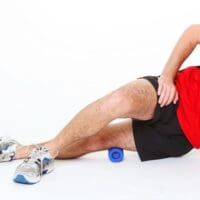
  • Foam Roller – for simple recovery routines and mobility work
  • ITB Strap – for outer knee symptom support during modified training

Muscle & Soft Tissue Products

These muscle and soft tissue products are commonly used by our physiotherapists to relax or loosen muscles, improve strength, comfort, flexibility, and home exercise programs.

View all muscle & soft tissue products

Follow PhysioWorks

Get free physiotherapy tips, exercise videos, recovery advice, and blog updates.

Facebook Instagram YouTube B X Email PhysioWorks

References

Zhang X, Deng L, Yang Y, Xiao S, Li L, Fu W. Effects of 12-week transition training with minimalist shoes on Achilles tendon loading in habitual rearfoot strike runners. J Biomech. 2021;128:110807. Available from: https://pubmed.ncbi.nlm.nih.gov/34670150/

Johnson CD, Davis IS. What differentiates rearfoot strike runners with low and high vertical load rates? Gait Posture. 2022;96:149-153. Available from: https://pubmed.ncbi.nlm.nih.gov/35660239/

Woodard CE. A correlational analysis of reported injury incidence between barefoot and shod runners. J Sports Med Phys Fitness. 2026;66(2):272-279. Available from: https://pubmed.ncbi.nlm.nih.gov/41664970/

For research summaries and management pathways, visit our main condition page: Running Injuries

Article by John Miller & Erin Runge

What Force Can a Resistance Band Generate?

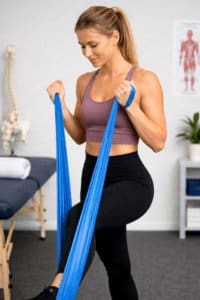
Resistance band force depends on how far the band is stretched and which colour resistance level you use. Elastic bands do not produce a fixed weight like dumbbells. Instead, the load increases progressively as the band elongates. For exercise selection and progression ideas, see our Resistance Band Exercises guide.

Resistance band force increasing as female athlete stretches blue band

Resistance band force increases progressively as the band stretches through range.

Short Answer

The force a resistance band produces increases as it stretches. For example, a 0.5-metre Blue TheraBand® stretched to 200% elongation (1.5 metres) produces approximately 5 kg of force. At 300% elongation (2.0 metres), it produces about 7 kg. Using two bands doubles the force, while three bands triple it. For exercise options that match your current strength, visit Resistance Band Exercises.

How Resistance Band Force Is Calculated

Page et al. (2000) analysed TheraBand® elastic resistance and showed that output depends on percentage elongation — the amount the band stretches beyond its resting length.

  • Force increases as elongation increases.
  • Each colour band has a different baseline resistance.
  • The relationship between stretch and force is predictable using force-elongation charts.

For example:

  • 0.5 m Blue band stretched to 1.5 m (200%) ≈ 5 kg
  • 0.5 m Blue band stretched to 2.0 m (300%) ≈ 7 kg

This progressive resistance makes bands useful for controlled strengthening and rehabilitation programs.

What Happens If You Use Multiple Bands?

If you double up resistance bands, the resistance band force approximately doubles. Three bands produce roughly three times the force.

For example, doubling a Black TheraBand® stretched to 2.0 metres produces approximately 18.4 kg of force. Using three bands in the same scenario would generate around 27.6 kg.

This approach helps you progress load without changing equipment or relying on heavier gym weights.

Why Band Force Matters in Rehabilitation

Unlike free weights, bands increase load through the range of motion. This can help when building strength after injury, improving control, or progressing tendon loading. Many people find band training useful for home exercise programs because it is simple, portable, and scalable.

How to Estimate Resistance Band Force for Your Exercise

To estimate resistance band force, first measure the resting length of your band. Then calculate how much it stretches during your exercise. Percentage elongation is calculated by dividing the stretched length by the original resting length. For example, stretching a 0.5-metre band to 1.5 metres equals 200% elongation.

Different colours represent different baseline resistance levels. A lighter band will generate less resistance band force at the same elongation compared to a heavier band. This allows gradual progression without dramatically increasing joint stress.

Importantly, resistance band force increases progressively through the range of motion. That means the hardest part of the movement often occurs near the end of the stretch. This feature makes bands useful for tendon loading, late-range strengthening, and return-to-sport rehabilitation.

If your goal is muscle building, selecting the correct resistance band force matters. Too little elongation produces insufficient load. Excessive elongation may reduce technique quality or irritate healing tissues. Structured progression helps you overload safely while maintaining movement control.

If you are unsure what band resistance suits your injury, strength level, or recovery stage, a physiotherapy assessment can guide safe progression and appropriate resistance band force targets.

Typical Resistance Band Force by Colour

The table below shows approximate resistance band force values at 200% and 300% elongation. 200% elongation means the band is stretched to twice its resting length. 300% elongation means the band is stretched to three times its resting length. Values are approximate and may vary slightly between manufacturers.

Band Colour Approximate Force at 200% Elongation Approximate Force at 300% Elongation Common Use
Yellow (Light) ≈ 1.3 kg ≈ 1.9 kg Early rehabilitation, shoulder control
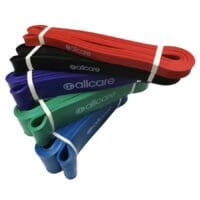
Red (Medium Light) ≈ 1.8 kg ≈ 2.7 kg General strengthening, beginners
Green (Medium) ≈ 2.3 kg ≈ 3.6 kg Progressive upper limb strengthening
Blue (Heavy) ≈ 3.2 kg ≈ 4.8–5.0 kg Lower limb and stronger upper body exercises
Black (Extra Heavy) ≈ 4.4 kg ≈ 6.7–7.0 kg Advanced strengthening
Silver (Super Heavy) ≈ 6.0 kg ≈ 9.0 kg High-load rehabilitation or athletic training
Gold (Maximum) ≈ 9.0 kg ≈ 13.0–14.0 kg Advanced strength training

Because resistance band force increases progressively as elongation increases, stretching a band from 200% to 300% can raise the load by 40–60% depending on colour. This progressive loading characteristic is what makes resistance bands useful for controlled strengthening and rehabilitation.

What This Means for You

Resistance bands do not produce a single fixed weight. The force depends on stretch length, band colour, and whether multiple bands are used. If you want a safer plan, start with a lower resistance and focus on smooth control. Then increase stretch distance or band strength gradually. If pain persists or you feel unsure about technique, a physiotherapist can assess what is driving symptoms and set the right progression.

Related Information

Book your appointment – 24/7

Choose your preferred PhysioWorks clinic and book online.

Strength Products

These strength products are commonly used by our physiotherapists to improve strength, controlled movement, plus assist home exercise programs.

View all strength products

Follow PhysioWorks

Get free physiotherapy tips, exercise videos, recovery advice, and blog updates.

Facebook Instagram YouTube B X Email PhysioWorks

References

  1. Uchida MC, Nishiwaki M, Michiue H. Thera-Band® elastic band tension: reference values for physical activity. J Phys Ther Sci. 2016;28(4). Available from: https://pmc.ncbi.nlm.nih.gov/articles/PMC4868225/
  2. Fernandez-Gamez B, et al. Examining elastic band properties for exercise prescription. 2024. Available from: https://pmc.ncbi.nlm.nih.gov/articles/PMC11600691/
For exercise ideas and progression, visit: Resistance Band Exercises

Why Is a Cool Down Important After Exercise?

While often neglected, a cool down after exercise serves four primary purposes:

  • Immediate cardiovascular recovery
  • Normalising muscle length and tension
  • Mental recovery
  • Preparation for your next exercise session

Short Answer: Why Is a Cool Down Important After Exercise?

A cool down after exercise helps your heart rate and breathing settle gradually, supports comfortable muscle recovery, and may reduce post-training stiffness. It also gives you a moment to reset mentally and prepare for your next session. For broader training and recovery guidance, see our Sports Physiotherapy page.

Smiling blonde woman performing a cool down stretch after exercise
A gentle cool down after exercise can help support recovery, reduce stiffness, and prepare your body for the next training session.

A structured cool down forms part of good habits and recovery planning. Many people also combine cool-down strategies with physiotherapy, stretching programs, or sports massage to help manage post-exercise stiffness and reduce training setbacks.

Cardiovascular Recovery

Immediate cardiovascular recovery can be important for safety. During exercise, your heart pumps blood at a higher pressure. If you stop suddenly, blood can pool in working muscles, commonly the legs, which may cause dizziness or fainting.

A cool-down acts as a gradual normaliser. It helps your heart rate and blood pressure return to resting levels while assisting the clearance of exercise by-products such as lactic acid. Runners may walk, while swimmers can slow their pace. Only a few minutes are often enough to support safe recovery.

Does a Cool Down Reduce Muscle Soreness?

A cool down may help reduce the severity of delayed onset muscle soreness (DOMS), particularly when combined with gentle movement and stretching. While soreness after exercise is a normal response to training load, sudden stops can increase stiffness and discomfort.

Gradual movement keeps blood flow higher for a short time, which may support nutrient delivery to recovering muscles. Stretching and light activity can also reduce the tight feeling many people notice later that day or the next morning.

Restoring Muscle Length

Exercise can cause muscles to temporarily shorten and tighten. Over time, repeatedly finishing training without a cool-down may contribute to persistently tight or hypertonic muscles.

Tight muscles can reduce joint range of motion, increase strain risk, and affect performance. For example, tight hamstrings may shorten stride length in runners and increase injury risk. A muscle that cannot lengthen efficiently often produces less force.

What Stretches Are Recommended After Exercise?

The goal of post-exercise stretching is to restore muscle length. Static stretching is commonly recommended. Research suggests slow, static stretches held for around 30 seconds may be effective, with two to three repetitions often used.

It is sensible to listen to your body. Some muscle groups may benefit from additional stretching, particularly if they feel tighter than usual. Stretch all muscles involved in your activity. For more detail, see stretching for flexibility.

What About Massage and Foam Rollers?

Light, non-traumatic massage or the use of a foam roller may assist post-exercise muscle relaxation. These approaches aim to support circulation and help muscles return to a more comfortable resting length.

Mental Recovery

Mental recovery is often overlooked. Training places demands on both the body and mind. A cool-down period allows time to slow down, reflect, and mentally reset.

Simple strategies such as controlled breathing, brief mindfulness, or gentle soft tissue massage may help you feel calmer and more prepared for your next session.

Re-Preparation for Your Next Session

Some cool-down strategies focus on managing inflammation and discomfort. Ice baths or cold therapy are sometimes used after intense exercise to assist with swelling, bruising, or pain. Ice packs may offer a more comfortable alternative for targeted areas.

Things to Avoid During a Cool Down

  • Avoid heat, as it may increase bleeding or swelling
  • Avoid alcohol, which can contribute to dehydration and inflammation

An active cool-down supports recovery and prepares your body for future training. Small habits can make a meaningful difference over time.

More Information

For general recovery guidance, see the Australian Institute of Sport – Recovery and Healthdirect Australia – Fitness and Exercise.

Related Information

Book your appointment – 24/7

Choose your preferred PhysioWorks clinic and book online.

Follow PhysioWorks

Get free physiotherapy tips, exercise videos, recovery advice, and blog updates.

Facebook Instagram YouTube B X Email PhysioWorks

References

For research summaries, treatment guidance, and rehabilitation pathways, please visit our main page:

Sports Physiotherapy: Training, Recovery & Injury Management

Muscle & Soft Tissue Products

These muscle and soft tissue products are commonly used by our physiotherapists to relax or loosen muscles, improve strength, comfort, flexibility, and home exercise programs.

View all muscle & soft tissue products

What Helps Stiff Joints in the Morning?

If you are looking for tips for stiff joints in the morning, the first step is usually simple: get the joints moving gently rather than forcing them. Morning stiffness often settles as circulation increases and the joints warm up. For a broader overview of causes, treatment options, and ways to improve movement, visit our Joint Pain Relief page.

In many cases, morning joint stiffness relates to inactivity overnight, osteoarthritis, muscle tightness, a recent increase in load, or a general flare-up in an irritated joint. However, if stiffness lasts a long time, keeps returning, or comes with swelling and fatigue, assessment may help clarify whether an inflammatory condition is also contributing.

Woman cycling along Sandgate foreshore in Brisbane to ease stiff joints in the morning
Gentle cycling along the foreshore can help warm stiff joints and improve morning mobility.

Short Answer

The most helpful approach is usually a mix of gentle movement, warmth, pacing, and regular exercise. Many people feel better after a warm shower, a few easy stretches, or a short walk around the house before sitting down for the day. If symptoms are frequent or harder to settle, our Joint Pain Relief guide explains the bigger picture and when physiotherapy or medical review may help.

Why joints often feel stiff first thing

Joints and surrounding soft tissues often feel stiffer after several hours of reduced movement. Overnight, the body is inactive, circulation slows, and muscles can tighten into one position. As a result, the first few steps out of bed may feel awkward, achy, or restricted. Cooler weather may also make muscles and connective tissues feel less comfortable when you first start moving.

That does not always mean something serious is wrong. In fact, many people with mild osteoarthritis, old injuries, reduced flexibility, or long periods of sitting notice this pattern. The key point is whether the stiffness eases within a reasonable time once you start moving.

Common causes of morning joint stiffness

Several issues can contribute. Osteoarthritis is common, especially in weight-bearing joints such as the knees and hips. Muscle tightness, poor sleep position, overload from exercise, and reduced activity the day before can also contribute. In some people, inflammatory conditions such as Rheumatoid Arthritis, Psoriatic Arthritis, Ankylosing Spondylitis, Fibromyalgia, or Lupus may play a role.

Morning stiffness may also feel worse when joints are already irritated by swelling, weakness, or poor support from the surrounding muscles. That is why treatment often needs to focus on the whole system rather than the joint alone.

When stiff joints in the morning may be more concerning

Short-lived stiffness that improves after a warm-up is often less worrying than stiffness that lasts a long time or keeps building week after week. Assessment may help if you notice joint swelling, warmth, redness, marked loss of movement, repeated night pain, or stiffness that lasts well beyond the early part of the morning. It is also worth getting checked if several joints are involved, or if symptoms come with unusual fatigue, fever, skin changes, or unexplained weight loss.

These features do not confirm a specific diagnosis on their own, but they can suggest that a more detailed medical or physiotherapy assessment is sensible.

Practical tips for stiff joints in the morning

Start with easy movement before asking the joint to do too much. A warm shower, light range-of-motion exercises, or a few minutes of walking indoors can help. Some people also find that a heat pack makes the first part of the day more comfortable.

Then, build better joint tolerance over time. Regular exercise is one of the most useful long-term strategies. Low-impact options such as walking, cycling, swimming, and guided strengthening often help reduce stiffness and improve confidence. Our Stretching Exercises guide may also help if flexibility has become restricted.

At the same time, avoid the trap of doing nothing because you feel stiff. Rest has a place during stronger flare-ups, but too much rest can leave the joint less tolerant and the surrounding muscles weaker. Instead, use a graded approach that calms the area without shutting movement down completely.

How physiotherapy may help

Physiotherapy may help when morning stiffness is recurring, confusing, or linked to reduced mobility. A physiotherapist can assess joint movement, muscle strength, swelling, loading patterns, and daily habits that may be feeding into the problem. Treatment may include hands-on therapy, targeted exercise, pacing advice, and strategies to make mornings easier.

Where needed, your physiotherapist may also suggest that you speak with your GP, especially if the pattern looks more inflammatory than mechanical. You can read more about this process on our Physiotherapy page.

What This Means for You

If your joints feel stiff every morning, do not panic, but do pay attention to the pattern. Gentle movement, warmth, and regular exercise often help. If symptoms are lingering, worsening, or coming with swelling or fatigue, an assessment can clarify the cause and guide the next step.

Related Information

Book your appointment – 24/7

Choose your preferred PhysioWorks clinic and book online.

Muscle & Soft Tissue Products

These muscle and soft tissue products are commonly used by our physiotherapists to relax or loosen muscles, improve strength, comfort, flexibility, and home exercise programs.

View all muscle & soft tissue products

Follow PhysioWorks

Get free physiotherapy tips, exercise videos, recovery advice, and blog updates.

Facebook Instagram YouTube B X Email PhysioWorks

References

  1. Krijbolder DI, Verstappen M, Verstappen SMM, et al. Morning stiffness precedes the development of rheumatoid arthritis and associates with systemic and subclinical joint inflammation in patients with clinically suspect arthralgia. Rheumatology (Oxford). 2022;61(5):2111-2118. Available from: https://pubmed.ncbi.nlm.nih.gov/34401906/
  2. Moseng T, Dagfinrud H, Villafañe JH, et al. EULAR recommendations for the non-pharmacological core management of hip and knee osteoarthritis: 2023 update. Ann Rheum Dis. 2024. Available from: https://pubmed.ncbi.nlm.nih.gov/38212040/
  3. Zhang Y, Liu D, Tan J, et al. Effect of exercise interventions for rheumatoid arthritis: a systematic review and network meta-analysis. Front Med (Lausanne). 2025;12:1508710. Available from: https://pubmed.ncbi.nlm.nih.gov/41050145/

For research summaries and management pathways, visit our main condition page: Joint Pain Relief

What Is the Correct Sitting Posture?

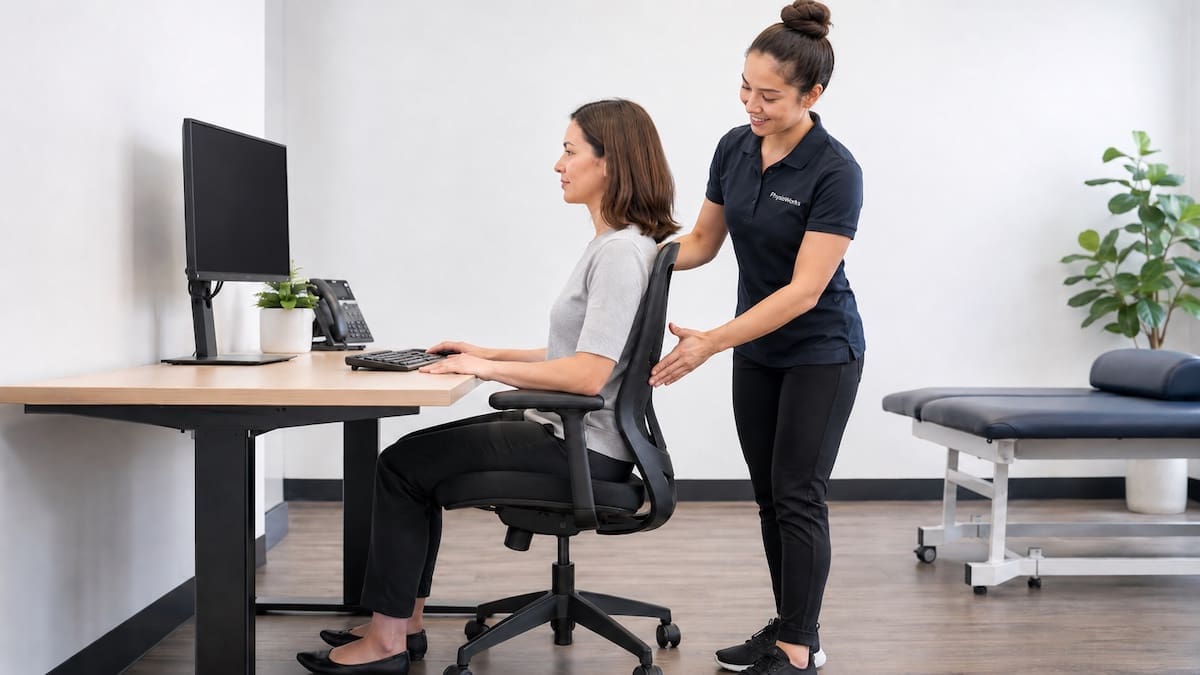
correct sitting posture desk assessment with physiotherapist coaching spinal alignment
Physiotherapist coaching supported sitting posture

Correct sitting posture means sitting with your back supported, feet flat, knees level with or just below your hips, and your head balanced over your shoulders. It may reduce strain during desk work, screen use, study, and driving.

There is no single perfect posture for everyone. A good setup should support comfort, allow easy movement, and help you change position during the day. For broader posture advice, see our Posture Correction, Exercises & Physiotherapy Guide.

Quick guide: Sit tall but relaxed, support your lower back, keep your feet supported, and bring your screen up so you do not crane your neck.

Most useful habit: change position often. Even a good posture can become uncomfortable if you hold it too long.

What Is Correct Sitting Posture?

Correct sitting posture uses a supported, relaxed position. Your lower back should rest against the chair, your feet should sit flat on the floor or on a footrest, and your shoulders should stay relaxed. Your head should sit over your shoulders rather than poking forward.

This setup may help reduce neck, shoulder, and lower back strain during prolonged sitting. Sitting posture is often linked with neck pain, lower back pain, headaches, and shoulder tension.

Good Sitting Posture Checklist

Use this simple checklist when setting up a desk, study area, car seat, or home workstation.

Sitting Posture Setup

  • Feet: keep both feet flat on the floor or supported by a footrest.
  • Knees: keep knees level with or slightly below the hips.
  • Hips: sit back into the chair rather than perching on the front edge.
  • Lower back: use the chair back or lumbar support to maintain a gentle curve.
  • Shoulders: keep shoulders low, relaxed, and not hunched.
  • Head: keep your head aligned over your shoulders, not reaching towards the screen.

Why Sitting Posture Matters

Short periods of slouching are unlikely to cause harm. The issue is usually sustained loading. Long periods of unsupported sitting can increase muscle effort and stiffness, especially through the neck, upper back, and lower back.

Posture is only one part of the picture. Workload, sleep, stress, strength, movement breaks, screen habits, previous injury, and total sitting time can all influence pain. This is why many people need more than a new chair to feel better.

Chair Support and Lower Back Position

A supportive chair should let you sit back with your lower back supported. The seat height should allow your feet to rest comfortably, without your thighs being forced upward or your feet dangling.

A small lumbar support may help some people maintain a comfortable lower back curve. Others feel better with a slightly reclined backrest. The right option is the one that reduces strain and still lets you move.

Screen Height, Keyboard, and Mouse Position

Your screen should sit high enough that you do not need to bend your neck forward. A practical guide is to place the top part of the screen close to eye level, then adjust it to suit your vision and comfort.

Keep your keyboard and mouse close enough that your elbows can rest near your body. Your wrists should stay fairly straight, and your shoulders should not need to lift or reach forward.

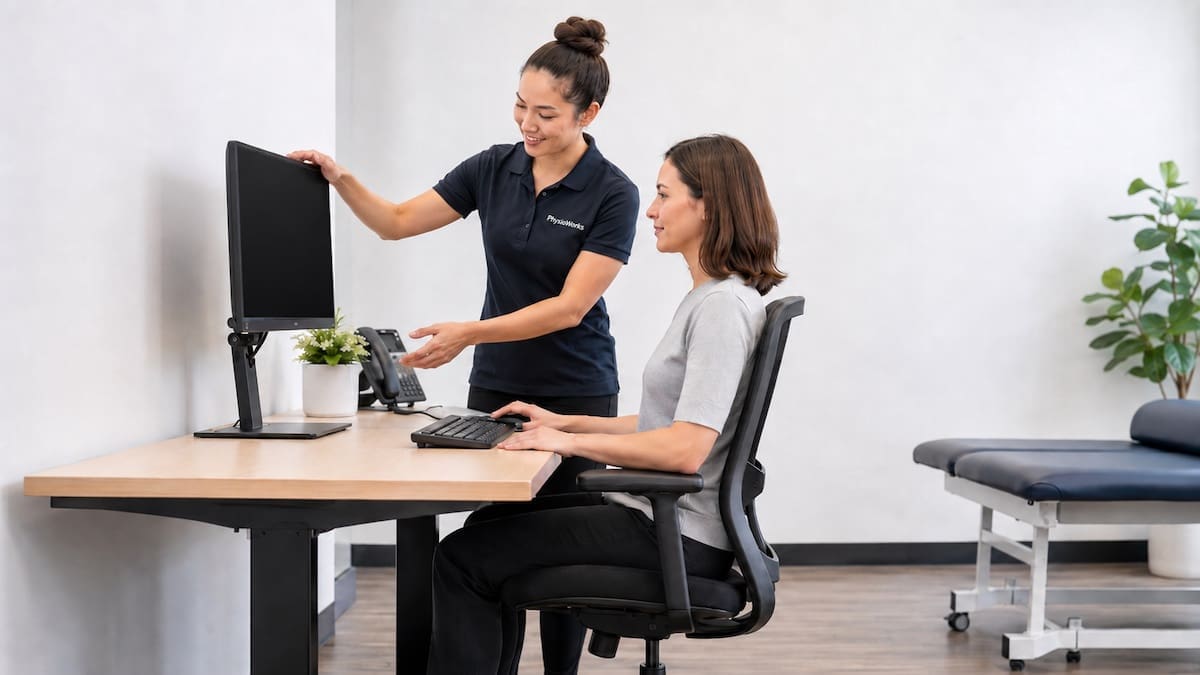
correct sitting posture monitor height adjustment reducing forward head posture
Monitor height helps reduce neck strain

Is There One Perfect Sitting Posture?

No. A single perfect posture does not suit every person, chair, or task. Many people do better when they vary their posture through the day.

You might alternate between upright sitting, supported reclining, standing, and short walking breaks. This helps share load across different muscles and joints rather than asking one position to do all the work.

Better Than Holding One Posture

Aim for a comfortable starting position, then move before stiffness builds.

  • Stand or walk briefly every 30 to 60 minutes.
  • Change sitting position before pain builds.
  • Use your chair support rather than holding yourself rigid.
  • Break up long screen blocks with short posture resets.

How Often Should You Move When Sitting?

Many people benefit from a short movement break every 30 to 60 minutes. A break can be simple: stand, walk to get water, stretch your chest, roll your shoulders, or do a few gentle back movements.

If you often feel stiff after sitting, use a timer or link breaks to daily habits such as phone calls, meetings, or finishing a task. Movement breaks usually work better when they are easy to repeat.

When Sitting Posture May Need Professional Advice

Consider physiotherapy advice if sitting causes ongoing pain, headaches, pins and needles, arm symptoms, leg symptoms, or pain that limits work, study, driving, or sleep.

A physiotherapist can assess your posture, desk setup, spinal movement, strength, and daily habits. They may suggest ergonomic changes, exercise, posture variation, or a graded plan to improve sitting tolerance.

Which Path Suits You?

Related Information

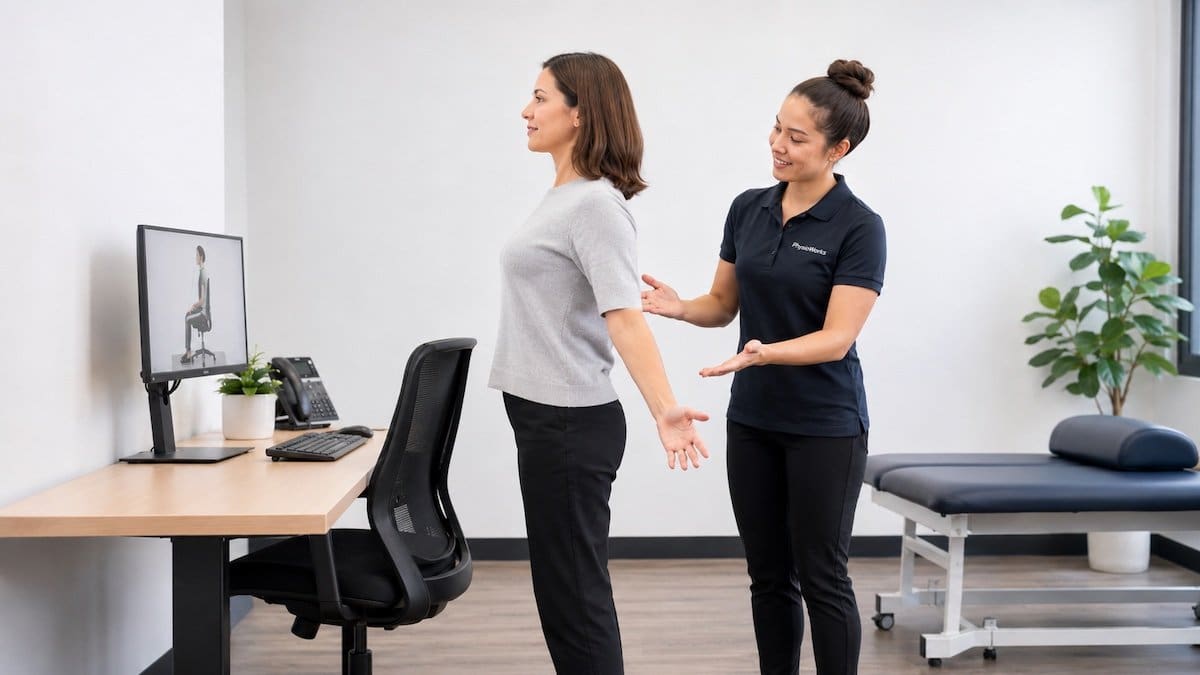
correct sitting posture movement break with thoracic extension and physio coaching
Movement breaks support posture comfort

What To Do Next

Start with one simple change: adjust your chair, bring your screen closer to eye level, and set a reminder to move before stiffness builds. Small changes are often easier to keep than a complete desk rebuild.

If sitting pain keeps returning, a physiotherapist can check whether posture, movement habits, strength, or work setup are contributing. Book an appointment if you want a personalised plan.

Book your appointment – 24/7

Choose your preferred PhysioWorks clinic and book online.

Posture Products

These posture products are commonly used by our physiotherapists to improve posture, postural strength, endurance and flexibility, plus assist home exercise programs.

View all posture products

Follow PhysioWorks

Get free physiotherapy tips, exercise videos, recovery advice, and blog updates.

Facebook Instagram YouTube B X Email PhysioWorks

Frequently Asked Questions

What is the correct sitting posture?

Correct sitting posture means sitting with your back supported, feet flat or supported, knees level with or slightly below your hips, and your head aligned over your shoulders. It should feel relaxed, not stiff or forced.

Can poor sitting posture cause neck or back pain?

Poor sitting posture may contribute to neck or back pain, especially when combined with long sitting time, low movement, poor screen setup, stress, fatigue, or previous injury. Posture is one factor, not the only cause.

How often should I take a break from sitting?

Many people benefit from moving every 30 to 60 minutes. Short standing, walking, or stretching breaks can reduce stiffness and help you avoid holding one position for too long.

Should my feet be flat when sitting?

Yes. Your feet should usually rest flat on the floor or on a footrest. Dangling feet can increase pressure through the thighs and may make it harder to keep your pelvis and lower back comfortable.

Is standing better than sitting?

Standing is not automatically better than sitting. The main goal is posture variation. Alternating between sitting, standing, and walking usually works better than holding any one position all day.

When should I see a physiotherapist for sitting pain?

Consider physiotherapy advice if sitting pain persists, keeps returning, affects work or sleep, or is linked with headaches, pins and needles, arm pain, leg pain, or reduced movement.

References

  1. Canadian Centre for Occupational Health and Safety. Working in a sitting position: good body position. Updated August 28, 2025.
  2. Guduru RKR, Domeika A, Obcarskas L, Ylaite B. The ergonomic association between shoulder, neck/head disorders and sedentary activity: a systematic review. J Healthc Eng. 2022;2022:5178333. doi:10.1155/2022/5178333
  3. Waongenngarm P, van der Beek AJ, Akkarakittichoke N, Janwantanakul P. Effects of an active break and postural shift intervention on preventing neck and low-back pain among high-risk office workers: a 3-arm cluster-randomized controlled trial. Scand J Work Environ Health. 2021;47(4):306-317. doi:10.5271/sjweh.3949
  4. Channak S, Spekle EM, van der Beek AJ, Janwantanakul P. The effectiveness of a dynamic seat cushion in preventing neck and low-back pain among high-risk office workers: a 6-month cluster-randomized controlled trial. Scand J Work Environ Health. 2024;50(7):555-566. doi:10.5271/sjweh.4184

Product Refund, Return or Exchange

Product refund return exchange requests at PhysioWorks should start with our Product Return Form. This page explains the process, when a refund, replacement, or exchange may apply, and how PhysioWorks FAQs and our online shop can help you find the right next step.

If your item is faulty, damaged, incorrectly supplied, or unsuitable in size, contact PhysioWorks as soon as possible so we can review the issue and guide you through the correct return pathway. Australian Consumer Law also provides rights when a product does not meet consumer guarantees.

How do I arrange a product refund return exchange?

To arrange a product refund return exchange, first complete the Product Return Form. Once PhysioWorks reviews your request, we can issue a Refund Authorisation Code and explain the next steps. Please do not send products back before approval, as this may delay assessment and processing.

What is the PhysioWorks return process?

The process is designed to keep returns clear and traceable.

  • Download and complete the Product Return Form.
  • Wait for your Refund Authorisation Code and instructions.
  • Package the item carefully with the required paperwork.
  • Send the product only after approval has been issued.

When can a refund, replacement, or exchange apply?

A refund, replacement, or exchange may apply if the item arrives damaged, is faulty, is not as described, or has another issue that falls within store policy or Australian Consumer Law. For sizing concerns, PhysioWorks may also assist with an exchange where appropriate, although freight costs can vary depending on the reason for the return.

What do ACCC consumer guarantees mean?

Under Australian Consumer Law, consumer guarantees apply when a product does not meet basic rights such as acceptable quality, fitness for purpose, or matching its description. The ACCC explains that change-of-mind returns are generally not required by law, but faulty goods may entitle the customer to a repair, replacement, or refund depending on the seriousness of the problem. You can read the ACCC overview of repair, replace, refund and cancel rights.

What if my product arrives damaged?

If your item arrives damaged, contact PhysioWorks as soon as possible and provide the details requested in the return form process. In many cases, damaged or faulty goods are handled differently from change-of-mind returns. Assessment may include photos, proof of purchase, and return instructions before a replacement or refund decision is made.

Can I return a used or worn product?

Used, worn, damaged, or hygiene-sensitive products may not be eligible for refund if they are unsuitable for resale or present infection or health concerns. This is especially relevant for items that have clearly been used beyond a basic fit check. If you are unsure, contact PhysioWorks before returning the item.

What if the size is wrong?

If a brace, support, or similar item is the wrong size, try it on carefully to assess fit, then contact PhysioWorks promptly to discuss the options. A size exchange may be possible, although return postage and replacement freight may apply depending on the reason for the return and the condition of the product.

Are downloadable products refundable?

Downloadable products such as PDFs, exercise packs, or other e-products are generally not refundable once they have been downloaded or accessed.

FAQs

Do I need a Refund Authorisation Code before returning a product?

Yes. PhysioWorks asks customers to obtain a Refund Authorisation Code before sending a product back. This helps match the parcel to the request, confirm the reason for return, and reduce delays in assessment.

Can I get a refund if I changed my mind?

Usually, no. The ACCC states that change-of-mind refunds are not generally required under consumer guarantees. However, a business may still choose to offer its own change-of-mind policy. :contentReference[oaicite:3]{index=3}

Who pays return postage?

That depends on the reason for the return. For change-of-mind or sizing issues, return freight is usually the customer’s responsibility. For faulty or damaged products, the return arrangement may be different after assessment.

What should I include with my return?

Include the approved paperwork and follow the instructions provided with your Refund Authorisation Code. It is also sensible to keep your proof of purchase and any relevant photos if the product is faulty or damaged.

What to do next

If you need to start a product refund return exchange, download the Product Return Form and complete it before sending anything back. That gives PhysioWorks the details needed to assess the issue and guide you to the correct refund, replacement, or exchange option.

If you are still deciding which product suits you best, you can also browse the PhysioWorks online shop or review more frequently asked questions.

References

  1. Australian Competition and Consumer Commission. Repair, replace, refund, cancel. ACCC. Accessed March 18, 2026.
  2. Australian Competition and Consumer Commission. Consumer guarantees: a guide for consumers. ACCC. July 2021.
  3. Australian Competition and Consumer Commission. Refunds and returns poster A4. ACCC. Accessed March 18, 2026.

What is Therapeutic Ultrasound in Physiotherapy?

Therapeutic ultrasound is a treatment method sometimes used by physiotherapists to support the management of soft tissue injuries. It involves applying sound waves through a handheld probe placed on the skin with a coupling gel. This approach may be part of a broader physiotherapy treatment plan, often alongside exercise, education, and hands-on care. If your symptoms started recently, early injury treatment can help guide the right next step.

Looking for the full overview?

Read our main treatment guide: Therapeutic Ultrasound Physiotherapy.
It explains when physiotherapists may use this modality, how it fits into rehab, and what to consider next.

Therapeutic ultrasound applied during physiotherapy for shoulder soft tissue

Ultrasound used during a physiotherapy session

Short Answer

This treatment uses sound waves to interact with tissues beneath the skin. A physiotherapist may include it to assist circulation, tissue relaxation, or symptom management alongside exercise and hands-on care. It is not a standalone approach and is selected after an assessment. For more detail, see our main guide:
Therapeutic Ultrasound Physiotherapy.

How It May Help

Ultrasound may increase local blood flow and gently warm deeper tissues. In some situations, this can assist tissue flexibility and comfort during rehabilitation. Physiotherapists commonly combine it with active rehabilitation rather than using it alone.

In practice, clinicians sometimes use it to help prepare tissues for movement or exercise by reducing stiffness or discomfort. This may allow people to tolerate loading or manual therapy more comfortably during a session. Importantly, it does not replace exercise-based rehabilitation, which remains central to recovery for most musculoskeletal conditions.

It is sometimes used when managing soft tissue irritation, where movement, loading, and circulation play a role in recovery. A physiotherapist will consider injury stage, tissue sensitivity, and your goals before including this option.

Common Uses in Physiotherapy

A physiotherapist may consider this modality for selected presentations such as:

In specific situations, such as mastitis or blocked milk ducts, physiotherapists may use ultrasound to assist symptom management as part of broader care.

What Does a Session Involve?

Treatment typically lasts between 3 and 10 minutes. The probe remains in constant motion to distribute energy evenly and maintain comfort. Some people feel mild warmth, while others feel very little during treatment.

Dosage and technique vary depending on the tissue involved and whether heating or non-heating effects are desired. Your physiotherapist may also discuss other options from the wider list of common physiotherapy treatment techniques.

How It Works

The treatment head contains crystals that vibrate when electrical current is applied. This vibration produces sound waves that pass into the tissues, creating gentle mechanical movement. In some cases, this can create mild deep heating. In other cases, clinicians aim for a non-heating effect, particularly when inflammation is present.

When It Is Not Used

Physiotherapists avoid this option in certain situations, including:

  • Areas of known or suspected malignancy
  • Active infection or significant vascular conditions
  • Over growth plates in children
  • Over the eyes, skull, or reproductive organs
  • Directly over the abdomen during pregnancy
  • Specific post-surgical or neurological regions

Your physiotherapist will assess whether this approach is appropriate for your condition and discuss alternatives when required.

What to Do Next

If you are managing an injury or ongoing pain, this may be one of several tools considered within your physiotherapy program. A thorough assessment helps determine what best suits your presentation and goals.

For the complete overview, including how ultrasound may fit into a treatment plan, visit:
Therapeutic Ultrasound Physiotherapy.

Related Information

Book your appointment – 24/7

Choose your preferred PhysioWorks clinic and book online.

References

For assessment guidance and treatment planning, start with our main treatment page:
Therapeutic Ultrasound Physiotherapy.

Additional evidence-based information on the use of ultrasound in physiotherapy can be found at:

Muscle & Soft Tissue Products

These muscle and soft tissue products are commonly used by our physiotherapists to relax or loosen muscles, improve strength, comfort, flexibility, and home exercise programs.

View all muscle & soft tissue products

Follow PhysioWorks

Get free physiotherapy tips, exercise videos, recovery advice, and blog updates.

Facebook Instagram YouTube B X Email PhysioWorks

What Is Osteoarthritis?

Osteoarthritis is the most common form of arthritis. It develops when joint cartilage, bone, and nearby tissues change over time, which can cause pain, stiffness, swelling, and reduced movement. It often affects the knees, hips, feet, hands, and spine.

If you want a broader overview of arthritis, start there. If you want a more detailed condition guide, visit our main osteoarthritis page.

Osteoarthritis often builds gradually. However, symptoms can flare after joint overload, past injury, reduced activity, or changes in strength and mobility.

Common osteoarthritis symptoms

  • Joint pain that often worsens with activity
  • Morning stiffness or stiffness after rest
  • Swelling, tenderness, or reduced range of motion
  • Grinding, clicking, or creaking in the joint
  • Difficulty walking, climbing stairs, gripping, or getting up from a chair

What causes osteoarthritis?

Osteoarthritis develops when a joint no longer handles load as well as it once did. Ageing, previous injury, repetitive stress, reduced muscle support, excess body weight, and genetics can all contribute to joint changes over time.

Although many people call it “wear and tear”, osteoarthritis is more complex than that. The cartilage, bone, joint lining, and surrounding muscles can all play a role. Some people show clear X-ray changes with very little pain, while others have significant symptoms with less obvious imaging findings.

How do you know if osteoarthritis is causing your pain?

Osteoarthritis is usually suspected from your symptoms, your joint movement, and how the area responds to loading. An X-ray can help confirm joint changes, but diagnosis should always match the full clinical picture.

A physiotherapist or doctor will usually ask about stiffness, swelling, function, activity limits, and aggravating tasks. They will also assess movement, strength, balance, and nearby joints. If symptoms suggest another condition, they may also consider problems such as rheumatoid arthritis, psoriatic arthritis, or ankylosing spondylitis.

For a broader consumer overview, Healthdirect explains osteoarthritis symptoms, diagnosis, and treatment.

Important: X-ray findings do not always match pain levels. Some people have obvious osteoarthritis on imaging with little pain, while others have significant pain and stiffness with more modest scan changes.

Which joints does osteoarthritis affect most often?

Osteoarthritis most often affects the knees, hips, hands, feet, and spine. These joints deal with repeated load, daily movement, and age-related change.

Knee and hip osteoarthritis often affect walking, stairs, and exercise tolerance. Hand osteoarthritis can affect gripping and fine motor tasks. Spinal osteoarthritis may contribute to stiffness and painful movement. If your pain is more widespread or behaves differently, your clinician may also consider broader arthritis patterns.

If your main concern is a specific region, you may also find these pages helpful:
knee pain,
hip pain,
hand and wrist pain, or
back pain.

How is osteoarthritis treated?

Osteoarthritis treatment usually aims to reduce pain, improve movement, build strength, and help you stay active. Most people improve with a combination of education, exercise, load management, and symptom relief strategies.

Research supports exercise therapy as a key part of osteoarthritis care, especially for hip and knee osteoarthritis. The right program can help improve pain, function, confidence, and day-to-day tolerance.

Physiotherapy often focuses on joint mobility, muscle strength, balance, walking tolerance, and confidence with daily activities. Treatment may also include pacing, temporary activity modification, footwear advice, and weight management support where relevant.

Some people also benefit from medication or injections through their doctor. Surgery is usually reserved for more advanced or persistent cases that do not respond well to conservative care.

Can physiotherapy help osteoarthritis?

Physiotherapy may help osteoarthritis by improving joint movement, muscle support, walking confidence, and activity tolerance. It can also help you decide which activities to keep doing, which to modify, and how to progress safely.

If you have ongoing joint pain, a tailored program is usually more useful than complete rest. Our Rheumatology Physiotherapy service may also help if arthritis symptoms are affecting your daily life, work, or exercise.

Treatment often includes

  • Education about osteoarthritis and flare-ups
  • Targeted strengthening and mobility exercises
  • Load management and pacing advice
  • Walking, balance, and movement retraining
  • Help returning to daily activities and exercise

When should you seek help for osteoarthritis?

You should seek help if joint pain, swelling, stiffness, or reduced movement is limiting your walking, sleep, work, sport, or usual daily activities. Early guidance may help you stay more active and comfortable.

Prompt assessment is especially important if the joint is hot, very swollen, suddenly much worse, locking, giving way, or linked with fever or unexplained weight loss. These features may suggest something other than straightforward osteoarthritis.

What to do next

If you think osteoarthritis may be affecting you, the next step is to get the joint properly assessed and match treatment to your symptoms, goals, and daily load. Good care is not just about what an X-ray shows. It is about helping you move better, feel more confident, and function more comfortably.

You can also explore related topics such as fibromyalgia, lupus, and our main osteoarthritis guide if you want more detail before booking.

Next step: if joint pain or stiffness is stopping you from walking, exercising, working, or sleeping well, a physiotherapy assessment can help clarify the cause and guide the right treatment plan.

Frequently asked questions about osteoarthritis

Is osteoarthritis the same as normal ageing?

No. Age increases the chance of osteoarthritis, but it is not simply a normal or inevitable part of ageing. Previous injuries, loading history, muscle weakness, body weight, and genetics can all influence whether symptoms develop.

Does an X-ray always match how much pain you feel?

No. Some people have clear osteoarthritis changes on X-ray with little pain, while others have more pain than their scan suggests. That is why symptoms, function, and clinical assessment matter as much as imaging.

Should you stop exercising if you have osteoarthritis?

Usually no. Complete rest often leads to more stiffness, weakness, and reduced confidence. A better approach is to modify exercise, manage flare-ups, and gradually rebuild strength and tolerance with the right advice.

Can osteoarthritis affect younger adults?

Yes. Osteoarthritis is more common with age, but younger adults can develop it, especially after joint injuries, repeated high loads, surgery, or longstanding biomechanical issues.

Can physiotherapy help if your osteoarthritis is advanced?

Yes, in many cases. Physiotherapy may still help improve strength, mobility, pacing, walking tolerance, and day-to-day function. It can also help prepare you for surgery or support recovery afterwards if surgery becomes necessary.

More arthritis information

Book your appointment – 24/7

Choose your preferred PhysioWorks clinic and book online.

Follow PhysioWorks

Get free physiotherapy tips, exercise videos, recovery advice, and blog updates.

Facebook Instagram YouTube B X Email PhysioWorks

How Do I Know What Type of Knee Injury I Have?

Patient pointing to knee pain while physiotherapist assesses injury in clinic

Identifying the source of knee pain

You can often get useful clues about a knee injury from how it started, where it hurts, how quickly swelling appears, and whether the knee locks, clicks, buckles, or feels unstable. However, several knee problems feel similar early on, so it is not always easy to identify the exact structure without a proper assessment.

The knee contains bones, cartilage, ligaments, tendons, muscles, and nerves. Because more than one structure can be injured at the same time, self-diagnosis can be unreliable. A clear diagnosis helps guide the right treatment and reduces the risk of aggravating the injury.

Common symptom patterns may point towards a meniscus injury, an ACL injury, kneecap-related pain, or a patella tendon injury. If unsure, review our broader guide to knee pain and knee sports injuries.

Quick Clues That May Help

  • Fast swelling within a few hours may suggest a ligament or joint injury.
  • Joint-line pain with clicking, catching, or locking may indicate a meniscus injury.
  • Front knee pain with stairs, squatting, or sitting often relates to the kneecap.
  • Pain directly below the kneecap may indicate patella tendon overload.
  • Buckling or giving way may suggest ligament involvement or reduced control.

What are the main signs that help identify a knee injury?

The most useful indicators include:

  • how the injury occurred
  • pain location
  • swelling speed
  • locking, clicking, or instability
  • which movements aggravate symptoms

A twisting injury often suggests a meniscus or ligament issue. Gradual pain during jumping or running is more consistent with tendon overload. Kneecap-related pain behaves differently again, especially with stairs or prolonged sitting.

A physiotherapist will assess movement, swelling, strength, joint stability, and function. This combined assessment provides a clearer picture than any single symptom.

Common knee injury patterns

Meniscus Injury

Clues: joint-line pain, clicking, locking, twisting pain, delayed swelling.

Learn more

ACL or Ligament Injury

Clues: twist, pop, rapid swelling, instability, giving way.

Learn more

Patellofemoral Pain

Clues: pain around the kneecap, worse with stairs, sitting, squatting, or running.

Learn more

Patella Tendon Injury

Clues: pain below the kneecap, worse with jumping and loading.

Learn more

How do you know if a knee injury might be a meniscus injury?

A meniscus injury often causes pain along the joint line, with clicking, catching, or a feeling that the knee does not move smoothly. Swelling may appear more gradually over several hours rather than immediately after the injury.

Many people describe a twist, pivot, squat, or awkward turn before symptoms begin. Some also notice pain with deeper bending, turning on a planted foot, or getting up from a chair. For more detail, see our guide to meniscus injury symptoms and treatment.

How do you know if a knee injury could be an ACL or ligament injury?

An ACL or other knee ligament injury often causes pain after a change of direction, twist, landing, collision, or sporting tackle. Rapid swelling, a “pop”, and a feeling that the knee is unstable are common features, especially with ACL injuries.

Ligament injuries can affect different parts of the knee depending on which ligament is involved. If your knee feels unstable, see our pages on knee ligament injuries, ACL injury, and PCL injury.

What does pain at the front of the knee usually mean?

Front knee pain often points towards kneecap joint irritation, tendon overload, or patellofemoral problems. The exact pain location matters. Pain around or behind the kneecap often behaves differently from pain felt directly below it.

If your pain worsens with stairs, sitting, squatting, or running, the problem may be linked to the kneecap joint or movement control. In contrast, a very local sore spot just below the kneecap is more suggestive of a patella tendon injury.

Why can it be hard to tell what type of knee injury you have?

Many knee injuries share similar early symptoms, including pain, swelling, stiffness, and reduced confidence with movement. It is also common for more than one structure to be injured at the same time, especially after twisting or sporting injuries.

Because of this, self-diagnosis is often unreliable. A structured assessment that considers how the injury occurred, movement patterns, joint stability, and symptom behaviour provides a clearer and safer diagnosis. Healthdirect also provides a general overview of knee injuries.

When should you get a knee injury checked?

Seek assessment if you notice:

  • significant or rapid swelling
  • locking or inability to straighten
  • repeated giving way
  • difficulty weight bearing
  • worsening or persistent pain
  • recovery is not progressing as expected

Early assessment helps guide appropriate treatment and prevents unnecessary aggravation. It can also help determine whether you may benefit from rehabilitation, taping, bracing, imaging, or medical review.

Related knee injury pages

Frequently Asked Questions About Knee Injuries

Can you tell what knee injury you have from symptoms alone?

Sometimes you can make a reasonable guess from the symptom pattern, but symptoms alone are not always enough. Several knee injuries overlap, and mixed injuries are common. A proper assessment is usually the best way to identify the likely structure involved and plan the next step safely.

Does swelling speed matter after a knee injury?

Yes. Very fast swelling can be more suspicious for a significant ligament or joint injury, while slower swelling may fit some meniscus or overload presentations. However, swelling speed is only one clue and should always be interpreted with the injury mechanism and other symptoms.

What if my knee clicks but does not hurt much?

A click on its own does not always mean a serious problem. However, clicking with pain, locking, catching, swelling, or giving way is more meaningful and should be assessed. Persistent clicking that affects sport or daily function also deserves attention.

Can more than one knee structure be injured at once?

Yes. It is quite common for a knee injury to involve more than one structure, especially after twisting sports injuries, direct impact, or falls. This is one reason why self-diagnosis can be difficult.

Do all knee injuries need imaging?

No. Many knee injuries can be assessed well from the history and physical examination. Imaging is more likely to be useful when symptoms are severe, the knee is unstable, weight bearing is difficult, or recovery is not following the expected pattern.

Is front knee pain always tendon-related?

No. Front knee pain can come from the kneecap joint, the patella tendon, surrounding soft tissues, or movement control issues. Pain location, tenderness, aggravating activities, and loading history help separate these possibilities.

What should you do next?

If unsure, avoid pushing through pain or testing the knee repeatedly. Reduce aggravating loads and arrange an assessment to identify the likely injury and plan recovery.

Your physiotherapist can help identify the most likely injured structure, explain what activities are safe, guide the right exercises, and advise whether you may need bracing, imaging, medical review, or a graded return to sport.

Book your appointment – 24/7

Choose your preferred PhysioWorks clinic and book online.

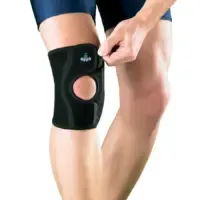
Supportive options such as braces, straps, or taping may assist some knee conditions. Explore suitable knee pain products based on your injury and recovery stage.

Knee Support Products

These knee support products are commonly used by our physiotherapists to help reduce strain, improve stability, and support your recovery at home.

View all knee support products

Follow PhysioWorks

Get free physiotherapy tips, exercise videos, recovery advice, and blog updates.

Facebook Instagram YouTube B X Email PhysioWorks

References

  1. Logerstedt DS, Scalzitti D, Bennell KL, et al. Knee Pain and Mobility Impairments: Meniscal and Articular Cartilage Lesions Revision 2018. J Orthop Sports Phys Ther. 2018;48(2):A1-A50. doi:10.2519/jospt.2018.0301
  2. Benjaminse A, Gokeler A, van der Schans CP. Clinical diagnosis of an anterior cruciate ligament rupture: a meta-analysis. J Orthop Sports Phys Ther. 2006;36(5):267-288. doi:10.2519/jospt.2006.2011
  3. Beaufils P, Becker R, Kopf S, Matthieu O, Pujol N. Management of traumatic meniscal tear and degenerative meniscal lesions: save the meniscus. Orthop Traumatol Surg Res. 2017;103(8S):S237-S244. doi:10.1016/j.otsr.2017.08.003

What Does Arthritis in the Knee Feel Like?

What does arthritis in the knee feel like? For many people, knee arthritis feels like an achy, stiff, or swollen knee that becomes more noticeable with walking, stairs, squatting, or getting up after sitting. Symptoms often build gradually, although flare-ups can make the joint feel puffy, tight, warm, and less reliable day to day.

This FAQ supports our broader guides to knee pain and arthritis. While many people blame age alone, a clear diagnosis can help explain why your knee hurts and what may help you move with more confidence.

Common Signs That Your Knee Pain May Be Arthritis

  • pain that feels achy or deep in the joint
  • morning stiffness or stiffness after rest
  • swelling or a feeling of fullness around the knee
  • clicking, crunching, or grinding sensations
  • pain with stairs, walking, kneeling, or getting out of a chair
  • reduced trust in the knee, including occasional buckling

What Does Arthritis in the Knee Feel Like When It Starts?

Early knee arthritis often feels like stiffness, mild swelling, or an ache that is worse after inactivity and settles once you get moving. Some people first notice it during stairs, hills, longer walks, or after sitting for too long. Others mainly notice reduced knee flexibility or a swollen, “full” joint.

Why Knee Arthritis Can Feel Stiff, Swollen, or Noisy

Arthritic knees often become painful because the joint is irritated and less tolerant of load. That can lead to swelling, stiffness, muscle guarding, and discomfort during everyday movement. As the joint surfaces change over time, some people also notice clicking, popping, or a rougher feeling through range.

Morning stiffness is common, especially if your knee has been still for hours. However, stiffness from knee osteoarthritis is usually shorter-lasting than the prolonged morning stiffness seen with some inflammatory joint conditions. A physiotherapist may also compare your symptoms with other knee problems such as patellofemoral pain syndrome or other causes of front-of-knee pain.

What Activities Commonly Aggravate Knee Arthritis?

Knee arthritis symptoms often flare when the joint is exposed to repeated or heavier load than it currently tolerates. Common triggers include walking longer distances, hills, stairs, squatting, kneeling, twisting, gardening, and getting up and down from chairs or cars.

That does not mean you should stop moving. In fact, many people do better with the right type and dose of activity. Programmes that build strength, confidence, and walking tolerance can be useful, especially when combined with education and pacing. Our knee treatment, knee exercises, and GLA:D® Australia Program pages explain this in more detail.

For broader Australian consumer guidance, see healthdirect’s osteoarthritis overview.

Does Knee Arthritis Always Feel the Same?

No. Symptoms can vary from day to day. Some people mainly notice stiffness and swelling. Others notice aching with activity, pain after longer walks, or a knee that feels less trustworthy on stairs. Flare-ups can happen after overload, but symptoms may also settle again with sensible activity modification and rehabilitation.

If your symptoms are gradually worsening, it can help to compare them with our knee pain FAQs and joint pain relief guide.

When Should You Get Knee Pain Checked?

You should arrange an assessment if your knee is repeatedly swelling, becoming harder to straighten or bend, limiting walking, disturbing sleep, or making you lose confidence with daily tasks. It is also worth getting checked if you are not sure whether the pain is arthritis, a sports injury, or another problem inside the knee.

Urgent medical review is more important if the joint is very hot, very swollen, badly deformed, or you cannot take weight through it. If symptoms become severe and conservative care no longer helps enough, your doctor may discuss options such as knee replacement.

Related Knee Pain Guides

Frequently Asked Questions

Does knee arthritis always hurt all day?

Not usually. Many people feel worse after inactivity, with stairs, or after a bigger day on their feet. Symptoms often fluctuate, so some days feel manageable while others feel stiff, swollen, or more painful.

Can knee arthritis cause clicking or popping?

Yes. Knee arthritis can cause clicking, crunching, or popping sensations, especially when the joint surfaces become rougher. However, not every knee noise means arthritis, so the full symptom pattern still matters.

Is morning stiffness a sign of knee arthritis?

It can be. Morning stiffness or stiffness after sitting is common with knee arthritis. Many people feel better once they start moving, although the knee may still ache later if it is overloaded.

Does walking help knee arthritis?

Walking can help when the dose suits your current tolerance. Shorter, regular walks are often better than one long walk that flares the joint. A graded exercise plan may help build tolerance safely.

Can physiotherapy help knee arthritis?

Physiotherapy may help by improving strength, movement confidence, joint tolerance, and flare-up management. A physiotherapist can also help you work out whether arthritis is the main driver of your pain or whether another knee condition is involved.

What to Do Next

If your symptoms match arthritis in the knee, the next step is to have the joint assessed properly and work out what is driving your pain, swelling, or stiffness. That usually helps separate arthritis from other knee problems and gives you a clearer management plan.

A physiotherapist may recommend load modification, strengthening, mobility work, education, and a gradual return to walking or exercise that matches your current capacity.

Book your appointment – 24/7

Choose your preferred PhysioWorks clinic and book online.

Knee Support Products

These knee support products are commonly used by our physiotherapists to help reduce strain, improve stability, and support your recovery at home.

View all knee support products

Follow PhysioWorks

Get free physiotherapy tips, exercise videos, recovery advice, and blog updates.

Facebook Instagram YouTube B X Email PhysioWorks

References

  1. Lawford BJ, Harris IA, Sharma L, et al. Exercise for osteoarthritis of the knee. Cochrane Database Syst Rev. 2024;12(12):CD004376. doi:10.1002/14651858.CD004376.pub4
  2. Whitfield M, Tomlinson OW. Optimal exercise modalities and doses for therapeutic management of osteoarthritis of the knee. Front Aging. 2025;6:1458983. doi:10.3389/fragi.2025.1458983
  3. King LK, Young JJ, Gronne DT, et al. GLA:D to Be Walking Better: Change in Self-Reported Difficulty Walking After Exercise Therapy and Education in Persons With Knee Osteoarthritis. J Rheumatol. 2024;51(10):1033-1038. doi:10.3899/jrheum.2023-1213
  4. Duong V, Oo WM, Ding C, et al. Evaluation and Treatment of Knee Pain: A Review. JAMA. 2023;330(16):1568-1580. doi:10.1001/jama.2023.19675
You've just added this product to the cart: