
Lower Back Pain
Lower Back Pain
Causes, symptoms, assessment and treatment of lower back pain


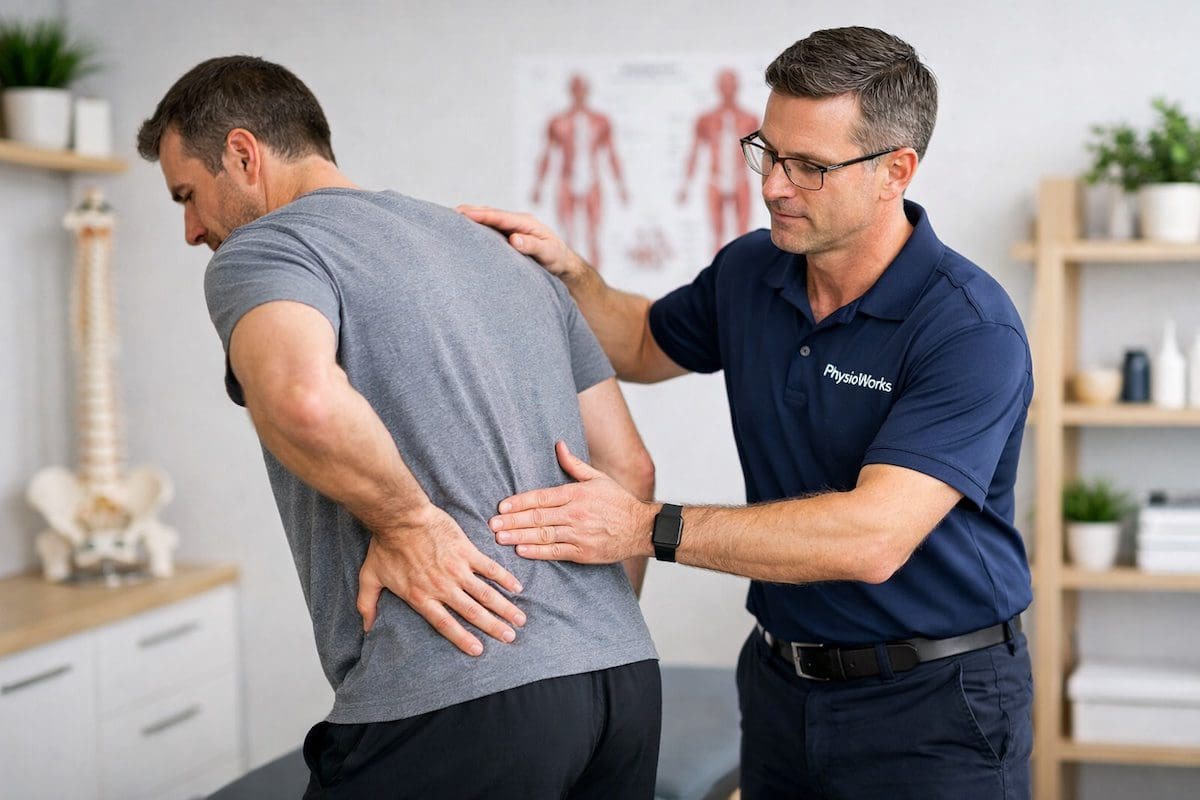
Lower back pain is pain, aching or stiffness around the lumbar spine. It may stay in your back or spread into the buttock or leg. Most uncomplicated episodes improve with sensible activity, gradual movement and time, although recurring, worsening or leg-related symptoms may need assessment.
Lower back pain does not always come from one damaged structure. Muscles, joints, discs, ligaments, nerves, recent workload, sleep, stress and general health can all influence symptoms.
Start with our Back Pain guide if you are unsure where your symptoms fit. If pain travels into your leg, our sciatica guide may also help.
What is lower back pain?
The lumbar spine forms the lower part of your back. Pain in this region may involve sensitivity in muscles, joints, discs, ligaments or nearby nerves. In many cases, several factors contribute rather than one identifiable painful structure.
Symptoms also vary considerably. Some people mainly notice local stiffness or aching. Others develop pain into the buttock or leg, pins and needles, numbness or reduced confidence with bending, lifting, sitting or exercise.
Why does lower back pain start?
Lower back pain can begin suddenly or develop gradually. Sometimes there is an obvious event, such as lifting, twisting or a change in activity. In other cases, symptoms appear without one clear injury.
Several factors may contribute to your symptoms.
Muscles and soft tissues
Muscles, tendons and ligaments may become sensitive after an unfamiliar movement, sudden load or increase in activity.
Joints
The joints of the lumbar spine can contribute to local pain, stiffness or referred symptoms around the buttock.
Discs
Spinal discs can become sensitive and may contribute to back pain. Disc changes on imaging are also common in people without pain, so scan findings need to be interpreted alongside your symptoms and examination.
Nerve irritation
Pain, pins and needles or numbness travelling into the leg may involve nerve sensitivity. See our sciatica guide.
Load and recovery
Activity that temporarily exceeds your current capacity, particularly when recovery is limited, can contribute to a flare-up.
Other influences
Sleep, stress, general health, previous episodes and confidence with movement can affect how strongly or persistently pain is experienced.
Should I rest or keep moving with lower back pain?
For most uncomplicated lower back pain, prolonged bed rest is not recommended. Gentle activity such as walking, changing position and comfortable movement can help maintain mobility and confidence.
You do not need to force painful movements. Temporarily reduce activities that cause a major or lasting increase in symptoms, then build them back gradually as your back settles.
If walking, bending or lifting causes rapidly increasing leg pain, numbness or weakness, arrange an assessment. Seek urgent medical care if you develop any of the warning signs listed below.
How is lower back pain assessed?
The first step is usually a clinical assessment rather than a scan. Your physiotherapist will ask how your symptoms started, where you feel them, whether they travel into your leg and how sitting, walking, bending, lifting, work and exercise affect you.
Your assessment may include lumbar and hip movement, strength, neurological testing when appropriate, functional tasks and your response to different positions or loads. The aim is to identify factors contributing to your symptoms and decide what is most useful to address.
X-rays, CT scans and MRI are not routinely required for uncomplicated lower back pain. Imaging may be appropriate when your history or examination raises concern about fracture, significant neurological change, serious disease or another condition that could alter management.
Some physiotherapists may also use real-time ultrasound as visual feedback during selected rehabilitation exercises. It is not the primary investigation for lower back pain. Read more about ultrasound physiotherapy for lower back pain.
What can help lower back pain?
Management usually works best when it matches your symptoms, goals and current capacity. For many people, the main components are education, continued activity, graded exercise and a gradual return to normal loads.
The World Health Organization guideline for chronic primary low back pain supports education and exercise as part of non-surgical management.
-
Keep moving where you can
Walking, changing position and comfortable daily activity can help limit unnecessary inactivity. Adjust the amount of activity to how your symptoms respond.
-
Understand what affects your symptoms
A physiotherapist can help identify movements, loads and other factors that aggravate or settle your symptoms. Understanding the pattern often makes recovery less uncertain.
-
Build strength and movement capacity
Progressive exercise can improve trunk and hip strength, endurance and confidence with lifting, work, sport and everyday activity. There is no single best exercise for every person with lower back pain.
-
Progress loads gradually
Avoid jumping suddenly from very little activity to demanding lifting, training or work. Increase volume and intensity progressively as symptoms and capacity allow.
-
Use symptom-relief strategies selectively
Heat, pacing, gentle walking and short movement breaks may help during a flare-up. TENS is sometimes used for temporary symptom relief, although it is not routinely required and should not replace active management or appropriate assessment.
How can physiotherapy help lower back pain?
Physiotherapy may help when pain keeps returning, limits work or exercise, feels unpredictable or includes leg symptoms. Treatment should match your presentation rather than relying on one technique or quick fix.
A physiotherapist may use education, exercise, activity modification and selected hands-on treatment to help you move more comfortably and rebuild capacity. The emphasis usually shifts towards independent movement and graded loading as symptoms improve.
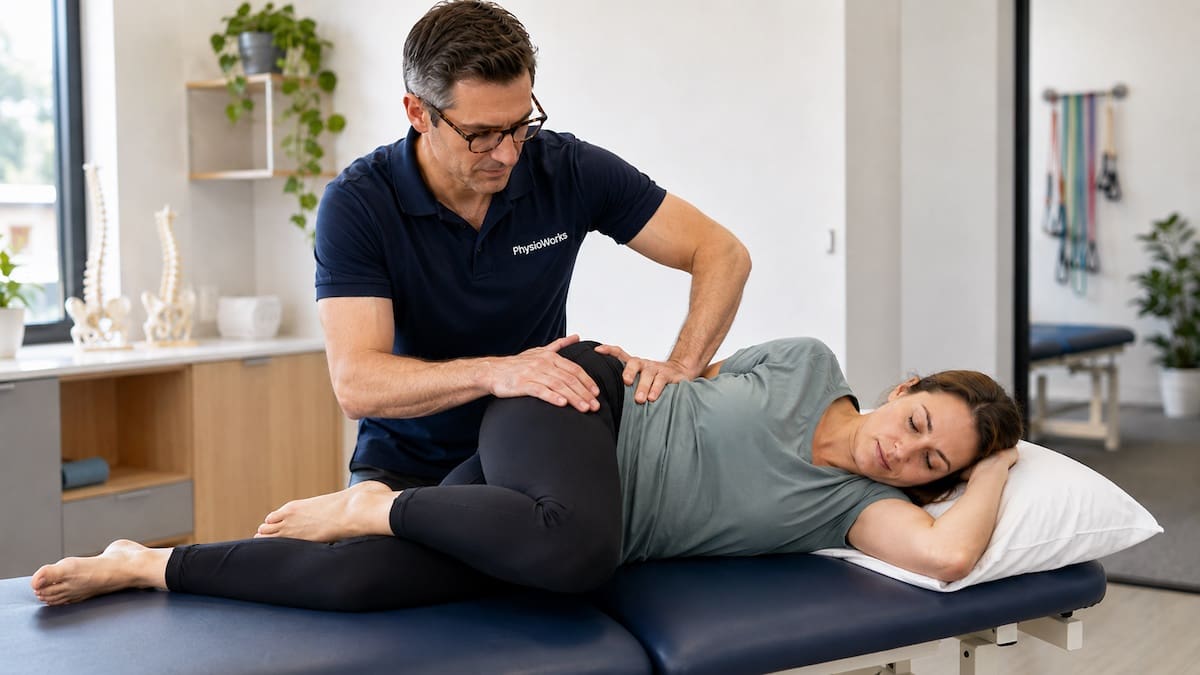
Hands-on treatment may provide short-term help with movement or symptoms for some people. It usually works best as one part of a broader plan that includes education, activity and exercise.
Learn more about back pain relief with physiotherapy and back pain physiotherapy.
What happens at your first physiotherapy appointment?
Your physiotherapist will ask about your symptoms, medical history, daily activities, work demands, exercise goals and any leg symptoms. They will then assess the movements and tasks most relevant to your problem.
Understand the pattern
Your physiotherapist will discuss what appears to influence your pain and function.
Screen for concerns
They will check for symptoms or findings that may require medical assessment or further investigation.
Test movement and function
This may include your back, hips, strength, neurological function and relevant daily or sporting tasks.
Start management
Your first appointment may include movement, exercise, education or selected treatment suited to your symptoms.
Plan the next stage
You should leave with practical advice and a clear progression towards your normal activities and goals.
Related lower back pain guides
These guides explain common symptom patterns and useful next steps.
Lower back pain FAQs
When should I see a physiotherapist for lower back pain?
Consider an assessment if lower back pain is severe, worsening, keeps returning, restricts normal work or activity, travels into the leg or leaves you unsure how to progress safely. Seek urgent medical care rather than routine physiotherapy if you develop red-flag symptoms such as new bladder or bowel problems, saddle numbness or progressive weakness.
What exercises help lower back pain?
There is no single best exercise for everyone. Many people benefit from comfortable mobility followed by progressive strengthening and endurance exercises for the trunk, hips and legs. Exercise selection should match your symptoms, current capacity and goals.
Is walking good for lower back pain?
Walking is often a useful way to stay active during a lower back pain flare-up. Start with a comfortable distance and increase gradually. Arrange an assessment if walking consistently causes increasing leg pain, numbness or weakness.
Can lower back pain cause leg pain?
Yes. Symptoms can spread into the buttock, thigh, calf or foot, particularly when a lumbar nerve is irritated. Sciatica is one possible pattern, although not all leg pain has the same cause.
Do I need an MRI or X-ray for lower back pain?
Most uncomplicated lower back pain does not require immediate imaging. Your history and clinical examination usually guide initial management. Imaging may be appropriate if there is significant trauma, progressive neurological change, concern about serious disease or another finding that could alter treatment.
What are red flags for lower back pain?
Seek urgent medical assessment for new bladder or bowel problems, numbness around the saddle or genital area, new or progressive leg weakness, severe pain after significant trauma, or severe back pain associated with fever or significant illness. Persistent unexplained weight loss with worsening symptoms also requires medical review.

Rehabilitation aims to rebuild comfortable movement and confidence with everyday activity.
What should you do next?
If your symptoms are mild and improving, continue comfortable activity and gradually return to your usual routine. Avoid prolonged bed rest and increase lifting, exercise and sport progressively.
Consider physiotherapy if lower back pain keeps returning, limits your normal activities, feels difficult to manage or includes ongoing leg symptoms. An assessment can help clarify the pattern and give you a practical progression based on your needs.
Choose your clinic and appointment pathway
Select a PhysioWorks clinic to continue to live booking, an appointment request or reception assistance.
Back Support Products
These back support products are commonly used by our physiotherapists to help reduce back pain, improve comfort, and support your recovery at home.
-
-
 Braces & Supports, Back, Maternity, SIJ
Maternity Support Belt – OPPO 4062
$37.00Select optionsQuick View -
-
 Back, Braces & Supports, Maternity, Posture
Maternity Back Support – OPPO 2062
$60.00 – $64.00Select optionsQuick View - Braces & Supports, Back, Maternity, SIJ
AOM38 AllCare Ortho Core Stability Belt
$49.95Select optionsQuick View -
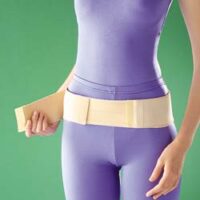 Back, Braces & Supports, Maternity, SIJ
Core Stability Support – OPPO 3462
$54.00Select optionsQuick View -
-

 Back, Braces & Supports, Maternity, Posture
Pregnancy Belly Band & C-Section 3-in-1
$94.99Select optionsQuick View
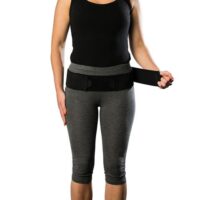

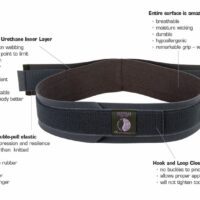
Back Pain Tips: 7 Evidence-Based Ways to Move Better, Hurt Less & Recover Faster
A Physiotherapist’s Guide to a Stronger, Healthier Back
Discover practical, research-based strategies to ease back pain, move with confidence, and build long-term strength. Written by physiotherapist John Miller, this concise guide blends science and decades of clinical experience to help you recover faster and stay active for life.
- Clear, actionable advice grounded in current research
- Whole-person approach: movement, sleep, mindset and care team
- Includes a quick flare-up plan, FAQs and daily habits

References
- World Health Organization. WHO guideline for non-surgical management of chronic primary low back pain in adults. Geneva: World Health Organization; 2023.
- George SZ, Fritz JM, Silfies SP, et al. Interventions for the management of acute and chronic low back pain: revision 2021. J Orthop Sports Phys Ther. 2021;51(11):CPG1-CPG60. doi:10.2519/jospt.2021.0304.
- Hayden JA, Ellis J, Ogilvie R, Malmivaara A, van Tulder MW. Exercise therapy for chronic low back pain. Cochrane Database Syst Rev. 2021;9:CD009790. doi:10.1002/14651858.CD009790.pub2.
- Hartvigsen J, Hancock MJ, Kongsted A, et al. What low back pain is and why we need to pay attention. Lancet. 2018;391(10137):2356-2367. doi:10.1016/S0140-6736(18)30480-X.
