Running Recovery: How Long Should You Rest After Running?
Running recovery is not simply about waiting a set number of hours. Your next session should reflect how hard you ran, how well you slept and whether your muscles, joints and running stride have returned to normal.
Reviewing soreness, training load and movement can help guide the next run.
How Long Should You Recover After Running?
An easy run may require little additional recovery when you feel comfortable and move normally. In contrast, a long run, race, hill session or speed workout may affect your muscles and movement for one or more days.
A practical weekly plan usually separates demanding running sessions with an easy run, low-impact activity or rest day. Still, age, training history, sleep, nutrition, illness, stress and previous injuries can all change your response.
Instead of relying only on the clock, check how your body responds later that day and the following morning.
Easy running
You may be ready to run again soon when you have no increasing pain, unusual fatigue or change in movement.
Hard training
Long runs, hills, intervals and races usually need more recovery than comfortable conversational running.
Next-morning response
Rising pain, marked stiffness, poor sleep or heavy legs may indicate that you need to reduce the next session.
Running quality
A limp, shortened stride or compensatory movement is a reason to stop and reassess rather than push through.
Localised symptoms
Pain focused over one bone, tendon or joint deserves more caution than general muscle tiredness.
Training pattern
Several hard days together may create more fatigue than the same sessions spread across the week.
What Changes Your Running Recovery Time?
Recovery varies because each run creates a different training load. Distance matters, but it is only one part of the picture.
Your recovery may take longer after:
a faster or longer run than usual;
intervals, hill repetitions or a race;
running downhill or on an unfamiliar surface;
a sudden increase in weekly distance;
poor sleep, illness or high life stress;
training in heat or becoming dehydrated;
changing shoes, terrain or running technique; or
returning after an injury or extended break.
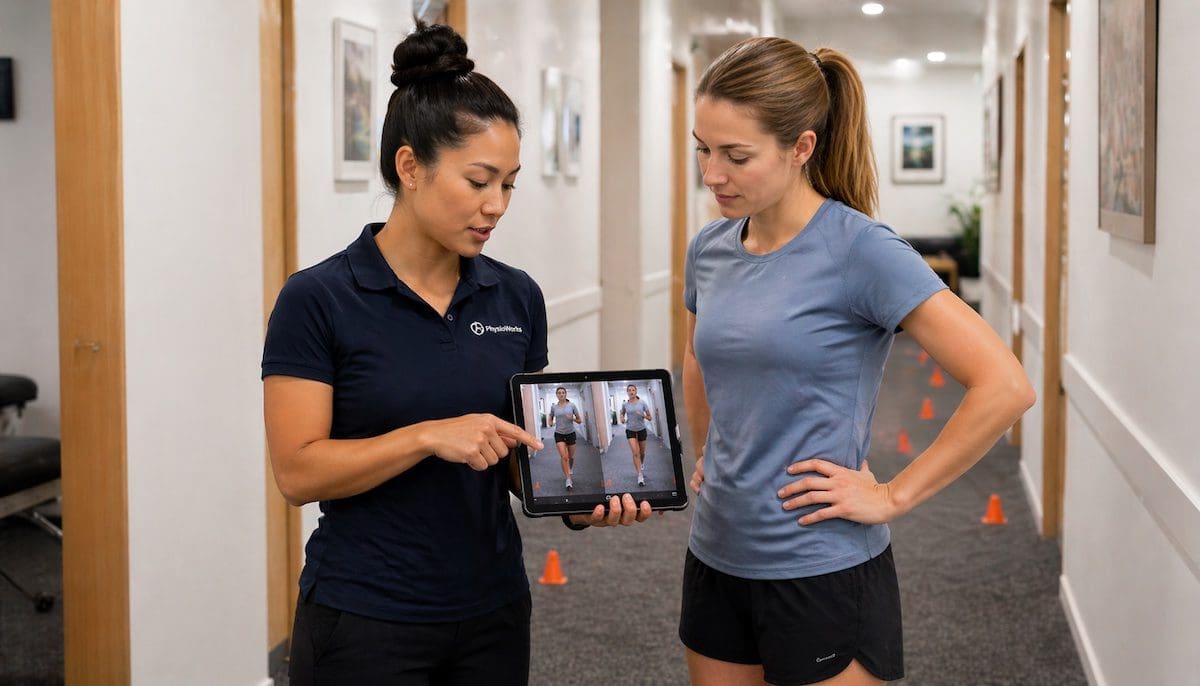
A running analysis may help when recurring symptoms, training errors or movement concerns make it difficult to progress safely.
A running assessment can review stride, training load, strength and symptom behaviour.
How Can You Tell Whether You Are Ready to Run Again?
Consider your overall response rather than one isolated sign. Mild general muscle stiffness can occur after unfamiliar or demanding exercise. It should gradually settle rather than become more focused or intense.
No recovery tool works equally well for every runner. Start with the basics, then use optional strategies according to comfort, preference and the demands of your next session.
Replace fluids and fuel
Drink according to thirst and replace additional fluid after a hot, long or sweaty run. A balanced meal or snack containing carbohydrate and protein can support energy replacement and muscle repair.
Frequent dizziness, low energy, unintended weight change or recurring injuries may justify advice from a doctor or accredited practising dietitian. Learn more about sports health for athletes.
Cool down gradually
A short period of comfortable walking or easy jogging can help you transition from hard exercise. However, a cool-down does not cancel excessive training load or guarantee faster recovery.
A walk, easy cycle or gentle recovery run may feel better than complete inactivity when soreness is mild. Keep the effort low and stop if symptoms become more localised or alter your movement.
Use foam rolling or massage for comfort
Some runners find gentle foam rolling or massage helps them feel less sore or tense. These options may improve comfort, but they should not be presented as a guaranteed way to restore performance or prevent injury.
Use comfortable pressure and avoid bruised, swollen or sharply painful areas. See our foam roller and recovery massage information.
Use cold or heat according to your goal
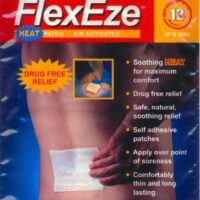
A wrapped cold pack may temporarily reduce soreness after a demanding run. Gentle heat may feel useful when stiffness is the main concern. Neither option should be uncomfortably hot or cold.
Avoid placing ice directly against the skin. Do not apply heat to a newly swollen or acutely injured area. See our guide to cold-pack use.
Protect sleep and your weekly routine
Sleep supports physical and mental recovery. When sleep quality falls, the same training session can feel harder and your ability to judge effort may change.
Consider reducing training load when several nights of poor sleep occur alongside heavy legs, falling performance, irritability or low motivation.
Should You Run With Sore Legs?
Mild, general muscle soreness does not always require complete rest. However, the planned session should remain easy, and your movement should stay normal.
Continue cautiously
An easy run may be reasonable when soreness is mild, improves during the warm-up and does not alter your stride.
Modify the session
Choose walking, gentle cycling or rest when your legs feel unusually heavy or soreness does not improve with easy movement.
Stop running
Stop when pain becomes sharp, increasingly localised, causes a limp or changes how your foot contacts the ground.
Is It Delayed Onset Muscle Soreness or an Injury?
Delayed onset muscle soreness, commonly called DOMS, often develops after new or harder exercise. It commonly feels like broad muscle tenderness, stiffness or heaviness and can be most noticeable one to three days later.
In contrast, a running injury is more likely when pain:
symptoms keep returning as distance or speed increases;
pain is sharply localised over a bone, tendon or joint;
swelling, weakness or reduced movement develops;
you cannot progress your training despite reducing load; or
you are unsure how to return after an injury.
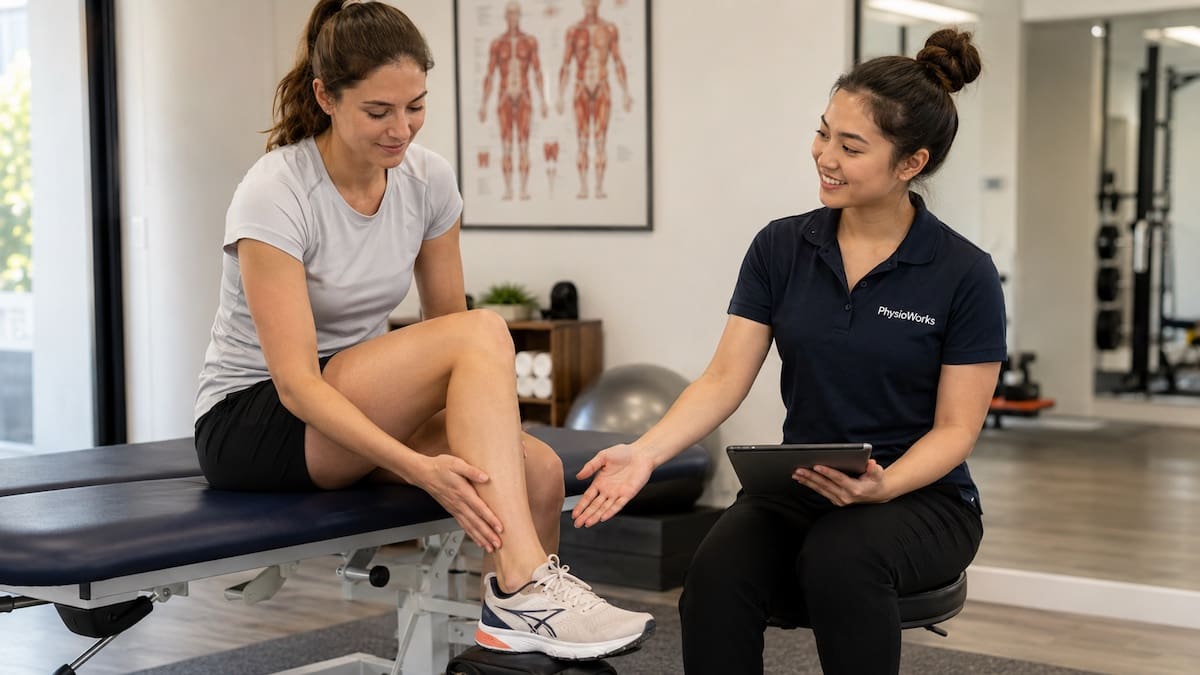
A physiotherapist may review symptom behaviour, running load, strength, joint movement, footwear, running technique and your planned return to training. Assessment findings determine whether treatment, exercise rehabilitation or further medical review is appropriate.
Find help with sports injuries, rehabilitation and a graded return to activity.
Running Recovery FAQs
How long should I recover after a hard run?
Many runners benefit from at least one easy or rest day after a hard run. Longer recovery may be appropriate when soreness, fatigue or changes in movement remain. Use your next-morning response and running quality rather than relying only on a fixed number of hours.
Can I run again when my legs are sore?
An easy run may be reasonable when soreness is mild, general, improving and does not change your stride. Choose a walk, low-impact activity or rest when your legs feel unusually heavy. Stop if pain becomes sharper or more localised.
Do I need a rest day after every run?
Not every run requires a complete rest day. Many training plans alternate harder sessions with easy running or low-impact activity. Your training history, sleep, health, symptoms and weekly load should guide the decision.
What helps recovery after a long run?
Start with sleep, appropriate fluids, balanced food and sensible training load. Gentle movement, foam rolling, massage, cold or heat may help comfort for some runners, but no single recovery strategy works consistently for everyone.
Is walking useful on a recovery day?
Comfortable walking can provide light movement without the load of another hard run. Keep it easy and reduce the distance when walking increases pain, fatigue or limping.
How do I know whether soreness is DOMS?
DOMS commonly causes broad muscle tenderness, stiffness or heaviness after new or demanding exercise. It should gradually improve. Sharp, localised or worsening pain, swelling and altered movement are less typical and may require assessment.
When should I see a physiotherapist about running pain?
Arrange an assessment when pain changes your stride, keeps returning, becomes sharply localised or prevents you from progressing. Swelling, weakness, night pain or pain over a bone, tendon or joint also warrants attention.
What to Do Next
Reduce your running load and arrange an assessment when soreness does not settle, pain changes how you run or symptoms return whenever you increase distance or speed.
A tailored plan can help you decide what to modify now and how to rebuild running load progressively.
Choose your clinic and appointment pathway
Select a PhysioWorks clinic to continue to live booking, an appointment request or reception assistance.
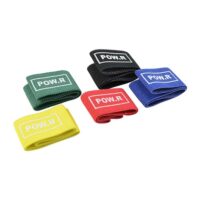
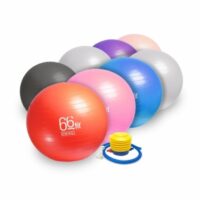
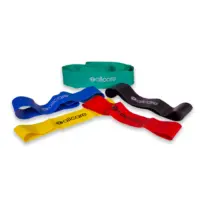
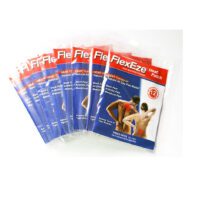
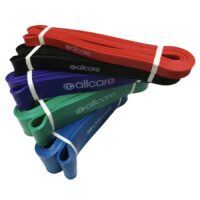
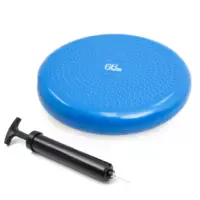
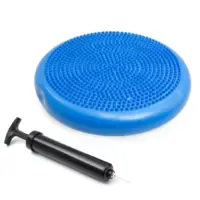
These muscle and soft tissue products are commonly used by our physiotherapists to relax or loosen muscles, improve strength, comfort, flexibility, and home exercise programs.