Why Is a Cool Down Important After Exercise?


Why Is a Cool Down Important After Exercise?


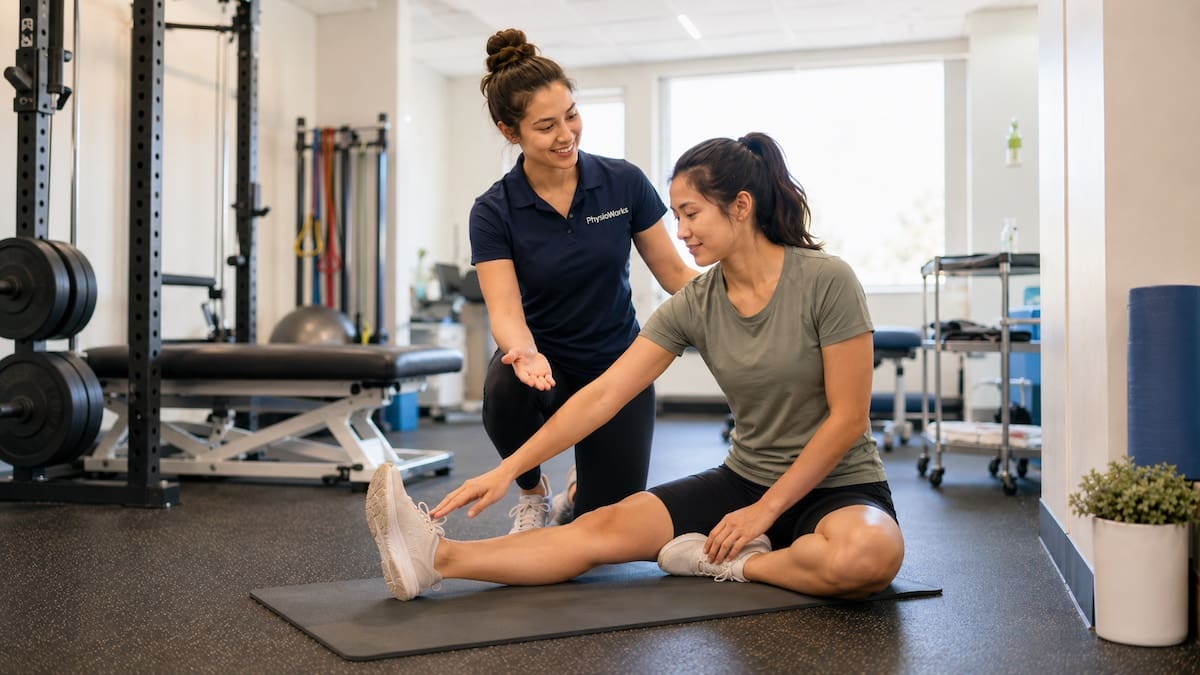
Cool down after exercise with guided hip flexor stretching
Guided stretching can help finish training calmly.

A cool down after exercise is a short period of easier movement after training. It helps your heart rate and breathing settle, gives tight muscles time to relax, and helps you notice how your body feels before you stop.

A practical cool down does not need to be complex. Most people can start with 5 to 10 minutes of light movement, then add gentle stretching, mobility work, or recovery support if it feels useful. For sport-specific recovery advice, see our Sports Physiotherapy Brisbane page.

Quick answer: A cool down helps your body shift from hard work to rest.

  • It lets your heart rate and breathing settle gradually.
  • It may reduce the tight feeling after hard training.
  • It gives you time to stretch or move stiff areas.
  • It helps you plan your next session with less guesswork.

What Are the Main Benefits of a Cool Down After Exercise?

A cool down after exercise gives your body a calmer finish. It supports a gradual drop in heart rate, helps you assess tight or sore areas, and builds a simple recovery habit between sessions.

The four main reasons to cool down are:

  • Heart and breathing recovery: light movement helps your body slow down.
  • Muscle comfort: gentle movement may reduce the feeling of tightness.
  • Mental reset: slower breathing can help you calm down after effort.
  • Next-session planning: you can note soreness, fatigue, or load issues early.

How Does a Cool Down Help Your Heart Rate Settle?

A cool down helps your heart rate and breathing return towards normal more gradually. This may reduce light-headedness after hard exercise, especially after running, cycling, gym work, or team sport.

During exercise, your heart pumps more blood to working muscles. If you stop suddenly, some people feel dizzy because blood flow changes quickly. A few minutes of easy walking, slow cycling, gentle swimming, or relaxed movement can make the shift feel smoother.

Simple Cool Down Template

  • Step 1: 3 to 5 minutes of easy movement.
  • Step 2: slow breathing while you keep moving.
  • Step 3: gentle stretches for the main muscles used.
  • Step 4: note any pain, sharp soreness, or unusual fatigue.

Does a Cool Down Reduce Muscle Soreness?

A cool down may help you feel less stiff, but it may not prevent delayed onset muscle soreness, also called DOMS. Research suggests active cool-downs and stretching have mixed effects on soreness, so the goal should be comfort, safe slowing down, and better recovery habits.

DOMS often appears after new, hard, or high-load exercise. It may be more noticeable after downhill running, heavy strength work, jumping, or a sudden return to sport. For more detail, read our guide to delayed onset muscle soreness.

Light movement can still be worthwhile. It may help stiff muscles feel easier in the short term. It also gives you time to decide whether you need rest, a lighter next session, physiotherapy, or recovery support.

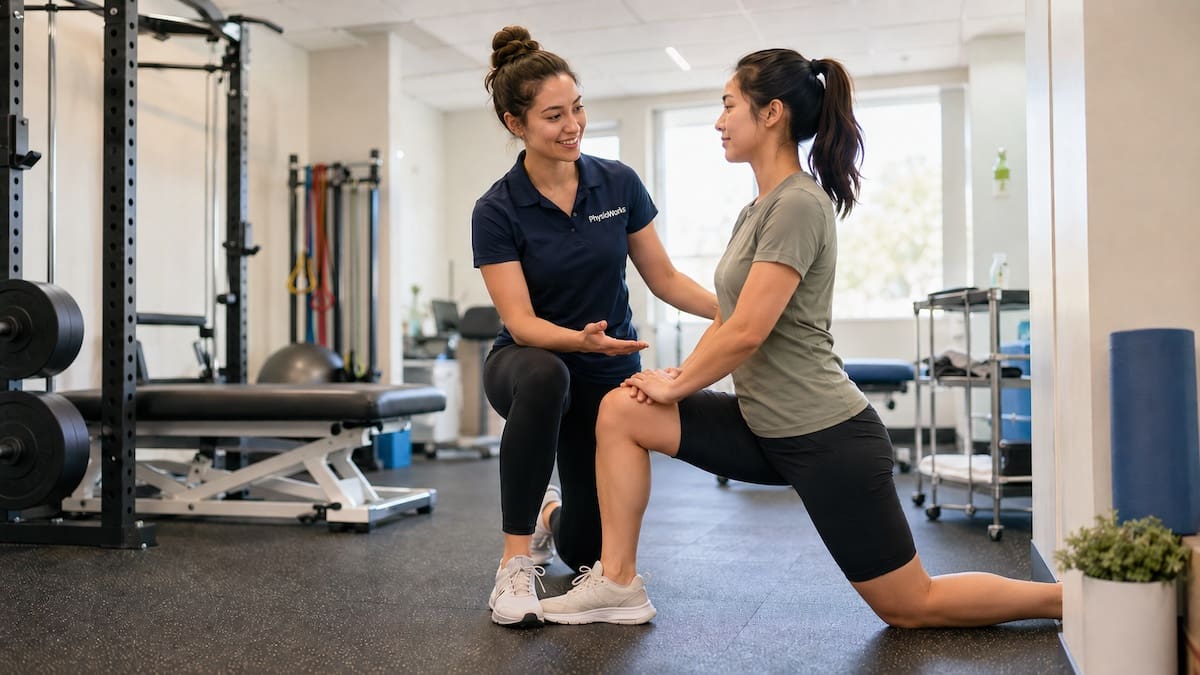
Cool down after exercise with hamstring and calf stretching guidance
Gentle stretching can support recovery habits.

What Stretches Are Best After Exercise?

Gentle static stretches can suit many cool downs. Hold each stretch in a mild, comfortable position. Do not force the range, bounce, or push into sharp pain.

A useful starting point is 20 to 30 seconds per stretch, repeated once or twice. Choose the muscles you used most. For runners, this may include calves, quadriceps, hamstrings, hip flexors, and gluteals. For swimmers, it may include shoulders, chest, upper back, and hips.

Stretching is not magic, but it can help you feel calmer and looser. For a more detailed guide, see our stretching exercises page.

Match the Cool Down to the Session

  • After running: walk first, then stretch calves, quads and hips.
  • After weights: use light movement, then stretch the loaded areas.
  • After team sport: jog or walk, then address tight or sore spots.
  • After swimming: easy laps, then shoulder and trunk mobility.

Should You Use a Foam Roller or Massage After Training?

A foam roller may help some people reduce post-exercise tightness. Keep the pressure firm but tolerable. Avoid rolling directly over bruising, swelling, fresh injury, numbness, or sharp pain.

Some people also use recovery massage or sports massage as part of their training plan. Massage may help with comfort and recovery perception, but it should match your training load, pain level, and goals.

What Should You Avoid During a Cool Down?

Avoid turning your cool down into more hard training. The aim is to slow down, not add another workout. Also avoid aggressive stretching, very painful foam rolling, alcohol straight after training, and heat over a fresh injury or swollen area.

  • Avoid sharp pain: pain is a signal to stop or change the activity.
  • Avoid hard stretching: gentle is enough after exercise.
  • Avoid heat on acute swelling: it may increase warmth and throbbing.
  • Avoid alcohol after hard training: it can affect sleep, hydration and recovery.

When Should You Get Help With Post-Exercise Pain?

Seek advice if soreness is severe, one-sided, worsening, linked with swelling, or still affecting normal movement after several days. You should also get help if pain changes your walking, running, lifting, or sport technique.

A physiotherapist can help check whether your symptoms fit normal training soreness, a soft tissue injury, or a load problem. They may guide exercise changes, recovery pacing, strength work, mobility, or a return-to-sport plan. You can also read our muscle pain and injury guide.

Frequently Asked Questions

How long should a cool down after exercise take?

Most people can use 5 to 10 minutes. Harder sessions may need longer. Start with easy movement, then add gentle stretching or mobility work if it feels helpful.

Is walking enough for a cool down?

Yes, walking is often enough after running, gym work, or team sport. Keep the pace easy. You should feel your breathing and heart rate start to settle.

Can stretching after exercise stop DOMS?

Stretching may help you feel less tight, but it may not stop DOMS. Soreness after new or hard training often needs time, sleep, food, hydration, and smart load planning.

Should I cool down after every workout?

A short cool down is a useful habit after most harder sessions. It matters most after intense training, long sessions, heat, sport, intervals, or exercise that leaves you light-headed.

Can I use ice baths after exercise?

Cold water may help some athletes manage soreness after hard sessions. It is not needed for every workout. Use it carefully and match it to your training goal.

What should I do if I feel dizzy after exercise?

Stop safely, sit or lie down if needed, and sip water when you can. If dizziness is severe, repeated, linked with chest pain, or does not settle, seek urgent medical help.

Related Information

For general recovery and exercise advice, the Australian Institute of Sport provides recovery resources through its REST Hub recovery guide. Healthdirect also provides Australian public health information about fitness and exercise.

What To Do Next

Use a cool down as a simple check-in after training. Keep it easy, breathe slowly, and pay attention to any sharp pain, unusual fatigue, dizziness, swelling, or soreness that changes how you move.

If pain keeps returning after exercise, or you are unsure how hard to train, book a PhysioWorks appointment. A physiotherapist can help review your load, recovery plan, strength, mobility and return-to-sport steps.


Book your appointment – 24/7

Choose your preferred PhysioWorks clinic and book online.


Muscle & Soft Tissue Products

These muscle and soft tissue products are commonly used by our physiotherapists to relax or loosen muscles, improve strength, comfort, flexibility, and home exercise programs.

View all muscle & soft tissue products


Follow PhysioWorks

Get free physiotherapy tips, exercise videos, recovery advice, and blog updates.

Facebook Instagram YouTube B X Email PhysioWorks

You've just added this product to the cart: