FAQs

Frequently Asked Questions


How Long Does Muscle Strain Recovery Take?

Muscle strains are common, and recovery times vary. A mild strain may settle within a couple of weeks, while more significant tears can take several weeks or months. Muscle strain recovery depends on injury severity, which muscle is involved, and how well you manage load during rehabilitation. Your physiotherapist can assess your injury and guide you through each phase of recovery so you can get back to work, sport, and daily life safely.

Female runner with red zone on calf showing muscle strain recovery discomfort


Common area of calf muscle strain discomfort during recovery. A physiotherapist can guide safe return to running.
Short Answer: Typical Muscle Strain Recovery Times

Most muscle strains follow a predictable pattern. Mild (grade I) strains often recover within 2–3 weeks. Moderate (grade II) tears may take 4–8 weeks. Severe (grade III) tears, or those requiring surgery, can take several months of structured rehabilitation. Learn more about how injuries heal on our Soft Tissue Injury Healing page and our Muscle Strain guide.

What Affects Muscle Strain Recovery?

Several factors influence how quickly a muscle strain recovers:

  • Injury severity: Small overstretches heal faster than larger tears.
  • Muscle size: Larger muscles such as hamstrings or calves usually need more rehabilitation.
  • General health: Sleep, nutrition, smoking, and medical conditions all influence healing.
  • Early management: Appropriate acute care can support better recovery.
  • Load tolerance: Underloading can delay strength gains; overloading can irritate the injury.

Your physiotherapist can examine swelling, bruising, strength, and movement to estimate your recovery timeframe. In addition, they may look at running mechanics, footwear, training load changes, and prior injury history. Sudden spikes in hill running, speed work, or weekend sport often increase calf strain risk. Poor warm-up habits, low ankle mobility, and reduced calf strength can also play a part. As a result, your plan usually includes clear “green light” milestones (walking comfort, hopping tolerance, and calf raise capacity) before you return to harder training.

How Do Physiotherapists Support Muscle Strain Recovery?

Physiotherapists guide each recovery phase. Early care often focuses on protection, comfort, and gradual movement, as outlined in our Acute Soft Tissue Injury and HARM Factors guides. Later stages emphasise strength, flexibility, and sport or work-specific progressions, which are discussed in our Essential Guide to Muscle Treatment.

Your rehabilitation plan may include:

  • Gradual increase in activity rather than full rest
  • Range-of-motion exercises
  • Progressive strengthening
  • Eccentric loading programs
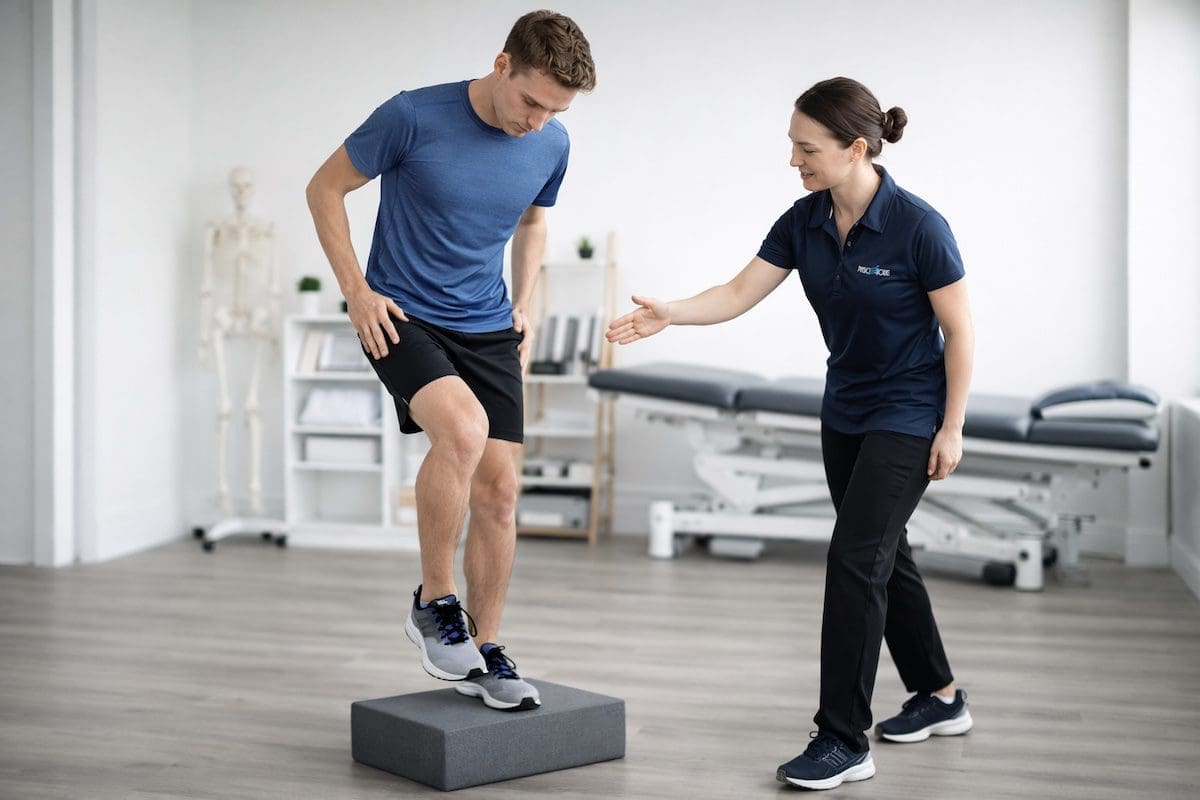
  • Balance, control, and agility drills
  • Load planning for return to sport or work

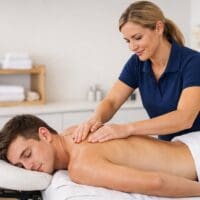
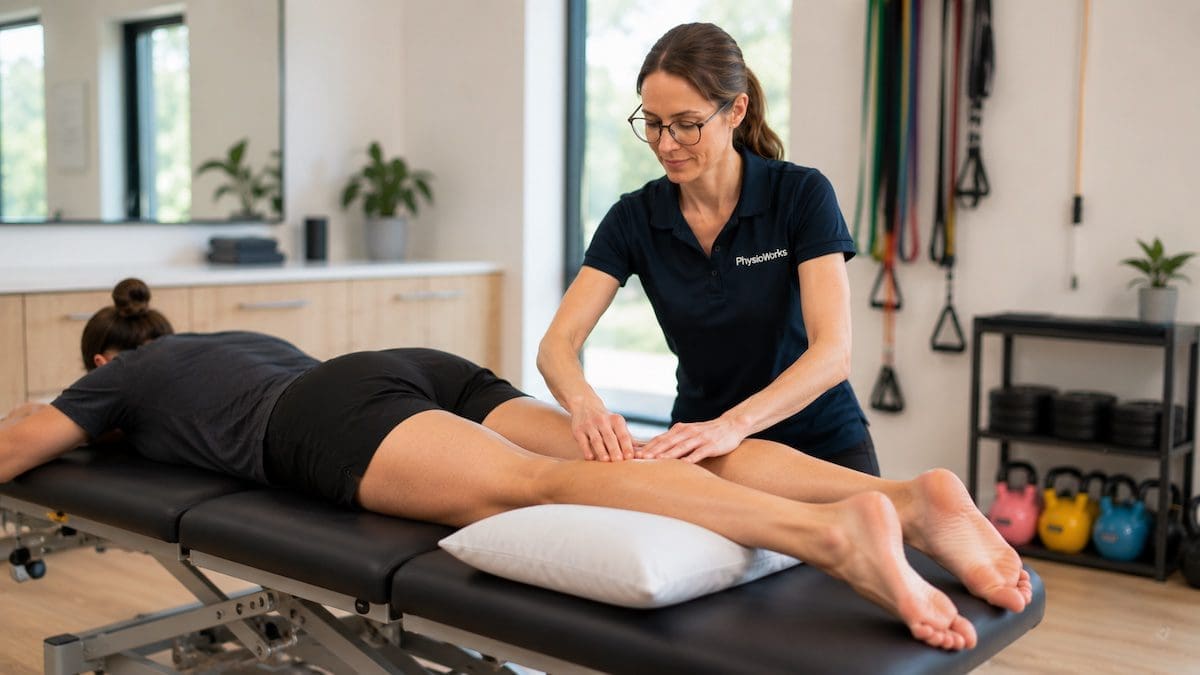
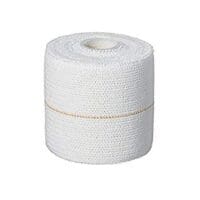
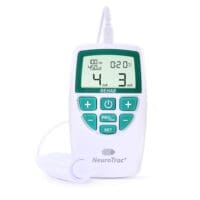
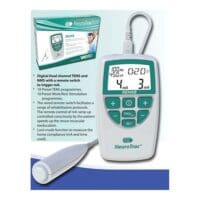
Some people also benefit from soft tissue massage, supportive taping, or electrotherapy as part of their recovery.
When Should You See a Physiotherapist?

You should consider a physiotherapy assessment if:

  • you cannot walk or use the limb comfortably
  • pain or swelling is not improving after a couple of weeks
  • the strain keeps recurring when you return to activity
  • you want a plan to safely return to sport, gym, or work

A physiotherapist can help clarify whether symptoms relate to a simple strain or another condition needing attention.

Related Information

Book your appointment – 24/7

Choose your preferred PhysioWorks clinic and book online.

Follow PhysioWorks for Recovery Tips

For ongoing tips about muscle, tendon, and joint health, follow PhysioWorks on social media or subscribe to our updates.

Follow PhysioWorks

Get free physiotherapy tips, exercise videos, recovery advice, and blog updates.

Facebook Instagram YouTube B X Email PhysioWorks

References

For more detailed information on how soft tissue injuries heal, visit:

Additional reputable health information:

What are the four skeletal muscle injury types?

Skeletal muscle injury types usually fall into four broad groups: strain, tear (rupture), contusion (haematoma), and rhabdomyolysis. Each type behaves differently, so the best first step is to match your symptoms to the likely injury and act early. For a full muscle strain assessment guide (including grades and rehab), start here: Muscle Strain: Causes, Symptoms & Physiotherapy Treatment.

Skeletal muscle injury types explained by a physiotherapist
Skeletal muscle injury types include strain, tear, contusion, and rhabdomyolysis. Book an assessment if you’re unsure.

Skeletal muscle injury types: quick summary

Most people deal with strains, tears, or contusions after sport, lifting, or a direct knock. Rhabdomyolysis is different. It is uncommon, but it needs urgent medical care when red flags appear, such as dark urine. If you are unsure which of these skeletal muscle injury types fits your symptoms, a physiotherapist can assess the injury, guide load management, and help you return to activity safely.

Skeletal muscle injury types: 1) muscle strain or soreness

A muscle strain happens when muscle fibres overload or stretch beyond capacity. Many strains feel like a sharp pull during activity, or a gradual build-up of soreness after training. This is one of the most common skeletal muscle injury types.

  • Common signs: soreness, stiffness, pain with contraction or stretch, reduced strength, mild swelling
  • Typical triggers: sprinting, sudden direction change, lifting, or spikes in training load
  • What helps early: relative rest, compression, gentle movement, and a gradual return to loading

Want the full breakdown (including grading and rehab timelines)? Use the main guide: Muscle Strain.

Skeletal muscle injury types: 2) muscle tear or rupture

A muscle tear involves more fibre disruption than a strain. Severe tears can cause a sudden “snap” or “pop” feeling and may stop you from continuing activity. Compared with other skeletal muscle injury types, tears more often cause visible bruising and major weakness.

  • Common signs: sudden sharp pain, bruising over days, obvious weakness, swelling, possible “gap” in the muscle
  • What to do: book an assessment early if bruising spreads quickly, strength drops a lot, or pain stays severe

Rehab matters here. Your physiotherapist can guide loading progressions and return-to-sport testing. In some complete ruptures, a medical review may be required.

Skeletal muscle injury types: 3) muscle contusion or haematoma

A contusion (bruise) usually happens after a direct blow. Blood can pool inside the muscle (a haematoma), which may stiffen the area and limit movement. This is a common contact-sport entry in the list of skeletal muscle injury types.

  • Common signs: local pain and swelling after a knock, bruising, reduced range of motion, tenderness, weakness
  • What helps early: protect the area, compression, sensible movement, and a guided return to activity

If swelling is large, pain worsens, or you cannot bend/straighten the limb well, book an assessment. A physiotherapist can help reduce complications and plan safe loading.

Skeletal muscle injury types: 4) rhabdomyolysis

Rhabdomyolysis is a serious condition where muscle breakdown releases proteins into the bloodstream. It can follow extreme exercise, heat stress, crush injury, or other medical causes. Although it is rare among skeletal muscle injury types, it needs urgent care when warning signs appear.

Seek urgent medical care if you have muscle pain plus any of the following:

  • dark “cola-coloured” urine
  • marked weakness or severe swelling
  • fever, confusion, or symptoms after heat illness

Hospital treatment often focuses on monitoring and fluids to help protect the kidneys. Physiotherapy may help later with a graded return to training once cleared medically.

What this means and what to do next

First, match the pattern: strains and tears usually relate to overload or stretch, while contusions follow a knock. Next, act early. Relative rest, compression, and gradual loading often help most skeletal muscle injury types. Finally, book a physiotherapy assessment if pain is severe, bruising is extensive, function drops, or symptoms do not settle as expected.

For step-by-step assessment, treatment, and rehab pathways, go to the main condition page: Muscle Strain: Causes, Symptoms & Physiotherapy Treatment.

Related information

References

For research summaries, treatment guidance, and rehabilitation pathways, please visit our main condition page:
Muscle Strain: Causes, Symptoms & Physiotherapy Treatment.

Book your appointment – 24/7

Choose your preferred PhysioWorks clinic and book online.

Follow PhysioWorks

Get free physiotherapy tips, exercise videos, recovery advice, and blog updates.

Facebook Instagram YouTube B X Email PhysioWorks

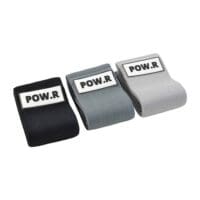
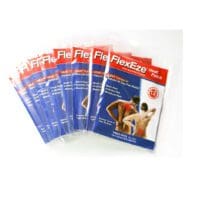
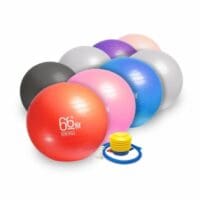
Muscle & Soft Tissue Products

These muscle and soft tissue products are commonly used by our physiotherapists to relax or loosen muscles, improve strength, comfort, flexibility, and home exercise programs.

View all muscle & soft tissue products

Muscle Strain Treatment: What Helps Muscle Strains Heal Faster?

Muscle strain treatment usually starts with an accurate diagnosis, early protection, and a staged return to movement, strength, and function. This page explains what may help most people recover well after a muscle strain, when to reduce load, and which muscle treatment options may suit each stage of healing.

Recovery time varies with the severity of the tear, the muscle involved, your sport or work demands, and whether the injury is managed well from the start. Mild strains may settle within days to a few weeks, while larger tears or high-load sporting injuries often need longer rehabilitation.

What helps muscle strains heal faster?

The best early approach to muscle strain treatment is to protect the injured area, reduce painful loading, use compression where appropriate, and then progressively rebuild movement, strength, and tolerance. Many people recover better when they avoid doing too much too soon but also avoid complete rest for too long.

Quick guide in the first few days

  • Protect the injured muscle from painful overload.
  • Use compression if swelling is present.
  • Elevate the region when practical.
  • Reduce activity to a level that does not provoke pain.
  • Use crutches if walking is painful or your limp is obvious.

If you would like a broader overview of early soft tissue care, see early injury treatment and how to avoid the HARM factors.

What is muscle strain treatment?

Muscle strain treatment is the staged management of a torn or overloaded muscle so the tissue can heal, regain strength, and return to normal function. Treatment usually changes from the acute phase to the subacute and later rehabilitation phases, depending on pain, swelling, weakness, and the physical demands you need to return to.

Common causes of delayed recovery after a muscle strain

Muscle strain recovery often slows when the diagnosis is unclear, the injury is more severe than first thought, or activity is resumed before the muscle can tolerate load. Return-to-sport errors, inadequate strength work, and poor movement control can also increase reinjury risk. Related problems such as DOMS, muscle cramps, or a non-muscle source of pain can also confuse the picture.

Acute muscle strain treatment

Early muscle strain treatment focuses on settling the injury and avoiding further tissue overload. The first phase often includes activity modification, compression, and support while a physiotherapist helps guide safe loading and monitors for signs of a more significant tear.

Subacute muscle strain treatment

Once pain begins to settle, treatment usually shifts towards restoring movement, easing residual tightness, and reloading the muscle in a controlled way. This stage often includes hands-on care and progressive exercise, depending on the muscle involved and how much strength has been lost.

Later stage muscle strain treatment options

Later rehabilitation aims to rebuild muscle capacity so the tissue can cope with walking, lifting, running, jumping, or sport again. This is where many people need targeted strengthening rather than just rest, massage, or stretching.

What else may improve muscle strain recovery?

Some people also benefit from assessment of training load, gait, biomechanics, and movement quality, especially if the injury developed during running, sprinting, gym work, or repeated work tasks. Your physiotherapist may also look for joint stiffness, technique issues, or conditioning deficits that contributed to the strain.

When should you seek help for a muscle strain?

You should seek professional help if you felt a sudden tear or pop, have marked swelling or bruising, cannot walk normally, cannot use the limb properly, or your pain is not improving over several days. Review is also sensible if the injury keeps returning or your muscle remains weak when you try to increase activity.

FAQs about muscle strain treatment

Should you rest completely after a muscle strain?

Not usually. Short-term protection is often helpful, but complete rest for too long can slow recovery. Most people do better with modified activity and a gradual return to movement and strengthening once the injury settles.
Is ice still used for muscle strains?

Ice may help some people manage pain in the early stage, especially when combined with compression. It is only one part of early care and should not replace diagnosis, load management, and progressive rehabilitation.

How long does a muscle strain take to heal?

Mild strains may improve within days to a few weeks. Moderate or more severe tears often take longer, especially if the muscle is loaded heavily in work or sport. Healing time depends on the muscle involved, tear severity, and how well rehabilitation is progressed.

Do you need physiotherapy for a muscle strain?

A physiotherapist may help if the diagnosis is uncertain, the injury is painful to walk on, bruising is significant, or you need to return to sport, lifting, or demanding work. Guided rehabilitation may also help reduce reinjury risk.

What to do next

If you think you have a muscle strain, the next step is to get the injury assessed early so you know how severe it is and what loading is safe. A physiotherapist may help you progress from protection to strength, function, and return to activity without rushing the process.

For more muscle-related guidance, you can also read Common Muscle Injuries and Muscle Injury FAQs & Products.

Book your appointment – 24/7

Choose your preferred PhysioWorks clinic and book online.

Follow PhysioWorks

Get free physiotherapy tips, exercise videos, recovery advice, and blog updates.

Facebook Instagram YouTube B X Email PhysioWorks

References

  1. Dubois B, Esculier JF. Soft-tissue injuries simply need PEACE and LOVE.
    Br J Sports Med. 2020;54(2):72-73. doi:10.1136/bjsports-2019-101253
  2. Paton BM, Cross MR, Kemp SPT, Williams S, Opar DA. British Athletics Muscle Injury Classification: rehabilitation, running and return to sport.
    Br J Sports Med. 2023;57(5):278-286. doi:10.1136/bjsports-2021-105290
  3. Morgan JPM, Allen MJ, Pollock N. Return to play after treating acute muscle injuries in elite football players with a multimodal therapy approach: a cohort study.
    Transl Sports Med. 2021;4(6):982-992. doi:10.1002/tsm2.280
  4. Wulff MW, Lind M, Voss A, et al. Return to sport, reinjury rate, and tissue changes after acute muscle strains in the lower extremity: a systematic review.
    Orthop J Sports Med. 2024;12(9):23259671241275669. doi:10.1177/23259671241275669

How Can I Speed Up Muscle Recovery?

Article by John Miller & Erin Runge
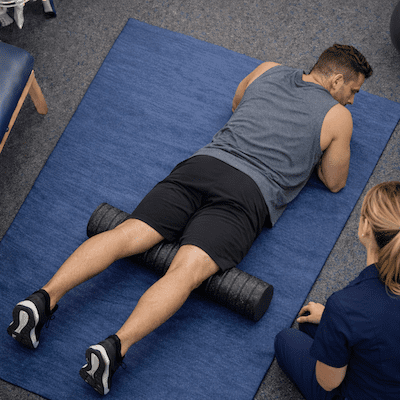
Muscle recovery quadriceps foam rolling exercise during physiotherapy-guided recovery session after training

Muscle recovery often improves with sensible loading, quality sleep, hydration, and the right recovery strategy for your symptoms. For many people, practical options include recovery massage, compression, and gentle movement. If you are unsure whether your soreness is normal or linked to injury, start with our guides to common muscle injuries and muscle pain and injury.

While many recovery methods are marketed heavily, only some have reasonable scientific support. The best option often depends on whether you are dealing with delayed onset muscle soreness (DOMS), post-game fatigue, or a true muscle strain.

Quick Answer

Prioritise sleep, stay hydrated, and keep moving lightly. Match your recovery to the problem. Simple soreness settles, but sharp pain, swelling, bruising, or weakness needs assessment.

Quick Summary: What Helps Muscle Recovery?

  • Sleep is one of the most important recovery tools.
  • Compression garments may help reduce soreness for some people.
  • Recovery massage and foam rolling may help ease muscle tightness and stiffness.
  • Light movement is usually more useful than complete rest for simple post-exercise soreness.
  • Ice baths may help some people after heavy loading, but they are not ideal in every situation.
  • Pain-relieving medication may reduce pain, but it should be used carefully.

How Can I Speed Up Muscle Recovery?

The fastest approach to muscle recovery usually combines enough sleep, sensible training loads, hydration, good nutrition, and a recovery method that matches the situation. For example, a foam roller or massage may help after a hard gym session, while compression or a brief ice bath may suit some athletes after a match or endurance event.

However, recovery is not always about doing more. Sometimes the main issue is that the muscle has not had enough time to repair. If your pain is sharp, localised, worsening, or linked to bruising, weakness, or loss of function, you may have more than normal post-exercise soreness and may need advice for acute soft tissue injury care.

Seven Common Muscle Recovery Strategies

1. Ice Baths

Ice baths are one of the most studied recovery methods because they are simple and widely used in sport. Cold exposure may reduce pain and help some people feel better after intense exercise, especially after heavy competition or endurance loading.

Do ice baths help muscle recovery?

They may help reduce soreness in some settings, but they do not suit every athlete or every session. An ice bath is more commonly used after a marathon, tournament, or hard game rather than before an intense workout. Colder muscles can reduce power and movement quality, which is why warming up remains important before exercise.

2. Compression Garments

Compression garments apply pressure to the limbs and may help limit swelling and improve venous blood flow. Some studies suggest they can reduce perceived soreness and help people feel better during the first day or two after hard training.

Compression socks, tights, and sleeves are most commonly used after running, field sport, or gym sessions. They are generally a low-risk option for people who find them comfortable.

3. Recovery Massage

Recovery massage may help reduce muscle tension, improve comfort, and support short-term recovery after training or competition. While research findings are mixed, many people report less stiffness and soreness after massage, particularly when it is part of a broader recovery plan.

Massage is usually best viewed as one useful tool rather than a standalone fix. It may be especially helpful when tightness, overload, or accumulated training fatigue are contributing to your symptoms.

4. Foam Rollers

Foam rollers are commonly used for self-myofascial release. They may help improve short-term movement and reduce the feeling of muscle tightness after exercise. Some people also find them useful for easing delayed onset muscle soreness.

Foam rolling should feel uncomfortable but not sharply painful. If it reproduces strong pain or bruising, stop and get the area checked.

5. Stretching

Stretching can help, but the type and timing matter. Dynamic stretching is generally more useful before exercise because it increases blood flow, movement, and muscle temperature. Static stretching is usually better suited to after exercise or separate mobility sessions.

If your goal is to perform well, a dynamic warm-up is usually more helpful than long static holds before activity.

6. Pain-Relieving Medication

Pain-relieving medication such as non-steroidal anti-inflammatory drugs may reduce soreness, but they should be used carefully. In some situations, they may mask symptoms that would otherwise tell you to reduce load or modify activity.

If you need medication to keep moving, discuss the best option with your doctor or pharmacist, especially if symptoms are severe, recurrent, or linked to a suspected muscle tear.

7. Sleep

Sleep is one of the most important and most overlooked parts of muscle recovery. During sleep, the body supports repair, hormonal balance, immune function, and nervous system recovery. Poor sleep often means slower recovery, more fatigue, and reduced training quality. The current sports medicine sleep recommendations reinforce how important good sleep is for recovery and performance.

Many adults need about seven to nine hours of sleep, and athletes in hard training phases may need even more.

When Is Muscle Soreness More Than Normal?

Normal post-exercise soreness usually peaks within 24 to 72 hours and then settles. You should consider a physiotherapy assessment if you have:

  • sharp pain during activity
  • bruising or swelling
  • a sudden loss of strength
  • pain that is getting worse rather than better
  • ongoing soreness that does not improve within several days
  • repeat problems in the same muscle group

If your symptoms do not fit normal soreness, it can help to review related problems such as muscle cramps, muscle strain, or broader muscle treatment options.

Related Articles

Muscle Recovery FAQs

How can I speed up muscle recovery naturally?

You can often improve muscle recovery naturally by getting enough sleep, reducing training load for a short period, staying hydrated, eating well, and using light movement or gentle recovery methods such as massage or foam rolling. The best approach depends on whether you have normal soreness or a true muscle injury.

How long does muscle recovery take?

Simple post-exercise soreness often peaks within 24 to 72 hours and then improves. A true muscle strain can take much longer, depending on the severity of the injury, the muscle involved, and how well you manage the early recovery phase.

Do compression garments help muscle recovery?

Compression garments may help reduce perceived soreness and improve comfort after heavy exercise. They are not essential for everyone, but many people find them useful after running, field sport, or gym sessions, especially during the first one to two days after hard loading.

Are ice baths good for sore muscles?

Ice baths may help some people after intense exercise, competition, or endurance events. However, they are not ideal in every setting and are usually less useful before activity because colder muscles can affect power, movement quality, and warm-up readiness.

Is massage good for muscle recovery?

Massage may help reduce tightness, improve comfort, and support short-term recovery. It is often most helpful when combined with sensible loading, sleep, and an appropriate return to exercise plan rather than being relied on as the only recovery strategy.
Does stretching speed up muscle recovery?

Stretching may help some people feel less stiff, but it is not a magic fix for soreness. Dynamic stretching is generally more useful before exercise, while static stretching usually fits better after activity or as part of a separate mobility session.

When should I worry about muscle soreness?

You should get assessed if your pain is sharp, getting worse, linked to bruising or swelling, or causing weakness and loss of function. These signs may suggest a strain or another injury rather than routine post-exercise soreness, particularly if symptoms persist beyond a few days.

What To Do Next

If your muscles are not recovering well, reduce the load for a few days and focus on sleep, hydration, light movement, and symptom-guided recovery. Simple soreness often settles with sensible management, but pain that feels sharp, worsening, or function-limiting deserves closer assessment.

If the problem feels more like a strain than general soreness, a physiotherapist can assess the muscle, explain what is going on, and recommend the next stage of treatment and exercise progression.

Book your appointment – 24/7

Choose your preferred PhysioWorks clinic and book online.

Muscle & Soft Tissue Products

These muscle and soft tissue products are commonly used by our physiotherapists to relax or loosen muscles, improve strength, comfort, flexibility, and home exercise programs.

View all muscle & soft tissue products

Follow PhysioWorks

Get free physiotherapy tips, exercise videos, recovery advice, and blog updates.

Facebook Instagram YouTube B X Email PhysioWorks

References

  1. Dupuy O, Douzi W, Theurot D, Bosquet L, Dugué B. An evidence-based approach for choosing post-exercise recovery techniques to reduce muscle damage and soreness and preserve physical performance. Front Physiol. 2018;9:403.
  2. Poppendieck W, Faude O, Wegmann M, Meyer T. Cooling and performance recovery of trained athletes: a meta-analytical review. Int J Sports Physiol Perform. 2013;8(3):227-242.
  3. Wiewelhove T, Döweling A, Schneider C, et al. A meta-analysis of the effects of foam rolling on performance and recovery. Front Physiol. 2019;10:376.
  4. Hohenauer E, Taeymans J, Baeyens JP, Clarys P, Clijsen R. The effect of post-exercise cryotherapy on recovery characteristics: a systematic review and meta-analysis. PLoS One. 2015;10(9):e0139028.
  5. Hill JA, Halson SL, Dawson BT, et al. Sleep and the athlete: narrative review and 2021 expert consensus recommendations. Br J Sports Med. 2021;55(7):356-368.

Women’s Health Physiotherapy Appointment FAQs

Women’s health physiotherapy appointment FAQs can help you feel more prepared for your first visit. Many people attend for concerns such as stress incontinence, overactive bladder, pelvic organ prolapse, pregnancy-related back pain, and postnatal recovery concerns.

This page explains what to bring, what to wear, how long your appointment may take, and how private health insurance or Medicare referrals may apply. You can also read more about women’s health physiotherapy and pelvic floor exercises.

Common Women’s Health Physiotherapy Appointment FAQs

What women’s health conditions can physiotherapy help with?

Women’s health physiotherapy may assist with a range of pelvic health, continence, pregnancy, and postnatal concerns, including:

Q: What should you bring to your appointment?

A: Bring referral letters, scan reports, and any relevant medical information. Arriving 10 minutes early can help you complete any required paperwork.

Q: What should you wear?

A: Wear comfortable clothing that allows easy movement. This helps your physiotherapist assess posture, movement, and pelvic function where needed.

Q: Is your appointment confidential?

A: Yes. Your appointment is private and confidential. Information is only shared with your consent or where required by law.

Q: How long does the appointment take?

A: Initial appointments are usually around 60 minutes. Some conditions may require shorter sessions depending on the assessment required.

Q: How much does it cost?

A: Fees vary depending on your condition and appointment type. Contact reception for current pricing.

Q: Can you claim private health insurance?

A: In most cases, yes. Bring your health fund card to process claims on the spot where available.

Q: Is Medicare EPC accepted?

A: GP referrals under Medicare EPC may be accepted. A gap fee usually applies due to longer consultation times.

Q: Why is an assessment helpful?

A: A physiotherapy assessment can identify contributing factors such as pelvic floor control, posture, breathing, and recovery after pregnancy. Learn more via Australian Physiotherapy Association guidance.

What to Do Next

If you are experiencing pelvic floor symptoms, pregnancy discomfort, or postnatal concerns, an assessment can help guide your next steps and treatment plan.

References

  1. Australian Physiotherapy Association – Women’s Health
  2. NICE Guidelines – Urinary Incontinence & Prolapse
  3. RACGP – Pelvic Floor Training

Book your appointment – 24/7

Choose your preferred PhysioWorks clinic and book online.

Follow PhysioWorks

Get free physiotherapy tips, exercise videos, recovery advice, and blog updates.

Facebook Instagram YouTube B X Email PhysioWorks

Common Football Injuries

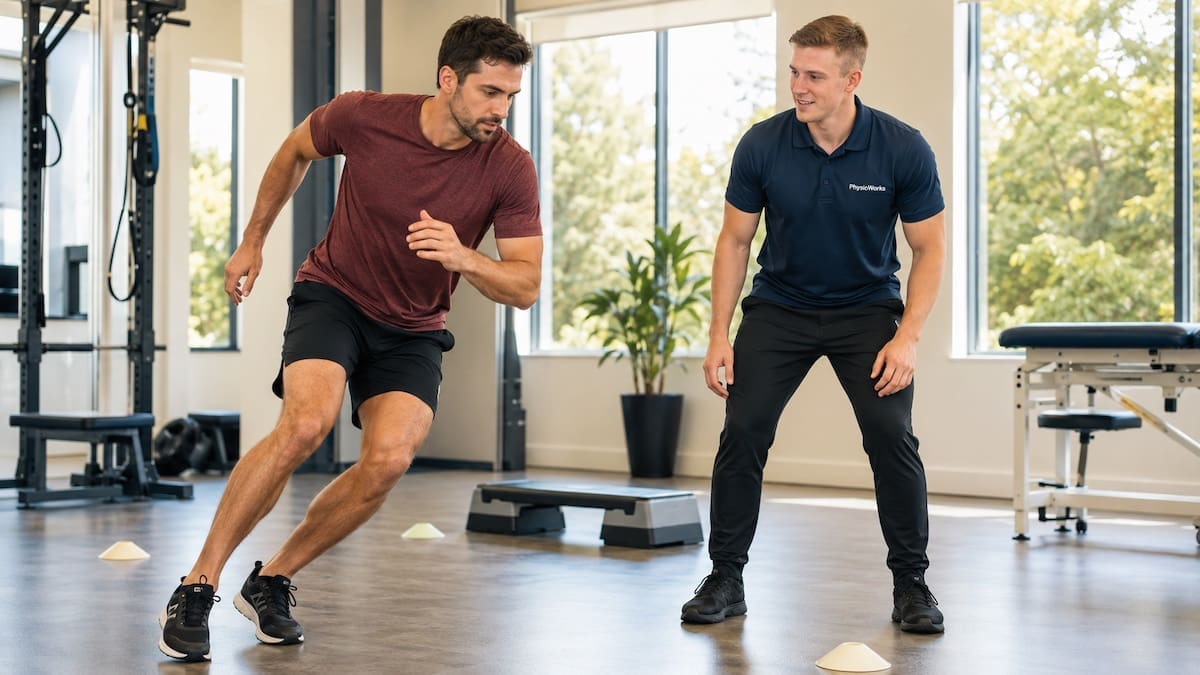
Football injuries change-of-direction assessment showing ankle knee and hip control
Change-of-direction control helps identify football injury risk.

Common football injuries usually affect the ankle, knee, hamstring, calf, groin and shoulder. Sprinting, tackling, landing, kicking and fast direction changes all add load. These injury patterns affect AFL, rugby union, rugby league, touch football and soccer players. For the broader football code overview, visit our Football Injuries hub or the wider Sports Injuries hub.

Quick Guide: Common Football Injuries

  • Most common areas: ankle, knee, hamstring, calf, groin and shoulder.
  • Common triggers: sprinting, cutting, landing, tackling and kicking.
  • Concerning signs: swelling, limping, giving-way, sharp pain or concussion symptoms.
  • Best next step: match rehab to running, sprinting, cutting, contact and game demands.

What Are the Most Common Football Injuries?

The most common football injuries include ankle sprains, knee injuries, hamstring strains, groin pain, calf strains, shoulder injuries and concussion. They often happen during sprinting, twisting, landing, tackling or kicking. Mild soreness can settle quickly. However, swelling, limping, instability or repeated flare-ups need a clearer plan.

  • Ankle sprain after rolling, landing awkwardly or contact
  • Knee pain or ligament injury during pivoting, braking or collision
  • Hamstring strain during sprinting or late-game fatigue
  • Groin or adductor pain with kicking and cutting
  • Calf pain during repeated acceleration and running load
  • Shoulder pain after tackles, falls or contact
  • Concussion after head impact, whiplash force or collision

Common Football Injuries by Body Region

Football injury patterns vary by code and position. Even so, the same body regions are exposed to high load across most football sports. Use the links below to move from this overview to the most relevant condition page.

  • Ankle sprains are common during sidestepping, landing or contact. See Sprained Ankle.
  • Knee injuries may involve overload pain, meniscus irritation or ligament injury. See Knee Pain and ACL Injury.
  • Hamstring strains often occur during high-speed running. See Hamstring Strain.
  • Groin pain is common with kicking, sprinting and sharp direction changes. See Groin Pain.
  • Calf pain can appear during repeated acceleration, jumping or running load. See Calf Pain and Calf Strain.
  • Shoulder injuries are more common in contact codes due to tackles, falls and direct impact. See Shoulder Pain.
  • Concussion should always be managed carefully. See Concussion: Return to Sport.

Football Codes and Common Injury Patterns

Code Common demands Useful guide
AFL Running, jumping, kicking and contact AFL Injuries
Rugby union Contact, tackling, scrums and sprinting Rugby Injuries
Rugby league Repeated contact, acceleration and change of direction Rugby League Injuries
Touch football Repeated sprinting, cutting and rapid deceleration Touch Football Injuries
Soccer Kicking, sprinting, cutting and lower-limb load Football (Soccer) Injuries

What Feels Normal After Football?

Mild muscle soreness after football can be normal, especially after a harder session, new drill, increased minutes or return after a break. It should usually ease within 24 to 72 hours and feel better as you move. It should not cause limping, giving-way or worsening pain.

Usually less worrying: mild general soreness, stiffness that eases with warm-up, and symptoms that improve over the next day or two.

More concerning: a pop, swelling, sharp pain, instability, pins and needles, limping, night pain or pain that returns every session.

Why Do Football Injuries Happen?

Football injuries happen when tissue load exceeds what the player can tolerate at that time. The risk can rise when speed, contact, fatigue, training spikes or poor recovery reduce control. Previous injury also matters, especially if strength, sprinting, cutting and contact tolerance have not been rebuilt.

Football loads the body in several ways at once. Players sprint, brake, twist, tackle, jump, land and kick repeatedly across training and matches. Fatigue can reduce timing and control. This may increase stress on joints, muscles, tendons and ligaments.

Research on football injury prevention supports structured load management, strength work and warm-up programs. For a public health overview of injury prevention principles, Healthdirect provides a useful guide to accidents and injuries.

Why Do Football Players Get Hamstring and Calf Injuries?

Hamstring and calf injuries in football often relate to sprinting, acceleration, fatigue and rapid changes in speed. Risk can increase when sprint load rises too quickly, strength is not ready for top speed, or the player returns before running mechanics and tissue capacity are restored.

These injuries are common because football asks the lower limb to produce force quickly. Rehab should usually progress from pain control and strength into running, sprint exposure, change of pace and football-specific drills.

Why Do Football Players Get Knee and Ankle Injuries?

Knee and ankle injuries often occur when the foot sticks, the body rotates, or the player lands awkwardly under pressure. Contact can also force the joint into a position it cannot control. Swelling, giving-way or difficulty running normally should not be treated as simple soreness.

Good rehab often includes balance, landing control, strength, agility and return-to-contact planning. Players who have had an ankle sprain or knee injury before may also need prevention work to reduce recurrence risk.

When Should You Worry About a Football Injury?

You should worry about a football injury if pain stops play, swelling appears quickly, you cannot run normally, or the joint feels unstable. You should also be cautious with concussion symptoms, pins and needles, obvious deformity, or pain that worsens each day.

Football Injury Decision Guide

Situation Best next step
Mild soreness that improves with warm-up Modify load and monitor response over 24 to 72 hours
Pain changes running, kicking or cutting Reduce football load and consider assessment
Swelling, giving-way or sharp pain Stop play and arrange prompt review
Concussion symptoms or head injury concern Do not return to play that day; seek appropriate medical guidance

How Can Physiotherapy Help Common Football Injuries?

Physiotherapy can help by identifying the likely injured structure and matching rehab to football demands. Management may include pain control, mobility, strength, balance, running progressions and return-to-play planning. The goal is to restore function, not just wait for pain to settle.

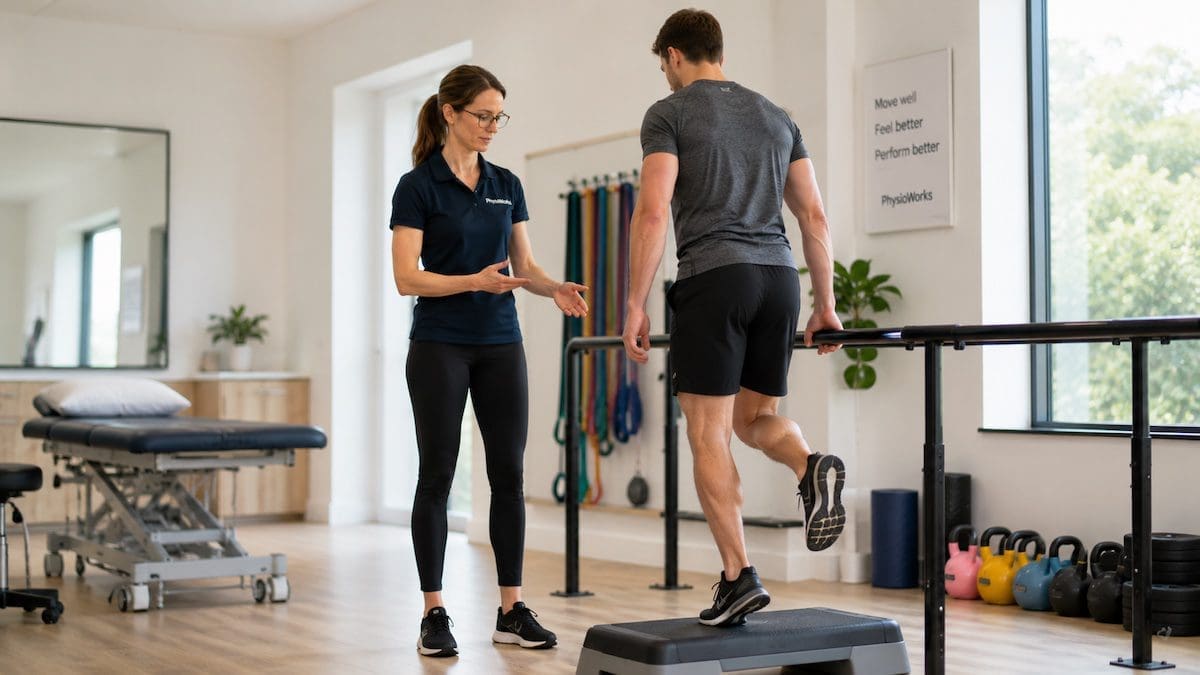
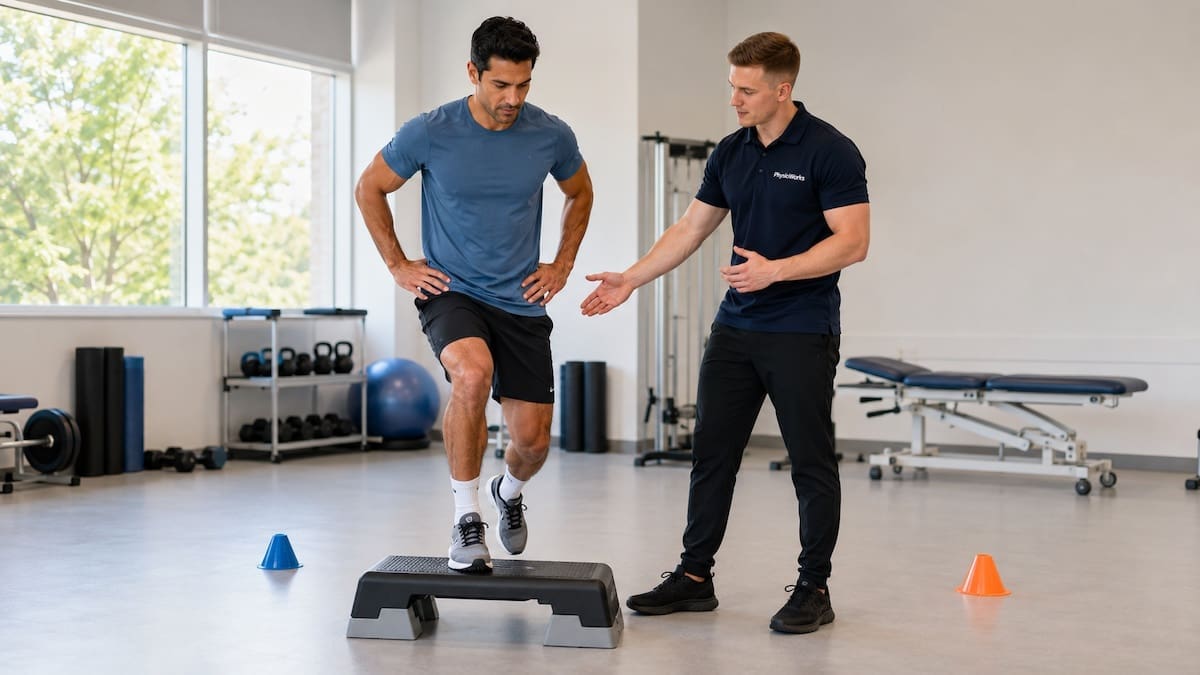
Common football injuries step-down rehab showing knee ankle and hip control
Building lower-limb control.
  • Assessment of pain, swelling, movement and function
  • Strength and control testing
  • Return-to-running and sprint progressions
  • Landing, cutting and change-of-direction drills
  • Load planning across training and matches
  • Prevention strategies after a previous injury

If you want sport-specific management, see Sports Physiotherapy Brisbane.

Return-to-Play Progression After Football Injury

A return to football should usually progress from basic movement to full sport demand. Time alone is not enough. Players should rebuild strength, running tolerance, sprint speed, cutting control and contact confidence before returning to match play.

Stage Focus Examples
1. Settle symptoms Reduce pain and swelling Walking, gentle mobility, low-load strength
2. Rebuild strength Restore local and whole-limb capacity Calf, hamstring, hip, knee and trunk strength
3. Reintroduce running Build tolerance gradually Walk-jog, steady running, strides
4. Add football speed Prepare for game demands Sprinting, braking, cutting, kicking and jumping
5. Return to training Rebuild confidence under pressure Non-contact drills, controlled contact, full training
6. Return to play Match load and recurrence prevention Managed minutes, recovery planning, ongoing strength work

How Can Football Players Reduce Injury Risk?

Football players can reduce injury risk by building strength, progressing load gradually, warming up well, recovering between sessions and finishing rehab after injury. Prevention works best when it becomes part of weekly training rather than a short add-on after pain starts.

  • Progress running volume and sprint work gradually
  • Include hamstring, calf, hip and trunk strength
  • Practise landing, balance and change-of-direction control
  • Use a structured warm-up before training and matches
  • Respect fatigue, sleep, recovery and sudden training spikes
  • Complete return-to-play steps after injury before full match exposure

Practical Weekly Injury-Prevention Checklist

  • Keep at least one lower-limb strength session in the week.
  • Include some sprint exposure when match speed is part of your sport.
  • Build cutting and landing drills gradually after injury.
  • Reduce load early if pain changes your running or kicking style.
  • Do not return from concussion symptoms without appropriate guidance.

Common Football Injury FAQs

What are the most common football injuries?

The most common football injuries include ankle sprains, knee injuries, hamstring strains, groin pain, calf strains, shoulder injuries and concussion. They often occur during sprinting, cutting, landing, kicking or contact.

Is it normal to feel sore after football?

Mild soreness after a hard session or match can be normal and often improves within 24 to 72 hours. Pain that worsens, causes limping or keeps returning with the same activity is more concerning.

Should I play through a mild strain or sprain?

Playing through a football injury can worsen tissue damage and increase recurrence risk. It is usually smarter to modify load early, then build back through walking, jogging, sprinting, cutting and contact as symptoms and function improve.

What helps prevent football injuries?

Gradual load progression, lower-limb strength work, trunk control, balance training and a structured warm-up can all help reduce injury risk. After an injury, finishing rehab matters just as much as the early treatment phase.

Which football injuries need urgent review?

Concussion symptoms, major swelling, obvious deformity, inability to bear weight, severe instability, or pain with pins and needles need prompt medical assessment. These signs can suggest a more significant injury.

How do I know when I can return to football?

Return to football is usually safer when you can run, sprint, cut, kick and complete training drills without symptoms or compensation. Your strength, confidence and sport-specific control should match the demands of your code and position.

Related Information

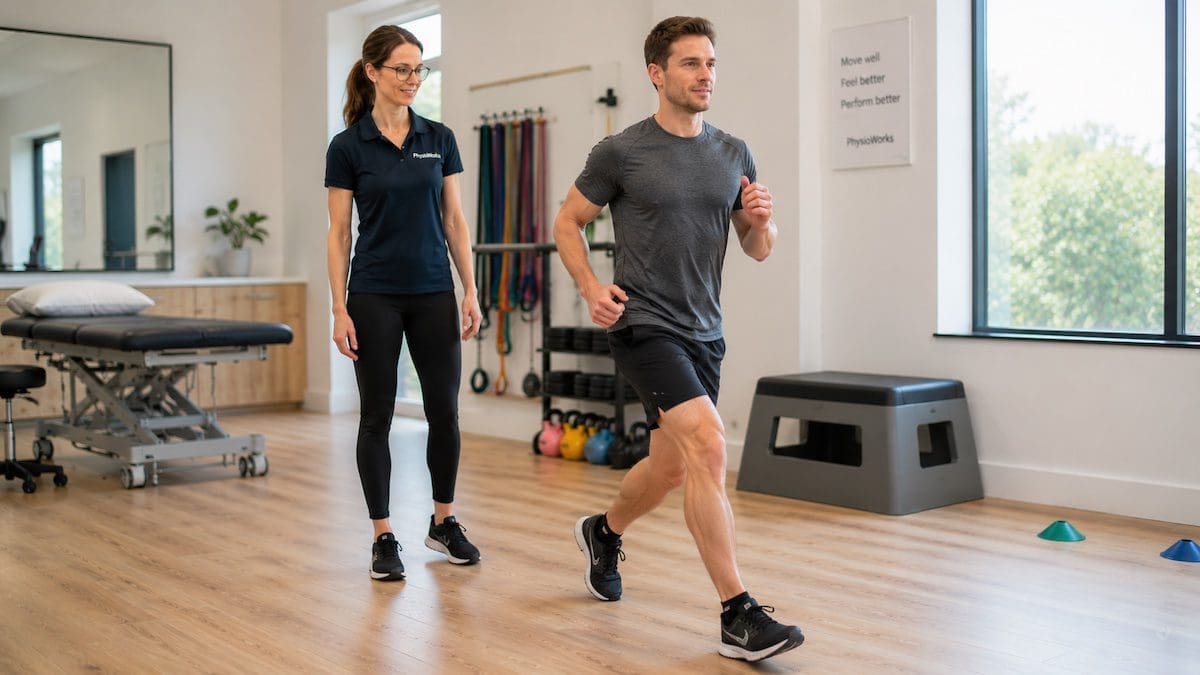
Common football injuries cutting rehab showing ankle knee and hip return-to-sport control
Progressing return-to-football confidence.

What to Do Next

If your symptoms are mild, reduce football load briefly, keep moving gently and build back gradually. However, if pain is sharp, persistent or keeps returning, an assessment can help clarify the injury and guide the next stage of rehab.

A staged return based on walking, jogging, sprinting, cutting, kicking and contact is usually more reliable than returning based on time alone.

Book your appointment – 24/7

Choose your preferred PhysioWorks clinic and book online.

Muscle & Soft Tissue Products

These muscle and soft tissue products are commonly used by our physiotherapists to relax or loosen muscles, improve strength, comfort, flexibility, and home exercise programs.

View all muscle & soft tissue products

Follow PhysioWorks

Get free physiotherapy tips, exercise videos, recovery advice, and blog updates.

Facebook Instagram YouTube B X Email PhysioWorks

References

  1. Bolling C, Delfino Barboza S, van Mechelen W, Pasman HRW, Verhagen E. The “sequence of prevention” for musculoskeletal injuries among adult recreational footballers: a systematic review of the scientific literature. Phys Ther Sport. 2018;32:1-8. doi:10.1016/j.ptsp.2018.04.005
  2. Green B, Bourne MN, van Dyk N, et al. Incidence and prevalence of hamstring injuries in field-based team sports: a systematic review and meta-analysis. Br J Sports Med. 2023;57(18):1183-1190. doi:10.1136/bjsports-2022-106764
  3. Smith NA, Franettovich Smith MM, Bourne MN, Barrett RS, Hides JA. A prospective study of risk factors for hamstring injury in Australian football league players. J Sports Sci. 2021;39(12):1395-1401. doi:10.1080/02640414.2021.1877033

For code-specific injury guidance and management pathways, visit our main Football Injuries hub.

What Are the Most Common Physiotherapy Treatment Techniques?

Common physiotherapy treatment techniques include tailored exercise, manual therapy, education, taping, bracing, and selected modalities. These common physiotherapy treatment techniques are selected to help manage pain, restore movement, and improve physical function following injury, flare-ups, or periods of reduced activity. An overview of how these approaches fit together is explained in our physiotherapy treatment guide.

Rather than relying on a single method, physiotherapy treatment usually combines several techniques. This approach supports short-term symptom relief while also addressing contributing factors such as strength deficits, movement control, and load tolerance using exercise-based physiotherapy and, when appropriate, manual physiotherapy techniques.

Importantly, common physiotherapy treatment techniques change across the stages of recovery. Early sessions often prioritise pain control and comfortable movement. Later sessions typically build strength, stamina, and confidence so you can return to work, sport, and everyday tasks with less flare-up risk. In other words, your plan should progress as your capacity improves, rather than staying stuck at “pain-only” strategies.

Exercise-based physiotherapy treatment techniques for strength and balance

Exercise-based physiotherapy focuses on strength, balance, and movement control to support recovery.

Short answer

Physiotherapists commonly use exercise prescription, manual techniques, education, and activity advice. These may be supported by taping, bracing, or selected modalities where appropriate. For a broader overview, visit our main page on Physiotherapy Treatment.

Further explanation

Physiotherapy treatment starts with a detailed assessment to determine which common physiotherapy treatment techniques are most appropriate for your presentation. Your physiotherapist observes how you move, identifies symptom triggers, and considers how much load your body can tolerate. They also ask about work, sport, sleep, stress, training history, and any previous injuries that may influence recovery.

After the assessment, your physiotherapist usually explains what is likely contributing to symptoms and what you can do next. Clear education helps you make confident decisions about pacing, exercise levels, and return-to-activity plans. In addition, it helps you recognise “normal soreness” versus signs you should modify loads.

Importantly, treatment techniques are adjusted over time. As symptoms settle and capacity improves, the focus often shifts from pain management toward strength, endurance, and prevention strategies. This staged approach is a key feature of common physiotherapy treatment techniques, because what helps on day one may not be the priority at week six.

Exercise-based physiotherapy

Exercise forms the foundation of most physiotherapy programs. Exercises are prescribed to restore movement, build strength, and improve control through joints and muscles. Programs commonly include mobility work, progressive resistance training, and functional exercises that reflect daily or sporting demands.

Physiotherapists may focus on improving flexibility, developing proprioception, and enhancing balance. Over time, exercise targets capacity, not just comfort. For example, your plan may shift from basic movement drills to heavier strength work, faster change-of-direction tasks, or longer walking tolerance, depending on your goals.

If you are not sure where to start, your physiotherapist may begin with simple “baseline” targets you can repeat daily. Then they progress your plan using clear markers such as range of motion, walking tolerance, or strength tolerance. This makes common physiotherapy treatment techniques easier to follow and easier to measure.

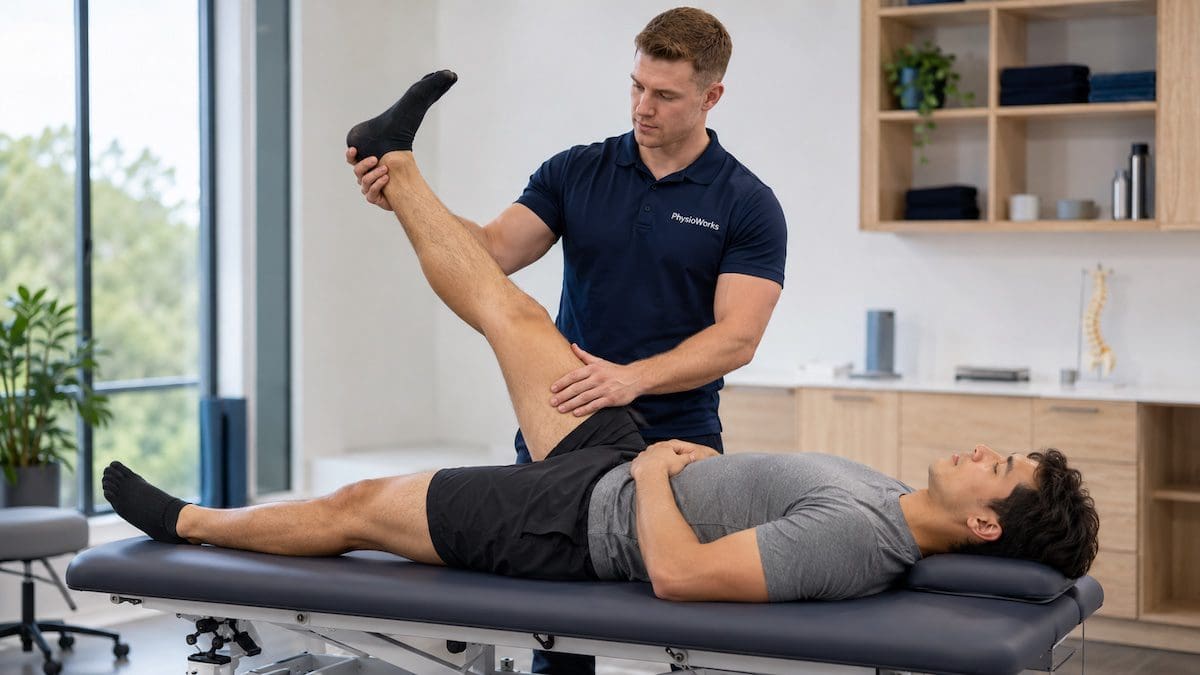
Physio manual therapy treatment techniques for lower back mobilisation
Manual therapy includes hands-on techniques such as joint mobilisation and movement-based manual approaches.

Manual therapy and soft tissue techniques

Manual joint therapy techniques may assist with pain modulation and movement confidence when combined with active rehabilitation. In many cases, manual therapy works best when it supports your ability to move, load, and exercise more comfortably.

Soft tissue techniques, including soft tissue massage, may be used to address muscle tension or sensitivity. Your physiotherapist will choose hands-on care based on what improves your function, how you respond during treatment, and what you can maintain with your home plan.

In practice, a physiotherapist may use hands-on care to help you tolerate movement, then follow it with a targeted exercise plan. This pairing keeps the focus on function while still using common physiotherapy treatment techniques that many people recognise.

Acute and sub-acute injury management

Early rehabilitation may involve acute injury care or sub-acute injury management, alongside pacing and activity modification. At this stage, common physiotherapy treatment techniques often include guided movement, swelling strategies, and clear “do and don’t” advice to protect irritated tissues while keeping you active.

As the injury settles, your physiotherapist usually increases load and complexity. This may include strength progressions, work simulation tasks, or sport-specific drills so you return to activity in a controlled way.

Dry needling and acupuncture

Some physiotherapists incorporate dry needling or acupuncture as part of a broader plan. These approaches may assist some people with pain or muscle sensitivity, particularly when used alongside exercise and education. Your physiotherapist will discuss whether it suits your presentation and preferences.

Taping, bracing, and supports

Taping and bracing can offer short-term support during activity. A physiotherapist can advise on the most suitable taping method or brace. Supports can be useful during return-to-work or return-to-sport phases, especially when you need confidence while strength and control are catching up.

However, supports work best with a plan. Your physiotherapist may recommend a timeline to reduce reliance as your function improves, so the brace or tape supports progress rather than replacing it.

Modalities and electrotherapy

Modalities such as electrotherapy and therapeutic ultrasound may be used as adjuncts. These techniques can support symptom management for some people, particularly when pain limits movement early on.

Some people also use a TENS machine between appointments. If you use one, your physiotherapist can help you choose settings and safe placement. For detailed product guidance, see our What is a TENS Machine?, TENS Machine Info, and How to Use a TENS Machine pages.

What to do next

Understanding common physiotherapy treatment techniques can help you know what to expect from an assessment. If symptoms persist, keep returning, or limit work, sport, sleep, or daily activities, a physiotherapy assessment can help guide next steps.

To get the most from your appointment, note what activities trigger symptoms, what eases them, and how long flare-ups last. Also bring details about training loads, job demands, and any previous scans or reports. This helps your physiotherapist choose common physiotherapy treatment techniques that match your goals and timeline.

If you are unsure which appointment type you need, start with the booking pathway and note your main problem area. Then your clinic can help match you to an appropriate clinician and session length based on your needs.

Related information

Book your appointment – 24/7

Choose your preferred PhysioWorks clinic and book online.

Muscle & Soft Tissue Products

These muscle and soft tissue products are commonly used by our physiotherapists to relax or loosen muscles, improve strength, comfort, flexibility, and home exercise programs.

View all muscle & soft tissue products

What Is Pain?

What is pain? Pain is an unpleasant sensory and emotional experience that acts as a protection signal. It may happen after injury, irritation, overload, illness, or nerve sensitivity. If you are trying to make sense of ongoing symptoms, it can help to first explore broader pain conditions and the role of pain management.

Pain is real, but it does not always match the amount of tissue damage. Sometimes a small injury hurts a lot. At other times, pain lasts well beyond expected healing. That is why a clear assessment matters. It helps separate common patterns such as nerve pain, persistent pain, or referred pain from other causes.

This page explains the basics of pain, while related pages across the PhysioWorks pain cluster discuss chronic pain, nerve pain, back pain relief, and treatment options in more detail.

Pain Explained

Pain is your body’s warning and protection system. It is created by the nervous system after it receives information from tissues, nerves, and the brain. Pain often helps you slow down, protect an injured area, and change how you move while recovery happens.

How Can Pain Feel?

Pain can feel sharp, dull, aching, throbbing, burning, heavy, tight, or electric. It may stay in one spot or spread into another area. Some people notice pain only with movement, while others feel it at rest, during the night, or after activity. These patterns can help guide assessment and treatment.

Common signs may include:

  • sharp, dull, burning, or throbbing discomfort
  • pain with movement, loading, or prolonged positions
  • stiffness, guarding, or reduced confidence to move
  • pins and needles, numbness, or electric pain when nerves are involved

Why Does Pain Happen?

Pain usually starts when specialised nerve endings called nociceptors detect potential threat, such as pressure, heat, inflammation, or chemical irritation. Messages then travel through the nervous system to the spinal cord and brain. The brain interprets those signals in context. As a result, stress, sleep, past injury, beliefs, and activity load can all influence how strongly pain is felt.

What Is the Difference Between Acute and Chronic Pain?

Acute pain usually comes on after a recent injury, irritation, illness, or flare-up. It often settles as the tissues calm down and healing progresses. Chronic pain, often called persistent pain, lasts longer than three months or beyond expected healing time. You can read more in our guide to chronic pain.

What Is Nerve Pain?

Nerve pain is pain caused by irritation, compression, or injury to a nerve. It often feels burning, shooting, stabbing, or electric, and it may come with pins and needles, numbness, or weakness. If that sounds familiar, read more about nerve pain and pinched nerves.

How Does Physiotherapy Help with Pain Management?

Physiotherapy aims to work out what is driving your pain and then build a plan around it. Treatment may include hands-on care, pacing advice, movement retraining, and tailored exercise programs. For some people, options such as joint pain relief, back pain relief, or structured exercise load management may form part of recovery.

Can Stress, Sleep, and Mood Change Pain?

Yes. Poor sleep, high stress, low mood, worry, and reduced activity can all make pain feel stronger or last longer. That does not mean the pain is imagined. Instead, it shows that pain is influenced by the whole person, not only the sore body part. A good plan often combines movement, education, pacing, and recovery habits.

When Should You Seek Urgent Medical Help for Pain?

Some pain patterns need urgent medical review rather than routine physiotherapy. Seek prompt medical care if pain follows major trauma, if it is linked with fever or unexplained weight loss, or if you notice new weakness, loss of bladder or bowel control, chest pain, or significant shortness of breath. Healthdirect also provides a helpful overview of chronic pain and when further care may be needed.

Seek urgent medical attention if you notice:

  • new bladder or bowel control changes
  • progressive limb weakness or marked numbness
  • chest pain, severe breathlessness, or collapse
  • fever, unexplained weight loss, or pain after major trauma

Related Articles

  1. Pain Conditions – Explore common pain types, causes, and symptom patterns.
  2. Pain Management – Learn practical ways physiotherapy may help reduce pain and improve function.
  3. What Is Chronic Pain? – Explain why persistent pain can continue beyond normal healing time.
  4. Nerve Pain – Review common nerve pain symptoms and treatment options.
  5. Referred Pain – Learn why pain can be felt away from its true source.
  6. Pinched Nerve – Discuss nerve irritation, compression, and related symptoms.
  7. Back Pain Relief – Review common back pain relief strategies and treatment options.
  8. Joint Pain Relief – Learn how joint-focused treatment may reduce pain and improve movement.
  9. Exercise Programs – See how tailored exercise plans support pain recovery.
  10. Physiotherapy Treatments – Browse broader physiotherapy treatment options across PhysioWorks.

Common Questions About Pain

Is pain always a sign of tissue damage?

No. Pain can happen with tissue damage, but the two do not always match. Some injuries hurt a lot and settle quickly, while some ongoing pain problems continue after tissues have healed. That is why pain needs context, not just a pain score.

How do I know if my pain is nerve pain?

Nerve pain often feels burning, shooting, electric, or sharp. You may also notice tingling, numbness, or weakness in a defined pattern, such as pain travelling into an arm or leg. A physiotherapist or doctor can help separate nerve pain from joint, muscle, or referred pain.

Can exercise make pain worse?

Exercise can flare pain if it is too much, too fast, or poorly matched to your irritability. However, the right exercise dose often helps reduce pain sensitivity, improve movement, and rebuild strength. Progression matters more than pushing through pain without a plan.

What helps acute pain settle?

Acute pain often responds to relative rest, movement within tolerance, load modification, and early advice. Heat, ice, or short-term medication may also help some people. The goal is usually to calm the flare, keep safe movement going, and avoid unnecessary deconditioning.

Why does chronic pain keep going?

Chronic pain may continue because the nervous system becomes more sensitive over time. Sleep problems, stress, reduced activity, fear of movement, and repeated flare-ups can all contribute. Management usually works best when it combines education, pacing, exercise, and practical recovery strategies.

When should I see a physiotherapist for pain?

Consider physiotherapy if pain is limiting work, sport, sleep, or daily activity, or if it keeps returning. It is also worth getting checked if you are unsure whether the pain is from muscles, joints, nerves, or loading. Early guidance may help you recover with more confidence.

What to Do Next

If pain is stopping you from moving well, training consistently, or sleeping comfortably, start with a clear assessment. A physiotherapist can help identify likely pain drivers, explain what is contributing, and guide treatment that suits your goals.

The sooner you understand your pain pattern, the easier it is to choose the right next step. That may involve education, activity changes, hands-on treatment, or a graded exercise plan designed around your symptoms and function.

What to do now:

  • note what makes your pain better, worse, or spread
  • keep moving within tolerance rather than stopping everything
  • book an assessment if pain is ongoing, recurring, or confusing

Book your appointment – 24/7

Choose your preferred PhysioWorks clinic and book online.

Follow PhysioWorks

Get free physiotherapy tips, exercise videos, recovery advice, and blog updates.

Facebook Instagram YouTube B X Email PhysioWorks

References

  1. Raja SN, Carr DB, Cohen M, et al. The revised International Association for the Study of Pain definition of pain: concepts, challenges, and compromises. Pain. 2020;161(9):1976-1982.
  2. Middleton SJ, Barry AM, Comini M, et al. Studying human nociceptors: from fundamentals to clinic. Brain. 2021;144(5):1312-1326.
  3. Di Maio G, Castaldo G, Coppola N, et al. Mechanisms of transmission and processing of pain: a narrative review. Int J Mol Sci. 2023;24(5):4549.

What Is Chronic Pain?

Chronic pain is pain that lasts (or keeps coming back) for more than three months. It can start after an injury, surgery, illness, or without one clear cause. Importantly, ongoing pain does not always mean ongoing tissue damage. For a broader overview of options, see our Pain Management guide.

Diagram showing difference between acute pain and chronic pain in the nervous system
Chronic pain involves ongoing nervous system sensitivity, even after tissues have healed.

Short Answer

Chronic pain is pain that persists or recurs for longer than three months. It often involves changes in how your nerves and brain process danger signals, which can make you more sensitive to movement, touch, stress, and poor sleep. A physiotherapy assessment can help identify drivers of your pain and build a plan using pacing, movement, strength, and education. For a bigger picture, start with Pain Management.

What Pain Does in the Short Term

In the short term, pain can act like a protective alarm. Specialised nerve endings in your tissues can respond to strong pressure, heat, cold, or chemical irritation. Those signals travel to the spinal cord and then to the brain. After that, your brain helps coordinate a response to protect you, such as moving away, bracing, or resting.

Why Pain Can Persist

With chronic pain, the “alarm system” can become over-protective. As a result, everyday activities may feel more painful than expected. This does not mean the pain is imagined. Instead, it means your nervous system has become more sensitive.

Changes around the painful area

Nerves near the irritated or injured region can become easier to trigger. Sometimes light touch, pressure from clothing, or minor movements can feel unusually sore. Neighbouring nerves may also become more reactive, which can amplify symptoms.

Changes in the spinal cord

Over time, the spinal cord can “turn up the volume” on incoming signals. This can make pain easier to trigger and harder to settle, even when tissues are healing or stable.

Changes in the brain

The brain plays a major role in how you experience pain. Sleep disruption, stress, low mood, and fear of movement can all increase sensitivity. In turn, ongoing pain can affect sleep, confidence, and emotions, which can create a tough loop.

When Chronic Pain Might Need Assessment

Book an assessment if pain is limiting your work, sport, walking tolerance, or sleep, or if it keeps returning despite rest. Also consider a review if you feel stuck, unsure what is safe to do, or you have developed avoidance patterns because movement feels threatening.

How Physiotherapy May Help

  • Clarity: identify likely drivers (load, sensitivity, strength deficits, habits, stress, sleep, and flare patterns)
  • Confidence: graded exposure to movement so you can return to activities safely
  • Capacity: progressive strengthening and aerobic exercise matched to your goals
  • Control: pacing strategies to reduce flare-ups while keeping you active
  • Support: guidance on when to involve your GP or other providers if needed

What This Means for You

Chronic pain can improve with the right plan. Start by tracking triggers, pacing activity, and keeping regular movement in your week. Next, build strength and fitness gradually, rather than stopping everything. If you want a clearer pathway (and fewer flare-ups), a physiotherapist can tailor a plan to your symptoms, lifestyle, and training or work demands.

Related Information

Book your appointment – 24/7

Choose your preferred PhysioWorks clinic and book online.

Pain Products

These pain products are commonly used by our physiotherapists to provide comfort and pain relief.

View all pain relief products

References

Treede RD, Rief W, Barke A, et al. Chronic pain as a symptom or a disease: the IASP classification of chronic pain for the International Classification of Diseases (ICD-11). Pain. 2019;160(1):19-27. Available from: https://pubmed.ncbi.nlm.nih.gov/30586067/

Curatolo M, Arendt-Nielsen L. Central sensitization and pain: pathophysiologic and clinical implications. Pain Rep. 2023;8(6):e1107. Available from: https://pmc.ncbi.nlm.nih.gov/articles/PMC10716881/

Jain SV, Karmacharya S. Relationship between sleep disturbances and chronic pain. Sleep Med Clin. 2024. Available from: https://pmc.ncbi.nlm.nih.gov/articles/PMC11674215/

For research summaries and management pathways, visit our main condition page: Pain Management.

Follow PhysioWorks

Get free physiotherapy tips, exercise videos, recovery advice, and blog updates.

Facebook Instagram YouTube B X Email PhysioWorks

What Causes Pins and Needles?

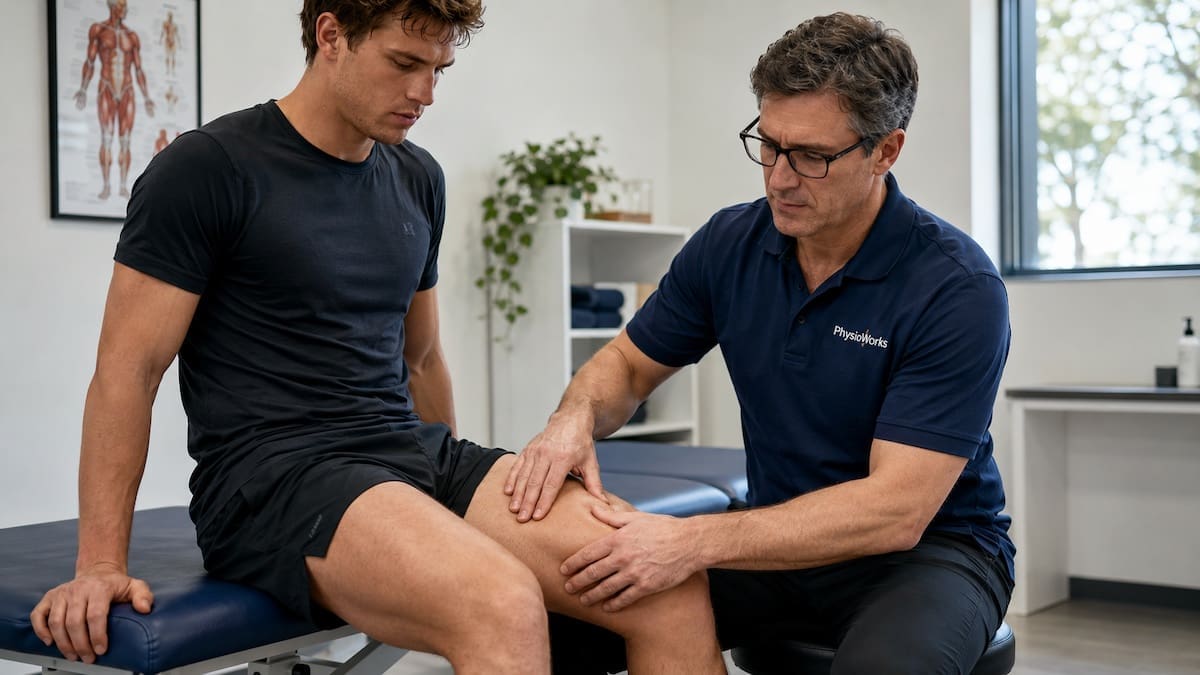
physiotherapist assessing hand tingling and pins and needles nerve symptoms

A physiotherapist checks sensation to help identify the cause of pins and needles.

Pins and needles usually happen when nerve signals are disrupted by pressure, irritation, or reduced blood flow around a nerve. Symptoms may feel like tingling, buzzing, prickling, burning, or an “electric” sensation.

Many episodes settle after you move position. However, repeated tingling may involve a pinched nerve, spinal nerve irritation, local nerve compression, or a broader nerve condition.

Quick answer: what causes pins and needles?

  • Brief pressure: common after sitting, sleeping, or leaning awkwardly.
  • Spinal nerve irritation: may cause tingling down an arm or leg.
  • Local nerve compression: can affect the hand, wrist, elbow, foot, or ankle.
  • Medical nerve conditions: may cause ongoing tingling in both feet or hands.

What Causes Pins and Needles?

Pins and needles occur when a nerve cannot send signals normally. This may happen from temporary compression, irritation near the spine, pressure on a nerve in the limb, or a wider condition affecting nerve health.

The pattern matters. Tingling in one hand may suggest a different driver from tingling down one leg or tingling in both feet.

Common Causes of Pins and Needles

Most causes fit into four broad groups. Some are simple and short-lived. Others need a clear assessment, especially when symptoms repeat or worsen.

1) Temporary Pressure on a Nerve

Simple pressure can cause short-lived tingling. Examples include sleeping on your arm, leaning on your elbow, sitting with crossed legs, or staying in one position too long.

Once pressure eases, sensation often returns within minutes. This type is usually not concerning if it fully settles and does not keep returning.

2) Neck or Back Nerve Irritation

Nerves exit the spine through small openings. If spinal joints, discs, or surrounding tissues irritate a nerve root, symptoms may travel into the arm, hand, leg, or foot.

Common examples include cervical radiculopathy from the neck and sciatica from the lower back. A bulging disc may also contribute to nerve irritation.

3) Local Nerve Compression in the Arm or Leg

Nerves can become compressed away from the spine. This may occur around the wrist, elbow, shoulder, hip, ankle, or foot.

Repetitive gripping, keyboard work, vibration exposure, awkward tool use, and sustained positions may increase irritation. If symptoms link with work or repeated loading, repetitive strain injury (RSI) may be part of the picture.

4) Broader Nerve Conditions

Some tingling reflects a wider nerve health issue. This may start in the toes or fingers and slowly progress. It may affect both sides rather than one clear pathway.

Potential causes include diabetes, vitamin B12 deficiency, thyroid conditions, alcohol-related nerve irritation, some medications, and peripheral neuropathy. Healthdirect provides a helpful Australian overview of peripheral neuropathy.

neck movement test assessing nerve irritation causing pins and needles symptoms

Specific neck movements may reproduce nerve symptoms and help identify their source.

When Are Pins and Needles Normal?

Short-lived pins and needles after an awkward position are common. They usually settle soon after you move, change posture, or remove pressure from the nerve.

However, symptoms deserve attention when they persist, return often, spread, or follow the same pathway through the arm, hand, leg, or foot.

When Should You Worry About Pins and Needles?

You should book an assessment if pins and needles last longer than expected, keep returning, spread, or occur with numbness, weakness, grip changes, or balance changes.

Book an assessment if you notice:

  • tingling lasting more than 30–60 minutes after changing position
  • symptoms returning in the same fingers, toes, arm, or leg
  • tingling spreading up or down the limb
  • reduced feeling, reduced grip, or muscle weakness
  • symptoms after a fall, collision, or significant injury

When Should You Seek Urgent Medical Care?

Seek urgent medical care if pins and needles occur with sudden neurological symptoms. These signs may indicate a serious medical condition that needs immediate assessment.

Seek urgent help for pins and needles with:

  • face drooping, speech changes, or one-sided weakness
  • new severe headache, confusion, or sudden vision changes
  • loss of bladder or bowel control
  • numbness in the saddle area
  • rapidly worsening weakness in an arm or leg

Can Physiotherapy Help Pins and Needles?

Physiotherapy may help when pins and needles relate to posture, movement, spinal irritation, local nerve compression, or nerve sensitivity linked with loading.

Your physiotherapist may check sensation, strength, reflexes, spinal movement, limb movement, posture, and symptom behaviour. Treatment may include education, activity changes, nerve mobility work, spinal movement exercises, load management, and graded strengthening.

Activity and Load Considerations

Small changes can reduce nerve irritation. The best approach depends on whether symptoms come from posture, spinal irritation, local compression, or repeated loading.

  • Change posture regularly: avoid staying in one position too long.
  • Modify gripping and tool use: reduce sustained clenching and vibration where possible.
  • Check sleep posture: avoid prolonged neck rotation or sleeping with a bent wrist.
  • Build tolerance gradually: increase training, lifting, and work demands in stages.

What Should You Do if Pins and Needles Keep Coming Back?

Track where the tingling occurs, how long it lasts, and what triggers it. Then book an assessment if symptoms repeat, spread, or affect strength, sensation, coordination, walking, or grip.

If symptoms suggest a broader medical cause, your physiotherapist may recommend GP review. For a deeper overview, start with our Nerve Pain and Pinched Nerve guides.

Frequently Asked Questions

What causes pins and needles in hands?

Pins and needles in the hands may come from temporary pressure, neck nerve irritation, or local nerve compression around the wrist, elbow, or shoulder. Repetitive tasks, sleeping posture, and sustained gripping can also contribute.

What causes pins and needles in feet?

Pins and needles in the feet may come from pressure on a local nerve, lower back nerve irritation, footwear pressure, circulation issues, or peripheral neuropathy. Repeated or spreading symptoms should be assessed.

Is pins and needles a sign of a pinched nerve?

It can be. A pinched or irritated nerve may cause tingling, numbness, burning, or electric sensations down an arm or leg. Assessment can help identify whether symptoms come from the spine or a local compression point.

Can posture cause pins and needles?

Yes. Sustained postures can increase pressure or tension around nerves, especially in the neck, shoulder, elbow, wrist, back, or hip. Regular position changes often help reduce short-lived symptoms.

Can repetitive work cause pins and needles?

Yes. Repetitive gripping, tool use, keyboard work, or vibration exposure can irritate nerves over time. Symptoms may appear in the hand, wrist, forearm, or fingers depending on the affected nerve.

When should pins and needles be checked?

Pins and needles should be checked if symptoms persist, return often, spread, or occur with numbness or weakness. You should also seek assessment if symptoms start after trauma or affect walking, balance, grip, or coordination.

What to Do Next

Pins and needles often reflect nerve irritation rather than permanent nerve damage. Still, repeated or spreading tingling needs a clear plan.

If your symptoms keep returning, spread, or come with weakness or numbness, book a physiotherapy assessment. Your clinician can help clarify whether the driver is spinal irritation, local nerve compression, or a broader issue needing medical review.

Book your appointment – 24/7

Choose your preferred PhysioWorks clinic and book online.

Pain Products

These pain products are commonly used by our physiotherapists to provide comfort and pain relief.

View all pain relief products

Follow PhysioWorks

Get free physiotherapy tips, exercise videos, recovery advice, and blog updates.

Facebook Instagram YouTube B X Email PhysioWorks

Related Information

References

  1. Borrella-Andrés S, Marqués-García I, Lucha-López MO, et al. Manual therapy as a management of cervical radiculopathy: a systematic review. Biomed Res Int. 2021;2021:9936981. doi:10.1155/2021/9936981.
  2. Kuligowski T, Skrzek A, Cieślik B. Manual therapy in cervical and lumbar radiculopathy: a systematic review of the literature. Int J Environ Res Public Health. 2021;18(11):6176. doi:10.3390/ijerph18116176.
  3. Mauermann ML, Staff NP. Peripheral neuropathy: a review. JAMA. 2026;335(3):255-266. doi:10.1001/jama.2025.19400.
You've just added this product to the cart: