
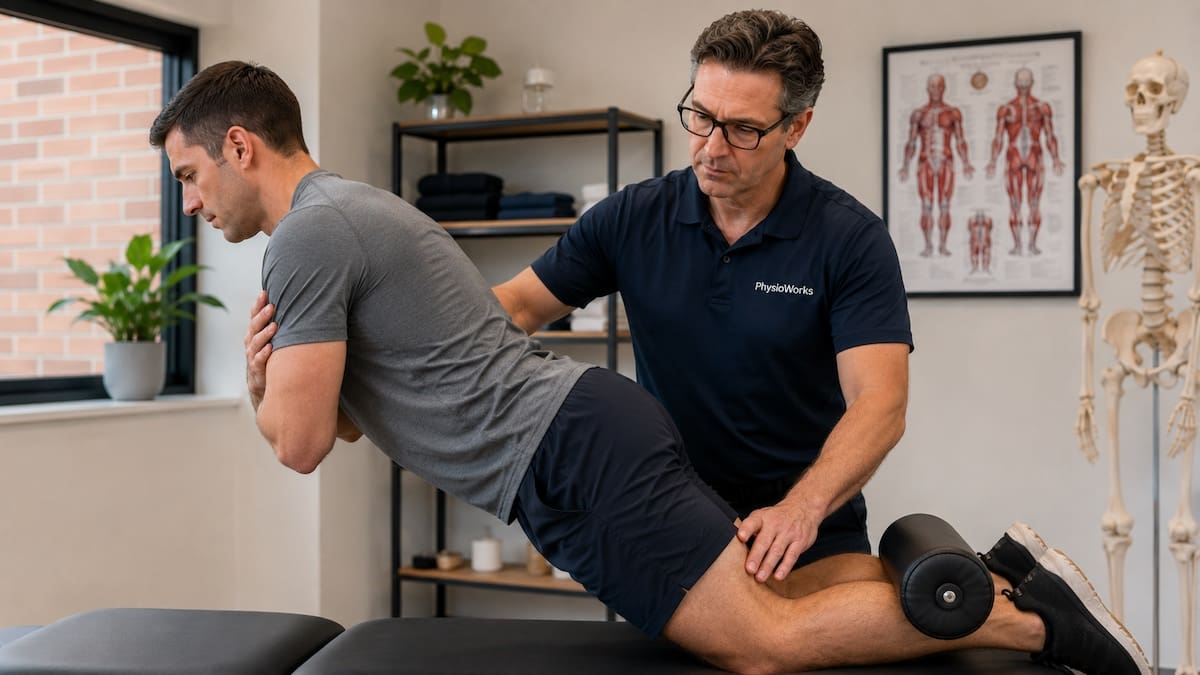
Common Muscle Injury FAQs


Common muscle injury FAQs can help you work out whether your pain sounds like a muscle strain, post-exercise soreness, trigger point pain, cramp, or another soft tissue problem. If you are unsure what you have injured, start with our guide to muscle injury diagnosis and our broader page on muscle pain and injury.
This page brings together practical answers about diagnosis, recovery time, early treatment, stretching, foam rollers, dry needling, massage, and when to seek physiotherapy advice.
What Are Common Muscle Injury FAQs?
Common muscle injury FAQs answer the questions people often ask when a muscle hurts, feels tight, loses strength, or does not recover as expected. They help you compare common patterns, choose a useful next article, and decide whether you need an assessment.
Quick Guide
- Sudden sharp pain: often needs muscle strain or tear assessment.
- Soreness after exercise: may be delayed onset muscle soreness, also called DOMS.
- Tight local muscle knots: may relate to trigger points or protective muscle guarding.
- Cramping: may relate to fatigue, load, hydration, or other health factors.
- Bruising or swelling: may suggest a more significant injury.
- Pain that keeps returning: may need load, strength, technique, or recovery review.
What Do Muscle Injury FAQs Usually Cover?
Muscle injury FAQs usually cover how to recognise a muscle injury, how recovery progresses, which treatments may help, and when symptoms need review. Many people also want to know whether they should stretch, use a foam roller, book a massage, or keep exercising.
- muscle strains and tears
- muscle strain recovery
- delayed onset muscle soreness
- muscle cramps
- trigger points and muscular pain
- rehabilitation, massage, and self-management options
You may also find it useful to compare muscle injuries with tendinopathy or ligament injuries, especially if your symptoms are unclear.
How Do You Know If It Is a Muscle Injury?
A muscle injury often causes local pain, tenderness, tightness, and pain when the muscle contracts or stretches. More significant injuries may also cause bruising, swelling, weakness, or trouble walking, lifting, running, or pushing off.
These articles help you narrow down the likely pattern:
- How Do You Know If It’s a Muscle Injury? – recognise common muscle injury signs.
- What Are the Most Common Muscle Injuries? – review common muscle injury types and regions.
- Muscle Strain – learn how strains and tears usually occur.
- What Is a Trigger Point in a Muscle? – understand local muscle knots and referred pain.
- What Causes Post-Exercise Muscular Pain? – compare DOMS with a strain.
- Pulled Back Muscle – review a common back muscle injury pattern.
Which Muscle Injury Questions Need Faster Attention?
Seek help sooner if pain is severe, you heard a pop, bruising or swelling appears, walking is difficult, strength drops suddenly, or symptoms stop work, sport, or daily activity. Also get advice if muscle pain keeps returning or is not improving as expected.
Consider an assessment if:
- you cannot load the muscle normally
- bruising spreads after the injury
- you feel repeated tightness when speed or load increases
- pain returns each time you train
- you are unsure whether the problem is muscle, tendon, ligament, nerve, or joint related
- your symptoms are worsening rather than settling
How Do Muscle Injuries Recover?
Most muscle injuries recover better with a staged plan. Early care usually focuses on protecting the injured area, reducing painful loading, and keeping safe movement. Later stages rebuild strength, control, speed, and confidence.
Research on return to play after acute hamstring injury supports progressive rehabilitation and return-to-sport planning rather than rushing back too early.
- Early Muscle Injury Treatment – review early care steps.
- Soft Tissue Injury Healing – understand healing phases and timelines.
- How Can I Speed Up Muscle Recovery? – learn recovery habits that may help.
- Muscle Strain Recovery Time – compare typical recovery ranges.
- Warming Up and Stretching – learn when stretching may fit.
Can Dry Needling, Massage or Foam Rolling Help Muscle Pain?
Dry needling, massage and foam rolling may help some people manage muscle tightness, soreness, or movement comfort. However, timing matters. These options should match the stage of healing and work best when they support, rather than replace, a clear loading and exercise plan.
- Dry Needling – learn when dry needling may form part of physiotherapy care.
- Foam Roller Benefits – see how foam rollers may help mobility and recovery.
- Massage Benefits – explore how massage may help muscle soreness and tension.
- Remedial vs Relaxation Massage – compare two common massage styles.
- Trigger Point Therapy – review targeted treatment for local muscle tightness.
- Sports Massage – learn how sports massage may support recovery and performance preparation.
- Post-Event Recovery Massage – review common timing advice after sport.
How Should You Choose the Right Muscle Injury Article?
Choose the article that matches how your symptoms started. Sudden pain during sprinting, lifting, kicking, or pushing off usually needs a different pathway from soreness that builds after a new workout. Pain linked with bruising, weakness, or repeated episodes deserves a more careful plan.
Decision tip: If pain started suddenly, treat it like an injury until assessed. If soreness built slowly after unusual exercise, compare it with DOMS and monitor how it changes over the next few days.
Common Muscle Injury FAQs
How do you know if it is a muscle injury?
A muscle injury often causes local pain, tenderness, tightness, and weakness when the muscle contracts or stretches. More significant injuries may cause bruising, swelling, or reduced function. A physiotherapist may help work out whether symptoms are coming from muscle, tendon, ligament, nerve, or joint structures.
What are the most common muscle injuries?
Common muscle injuries include hamstring strains, calf strains, quadriceps strains, groin strains, pulled back muscles, corked muscles, DOMS, cramps, and trigger point pain. The exact pattern depends on how symptoms started, the muscle involved, and the load placed on the tissue.
How long does a muscle injury take to heal?
Healing time depends on injury severity, location, health factors, and activity demands. Mild strains may improve within days to weeks. Larger tears can take longer and usually need staged strength and return-to-activity planning.
Can massage help a muscle injury?
Massage may help some people reduce muscle tension, soreness, and stiffness during recovery. The right timing depends on the type and stage of injury. Massage usually works best as part of a broader plan that may include exercise, load changes, and physiotherapy advice.
Should you stretch a muscle injury?
Stretching may help at the right stage, but strong stretching too early can aggravate injured tissue. Gentle movement is often a better early option. A physiotherapist may guide when to add stronger stretching based on pain, strength, and healing stage.
When should you book physiotherapy for a muscle injury?
Book physiotherapy if pain is severe, swelling or bruising appears, strength drops, walking is affected, or symptoms are not improving. It is also sensible to book if the same muscle keeps tightening or re-injuring when you return to training.
What to Do Next
Start with the article that matches your main symptom pattern, then use the treatment and recovery links to plan your next step. If symptoms are not settling, or you are unsure what tissue is involved, a physiotherapy assessment may help clarify the likely source of pain.
If muscle pain is limiting work, training, running, or sport, book a PhysioWorks appointment. Your physiotherapist can assess the problem, explain the likely injury stage, and guide a practical return-to-activity plan.
Choose your clinic and appointment pathway
Select a PhysioWorks clinic to continue to live booking, an appointment request or reception assistance.
Muscle & Soft Tissue Products
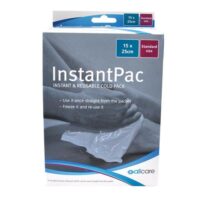
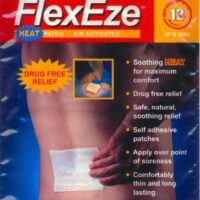
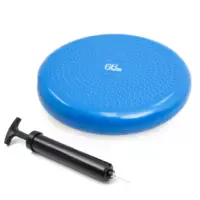
These muscle and soft tissue products are commonly used by our physiotherapists to relax or loosen muscles, improve strength, comfort, flexibility, and home exercise programs.
-
-
- Liniments & Gels, Massage Liniments, Pain Management
Fisiocrem
$16.95 – $39.95Select optionsQuick View -
-
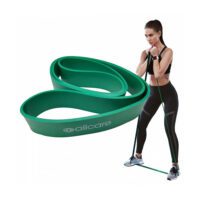 Exercise Equipment, Resistance Band
AllCare Powerloop Bands
$24.95 – $79.95Select optionsQuick View - EMS Machines, Pain Management, TENS Machine, TENS Machine & EMS
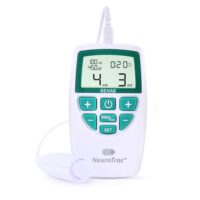
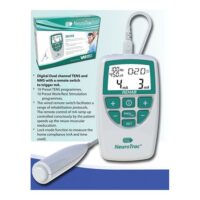
NeuroTrac Rehab (TENS Machine + EMS)
$285.00Add to cartQuick View -
-
-
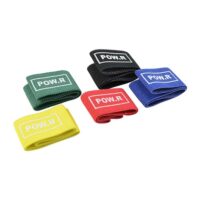 Exercise Equipment, Knee, Resistance Band
POW.R Fabric Mini Loop Bands
$12.00 – $55.00Select optionsQuick View -
-
-
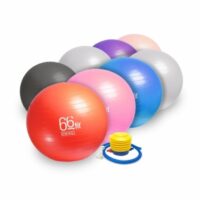
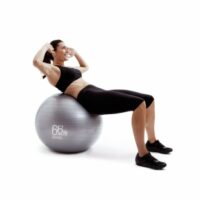 Exercise Balls, Back, Exercise Equipment, Knee, Shoulder
66fit Exercise Balls | Core & Rehab Stability Ball
$32.00 – $57.00Select optionsQuick View -
-






References
- Paton BM, Heerey JJ, Bourne MN, et al. London International Consensus and Delphi study on hamstring injuries part 3: rehabilitation, running and return to sport. Br J Sports Med. 2023;57(5):278-291. doi:10.1136/bjsports-2021-105384.
- Rudisill SS, Kucharik MP, Varady NH, Martin SD. Evidence-based management and factors associated with return to play after acute hamstring injury in athletes: a systematic review. Orthop J Sports Med. 2021;9(11):23259671211053833. doi:10.1177/23259671211053833.
- Hickey JT, Timmins RG, Maniar N, Rio E, Hickey PF, Pitcher CA. Hamstring strain injury rehabilitation. J Athl Train. 2022;57(2):125-135. doi:10.4085/1062-6050-0707.20.
- Wulff MW, Mackey AL, Kjær M, Bayer ML. Return to sport, reinjury rate, and tissue changes after muscle strain injury: a narrative review. Transl Sports Med. 2024;2024:2336376. doi:10.1155/2024/2336376.
- Martínez-Aranda LM, Fernández-Gonzalo R. Effects of self-myofascial release on athletes’ physical performance: a systematic review. J Funct Morphol Kinesiol. 2024;9(1):20. doi:10.3390/jfmk9010020.