Sports Injury

Common Muscle Injury FAQs

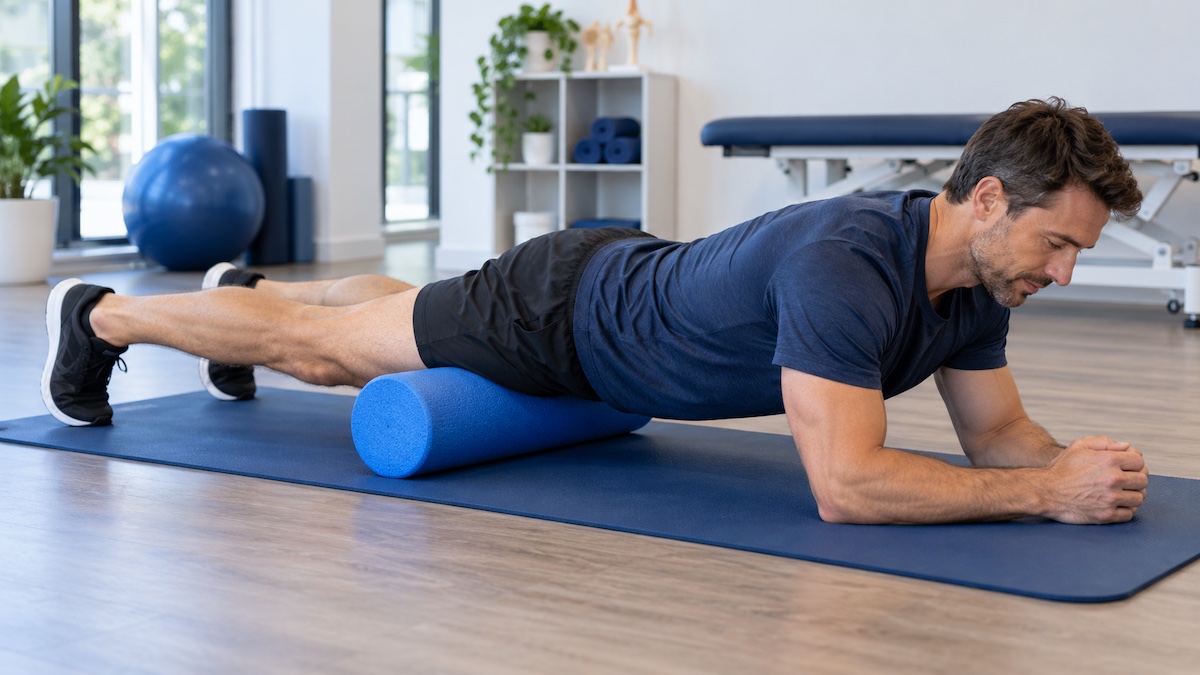
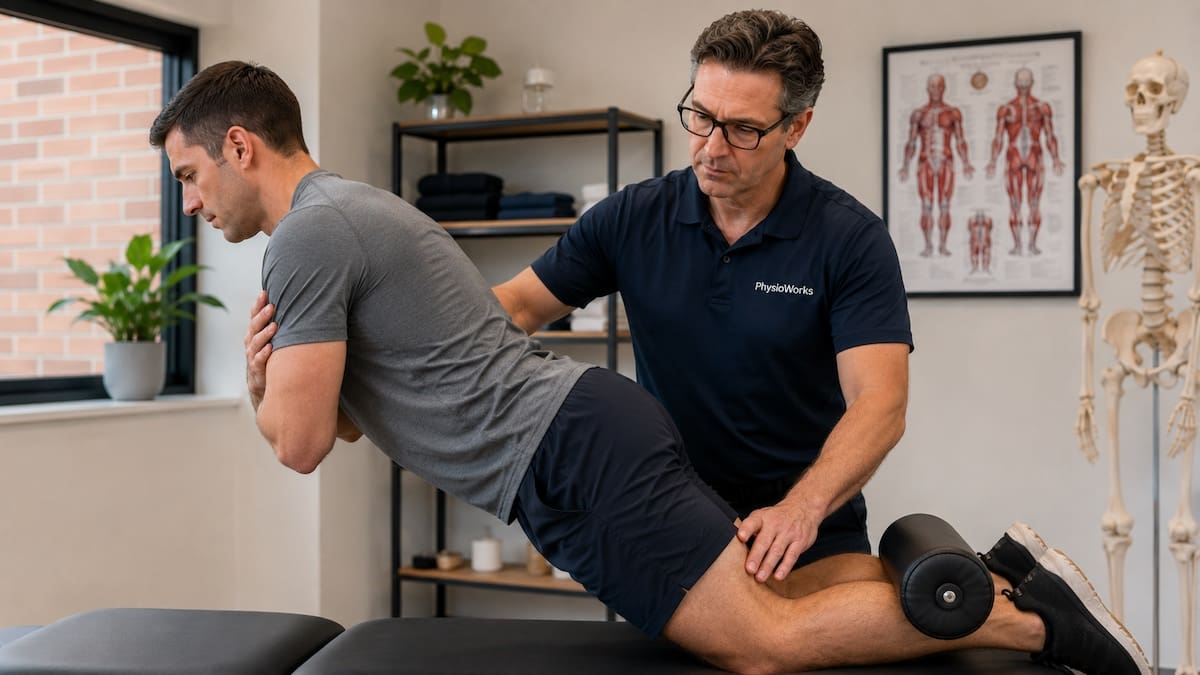
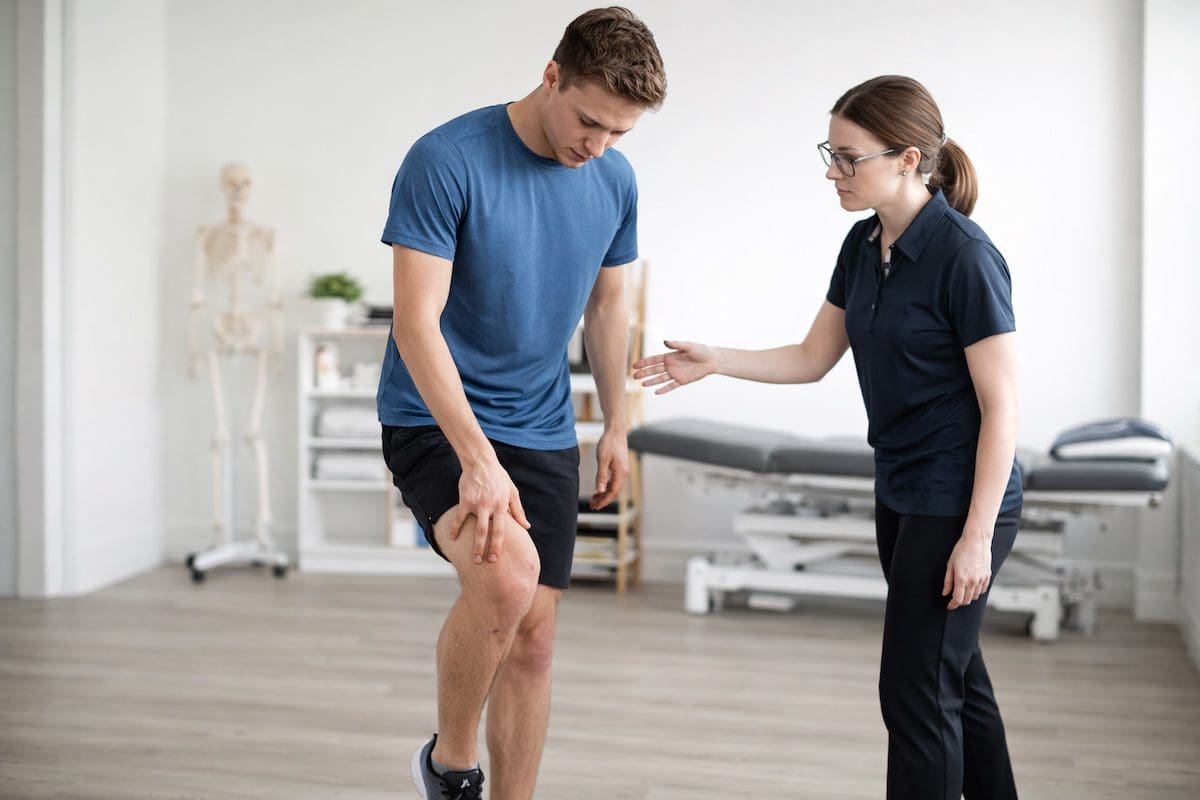
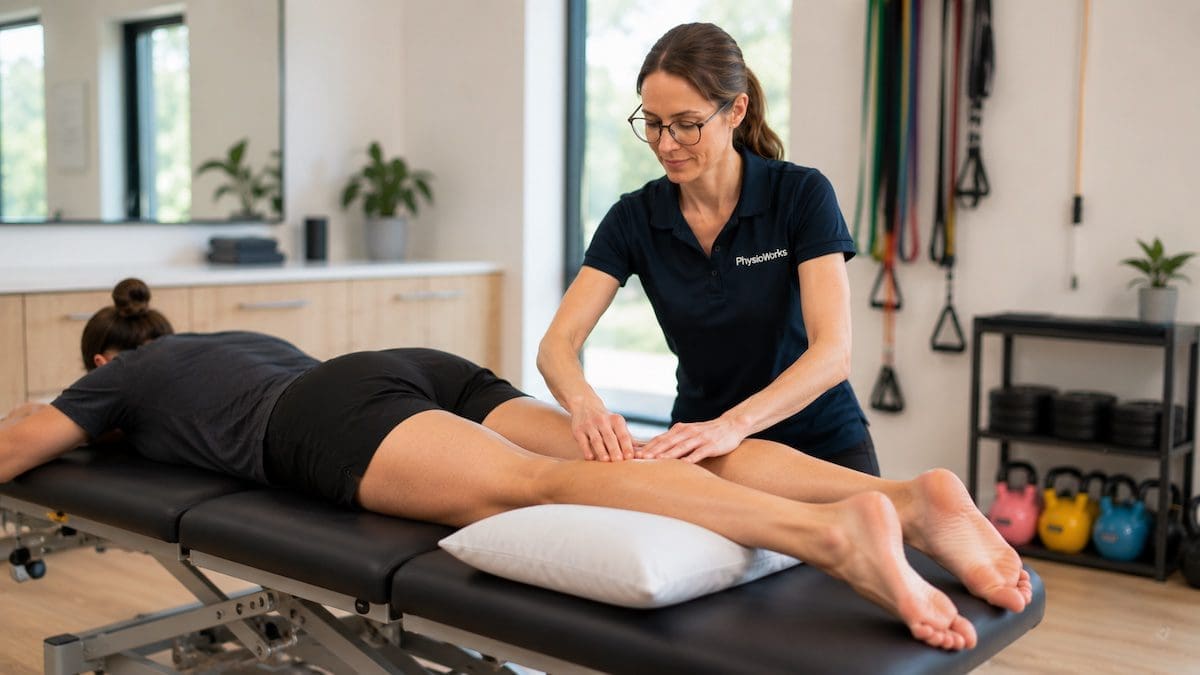
Muscle injury diagnosis followed by posterior thigh hamstring loading exercise
Guided loading supports staged muscle strain recovery.

Common muscle injury FAQs can help you work out whether your pain sounds like a muscle strain, post-exercise soreness, trigger point pain, cramp, or another soft tissue problem. If you are unsure what you have injured, start with our guide to muscle injury diagnosis and our broader page on muscle pain and injury.

This page brings together practical answers about diagnosis, recovery time, early treatment, stretching, foam rollers, dry needling, massage, and when to seek physiotherapy advice.

What Are Common Muscle Injury FAQs?

Common muscle injury FAQs answer the questions people often ask when a muscle hurts, feels tight, loses strength, or does not recover as expected. They help you compare common patterns, choose a useful next article, and decide whether you need an assessment.

Quick Guide

  • Sudden sharp pain: often needs muscle strain or tear assessment.
  • Soreness after exercise: may be delayed onset muscle soreness, also called DOMS.
  • Tight local muscle knots: may relate to trigger points or protective muscle guarding.
  • Cramping: may relate to fatigue, load, hydration, or other health factors.
  • Bruising or swelling: may suggest a more significant injury.
  • Pain that keeps returning: may need load, strength, technique, or recovery review.

What Do Muscle Injury FAQs Usually Cover?

Muscle injury FAQs usually cover how to recognise a muscle injury, how recovery progresses, which treatments may help, and when symptoms need review. Many people also want to know whether they should stretch, use a foam roller, book a massage, or keep exercising.

You may also find it useful to compare muscle injuries with tendinopathy or ligament injuries, especially if your symptoms are unclear.

How Do You Know If It Is a Muscle Injury?

A muscle injury often causes local pain, tenderness, tightness, and pain when the muscle contracts or stretches. More significant injuries may also cause bruising, swelling, weakness, or trouble walking, lifting, running, or pushing off.

These articles help you narrow down the likely pattern:

  1. How Do You Know If It’s a Muscle Injury? – recognise common muscle injury signs.
  2. What Are the Most Common Muscle Injuries? – review common muscle injury types and regions.
  3. Muscle Strain – learn how strains and tears usually occur.
  4. What Is a Trigger Point in a Muscle? – understand local muscle knots and referred pain.
  5. What Causes Post-Exercise Muscular Pain? – compare DOMS with a strain.
  6. Pulled Back Muscle – review a common back muscle injury pattern.

Which Muscle Injury Questions Need Faster Attention?

Seek help sooner if pain is severe, you heard a pop, bruising or swelling appears, walking is difficult, strength drops suddenly, or symptoms stop work, sport, or daily activity. Also get advice if muscle pain keeps returning or is not improving as expected.

Consider an assessment if:

  • you cannot load the muscle normally
  • bruising spreads after the injury
  • you feel repeated tightness when speed or load increases
  • pain returns each time you train
  • you are unsure whether the problem is muscle, tendon, ligament, nerve, or joint related
  • your symptoms are worsening rather than settling

How Do Muscle Injuries Recover?

Most muscle injuries recover better with a staged plan. Early care usually focuses on protecting the injured area, reducing painful loading, and keeping safe movement. Later stages rebuild strength, control, speed, and confidence.

Research on return to play after acute hamstring injury supports progressive rehabilitation and return-to-sport planning rather than rushing back too early.

  1. Early Muscle Injury Treatment – review early care steps.
  2. Soft Tissue Injury Healing – understand healing phases and timelines.
  3. How Can I Speed Up Muscle Recovery? – learn recovery habits that may help.
  4. Muscle Strain Recovery Time – compare typical recovery ranges.
  5. Warming Up and Stretching – learn when stretching may fit.

Can Dry Needling, Massage or Foam Rolling Help Muscle Pain?

Dry needling, massage and foam rolling may help some people manage muscle tightness, soreness, or movement comfort. However, timing matters. These options should match the stage of healing and work best when they support, rather than replace, a clear loading and exercise plan.

  1. Dry Needling – learn when dry needling may form part of physiotherapy care.
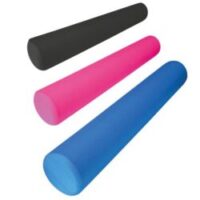
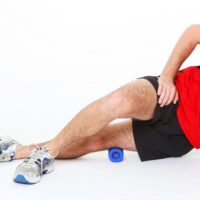
  2. Foam Roller Benefits – see how foam rollers may help mobility and recovery.
  3. Massage Benefits – explore how massage may help muscle soreness and tension.
  4. Remedial vs Relaxation Massage – compare two common massage styles.
  5. Trigger Point Therapy – review targeted treatment for local muscle tightness.
  6. Sports Massage – learn how sports massage may support recovery and performance preparation.
  7. Post-Event Recovery Massage – review common timing advice after sport.

How Should You Choose the Right Muscle Injury Article?

Choose the article that matches how your symptoms started. Sudden pain during sprinting, lifting, kicking, or pushing off usually needs a different pathway from soreness that builds after a new workout. Pain linked with bruising, weakness, or repeated episodes deserves a more careful plan.

Decision tip: If pain started suddenly, treat it like an injury until assessed. If soreness built slowly after unusual exercise, compare it with DOMS and monitor how it changes over the next few days.

Common Muscle Injury FAQs

How do you know if it is a muscle injury?

A muscle injury often causes local pain, tenderness, tightness, and weakness when the muscle contracts or stretches. More significant injuries may cause bruising, swelling, or reduced function. A physiotherapist may help work out whether symptoms are coming from muscle, tendon, ligament, nerve, or joint structures.

What are the most common muscle injuries?

Common muscle injuries include hamstring strains, calf strains, quadriceps strains, groin strains, pulled back muscles, corked muscles, DOMS, cramps, and trigger point pain. The exact pattern depends on how symptoms started, the muscle involved, and the load placed on the tissue.

How long does a muscle injury take to heal?

Healing time depends on injury severity, location, health factors, and activity demands. Mild strains may improve within days to weeks. Larger tears can take longer and usually need staged strength and return-to-activity planning.

Can massage help a muscle injury?

Massage may help some people reduce muscle tension, soreness, and stiffness during recovery. The right timing depends on the type and stage of injury. Massage usually works best as part of a broader plan that may include exercise, load changes, and physiotherapy advice.

Should you stretch a muscle injury?

Stretching may help at the right stage, but strong stretching too early can aggravate injured tissue. Gentle movement is often a better early option. A physiotherapist may guide when to add stronger stretching based on pain, strength, and healing stage.

When should you book physiotherapy for a muscle injury?

Book physiotherapy if pain is severe, swelling or bruising appears, strength drops, walking is affected, or symptoms are not improving. It is also sensible to book if the same muscle keeps tightening or re-injuring when you return to training.

What to Do Next

Start with the article that matches your main symptom pattern, then use the treatment and recovery links to plan your next step. If symptoms are not settling, or you are unsure what tissue is involved, a physiotherapy assessment may help clarify the likely source of pain.

If muscle pain is limiting work, training, running, or sport, book a PhysioWorks appointment. Your physiotherapist can assess the problem, explain the likely injury stage, and guide a practical return-to-activity plan.

Book your appointment – 24/7

Select your preferred PhysioWorks clinic to book online or call.

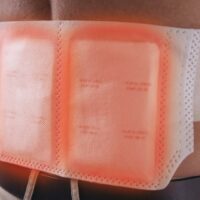
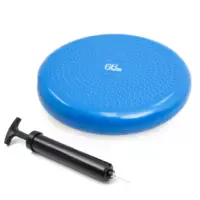
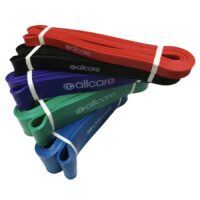
Muscle & Soft Tissue Products

These muscle and soft tissue products are commonly used by our physiotherapists to relax or loosen muscles, improve strength, comfort, flexibility, and home exercise programs.

View all muscle & soft tissue products

Follow PhysioWorks

Get free physiotherapy tips, exercise videos, recovery advice, and blog updates.

Facebook Instagram YouTube B X Email PhysioWorks

References

  1. Paton BM, Heerey JJ, Bourne MN, et al. London International Consensus and Delphi study on hamstring injuries part 3: rehabilitation, running and return to sport. Br J Sports Med. 2023;57(5):278-291. doi:10.1136/bjsports-2021-105384.
  2. Rudisill SS, Kucharik MP, Varady NH, Martin SD. Evidence-based management and factors associated with return to play after acute hamstring injury in athletes: a systematic review. Orthop J Sports Med. 2021;9(11):23259671211053833. doi:10.1177/23259671211053833.
  3. Hickey JT, Timmins RG, Maniar N, Rio E, Hickey PF, Pitcher CA. Hamstring strain injury rehabilitation. J Athl Train. 2022;57(2):125-135. doi:10.4085/1062-6050-0707.20.
  4. Wulff MW, Mackey AL, Kjær M, Bayer ML. Return to sport, reinjury rate, and tissue changes after muscle strain injury: a narrative review. Transl Sports Med. 2024;2024:2336376. doi:10.1155/2024/2336376.
  5. Martínez-Aranda LM, Fernández-Gonzalo R. Effects of self-myofascial release on athletes’ physical performance: a systematic review. J Funct Morphol Kinesiol. 2024;9(1):20. doi:10.3390/jfmk9010020.

Sports Injury Management: What Should You Do First?

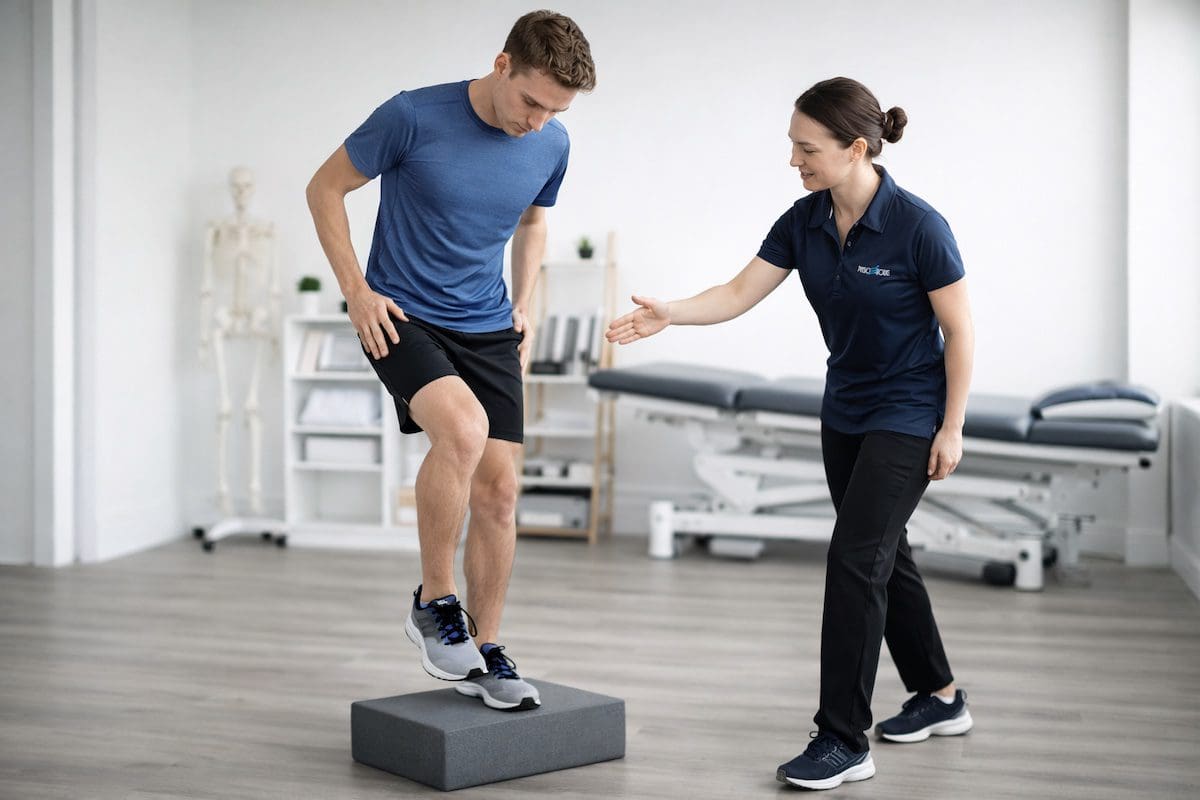
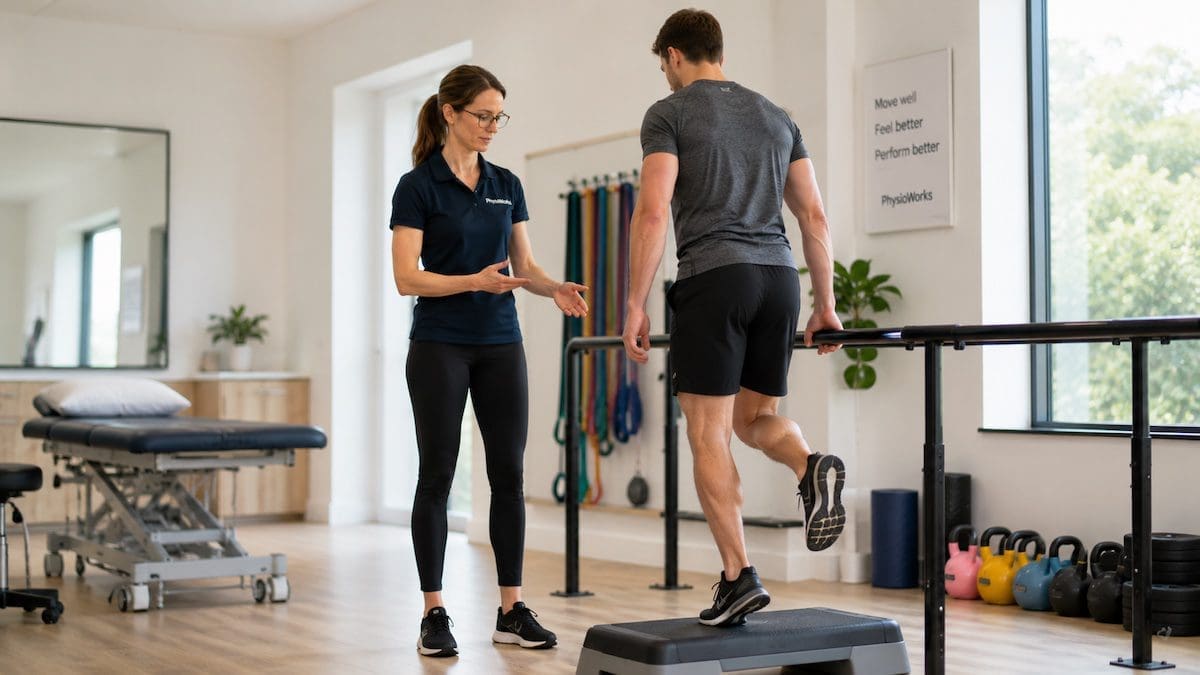
Sports injury management landing control assessment with physiotherapist
Assessing landing control during return-to-sport planning.

Sports injury management starts with the right early decisions. A sports injury may need short-term protection, swelling control, modified activity, and then a gradual return to loading. The right plan depends on the injury type, your symptoms, your sport, and how your body responds over the next few days.

This FAQ explains what to do early, when to avoid pushing through, and when sports injury physiotherapy may help. For fresh injuries, our acute injury management guide explains practical first steps.

Short answer: protect the injury early, reduce aggravating load, keep safe movement where tolerated, and rebuild gradually. Book an assessment sooner if pain, swelling, limping, instability, or loss of confidence limits normal activity.

What Should You Do First After a Sports Injury?

In the first stage, aim to protect the injured area without stopping all movement unless symptoms demand it. Relative rest usually works better than complete rest. This may mean reducing running, jumping, sprinting, tackling, lifting, or throwing while keeping gentle pain-free movement going.

Compression and elevation may help short-term swelling for some injuries. Ice may help pain early, but it should not replace sensible loading decisions. Modern soft tissue guidance also highlights protection, education, gradual loading, and exercise as recovery progresses. You can read more about staged tissue recovery in our soft tissue injury healing guide.

What Should You Avoid in the First 48 to 72 Hours?

Some early choices can aggravate swelling, bruising, or pain. For many acute injuries, it is sensible to avoid heat, alcohol, hard running, and massage in the first few days if the injury is hot, swollen, or bruised. Our HARM protocol guide explains these early caution points.

Seek help sooner if you notice:

  • severe pain or rapid swelling
  • inability to walk, run, grip, throw, or use the limb normally
  • numbness, pins and needles, or unusual weakness
  • joint giving way, locking, or marked instability
  • symptoms that keep flaring each time you return to training

Should You Rest Completely or Keep Moving?

Complete rest is rarely the goal for mild to moderate sports injuries. Instead, modify activity to keep symptoms controlled while maintaining safe movement. For example, an athlete with a lower-limb injury may swap running for cycling, pool work, or strength exercises that do not increase pain or swelling.

The key is symptom response. If pain rises sharply during activity, swelling increases, or symptoms are worse the next day, the load is probably too high. If movement feels comfortable and settles well afterwards, it may be a useful part of recovery.

When Should You Book Physiotherapy?

Consider physiotherapy when symptoms are not settling, you are unsure what to load, or the injury keeps returning. A physiotherapist can assess the likely injury, check movement and strength, and help you decide what to protect, what to keep moving, and when to progress.

Assessment is especially useful if sport involves sprinting, jumping, cutting, landing, contact, throwing, or repeated high-load movements. These tasks often need a staged plan rather than a simple “wait until it feels better” approach.

How Does Physiotherapy Guide Sports Injury Management?

Physiotherapy management usually starts by clarifying the injury pattern and the sport demands. Your physiotherapist may assess range of movement, strength, balance, control, swelling, tenderness, and sport-specific movements. This helps guide a plan that fits your injury and your goals.

Management may include education, load planning, hands-on care where useful, exercise rehabilitation, taping or bracing advice, and progressive sport-specific drills. If the injury is recent and painful, early care usually focuses on symptom control and safe movement. Later care usually focuses on strength, power, control, confidence, and training tolerance.

How Do You Return to Sport Safely?

Return to sport should not rely on time alone. A safer progression usually checks pain, swelling, strength, movement quality, sport confidence, and tolerance to training. Our return-to-sport testing page explains how structured testing may guide readiness after injuries such as ankle sprains, hamstring strains, knee injuries, and other sports injuries.

A simple return-to-sport pathway

  1. Settle symptoms: reduce pain, swelling, limping, or guarding.
  2. Restore movement: regain comfortable joint and muscle range.
  3. Build strength: rebuild the injured area and nearby muscle groups.
  4. Add control: practise balance, landing, cutting, running, or throwing mechanics.
  5. Rejoin training: start with controlled drills before full competition.

What About Children and Teenagers?

Young athletes need extra care when pain affects growth areas, training load, or confidence. Pain that changes running style, causes limping, or keeps returning should not be ignored. Our kids sports injuries guide explains common warning signs and return-to-sport considerations for children and teenagers.

When Is an Acute Sports Injury Clinic Useful?

An acute sports injury clinic may suit athletes who need early guidance after a sprain, strain, fall, tackle, twist, or flare-up. Early assessment can help you avoid guessing and set a clearer first-week plan.

FAQs About Sports Injury Management

What should I do first after a sports injury?

Start by protecting the injured area and reducing painful load. Use relative rest rather than complete rest where possible. Compression and elevation may help swelling for some injuries. If pain is severe, swelling is increasing, or function is limited, book an assessment.

Should I use ice or heat for a sports injury?

Ice may help short-term pain in the early phase, especially when swelling is present. Heat is usually better saved for later stiffness or muscle guarding. Avoid heat in the first few days if the area is hot, swollen, or bruised.

Can I keep training with a sports injury?

Often, yes, but training usually needs modification. Choose activities that do not increase pain, swelling, limping, or next-day symptoms. A physiotherapist can help you choose safe substitutions and plan a gradual return.

When should I see a physiotherapist?

Consider physiotherapy if pain persists beyond a few days, swelling is significant, movement is restricted, or you are unsure how to return to training. Repeated flare-ups after returning to sport also suggest the injury needs a clearer progression plan.

How do I return to sport safely?

Return gradually. Rebuild movement, strength, balance, control, speed, and sport-specific skills before full competition. Progression should be guided by symptoms, movement quality, and training tolerance rather than time alone.

What to Do Next

If a sports injury is limiting training, confidence, or daily activity, a physiotherapy assessment can help clarify the next step. Early guidance may reduce unnecessary rest, support safer loading, and lower the chance of repeated flare-ups.

Book online with PhysioWorks if you want help planning recovery, training modification, and return to sport.

Book your appointment – 24/7

Select your preferred PhysioWorks clinic to book online or call.

Muscle & Soft Tissue Products

These muscle and soft tissue products are commonly used by our physiotherapists to relax or loosen muscles, improve strength, comfort, flexibility, and home exercise programs.

View all muscle & soft tissue products

Follow PhysioWorks

Get free physiotherapy tips, exercise videos, recovery advice, and blog updates.

Facebook Instagram YouTube B X Email PhysioWorks

References

  1. Dubois B, Esculier JF. Soft-tissue injuries simply need PEACE and LOVE. Br J Sports Med. 2020;54(2):72-73. doi:10.1136/bjsports-2019-101253
  2. Ardern CL, Glasgow P, Schneiders A, et al. 2016 Consensus statement on return to sport from the First World Congress in Sports Physical Therapy, Bern. Br J Sports Med. 2016;50(14):853-864. doi:10.1136/bjsports-2016-096278
  3. Brison RJ, Day AG, Pelland L, et al. Effect of early supervised physiotherapy on recovery from acute ankle sprain: randomised controlled trial. BMJ. 2016;355:i5650. doi:10.1136/bmj.i5650

How Long Does Muscle Strain Recovery Take?


Muscle strain recovery calf assessment with physiotherapist checking lower leg strength

Assessment helps guide recovery timing.

Muscle strain recovery usually takes 2 to 3 weeks for a mild strain, 4 to 8 weeks for a moderate tear, and several months for a severe tear. Your timeline depends on the tear size, the muscle involved, your health, and how well you rebuild load.

Pain relief is not the same as full recovery. Your muscle still needs strength, control, and sport or work tolerance before you return to harder activity. For a full condition guide, read our Muscle Strain page or the broader Muscle Pain & Injury hub.

Quick Answer: Muscle Strain Recovery Times

Most muscle strains follow a staged recovery plan. These timeframes are a guide, not a fixed rule.

  • Mild strain: often 2 to 3 weeks.
  • Moderate tear: often 4 to 8 weeks.
  • Severe tear: several months and sometimes medical or surgical review.

What Affects Muscle Strain Recovery?

Muscle strain recovery changes from person to person because each tear, muscle, and activity goal is different. A small calf strain may settle quickly. A larger hamstring strain, groin strain, or quadriceps tear usually needs more time and staged loading.

  • Strain grade: small fibre damage usually heals faster than a larger tear.
  • Bruising and swelling: more swelling often means a slower early stage.
  • Muscle location: calf, hamstring, groin, and thigh strains each load differently.
  • Past injuries: old strains can raise the risk of repeat injury.
  • Training load: hills, speed, gym volume, and sport spikes matter.
  • General health: sleep, nutrition, stress, smoking, and medical history can affect healing.

A physiotherapist can check walking, strength, bruising, movement, and pain behaviour. They can then match your plan to your current stage.

Muscle Strain Recovery Stages

Muscle strain recovery usually moves from protection to movement, then strength, then return to harder activity. These stages overlap, so progress should depend on symptoms and function rather than the calendar alone.

Stage Main goal Common signs you can progress
Early care Calm pain and protect the tear. Walking is easier and pain is settling.
Restore movement Regain range and light control. You can move without sharp pain.
Build strength Rebuild muscle capacity. Strength work feels controlled and does not flare.
Return to activity Add speed, impact, sport, or work tasks. You can meet your return milestones with confidence.

For more on tissue healing, read the Soft Tissue Injury Healing Guide. Early care may also include advice from our Acute Soft Tissue Injury and HARM Factors guides.

Can I Exercise With a Muscle Strain?

You can often exercise with a muscle strain, but the dose matters. You may be able to train other areas while the injured muscle settles. Later, your plan may add light strength, slow loading, then faster work.


Muscle strain recovery exercise progression with physiotherapist coaching calf strength control

Strength milestones guide safe progress.

Green light: mild effort, no limp, no sharp pain, and no next-day flare.

Yellow light: pain builds during activity or feels worse later that day.

Red light: sharp pain, sudden weakness, limping, or swelling that increases.

Good exercise load management helps you change one main thing at a time. This may mean changing distance, speed, hills, gym weight, sport drills, or rest days.

How Can Physiotherapy Help Muscle Strain Recovery?

Physiotherapy can help match your recovery plan to the injury stage. Early care often focuses on pain, safe movement, and daily function. Later care usually builds strength, control, and confidence.

Your plan may include:

  • clear advice about what to avoid early
  • safe range-of-motion work
  • progressive strength exercises
  • calf, hamstring, groin, or thigh-specific loading
  • running, jumping, or change-of-direction progressions
  • return-to-work or return-to-sport planning

Some people also benefit from muscle treatment, taping, soft tissue care, or short-term symptom relief options. Your physiotherapist can explain what fits your injury and what is less useful.

When Should You Book an Assessment?

Book a physiotherapy assessment if pain is not improving, walking still feels awkward, or you need a clear plan for sport, gym, or work. Also book if the same strain keeps coming back.

Seek urgent medical care if you notice severe pain, a clear gap in the muscle, marked weakness, numbness, chest pain, shortness of breath, or calf swelling that is hot and tender.

Related PhysioWorks Guides

FAQs About Muscle Strain Recovery

How long does muscle strain recovery take?

Mild muscle strains often settle in 2 to 3 weeks. Moderate tears may need 4 to 8 weeks. Severe tears can take several months. Recovery depends on tear size, muscle location, health, symptoms, strength, and load progress.

How do I know when my muscle strain has healed?

You should walk well, move freely, and load the muscle without sharp pain. For sport, you also need strength, speed, control, and confidence. Pain-free rest alone is not enough.

Why does my muscle strain keep coming back?

Repeat strains often link to early return, weak strength, poor load planning, or missed running and sport milestones. A physiotherapy assessment can help identify the likely reason and guide a graded plan.

Do I need a scan for a muscle strain?

Not always. Many strains are managed after a clinical assessment. Your doctor or physiotherapist may suggest imaging if the tear seems large, symptoms are unusual, or progress is slower than expected.

What helps muscle strain recovery?

Most recovery plans use the right mix of protection, movement, strength, sleep, and gradual load. The plan should change as your symptoms settle and your strength improves.

Is stretching enough for a muscle strain?

No. Stretching may help some people later, but it is rarely enough by itself. Strength, load progressions, and sport or work-specific milestones usually matter more for safe return to activity.


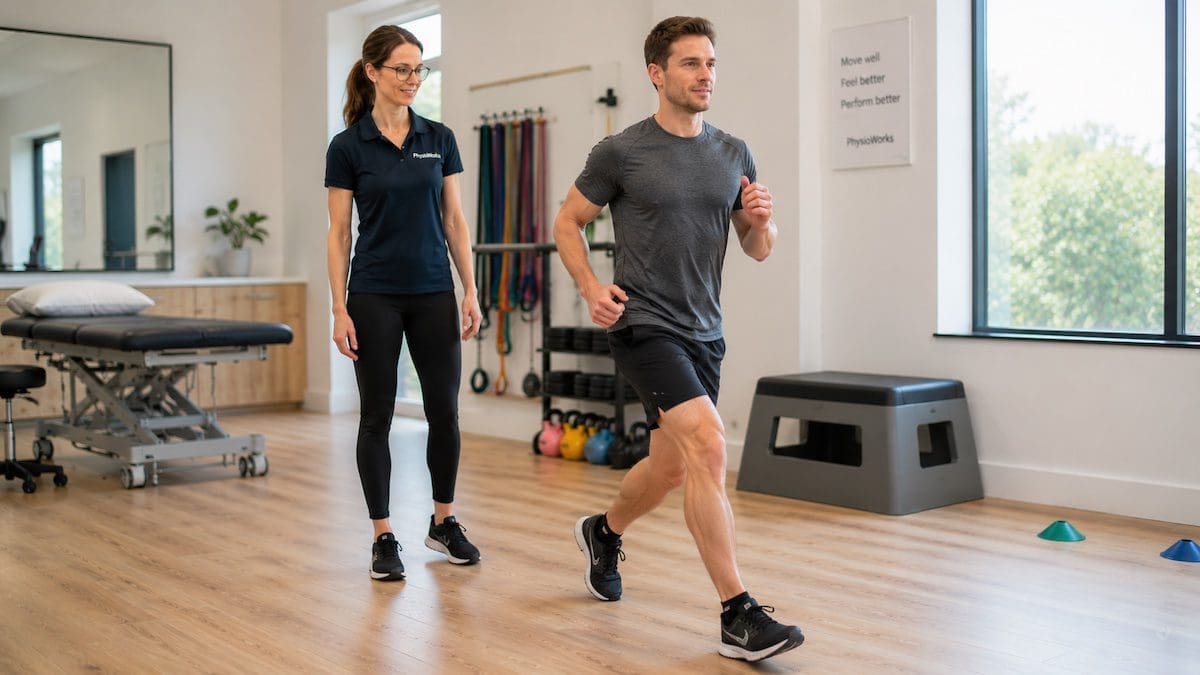
Muscle strain recovery return to running with physiotherapist guiding speed progression

Return timing should match capacity.

What To Do Next

If your strain is not improving, or you need to return to sport or work, book a physiotherapy assessment. Bring your goals, training history, and any scan reports. Your physiotherapist can help you choose the safest next step.

Book your appointment – 24/7

Select your preferred PhysioWorks clinic to book online or call.

Follow PhysioWorks for Recovery Tips

For more tips about muscle, tendon, and joint health, follow PhysioWorks on social media or subscribe to our updates.

Follow PhysioWorks

Get free physiotherapy tips, exercise videos, recovery advice, and blog updates.

Facebook Instagram YouTube B X Email PhysioWorks

References

You've just added this product to the cart: