
Diastasis Recti: Abdominal Separation After Pregnancy
Diastasis recti is a widening and stretching of the tissue between the two rectus abdominis muscles. It commonly develops during pregnancy and may remain noticeable after birth.

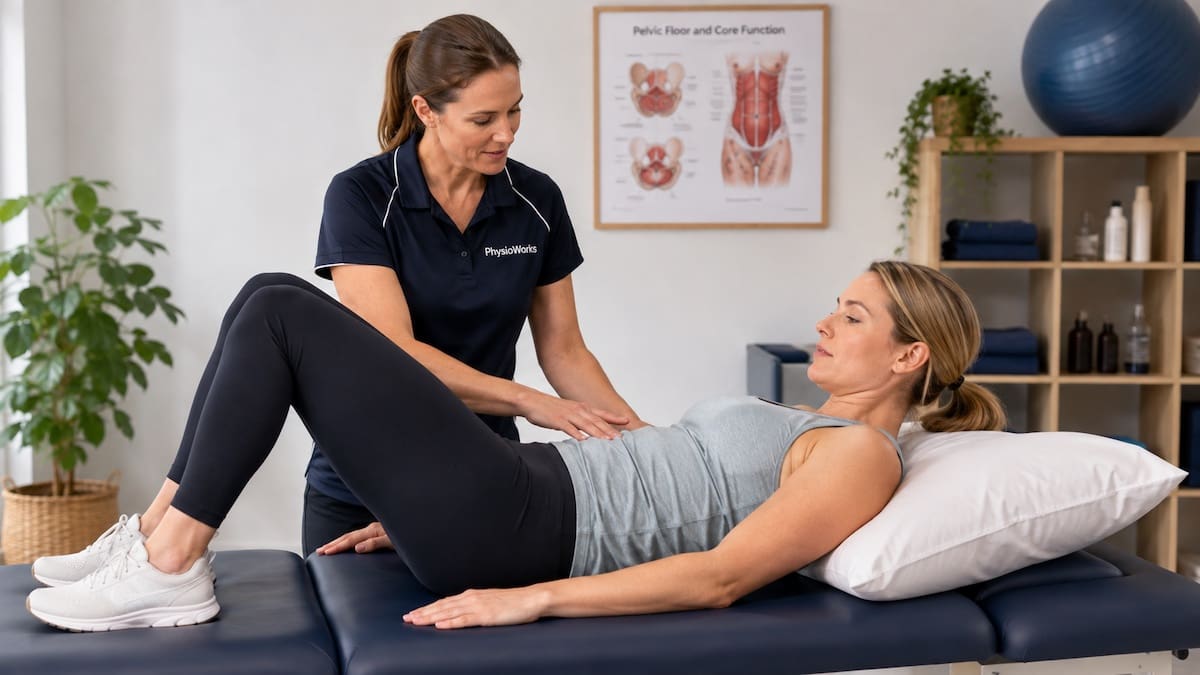
Many people first notice diastasis recti as a ridge, bulge or area of abdominal doming when they sit up, roll in bed, cough, lift or exercise. Others notice reduced abdominal strength or confidence when returning to running, gym training or heavier daily tasks.
The width of the separation is only one part of the assessment. A physiotherapist may also consider how well the midline tissue develops tension, how your abdominal muscles share load and whether pain, pelvic floor symptoms or an abdominal hernia require separate attention.
Common timing
Diastasis recti commonly develops during pregnancy and may remain present after birth.
Common sign
You may see a ridge or dome along the centre of your abdomen during effort.
Main rehabilitation goal
Build useful strength, control and confidence rather than chasing a particular gap measurement.
What is diastasis recti?
The rectus abdominis muscles run vertically along the front of your abdomen. The linea alba is the connective tissue that joins the left and right sides through the midline.
During pregnancy, the abdominal wall stretches to make room for the growing uterus. The distance between the rectus muscles usually increases as part of this normal change. It often reduces after birth, although the timing and degree of recovery vary.
Diastasis recti is not the same as an abdominal hernia. A diastasis involves stretching and widening of the midline tissue without the fascial defect found in a hernia. However, both conditions can occur together and may need different management.
What signs might you notice?
Diastasis recti does not feel the same for everyone. Possible signs include:
- A ridge, dome or bulge through the abdominal midline during effort
- A wider or softer area around the navel
- Reduced abdominal strength or endurance
- Difficulty controlling pressure during lifting, coughing or exercise
- Reduced confidence when returning to running, sport or gym training
Some people also report back pain, pelvic girdle pain, urinary leakage or pelvic heaviness. These symptoms can occur alongside diastasis recti, but the abdominal separation may not be their direct cause. A broader assessment can help identify the factors that need attention.
Related information is available in our guides to pelvic floor exercises, stress incontinence, pelvic organ prolapse and pregnancy-related back pain.
When should you have it assessed?
Consider a physiotherapy assessment when abdominal doming, weakness or reduced confidence limits your daily activities or exercise. Assessment may also help when you:
- Feel unsure about which abdominal exercises are suitable
- Have difficulty progressing exercise after pregnancy
- Notice ongoing pain or pelvic floor symptoms
- Are planning a return to running, sport or heavier lifting
- Want guidance after abdominal or pelvic surgery
How does a physiotherapist assess diastasis recti?
An assessment should look beyond the number of centimetres or finger widths between the muscles. Your physiotherapist may examine:
- The location and width of the separation
- The tension and behaviour of the linea alba during movement
- Abdominal doming during breathing, rolling, lifting and exercise
- Abdominal strength and trunk endurance
- Breathing and pressure-management strategies
- Pelvic floor coordination when relevant
- Your current activities, exercise goals and symptoms
Clinical examination is often enough to guide rehabilitation. Ultrasound imaging may provide additional information in selected cases. Medical imaging is more important when a clinician suspects an abdominal wall hernia or another cause of the bulge.
Can exercise improve diastasis recti?
Exercise may improve abdominal strength, function and confidence. Research also suggests that postpartum abdominal exercise can reduce the distance between the rectus muscles, although studies have not established one ideal program for everyone.
Rehabilitation should therefore focus on your function and goals rather than promising to “close the gap”. A program may include:
- Comfortable breathing and controlled exhalation during effort
- Abdominal exercises matched to your current ability
- Progressive trunk, hip and whole-body strengthening
- Pelvic floor coordination when relevant
- Practice with lifting, carrying and getting up from the floor
- A graded return to running, gym training or sport
Exercises do not need to remain gentle or limited to drawing in the lower abdomen. Many people can progress towards curls, planks, loaded carries and other useful exercises when these activities are introduced at an appropriate level and monitored against symptoms and movement quality.
Should you avoid exercises that cause doming?
Visible doming provides useful feedback, but it does not automatically mean that an exercise is unsafe. The amount of doming, your symptoms, the exercise load and your ability to control the movement all matter.
You may initially modify the exercise by reducing the load, range, speed or lever length. Changing your breathing strategy may also help. As your capacity improves, you may gradually return to more demanding variations.
Our safe pregnancy exercise guide provides further general information. Individual medical and obstetric advice should guide exercise during pregnancy and the early recovery period after birth.
What results can you expect?
Progress differs between people. Some notice better control within several weeks, while building strength for lifting, running or sport may take longer.
Useful improvements may include:
- Less troublesome doming during daily tasks
- Better abdominal strength and endurance
- Greater confidence with lifting and carrying
- A gradual return to exercise or sport
- Improved management of associated pelvic floor concerns
A residual gap may remain even when your abdominal wall functions well. Rehabilitation does not need to create a perfectly narrow midline to be successful.
When might surgery be discussed?
Most people begin with conservative management such as education and progressive exercise. Surgery may be discussed with a medical specialist when substantial functional problems continue despite a structured rehabilitation program or when a symptomatic abdominal wall hernia is also present.
The decision depends on your symptoms, examination findings, future pregnancy plans, health history and personal goals. Surgery has risks and does not replace the need for appropriate preparation and rehabilitation.
Frequently asked questions
What is diastasis recti?
Diastasis recti is a widening and stretching of the linea alba between the two rectus abdominis muscles. It commonly develops during pregnancy and may remain noticeable after birth.
Can exercise help diastasis recti?
Exercise may improve abdominal strength, function and confidence. It may also reduce the distance between the rectus muscles, although no single exercise program has proved best for everyone.
Do I need treatment for an abdominal gap?
Not everyone with a measurable gap needs treatment. Assessment may help when doming, weakness, pain, pelvic floor symptoms or reduced confidence limits daily activity or exercise.
Does diastasis recti cause back pain or pelvic floor problems?
These concerns can occur together, but research has not shown that diastasis recti consistently causes back pain or pelvic floor dysfunction. Each symptom should be assessed on its own merits.
When is surgery considered for diastasis recti?
Surgery may be considered when substantial functional problems remain after structured rehabilitation or when a symptomatic abdominal wall hernia is also present. A medical specialist should assess suitability.
Related PhysioWorks information
What should you do next?
Begin with activities that feel manageable and allow you to breathe normally. Modify exercises that cause pain, marked pressure or uncontrolled doming, then build the difficulty gradually.
Book a physiotherapy assessment when you need help understanding your abdominal wall, managing associated symptoms or planning a safe return to lifting, running, gym training or sport.
Choose your clinic and appointment pathway
Select a PhysioWorks clinic to continue to live booking, an appointment request or reception assistance.
Pregnancy Support Products
These pregnancy related support products are commonly used by our physiotherapists to help reduce strain, improve comfort, and support your body during pregnancy and post-partum.
-
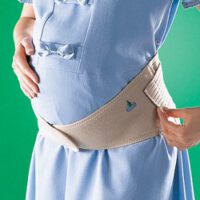 Back, Braces & Supports, Maternity, Posture
Maternity Back Support – OPPO 2062
$60.00 – $64.00Select optionsQuick View -
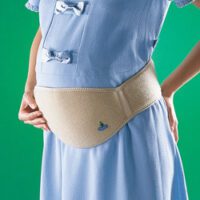 Braces & Supports, Back, Maternity, SIJ
Maternity Support Belt – OPPO 4062
$37.00Select optionsQuick View -
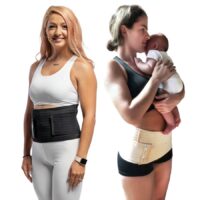
 Back, Braces & Supports, Maternity, Posture
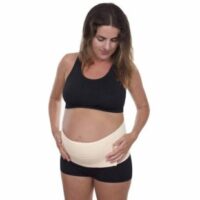
Pregnancy Belly Band & C-Section 3-in-1
$94.99Select optionsQuick View - Braces & Supports, Back, Maternity, SIJ
AOM38 AllCare Ortho Core Stability Belt
$49.95Select optionsQuick View -
 Back, Braces & Supports, Maternity, SIJ
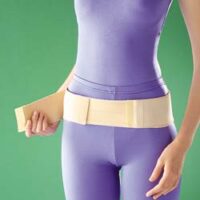
Core Stability Support – OPPO 3462
$54.00Select optionsQuick View


References
- Beamish NF, et al. Impact of postpartum exercise on pelvic floor disorders and diastasis recti abdominis: a systematic review and meta-analysis. British Journal of Sports Medicine. 2025. View the systematic review.
- Theodorsen NM, Bø K, Fersum KV, Haukenes I, Moe-Nilssen R. Pregnant women may exercise both abdominal and pelvic floor muscles during pregnancy without increasing diastasis recti abdominis: a randomised trial. Journal of Physiotherapy. 2024. View the randomised trial.
- Bigdeli N, Yalfani A, Doosti-Irani A, Qodrati A. An evidence-based comparison of rehabilitation strategies for diastasis recti abdominis in postpartum women: a systematic review and network meta-analysis. Scientific Reports. 2025. View the rehabilitation review.
- Benjamin DR, Frawley HC, Shields N, et al. Relationship between diastasis of the rectus abdominis muscle and musculoskeletal dysfunctions, pain and quality of life: a systematic review. Physiotherapy. 2019;105(1):24–34. View the systematic review.
- Carlstedt A, Bringman S, Egberth M, et al. Management of diastasis of the rectus abdominis muscles: recommendations for Swedish national guidelines. Scandinavian Journal of Surgery. 2021;110(3):452–459. View the management recommendations.
