FAQs

Frequently Asked Questions


Swelling Causes, Treatment & When to Seek Medical Attention

Swelling, also called oedema, happens when extra fluid builds up in your body’s soft tissues. It often appears after an injury, but it can also relate to inflammation, infection, lymphatic problems, circulation issues, or medical conditions affecting the heart, kidneys, or other body systems.

In many cases, swelling settles as healing progresses. However, persistent, worsening, or unexplained swelling deserves closer attention. If your swelling follows a recent strain, sprain, or impact injury, this guide on acute soft tissue injury is a useful starting point.

Swelling

Swelling is your body’s visible response to extra fluid in the tissues. It may affect a small local area such as an ankle, knee, or wrist after an injury. In other cases, it may involve a larger region or an entire limb. Mild swelling is common after tissue irritation, but sudden, severe, or unexplained swelling may need prompt medical review.

What causes swelling?

Swelling often occurs after a soft tissue injury because your body sends blood, fluid, and healing cells to the area. This response can help recovery, but excess fluid may also increase pain, tightness, and stiffness. Other common causes include infection, allergic reactions, prolonged sitting or standing, medication side effects, lymphatic drainage problems, and some medical conditions.

If your swelling developed after a recent injury, these pages may help explain the early healing stage and what to avoid:

What are the common signs of swelling?

  • Visible puffiness or enlargement
  • Tight, stretched, or shiny skin
  • Warmth, redness, or tenderness
  • Stiffness or reduced movement
  • A heavy or full feeling in the area
  • Pitting, where pressing the skin leaves a temporary dent

When should you worry about swelling?

You should take swelling more seriously if it appears suddenly, keeps getting worse, affects one whole limb, or comes with severe pain, marked redness, fever, numbness, chest pain, or shortness of breath. Those signs may point to something more than a routine musculoskeletal problem and may need urgent medical assessment.

How can swelling affect daily activity?

Swelling can make movement uncomfortable and reduce strength, flexibility, balance, and confidence with walking or exercise. Even mild swelling may change how you move, which can aggravate nearby joints, tendons, or muscles. When swelling involves a limb, it can also affect footwear, stairs, sport, work, and sleep.

What helps swelling settle?

The best treatment depends on the cause. For recent musculoskeletal injuries, relative protection, compression, comfortable movement, and short periods of elevation may help. Longer term, progressive rehabilitation is often more useful than prolonged rest. If you are dealing with a soft tissue injury, our muscle treatment and soft tissue injury pages explain the next stage of recovery.

Can massage or lymphatic drainage help swelling?

Sometimes. Manual therapy may help some people, depending on the cause and stage of healing. For fluid retention or lymphatic issues, lymphatic drainage massage may be worth discussing. However, fresh injuries, hot inflamed areas, suspected infection, or unexplained swelling should be assessed before direct treatment is applied.

How does a physiotherapist assess swelling?

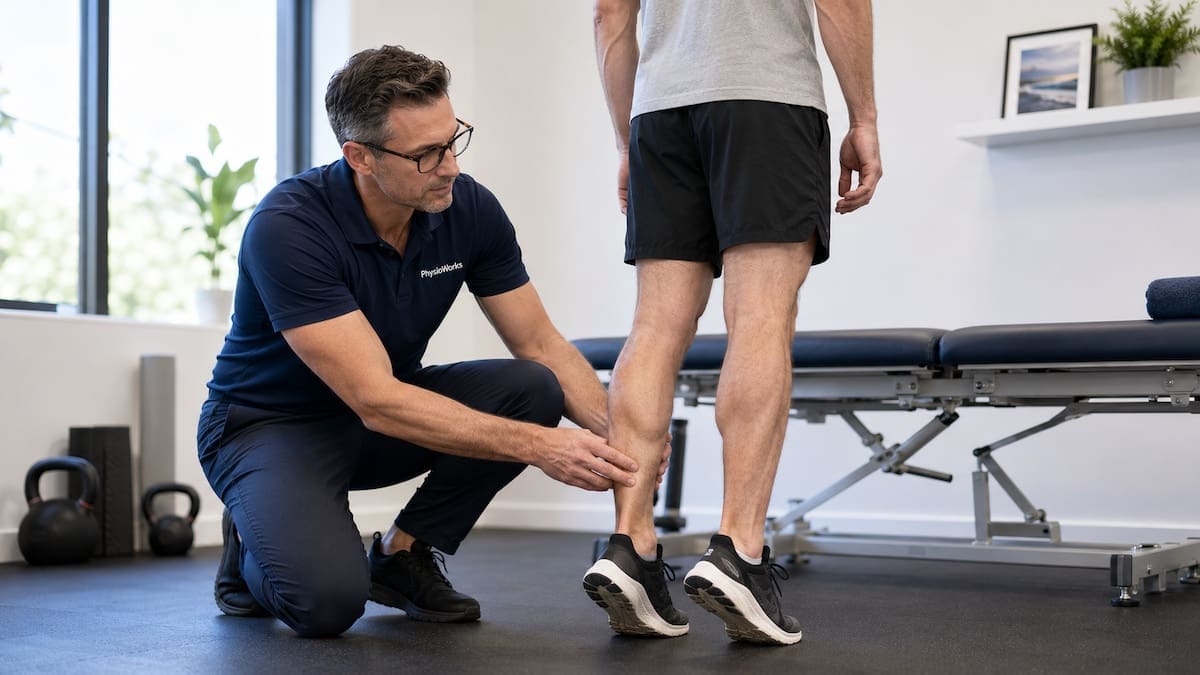
A physiotherapist looks at where the swelling is, how long it has been present, what movements aggravate it, and whether it fits a muscle, tendon, ligament, joint, or post-injury pattern. They also check your movement, strength, walking pattern, and whether the symptoms suggest you should be referred for medical review instead of simple self-management.

Frequently asked questions about swelling

Is swelling always inflammation?

No. Swelling often occurs with inflammation after injury, but it can also result from fluid retention, lymphatic blockage, venous problems, infection, medication effects, or broader medical conditions.

How long should swelling last after an injury?

Mild swelling may improve within a few days, while more significant injuries can stay swollen for several weeks. If it is not improving, keeps returning, or is getting worse, it is worth getting assessed.

Is one-sided leg swelling serious?

It can be. One-sided leg swelling may come from a local injury, but it can also reflect a more serious issue. Seek urgent medical care if it is sudden, marked, or linked with redness, pain, breathlessness, or chest symptoms.

Should I use ice for swelling?

Ice may help short-term pain relief after a fresh soft tissue injury, especially when combined with sensible compression and activity modification. Still, it is not a complete solution on its own, and not every type of swelling responds the same way.

When should I see a physiotherapist for swelling?

Book an assessment if swelling follows an injury and is not settling, keeps returning with activity, limits movement, or stops you from walking, exercising, or working normally.

Related articles

  1. Acute Soft Tissue Injury – Explains what happens early after strains, sprains, and similar injuries.
  2. Soft Tissue Injury Healing – Outlines the normal healing stages and recovery timeframes.
  3. HARM Protocol – Discusses what to avoid in the early injury stage.
  4. Soft Tissue Injuries – Covers common muscle, tendon, and ligament injuries.
  5. Lymphatic Drainage Massage – Discusses one massage option sometimes used for fluid-related swelling.

What to do next

If your swelling is mild and clearly linked to a recent injury, start with sensible protection, compression, and comfortable movement. Then monitor whether it settles steadily over the next few days.

If swelling is persistent, worsening, unexplained, or linked with worrying symptoms, seek advice from your physiotherapist or doctor. Early assessment can help identify the cause and guide the right treatment.

Book your appointment – 24/7

Choose your preferred PhysioWorks clinic and book online.

Follow PhysioWorks

Get free physiotherapy tips, exercise videos, recovery advice, and blog updates.

Facebook Instagram YouTube B X Email PhysioWorks

TMJ FAQs

TMD Physio

TMJ FAQs: Understanding Jaw Pain and TMD

TMJ FAQs usually focus on jaw pain, clicking, headaches, stiffness, and difficulty opening the mouth. In most cases, these symptoms relate to temporomandibular disorder (TMD), which affects the jaw joint and surrounding muscles. For a broader overview, start with our jaw pain guide, or compare common patterns such as TMJ headache and TMJ treatment.

This page answers the most common questions about TMJ symptoms, causes, diagnosis, and treatment. It also explains when self-care may help, when a dentist or physiotherapist may be useful, and when you should seek further assessment.

Quick answers

  • TMJ refers to the temporomandibular joint, while TMD refers to the disorder affecting it.
  • Common symptoms include jaw pain, clicking, locking, headaches, ear-area pain, and stiff chewing.
  • Jaw overload, clenching, arthritis, trauma, posture, and stress can all contribute.
  • Most people improve with conservative care rather than surgery.
  • Physiotherapy and dental input are often used together when needed.

What is TMJ?

The temporomandibular joint, or TMJ, connects your lower jaw to your skull on each side of your face. TMJ problems are more accurately called temporomandibular disorders (TMD). These conditions affect the jaw joint, chewing muscles, and nearby structures, which can make eating, speaking, yawning, or opening wide uncomfortable.

Importantly, “TMJ” describes the joint itself, while “TMD” describes the condition. Public health sources such as the National Institute of Dental and Craniofacial Research guide to TMD also make this distinction clear.

What symptoms can TMJ disorders cause?

TMJ disorders can cause a mix of joint and muscle symptoms. Common complaints include jaw pain, pain in front of the ear, clicking or popping, jaw locking, stiffness, reduced mouth opening, chewing pain, and tenderness through the face or temples.

Some people also notice TMJ headaches, neck tension, or combined headache, neck and jaw pain. Functionally, the key problem is often poor jaw load tolerance. In other words, the jaw may cope poorly with chewing, clenching, wide opening, singing, dental work, or long conversations.

What causes TMJ disorders?

The exact cause is not always simple. TMJ disorders often develop from several contributing factors rather than one single event. These may include clenching or grinding, jaw overload, trauma, arthritis, poor posture, stress-related muscle tension, missing teeth, bite changes, or altered neck and jaw movement control.

Disc irritation can also contribute to painful clicking or locking. If you want a deeper explanation of contributors, read why TMJ dysfunction occurs. Some people with mixed headache symptoms may also benefit from comparing tension headache and neck-related headache patterns.

How are TMJ disorders diagnosed?

Diagnosis usually starts with a clinical assessment. A dentist, doctor, or physiotherapist will ask about your symptoms, chewing tolerance, clenching habits, headaches, neck pain, and what movements aggravate the problem. They will also assess jaw opening, closing symmetry, side-to-side movement, muscle tenderness, joint sounds, and related neck function.

Scans are not always required. X-rays, CT, or MRI may be considered if the presentation is persistent, severe, locking is significant, trauma is involved, or structural change needs clarification. However, many TMJ presentations can be assessed well from your history and movement findings before imaging is considered.

What can I do at home for TMJ pain?

Simple self-care often helps settle an irritated jaw. Try softer foods for a short period, avoid chewing gum, reduce wide yawning where possible, and stop habits such as pen chewing or resting your jaw in your hand. Moist heat over the jaw muscles may ease muscle guarding for some people.

In addition, many people benefit from learning how to reduce daytime clenching, improving posture, and using gentle jaw-opening or control exercises. If symptoms keep returning, self-care works best when matched to a clear diagnosis rather than used randomly.

What treatment may help TMJ pain?

Most TMJ treatment starts conservatively. Depending on the main driver, treatment may include education, habit change, mouth-opening exercises, jaw and neck exercises, manual therapy, load modification, pain relief advice, dental splints, or selected dental treatment when bite or tooth wear is relevant.

A TMJ treatment plan usually works best when it addresses both short-term symptom settling and longer-term control of overload, clenching, posture, and movement quality. Most cases do not need surgery, although specialist review may be needed in severe or persistent cases.

How can a physiotherapist help with TMJ issues?

A physiotherapist may help by improving jaw movement quality, reducing muscle guarding, and addressing related neck and postural contributors. Treatment may include jaw joint mobilisation, soft tissue techniques, targeted exercises, posture retraining, relaxation strategies, and practical advice to reduce daily jaw strain.

Physiotherapy is often most useful when your symptoms link with muscle tension, movement asymmetry, neck involvement, or poor load tolerance. Importantly, physiotherapists also help guide rehabilitation, which means gradually improving mobility, strength, control, and confidence in everyday jaw use rather than relying only on passive symptom relief.

How can a dentist help with TMJ issues?

Dentists help assess tooth wear, bite factors, oral appliances, and dental contributors such as bruxism. In some cases, a stabilisation splint or night guard may reduce joint and muscle loading. Dental care can be especially useful when clenching, grinding, or bite-related factors are prominent.

For some people, the best results come from combined care. A dentist may help manage tooth or bite-related loading, while a physiotherapist improves jaw movement, muscle function, and neck-related contributors.

When should I seek professional help for TMJ issues?

You should seek assessment if jaw pain persists, worsens, repeatedly locks, limits eating or speaking, or is linked with frequent headaches, neck pain, swelling, trauma, or major difficulty opening your mouth. It is also sensible to get checked if symptoms keep recurring despite rest or home care.

If you are unsure whether the main driver is dental, muscular, joint-related, or neck-related, an assessment can help clarify the cause and guide the right next step.

Related TMJ and jaw pain pages

What to do next

If your jaw pain, clicking, headaches, or locking keep returning, do not just wait for it to settle on its own. A proper assessment can help identify whether the main problem relates to joint irritation, muscle overload, clenching, bite factors, neck involvement, or a combination of these.

Bring a short history of what triggers your symptoms, what eases them, whether you wake with jaw tension, and whether headaches or neck pain occur at the same time. That gives your clinician a much clearer starting point and helps guide the most appropriate treatment plan.

Book your appointment – 24/7

Choose your preferred PhysioWorks clinic and book online.

Follow PhysioWorks

Get free physiotherapy tips, exercise videos, recovery advice, and blog updates.

Facebook Instagram YouTube B X Email PhysioWorks

References

  1. Busse JW, Riva JJ, Pollock R, et al. Management of chronic pain associated with temporomandibular disorders: a clinical practice guideline. BMJ. 2023;383:e076227. doi:10.1136/bmj-2023-076227
  2. Idáñez-Robles AM, de la Torre Canales G, Martín-Casas P, et al. Exercise therapy improves pain and mouth opening in temporomandibular disorders: a systematic review with meta-analysis. Clin Rehabil. 2023;37(4):443-461. doi:10.1177/02692155221133523
  3. González-Sánchez B, Infante-Cossío P, Bravo-Zúñiga J, et al. Temporomandibular joint dysfunctions: a systematic review of treatment approaches in physiotherapy. J Clin Med. 2023;12(13):4302. doi:10.3390/jcm12134302
  4. Ooi K, Matsuka Y, Fushima K, et al. Clinical practice guidelines in primary treatment for temporomandibular disorders: The Japanese Society for the Temporomandibular Joint, 2023 edition. J Oral Rehabil. 2025. doi:10.1111/joor.13907

Why Doesn’t Rest Fix Tendon Pain?

Achilles tendon assessment for tendon pain load management during calf raise

Tendon pain often needs guided loading, not complete rest.

Rest usually does not fix tendon pain because it eases symptoms without rebuilding tendon capacity. A painful tendon may feel better after time away from walking, running, jumping, gym training, or sport. However, pain often returns when the same activity loads the tendon again.

Tendons respond to the right amount of load over time. Too much load can irritate a tendon. Too little load can reduce strength, endurance, and tolerance. Effective tendinopathy treatment aims to find the middle ground. The goal is to build capacity without repeated flare-ups.

If tendon pain keeps returning after rest, the issue may relate to overuse injuries, a sudden training spike, weakness, poor load progression, or reduced tendon tolerance. A physiotherapist can assess what is driving your symptoms and guide a safer return to activity.

Why Doesn’t Rest Fix Tendon Pain?

Rest can lower pain because it removes the immediate demand on the tendon. However, it does not improve tendon strength, load tolerance, or the tendon’s ability to cope with repeated activity.

This is why many people feel better during rest, then become sore again when they restart running, walking, jumping, sport, or gym work. The tendon has had a break, but it has not gained the capacity needed for the task.

This pattern is common when people:

  • start a new sport, gym program, or walking routine
  • increase running distance, hills, speed, or training frequency too quickly
  • return to sport after time off
  • change footwear, surfaces, or workload suddenly
  • ignore smaller warning signs until symptoms build

Tendons are slow to adapt. Sudden changes in activity can exceed their current capacity. A long period of complete rest can also make the tendon less prepared for normal activity.

Should You Rest or Keep Moving With Tendon Pain?

Most tendon pain needs modified activity rather than complete rest. The aim is to reduce the most irritating loads while keeping safe, useful movement in your day.

Tendon Load Decision Guide

  • Pain settles within 24 hours: the load may be acceptable, but keep monitoring symptoms.
  • Pain increases during or after activity: reduce speed, volume, hills, jumping, or resistance.
  • Pain keeps returning after rest: the tendon may need a staged strengthening plan.
  • Pain is worsening or spreading: book an assessment to check the diagnosis and loading plan.

What Tendinopathy Treatment Usually Involves

Tendinopathy treatment usually combines load changes with progressive strengthening. This means reducing painful loads enough to calm symptoms while still giving the tendon a useful exercise stimulus.

Treatment may include:

  • short-term reduction of painful or high-load activities
  • specific tendon strengthening exercises
  • progressive reloading based on symptoms and goals
  • muscle strength, control, and movement training
  • biomechanical assessment where relevant
  • education about training load, pacing, and recovery

There is no single exercise plan that suits every tendon or every person. For example, an Achilles tendinopathy program may look different from a patellar tendinopathy, gluteal tendinopathy, or proximal hamstring tendinopathy program. Your tendon, activity level, strength, irritability, and goals all influence the plan.

How Does Physiotherapy Help Tendon Pain?

A physiotherapist can assess why the tendon became painful and what needs to change. Treatment should not only focus on short-term pain relief. It should also address why the tendon became overloaded or underprepared.

Physiotherapy management may include:

  1. Identifying likely causes, such as training error, weakness, reduced tendon capacity, or poor load progression.
  2. Checking for other pain sources, such as bone stress injury, bursitis, joint irritation, or referred pain.
  3. Prescribing suitable exercises to improve tendon strength, tolerance, and function.
  4. Planning a return to activity through gradual and measurable load progression.
  5. Using symptom relief options, such as taping, massage, or dry needling, when suitable.

Depending on the tendon involved, related issues such as peroneal tendinopathy, hip adductor tendinopathy, rotator cuff tendinopathy, or tennis elbow may also need tendon-specific rehabilitation.

How Do You Build Tendon Capacity?

Tendon capacity improves gradually. Most tendons respond well when the right load is repeated over time. This often means a staged strengthening program that progresses based on symptoms, recovery, and function.

Early on, you may need to reduce painful tasks such as sprinting, jumping, hills, deep squats, heavy lifting, or high-volume gym work. As symptoms settle, your program may progress toward heavier strength work, faster movements, and sport-specific loading.

This approach is often more useful than full rest because it improves the tendon’s ability to tolerate future load. For broader background, read more about tendonitis, tendinitis, tendinosis, and tendinopathy.

Quick Check: Is Rest Enough?

Rest may be enough for a mild short-term overload if pain settles and does not return with normal activity.

If pain keeps coming back, the tendon usually needs a plan that changes load, improves strength, and rebuilds tolerance in stages.

When Should You Seek Help for Tendon Pain?

You should consider a physiotherapy assessment if tendon pain:

  • keeps returning when you restart activity
  • has lasted more than two weeks
  • limits work, exercise, sport, or sleep
  • is becoming more irritable or widespread
  • does not improve with sensible load reduction
  • is linked with swelling, marked weakness, or a sudden change in function

Early guidance may help you avoid repeated flare-ups and long breaks from activity. It can also help check whether the pain is truly tendon-related or coming from another structure.

Common Tendon Pain Conditions

Tendon pain can affect many areas of the body. The right plan depends on the tendon involved, your symptoms, and the activities you want to return to.

General Tendon Conditions

Foot and Ankle Tendon Pain

Knee Tendon Pain

Hip, Groin and Hamstring Tendon Pain

Shoulder, Elbow, Wrist and Hand Tendon Pain

Frequently Asked Questions

Why doesn’t rest fix tendon pain?

Rest may ease symptoms briefly, but it usually does not improve the tendon’s strength or ability to tolerate activity. When you return to running, sport, gym work, or repeated daily loading, the pain can return because the tendon still lacks capacity.

Is tendinopathy the same as tendonitis?

Tendinopathy is a broader term for tendon pain and reduced tendon function. Tendonitis suggests inflammation. However, many ongoing tendon problems involve changes in load tolerance rather than simple inflammation alone.

What treatment usually helps tendon pain?

Tendon pain often improves with activity changes, progressive strengthening, and a clear load plan. The goal is to rebuild tendon capacity gradually, rather than stopping all activity and hoping the tendon adapts by itself.

Should you exercise with tendon pain?

Often, yes, but the exercise needs to match your tendon’s current tolerance. Some discomfort may be acceptable. Repeated flare-ups suggest the load is too high. A physiotherapist can help set suitable exercises and progressions.

How long does tendon pain take to improve?

Recovery time varies. Some people improve over several weeks. Others need a longer program over a few months. Duration depends on the tendon involved, symptom history, training load, strength, health factors, and rehab consistency.

When should I see a physiotherapist for tendon pain?

Consider physiotherapy if the pain keeps returning, lasts more than two weeks, limits activity, worsens with training, or does not improve with sensible load changes. Assessment can help confirm the likely cause and guide a safer plan.

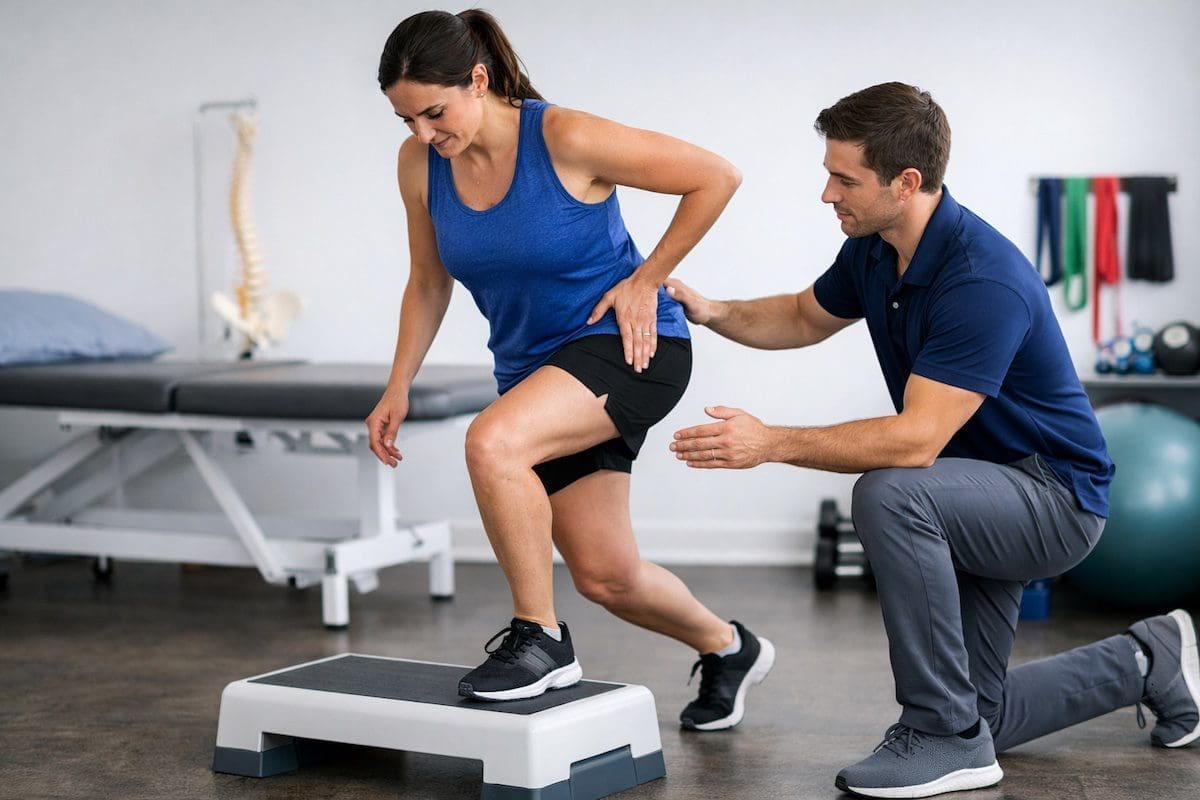
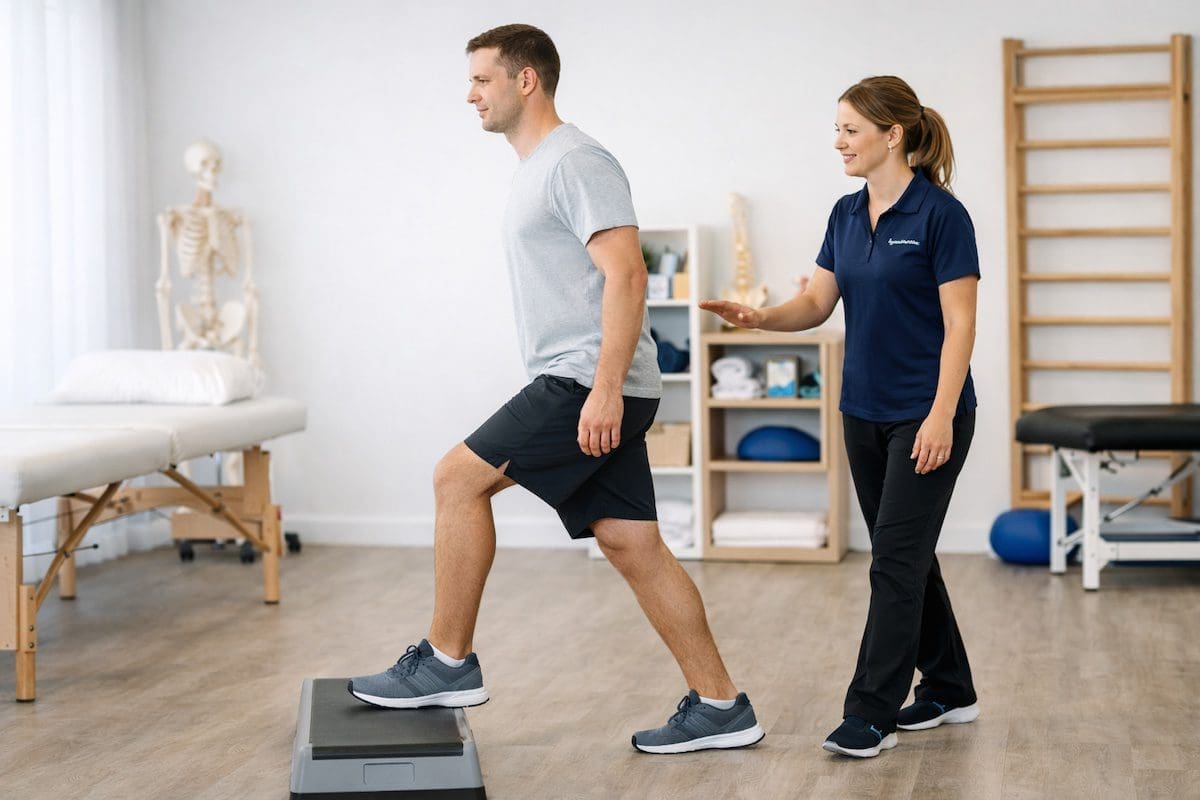
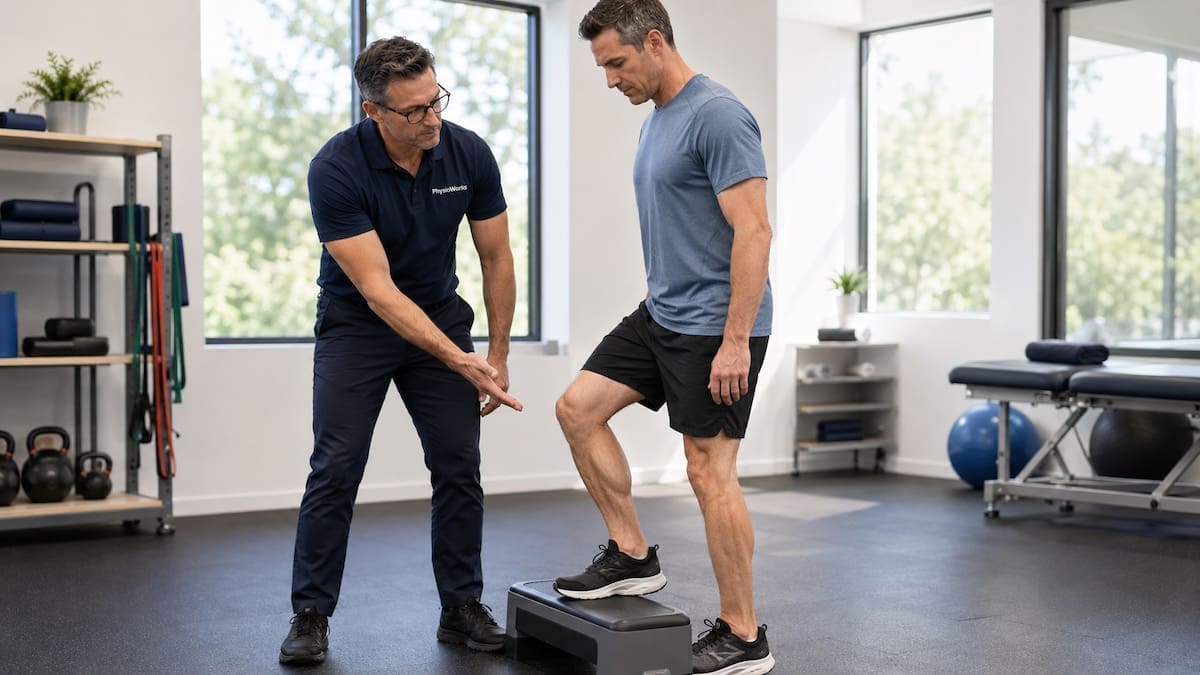
Achilles tendon loading during supervised step-down for tendon pain rehab

Progressive loading helps rebuild tendon capacity.

What To Do Next

If tendon pain improves with rest but returns when you move again, the next step is usually not more rest. A better option is to identify the tendon’s current tolerance, reduce the most irritating loads, and rebuild strength in stages.

Book a physiotherapy assessment if tendon pain is limiting your work, sport, walking, running, gym training, or daily activities. Your physiotherapist can help you plan the right level of loading and return to activity with more confidence.

Book your appointment – 24/7

Choose your preferred PhysioWorks clinic and book online.

Follow PhysioWorks

Get free physiotherapy tips, exercise videos, recovery advice, and blog updates.

Facebook Instagram YouTube B X Email PhysioWorks

References

  1. Cardoso TB, Pizzari T, Kinsella R, Hope D, Cook JL. Current trends in tendinopathy management. Best Pract Res Clin Rheumatol. 2019;33(1):122-140. doi:10.1016/j.berh.2019.02.001
  2. Malliaras P, Barton CJ, Reeves ND, Langberg H. Achilles and patellar tendinopathy loading programmes: a systematic review comparing clinical outcomes and identifying potential mechanisms for effectiveness. Sports Med. 2013;43(4):267-286. doi:10.1007/s40279-013-0019-z
  3. Cook JL, Purdam CR. Is tendon pathology a continuum? A pathology model to explain the clinical presentation of load-induced tendinopathy. Br J Sports Med. 2009;43(6):409-416. doi:10.1136/bjsm.2008.051193

Why Choose PhysioWorks for Physiotherapy in Brisbane?

physiotherapy Brisbane movement assessment with physiotherapist in a modern clinic

Clear assessment helps guide the right treatment plan.

PhysioWorks provides physiotherapy Brisbane patients trust when they want a clear diagnosis, practical treatment, and a structured plan to reduce pain and return to activity. Whether you need help with injury, pain, sport, work, or long-term movement goals, our team focuses on explaining what matters and guiding you towards the next best step.

Many people first find us while comparing clinics, services, or practitioners. If that is you, it helps to know that PhysioWorks offers physiotherapy, sports physiotherapy, exercise physiology, and massage services in Brisbane across a connected clinic network.

We aim to make your care easier to follow. That means listening carefully, assessing properly, explaining your options clearly, and helping you move forward with confidence rather than confusion.

Why choose PhysioWorks for physiotherapy Brisbane?

People choose PhysioWorks when they want a clear diagnosis, practical treatment, and a structured plan to return to activity. That may mean hands-on treatment, guided rehabilitation, exercise planning, or help deciding which service is the best fit for their problem.

  • Clear diagnosis and explanation of your problem
  • Personalised treatment plan tailored to your goals
  • Practical steps to reduce pain and improve movement
  • Support for return to sport, work, and daily activity
  • Access to physiotherapy, massage, and exercise physiology

How is PhysioWorks different?

PhysioWorks stands out because we focus on the full patient journey, not just the first appointment. A good assessment matters, but so does helping you understand what is driving your pain, what to do next, and how to build confidence with movement again.

Our practitioners work with people managing everyday problems such as lower back pain, neck pain, knee pain, shoulder pain, sports injuries, post-operative rehabilitation, balance concerns, muscle tightness, and exercise progression. We also make it easier to move between services when you need broader support, such as physiotherapy plus exercise physiology or physiotherapy plus massage.

What can you expect at PhysioWorks?

You can expect a thorough discussion about your symptoms, movement, goals, and contributing factors. Your practitioner will then assess the relevant body region, explain what they find, and outline a treatment plan that makes sense for your stage of recovery.

For many people, that includes a mix of education, hands-on care where suitable, movement advice, and progressive rehabilitation. Depending on your needs, this may also include injury rehabilitation, sports physiotherapy, or a transition into exercise-based rehabilitation. Broader guidance from Healthdirect also supports the value of physiotherapy in managing pain, injury, and physical function. Read Healthdirect’s overview of physiotherapy.

physiotherapy Brisbane guided movement exercise with physiotherapist coaching technique

Personalised guidance can improve confidence and movement quality.

Who may benefit from PhysioWorks care?

PhysioWorks may suit you if you want more than a quick appointment and generic advice. We commonly help active adults, workers, older adults, and athletes who want a clear plan for recovery, pain reduction, movement improvement, or return to sport and activity.

You may also benefit if you are unsure which service you need. Our broader PhysioWorks Brisbane clinics and clinic network make it easier to find a suitable pathway.

Is PhysioWorks right for you?

PhysioWorks is a good fit if you want a clinic that explains things clearly, gives practical next steps, and supports your progress over time. If your problem needs imaging, GP review, or another provider, a physiotherapist can also help guide that decision rather than leaving you guessing.

What should you do next?

If you are comparing options, start by choosing the service that best matches your main concern. If you need help deciding, call your nearest clinic or book online and we can help direct you towards the right practitioner. You can also read more about our Brisbane physiotherapists, exercise physiologists, and Brisbane massage therapists.

When pain, injury, or reduced confidence is affecting your work, sport, or daily life, a timely assessment can help you avoid delay and get a clearer plan sooner.

What makes a good physiotherapy clinic in Brisbane?

A good physiotherapy clinic explains your problem clearly, matches treatment to your goals, and gives you a realistic plan for recovery. It should also make it easy to access the right service, whether you need hands-on care, rehabilitation, exercise support, or help with a common problem such as lower back pain, neck pain, or shoulder pain.

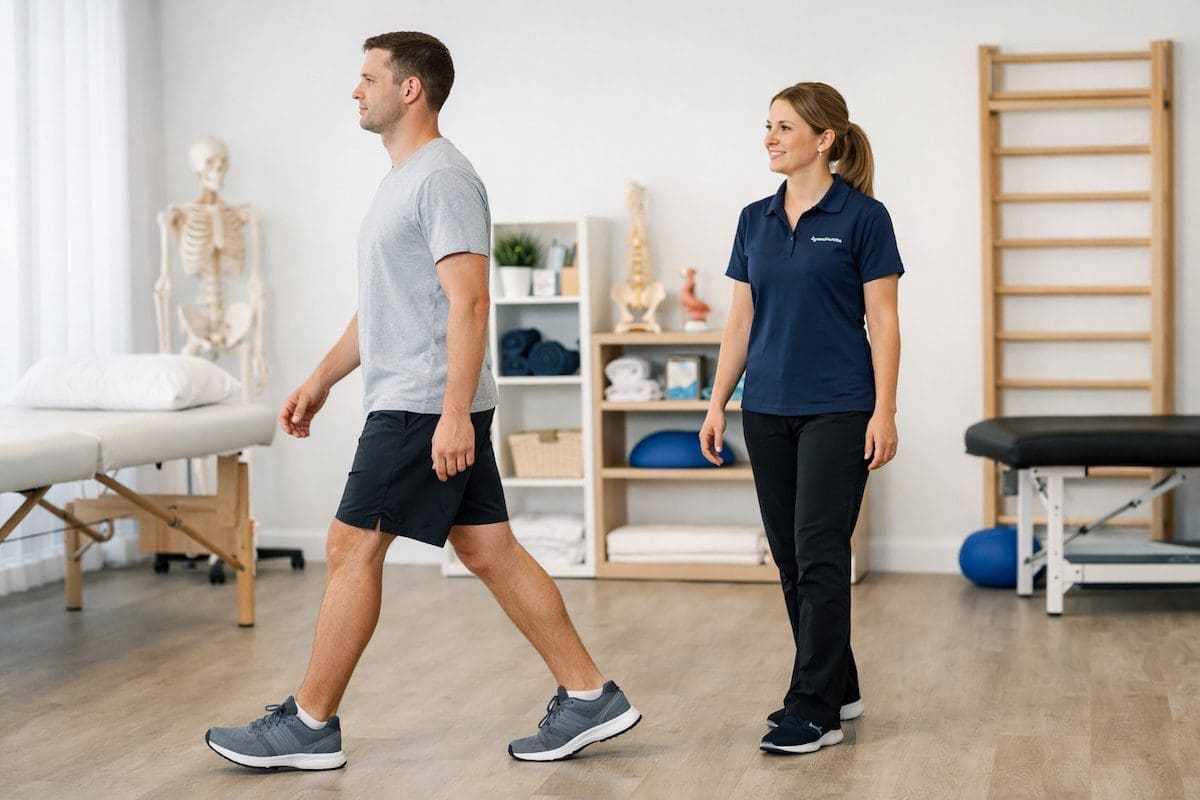
physiotherapy Brisbane recovery walking confidently with physiotherapist in clinic

A clear plan can help you return to confident movement.

Book your appointment – 24/7

Choose your preferred PhysioWorks clinic and book online.

Brisbane Physiotherapists

Our physiotherapists assess and treat sports injuries, back and neck pain, joint problems, muscle strains, tendon injuries, post-operative rehabilitation, and movement issues. They also help with sports injury physiotherapy, injury rehabilitation, and day-to-day musculoskeletal care.


Brisbane Exercise Physiologists

Our exercise physiologists help people improve strength, fitness, function, and long-term health through targeted exercise programs for injury recovery, chronic conditions, and performance goals. They commonly assist with guided exercise prescription and exercise-based rehabilitation.


Brisbane Massage Therapists

Our massage therapists help with muscle tightness, recovery, relaxation, and soft tissue tension. They often work alongside physiotherapy and exercise physiology when a broader treatment plan is helpful, including remedial massage, deep tissue massage, and general muscle recovery support.

Remedial Massage Therapists

Our remedial massage therapists help relieve muscle tension, improve flexibility, reduce soft tissue pain, and support recovery from training loads, desk posture, and everyday physical stress.

Follow PhysioWorks

Get free physiotherapy tips, exercise videos, recovery advice, and blog updates.

Facebook Instagram YouTube B X Email PhysioWorks

References

  1. Healthdirect Australia. Physiotherapy. Healthdirect. Accessed April 8, 2026.
  2. Lin I, Wiles L, Waller R, et al. What does best practice care for musculoskeletal pain look like? Eleven consistent recommendations from high-quality clinical practice guidelines. Br J Sports Med. 2020;54(2):79–86. doi:10.1136/bjsports-2018-099878

What are physiotherapy fees, and what affects the cost?

Physiotherapy fees can feel confusing because not every appointment is the same. Some visits are straightforward and short. Others need more time, more clinical reasoning, and more follow-up planning. Fees may also change depending on the clinician you see, the appointment length, and whether extra reporting is required (for example, WorkCover or CTP).

In addition, your out-of-pocket cost depends on what your insurer or funding body contributes. For a clear overview of pathways, start with our Physiotherapy Insurance & Funding hub.

Physiotherapist explaining physiotherapy fees and health insurance rebates to a patient in clinic
A PhysioWorks team member explains appointment costs, rebates, and funding options during an in-clinic consultation.

Quick overview

Most people pay a fee on the day, then claim a rebate if they have an eligible funding pathway. Put simply, your final cost usually depends on:

  • Appointment length (standard vs extended)
  • Complexity (single issue vs multi-region or persistent pain)
  • Clinician level (new graduate vs more experienced physio)
  • Funding pathway rules (private health, Medicare, WorkCover, CTP, DVA, NDIS)

If you’re unsure what applies, use the Physiotherapy Insurance & Funding hub first. Then book an assessment so we can confirm the right appointment type, length, and clinician for your needs.

Why physiotherapy fees differ

Firstly, fees reflect the time needed to assess your symptoms, test movement and function, and plan next steps. Next, some presentations need longer appointments because they involve multiple areas, persistent pain, higher irritability, or detailed return-to-work planning. Finally, some sessions include reporting and coordination with third parties (for example, WorkCover or CTP), which adds administration time.

Do more experienced physios charge more?

Sometimes, yes. A more experienced physiotherapist may charge more than a new graduate because they often bring additional training, broader clinical exposure, and refined clinical reasoning. As a result, they may:

  • identify contributing factors sooner (especially when symptoms do not match a simple pattern)
  • manage complex or multi-region cases more efficiently
  • handle higher-risk return-to-sport or return-to-work decisions with clearer progression planning
  • support cases that need more coordination and documentation

Even so, the “right” clinician depends on your presentation and goals. We can help match you to the most suitable appointment type and clinician level after a brief discussion of your situation.

Common funding and payment options

PhysioWorks offers several funding pathways. However, rules and rebates vary between insurers and schemes, so we will explain what applies to you after we confirm your situation.

  • Private health insurance: We are registered providers with Australian private health funds, and we offer on-the-spot claiming via HICAPS where available. For a practical guide, see Private Health Insurance Rebates.
  • Medicare (GP Chronic Condition Management Plan): If your GP refers you under a GP Chronic Condition Management Plan, you may be eligible for a Medicare rebate for a limited number of allied health sessions each calendar year. See Medicare Physiotherapy.
  • DVA: Eligible veterans may access physiotherapy via DVA funding. See DVA Physiotherapy.
  • CTP: If you were injured in a motor vehicle accident, CTP may contribute after insurer approval and correct paperwork. See CTP Physiotherapy.
  • WorkCover: For work-related injuries, WorkCover is usually the primary pathway once approved. See WorkCover Physiotherapy.
  • NDIS: If your plan goals and supports align, you may be able to use NDIS funding for physiotherapy. See NDIS Physiotherapy & Exercise Physiology.
  • Pensioner discount: Some clinics offer discounted rates for eligible pensioners. Please call your clinic to confirm availability and current pricing.

Challenging, complex, or multi-region presentations

Physiotherapy fees discussion during a physiotherapy assessment
Physiotherapy fees can vary based on appointment length and complexity.

Some appointments need extra time because the situation involves multiple regions, several injuries, or higher-risk return-to-activity planning. For example, multiple fractures, widespread pain, or combined neck, back, and limb symptoms often require a longer assessment and a more detailed plan. Therefore, these appointments may cost more than a standard consultation.

Professional memberships and standards

Many PhysioWorks physiotherapists are members of the Australian Physiotherapy Association (APA). Ongoing professional development and ethical practice standards support safe, evidence-informed care.

FAQs

What are physiotherapy fees, and what affects the cost?

Fees vary based on appointment length, complexity, clinician level, and whether extra planning or reporting is required. Your out-of-pocket cost also depends on what your insurer or funding pathway contributes.

Can I claim physiotherapy through private health insurance?

If your extras cover includes physiotherapy, you may be able to claim a rebate. Rebates vary by fund and policy, and a gap often remains.

Does Medicare cover physiotherapy?

Medicare rebates may apply for eligible patients who have a GP Chronic Condition Management Plan and a referral to physiotherapy. Medicare rules limit the number of subsidised allied health services each calendar year.

Are WorkCover and CTP physiotherapy appointments different?

They often require insurer approval and reporting in addition to treatment. This can affect appointment structure and administration requirements.

Why do complex appointments cost more?

Complex or multi-region presentations often need longer assessment time, more detailed planning, and sometimes additional coordination. Longer appointments may have higher fees than standard consultations.

What this means for you

If fees still feel unclear, start with two steps. First, identify your most likely funding pathway using our Physiotherapy Insurance & Funding hub. Next, book an assessment so we can confirm the right appointment length and clinician for your needs. Alternatively, you can call us to discuss your situation before booking: Contact PhysioWorks.

Related Information

Book your appointment – 24/7

Choose your preferred PhysioWorks clinic and book online.

Social Media

Follow PhysioWorks for practical tips on injury management, return to activity, and how funding pathways work across private health, Medicare, and third-party schemes.

Follow PhysioWorks

Get free physiotherapy tips, exercise videos, recovery advice, and blog updates.

Facebook Instagram YouTube B X Email PhysioWorks

References

  1. Services Australia. Allied health and other primary health care referrals for GP chronic condition management plans. Updated 1 Nov 2025. Available from: Services Australia GPCCMP allied health referrals
  2. Australian Government Department of Health and Aged Care. Medicare Benefits Schedule (MBS) Online: Item 10960 (Physiotherapy health service under GP chronic condition management). Updated 1 Jul 2025. Available from: MBS Online Item 10960
  3. Australian Physiotherapy Association (APA). FAQs: Private health insurance rebates. Available from: APA FAQs

Common Muscle Injury FAQs

Common muscle injury FAQs can help you recognise common muscle problems, understand what may be causing your pain, and learn which treatment options may help recovery. If you are unsure what you have injured, start with our guide to muscle injury diagnosis and related advice on common muscle injuries.

This page brings together useful answers on muscle strains, trigger points, post-exercise soreness, recovery time, stretching, foam rollers, and massage. It helps you find the most relevant article quickly and move to the next step with confidence.

What are common muscle injury FAQs?

These common muscle injury FAQs answer the most frequent questions about diagnosis, recovery, treatment options, and when to seek help for muscle pain or injury.

What do common muscle injury FAQs usually cover?

Common muscle injury FAQs usually cover how to recognise a muscle injury, the difference between muscle pain and other soft tissue injuries, how long recovery may take, and which treatments may help. Many people also want practical answers about massage, stretching, foam rolling, and when to seek help.

  • muscle strains and tears
  • trigger points and muscular pain
  • post-exercise soreness
  • recovery timeframes
  • treatment and rehabilitation options
  • massage and self-management strategies

You may also find it helpful to compare muscle injuries with related conditions such as tendinopathy or ligament injuries, especially if your symptoms are unclear.

Diagnosing Muscle Injuries

Recognising the source of pain early can help guide the right treatment. These articles explain how a physiotherapist may assess a muscle injury and how muscle pain can differ from tendon, ligament, or referred pain.

A muscle injury often presents with local pain, tightness, tenderness, and discomfort when the muscle contracts or stretches. More significant injuries may include swelling, bruising, or reduced strength. A physiotherapist may help determine whether the source is muscular or related to tendon, ligament, or nerve structures.

  1. How Do You Know If It’s a Muscle Injury? – Learn how to recognise a muscle injury.
  2. What Are the 4 Types of Muscle Injuries? – Understand the main categories of muscle injury.
  3. What Are the Most Common Muscle Injuries? – Review common injury patterns.
  4. What Is a Trigger Point in a Muscle? – Learn how trigger points contribute to pain.
  5. What Causes Post-Exercise Muscular Pain? – Explain post-exercise soreness.
  6. How Do You Know If Your Back Pain Is Muscular? – Compare common muscular back pain features.
  7. Tendinopathy vs Muscle Tear – Compare tendon pain with muscle injury.
  8. Muscle vs Ligament Injury – Understand the difference between muscle and ligament injuries.

Muscle Treatment and Recovery

Most muscle injuries improve with a staged rehabilitation plan that matches the severity of the injury and your activity demands. Research on return to sport after acute muscle injury supports progressive rehabilitation rather than rushing back too early.

Early muscle injury treatment usually focuses on reducing pain, protecting the injured tissue, and gradually restoring movement. As healing progresses, strengthening and controlled loading help return the muscle to normal function and reduce reinjury risk.

  1. Best Early Muscle Injury Treatment – Review common early management steps.
  2. Healing Time for Muscle Injuries – Understand common recovery timelines.
  3. Dry Needling for Muscle Injury – Learn when dry needling may form part of a broader plan.
  4. Speed Up Muscle Recovery – Explore strategies that may support recovery.
  5. Stretching Benefits – Learn when stretching may help.
  6. Foam Roller Benefits – See how foam rollers may help mobility and self-management.

Massage and Muscle Injuries

Massage may help reduce muscle tension and stiffness when used appropriately within a broader rehabilitation plan. For some people, it may improve comfort, movement, and recovery confidence while the main injury settles.

  1. Massage Benefits for Muscle Injury – Explore how massage may help muscular pain and stiffness.
  2. Remedial vs Relaxation Massage – Compare two common massage approaches.
  3. Trigger Point Therapy – Learn how trigger point work may help local muscle tightness.
  4. Acupressure for Muscle Injury – Understand one more self-management approach.
  5. Sports Massage – Review how sports massage may fit recovery and performance support.
  6. Pre-Event Massage Timing – Learn when pre-event massage may be useful.
  7. Post-Event Massage Timing – Review common timing advice for post-event recovery massage.

When should you seek help for a muscle injury?

Seek help if pain is severe, you heard a pop, swelling or bruising is present, or function is limited. It is also sensible to seek help if pain is not improving, keeps returning, or is stopping work, exercise, or sport.

What to do next

Start with the diagnosis and recovery articles above, then follow the treatment options that best match your symptoms. Early guidance may help you avoid aggravating the injury and may improve your return to normal activity.

If your muscle pain is not settling, a physiotherapist may assess the problem, explain the likely source of pain, and guide a rehabilitation plan based on your goals.

Book your appointment – 24/7

Choose your preferred PhysioWorks clinic and book online.

Muscle & Soft Tissue Products

These muscle and soft tissue products are commonly used by our physiotherapists to relax or loosen muscles, improve strength, comfort, flexibility, and home exercise programs.

View all muscle & soft tissue products

Follow PhysioWorks

Get free physiotherapy tips, exercise videos, recovery advice, and blog updates.

Facebook Instagram YouTube B X Email PhysioWorks

References

  1. Paton BM, Heerey JJ, Bourne MN, et al. London International Consensus and Delphi study on hamstring injuries part 3: rehabilitation, running and return to sport. Br J Sports Med. 2023;57(9):545-556.
  2. Rudisill SS, Kucharik MP, Varady NH, Martin SD. Evidence-based management and factors associated with return to play after acute hamstring injury in athletes: a systematic review. Orthop J Sports Med. 2021;9(11):23259671211053833. doi:10.1177/23259671211053833.
  3. Martínez-Aranda LM, Fernández-Gonzalo R. Effects of self-myofascial release on athletes' physical performance: a systematic review. J Funct Morphol Kinesiol. 2024;9(1):20. doi:10.3390/jfmk9010020.
  4. Järvinen TA, Järvinen TL, Kääriäinen M, Kalimo H, Järvinen M. Muscle injuries: biology and treatment. Am J Sports Med. 2005;33(5):745-764.

Neck Pain Causes

Article by John Miller & Erin Runge
Neck pain causes cervical spine rotation assessment with physiotherapist
Assessing neck movement can help identify likely pain drivers.

Neck pain causes range from simple muscle overload to more complex joint, disc, nerve, or inflammatory problems. Most episodes improve with the right advice, activity changes, and treatment. However, persistent or severe symptoms deserve assessment. At PhysioWorks, we commonly assess neck pain, posture-related neck pain, and related problems such as headaches, arm pain, or stiffness.

If your symptoms are limiting work, sleep, driving, exercise, or daily movement, a neck physiotherapy assessment can help identify the source of irritation and guide the next step.

What are the most common neck pain causes?

The most common neck pain causes include muscle strain, poor posture, joint irritation, disc injury, whiplash, nerve irritation, and age-related wear and tear in the cervical spine. Some people also develop neck pain with headaches, dizziness, or pain that spreads into the shoulder blade or arm.

Quick summary

  • Muscle strain and posture overload are common after desk work or device use.
  • Joint, disc, and nerve irritation can cause sharper or spreading pain.
  • Whiplash may trigger stiffness, headaches, dizziness, or arm symptoms.
  • Persistent, worsening, or neurological symptoms should be assessed promptly.

How your neck is built

Your neck, or cervical spine, contains seven vertebrae, discs, facet joints, muscles, ligaments, and nerves. These structures support your head and allow you to turn, look up, look down, and keep your balance. Because several tissues work together in a small area, pain can come from more than one source at the same time.

That is why neck pain may feel local, refer into the shoulder blade, trigger a cervicogenic headache, or travel into the arm with cervical radiculopathy.

Common neck pain causes

1. Muscle strain and overload

Muscle strain is one of the most common neck pain causes. It often follows long periods of desk work, device use, awkward sleeping positions, gym overload, or repeated lifting. Tight or overloaded muscles can also contribute to a neck sprain or ongoing protective stiffness.

2. Poor neck posture

Poor sitting posture, slumped shoulders, and long periods looking down can overload the cervical muscles and joints. Over time, this pattern may contribute to text neck, stiffness, and fatigue-related pain. A better workstation setup and movement breaks often help reduce repeated flare-ups.

3. Joint irritation and stiffness

The small joints in your neck can become irritated after awkward movement, overload, poor posture, or sudden turning. This may cause local pain, reduced movement, and pain when looking over your shoulder. In some cases, symptoms fit patterns such as cervical facet joint pain or wry neck.

4. Disc irritation and age-related changes

Age-related changes in the cervical spine can affect the discs, joints, and surrounding tissues. These changes may include degenerative disc disease, bulging discs, or cervical spondylosis. Not all age-related changes are painful, but they can contribute to stiffness, reduced tolerance, or flare-ups.

5. Pinched nerve or cervical radiculopathy

A nerve may become irritated or compressed as it leaves the neck. This can cause neck pain with pain, tingling, numbness, or weakness into the shoulder, arm, or hand. Common related diagnoses include cervical radiculopathy and neck arm pain.

6. Whiplash injuries

Whiplash commonly follows motor vehicle accidents, sporting collisions, or sudden jolts. Symptoms can include neck pain, stiffness, headaches, dizziness, jaw tension, and reduced concentration. Some people recover quickly, while others need guided rehabilitation to restore movement and confidence.

7. Headache or dizziness linked to the neck

Some neck pain causes also produce headache or dizziness. A neck headache often starts near the base of the skull and may spread toward the temple or eye. Others develop cervicogenic dizziness, especially when neck movement and balance problems occur together.

8. Work, sport, and lifestyle factors

Repetitive work, awkward positions, stress, poor recovery, contact sport, and low activity levels can all contribute to neck pain. For some people, an ergonomic workstation assessment helps reduce the repeated loading that keeps symptoms going.

Why neck pain can spread to the head, shoulder, or arm

Neck structures share pain pathways with nearby muscles, joints, and nerves. Because of this, pain is not always felt only in the neck. You may notice symptoms around the shoulder blade, into the upper arm, or into the hand. Others notice headaches, dizziness, or a feeling of tightness across the top of the shoulders.

If your symptoms spread below the shoulder, or include pins and needles, weakness, or clumsiness, your physiotherapist may also assess for nerve pain or cervical radiculopathy.

What this may mean

Local neck pain often behaves differently from pain that spreads into the arm, hand, head, or jaw. Spreading symptoms do not always mean something serious, but they usually deserve a more detailed assessment so the main driver is not missed.

When should you worry about neck pain?

You should seek prompt medical or physiotherapy advice if your neck pain follows significant trauma, keeps getting worse, causes numbness or weakness, disturbs sleep badly, or is linked with severe headache, dizziness, fever, or unexplained weight loss. For a general consumer overview, Healthdirect also explains neck pain symptoms and when to seek care.

Read more: When is Neck Pain Serious?

How are neck pain causes diagnosed?

Diagnosis starts with a detailed history and physical examination. Your physiotherapist will usually assess your posture, neck movement, muscle strength, joint stiffness, symptom behaviour, and whether pain is referring into the arm or head. Imaging such as X-ray, CT, or MRI is sometimes useful, but it is not needed for every case.

The goal is to identify the main pain driver, rule out concerning signs, and work out whether the problem is more muscular, joint-based, disc-related, nerve-related, or linked to another condition such as age-related neck pain.

Neck pain treatment options

Treatment depends on the likely cause and how irritable your symptoms are. Management may include physiotherapy, activity modification, manual therapy, exercise, ergonomic advice, and a progressive return to normal tasks. Some people also benefit from massage, especially when muscular tension is a major factor.

Physiotherapy rehabilitation often aims to improve movement, reduce protective muscle guarding, restore neck and shoulder strength, improve posture tolerance, and help you return to work, driving, sleep, gym, or sport with more confidence. In more complex cases, your physiotherapist may liaise with your GP or medical practitioner if further review is needed.

If an inflammatory or systemic condition is suspected, medical assessment may be needed for diagnoses such as ankylosing spondylitis, rheumatoid arthritis, or other less common causes of neck pain.

Can neck pain be prevented?

Many common neck pain causes can be reduced by changing load, posture, and recovery habits. Regular movement breaks, better desk setup, shoulder and neck strength work, and avoiding long periods in one position can help. Office workers often do better when they combine exercise with workstation changes rather than relying on posture alone.

Useful prevention strategies depend on the main driver. For posture-related symptoms, a better screen height, regular movement breaks, and progressive neck and shoulder strengthening may help. If symptoms keep returning, your physiotherapist may check your neck movement, shoulder control, workstation habits, sleep position, and exercise load.

Helpful next reads include neck strengthening, posture exercises, and neck pain relief tips.

Neck pain causes cervical spine control exercise guided by physiotherapist
Guided neck control can support recovery and prevention.

Why guided exercise matters

Recurring neck pain often improves best when treatment matches the likely cause. Guided neck and shoulder exercises may help improve movement control, posture tolerance, and confidence with daily tasks.

Neck Pain Causes FAQs

Can neck pain be caused by stress?

Yes. Stress can increase muscle tension, jaw clenching, shallow breathing, poor sleep, and pain sensitivity. While stress may not be the only cause, it can aggravate neck pain and slow recovery. Good treatment usually considers both the physical load on your neck and the other factors that may be keeping symptoms active.

What causes neck pain when looking down?

Looking down for long periods commonly overloads the muscles and joints at the base of the neck. Device use, laptop work, reading in bed, and poor workstation height are common triggers. Repeated strain may contribute to postural neck pain, text neck, or headache symptoms.

Can a pinched nerve cause neck pain and arm symptoms?

Yes. A pinched or irritated cervical nerve can cause pain that travels into the shoulder, arm, or hand. Tingling, numbness, burning pain, or weakness may also occur. This pattern often needs careful assessment to determine whether symptoms match cervical radiculopathy or another nerve-related presentation.

Do age-related changes always cause neck pain?

No. Many people have age-related changes on imaging without any pain. However, these changes can reduce tissue tolerance and may contribute to flare-ups in some people. Your symptoms, movement findings, and clinical examination are often more useful than scans alone.

Can sleeping position cause neck pain?

Yes. Sleeping with your neck twisted, unsupported, or held in one position for too long can irritate joints, muscles, or nerves. Pillow height, mattress firmness, side sleeping position, and recent changes in activity can all matter. If morning neck pain keeps returning, assessment may help identify whether the issue is posture, stiffness, muscle overload, or another neck pain cause.

Can neck pain cause headaches or dizziness?

Yes. Some neck pain causes can contribute to headache or dizziness, especially when symptoms change with neck movement, posture, or sustained positions. This pattern may occur with cervicogenic headache or cervicogenic dizziness. Severe headache, sudden dizziness, neurological symptoms, fever, or symptoms after trauma should be assessed promptly.

Related Articles

  1. Neck Pain
    Overview of common neck pain symptoms, causes, and treatment options.
  2. Whiplash
    Discusses symptoms, treatment, and recovery after a whiplash injury.
  3. Text Neck
    Explains how prolonged phone and screen use can aggravate neck pain.
  4. Cervical Radiculopathy
    Useful if your neck pain spreads into the shoulder, arm, or hand.
  5. Cervicogenic Neck Headache
    Explains how neck problems can trigger headache symptoms.
  6. Cervicogenic Dizziness
    Discusses dizziness that may be linked with neck dysfunction.
  7. Neck Posture
    Practical advice for reducing posture-related neck strain.
  8. Ergonomic Workstation Assessment
    Helpful if desk setup or work habits are contributing to neck symptoms.
  9. Neck Strengthening
    Useful for improving neck and shoulder control after recurring symptoms.
  10. Neck Pain Relief Tips
    Simple strategies that may help calm neck pain and stiffness.

What to do next

If your neck pain is not settling, keeps returning, or is spreading into your head or arm, it is worth having it assessed properly. Identifying the main pain source early can help you avoid unnecessary aggravation and start the right treatment plan sooner.

A physiotherapist may help you work out which neck pain causes are most relevant in your case and guide you through treatment, exercise, posture advice, and recovery planning.

Book your appointment – 24/7

Choose your preferred PhysioWorks clinic and book online.

Follow PhysioWorks

Get free physiotherapy tips, exercise videos, recovery advice, and blog updates.

Facebook Instagram YouTube B X Email PhysioWorks

References

  1. Blanpied PR, Gross AR, Elliott JM, et al. Neck Pain: Revision 2017. J Orthop Sports Phys Ther. 2017;47(7):A1-A83. doi:10.2519/jospt.2017.0302.
  2. Osborne D, Jadhakhan F, Falla D. The effects of neck exercise in comparison to passive or no intervention on quantitative sensory testing measurements in adults with chronic neck pain: A systematic review. PLoS One. 2024;19(5):e0303166. doi:10.1371/journal.pone.0303166.
  3. Jones LB, Jadhakhan F, Falla D. The influence of exercise on pain, disability and quality of life in office workers with chronic neck pain: A systematic review and meta-analysis. Appl Ergon. 2024;117:104216. doi:10.1016/j.apergo.2023.104216.
  4. Plener J, Nolet PS, Côté P, et al. Conservative Management of Cervical Radiculopathy: A Systematic Review. Clin J Pain. 2023;39(4):229-247. doi:10.1097/AJP.0000000000001092.

Neck Pain FAQs: Causes, Treatment & When to Seek Help

Neck pain physiotherapy assessment observing cervical movement and posture in clinic

Assessing neck movement and posture

Neck pain FAQs help you quickly find reliable answers about common causes, treatment options, exercises, posture, pillows, headaches, dizziness, and when to seek help. If you want the broader overview first, start with our Neck Pain guide, then use the sections below to jump to the most relevant question.

Many people with neck symptoms are not sure whether the main issue is simple stiffness, text neck, cervical radiculopathy, acute wry neck, a neck-related headache, or posture and load problems building over time. This guide pulls those answers together in one place.

Quick Neck Pain Guide

  • Local stiffness often fits a mechanical neck pain pattern.
  • Pain into the arm may suggest nerve irritation.
  • Headaches and dizziness can sometimes come from the neck.
  • Poor sleep support and posture habits may keep symptoms going.
  • Persistent, worsening, or traumatic neck pain deserves assessment.

What causes neck pain?

Neck pain can come from several sources, including muscle overload, joint irritation, nerve sensitivity, posture strain, sleep position problems, and sudden twists or awkward movements. This FAQ guide also links you to focused pages on exercises, headaches, dizziness, pillows, and treatment options so you can choose the right next step more quickly.

General Neck Pain FAQs

Symptoms linked with neck pain

How can physiotherapy help neck pain?

Physiotherapy for neck pain may help reduce pain, improve movement, settle nerve irritation, and build better tolerance for work, driving, sleep, sport, and gym training. Treatment usually combines assessment, practical advice, targeted exercise, and hands-on care matched to your symptoms and goals.

If you are deciding whether to book, read Do I Need Physiotherapy for Neck Pain?. If your main issue is stiffness and reduced control, our Neck Strengthening page explains how specific exercise fits into recovery.

Treatment and management FAQs

What exercises and daily habits help neck pain?

The best starting points for neck pain usually include gentle mobility, posture resets, progressive strength work, and better daily load management. Simple changes to desk setup, phone use, driving posture, sleep support, and movement breaks often matter just as much as the exercises themselves.

Neck physiotherapy exercise with guided cervical movement and posture control

Guided neck movement and posture control

For practical next steps, visit Neck Exercises for Pain Relief, Good Neck Posture Tips, and Posture Correction.

Exercise, posture, and sleep FAQs

Can neck pain cause headaches or dizziness?

Yes, neck pain can sometimes contribute to headaches or dizziness, especially when upper neck joints, muscles, posture, or movement control are involved. However, not every headache or dizzy spell comes from the neck, so the full symptom pattern still matters.

Read more about cervicogenic neck headache, how to get rid of a neck headache, and cervicogenic dizziness if those symptoms sound familiar.

When should you seek help for neck pain?

You should seek help for neck pain when it follows trauma, keeps recurring, limits driving or sleep, causes arm pain, numbness, weakness, dizziness, or headaches, or simply does not settle as expected. Early assessment is also sensible when you are unsure which type of neck problem you may have.

If your symptoms are severe or changing, start with When Should You Be Concerned About Neck Pain?. For broader posture and movement contributors, you can also review What Is Good Posture? and Posture Exercises.

Common Neck Pain Questions

What are common causes of neck pain?

Common causes of neck pain include muscle overload, joint irritation, poor posture tolerance, awkward sleeping positions, repetitive desk work, and nerve irritation. Some people also develop symptoms from a sudden twist, sport, stress-related muscle tension, or longer-term degenerative change.

Can bad posture cause neck pain?

Posture can contribute to neck pain, but it is rarely the only reason. Symptoms usually build from a mix of sustained positions, low movement variety, stress, weakness, stiffness, and daily load. That is why treatment works best when it targets the whole pattern rather than posture alone.

What helps neck pain at home?

Short-term neck pain often responds to relative rest, gentle movement, heat or cold, posture changes, and avoiding one position for too long. However, repeated flare-ups usually improve more reliably when you also address strength, movement control, work habits, and sleep support.

Can neck pain cause dizziness or headaches?

Yes, it can. Some headaches are referred from the neck, and some dizziness patterns relate to neck dysfunction, especially after injury or with ongoing stiffness and poor movement control. Because other causes also exist, assessment is useful if symptoms keep returning or feel unclear.

Do you need scans for neck pain?

Not always. Many cases of neck pain improve with good assessment and conservative care without immediate imaging. Scans are more likely to be considered when symptoms follow trauma, do not improve, involve significant arm symptoms, or suggest something more serious.

When should you see a physiotherapist for neck pain?

You should consider physiotherapy when neck pain affects work, sleep, exercise, driving, concentration, or confidence to move. It is also sensible when pain keeps returning, spreads into the arm, or links with headaches, dizziness, or reduced movement that is not settling well.

What to do next

If you are trying to work out what your neck pain means, start with the main Neck Pain guide, then use the linked FAQs above to narrow down the most likely issue. If your symptoms are ongoing, changing, or affecting daily life, a physiotherapy assessment can help clarify the cause and guide the right treatment plan.

If neck pain is already interfering with work, sleep, study, training, headaches, or arm symptoms, booking early is often the fastest way to stop guessing and start making progress.

Neck pain recovery with normal movement and relaxed posture in physiotherapy clinic

Comfortable movement after neck pain

Book your appointment – 24/7

Choose your preferred PhysioWorks clinic and book online.

Neck Products

These neck products are commonly used by our physiotherapists to improve strength, posture, movement, plus assist home exercise programs.

View all neck products

Follow PhysioWorks

Get free physiotherapy tips, exercise videos, recovery advice, and blog updates.

Facebook Instagram YouTube B X Email PhysioWorks

References

  1. Sterling M, Zoëte RMJ, Coppieters I, Farrell SF. Best evidence rehabilitation for chronic pain part 4: Neck pain. J Clin Med. 2019;8(8):1219. doi:10.3390/jcm8081219
  2. Blanpied PR, Gross AR, Elliott JM, et al. Neck pain: Revision 2017 clinical practice guidelines linked to the International Classification of Functioning, Disability and Health. J Orthop Sports Phys Ther. 2017;47(7):A1-A83. doi:10.2519/jospt.2017.0302
  3. Healthdirect Australia. Neck pain. Accessed April 9, 2026.

What Causes Lower Back Pain?

Physiotherapist explaining spine injury using model during consultation in Brisbane clinic

Understanding the common causes of lower back pain

The most common causes of lower back pain are muscle strain, joint irritation, disc injury, and nerve irritation. However, lower back pain is often multifactorial, which means more than one structure or movement issue may be contributing at the same time.

Many episodes settle well with the right advice, sensible activity, and guided rehabilitation. If you want a broader overview, see our guide to lower back pain or explore other common causes of back pain.

Common lower back pain causes at a glance

What causes lower back pain most often?

Most lower back pain comes from relatively common musculoskeletal causes rather than a dangerous spinal problem. The biggest groups are muscle and soft tissue injuries, disc-related irritation, spinal joint pain, nerve irritation, and referred pain from nearby regions such as the hip or pelvis.

Muscle and soft tissue causes of lower back pain

Muscle and soft tissue overload is one of the most common causes of lower back pain. It often develops after lifting, repeated bending, sport, gardening, poor load tolerance, or a sudden increase in activity.

These problems often respond well to temporary load reduction, gradual return to movement, and progressive strengthening. In some cases, a physiotherapist may also prescribe core stability training to improve spinal control and load tolerance.

Can discs cause lower back pain?

Yes. A lumbar disc can become irritated, bulge, or herniate and cause lower back pain. Some disc injuries stay local to the back, while others irritate a nearby nerve and create pain, tingling, or numbness into the buttock or leg.

Disc-related pain can be aggravated by prolonged sitting, bending, lifting, coughing, or repeated flexion movements.

Physiotherapist assessing lower back pain with lumbar spine palpation and movement testing

Assessing the source of lower back pain

Joint and spinal causes of lower back pain

Not all lower back pain comes from muscles or discs. The joints and bones of the lumbar spine can also become painful, especially when movement control, posture, loading, or age-related change is involved.

These causes can become more noticeable with standing, walking, arching backward, or longer periods of activity.

Why does nerve irritation cause lower back pain and leg symptoms?

Nerve-related lower back pain happens when a spinal nerve becomes irritated or compressed. This often causes pain that spreads into the buttock, thigh, calf, or foot rather than staying only in the lower back.

If your symptoms travel below the knee, feel electric, or include pins and needles, nerve irritation becomes more likely.

Can the hip or pelvis cause lower back pain?

Yes. Pain from the pelvis, sacroiliac joint, deep gluteal region, or hip can feel very similar to lower back pain. That is why a thorough assessment often looks beyond the lumbar spine alone.

Other possible causes of lower back pain

Some lower back pain has a less common but still important cause. These presentations deserve extra thought when symptoms do not fit the usual pattern or recovery is not progressing as expected.

When should you worry about lower back pain?

Most lower back pain is not serious, but a few features deserve prompt review. You should seek professional advice if your pain follows significant trauma, causes progressive weakness, includes numbness that is worsening, spreads strongly into the leg, or is not settling as expected.

Red flags that deserve urgent medical attention

  • Loss of bladder or bowel control
  • Numbness around the saddle area
  • Rapidly worsening leg weakness
  • Severe pain after a fall, crash, or other trauma
  • Fever, unexplained weight loss, or feeling systemically unwell

What is the best treatment for lower back pain?

The best treatment depends on the cause of lower back pain, symptom behaviour, and how long it has been there. For many people, treatment includes a clear diagnosis, reassurance, movement advice, progressive exercise, pain management strategies, and a sensible return to work, sport, or daily activity.

  • Back pain physiotherapy
  • Strength and mobility exercises
  • Load management and pacing
  • Postural, lifting, and ergonomic advice
  • Guided return to bending, walking, work, or sport

A physiotherapist may also help you work out whether your symptoms fit a muscle, disc, joint, or nerve pattern and then tailor treatment accordingly. For broader public guidance, the World Health Organization also outlines key facts about low back pain.

What should you do next if your lower back hurts?

If you are unsure what is causing your lower back pain, the next step is to get the right assessment early. That helps identify the main pain drivers, rule out more serious causes, and build a practical recovery plan that suits your goals and daily life.

In the meantime, avoid complete rest, keep moving within reason, and change positions regularly. Gentle walking, easier movement, and gradual reloading are often more helpful than doing nothing.

FAQs about the causes of lower back pain

What is the most common cause of lower back pain?

The most common cause of lower back pain is usually a muscle or soft tissue strain, often combined with reduced load tolerance, joint irritation, or disc sensitivity. Many people do not have one single structure to blame.

Can stress cause lower back pain?

Stress does not directly injure your spine, but it can increase muscle tension, pain sensitivity, poor sleep, and reduced recovery. That can make lower back pain feel stronger or last longer.

Does a bulging disc always cause lower back pain?

No. Some bulging discs cause no symptoms at all, while others irritate nearby tissues or nerves and become painful. Scan findings need to match your symptoms and clinical assessment.

Why does lower back pain keep coming back?

Recurring lower back pain often reflects a combination of load spikes, deconditioning, stiffness, poor recovery, stress, and incomplete rehabilitation. Identifying the pattern usually matters more than chasing one label.

Do I need a scan for lower back pain?

Not always. Many people with lower back pain do not need imaging early on, especially if symptoms fit a straightforward musculoskeletal pattern and there are no red flags.

Patient bending and lifting comfortably after lower back pain physiotherapy with improved movement

Returning to bending and lifting with more confidence

Book your appointment – 24/7

Choose your preferred PhysioWorks clinic and book online.

Back Support Products

These back support products are commonly used by our physiotherapists to help reduce back pain, improve comfort, and support your recovery at home.

View all back support products

Follow PhysioWorks

Get free physiotherapy tips, exercise videos, recovery advice, and blog updates.

Facebook Instagram YouTube B X Email PhysioWorks

References

  1. Maher C, Underwood M, Buchbinder R. Non-specific low back pain. Lancet. 2017;389(10070):736-747. doi:10.1016/S0140-6736(16)30970-9
  2. Hartvigsen J, Hancock MJ, Kongsted A, et al. What low back pain is and why we need to pay attention. Lancet. 2018;391(10137):2356-2367. doi:10.1016/S0140-6736(18)30480-X
  3. Foster NE, Anema JR, Cherkin D, et al. Prevention and treatment of low back pain: evidence, challenges, and promising directions. Lancet. 2018;391(10137):2368-2383. doi:10.1016/S0140-6736(18)30489-6
  4. World Health Organization. Low back pain. Published June 19, 2023. Accessed April 14, 2026.
  5. Australian Commission on Safety and Quality in Health Care. Low Back Pain Clinical Care Standard. Accessed April 14, 2026.

Back Pain FAQs

Back pain FAQs guide with physiotherapy links for causes treatment and prevention
Back pain FAQs guide to causes, treatment and prevention.

Back pain FAQs often centre on the same concerns: what causes back pain, what helps it settle, when you should worry, and when to see a physiotherapist or doctor. Back pain can come from muscles, joints, discs, nerves, posture, loading errors, or a mix of factors, so the best next step depends on your symptoms, your activity level, and how long the problem has been there.

This guide answers the most common back pain questions in one place. If you need more detail, you can also explore our broader back pain hub, lower back pain, sciatica, and back pain physiotherapy pages.

Quick Answer

Most back pain improves with the right mix of movement, pacing, exercise, and guided rehabilitation. However, severe pain after trauma, bladder or bowel changes, groin numbness, fever, or progressive leg weakness needs urgent medical review.

Back Pain Symptom Guide

  • Local back pain and stiffness → may relate to muscles, joints, posture, or loading irritation
  • Back pain with leg pain, tingling, or numbness → consider sciatica or nerve irritation
  • Pain worse with sitting and bending → may fit disc-related pain such as a bulging disc
  • Repeated flare-ups → consider poor load tolerance or recurrent back pain
  • Severe or worsening symptoms → seek assessment promptly

Why does back pain occur?

Back pain can develop when the structures of your spine and surrounding tissues become irritated or overloaded. Common triggers include lifting, twisting, prolonged sitting, poor load management, sporting demands, repetitive bending, and reduced strength or conditioning. Some people get a sudden flare-up, while others notice stiffness or pain that builds over time.

Common causes include a pulled back muscle, bulging disc, lumbar facet joint pain, sciatica, spinal stenosis, and posture or movement-related irritation. If your pain is more severe, this page may also help: Severe Back Pain: Causes, Symptoms and Treatment.

What are the most common signs and symptoms?

Back pain may feel like a dull ache, sharp pain, tightness, spasm, or a catching sensation with movement. Some people only notice pain in the lower back. Others feel referral into the buttock, thigh, or leg. Stiffness first thing in the morning, pain with sitting, and pain when bending or lifting are also common.

If your symptoms travel below the knee, include tingling, numbness, or leg weakness, the pain may involve nerve irritation rather than just local back tissues. In those cases, a more specific assessment is useful.

How is back pain usually treated?

Back pain treatment depends on the cause, your symptom pattern, and how irritable the problem is. For many people, the best approach combines advice, activity modification, exercise progression, and manual therapy where appropriate. Short-term symptom relief matters, but long-term improvement usually comes from rebuilding movement confidence, strength, and load tolerance.

Useful starting points include best back pain treatment, physiotherapy for back pain, and gym back exercises.

What can you do at home for back pain?

Mild back pain often settles with relative rest, gentle movement, walking, heat, and avoiding aggravating loads for a short period. Complete bed rest is rarely helpful for long. Instead, most people do better when they keep moving within tolerable limits and build up gradually.

  • keep walking if it feels manageable
  • change position regularly instead of staying still too long
  • avoid sudden spikes in lifting or training load
  • use heat or simple relief strategies if they help
  • start guided exercises once your pain settles enough
Walking can help some people manage back pain and keep moving comfortably
Walking may help some back pain sufferers stay active.

What are the best exercises for back pain?

The best exercises depend on the reason for your pain. Some people need mobility work first, while others need core endurance, hip strength, walking tolerance, or graded return to lifting. Good exercise selection is based on what eases your symptoms, what aggravates them, and what functional goals you are trying to return to.

You may find these related pages useful: back pain exercises, good back posture tips, and walking and back pain.

How can you help prevent back pain?

Back pain prevention usually comes down to better load management, regular exercise, movement variety, and building resilience rather than chasing perfect posture all day. Prevention is not about avoiding all bending or lifting. Instead, it is about improving capacity so normal tasks feel easier and less threatening.

  • strengthen regularly
  • break up long sitting periods
  • improve lifting technique where needed
  • pace new exercise programs gradually
  • address repeated flare-up patterns early

For more detail, read back pain prevention tips and what causes repeat low back strains and sprains.

When should you see a physio or doctor for back pain?

You should book a physiotherapist if your pain is not settling, keeps returning, limits work or sport, or you are unsure what movements are safe. Physiotherapy can help clarify the likely source of pain, reduce fear of movement, and guide a more reliable treatment plan.

You should seek urgent medical review if you have severe pain after a fall or accident, new bladder or bowel changes, numbness around the groin, fever, unexplained weight loss, or progressive leg weakness.

Back Pain Red Flags

  • new bladder or bowel control changes
  • groin or saddle numbness
  • progressive leg weakness
  • severe pain after significant trauma
  • fever or feeling unwell with back pain
  • unexplained weight loss

What about repeated bouts of back pain?

Repeated back pain flare-ups often happen when the original pain settles but the underlying capacity issue remains. The back may feel better, yet strength, coordination, or tolerance to bending, sitting, lifting, or training load has not fully recovered. As a result, the same activities trigger the same pain pattern again.

If that sounds familiar, read recurrent back pain and repeat low back strains and sprains.

Common Back Pain FAQs

Why does back pain occur?

Back pain commonly occurs when muscles, joints, discs, ligaments, or nerves become irritated by lifting, twisting, prolonged sitting, repeated bending, or sudden spikes in activity. Some people also develop back pain from deconditioning, poor load tolerance, or recurring strain patterns.

How can I treat back pain at home?

Mild back pain can often be managed with short-term easing of aggravating activities, gentle walking, heat, and simple mobility work. Staying completely inactive for too long usually slows recovery, so graded movement is often more helpful than prolonged rest.

What are the best exercises for back pain?

The best exercises depend on your symptoms and the cause of your pain. Walking, gentle mobility, trunk endurance work, and hip strengthening often help, but the right program should match your irritability, goals, and stage of recovery.

Is my back pain serious?

Most back pain is not serious, but some symptoms need prompt medical review. Warning signs include major trauma, new bladder or bowel changes, groin numbness, fever, feeling unwell, unexplained weight loss, or progressive leg weakness.

How long does back pain take to heal?

Many mild back pain episodes improve within days to a few weeks, although the timeline varies depending on the cause, severity, and how well you manage your recovery. Recurrent or more persistent cases often need a structured rehabilitation plan.

Should I stretch or rest with back pain?

Most people do better with gentle movement rather than prolonged rest. Stretching may help some forms of back tightness, but the right mix of walking, mobility, pacing, and strengthening usually matters more than stretching alone.

When should I see a doctor for back pain?

You should seek medical review if back pain is severe, does not improve, or is linked to leg weakness, numbness, bladder or bowel changes, fever, trauma, or unexplained weight loss. These features can suggest a more serious problem.

Can physiotherapy help with back pain?

Yes. Physiotherapy may help by improving movement, reducing pain, identifying aggravating factors, and building strength and confidence so you can return to normal work, sport, and daily activities more safely.

What to do next

If your back pain is mild and improving, keep moving, pace your activity, and avoid sudden jumps in lifting or exercise. However, if your pain is recurring, travelling into the leg, or stopping you from doing normal daily tasks, a tailored physiotherapy assessment can help you work out the likely cause and the best path forward.

PhysioWorks can help assess common back pain presentations, explain what your symptoms are most likely to mean, and guide a practical recovery plan that fits your work, sport, and lifestyle goals.

Book your appointment – 24/7

Choose your preferred PhysioWorks clinic and book online.

Some people also benefit from simple support products during recovery, especially when combined with exercise, pacing, and good advice.

Back Support Products

These back support products are commonly used by our physiotherapists to help reduce back pain, improve comfort, and support your recovery at home.

View all back support products

Follow PhysioWorks

Get free physiotherapy tips, exercise videos, recovery advice, and blog updates.

Facebook Instagram YouTube B X Email PhysioWorks

References

  1. World Health Organization. WHO guideline for non-surgical management of chronic primary low back pain in adults in primary and community care settings. Published December 7, 2023.
  2. Australian Commission on Safety and Quality in Health Care. Low Back Pain Clinical Care Standard. Accessed March 27, 2026.
  3. Hall AM, Aubrey-Bassler K, Thorne B, Maher CG. Do not routinely offer imaging for uncomplicated low back pain. BMJ. 2021;372:n291.
  4. Hayden JA, Ellis J, Ogilvie R, Malmivaara A, van Tulder MW. Exercise therapy for chronic low back pain. Cochrane Database Syst Rev. 2021;9(9):CD009790.
You've just added this product to the cart: