FAQs

Frequently Asked Questions


Early warning signs of an injury can include swelling, joint pain, tenderness, weakness, bruising, or reduced movement. If you notice these symptoms after sport, exercise, work, or daily activity, your body may already be signalling that a tissue has been overloaded or damaged.

Early action can help limit aggravation, reduce recovery time, and lower the risk of a small problem becoming a bigger one. This page explains the most common injury warning signs, when to take them seriously, and what to do next.

  • joint pain that does not settle
  • tenderness over a specific area
  • swelling, bruising, or heat
  • reduced range of motion
  • weakness or instability
Patellofemoral pain syndrome assessment of teenage boy’s knee

Early warning signs of injury can include swelling, pain, and reduced movement after activity.

What are the early warning signs of an injury?

The early warning signs of an injury are your body’s way of telling you that tissues have been overloaded, irritated, or damaged. Common warning signs include pain, swelling, tenderness, weakness, bruising, reduced range of motion, and difficulty using the area normally.

Joint pain

Do not ignore joint pain, especially in the knee, ankle, shoulder, elbow, or wrist. Joint pain after a twist, fall, awkward landing, or heavy load may suggest a ligament, cartilage, tendon, or bone-related problem rather than simple muscle soreness. If joint pain lasts more than 48 hours, or you cannot trust the joint, organise an assessment.

Tenderness

Tenderness matters when one clear spot hurts to touch and the same point on the other side does not. This may suggest local tissue damage such as a muscle injury, tendon irritation, bone stress, or a ligament tear. Sharp tenderness over bone, a tendon attachment, or deep inside a joint deserves extra care.

Swelling

Swelling is one of the most common early signs of injury. It often appears after a sprain, strain, impact, or overload event. Sometimes the swelling is obvious. At other times, the area simply feels tight, full, or puffy. Rapid swelling can point to a more significant tissue injury, especially after sport.

Reduced range of motion

If the joint or body part suddenly stops moving as freely as the other side, injury should be suspected. Reduced movement may result from swelling, pain, muscle guarding, or joint irritation. Compare one side to the other, but stop if the test increases pain sharply.

Weakness

Weakness after injury often shows up when you try to grip, push, squat, lift, hop, or bear weight. One side may feel unstable, uncoordinated, or much less powerful than the other. This is common in muscle strains, tendon injuries, and ligament sprains.

Bruising or colour change

Bruising usually means that some bleeding has occurred within the tissues. It can appear soon after an injury or develop over the next 24 to 72 hours. Bruising does not always mean the injury is severe, but it does suggest tissue damage that should not be ignored.

Red flags: get assessed promptly

  • severe pain or rapidly worsening symptoms
  • rapid swelling after a twist, fall, or collision
  • inability to walk, grip, lift, or push off properly
  • joint instability, buckling, or giving way
  • significant bruising, deformity, or pain over bone
  • pins and needles, numbness, or unusual weakness
  • little or no improvement after several days of sensible first aid

When should you worry about an injury?

You should worry about an injury when pain is severe, swelling builds quickly, you cannot use the area normally, or the joint feels unstable. You should also act promptly if you heard a pop, cannot weight bear, notice deformity, or develop numbness, tingling, or major weakness.

If you are unsure whether an injury is minor, Healthdirect has a helpful overview of sprains and strains. However, a physiotherapy assessment is often the fastest way to work out what tissue is involved and what to do next.

Common injuries linked to these warning signs

Early warning signs can appear across many different injuries. Common examples include:

What should you do straight after an injury?

Straight after an injury, stop the aggravating activity, protect the area, use compression if appropriate, and settle symptoms without completely shutting movement down. Early management should reduce unnecessary irritation while still supporting safe recovery.

Immediate injury care: simple step-by-step guide

  1. Stop the activity. Do not keep pushing through pain if the body part feels unstable, weak, or sharply painful.
  2. Protect the area. Reduce the load on the injured tissue for the first day or two. Crutches, taping, or a brace may help in some cases.
  3. Use compression. A compression bandage can help manage swelling and improve support.
  4. Elevate when helpful. Elevation may help settle throbbing and swelling in the early phase.
  5. Use ice carefully if it helps pain. Some people find short bouts of ice helpful for comfort, but it should not replace sensible injury management.
  6. Avoid HARM factors early. Alcohol, unnecessary running, aggressive massage, and heat can aggravate some fresh injuries. See the HARM Protocol for more detail.
  7. Get a diagnosis if the signs are concerning. This is especially important if you cannot weight bear, movement is severely limited, or the joint feels unstable.

If you want a broader step-by-step plan, read more about soft tissue injury healing and acute sports injury care.

How can physiotherapy help after an injury?

Physiotherapy can help by identifying the injured tissue, grading severity, settling pain and swelling, restoring movement, rebuilding strength, and guiding a safe return to work, sport, or normal activity. Early guidance often helps people avoid doing too much, too soon, or too little for too long.

Your physiotherapist may assess whether the problem is more likely to involve muscle, tendon, ligament, bone, or joint structures. Then, treatment can progress from protection and symptom control into mobility, strength, balance, load management, and return-to-activity planning.

FAQs about early warning signs of an injury

Can you still walk on a serious injury?

Yes, sometimes you can. People can still walk on some fractures, ligament tears, tendon injuries, or significant muscle strains. Walking does not always mean the injury is minor. If your pain is strong, your gait changes a lot, or the area feels unstable, get it checked.

Is swelling always a sign of injury?

Swelling is very common after injury, but not every injury swells visibly. Some tissues sit deeper, so you may feel fullness, pressure, or stiffness instead. Even without obvious swelling, pain, weakness, tenderness, or reduced movement can still point to an injury that needs treatment.

How long should you wait before getting an injury assessed?

You do not always need to wait. If the injury is severe, painful, unstable, or stops you from normal function, get it assessed early. For milder problems, sensible first aid for 24 to 48 hours may be reasonable. If it is not clearly improving, book an assessment.

What is the difference between soreness and injury pain?

General soreness usually feels broad, mild to moderate, and improves as you warm up or recover after exercise. Injury pain is more often sharp, local, tender, swollen, weak, or linked to a specific movement, twist, impact, or overload event. Injury pain also tends to change how you move.

Should you massage a fresh injury?

Usually not in the first stage if the area is very fresh, swollen, bruised, or highly irritable. Aggressive early massage can aggravate some injuries. Fresh injuries often respond better to protection, compression, sensible movement, and a clear plan. Later on, hands-on treatment may become more appropriate.

What if an injury is not improving after a few days?

If your injury is not improving after a few days, the tissue may need a more specific diagnosis and a better loading plan. Ongoing pain, swelling, weakness, or instability can mean the injury is more significant than first thought, or that your recovery strategy needs adjusting.

What to do next

If you have noticed early warning signs of an injury, do not ignore them and hope they settle on their own. Protect the area, reduce the aggravating load, and organise an assessment if the symptoms are significant, worsening, or not clearly improving.

PhysioWorks can help identify what tissue is involved, explain how serious the injury is likely to be, and guide your next steps so you can recover with more confidence.

Choose your clinic and appointment pathway

Select a PhysioWorks clinic to continue to live booking, an appointment request or reception assistance.

Follow PhysioWorks

Get physiotherapy tips, exercise videos, recovery advice and blog updates.

References

  1. Dubois B, Esculier JF. Soft-tissue injuries simply need PEACE and LOVE. Br J Sports Med. 2020;54(2):72-73. doi:10.1136/bjsports-2019-101253
  2. Martin RL, Davenport TE, Fraser JJ, et al. Lateral ankle ligament sprains revision 2021 clinical practice guidelines linked to the International Classification of Functioning, Disability and Health from the Academy of Orthopaedic Physical Therapy of the American Physical Therapy Association. J Orthop Sports Phys Ther. 2021;51(4):CPG1-CPG80. doi:10.2519/jospt.2021.0302
  3. Bleakley C, McDonough S, MacAuley D. The use of ice in the treatment of acute soft-tissue injury: a systematic review of randomized controlled trials. Am J Sports Med. 2004;32(1):251-261. doi:10.1177/0363546503260757

Sports Injury Management: What Should You Do First?

Sports injury management landing control assessment with physiotherapist
Assessing landing control during return-to-sport planning.

Sports injury management starts with the right early decisions. A sports injury may need short-term protection, swelling control, modified activity, and then a gradual return to loading. The right plan depends on the injury type, your symptoms, your sport, and how your body responds over the next few days.

This FAQ explains what to do early, when to avoid pushing through, and when sports injury physiotherapy may help. For fresh injuries, our acute injury management guide explains practical first steps.

Short answer: protect the injury early, reduce aggravating load, keep safe movement where tolerated, and rebuild gradually. Book an assessment sooner if pain, swelling, limping, instability, or loss of confidence limits normal activity.

What Should You Do First After a Sports Injury?

In the first stage, aim to protect the injured area without stopping all movement unless symptoms demand it. Relative rest usually works better than complete rest. This may mean reducing running, jumping, sprinting, tackling, lifting, or throwing while keeping gentle pain-free movement going.

Compression and elevation may help short-term swelling for some injuries. Ice may help pain early, but it should not replace sensible loading decisions. Modern soft tissue guidance also highlights protection, education, gradual loading, and exercise as recovery progresses. You can read more about staged tissue recovery in our soft tissue injury healing guide.

What Should You Avoid in the First 48 to 72 Hours?

Some early choices can aggravate swelling, bruising, or pain. For many acute injuries, it is sensible to avoid heat, alcohol, hard running, and massage in the first few days if the injury is hot, swollen, or bruised. Our HARM protocol guide explains these early caution points.

Seek help sooner if you notice:

  • severe pain or rapid swelling
  • inability to walk, run, grip, throw, or use the limb normally
  • numbness, pins and needles, or unusual weakness
  • joint giving way, locking, or marked instability
  • symptoms that keep flaring each time you return to training

Should You Rest Completely or Keep Moving?

Complete rest is rarely the goal for mild to moderate sports injuries. Instead, modify activity to keep symptoms controlled while maintaining safe movement. For example, an athlete with a lower-limb injury may swap running for cycling, pool work, or strength exercises that do not increase pain or swelling.

The key is symptom response. If pain rises sharply during activity, swelling increases, or symptoms are worse the next day, the load is probably too high. If movement feels comfortable and settles well afterwards, it may be a useful part of recovery.

When Should You Book Physiotherapy?

Consider physiotherapy when symptoms are not settling, you are unsure what to load, or the injury keeps returning. A physiotherapist can assess the likely injury, check movement and strength, and help you decide what to protect, what to keep moving, and when to progress.

Assessment is especially useful if sport involves sprinting, jumping, cutting, landing, contact, throwing, or repeated high-load movements. These tasks often need a staged plan rather than a simple “wait until it feels better” approach.

How Does Physiotherapy Guide Sports Injury Management?

Physiotherapy management usually starts by clarifying the injury pattern and the sport demands. Your physiotherapist may assess range of movement, strength, balance, control, swelling, tenderness, and sport-specific movements. This helps guide a plan that fits your injury and your goals.

Management may include education, load planning, hands-on care where useful, exercise rehabilitation, taping or bracing advice, and progressive sport-specific drills. If the injury is recent and painful, early care usually focuses on symptom control and safe movement. Later care usually focuses on strength, power, control, confidence, and training tolerance.

How Do You Return to Sport Safely?

Return to sport should not rely on time alone. A safer progression usually checks pain, swelling, strength, movement quality, sport confidence, and tolerance to training. Our return-to-sport testing page explains how structured testing may guide readiness after injuries such as ankle sprains, hamstring strains, knee injuries, and other sports injuries.

A simple return-to-sport pathway

  1. Settle symptoms: reduce pain, swelling, limping, or guarding.
  2. Restore movement: regain comfortable joint and muscle range.
  3. Build strength: rebuild the injured area and nearby muscle groups.
  4. Add control: practise balance, landing, cutting, running, or throwing mechanics.
  5. Rejoin training: start with controlled drills before full competition.

What About Children and Teenagers?

Young athletes need extra care when pain affects growth areas, training load, or confidence. Pain that changes running style, causes limping, or keeps returning should not be ignored. Our kids sports injuries guide explains common warning signs and return-to-sport considerations for children and teenagers.

When Is an Acute Sports Injury Clinic Useful?

An acute sports injury clinic may suit athletes who need early guidance after a sprain, strain, fall, tackle, twist, or flare-up. Early assessment can help you avoid guessing and set a clearer first-week plan.

FAQs About Sports Injury Management

What should I do first after a sports injury?

Start by protecting the injured area and reducing painful load. Use relative rest rather than complete rest where possible. Compression and elevation may help swelling for some injuries. If pain is severe, swelling is increasing, or function is limited, book an assessment.

Should I use ice or heat for a sports injury?

Ice may help short-term pain in the early phase, especially when swelling is present. Heat is usually better saved for later stiffness or muscle guarding. Avoid heat in the first few days if the area is hot, swollen, or bruised.

Can I keep training with a sports injury?

Often, yes, but training usually needs modification. Choose activities that do not increase pain, swelling, limping, or next-day symptoms. A physiotherapist can help you choose safe substitutions and plan a gradual return.

When should I see a physiotherapist?

Consider physiotherapy if pain persists beyond a few days, swelling is significant, movement is restricted, or you are unsure how to return to training. Repeated flare-ups after returning to sport also suggest the injury needs a clearer progression plan.

How do I return to sport safely?

Return gradually. Rebuild movement, strength, balance, control, speed, and sport-specific skills before full competition. Progression should be guided by symptoms, movement quality, and training tolerance rather than time alone.

What to Do Next

If a sports injury is limiting training, confidence, or daily activity, a physiotherapy assessment can help clarify the next step. Early guidance may reduce unnecessary rest, support safer loading, and lower the chance of repeated flare-ups.

Book online with PhysioWorks if you want help planning recovery, training modification, and return to sport.

Choose your clinic and appointment pathway

Select a PhysioWorks clinic to continue to live booking, an appointment request or reception assistance.

Muscle & Soft Tissue Products

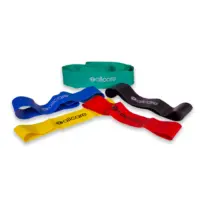
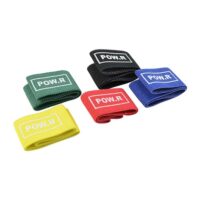
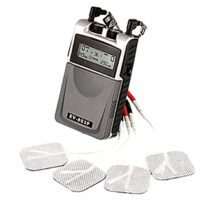
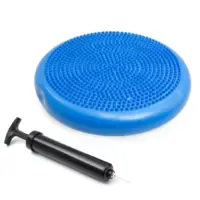
These muscle and soft tissue products are commonly used by our physiotherapists to relax or loosen muscles, improve strength, comfort, flexibility, and home exercise programs.

View all muscle & soft tissue products

Follow PhysioWorks

Get physiotherapy tips, exercise videos, recovery advice and blog updates.

References

  1. Dubois B, Esculier JF. Soft-tissue injuries simply need PEACE and LOVE. Br J Sports Med. 2020;54(2):72-73. doi:10.1136/bjsports-2019-101253
  2. Ardern CL, Glasgow P, Schneiders A, et al. 2016 Consensus statement on return to sport from the First World Congress in Sports Physical Therapy, Bern. Br J Sports Med. 2016;50(14):853-864. doi:10.1136/bjsports-2016-096278
  3. Brison RJ, Day AG, Pelland L, et al. Effect of early supervised physiotherapy on recovery from acute ankle sprain: randomised controlled trial. BMJ. 2016;355:i5650. doi:10.1136/bmj.i5650


Severe Back Pain: Causes, Symptoms and Treatment

Article by John Miller & Erin Runge

Severe back pain can come from a muscle strain, disc injury, joint irritation, nerve compression, fracture, infection, or another medical condition. Most episodes improve with the right advice and early management, but some symptoms need urgent review. If you are not sure where your pain fits, start with our guide to back pain.

From a physiotherapist’s viewpoint, the key questions are simple: what is causing the pain, are there any red flags, and what is the safest next step? Severe back pain can overlap with lower back pain, bulging disc, sciatica, or spinal stenosis, so a good assessment matters.

When should you worry about severe back pain?

You should worry about severe back pain if it comes with new bladder or bowel changes, saddle numbness, worsening leg weakness, fever, unexplained weight loss, major trauma, or severe night pain. These features can suggest a more serious problem and need urgent medical assessment.

  • New loss of bladder or bowel control
  • Numbness around the saddle or groin area
  • Progressive leg weakness or difficulty walking
  • Fever, chills, or feeling unwell
  • Recent significant trauma or suspected fracture
  • History of cancer, infection risk, or unexplained weight loss
Urgent red flag: If severe back pain is paired with new bladder or bowel dysfunction, saddle numbness, or rapidly worsening leg weakness, seek urgent medical care straight away.

What causes severe back pain?

Common causes of severe back pain include muscle or ligament strain, acute pulled back muscle, disc irritation, lumbar facet joint pain, sacroiliac joint irritation, and nerve-related pain such as sciatica. However, severe pain does not always mean severe damage, so symptoms need to be interpreted carefully.

Mechanical back pain often starts after lifting, bending, twisting, sport, prolonged sitting, or a sudden increase in load. In other cases, the pain may build more gradually due to repeated strain, poor recovery, or reduced trunk strength and control.

Less common but important causes

Some cases of severe back pain come from conditions outside the usual muscle-and-joint group. These can include fracture, inflammatory arthritis such as ankylosing spondylitis, spinal infection, kidney stones, abdominal aortic aneurysm, or gynaecological causes. That is why severe symptoms should not be self-diagnosed.

Severe back pain patterns at a glance

Muscle or joint pain

Usually stays in the back or buttock area. Often worse with bending, lifting, twisting, or staying in one position too long.

Disc-related pain

May feel sharp, deep, or catching. Often worsens with sitting, bending, coughing, or repeated flexion.

Nerve-related pain

More likely to spread into the buttock, thigh, calf, or foot and may include pins and needles, numbness, or weakness.

How is severe back pain assessed?

Severe back pain is assessed by asking how it started, where it spreads, what movements change it, and whether any red flags are present. A physiotherapist or doctor will also assess movement, strength, reflexes, sensation, and walking pattern to judge whether the problem is muscular, joint-related, disc-related, or nerve-related.

Most people do not need immediate scans. Imaging is usually reserved for suspected serious pathology, significant neurological loss, or symptoms that are severe and not improving as expected. In the meantime, a thorough clinical assessment usually guides the first stage of management well.

What does your severe back pain pattern suggest?

  • Pain mostly in the back: often points towards a muscle, ligament, or joint source.
  • Pain travelling into the leg: may suggest nerve irritation such as sciatica.
  • Pain with numbness or weakness: needs earlier assessment.
  • Pain with bladder, bowel, or saddle symptoms: seek urgent medical care.

How can physiotherapy help severe back pain?

Physiotherapy may help severe back pain by calming the irritated tissues, improving movement confidence, reducing protective spasm, and guiding a safe return to normal activity. Treatment is based on your symptoms, the likely source of pain, and whether your presentation behaves like a strain, disc irritation, joint pain, or nerve involvement.

Your management plan may include manual physiotherapy techniques, graded activity, deep core muscle rehabilitation, pain management strategies, pacing, and advice on sitting, lifting, sleeping, and work setup. Where appropriate, your physiotherapist may also discuss ergonomic workstation assessment, posture advice, heat, or short-term activity modification.

How much should you move?

In most cases, severe back pain improves better with sensible movement than with complete rest. While you may need to ease off the activities that sharply increase pain, staying gently mobile often helps reduce stiffness, maintain confidence, and support recovery.

  • Keep moving within a tolerable pain range
  • Avoid prolonged bed rest unless specifically advised
  • Use short walks and regular position changes through the day
  • Build activity back up gradually as symptoms settle
  • Use pacing to avoid the boom-and-bust cycle

This approach is often called load management. It means matching your activity level to what your back can currently tolerate, then increasing that load steadily as your symptoms improve.

What should you do if you have severe back pain?

If you have severe back pain, stay as calm and as mobile as you safely can, avoid the obvious aggravating tasks, and get assessed early if the pain is intense, spreading, or not settling. Urgent symptoms such as new numbness in the saddle area, bladder changes, or major weakness need immediate medical review.

  1. Stop or modify the activity that sharply increases your pain.
  2. Use brief walks, position changes, and comfortable movement rather than prolonged bed rest.
  3. Try heat or cold if it gives short-term relief.
  4. Arrange a physiotherapy or medical assessment if the pain is severe, persistent, or travelling into the leg.
  5. Seek urgent care if you notice red-flag symptoms.

Related information

Severe Back Pain FAQs

Is severe back pain always serious?

No. Severe back pain can feel alarming, but many cases come from painful yet manageable problems such as muscle strain, disc irritation, or joint inflammation. The key issue is whether red flags or significant neurological symptoms are present.

Can severe back pain come from a disc injury?

Yes. A disc injury can cause strong local back pain and sometimes leg pain, numbness, or tingling if a nerve becomes irritated. Not every disc injury needs imaging straight away, but progressive neurological symptoms should be assessed promptly.

Should I rest in bed with severe back pain?

Usually no. Short periods of comfort are fine, but prolonged bed rest often slows recovery. Gentle movement, pacing, and early guided activity tend to be more helpful unless a doctor advises otherwise.

When should I go to hospital for severe back pain?

Go to hospital urgently if you develop bladder or bowel changes, saddle numbness, rapidly worsening weakness, fever with severe back pain, or pain after major trauma. These symptoms need urgent medical assessment.

Do I need a scan for severe back pain?

Not always. Many people with severe back pain improve without imaging. Scans are usually most useful when serious pathology is suspected, symptoms are not following the expected pattern, or surgery is being considered.

Can physiotherapy start while the pain is still severe?

Yes, often it can. Early physiotherapy may help you explain the likely pain source, reduce fear, keep moving safely, and begin the right exercises and pacing strategies. However, red-flag symptoms still need urgent medical review first.

What to do next

If your severe back pain is limiting daily activity, radiating into your leg, or not settling as expected, book an assessment. A physiotherapist can help identify the likely pain source, screen for red flags, and guide the safest next step.

Choose your clinic and appointment pathway

Select a PhysioWorks clinic to continue to live booking, an appointment request or reception assistance.

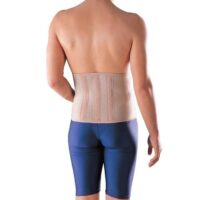
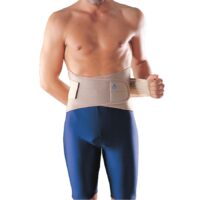
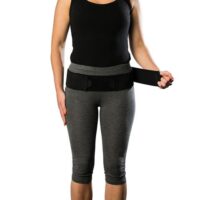
Short-term support options: these back care products may help some people manage symptoms more comfortably during flare-ups, especially when combined with the right advice, pacing, and exercise progression.

Back Support Products

These back support products are commonly used by our physiotherapists to help reduce back pain, improve comfort, and support your recovery at home.

View all back support products

Follow PhysioWorks

Get physiotherapy tips, exercise videos, recovery advice and blog updates.

References

  1. Pirotta M, Traeger AC, McAuley JH, et al. Best practice care for acute low back pain. Aust J Gen Pract. 2024;53(9).
  2. Royal Australian College of General Practitioners. Imaging in adults with acute low back pain. RACGP. 2022.
  3. World Health Organization. Low back pain. WHO. 2023.
  4. Stuart MJ, Ackland HM, Rosenfeld JV. Cauda equina syndrome and severe lumbar sacral radiculopathy. Aust J Gen Pract. 2025;54(7).

Severe Headache Symptoms: When Should You Seek Urgent Help?

Severe headache symptoms need urgent attention when the headache is sudden, unusually severe, clearly different from your normal pattern, or linked with concerning neurological or systemic symptoms.

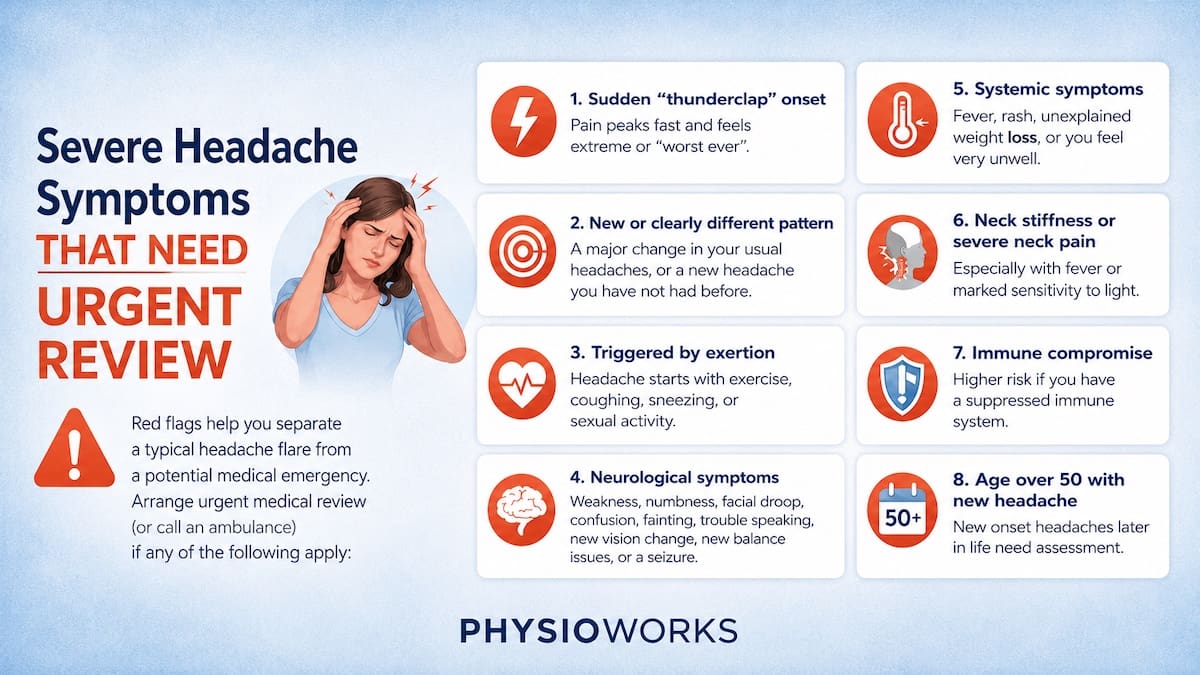
Severe headache symptoms red flag checklist for urgent medical review

Severe headache symptoms checklist showing red, orange and green flags.

Most headaches are not caused by a dangerous medical problem. However, recognising warning signs matters because some headache patterns need medical assessment before physiotherapy or self-management is appropriate.

If your headache is recurring, familiar and medically safe to manage conservatively, factors such as migraine, neck stiffness, jaw tension, sleep disruption and sustained postures may contribute. For a broader overview, see our Headache Physiotherapy guide.

Which severe headache symptoms are warning signs?

Headache warning signs are often described as red flags. They do not diagnose a serious condition by themselves. Instead, they indicate that medical assessment may be needed to exclude a secondary cause of headache.

Red flags: seek urgent medical assessment

  • Sudden or thunderclap onset: the headache reaches severe intensity very quickly or feels like the worst headache you have experienced.
  • New neurological symptoms: weakness, numbness, facial droop, confusion, trouble speaking, fainting, seizure, major vision changes or new significant balance problems.
  • Fever or significant illness: particularly when combined with marked neck stiffness, rash, light sensitivity or feeling very unwell.
  • New or substantially different headache: your headache pattern changes markedly or you develop a type of headache you have not experienced before.
  • Headache after injury: particularly when symptoms worsen after a head or neck injury or occur with drowsiness, confusion, vomiting or neurological symptoms.
  • Headache triggered by exertion: particularly a new headache that begins suddenly with exercise, coughing, sneezing, straining or sexual activity.
  • Progressive deterioration: headaches become increasingly frequent, intense or difficult to manage.
  • Relevant medical risk: a new headache during pregnancy or after childbirth, with immune suppression, cancer history or other significant medical change.
  • New headache later in life: a new or substantially changed headache after age 50 warrants medical assessment.
If dizziness or balance symptoms remain after urgent medical concerns have been assessed, our vertigo and dizziness information may also be useful. For persistent non-urgent neck symptoms, see our neck pain guide.

What do red, orange and green headache flags mean?

The colour system is a simple way to organise the next step. It is not a diagnosis and the categories can overlap.

Red flags

Symptoms that may indicate a serious secondary headache and require urgent or emergency medical assessment.

Orange flags

Changes that are not necessarily an emergency but deserve a prompt medical review rather than simply continuing self-management.

Green flags

Features that can be more consistent with an established primary or recurring headache pattern, provided significant red flags are absent.

Orange flags: arrange a medical review soon

  • Progressively worsening headaches: frequency or intensity is steadily increasing over days or weeks.
  • New persistent daily headache: a new headache becomes continuous or occurs every day.
  • New headaches waking you regularly: particularly when this represents a change from your previous pattern.
  • Repeated exertion-related headaches: headaches repeatedly occur with coughing, straining, lifting or exercise even without thunderclap onset.
  • Unexpected response: your usual headache management is no longer helping as expected.
  • Important medical change: a new headache occurs with pregnancy, the post-partum period, cancer history, immune suppression or increased clotting risk.

Green flags: features of a more stable recurring pattern

Some features can be more reassuring when significant red flags are absent. They include:

  • A familiar pattern: you have experienced similar headaches before without a major change in their character.
  • Recognisable triggers: episodes may follow stress, disrupted sleep, missed meals, dehydration, neck or jaw tension or prolonged screen use.
  • No new neurological symptoms: there is no new weakness, speech difficulty, collapse, seizure or loss of vision.
  • Recovery between episodes: you return to your usual health and function between headache episodes.
  • A predictable response: symptoms behave in a way that is familiar to you and respond to your established management strategy.

Green flags do not guarantee that a headache is harmless. A new, changing, persistent or concerning headache still warrants medical advice.

For Australian patient guidance about headaches and emergency care, see Healthdirect headache advice.

Can severe headaches have different causes?

Yes. Severe headache describes the intensity of pain rather than one specific diagnosis. Some secondary headaches occur because of another medical condition, which is why red flags require appropriate assessment.

Recurring headaches can also occur with primary headache disorders or musculoskeletal contributors. Symptom patterns overlap, so the features below should not be used to diagnose yourself.

Migraine

Migraine can cause moderate to severe recurrent headache and may occur with nausea, sensitivity to light or sound and other neurological symptoms.

Tension-type headache

Tension-type headache commonly produces pressure or tightness and may be associated with stress, fatigue or muscle tension.

Cervicogenic headache

Cervicogenic headache is associated with the neck and may relate to neck pain, stiffness, movement or sustained loading.

Jaw symptoms may also contribute to some headache presentations. Clenching, chewing pain, jaw stiffness or facial tension may warrant assessment for a possible TMJ-related headache.

A medical practitioner should assess a new, unusual or progressively worsening headache before physiotherapy management begins.

When can physiotherapy help recurring headaches?

Physiotherapy may be appropriate when urgent medical causes have been excluded and the headache presentation appears to involve the neck, jaw, movement or musculoskeletal loading.

Headache physiotherapy upper cervical spine assessment for recurring symptoms

Upper cervical spine assessment during physiotherapy for recurring headache symptoms.

A physiotherapist may assess how your headache relates to:

  • Neck movement and joint function, including whether particular movements or sustained positions reproduce your symptoms.
  • Muscle loading and control around the upper neck, shoulders and surrounding regions.
  • Jaw symptoms, including whether clenching, chewing or jaw tension appears to contribute.
  • Work and screen demands, particularly when prolonged positions aggravate neck or headache symptoms. See our text neck guide for related information.
  • Movement and activity tolerance, including how symptoms respond to exercise, work, recreation and daily activity.

Depending on the assessment findings, management may include exercise, movement retraining, pacing, ergonomic changes, education and selected hands-on treatment. Physiotherapy does not replace medical assessment when headache warning signs are present.

Severe headache symptoms FAQs

What are severe headache symptoms?

Severe headache symptoms include intense head pain that may occur alone or with other symptoms. Seek urgent medical help when severe head pain is sudden, new or clearly different from your normal pattern, particularly when it occurs with confusion, weakness, speech difficulty, fainting, seizure, major vision change or other concerning neurological symptoms.

What are red flags for headaches?

Headache red flags include sudden or thunderclap onset, new neurological symptoms, fever with marked neck stiffness, significant pattern change, progressive worsening, headache after injury, relevant immune or cancer history, pregnancy or the post-partum period, and some new exertion-triggered headaches. A red flag indicates that medical assessment may be required to exclude a secondary headache.

Should I call 000 for a severe headache?

Call 000 in Australia for a sudden and severe headache or when a severe headache occurs with concerning symptoms such as confusion, collapse, seizure, weakness, trouble speaking, significant vision change or other rapidly developing neurological symptoms. Healthdirect also advises emergency care for sudden severe headache or headache accompanied by symptoms such as vomiting, confusion, neck stiffness or vision changes.

What are orange flags for headaches?

Orange flags are changes that warrant prompt medical review but may not represent an immediate emergency. Examples include progressively worsening headaches, a new persistent daily headache, repeated exertion-related headaches, a significant change from your usual headache pattern or headaches that no longer respond as expected to your usual management.

When is a recurring headache less likely to be an emergency?

A familiar recurring pattern, recognisable triggers, feeling well between episodes and no new neurological symptoms can be more reassuring. These features do not guarantee that a headache is harmless, so seek medical advice if the headache changes, becomes persistent or causes concern.

Can physiotherapy help headaches?

Physiotherapy may help some recurring headaches when assessment identifies neck, jaw, movement or musculoskeletal contributors. Management may include exercise, movement strategies, pacing, ergonomic advice and selected hands-on treatment. New, unusual or concerning headaches should receive appropriate medical assessment first.

Related headache and neck information

What should you do next?

The safest next step depends on the headache pattern and the symptoms occurring with it.

Emergency symptoms

Call 000 or seek emergency care for a sudden severe headache or a severe headache with concerning neurological or other emergency symptoms.

Concerning change

Arrange a prompt GP or medical review for a new, progressively worsening, persistent or substantially changed headache pattern.

Recurring non-urgent headache

After serious causes have been appropriately excluded, consider physiotherapy when neck, jaw, posture or movement factors appear to contribute.

Choose your clinic and appointment pathway

Select a PhysioWorks clinic to continue to live booking, an appointment request or reception assistance.

Share this guide

Send this information to someone who may find it helpful.

References

  1. Do TP, Remmers A, Schytz HW, et al. Red and orange flags for secondary headaches in clinical practice: SNNOOP10 list. Neurology. 2019;92(3):134-144. doi:10.1212/WNL.0000000000006697.
  2. Wijeratne T, Wijeratne C, Korajkic N, Bird S, Sales C, Riederer F. Secondary headaches - red and green flags and their significance for diagnostics. eNeurologicalSci. 2023;32:100473. doi:10.1016/j.ensci.2023.100473.
  3. Healthdirect Australia. Headaches. Accessed August 11, 2026.

Headache or Migraine Relief: Can Physiotherapy Help?

Headaches and migraines can affect work, sleep, exercise and everyday life. The right treatment depends on the type of headache and the factors contributing to it. Physiotherapy can be particularly useful when neck, jaw, movement or musculoskeletal factors are involved.

Migraine physiotherapy upper cervical spine assessment for headache sensitivity

A physiotherapy assessment can identify whether neck, jaw or movement factors are contributing to headache symptoms.

What Type of Headache Do You Have?

Different headache types can overlap, so symptoms alone do not always confirm the cause. A useful first step is recognising the main pattern and deciding whether medical or physiotherapy assessment is appropriate.

Cervicogenic Headache

A neck-related headache may start around the upper neck or base of the skull and spread towards the temple, forehead or eye. Neck movement or sustained positions may influence symptoms.

Tension-Type Headache

Tension-type headaches are often described as pressure, tightness or a band-like ache. Neck and shoulder tension, stress, sleep and prolonged screen use may occur alongside symptoms.

Migraine

Migraine is a neurological headache disorder. Symptoms may include head pain, nausea and sensitivity to light, sound or movement, with or without aura.

TMJ-Related Headache

Jaw-related headache may occur alongside jaw pain, clicking, clenching, grinding or altered jaw movement. Neck and jaw symptoms can also occur together.

For a broader overview of headache presentations and physiotherapy management, visit our headache physiotherapy guide.

When Should You Seek Medical Help for a Headache?

Most headaches are not caused by serious disease. However, some headache patterns require urgent or prompt medical assessment rather than physiotherapy first.

Medical review is also appropriate when headaches are progressively worsening, have changed significantly from your usual pattern or occur with other unexplained symptoms.

Most headaches do not automatically require imaging. A doctor may recommend investigations such as CT or MRI when your history or examination suggests that further investigation is appropriate.

For more information, see our headache red flags guide and Healthdirect Australia headache advice.

How Can Physiotherapy Help With Headaches?

A physiotherapist first looks for factors that may be contributing to your symptoms rather than assuming that every headache comes from the neck.

Assessment may consider:

  • neck movement and upper cervical joint function
  • neck and shoulder muscle function
  • posture and tolerance to prolonged positions
  • jaw movement, clenching or associated TMJ symptoms
  • work, driving and screen-related loads
  • exercise tolerance and activity patterns
  • dizziness or balance symptoms when relevant

If musculoskeletal factors appear relevant, management may include movement and strengthening exercises, manual therapy, load management, posture or workstation advice, and strategies to improve tolerance to normal activity.

Some people may also use treatments such as dry needling or acupuncture as part of an individual treatment plan when appropriate.

The aim is to address relevant contributors and improve function. Physiotherapy does not replace appropriate medical management of migraine or other primary headache disorders.

Can Physiotherapy Help Migraine?

Physiotherapy does not treat migraine as though it is simply a neck problem. Migraine is a neurological condition and may require management with your GP, specialist or other healthcare providers.

However, some people with migraine also experience neck pain, jaw symptoms, reduced movement, dizziness, screen sensitivity or difficulty returning to exercise. Physiotherapy may help assess and manage these additional factors as part of a broader migraine plan.

If dizziness, visual sensitivity or balance symptoms are prominent, read about vestibular migraine.

What Happens During a Headache Physiotherapy Assessment?

Your physiotherapist will ask about the location, behaviour and history of your headaches. They may also ask about migraine features, neck symptoms, jaw symptoms, dizziness, previous injuries, work demands, sleep, exercise and other possible triggers.

The physical assessment may include neck movement, upper cervical function, muscle control, posture tolerance, jaw movement and functional activities that relate to your symptoms.

The assessment is also used to decide whether physiotherapy appears appropriate or whether medical review should come first.

Why Do Some Headaches Keep Coming Back?

Recurring headaches often involve more than one contributing factor. For example, a person may have migraine alongside neck sensitivity, while another may experience tension-type headache together with prolonged screen use, poor sleep and jaw clenching.

Symptoms can also fluctuate as work demands, stress, exercise, sleep and general health change. For this reason, management often works better when it considers the overall symptom pattern rather than relying on one treatment technique.

Where neck or jaw factors are relevant, gradually improving movement, strength, load tolerance and daily habits may help reduce their contribution to recurring symptoms.

What Can You Do Between Appointments?

Simple strategies may help while you are identifying your headache pattern. Choose approaches that suit your symptoms rather than pushing through a significant flare.

  • Take regular movement breaks during long periods of computer work or sitting.
  • Change positions rather than trying to maintain one “perfect” posture all day.
  • Build exercise gradually if sudden increases in activity aggravate symptoms.
  • Notice whether jaw clenching, grinding or chewing influences symptoms.
  • Keep sleep, meals and hydration reasonably consistent, particularly if migraine is part of your pattern.
  • Record significant headache changes or triggers if this helps your doctor or physiotherapist understand the pattern.

If pillow position appears to affect your neck or headaches, see our guide to choosing a pillow.

What to Do Next

If headaches are recurring, changing or interfering with normal activities, start by making sure any medical warning signs have been assessed.

If your symptoms appear linked with neck movement, stiffness, posture, jaw function or activity, a physiotherapy assessment can help determine whether musculoskeletal factors are contributing and guide an appropriate management plan.

Choose your clinic and appointment pathway

Select a PhysioWorks clinic to continue to live booking, an appointment request or reception assistance.

Neck Products

These neck products are commonly used by our physiotherapists to improve strength, posture, movement, plus assist home exercise programs.

View all neck products

Follow PhysioWorks

Get physiotherapy tips, exercise videos, recovery advice and blog updates.

Headache and Migraine FAQs

Can neck problems cause headaches?

Yes. Some headaches arise from structures in the upper neck. These are called cervicogenic headaches. Neck movement, joint function and sustained positions may influence symptoms, although not every headache or migraine is caused by the neck.

How can I tell if my headache may be coming from my neck?

A neck-related headache may occur with neck pain or stiffness and may change with neck movement or sustained positions. Pain can begin around the upper neck or base of the skull and spread towards the head. An assessment helps distinguish this pattern from migraine and other headache types.

Can physiotherapy help with migraine?

Physiotherapy may help manage neck pain, jaw symptoms, dizziness, movement limitations or exercise factors that occur alongside migraine. Migraine itself is a neurological disorder and may also require medical management.

What treatment may a physiotherapist use for headaches?

Treatment depends on the assessment findings. It may include movement and strengthening exercises, manual therapy, load management, posture or workstation advice, and strategies to improve activity tolerance. Treatment should match the factors that appear relevant to your headache pattern.

When should I seek medical help for a headache?

Seek urgent medical care for a sudden severe headache, new weakness or numbness, difficulty speaking, fainting, confusion, major new vision changes, significant head injury, fever with marked illness, or a major change from your usual headache pattern.

Do I need a scan for recurring headaches?

Not everyone with recurring headaches needs imaging. A doctor may recommend CT, MRI or other investigations when the history or examination suggests that further investigation is appropriate.

References

  1. Ashina M. Migraine. N Engl J Med. 2020;383(19):1866-1876. doi:10.1056/NEJMra1915327.
  2. Bini P, Hohenschurz-Schmidt D, Masullo V, Pitt D, Draper-Rodi J. The effectiveness of manual and exercise therapy on headache intensity and frequency among patients with cervicogenic headache: a systematic review and meta-analysis. Chiropr Man Therap. 2022;30:49.
  3. Jung A, Eschke RC, Struss J, Taucher W, Luedtke K. Physical therapist interventions for the management of cervicogenic headache: a systematic review and meta-analysis. 2023.
  4. Pourahmadi M, Dommerholt J, Fernández-de-Las-Peñas C, et al. Dry needling for the treatment of tension-type, cervicogenic, or migraine headaches: a systematic review and meta-analysis. Phys Ther. 2021;101(5).
  5. Reina-Varona Á, Madroñero-Miguel B, Fierro-Marrero J, Paris-Alemany A, La Touche R. Efficacy of various exercise interventions for migraine treatment: a systematic review and network meta-analysis. Headache. 2024;64(7):873-900. doi:10.1111/head.14696.

What Is the PhysioWorks Acute Sports Injury Clinic?

ACL Lachman test knee assessment by physiotherapist stabilising femur and tibia movement

ACL Lachman test assessing knee stability

The PhysioWorks acute sports injury clinic helps athletes and active people get an early physiotherapy assessment after a new injury. It is designed for recent sports injuries that need quick diagnosis, practical first-week advice, and a clear plan for imaging, support, or follow-up care where needed.

If you have injured yourself during training, at the gym, or over the weekend, early assessment can help you understand the problem and choose the right next step. This service fits within our broader sports injuries and sports injury physiotherapy pathway.

Quick guide

  • Best for a new sports injury that needs early assessment
  • Useful if you are unsure whether you need a scan, brace, boot, or crutches
  • Available through PhysioWorks clinics including Ashgrove, Clayfield, and Sandgate
  • Often a lower-cost entry point than a routine longer consultation

Why use an acute sports injury clinic?

An acute sports injury clinic gives you faster direction when the injury is fresh. Instead of waiting and guessing, you can get an early assessment, advice on what to do this week, and guidance on whether you need further care such as imaging, protected weight-bearing, or referral.

This can be especially helpful after a weekend injury involving swelling, bruising, reduced movement, limping, or difficulty returning to work, training, or sport. Many people also benefit from reading our guides on sports injury management, acute injury treatment, and the HARM protocol.

What happens at an acute sports injury clinic appointment?

Your physiotherapist will assess the injured area, ask how the injury happened, and check your pain, swelling, movement, strength, and function. The aim is to identify the likely injured structure, rule out more serious concerns, and give you a practical first-stage management plan.

Your appointment may include:

  • a prompt working diagnosis and injury explanation
  • advice about loading, movement, compression, support, and recovery priorities
  • guidance on whether you may need X-ray, ultrasound, or MRI referral
  • referral to a GP, Sports Physician, or surgeon if clinically appropriate
  • access to useful supports such as walking boots, braces, or rental crutches when needed
Acute injury crutch walking guidance by physiotherapist during safe partial weight bearing

Crutch walking guidance after acute lower limb injury

Using crutches correctly can help reduce pain and protect injured tissues while you recover. Early guidance can improve safety, confidence, and movement quality in the first few days after injury.

What should you do in the first 48 hours after a sports injury?

The first 48 hours after an acute sports injury are important. A simple early plan can help reduce pain, protect the injured area, and avoid doing too much too soon.

  • Protect the injured area and avoid aggravating movements
  • Modify your activity rather than pushing through pain
  • Use support such as a brace, tape, or crutches if needed
  • Monitor swelling, pain, and your ability to weight-bear

If you are unsure what is safe, an early physiotherapy assessment can give you clear guidance based on your injury.

Why does early assessment matter after a sports injury?

Early assessment matters because the first few days often shape your recovery. A good early plan can reduce confusion, help you avoid doing too much or too little, and give you a clearer path back to normal walking, training, work, or sport.

Healthdirect also notes that sprains, strains, and limb injuries may need structured management, physiotherapy, or medical review depending on severity. You can read their public guidance on sprains and strains and physiotherapy.

Who is this service best suited to?

This service is best suited to people with a recent sports or exercise injury who want early answers and a sensible plan.

It is commonly useful for ankle sprains, knee ligament injuries, muscle strains, calf injuries, shoulder injuries, and other sudden sports-related problems. You may also find these pages useful: sports health, youth sports injuries, and sports injury insurance.

Is this acute injury clinic right for you?

If you have a new injury and are unsure what to do, this service is designed to give you clarity quickly. It is particularly helpful if you are deciding whether you need imaging, a brace, crutches, or follow-up care.

If your goal is to understand your injury early and avoid setbacks, booking an acute injury assessment is often the best first step.

When should you seek urgent medical review instead?

You should seek urgent medical review if you cannot weight-bear, have major deformity, severe swelling, suspected fracture, repeated giving way, large joint locking, head injury symptoms, or other concerning symptoms. In these situations, emergency or same-day medical care may be more appropriate than a routine physiotherapy appointment.

Fee and cover information

The acute sports injury consultation fee is typically lower than a full assessment. Private health cover may reduce your out-of-pocket cost depending on your policy.

What to do next

If you have picked up a new sports injury and are unsure what to do first, book an early physiotherapy assessment. A PhysioWorks clinician can assess the injury, explain the likely diagnosis, and guide your next steps.

knee injury recovery walking in knee brace with physiotherapist observing gait

Walking confidently after knee injury recovery

Early recovery focuses on safe supported walking, building confidence, and progressing activity step by step.

Choose your clinic and appointment pathway

Select a PhysioWorks clinic to continue to live booking, an appointment request or reception assistance.

Follow PhysioWorks

Get physiotherapy tips, exercise videos, recovery advice and blog updates.

References

  1. Racinais S, Dablainville V, Rousse Y, et al. Cryotherapy for treating soft tissue injuries in sport medicine: a critical review. Br J Sports Med. 2024;58(20):1215-1223. doi:10.1136/bjsports-2024-108304
  2. Kotsifaki R, Korakakis V, Whiteley R, et al. Aspetar clinical practice guideline on rehabilitation after anterior cruciate ligament reconstruction. Br J Sports Med. 2023;57(9):500-514.
  3. Healthdirect. Sprains and strains. Accessed April 12, 2026.
  4. Healthdirect. Physiotherapy. Accessed April 12, 2026.

What Is Physiotherapy?

What is physiotherapy physiotherapist assessment and patient education in clinic

What Is Physiotherapy?

Physiotherapy is a healthcare profession that assesses, diagnoses, treats, and helps prevent movement problems, pain, stiffness, and physical dysfunction. A physiotherapist uses hands-on care, movement assessment, education, and exercise-based rehabilitation to help people move better and return to work, sport, and everyday life.

If you are comparing providers, it can also help to learn more about PhysioWorks physiotherapists, our Brisbane clinics, and the conditions commonly managed through musculoskeletal physiotherapy.

Who Is a Physiotherapist?

A physiotherapist is a university-qualified health practitioner trained to assess how your body moves and identify what may be contributing to pain, reduced mobility, weakness, dizziness, jaw dysfunction, headaches, or sports-related problems. In Australia, physiotherapists work across private practice, hospitals, rehabilitation, aged care, community health, and sporting environments.

  • Movement and functional assessment
  • Hands-on treatment where appropriate
  • Exercise prescription and rehabilitation planning
  • Pain and injury education
  • Advice about activity, work, sport, and recovery

What Does a Physiotherapist Do?

A physiotherapist looks at how your symptoms affect movement, strength, flexibility, control, and function. Then they build a treatment plan that matches your diagnosis, goals, and stage of recovery. Depending on the problem, that may include manual therapy, guided exercise, load management, posture advice, balance retraining, or a progressive return-to-sport plan.

Physiotherapists commonly help people with spinal pain, sports injuries, headaches, jaw pain, vestibular and dizziness problems, plus women’s health and men’s health presentations.

How Can Physiotherapy Help?

Physiotherapy may help reduce pain, restore movement, improve strength, and increase confidence with everyday activity. Many people also use physiotherapy to improve performance, manage recurring flare-ups, recover after surgery, or reduce the risk of future injury.

A physiotherapist may recommend a combination of education, movement retraining, mobility work, strengthening, balance work, and gradual return to activity. The exact mix depends on your symptoms, assessment findings, medical history, and goals.

What Happens at a Physiotherapy Appointment?

Your first appointment usually includes a discussion about your symptoms, a movement assessment, and a clear explanation of what may be contributing to the problem. After that, your physiotherapist may begin treatment and explain the next steps of your rehabilitation plan.

You may also receive advice about pacing, exercise, posture, work setup, training loads, or home management strategies. For a broader public-health overview of the profession, Healthdirect also explains physiotherapy and how it may help a wide range of conditions.

Do You Need a Referral to See a Physiotherapist?

In many cases, no referral is needed to see a physiotherapist in private practice. However, some funding pathways, compensable claims, team-care arrangements, or specialist programs may have different requirements. If you are unsure, your nearest clinic can explain the most suitable booking pathway.

Are Physiotherapists Registered in Australia?

Yes. In Australia, physiotherapists must be registered to practise. Registration helps ensure practitioners meet professional standards and ongoing requirements. You can also check practitioner registration information through the Physiotherapy Board of Australia.

Frequently Asked Questions

Is physiotherapy only for sports injuries?

No. Physiotherapy helps much more than sports injuries. It is commonly used for back pain, neck pain, joint injuries, post-operative rehabilitation, dizziness, headaches, jaw problems, arthritis, balance issues, and activity-related pain.

Can physiotherapy help without surgery?

Many people find physiotherapy helpful as part of non-surgical management. A physiotherapist may guide exercise, movement retraining, load modification, and self-management strategies to help improve function and reduce symptoms.

What should I wear to physiotherapy?

Wear comfortable clothing that allows movement and easy access to the body region being assessed. For example, shorts may help for knee or hip problems, while a singlet or loose shirt may help for shoulder assessment.

How many physiotherapy sessions will I need?

That depends on your diagnosis, how long the problem has been present, your goals, and how your body responds to treatment. Some people need only short-term guidance, while others benefit from a staged rehabilitation plan over several weeks.

What to Do Next

If pain, stiffness, weakness, dizziness, or reduced function is affecting your work, sport, or daily routine, a physiotherapy assessment may help clarify what is happening and what treatment options are most appropriate.

PhysioWorks can help guide you towards the right clinician and clinic for your needs. Booking early can also help you start a clear rehabilitation plan sooner.

Choose your clinic and appointment pathway

Select a PhysioWorks clinic to continue to live booking, an appointment request or reception assistance.

Follow PhysioWorks

Get physiotherapy tips, exercise videos, recovery advice and blog updates.

References

  1. Healthdirect. Physiotherapy. Healthdirect Australia. Accessed March 12, 2026.
  2. Physiotherapy Board of Australia. Registration. Accessed March 12, 2026.
  3. Fischer M, Bui E, Besombes L, et al. Systematic review of direct access physiotherapy for musculoskeletal conditions in primary care: consequences for general practitioner workload, resource use, and organisation of care. BMC Prim Care. 2026;27(1):75. doi:10.1186/s12875-026-03186-9
  4. Champoux M, Hudon C, Déry V, et al. Roles of physiotherapists in primary care teams: a scoping review. BMC Prim Care. 2025;26(1):56. doi:10.1186/s12875-025-02725-8

What Is Sports Physiotherapy?

Sports physiotherapy focuses on assessing, treating, rehabilitating, and helping prevent injuries linked to sport and exercise. It supports athletes and active people through injury recovery, load management, return-to-sport planning, and performance-focused rehabilitation. If you want broader context, start with our sports injuries hub or explore our sports physiotherapy Brisbane service page.

Sports physiotherapy is a type of physiotherapy that treats and helps prevent injuries related to sport and exercise, while guiding people back to training and competition safely.

At PhysioWorks, sports physiotherapy is not just for elite athletes. It may help juniors, weekend warriors, gym-based exercisers, runners, and team sport players who need a plan that matches the physical demands of their sport, training, and recovery.

Sports Physiotherapy at a Glance

  • Assesses sport-specific movement, strength, and training load
  • Helps manage acute injuries and overuse conditions
  • Supports safe and confident return to sport
  • Builds performance, resilience, and injury prevention strategies

What is sports physiotherapy?

Sports physiotherapy is a branch of physiotherapy that focuses on injuries, movement demands, and rehabilitation linked to training, exercise, and sport. It combines clinical assessment with sport-specific rehab so people can recover well, rebuild capacity, and return to activity with more confidence.

Sports injuries often differ from everyday aches because sport places repeated and sometimes high-level loads on muscles, tendons, ligaments, joints, and bones. That is why sports physiotherapy usually looks beyond pain alone and considers factors such as sprinting, jumping, cutting, kicking, throwing, contact, fatigue, and workload spikes.


How is sports physiotherapy different from general physiotherapy?

Sports physiotherapy usually places more emphasis on training load, performance demands, return-to-sport testing, and injury prevention. General physiotherapy may still treat sports injuries well, but sports physiotherapy is more likely to build rehab around the specific movements and goals of your activity.

For example, a runner may need a plan based on mileage progression and running mechanics, while a footballer may need change-of-direction drills, kicking tolerance, and match-readiness testing. If your injury needs fast early assessment, our Acute Sports Injury Clinic may also help.


Who may benefit from sports physiotherapy?

Sports physiotherapy may help anyone whose pain or injury relates to exercise, training, competition, or repeated physical loading. That includes school athletes, recreational exercisers, masters athletes, gym members, and people returning to sport after time away.

  • Field and court sport athletes
  • Runners and endurance athletes
  • Gym and CrossFit participants
  • Racquet sport players
  • Dancers and active teenagers
  • Adults returning to exercise

If you are managing youth-related issues, you may also find our kids sports injuries guide useful.


What does a sports physiotherapist assess?

A sports physiotherapist assesses the injured area, but also looks at why the problem developed and what demands your sport places on you. That wider view helps shape a plan that is safer, more practical, and more specific to your goals.

Your assessment may include strength, flexibility, joint movement, balance, control, running or landing mechanics, training history, previous injury, and return-to-play goals. For some athletes, sports physiotherapy also overlaps with broader sports health topics such as concussion, heat illness, recovery, and load planning.


What injuries can sports physiotherapy help treat?

Sports physiotherapy may help with many acute and overuse injuries. Common examples include muscle strains, tendon pain, ligament sprains, joint injuries, and recurring overload problems linked to poor load progression or incomplete rehabilitation.

Common examples include knee sports injuries, hamstring strains, calf tears, ankle sprains, shoulder pain in throwing sports, tendon pain, and return-to-sport rehabilitation after surgery. Many people also combine physiotherapy with sports massage or sports recovery massage when appropriate.


When should you see a sports physiotherapist?

You should consider sports physiotherapy when pain is affecting training, movement quality, confidence, or performance. Early assessment often helps clarify the problem, reduce guesswork, and stop a minor issue from becoming a longer interruption.

When to act: Book a sports physiotherapy assessment if your pain is not improving, keeps returning, or is affecting your training, movement, or confidence.

It is especially sensible to book if your symptoms are not settling, keep returning, or involve swelling, weakness, instability, locking, sharp pain, or reduced sporting confidence. If you are trying to judge readiness after an injury, our Return to Sport Testing guide is a useful next read.


Can sports physiotherapy help prevent injuries?

Yes. Sports physiotherapy may help reduce injury risk by identifying weaknesses, movement issues, training errors, and recovery patterns that increase stress on the body. Prevention usually works best when it is practical, sport-specific, and built into your normal training routine.

This may include strength work, landing control, sprint preparation, mobility, warm-up planning, or load progression advice. For a simple public overview of how physiotherapy supports movement and recovery, Healthdirect also provides general information about physiotherapy.


Common Questions About Sports Physiotherapy

Do I need to be an elite athlete to have sports physiotherapy?

No. Sports physiotherapy suits anyone whose pain or injury is linked to exercise or sport. Many patients are recreational runners, gym users, or team sport players who simply want to recover well and return to activity safely.

Does sports physiotherapy only focus on injuries?

No. It also looks at prevention, training load, movement quality, and return-to-sport readiness. In many cases, the aim is not just to settle pain but to reduce recurrence and improve confidence in training or competition.

Can sports physiotherapy help after surgery?

Yes. Sports physiotherapy is commonly used after ACL reconstruction, shoulder surgery, ankle stabilisation, and other procedures that need progressive rehabilitation. Rehab is usually guided by healing, strength, function, and sport demands rather than time alone.

How long does sports physiotherapy take to work?

That depends on the diagnosis, tissue healing, load demands, and how early treatment starts. Some minor injuries improve within weeks, while tendon, bone, ligament, or post-operative rehabilitation may take much longer and need staged progression.

Can sports physiotherapy help with sports insurance claims?

It can often help by documenting your injury, assessment findings, treatment plan, and functional progress. If your injury happened during registered sport, you may also need to review your policy and claim process through our sports injury insurance page.


Related sports physiotherapy articles

What to Do Next

If your injury is affecting your training or performance, a sports physiotherapist can assess the issue and guide your recovery. Early advice often helps reduce downtime and improve your return to sport.

Next step: Book an appointment and bring details about your sport, training load, and symptoms so your plan can match your goals.

Choose your clinic and appointment pathway

Select a PhysioWorks clinic to continue to live booking, an appointment request or reception assistance.

Follow PhysioWorks

Get physiotherapy tips, exercise videos, recovery advice and blog updates.

References

  1. Cronström A, Tengman E, Häger CK. Risk factors for graft rupture following anterior cruciate ligament reconstruction and return to sport: a systematic review and meta-analysis. Br J Sports Med. 2022;56(8):418-429. doi:10.1136/bjsports-2021-104658
  2. Paster E, Sayeg A, Armistead S, Feldman MD. Rehabilitation Using a Systematic and Holistic Approach for the Injured Athlete Returning to Sport. Arthrosc Sports Med Rehabil. 2022;4(1):e141-e149. doi:10.1016/j.asmr.2021.10.021
  3. Yung PSH, Bittencourt NFN, Wang HK, et al. Characteristics of complex systems in sports injury rehabilitation: examples and implications for practice. Sports Med Open. 2022;8(1):21. doi:10.1186/s40798-022-00433-8

What Is Musculoskeletal Physiotherapy?

musculoskeletal physiotherapy upper back and shoulder assessment in clinic

Upper back and shoulder movement assessment.

Musculoskeletal physiotherapy helps assess and manage problems that affect muscles, joints, tendons, ligaments, bones and nerves. People often book when pain, stiffness, weakness or reduced movement affects work, sport, sleep or daily activity.

This FAQ explains what it means, what it may help with, and what usually happens during an assessment. For the full service pathway, visit our musculoskeletal physiotherapy service page.

Quick answer: Musculoskeletal physiotherapy uses clinical assessment, movement testing, education, exercise, manual therapy where suitable, and load planning to help people manage pain and improve function.

It commonly supports people with lower back pain, neck pain, joint injuries, tendon pain, muscle strains and recurring movement-related symptoms.

What Does Musculoskeletal Physiotherapy Mean?

Musculoskeletal physiotherapy focuses on how your muscles, joints and nervous system work together. Your physiotherapist asks about your symptoms, checks how you move, and looks for factors that may be driving pain or reduced function.

This can include your work tasks, training load, lifting habits, posture, strength, mobility, sleep, stress and previous injuries. The aim is to build a practical plan that matches your goals rather than treating a scan result or diagnosis in isolation.

What Conditions Can It Help With?

People may book musculoskeletal physiotherapy for a wide range of pain and movement problems. Common examples include:

  • Lower back pain, spinal stiffness and recurring back flare-ups
  • Neck pain, headache-related neck problems and posture-related symptoms
  • Shoulder pain, rotator cuff pain and arm pain
  • Knee pain, hip pain, ankle pain and foot pain
  • Tendon pain, including Achilles, patellar and rotator cuff tendinopathy
  • Muscle strains, sprains and soft-tissue injuries
  • Reduced strength, flexibility, balance, confidence or activity tolerance

Common Reasons People Book

  • Pain keeps returning after activity.
  • Movement feels stiff, weak or guarded.
  • Work, training or sport loads have increased.
  • An injury has not settled as expected.
  • They want a clear rehab plan and safer progression.

What Happens During an Assessment?

Your first session usually starts with a discussion about your symptoms, goals, health history and activity demands. Your physiotherapist then checks relevant movements, strength, joint control and functional tasks.

The assessment may include tests for balance, walking, lifting, squatting, reaching, running or sport-specific tasks. Your physiotherapist may also screen for signs that need medical review.

Assessment Step What It Helps Clarify
History and symptom pattern What may be contributing and what needs care first
Movement testing Which movements are limited, painful or poorly controlled
Strength and function checks How symptoms affect daily activity, work or sport
Plan discussion What to do next, how to progress and when to review

How Can Musculoskeletal Physiotherapy Help?

Management depends on your presentation. A physiotherapist may recommend education, exercise, manual therapy, taping, load changes, pacing, graded activity or a return-to-sport plan.

musculoskeletal physiotherapy lunge rehabilitation with guided movement control

Guided lunge rehabilitation during musculoskeletal physiotherapy.

For many people, the most useful part is learning what to change first. That may mean calming a flare-up, restoring movement, rebuilding strength, improving confidence or planning a safe return to work, gym or sport.

  • Reduce fear and confusion around pain.
  • Improve strength, control and movement tolerance.
  • Support recovery after injury or surgery.
  • Guide safe return to activity, work or sport.
  • Help reduce recurrence risk through better load planning.

Physio, Sports Physio or Exercise Physiology?

Musculoskeletal physiotherapy often suits new pain, injury assessment, movement restriction and early rehab planning.

Sports physiotherapy may suit sport-specific injury, performance demands and return-to-play planning.

Exercise physiology may suit longer-term strength, conditioning, chronic disease exercise and supervised gym-based progression.

How Many Sessions Do People Usually Need?

Session numbers vary. A simple recent strain may need only a short plan and review. Long-standing pain, post-operative rehab, tendon pain or sport-specific goals may need staged care over a longer period.

Your physiotherapist should explain your likely pathway, review progress, and adjust the plan as your symptoms and function change.

When Should You Book an Assessment?

Consider booking if pain, stiffness or weakness is limiting daily life, work, exercise or sport. It is also sensible to book if symptoms keep returning, feel worse with load, or are not improving as expected.

Seek Urgent Medical Advice If Needed

Some symptoms need urgent medical care rather than routine physiotherapy. Seek urgent help if you have severe trauma, unexplained major weakness, loss of bladder or bowel control, chest pain, fever with severe pain, or symptoms that feel medically concerning.

Your physiotherapist can also help identify when referral or further medical review may be appropriate.

Related PhysioWorks Information

These pages may help you choose the right pathway:

Musculoskeletal Physiotherapy FAQs

What is musculoskeletal physiotherapy?

Musculoskeletal physiotherapy assesses and manages pain, stiffness, weakness and movement problems linked to muscles, joints, tendons, ligaments, bones and nerves. It usually includes a clinical assessment, education and a plan that may use exercise, manual therapy, activity changes and load progression.

What does a musculoskeletal physiotherapist treat?

A musculoskeletal physiotherapist may help with back pain, neck pain, shoulder pain, knee pain, tendon pain, muscle strains, sprains, joint stiffness, post-operative rehab and recurring activity-related symptoms. The plan depends on your symptoms, goals and assessment findings.

Is musculoskeletal physiotherapy different from general physiotherapy?

Yes, it is a focused area within physiotherapy. Musculoskeletal care focuses on movement-related problems affecting muscles, joints and nerves. General physiotherapy can also include areas such as neurological, cardiorespiratory, vestibular, women’s health and aged-care rehabilitation.

Do I need a referral?

Many people can book physiotherapy without a GP referral. A referral may be needed for Medicare care plans, DVA, WorkCover, CTP or some insurer-funded care. Contact your preferred clinic if you are unsure which pathway applies.

Will I need exercises?

Many management plans include exercises because strength, mobility, balance and load tolerance often affect recovery. Your physiotherapist should choose exercises that suit your stage, symptoms and goals rather than giving a generic program.

When should I see a physiotherapist?

Consider booking if symptoms limit daily activity, work, sleep, exercise or sport. You may also benefit from an assessment if pain keeps returning, recovery has stalled, or you are unsure how to progress safely.

musculoskeletal physiotherapy walking rehabilitation with guided clinic support

Walking confidence after guided physiotherapy care.

What To Do Next

If pain, stiffness or movement restriction is affecting your life, a musculoskeletal physiotherapy assessment can help clarify the likely drivers and guide your next steps.

You can book online 24/7 or choose your nearest PhysioWorks clinic below.

Choose your clinic and appointment pathway

Select a PhysioWorks clinic to continue to live booking, an appointment request or reception assistance.

Muscle & Soft Tissue Products

These muscle and soft tissue products are commonly used by our physiotherapists to relax or loosen muscles, improve strength, comfort, flexibility, and home exercise programs.

View all muscle & soft tissue products

Follow PhysioWorks

Get physiotherapy tips, exercise videos, recovery advice and blog updates.

References

  1. Lin I, Wiles LK, Waller R, Goucke R, Nagree Y, Gibberd M, et al. What does best practice care for musculoskeletal pain look like? Eleven consistent recommendations from high-quality clinical practice guidelines: systematic review. Br J Sports Med. 2020;54(2):79-86. doi:10.1136/bjsports-2018-099878
  2. De la Corte-Rodriguez H, Roman-Belmonte JM, Resino-Luis C, Madrid-Gonzalez J, Rodriguez-Merchan EC. The Role of Physical Exercise in Chronic Musculoskeletal Pain: Best Medicine—A Narrative Review. Healthcare (Basel). 2024;12(2):242. doi:10.3390/healthcare12020242
  3. Silvernail JL, Deyle GD, Jensen GM, et al. Orthopaedic Manual Physical Therapy: A Modern Definition and Description. Phys Ther. 2024;104(6):pzae036. doi:10.1093/ptj/pzae036
  4. World Physiotherapy. What is physiotherapy? Accessed June 28, 2026.

What Is Tendinopathy and How Is It Treated?

Article by John Miller & Erin Runge
Tendinopathy Achilles heel raise load test assessing tendon tolerance

Assessing tendon pain and load tolerance.

Tendinopathy means tendon pain linked with reduced load tolerance. It can develop when a tendon is asked to do more than it can adapt to or recover from.

This can cause local tendon pain, stiffness, and reduced tolerance for exercise, work, or sport. A common example is Achilles tendinopathy. Tendon problems can also affect the shoulder, elbow, hip, knee, ankle, and wrist.

Quick answer: Tendinopathy is a sore, stiff, or weak tendon that has lost some ability to handle load. Care often includes education, activity changes, and graded strengthening.

Symptoms often build over time. Pain may start during running, jumping, lifting, gripping, walking, or daily tasks. Stiffness or soreness may then appear later that day or the next morning.

The term tendinitis is still common. However, many tendon pain problems are not mainly driven by inflammation. Modern care usually focuses on improving tendon load capacity. This may include eccentric strengthening exercises and other graded loading plans.

For a deeper guide, visit Tendinopathy: Causes, Symptoms, Treatment & Rehabilitation.

How Does Tendinopathy Develop?

Tendinopathy develops when tendon load rises faster than the tendon can adapt. This can happen after a training spike, a new work task, a return to sport, or a change in technique.

Tendons connect muscle to bone. They also store and release energy during movement. When load and recovery are out of balance, the tendon may become painful and less tolerant.

Common Tendinopathy Triggers

  • Sudden increases in training volume or intensity
  • More speed, hills, jumping, gripping, or lifting
  • New shoes, surfaces, tools, equipment, or technique
  • Repeated work tasks with limited recovery
  • Returning to activity after time off
  • Strength, balance, or movement-control changes

This pattern is often seen in conditions such as patellar tendinopathy, rotator cuff tendinopathy, and gluteal tendinopathy.

Why Does Rest Alone Often Fail?

Rest may calm pain for a short time, but it does not rebuild tendon strength. Many people feel better, return to normal load, and flare again because the tendon has not regained capacity.

A better plan usually reduces the painful load first. It then rebuilds strength in steps.

What Are the Common Signs of Tendinopathy?

Tendinopathy often causes local pain near a tendon. It may feel stiff at first, then easier once you warm up. Pain can return later if the tendon has been overloaded.

  • Local pain near a tendon or tendon attachment
  • Morning stiffness or start-up pain
  • Pain that eases with warm-up, then returns later
  • Reduced strength, spring, power, or grip
  • Tenderness when pressing the tendon
  • Symptoms that flare after a load spike

Swelling, heat, or redness can occur, but these signs are not always present. Sudden severe pain, bruising, a snap, or major weakness needs prompt review.

How Is Tendinopathy Assessed?

A physiotherapist assesses tendinopathy by checking your symptoms, activity load, tendon strength, movement, and goals. The aim is to match the tendon problem to the task that triggers it.

Your assessment may include strength tests, functional tests, movement checks, and tender-point testing. It may also look at nearby joints, muscles, footwear, work demands, or sport load.

Ultrasound or MRI may help in persistent or complex cases. Still, scan findings need to match your pain and function. Some tendon changes appear on scans without causing symptoms.

Tendinopathy patellar tendon loading exercise with physiotherapist guidance

Building tendon load tolerance.

How Is Tendinopathy Treated?

Tendinopathy treatment aims to rebuild the tendon’s ability to handle load. Complete rest may settle symptoms briefly, but it often does not restore tendon capacity.

A physiotherapy plan may include:

  • Changing painful activities without stopping all movement
  • Progressive strengthening for the affected tendon
  • Pain-monitoring advice to guide safe loading
  • Movement, technique, footwear, or equipment changes where useful
  • Return-to-sport, running, or work-load planning

Some people also need help with linked tendon problems, such as common tendon injuries, tennis elbow, or Achilles tendon pain.

Should You Rest or Keep Exercising?

Most tendon pain needs smart load changes, not complete rest. The aim is to reduce loads that flare symptoms while keeping enough safe exercise to rebuild capacity.

  • If pain is mild and settles quickly: modify and monitor activity.
  • If pain worsens during or after activity: reduce load and review your plan.
  • If strength drops suddenly: seek assessment promptly.

How Long Does Tendinopathy Take to Improve?

Recovery time varies. Early tendon pain may improve within weeks when load is adjusted early. Longer-standing tendinopathy may take several months.

Your timeline depends on the tendon involved, how long symptoms have been present, your strength, and your work or sport demands. A runner, lifter, tradie, and office worker may all need different load plans.

Tendinopathy tendonitis tendinosis and tenosynovitis terminology comparison diagram

Tendon terms can describe different tissue changes.

What Is the Difference Between Tendinopathy, Tendinitis, and Tendinosis?

Tendinopathy is the broad term for tendon pain and reduced load tolerance. Tendinitis suggests inflammation. Tendinosis refers to longer-term tendon tissue change.

These words often get mixed in reports and conversations. For most people, the key question is not the label alone. The key question is how the tendon behaves when it is loaded.

When Should Tendon Pain Be Checked?

Book an assessment if tendon pain keeps returning, limits work or sport, causes morning stiffness, or reduces strength. Also seek care if symptoms are hard to explain or keep spreading.

Seek prompt medical review after sudden severe pain, a snap, rapid swelling, bruising, major weakness, fever, or unexplained redness and heat.

Related Tendon Guides

These pages help you move from a general tendon answer to a more specific pathway.

Frequently Asked Questions

Is tendinopathy the same as tendinitis?

No. Tendinitis means tendon inflammation. Tendinopathy is broader. It describes tendon pain, stiffness, reduced strength, and lower load tolerance.

Can tendinopathy improve without surgery?

Yes. Many people improve with education, load changes, and progressive strengthening. Surgery is usually considered only after suitable conservative care has not helped enough.

How long does tendinopathy take to improve?

Recovery varies. Early tendon pain may improve within weeks. Longer-standing tendinopathy may take several months, especially when sport, lifting, running, or work demands need to rebuild.

Should you exercise with tendinopathy?

In most cases, yes, but exercise needs to be adjusted. A physiotherapist can help set a loading level that challenges the tendon without repeated flare-ups.

Does an ultrasound or MRI always show the cause of tendon pain?

No. Scans may show tendon changes that are not painful. They may also miss how the tendon responds to load. Clinical assessment and function still matter.

When should tendon pain be assessed?

Book an assessment if tendon pain keeps returning, affects work or sport, causes morning stiffness, or reduces strength. Sudden severe pain or major weakness needs prompt review.

Tendinopathy Achilles hopping progression for return to activity

Progressing tendon strength and spring.

What To Do Next

If tendon pain keeps returning, limits activity, or feels hard to manage, get it assessed. Early guidance may reduce flare-ups and help you choose the right loading level.

For more detail, see Tendinopathy: Causes, Symptoms, Treatment & Rehabilitation.

Choose your clinic and appointment pathway

Select a PhysioWorks clinic to continue to live booking, an appointment request or reception assistance.

Follow PhysioWorks

Get physiotherapy tips, exercise videos, recovery advice and blog updates.

References

These references support the tendon overload, loading, imaging, and rehabilitation principles discussed in this FAQ.

  1. Millar NL, Silbernagel KG, Thorborg K, et al. Tendinopathy. Nat Rev Dis Primers. 2021;7(1):1. doi:10.1038/s41572-020-00234-1
  2. Chimenti RL, Neville C, Houck J, Cuddeford T, Carreira D, Martin RL. Achilles pain, stiffness, and muscle power deficits: midportion Achilles tendinopathy revision 2024. J Orthop Sports Phys Ther. 2024;54(12):CPG1-CPG32. doi:10.2519/jospt.2024.0302
  3. Cooper K, Alexander L, Brandie D, et al. Exercise therapy for tendinopathy: a mixed-methods evidence synthesis. BMJ Open Sport Exerc Med. 2023.
  4. Hijlkema A, Roozenboom C, Mensink M, Zwerver J. The impact of nutrition on tendon health and tendinopathy: a systematic review. J Int Soc Sports Nutr. 2022;19(1):474-504. doi:10.1080/15502783.2022.2104130
You've just added this product to the cart: