Back Injuries: Causes, Treatment & When to Seek Help

Back Injuries: A Physiotherapist's Guide

Article by John Miller & Erin Runge

Back injuries can affect muscles, discs, joints, ligaments, nerves, or bone. Many improve with the right advice, sensible activity, and a tailored physiotherapy plan. Early assessment can help you identify the likely cause, reduce aggravation, and return to normal activity safely.

This guide explains common back injuries, how they are assessed, when to seek help, and how physiotherapy may assist recovery. It also links to detailed pages on pulled back muscle pain, bulging discs, lumbar facet joint pain, sciatica, and other lower back pain causes.

Common Back Injury Types

  • muscle strain
  • facet or ligament sprain
  • bulging disc
  • sciatica
  • bone stress or fracture
  • posture-related overload

Clinical note: This page follows current physiotherapy and low back pain guideline principles, with treatment guided by your symptoms, goals, and activity level.

Common signs your back injury may need assessment include:

  • pain after lifting, twisting, sport, or a fall
  • pain spreading into the buttock or leg
  • numbness, pins and needles, or weakness
  • pain that is not settling after a few days
  • difficulty standing upright, walking, or sleeping comfortably

What are back injuries?

Back injuries are problems affecting the muscles, joints, ligaments, discs, nerves, or bones of the spine. They often cause pain, stiffness, spasm, reduced movement, or pain into the buttock or leg. Some are short-lived overload injuries, while others involve nerve irritation, joint irritation, or bone stress.

What commonly causes back injuries?

Back injuries often happen when spinal tissues are loaded faster than they can adapt. Common triggers include awkward lifting, sudden twisting, repetitive bending, prolonged sitting, reduced strength, poor sleep, work demands, sport, falls, and age-related tissue changes. Some people also develop symptoms during a flare-up of a related condition such as sciatica or spinal stenosis.

How can you tell which back injury you may have?

The location of pain, the movements that aggravate it, and whether you have nerve symptoms help guide assessment. A physiotherapist uses your history, movement testing, strength, and nerve assessment to work out the most likely pain source and decide whether you need rehabilitation, imaging, or medical review.

Back muscle strains

A back muscle strain often causes local pain, tightness, and spasm after lifting, twisting, sprinting, or sudden loading. Symptoms usually stay in the back rather than travelling below the knee. Learn more about pulled back muscle pain.

Ligament and facet joint sprains

Back ligament sprains and lumbar facet joint pain commonly cause sharp or aching pain with bending backwards, twisting, standing upright, or rising from sitting. Pain is often localised to one side of the lower back and may refer into the buttock.

Bulging discs

Bulging discs can irritate nearby nerves and may cause back pain with leg pain, numbness, pins and needles, or weakness. Sitting, repeated bending, coughing, or prolonged flexion may aggravate symptoms for some people.

Bone injuries and osteoporosis-related problems

Bone-related back injuries include stress injuries, compression fractures, and trauma-related fractures. Risk rises with falls, contact trauma, and low bone density such as osteoporosis. This type of pain may feel more severe, more constant, or harder to settle than a simple soft tissue strain.

Poor posture and repeated loading

Poor posture is rarely the only cause of pain, but repeated sustained positions can overload sensitive tissues. For some people, improving workstation setup, movement variety, lifting technique, and posture exercises helps reduce repeated strain.

How can physiotherapy help back injuries?

Physiotherapy for back injuries usually combines pain relief strategies, movement advice, gradual exercise, and load progression. Treatment may include hands-on therapy, mobility work, strength training, nerve mobility, return-to-work advice, and pacing so you can recover without doing too much too soon.

Treatment is tailored to your goals and activity level, and progress is reviewed as your symptoms change. For many people, good care starts with clear advice, sensible activity, and a staged rehabilitation plan rather than prolonged rest or immediate scanning.

Why does load management matter in back injury recovery?

Many back injuries improve when activity is adjusted rather than stopped completely. Load management means temporarily reducing aggravating tasks, then rebuilding tolerance with the right exercise, walking, work modifications, and sport progression. This often helps reduce flare-ups while still keeping you moving.

Common Back Injury Patterns

Muscle strain Local pain, tightness, spasm after lifting or sudden effort
Facet or ligament sprain Pain with twisting, arching backwards, standing upright
Disc injury Back pain with leg pain, pins and needles, or numbness
Bone injury Deeper constant pain, trauma history, or osteoporosis risk

When should you seek help for back injuries?

You should seek help for back injuries if pain is severe, worsening, spreading into the leg, or stopping normal daily tasks. Assessment is also sensible if symptoms follow major trauma, keep recurring, or are not improving with a few days of sensible activity modification.

Seek urgent medical attention if you notice:

  • new bladder or bowel changes
  • numbness around the groin or saddle area
  • rapidly worsening leg weakness
  • severe pain after major trauma
  • fever, unexplained weight loss, or feeling unwell with back pain

Back injury FAQs

Do all back injuries need a scan?

No. Many back injuries do not need immediate imaging. Scans are usually more useful when symptoms are severe, worsening, persistent, linked to major trauma, or associated with clear neurological loss or other red flags. Routine early imaging for uncomplicated low back pain is often discouraged.

How long do back injuries take to recover?

Recovery depends on the tissue involved, your general health, the severity of symptoms, and whether nerve irritation is present. Mild muscle or joint injuries may settle within days to weeks, while disc or nerve-related symptoms can take longer and often improve more gradually.

Should you rest or keep moving with a back injury?

Complete rest is usually not ideal for most back injuries. Short-term activity modification is often helpful, but gentle movement, walking, and a graded return to normal activity usually support recovery better than prolonged bed rest.

Can physiotherapy help a bulging disc?

Yes. Physiotherapy may help many people with a bulging disc by guiding pain relief, movement testing, nerve symptom management, strength, and careful progression back to normal activity. Referral is considered if symptoms are severe, worsening, or not responding as expected.

What is the best exercise for back injuries?

There is no single best exercise for every back injury. The right exercise depends on whether the main issue is muscle strain, joint irritation, disc-related pain, stiffness, nerve irritation, or poor tolerance to load. Good programs are tailored and progressed to suit your symptoms and goals.

When should back pain be checked urgently?

Urgent review is recommended if back pain comes with bladder or bowel changes, saddle numbness, rapidly worsening weakness, major trauma, fever, or unexplained weight loss. These features are less common, but they need prompt medical assessment.

What to do now:

  • keep moving within comfortable limits rather than stopping completely
  • avoid repeated activities that clearly flare your pain
  • book an assessment if symptoms are recurring, spreading, or not settling

Recovery usually works best when you:

  • stay active within your limits
  • build strength gradually
  • pace work and sport loads
  • get the right diagnosis early
  • follow a structured rehabilitation plan

What to do next

If your back injury is not improving, keeps recurring, or is affecting work, sport, sleep, or daily function, book a physiotherapy assessment. A clear diagnosis and staged plan can help you settle symptoms, rebuild confidence, and return to normal activity sooner.

PhysioWorks can assess your movement, identify the most likely pain source, and guide treatment for muscle, disc, joint, nerve, posture, and bone-related back problems.

Book your appointment – 24/7

Choose your preferred PhysioWorks clinic and book online.

Back Support Products

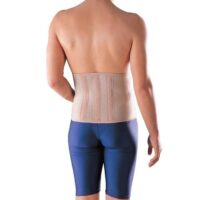
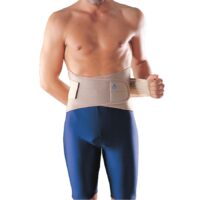
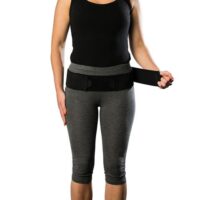
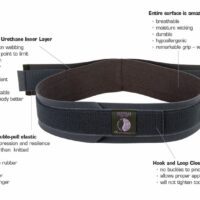
These back support products are commonly used by our physiotherapists to help reduce back pain, improve comfort, and support your recovery at home.

View all back support products

Follow PhysioWorks

Get free physiotherapy tips, exercise videos, recovery advice, and blog updates.

Facebook Instagram YouTube B X Email PhysioWorks

Back Pain Info

References

  1. World Health Organization. WHO guideline for non-surgical management of chronic primary low back pain in adults in primary and community care settings. World Health Organization. 2023.
  2. Zhou T, Ruan S, Conesa-Buendía FM, et al. Recent clinical practice guidelines for the management of low back pain: a global comparison. BMC Musculoskelet Disord. 2024;25(1):327.
  3. Hayden JA, Ellis J, Ogilvie R, Stewart SA, Bagg MK, Stanojevic S. Exercise therapy for chronic low back pain. Cochrane Database Syst Rev. 2021;9(9):CD009790. doi:10.1002/14651858.CD009790.pub2
  4. Hutchins TA, Peckham M, Shah LM, et al. ACR Appropriateness Criteria® Low Back Pain: 2021 Update. J Am Coll Radiol. 2021;18(11S):S361-S379. doi:10.1016/j.jacr.2021.09.006
  5. Maher CG, Traeger AC, Lin CWC, et al. Introducing Australia’s clinical care standard for low back pain: a new clinical care standard provides evidence-based guidance to help clinicians deliver best care for people with low back pain. Chiropr Man Therap. 2023;31(1):17. doi:10.1186/s12998-023-00491-w

You've just added this product to the cart: