FAQs

Frequently Asked Questions


What Does Kinesiology Tape Help With?

Article by John Miller & Erin Runge

Kinesiology tape may help reduce pain, swelling, and movement-related discomfort in some musculoskeletal conditions. It is most often used to support soft tissue injuries, improve muscle or joint awareness, and assist movement when combined with physiotherapy, exercise, and load management.

Kinesiology tape is one of several taping options used at PhysioWorks. Depending on your problem, your physiotherapist may also discuss sports taping and strapping, rehabilitation exercises, or broader physiotherapy treatment.

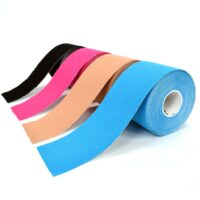
Kinesiology tape is commonly used for swelling support and movement assistance.

Many people use kinesiology tape for sore tendons, strained muscles, joint irritation, posture support, and swelling. However, it usually works best as part of a broader treatment plan rather than as a stand-alone fix.

How does kinesiology tape help?

Kinesiology tape may help by improving skin sensory feedback, reducing pressure on irritated tissues, and supporting movement awareness. In some people, this can reduce discomfort during activity and make it easier to move more confidently while you recover.

Common reasons people use kinesiology tape

  • Soft tissue injury support
  • Muscle activation or movement retraining
  • Joint support and proprioception
  • Swelling or lymphatic support
  • Tendon pain during exercise progression

What can kinesiology tape help with?

Kinesiology tape may help with soft tissue injuries, some tendon problems, swelling, and joint control issues. It is commonly used to assist symptoms rather than cure the underlying condition, which is why physiotherapy assessment still matters.

Soft Tissue Injuries

Kinesiology tape is often used during the early or middle stages of recovery to reduce strain and improve comfort with movement.

Muscle Activation and Control

Some taping techniques aim to improve muscle awareness or reduce overload in irritated areas.

  • Muscle weakness
  • Low muscle tone (hypotonia)
  • Movement retraining during rehabilitation

Joint Support and Movement Control

Kinesiology tape may improve proprioception and movement awareness during daily activity or sport.

  • Joint alignment and maltracking such as patellofemoral pain syndrome
  • Joint instability or hypermobility
  • Postural issues such as rounded shoulders or slouched posture
  • Scapular control problems

Bone Stress and Recovery Support

While kinesiology tape does not replace proper fracture management, it may assist comfort and support in selected later-stage cases.

  • Post-fracture support during rehabilitation
  • Tenoperiosteal stress such as shin splints
  • Adolescent growing pains

Can kinesiology tape help tendon pain?

Kinesiology tape may help some people with tendon pain by reducing discomfort during movement and exercise. It is often used alongside strengthening, load management, and progressive rehabilitation rather than instead of them.

Foot and Ankle

Knee

Hip and Groin

Shoulder

Does kinesiology tape work for knee support during movement
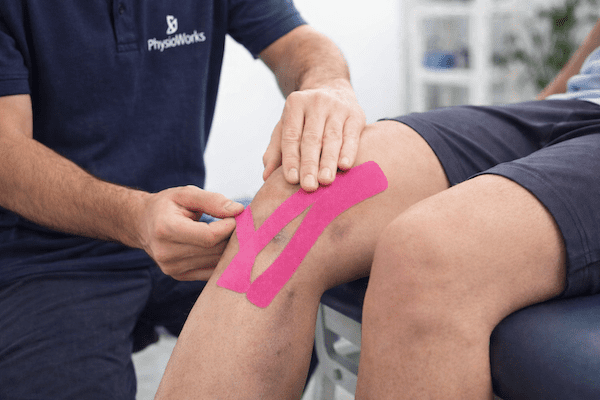
Kinesiology tape applied to the knee may help support movement and comfort during activity.

Elbow

Wrist and Hand

Swelling and Lymphatic Support

Some kinesiology tape applications are designed to assist swelling management by gently lifting the skin and improving superficial fluid movement.

  • Swelling and oedema
  • Lymphoedema
  • Joint swelling

Does kinesiology tape work on its own?

Kinesiology tape usually works best when combined with a proper diagnosis, exercise, and load management. For many problems, it is a helpful add-on rather than the main treatment.

If you would like a general overview of musculoskeletal injury care, the evidence map on taping for conditions of the musculoskeletal system is a useful research summary.

When should you use kinesiology tape?

Kinesiology tape is most useful when it supports a clear goal such as reducing pain with movement, assisting swelling, or improving confidence during exercise. It is less useful when applied without a diagnosis, a plan, or the right technique.

Frequently Asked Questions

What does kinesiology tape help with?

Kinesiology tape may help with pain, swelling, muscle support, and movement control in selected musculoskeletal conditions. It is commonly used for strains, sprains, tendon pain, joint irritation, and lymphatic-style swelling support.

Does kinesiology tape reduce swelling?

Kinesiology tape may help reduce mild swelling in some cases, especially when a lymphatic fan technique is used. It is usually combined with other strategies such as movement, compression, exercise, and recovery advice.

Can kinesiology tape help tendon pain?

Kinesiology tape may help some people with tendon pain, particularly when exercise is uncomfortable in the early stages. However, long-term improvement usually depends more on strengthening and sensible load progression than on tape alone.

How long should you wear kinesiology tape?

Many people wear kinesiology tape for a few days at a time, depending on skin tolerance, activity level, and the treatment goal. Your physiotherapist can advise you on safe wear time and when it should be replaced or removed.

Is kinesiology tape better than strapping tape?

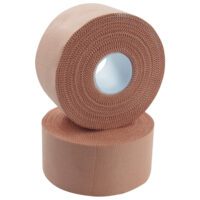
Kinesiology tape and rigid strapping tape do different jobs. Kinesiology tape is usually used to assist movement and symptom support, while rigid tape is more often used to limit motion and provide firmer joint support.

What to Do Next

If you are thinking about using kinesiology tape, start with the reason you want it. The best results usually come when taping matches your diagnosis, movement goals, and current stage of healing.

A physiotherapist can assess your injury, decide whether kinesiology tape is likely to help, and combine it with rehabilitation strategies that target the real cause of your symptoms.

References

  1. Tran L, Silvernail JL, Avins AL, et al. Efficacy of Kinesio Taping Compared to Other Treatment Modalities for Musculoskeletal Disorders: A Systematic Review and Meta-Analysis. Sports Med Open. 2023;9(1):13.
  2. Mo Q, Liang Y, Li C, et al. Effectiveness and clinical relevance of kinesio taping in musculoskeletal disorders: an overview of systematic reviews. BMJ Open. 2024;14(10):e087165.
  3. Cupler ZA, Alrwaily M, Polakowski E, et al. Taping for conditions of the musculoskeletal system: an evidence map review. Braz J Phys Ther. 2020;24(6):479-499.

Choose your clinic and appointment pathway

Select a PhysioWorks clinic to continue to live booking, an appointment request or reception assistance.

Follow PhysioWorks

Get physiotherapy tips, exercise videos, recovery advice and blog updates.

Does Kinesiology Tape Work? Benefits, Limits & Safety

Kinesiology tape may help some people with short-term pain or function, but the overall evidence remains uncertain. It is best used as an optional support tool alongside appropriate exercise, rehabilitation and load management rather than as a stand-alone treatment.

For application advice, taping choices and practical use, see our main Kinesiology Tape guide.

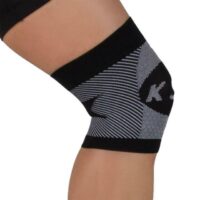
Kinesiology tape applied around the knee for support during movement
Kinesiology tape may provide short-term support or comfort during movement for some people.

What Does the Latest Research Say About Kinesiology Tape?

The most comprehensive recent review looked across systematic reviews of kinesiology taping for musculoskeletal conditions. It found possible immediate and short-term improvements in pain and some immediate improvements in function. However, the researchers rated the certainty of the evidence as very low.

This matters because a statistically positive result does not always mean the improvement is large enough to make a meaningful difference in everyday life. Results also vary between conditions, taping methods, comparison treatments and follow-up periods.

Pain

Some people may experience short-term pain relief.

Function

There may be a small immediate improvement for some activities or conditions.

Strength

Current evidence does not show a consistent overall improvement in strength.

Movement

Changes in range of motion or movement performance are inconsistent.

Longer-Term Results

Benefits generally become less convincing when follow-up extends beyond the short term.

Evidence Certainty

Overall confidence in the estimated benefits remains very low.

What Are the Possible Benefits of Kinesiology Tape?

Kinesiology tape is elastic, so it moves with you rather than rigidly restricting a joint. Depending on the condition and application, people may use it for several different reasons.

  • Short-term comfort: tape may reduce pain enough to make some movements more comfortable.
  • Movement confidence: some people feel more supported when walking, exercising or returning to activity.
  • Sensory feedback: contact with the skin may provide an extra cue during movement, although this does not reliably translate into better strength or joint control.
  • Swelling management: selected taping techniques may help some types of swelling, although results vary considerably.
  • Rehabilitation support: tape can sometimes make it easier to continue appropriate exercise while strength, mobility and load tolerance are rebuilt.

These effects vary between people. A person who finds tape useful for one condition may notice very little difference with another.

What Does Kinesiology Tape Not Do?

Kinesiology tape is sometimes promoted with claims that go beyond the available evidence. It is important to separate a possible short-term symptom response from structural healing or correction.

Kinesiology tape has not been shown to reliably:

  • repair a torn muscle, ligament or tendon
  • permanently correct joint alignment
  • restore lost strength by itself
  • prevent every sporting injury
  • replace progressive strengthening or rehabilitation
  • identify the cause of persistent pain

If tape is the only thing allowing you to keep exercising, it is worth considering why the area remains sensitive or unable to tolerate normal load.

Can Kinesiology Tape Help Swelling or Bruising?

Possibly, but the evidence depends on the type and location of the swelling. A 2024 systematic review found possible reductions in some facial and lower-limb oedema, while benefits were not demonstrated consistently for upper-limb swelling. The certainty of this evidence was very low.

Therefore, kinesiology tape should not be treated as a universal swelling treatment. New or unexplained swelling may need assessment before taping is considered.

For more detail, see our guide to kinesiology tape for swelling and bruising.

Kinesiology Tape vs Rigid Sports Tape

Kinesiology tape and rigid sports tape serve different purposes. Neither is automatically better.

Kinesiology Tape

Elastic tape that allows movement. It may be used for short-term comfort, sensory feedback or selected swelling-management applications.

Rigid Sports Tape

Firmer tape used when greater mechanical support or temporary movement restriction is the main aim.

Read our Kinesiology Tape vs Rigid Tape guide for a more detailed comparison. You can also explore our broader Supportive Taping & Strapping guide.

When Might Kinesiology Tape Be Worth Trying?

A short trial may be reasonable when you have already identified the problem and tape helps you perform an appropriate activity more comfortably.

For example, tape may be considered while gradually returning to walking, running, gym exercise, sport or everyday tasks. The important question is whether it helps you follow the rehabilitation plan rather than simply allowing you to ignore worsening symptoms.

When Is Kinesiology Tape Less Likely to Help?

Tape is less likely to solve the problem when symptoms relate to an injury or condition that needs more specific management.

Examples include:

  • significant joint instability
  • marked or progressive weakness
  • persistent numbness or nerve symptoms
  • suspected fracture or major acute injury
  • pain that continues to worsen despite reducing load
  • symptoms that repeatedly return as soon as tape is removed

In these situations, assessment can help clarify what is driving the problem and whether exercise, load modification, imaging or medical review is more appropriate.

Is Kinesiology Tape Safe?

Most problems from kinesiology tape involve the skin. Irritation can occur from the adhesive, excessive tape tension, repeated applications or leaving tape on despite early symptoms.

  • Do not apply tape over cuts, broken skin, active rashes or infection.
  • Avoid tape if you have a known allergy to the adhesive.
  • Do not aggressively stretch the ends of the tape.
  • Remove the tape if you develop persistent itching, burning, blistering or increasing redness.
  • Take extra care if you have fragile skin, reduced sensation or circulation problems.
  • Seek appropriate advice for unexplained swelling rather than simply covering it with tape.

Remove kinesiology tape slowly rather than tearing it rapidly away from the skin.

How Long Can You Wear Kinesiology Tape?

Many people wear kinesiology tape for several days, but skin tolerance is more important than following a fixed timeframe. Remove it sooner if the tape begins pulling on the skin, becomes uncomfortable or causes irritation.

After removal, check the skin before applying another strip over the same area.

Should Kinesiology Tape Be Part of Rehabilitation?

It can be, provided the tape has a clear purpose. For most musculoskeletal problems, longer-term improvement depends more on addressing relevant strength, mobility, movement, activity load and recovery factors.

A physiotherapist may use tape as one part of a broader physiotherapy plan rather than making taping the centre of treatment.

When Should You Get Advice?

Consider an assessment if you are unsure what is causing your symptoms, tape is becoming necessary for every activity, or the problem keeps returning.

Seek earlier advice if you have substantial swelling, giving way, marked weakness, significant bruising, altered sensation or difficulty putting weight through the affected area.

Related Kinesiology Tape Information

Kinesiology Tape FAQs

Does kinesiology tape work?

Kinesiology tape may provide a small short-term improvement in pain or function for some musculoskeletal conditions. However, the overall certainty of the evidence remains very low, so it is best viewed as an optional addition to rehabilitation rather than a stand-alone treatment.

How long can you wear kinesiology tape?

Many people wear kinesiology tape for several days if their skin remains comfortable. Remove it sooner if you develop itching, burning, blistering, increasing redness or discomfort.

Can you sleep with kinesiology tape on?

Many people can sleep with kinesiology tape in place. Remove it if the tape pulls on your skin, causes irritation or becomes uncomfortable overnight.

Is kinesiology tape better than rigid sports tape?

Not necessarily. Kinesiology tape stretches and allows more movement, while rigid sports tape usually provides firmer support or temporary movement restriction. The better option depends on why you are taping.

Does kinesiology tape help swelling?

It may help some types of swelling, but results vary by body region and condition. Current evidence is very uncertain, so unexplained or significant swelling should be assessed rather than relying on tape alone.

Can kinesiology tape irritate your skin?

Yes. Adhesive, excessive tension or repeated taping can irritate the skin. Remove the tape if you develop persistent itching, burning, blistering or increasing redness.

What to Do Next

If kinesiology tape makes an activity more comfortable, it can be reasonable to use it temporarily while you work on the underlying rehabilitation plan.

If pain keeps returning, your symptoms are worsening or you cannot exercise comfortably without tape, consider a physiotherapy assessment. A physiotherapist can assess the problem, decide whether taping is worthwhile and help you progress towards less reliance on external support.

You can also view our current kinesiology taping products.

Choose your clinic and appointment pathway

Select a PhysioWorks clinic to continue to live booking, an appointment request or reception assistance.

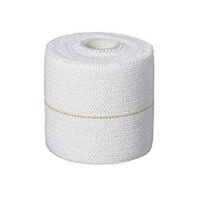
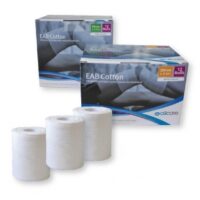
Strapping & Taping Products

These strapping and taping products are commonly used by our physiotherapists to support and prevent injuries.
View all strapping and taping products

Follow PhysioWorks

Get physiotherapy tips, exercise videos, recovery advice and blog updates.

References

  1. Mo Q, Deng Z, Zheng J, et al. Effectiveness and clinical relevance of kinesio taping in musculoskeletal disorders: an overview of systematic reviews and evidence mapping. BMJ Evidence-Based Medicine. Published online 2026. doi:10.1136/bmjebm-2025-114067.
  2. Tran L, Makram AM, Makram OM, et al. Efficacy of Kinesio Taping Compared to Other Treatment Modalities in Musculoskeletal Disorders: A Systematic Review and Meta-Analysis. Res Sports Med. 2023;31(4):416-439. doi:10.1080/15438627.2021.1989432.
  3. de Almeida Alcantara DA, dos Santos FNA, Ferreira JJA, et al. The effect of kinesiotaping on edema: a systematic review and meta-analysis. Musculoskelet Sci Pract. 2024;74:103168. doi:10.1016/j.msksp.2024.103168.

Can Kinesiology Tape Help Swelling and Bruising?

Article by John Miller & Erin Runge
Kinesiology tape for swelling and bruising applied around the patella
Kinesiology tape may support swelling care.

Kinesiology tape for swelling and bruising is often used after a mild soft tissue injury, knock, or sport flare-up. It may help some people feel more comfortable while swelling settles. However, it should not replace a proper check when swelling is severe, unusual, or getting worse.

Kinesiology tape is a flexible tape that moves with your skin. A physiotherapist may use it with advice, exercise, load changes, supportive taping and strapping, or acute injury care. It works best as one part of a plan, not as the whole treatment.

Quick Answer

Kinesiology tape may help some people with swelling and bruising by gently lifting the skin. This may reduce pressure on the tissues below and support fluid movement in the area.

The research is mixed. So, tape should be used as an added support rather than a main treatment. Results depend on the injury, body area, skin tolerance, timing, and how the tape is applied.

At A Glance

  • May support short-term comfort and movement.
  • May assist swelling in some areas, but evidence varies.
  • Does not fix the injury that caused the swelling.
  • Should not be used over broken, infected, or sore skin.
  • Remove tape if it causes itch, rash, blisters, numbness, or more pain.

Why Swelling and Bruising Occur

Swelling and bruising are normal after many injuries. Small blood vessels can leak into nearby tissues, which creates bruising. Extra fluid can also collect as the body starts repair.

Mild swelling often settles as the area heals. However, large swelling can limit movement, raise pain, and slow your return to sport, work, or daily tasks. Early guidance, safe load, and the right support can help.

How Kinesiology Tape May Help Swelling

Kinesiology tape stretches and recoils. When applied with light tension, it may create small folds in the skin. This may reduce pressure on surface tissues and assist lymph flow.

Kinesiology tape applied to shoulder skin during physiotherapy treatment
Tape technique and tension matter.

A 2024 review found kinesiotaping may help short-term swelling around the face and may help lower-limb swelling. However, the review also found very low certainty evidence. It did not show the same clear benefit for upper-limb swelling.

For ankle sprains, the evidence is more cautious. A 2025 review found that kinesio tape may give short-term pain relief for some people. It found limited support for longer-term swelling control or function. This is why tape should sit beside rehab, not replace it.

When Kinesiology Tape May Be Considered

  • mild swelling after a knock or soft tissue strain
  • bruising that feels tender during daily tasks
  • swelling that affects comfort with walking or training
  • minor knee, thigh, calf, or ankle swelling after sport
  • post-surgery swelling only after the wound has healed and taping is cleared

If you recently rolled your ankle, you may also find our sprained ankle guide and ankle strapping page useful.

When Kinesiology Tape Is Not Enough

Tape should not be used as a shortcut around proper care. Book an assessment, or seek medical care, if swelling or bruising is severe, spreading, unexplained, or linked with heat, redness, fever, calf pain, shortness of breath, numbness, pins and needles, or a cold limb.

Avoid taping over open cuts, fragile skin, infection, rash, or areas with poor blood flow. If you have a known tape allergy, avoid taping unless a health professional clears it.

Tape Safety Check

Remove the tape early if you notice:

  • itching, rash, blisters, or skin pain
  • pins and needles, numbness, or colour change
  • more swelling, tightness, or throbbing
  • pain that increases instead of settling

What Else Helps Swelling and Bruising?

Good care depends on the cause. Simple early steps may include relative rest, safe movement, elevation, and compression when suitable. Some people also need a brace, tape, strength work, balance drills, or a more detailed plan.

Many soft tissue injuries improve with calm, well-paced movement. Too much load too soon can stir symptoms. Too little movement can make the area stiff. Your plan should match your injury, sport, work, and goals.

You can also read our guides to soft tissue injuries, acute soft tissue injury, and knee pain if your symptoms are linked with a recent strain, knock, or joint flare-up.

Is Kinesiology Tape Right for You?

Kinesiology tape may suit mild swelling or bruising when the skin is healthy and the injury is safe to tape. It may not suit you if the swelling is unexplained, severe, hot, red, or linked with other warning signs.

A physiotherapist can check the cause, apply the tape safely, and show you what else to do. This may include movement advice, strength work, swelling care, and a clear return-to-activity plan.

Related Information

Frequently Asked Questions

Can kinesiology tape help with swelling and bruising?

Kinesiology tape may help some people with swelling and bruising. It may gently lift the skin and support fluid movement. The effect is not certain for everyone, so it works best as part of a broader plan.

How does kinesiology tape work for swelling?

When applied with light tension, kinesiology tape may reduce pressure on surface tissues. This may assist lymph flow and comfort. The tape should feel supportive, not tight or painful.

How long should kinesiology tape stay on?

Many people leave kinesiology tape on for 2 to 5 days if the skin feels fine. Remove it sooner if you notice itch, rash, blisters, numbness, colour change, or more pain.

Can I use kinesiology tape after surgery?

Only use kinesiology tape after surgery if your wound has healed and your treating clinician has cleared it. Do not tape over wounds, scabs, fragile skin, or infected skin.

When should I avoid kinesiology tape?

Avoid kinesiology tape over broken skin, rash, infection, or areas with poor blood flow. Seek advice first if swelling is severe, unexplained, hot, red, or linked with fever or calf pain.

Should I see a physiotherapist for swelling and bruising?

Assessment can help if swelling or bruising affects walking, sport, work, or daily activity. A physiotherapist can check the cause and guide safe taping, exercise, and load changes.

What To Do Next

If swelling or bruising is limiting your sport, work, or daily activity, a physiotherapy assessment can help clarify the cause and guide safe care.

Kinesiology tape may be useful, but it works best when it supports a clear recovery plan. Book an appointment if symptoms persist, worsen, or do not match a simple bruise or mild strain.

Choose your clinic and appointment pathway

Select a PhysioWorks clinic to continue to live booking, an appointment request or reception assistance.

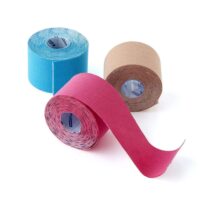
Strapping & Taping Products

These strapping and taping products are commonly used by our physiotherapists to support and prevent injuries.
View all strapping and taping products

Follow PhysioWorks

Get physiotherapy tips, exercise videos, recovery advice and blog updates.

References

  1. de Almeida Alcântara DA, Azevedo GM, de Oliveira R, et al. The effect of kinesiotaping on edema: A systematic review and meta-analysis. J Bodyw Mov Ther. 2024.
  2. Bocchino G, Varrassi G, Di Gennaro E, et al. The Effects of Kinesio Tape on Acute Ankle Sprain: A Systematic Review. J Clin Med. 2025;14(5):1440. doi:10.3390/jcm14051440
  3. Golkar M, Farzanegan R, Khosravani M, et al. The effects of Kinesio tapes on facial swelling following orthognathic surgery. 2023.

Post-Run Soreness: Should You Be Concerned?

Post-Run Soreness: Is It DOMS or a Muscle Injury?

Post-run soreness is common after a hard session, a longer run, hills, speed work, or a return to training after time off. In many cases, it is delayed onset muscle soreness (DOMS). However, some runners develop a true muscle strain or another running injury that needs earlier treatment.

The key question is timing. If the pain builds later and peaks over the next day or two, DOMS is more likely. If the pain starts during the run or straight afterwards, a muscle injury is more likely and deserves closer attention.

  • Soreness starting 24 to 72 hours later usually points to DOMS
  • Sharp pain during the run is more suggestive of muscle injury
  • Bruising, swelling, or limping are stronger warning signs
  • Pain that warms up and eases is often less concerning than pain that worsens

What is post-run soreness?

Post-run soreness is muscle discomfort that develops after running or other exercise. It commonly affects the calves, hamstrings, quadriceps, and gluteal muscles. Mild post-run soreness often reflects normal training load and recovery. However, stronger or more localised pain can suggest a common muscle injury rather than simple exercise soreness.

What is DOMS?

Delayed onset muscle soreness is an exercise-related muscle response that usually develops after unaccustomed or higher-load exercise. DOMS does not usually begin straight away. Instead, it tends to appear 24 to 72 hours after exercise and commonly peaks around 48 hours.

DOMS can cause soreness, stiffness, tenderness, reduced strength, and a temporary drop in movement quality. It often settles over several days as the body adapts to the workload. That adaptation partly explains why the same session often causes less soreness next time.

What does a muscle injury feel like after running?

A muscle injury usually behaves differently from DOMS. Pain often starts during the run or soon after. Some runners feel a pull, a sharp twinge, or a sudden pain that forces them to slow down or stop. A more significant injury may also cause swelling, bruising, weakness, or pain with walking.

If you suspect a strain, early management matters. This is where guidance on acute soft tissue injury treatment and follow-up sports physiotherapy can be useful.

How do you tell the difference between DOMS and muscle injury?

The main clue is when the pain started. DOMS usually comes on later. Muscle injury usually starts during the run or immediately afterwards. DOMS also tends to feel stiff and sore when you first move, then ease as the muscle warms up. By contrast, a muscle strain is more likely to stay painful when you load, contract, or stretch the injured area.

A physiotherapist can assess the pattern, test the muscle, and work out whether your post-run soreness is expected training soreness, a muscle strain, or another related problem such as muscle cramps.

When should you worry about post-run soreness?

You should be more cautious when post-run soreness starts during the run, keeps getting worse, causes limping, or comes with swelling, bruising, or clear weakness. That pattern is less typical of DOMS and more concerning for muscle injury or another tissue problem.

If you would like a broader overview of physiotherapy assessment and treatment, Healthdirect provides a useful summary of physiotherapy.

What should you do for post-run soreness?

If the soreness seems like DOMS, reduce training intensity for a few days, keep moving gently, and avoid overly aggressive stretching or deep massage if these increase pain. Light recovery exercise, sensible load management, sleep, hydration, and gradual training progression are often the most practical first steps.

If you suspect a true muscle injury, stop pushing through it. Early assessment may help confirm the diagnosis, guide your loading, and reduce unnecessary time away from running. In some cases, a running analysis can also help identify technique or loading factors that contributed.

FAQs about post-run soreness

Is post-run soreness normal?

Yes, mild post-run soreness is often normal, especially after a harder session or a sudden training increase. It is usually less concerning when it appears later, feels general rather than sharply localised, and gradually improves over a few days.

How long should post-run soreness last?

DOMS often peaks 24 to 72 hours after exercise and then settles over the next few days. If your soreness is still severe, worsening, or clearly limiting your walking or running after several days, it is worth getting checked.

Should you run with post-run soreness?

That depends on the pattern. Mild DOMS may allow light training or recovery running if symptoms ease as you warm up. However, you should avoid running through sharp pain, limping, weakness, or symptoms that worsen with each stride.

Can a physio help with post-run soreness?

Yes. A physiotherapist can work out whether your symptoms reflect normal recovery, a muscle strain, or another running-related problem. Treatment may include load advice, hands-on care, exercise progression, and return-to-running guidance.

What to do next

If your soreness is mild, delayed, and settling, modify your training and monitor it closely. If your pain started during the run, is localised, or is affecting your gait, book an assessment sooner rather than later.

PhysioWorks can assess the source of your post-run soreness, explain what is happening, and guide the next stage of your recovery so you can return to running with more confidence.

Related information

Choose your clinic and appointment pathway

Select a PhysioWorks clinic to continue to live booking, an appointment request or reception assistance.

Follow PhysioWorks

Get physiotherapy tips, exercise videos, recovery advice and blog updates.

References

  1. Sonkodi B. Delayed Onset Muscle Soreness (DOMS): The Repeated Bout Effect and Chemotherapy-Induced Axonopathy May Help Explain the Dying-Back Mechanism in Amyotrophic Lateral Sclerosis and Other Neurodegenerative Diseases. Brain Sci. 2021;11(1):108. doi:10.3390/brainsci11010108
  2. Nahon RL, Silva Lopes JS, Monteiro de Magalhães Neto A. Physical therapy interventions for the treatment of delayed onset muscle soreness (DOMS): Systematic review and meta-analysis. Phys Ther Sport. 2021;52:1-12. doi:10.1016/j.ptsp.2021.07.011
  3. Wulff MW, Mackey AL, Kjær M, Bayer ML. Return to Sport, Reinjury Rate, and Tissue Changes after Muscle Strain Injury: A Narrative Review. Transl Sports Med. 2024;2024:2336376. doi:10.1155/2024/2336376

Runners: How to Reduce Your Knee Stress

Article by John Miller & Erin Runge

If you run regularly and your knees feel overloaded, changing your running mechanics may help reduce stress through the joint. This article explains practical ways to lower knee load, improve stride efficiency, and know when to seek help. If your pain is already building, start with our guides to knee pain, running injuries, and runners knee.

How to Reduce Knee Stress While Running

You may be able to reduce knee stress while running by slightly increasing your step rate, shortening an overstride, and improving lower-limb control. These changes can reduce braking forces, vertical bounce, and the amount of knee bend at foot strike, which may lower patellofemoral joint loading and improve running efficiency.

Research has shown that subtle cadence changes can alter the loads that travel through the knee and hip during running. In practical terms, many runners do better when they avoid overstriding and aim for a smoother, quicker stride rather than reaching too far out in front with each step. A running analysis or broader biomechanical analysis can help work out whether your stride, strength, control, or training load is contributing most.

Simple running changes that may help

  • Shorten your step length if you tend to overstride.
  • Increase your cadence slightly rather than forcing a longer stride.
  • Reduce excessive up-and-down bounce.
  • Limit heavy braking at foot strike.
  • Improve hip and trunk control so the knee tracks more efficiently.

Why does overstriding increase knee stress?

Overstriding places your foot further in front of your body at contact. As a result, braking forces usually rise, vertical oscillation can increase, and your knee may flex more under load during stance. Over time, this pattern may irritate structures linked with patellofemoral pain syndrome (PFPS), runners knee, or even ITB syndrome depending on where the stress is concentrated.

Overstriding can also demand more from your hip flexors while reducing the contribution from the gluteal muscles. When hip control drops away, the knee can drift into poorer positions during stance. That does not mean cadence is the only issue, but it is often one useful lever within a broader running rehabilitation plan. If your symptoms are more sport-specific, you may also find the knee sports injury hub helpful.

What is an efficient running cadence?

Many efficient distance runners naturally sit around 170 to 190 steps per minute, but there is no single perfect number for everyone. Rather than chasing a fixed cadence, the goal is to find a stride pattern that reduces knee stress, matches your speed, and feels sustainable for your body and training load.

In practice, a small increase from your current step rate is often more realistic than forcing a dramatic change. For example, some runners respond well to a 5% to 10% increase rather than trying to jump straight to an arbitrary target. Recent gait-retraining research also supports small, structured changes rather than large forced technique shifts.

How can you increase cadence without feeling awkward?

You can retrain cadence gradually by using a treadmill, a running watch, or a metronome app. Start with short blocks at a slightly quicker rhythm, then build that pattern into easy runs. A running analysis can also help you work out whether cadence, stride length, strength, mobility, or training load is the main issue.

Most runners do best when they focus on one cue at a time. Keep the change small, stay relaxed through the shoulders, and avoid forcing a forefoot strike if that is not natural for you. Good running changes are usually subtle, not dramatic. If you are already managing a flare-up, our guide to common running injuries may also help you compare patterns.

Does recent research still support gait retraining?

Yes. More recent reviews and trials continue to support gait retraining for selected runners, especially when knee pain is linked with patellofemoral overload or inefficient stride mechanics. The strongest results usually come when cadence cues are combined with load management, strength work, and a clear return-to-running plan rather than using technique changes alone.

When should runners get knee pain checked?

Get your knee checked if the pain keeps returning, worsens as the run goes on, limits your training, or starts affecting stairs, squats, or walking. You should also get assessed if you have swelling, locking, giving way, or pain that does not settle with load reduction and recovery.

A physiotherapist may assess your running pattern, training errors, lower-limb strength, flexibility, recovery habits, and shoe or surface factors. This is often the fastest way to work out whether your symptoms fit knee pain, runners knee, patella maltracking, or another problem within the broader running injuries cluster.

For a general overview of how physiotherapy may help with movement-related pain and rehabilitation, Healthdirect explains what physiotherapy involves. You can also read more about sports injury physiotherapy and broader sports injury management.

FAQs About Reducing Knee Stress While Running

Does increasing cadence always fix knee pain?

No. Increasing cadence can help some runners, especially when overstriding is part of the problem, but it is not a universal fix. Strength deficits, training spikes, poor recovery, surface changes, footwear issues, and other diagnoses may also need attention.

How much should I increase my cadence?

A small change is usually best. Many runners trial a 5% to 10% increase from their normal cadence and then see how their symptoms and form respond. A big forced jump often feels awkward and is harder to maintain.

Can a treadmill help me retrain my running stride?

Yes. A treadmill can make it easier to monitor cadence, practise cues, and build short retraining blocks. It is also useful during a running analysis because video feedback can highlight overstriding, braking, or hip-control issues.

What injuries are linked with too much knee stress in runners?

Common possibilities include runners knee, patellofemoral pain syndrome, ITB syndrome, or chondromalacia patella. However, the correct diagnosis depends on the pain location, training pattern, aggravating movements, and your assessment findings.

Should I stop running completely if my knee hurts?

Not always. Some runners improve by modifying distance, speed, hills, or frequency rather than stopping completely. However, if pain is escalating, your gait is changing, or you have swelling or instability, you should get professional advice before pushing on.

What to do next

If your knee pain is mild and recent, start by reducing the sessions that flare it, avoid overstriding, and trial a small cadence increase during easy runs. Then monitor how your knee responds over the next one to two weeks.

If symptoms keep returning, book a running assessment. A physiotherapist can help identify the source of your knee stress, guide technique changes, and build a plan to help you return to training with more confidence. You may also find our page on knee treatment useful if you want a broader overview of management options.

Choose your clinic and appointment pathway

Select a PhysioWorks clinic to continue to live booking, an appointment request or reception assistance.

Knee Support Products

These knee support products are commonly used by our physiotherapists to help reduce strain, improve stability, and support your recovery at home.

View all knee support products

Follow PhysioWorks

Get physiotherapy tips, exercise videos, recovery advice and blog updates.

More knee and running information

References

  1. Heiderscheit BC, Chumanov ES, Michalski MP, Wille CM, Ryan MB. Effects of step rate manipulation on joint mechanics during running. Med Sci Sports Exerc. 2011;43(2):296-302. doi:10.1249/MSS.0b013e3181ebedf4
  2. Doyle E, Fuller JT, Bonacci J, et al. The effectiveness of gait retraining on running kinematics, kinetics, performance, pain, and injury in distance runners: a systematic review with meta-analysis. J Orthop Sports Phys Ther. 2022;52(4):192-206. doi:10.2519/jospt.2022.10585
  3. de Souza Júnior JR, Rabelo NDDA, Silva GB, et al. Effects of two gait retraining programs on pain, function, and lower limb kinematics in runners with patellofemoral pain: a randomized controlled trial. PLoS One. 2024;19(1):e0295645. doi:10.1371/journal.pone.0295645
  4. Farraj M, Guilhem T, Van Cant J, Rambaud A. Running retraining technique and neuromuscular exercises in runners with patellofemoral pain: a scoping review. Int J Sports Phys Ther. 2025;20(8):1107-1121. doi:10.26603/001c.141861

Running Recovery: How Long Should You Rest After Running?

Running recovery is not simply about waiting a set number of hours. Your next session should reflect how hard you ran, how well you slept and whether your muscles, joints and running stride have returned to normal.

Article by John Miller & Erin Runge
Physiotherapist reviewing a runner’s calf soreness and recent training load
Reviewing soreness, training load and movement can help guide the next run.

How Long Should You Recover After Running?

An easy run may require little additional recovery when you feel comfortable and move normally. In contrast, a long run, race, hill session or speed workout may affect your muscles and movement for one or more days.

A practical weekly plan usually separates demanding running sessions with an easy run, low-impact activity or rest day. Still, age, training history, sleep, nutrition, illness, stress and previous injuries can all change your response.

Instead of relying only on the clock, check how your body responds later that day and the following morning.

Easy running

You may be ready to run again soon when you have no increasing pain, unusual fatigue or change in movement.

Hard training

Long runs, hills, intervals and races usually need more recovery than comfortable conversational running.

Next-morning response

Rising pain, marked stiffness, poor sleep or heavy legs may indicate that you need to reduce the next session.

Running quality

A limp, shortened stride or compensatory movement is a reason to stop and reassess rather than push through.

Localised symptoms

Pain focused over one bone, tendon or joint deserves more caution than general muscle tiredness.

Training pattern

Several hard days together may create more fatigue than the same sessions spread across the week.

What Changes Your Running Recovery Time?

Recovery varies because each run creates a different training load. Distance matters, but it is only one part of the picture.

Your recovery may take longer after:

  • a faster or longer run than usual;
  • intervals, hill repetitions or a race;
  • running downhill or on an unfamiliar surface;
  • a sudden increase in weekly distance;
  • poor sleep, illness or high life stress;
  • training in heat or becoming dehydrated;
  • changing shoes, terrain or running technique; or
  • returning after an injury or extended break.

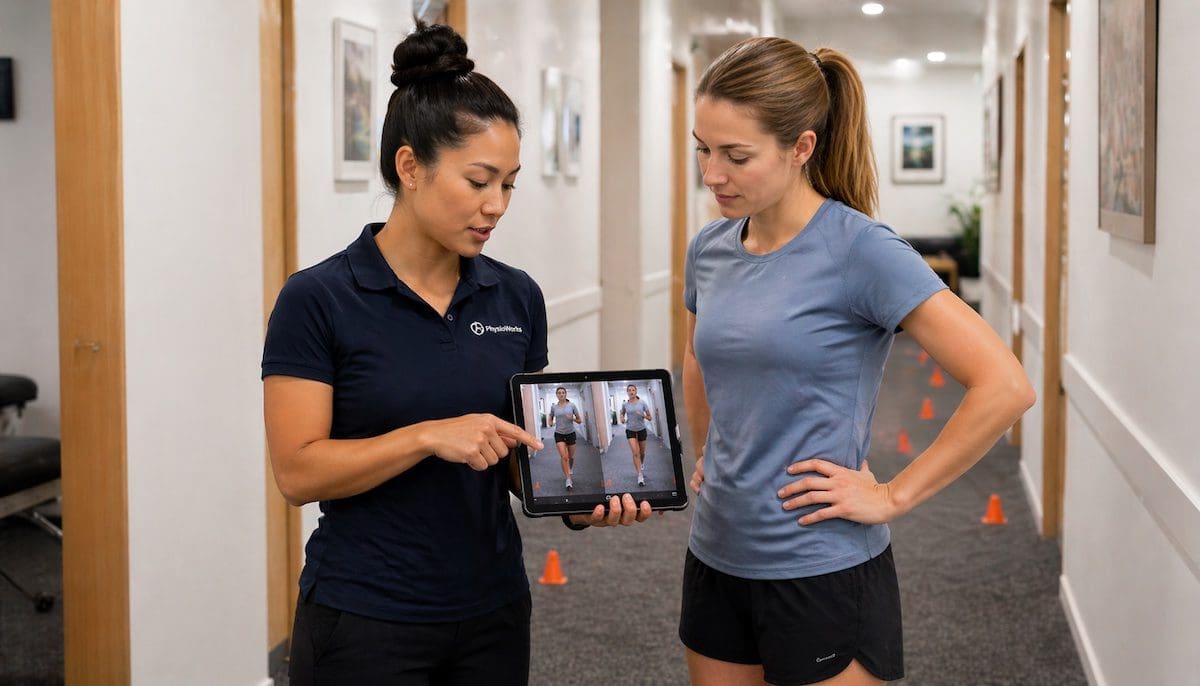
A running analysis may help when recurring symptoms, training errors or movement concerns make it difficult to progress safely.

Physiotherapist assessing a runner’s stride and foot contact in a clinic hallway
A running assessment can review stride, training load, strength and symptom behaviour.

How Can You Tell Whether You Are Ready to Run Again?

Consider your overall response rather than one isolated sign. Mild general muscle stiffness can occur after unfamiliar or demanding exercise. It should gradually settle rather than become more focused or intense.

A normal recovery response

  • General muscle heaviness or tenderness
  • Symptoms that gradually improve
  • Normal walking and stair use
  • No limp or change in running form
  • Energy and sleep close to normal

A reason to reduce the session

  • Legs remain unusually heavy
  • Soreness rises during the warm-up
  • Your stride feels awkward
  • Normal daily tasks are uncomfortable
  • You feel generally unwell or depleted

A reason to seek assessment

  • Sharp or well-localised pain
  • Swelling, limping or night pain
  • Pain over a bone, tendon or joint
  • Symptoms recur whenever load increases
  • Pain continues to worsen across several days

Six Practical Running Recovery Tips

No recovery tool works equally well for every runner. Start with the basics, then use optional strategies according to comfort, preference and the demands of your next session.

  1. Replace fluids and fuel

    Drink according to thirst and replace additional fluid after a hot, long or sweaty run. A balanced meal or snack containing carbohydrate and protein can support energy replacement and muscle repair.

    Frequent dizziness, low energy, unintended weight change or recurring injuries may justify advice from a doctor or accredited practising dietitian. Learn more about sports health for athletes.

  2. Cool down gradually

    A short period of comfortable walking or easy jogging can help you transition from hard exercise. However, a cool-down does not cancel excessive training load or guarantee faster recovery.

    Read more about cooling down after exercise.

  3. Keep easy movement genuinely easy

    A walk, easy cycle or gentle recovery run may feel better than complete inactivity when soreness is mild. Keep the effort low and stop if symptoms become more localised or alter your movement.

  4. Use foam rolling or massage for comfort

    Some runners find gentle foam rolling or massage helps them feel less sore or tense. These options may improve comfort, but they should not be presented as a guaranteed way to restore performance or prevent injury.

    Use comfortable pressure and avoid bruised, swollen or sharply painful areas. See our foam roller and recovery massage information.

  5. Use cold or heat according to your goal

    A wrapped cold pack may temporarily reduce soreness after a demanding run. Gentle heat may feel useful when stiffness is the main concern. Neither option should be uncomfortably hot or cold.

    Avoid placing ice directly against the skin. Do not apply heat to a newly swollen or acutely injured area. See our guide to cold-pack use.

  6. Protect sleep and your weekly routine

    Sleep supports physical and mental recovery. When sleep quality falls, the same training session can feel harder and your ability to judge effort may change.

    Consider reducing training load when several nights of poor sleep occur alongside heavy legs, falling performance, irritability or low motivation.

Should You Run With Sore Legs?

Mild, general muscle soreness does not always require complete rest. However, the planned session should remain easy, and your movement should stay normal.

Continue cautiously

An easy run may be reasonable when soreness is mild, improves during the warm-up and does not alter your stride.

Modify the session

Choose walking, gentle cycling or rest when your legs feel unusually heavy or soreness does not improve with easy movement.

Stop running

Stop when pain becomes sharp, increasingly localised, causes a limp or changes how your foot contacts the ground.

Is It Delayed Onset Muscle Soreness or an Injury?

Delayed onset muscle soreness, commonly called DOMS, often develops after new or harder exercise. It commonly feels like broad muscle tenderness, stiffness or heaviness and can be most noticeable one to three days later.

In contrast, a running injury is more likely when pain:

  • is focused over one small area;
  • becomes worse as you continue running;
  • changes your stride or causes a limp;
  • causes swelling or pain at rest;
  • returns at a similar distance or speed; or
  • fails to improve when training load is reduced.

Common running problems can involve the knee, foot and ankle, calf, Achilles tendon or hamstring. Visit our running injuries guide for a broader overview.

When Should a Runner See a Physiotherapist?

Consider a physiotherapy assessment when:

  • pain changes your running stride;
  • symptoms keep returning as distance or speed increases;
  • pain is sharply localised over a bone, tendon or joint;
  • swelling, weakness or reduced movement develops;
  • you cannot progress your training despite reducing load; or
  • you are unsure how to return after an injury.

A physiotherapist may review symptom behaviour, running load, strength, joint movement, footwear, running technique and your planned return to training. Assessment findings determine whether treatment, exercise rehabilitation or further medical review is appropriate.

Running Recovery FAQs

How long should I recover after a hard run?

Many runners benefit from at least one easy or rest day after a hard run. Longer recovery may be appropriate when soreness, fatigue or changes in movement remain. Use your next-morning response and running quality rather than relying only on a fixed number of hours.

Can I run again when my legs are sore?

An easy run may be reasonable when soreness is mild, general, improving and does not change your stride. Choose a walk, low-impact activity or rest when your legs feel unusually heavy. Stop if pain becomes sharper or more localised.

Do I need a rest day after every run?

Not every run requires a complete rest day. Many training plans alternate harder sessions with easy running or low-impact activity. Your training history, sleep, health, symptoms and weekly load should guide the decision.

What helps recovery after a long run?

Start with sleep, appropriate fluids, balanced food and sensible training load. Gentle movement, foam rolling, massage, cold or heat may help comfort for some runners, but no single recovery strategy works consistently for everyone.

Is walking useful on a recovery day?

Comfortable walking can provide light movement without the load of another hard run. Keep it easy and reduce the distance when walking increases pain, fatigue or limping.

How do I know whether soreness is DOMS?

DOMS commonly causes broad muscle tenderness, stiffness or heaviness after new or demanding exercise. It should gradually improve. Sharp, localised or worsening pain, swelling and altered movement are less typical and may require assessment.

When should I see a physiotherapist about running pain?

Arrange an assessment when pain changes your stride, keeps returning, becomes sharply localised or prevents you from progressing. Swelling, weakness, night pain or pain over a bone, tendon or joint also warrants attention.

What to Do Next

Reduce your running load and arrange an assessment when soreness does not settle, pain changes how you run or symptoms return whenever you increase distance or speed.

A tailored plan can help you decide what to modify now and how to rebuild running load progressively.

Choose your clinic and appointment pathway

Select a PhysioWorks clinic to continue to live booking, an appointment request or reception assistance.

Muscle & Soft Tissue Products

These muscle and soft tissue products are commonly used by our physiotherapists to relax or loosen muscles, improve strength, comfort, flexibility, and home exercise programs.

View all muscle & soft tissue products

Follow PhysioWorks

Get physiotherapy tips, exercise videos, recovery advice and blog updates.

References

  1. Li S, Kempe M, Brink MS, Lemmink KAPM. Effectiveness of recovery strategies after training and competition in endurance athletes: an umbrella review. Sports Medicine – Open. 2024;10:55. doi:10.1186/s40798-024-00724-6.
  2. Wang W, Xu S, Komnik I, Viellehner J, Zedler M, Potthast W. Biomechanical changes and the time course of recovery in lower extremities of recreational runners following a simulated treadmill half-marathon. Sports Medicine – Open. 2025;11:22. doi:10.1186/s40798-025-00824-x.
  3. Matos JP, Guilherme LQ, da Encarnação SGA, et al. Influence of sleep quality on recovery and performance in endurance and ultra-endurance runners: sex differences identified through hierarchical clustering. Healthcare. 2025;13(7):812. doi:10.3390/healthcare13070812.

What Conditions Can Massage Therapy Help With?

massage therapy benefits

Massage therapy may help some people with muscle tension, neck pain, back pain, tension headaches, jaw tension, shoulder stiffness, and general musculoskeletal discomfort. It often works best as part of a broader care plan that may also include physiotherapy treatment, exercise, posture advice, and load management.

If you are comparing options, start with our Brisbane massage services. Depending on your symptoms, you may also benefit from remedial massage, deep tissue massage, or Swedish massage.

Massage is available at selected PhysioWorks clinics. Choose your clinic or therapist below if you know who you would like to book.

What conditions can massage therapy help with?

Massage therapy may help when your symptoms are mainly muscular, postural, or stress-related. Common reasons people book include neck pain, lower back pain, tension headache, jaw pain, shoulder tightness, and general muscle soreness after work, sport, or prolonged sitting.

Common reasons people seek massage

  • tight neck and upper trapezius muscles
  • upper or lower back tension
  • postural stiffness from desk work
  • tension headaches and jaw clenching
  • muscle soreness after training or heavy work
  • stress-related muscle tightness and poor recovery

Quick takeaway: Massage therapy works best for muscular tension, stress-related tightness, and postural discomfort. For longer-term results, combine it with exercise, movement advice, and load management.

How can massage therapy help these problems?

Massage therapy may help by reducing muscle guarding, easing trigger points, improving short-term comfort, and helping you move more freely. Some people also find it helps them relax, sleep better, and feel less stiff between physiotherapy sessions, gym sessions, or busy work weeks.

However, the best long-term results often come when massage is combined with advice about posture, strengthening, stretching, and activity modification or pacing if symptoms are being aggravated by repeated loads.

For example, massage may support people with:

  • Neck pain from posture strain, muscle guarding, or overuse
  • Whiplash once acute irritability has settled and hands-on care is appropriate
  • Back pain involving muscular tightness or protective spasm
  • Sciatica where surrounding muscle tension is contributing to discomfort
  • Tension headaches linked to neck and shoulder tightness
  • TMD and jaw muscle tension
  • Frozen shoulder as part of broader shoulder management
  • Arthritic stiffness where gentle massage improves comfort and movement confidence

Which massage may suit you?

The best massage style depends on your symptoms, goals, and how sensitive the area feels.

When might massage therapy be a good option?

Massage therapy is often a good option when pain feels muscular, stiffness builds through the day, or stress leaves you tight and uncomfortable. It can also suit people who want a hands-on treatment to complement exercise, stretching, dry needling, or a rehabilitation plan.

If your symptoms are more specific or persistent, a structured treatment style such as remedial massage or trigger point therapy may be more suitable than a general relaxation session.

When massage may not be appropriate

  • a recent fracture or suspected serious injury
  • fever, infection, or a sudden unexplained illness
  • an open wound, skin infection, or rash over the treatment area
  • unexplained swelling, calf pain, or a suspected blood clot
  • severe inflammation or a sudden unexplained increase in pain
  • significant numbness, weakness, or other nerve symptoms that need assessment

If you are unsure, discuss your symptoms with your GP, physiotherapist, or massage therapist before booking.

For a general overview, Healthdirect provides a helpful summary of massage therapy.

Is massage therapy right for you?

Massage therapy may suit you if your main goal is to reduce muscular tightness, improve comfort, and recover better from daily stress, work, or sport. However, if you have persistent pain, nerve symptoms, or repeated flare-ups, you may also need assessment, diagnosis, and a broader management plan.

Frequently asked questions

Can massage therapy help neck pain?

Massage therapy may help neck pain when muscle tension, posture strain, or stress is a major contributor. It often works best alongside movement advice, strengthening, and strategies to reduce the repeated triggers behind your symptoms.

Can massage therapy help back pain?

Massage therapy may help back pain by easing muscle guarding and improving short-term movement comfort. It is usually most helpful for muscular or postural back pain rather than as a stand-alone treatment for every cause of back pain.

Can massage therapy help tension headaches?

Yes, massage therapy may help tension headaches when tight neck, jaw, and shoulder muscles are part of the pattern. Many people find it useful when headaches are linked to stress, posture, or prolonged sitting.

Can massage therapy help stress and anxiety?

Massage therapy may help stress and anxiety by encouraging relaxation and reducing physical tension. While it is not a substitute for mental health care, many people notice calmer breathing, less muscle tightness, and better overall recovery after treatment.

How often should you get massage therapy?

That depends on your symptoms, goals, and how your body responds. Some people book weekly or fortnightly during a flare-up, while others prefer maintenance sessions every few weeks to manage recurring muscle tension.

What should you do if massage is not enough?

If massage gives only short-term relief or your symptoms keep returning, book a broader assessment. You may benefit from physiotherapy, guided exercise, diagnosis of the underlying cause, or a more targeted treatment plan.

Book Massage

Select your preferred clinic or massage therapist.

Massage Products

These muscle and soft tissue products are commonly used by our remedial massage therapists and physiotherapists to relax or loosen muscles.

View all massage products

What to do next

If tight muscles, postural strain, or stress-related discomfort are slowing you down, massage therapy may be a useful next step. PhysioWorks offers massage services across Brisbane, and your therapist can tailor treatment to your body region, comfort, and goals.

If you are not sure which massage style suits you, start with a booking and discuss whether remedial massage, deep tissue massage, Swedish massage, or physiotherapy-led care is the best fit for you.

References

  1. Mak S, Minichiello A, Gagnon K, et al. Use of Massage Therapy for Pain, 2018-2023: A Systematic Review. J Integr Complement Med. 2024.
  2. Nemati D, de Zoete A, Thorpe D, et al. Massage Therapy as a Self-Management Strategy for Musculoskeletal Pain and Chronic Conditions: A Systematic Review of Feasibility and Scope. J Integr Complement Med. 2024.
  3. Lebert R, Noy M, Purves E, Tibbett J. Massage Therapy: A Person-Centred Approach to Chronic Pain. Int J Ther Massage Bodywork. 2022;15(3):27-34.
  4. Canadian Agency for Drugs and Technologies in Health. Massage Therapy for Musculoskeletal Pain. Rapid Response Report. 2021.

Remedial Massage Therapists

Our remedial massage therapists help relieve muscle tension, improve flexibility, reduce soft tissue pain, and support recovery from training loads, desk posture, and everyday physical stress.

Follow PhysioWorks

Get physiotherapy tips, exercise videos, recovery advice and blog updates.

Which Massage Style Is Right for You?

The right massage style depends on why you are booking, how much pressure you prefer and whether you want relaxation, targeted muscle treatment or support around training and recovery.

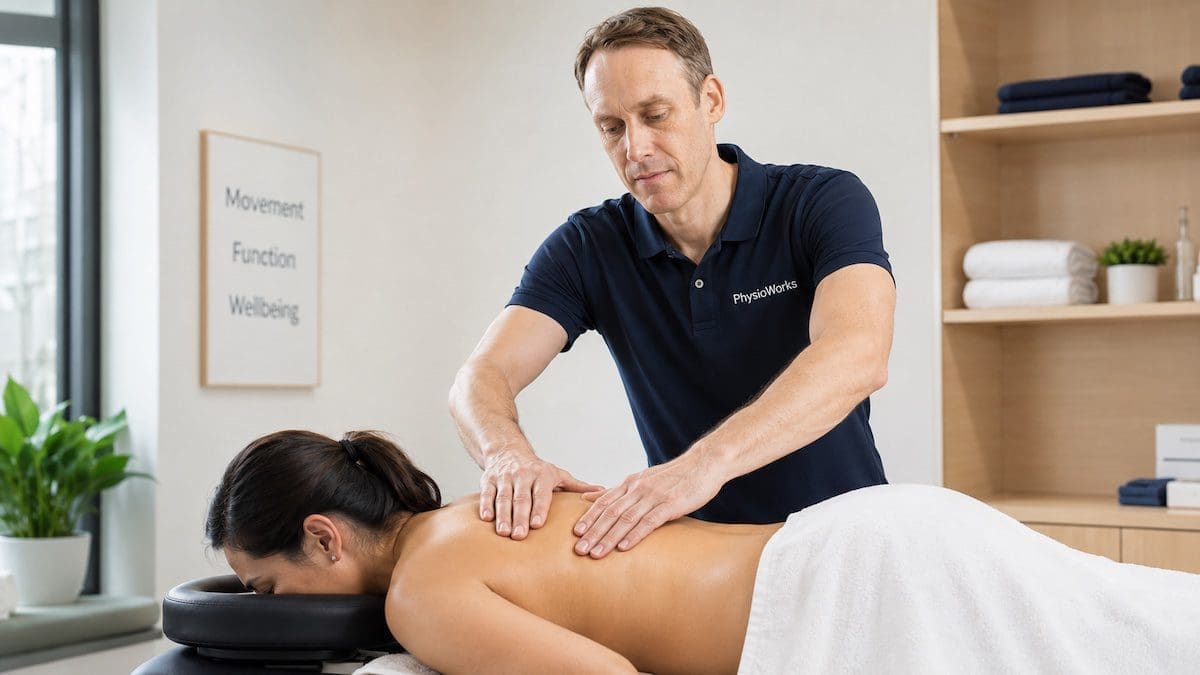
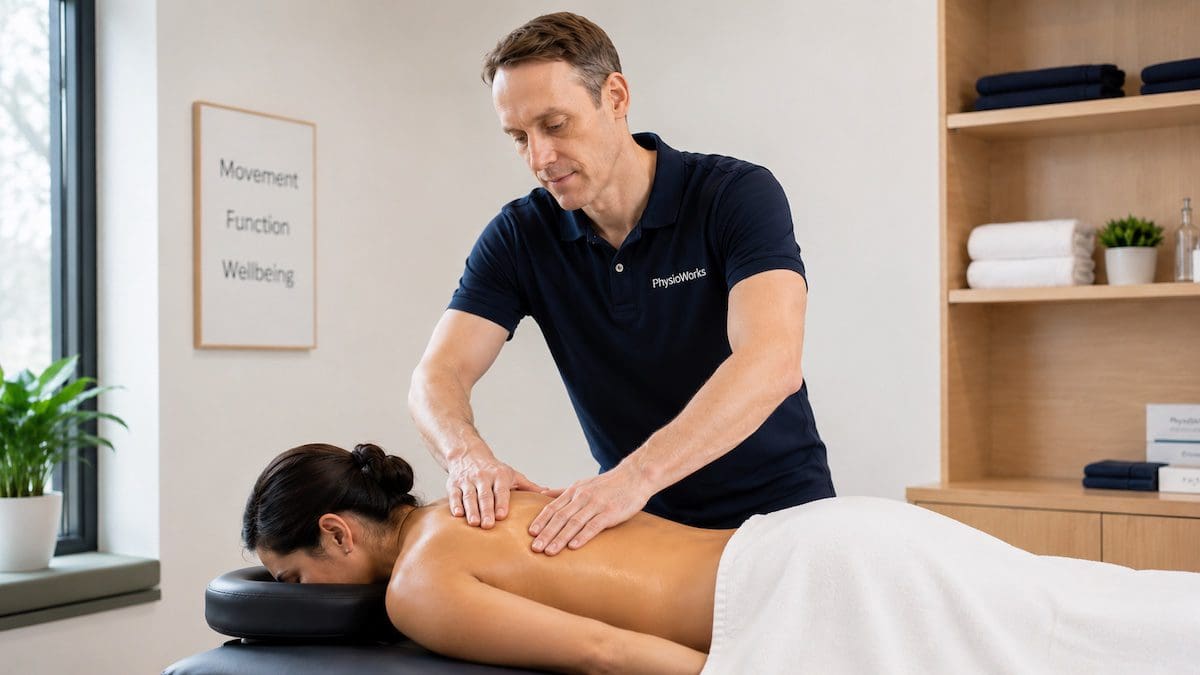
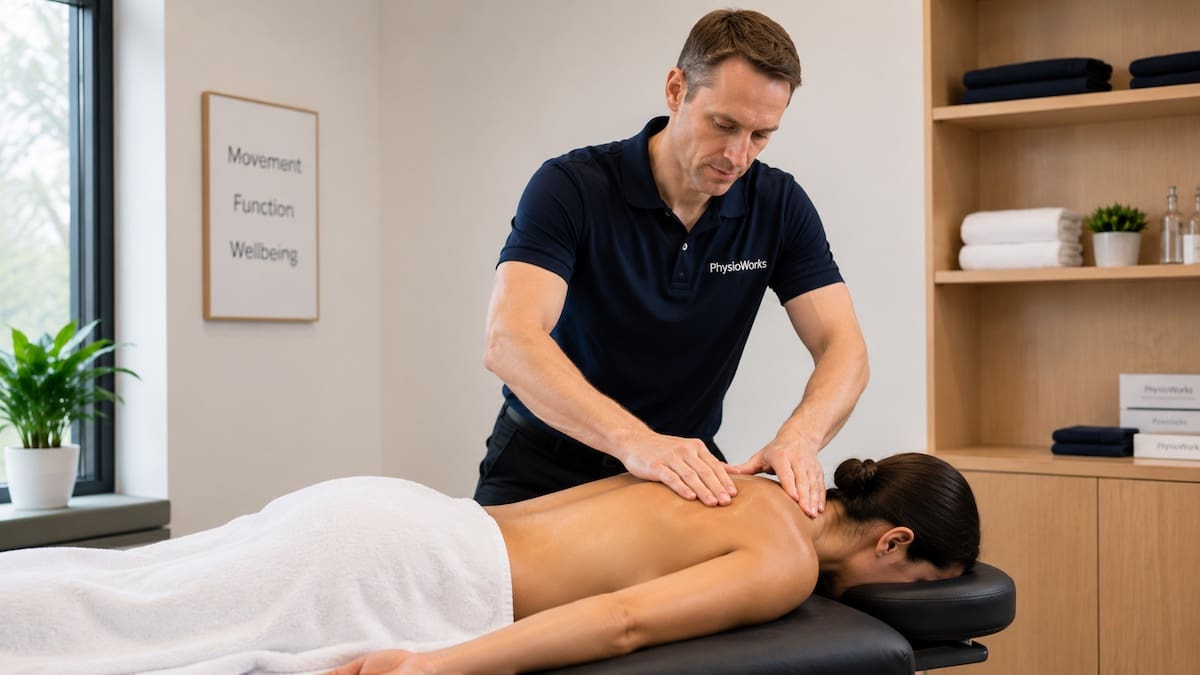
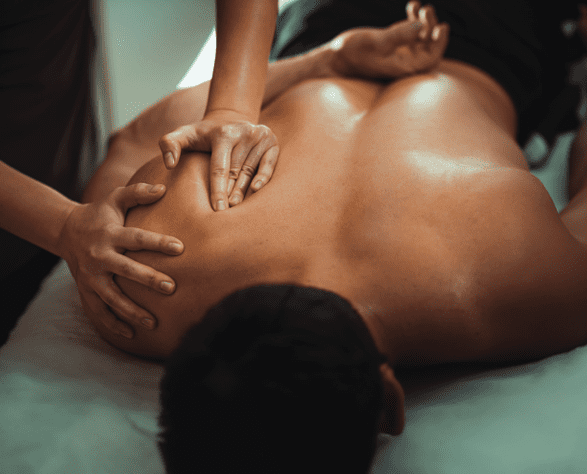
Massage therapist providing targeted upper-back and shoulder treatment in a Brisbane clinic
Massage pressure, pace and techniques can be adjusted to suit your goals and comfort.

You do not need to identify the perfect technique before booking. A massage therapist can discuss your symptoms, treatment goals, health history and preferred pressure before adapting the session.

Some appointments combine several techniques rather than following one fixed massage style. You can also ask your therapist to change the pressure, avoid an area or alter the treatment focus at any time.

How Do the Main Massage Styles Compare?

Each massage style has a different emphasis. Use the guide below to identify the option that most closely matches your goals.

Remedial Massage

May suit: Sore, tight or overloaded muscles and a specific problem area.

Typical feel: Targeted treatment using light, moderate or firm pressure.

Deep Tissue Massage

May suit: Persistent muscle tension or people who prefer firmer treatment.

Typical feel: Slow, controlled and firm pressure adjusted to comfort.

Swedish Massage

May suit: Relaxation, general tension or people having massage for the first time.

Typical feel: Gentle to moderate pressure with smooth, flowing strokes.

Sports Massage

May suit: Training load, post-exercise soreness, recovery or preparation for activity.

Typical feel: Purposeful treatment focused on relevant muscles and activity demands.

Pregnancy Massage

May suit: Pregnancy-related muscle tension, discomfort and relaxation needs.

Typical feel: Gentle, supported and modified for comfort and safety.

Trigger Point Therapy

May suit: A localised tender or tight area that responds to focused pressure.

Typical feel: Controlled pressure applied to a specific region and adjusted to tolerance.

Massage is available at selected PhysioWorks clinics. Choose your clinic or therapist below if you know who you would like to book.

Which Massage Should You Choose?

Relaxation and general tension

Consider Swedish or relaxation-focused massage with gentle to moderate pressure.

A specific sore or tight area

Remedial massage may provide more targeted treatment around the region bothering you.

Preference for firmer pressure

Deep tissue massage may suit you, although firm pressure is not automatically more effective.

Training and recovery

Sports massage may be adapted to the muscles and activities involved in your training.

Pregnancy comfort

Choose pregnancy massage so positioning, pressure and treatment areas can be modified appropriately.

Unsure what to book

Choose the closest option and discuss your goals with the therapist before treatment begins.

Is Firm Massage Always Better?

No. More pressure does not always produce a better result. The appropriate pressure depends on your goals, comfort, health history, sensitivity and the area being treated.

Massage should feel purposeful and tolerable. Tell your therapist when pressure feels too light, too firm or uncomfortable. Your therapist can adjust the session as treatment progresses.

What Symptoms May Massage Help With?

Depending on the cause of your symptoms and the style used, massage may help reduce short-term muscle tension, soreness, stiffness and general discomfort. Some people also use massage to support relaxation or recovery after activity.

Massage may form one part of care for problems such as lower back pain, a stiff neck or muscular calf pain. However, the right treatment depends on what is causing the symptoms.

Consider physiotherapy assessment when pain is new, severe, spreading, repeatedly returning or affecting strength, movement or normal activity.

When Should You Seek Assessment Before Massage?

Massage may need to be delayed, avoided or modified when you have:

  • fever or an acute infection
  • an active skin infection or open wound in the treatment area
  • unexplained swelling or a suspected blood clot
  • a recent fracture, surgery or significant injury
  • severe or unexplained pain
  • new numbness, weakness or other neurological symptoms
  • a medical condition or treatment that affects bruising, circulation or tissue healing

Tell your therapist about pregnancy, blood-thinning medicine, recent surgery, fractures, skin conditions, cancer treatment and other relevant health concerns.

Your Comfort and Feedback Matter

Your therapist will discuss the reason for your appointment and the areas you would like treated. Pressure, positioning, clothing, draping and treatment focus can then be adjusted to your needs.

Clear feedback helps your therapist shape the session around your comfort and priorities. You remain in control throughout the appointment.

Massage Style FAQs

What are the main massage styles?

Common options include remedial, deep tissue, Swedish, sports and pregnancy massage. Therapists may also use focused techniques such as trigger point therapy. Each approach differs in pressure, pace and treatment focus.

Which massage style may suit muscle tension?

Remedial or deep tissue massage may suit local muscle tension, depending on the cause, your sensitivity and your pressure preference. A gentler approach may be more suitable when the area is sensitive or relaxation is the main goal.

What is the difference between remedial and relaxation massage?

Remedial massage usually focuses on a specific sore, tight or overloaded area. Relaxation massage generally uses broader and gentler techniques with more emphasis on comfort and relaxation.

Is firm massage always better?

No. Firmer pressure is not always more useful. Pressure should match your goals, comfort, health history and sensitivity. Your therapist can adjust it during the session.

Can a therapist combine different massage techniques?

Yes. A therapist may combine suitable techniques during one appointment rather than follow a single style from beginning to end. The session should remain matched to your goals and comfort.

How do I choose the right massage appointment?

Start with your main goal, such as relaxation, targeted muscle treatment, pregnancy comfort or sports recovery. Book the closest option and explain your needs to the therapist before treatment starts.

When should massage be avoided?

Massage may need to be delayed or modified when you have an infection, fever, active skin problem, unexplained swelling, suspected blood clot, recent fracture or severe unexplained pain. Medical or physiotherapy assessment may be more appropriate first.

What Should You Do Next?

Think about the main reason you want massage and the type of pressure you usually prefer. Then choose the option that most closely matches your goal. Your therapist can refine the treatment after discussing your needs.

Explore the full range of Brisbane massage services, or read more answers in the massage FAQ library.

Consider physiotherapy first when symptoms are severe, spreading, linked with weakness or numbness, or affecting your usual movement and activity.

Book Massage

Select your preferred clinic or massage therapist.

References

  1. Gross AR, Dziengo S, O’Keeffe M, et al. Massage for neck pain. Cochrane Database Syst Rev. 2024;3(3):CD004871. doi:10.1002/14651858.CD004871.pub5
  2. Bervoets DC, Luijsterburg PAJ, Alessie JJN, Buijs MJ, Verhagen AP. Massage therapy has short-term benefits for people with common musculoskeletal disorders compared with no treatment: a systematic review. J Physiother. 2015;61(3):106-116. doi:10.1016/j.jphys.2015.05.018

Follow PhysioWorks

Get physiotherapy tips, exercise videos, recovery advice and blog updates.

What Are the Benefits of Massage Therapy?

Massage therapist treating upper back tension during remedial massage in Brisbane

Targeted remedial massage may ease muscle tension and support recovery.

Massage benefits may include reduced muscle tension, short-term pain relief, improved relaxation, better movement comfort and support for exercise recovery.

Results vary between people. Your response may depend on your symptoms, the massage style, treatment pressure and whether massage forms part of a broader plan involving exercise, pacing or physiotherapy advice.

PhysioWorks offers several massage services in Brisbane. Your therapist can help match the treatment style to your goals, activity demands and preferred pressure.

Massage Benefits at a Glance

  • short-term relief of muscular pain or soreness
  • less muscle tension and protective tightness
  • improved relaxation and reduced physical stress
  • greater comfort during everyday movement
  • support for recovery after work, sport or exercise

Massage is available at selected PhysioWorks clinics. Choose your clinic or therapist below if you know who you would like to book.

Which Type of Massage May Suit You?

Your preferred pressure, symptoms and treatment goals can help guide the choice.

Swedish Massage

Often suits relaxation, stress reduction and general muscular tension.

Deep Tissue Massage

May suit people who prefer firmer pressure through tight muscles.

Remedial Massage

Often suits targeted muscular pain, tightness or movement-limiting soft tissue problems.

Sports Massage

May suit active people seeking recovery support around training or competition.

Trigger Point Therapy

May suit localised muscle tightness and some referred muscular pain patterns.

Lymphatic Massage

May be discussed when swelling management forms part of your care plan.

Compare all Brisbane massage services

What Are the Main Benefits of Massage?

Massage therapy may reduce muscular tension, ease short-term pain and help you feel more relaxed. It may also create a period of improved comfort in which everyday movement, stretching or exercise feels easier.

Many people book massage because they feel tight, stiff, overworked or sore after sport, desk work, travel or physically demanding employment.

Massage may be useful when symptoms relate to muscle pain, mild overload or post-exercise soreness such as delayed onset muscle soreness.

However, massage does not address every cause of pain. Persistent or recurring symptoms may also require exercise rehabilitation, load management, workplace changes or a clinical assessment.

When Massage May Help and When to Get Checked First

Massage may help with

  • muscle tension
  • general stiffness
  • post-exercise soreness
  • stress-related tightness
  • day-to-day muscular overload

Get assessed first for

  • severe or unexplained pain
  • a recent fracture or major trauma
  • new or unexplained swelling
  • a suspected blood clot
  • infection or concerning skin changes

How Can Massage Help Sore or Tight Muscles?

Massage may help sore or tight muscles by easing protective muscular guarding and improving short-term comfort. Some people feel less heavy, less restricted and more comfortable moving after treatment.

This change may provide a useful window for gentle mobility work, strengthening or a gradual return to normal activity. However, massage usually works best when it supports an active recovery plan rather than replacing one.

Massage benefits shown during upper-back and shoulder treatment for muscular tension

Targeted massage may ease upper-back and shoulder tension.

Massage Often Works Best Alongside Active Care

Massage may complement:

  • appropriate exercise
  • load management and pacing
  • stretching or mobility work
  • strength and conditioning
  • physiotherapy advice when required

That broader approach can be useful after demanding training blocks, busy work periods or recurring muscular flare-ups.

Active people may prefer sports massage. Meanwhile, someone with a more localised muscular problem may prefer remedial massage or trigger point therapy.

Can Massage Help Stress, Sleep and Recovery?

Massage may support relaxation by helping the body settle after physical or mental overload. Many people report feeling calmer, less physically tense and more comfortable following treatment.

Reduced tension may make it easier to relax before sleep. However, massage does not directly treat every sleep problem, and individual responses vary.

When stress contributes to jaw clenching, neck and shoulder tension, headaches or poor recovery, massage may form one part of a wider strategy. Exercise, pacing, breathing exercises, sleep routines and appropriate health care may also help.

Who May Benefit From Massage Therapy?

Massage may suit people who feel tight, stiff, stressed, heavy or generally run down after work, training, travel or long periods in one position.

Common examples include office workers with neck or shoulder tightness, active people with recovery soreness and manual workers with overloaded muscles.

Some people also choose massage because they prefer a calm, hands-on treatment experience. Massage tends to suit symptoms that feel muscular.

Sharp pain, marked weakness, instability, neurological symptoms or unexplained swelling may require assessment before massage begins.

When May Massage Not Be Appropriate?

Massage is not suitable for every person or every condition. Treatment may need to be delayed, changed or avoided following a recent fracture, acute trauma, infection, suspected blood clot or certain skin conditions.

Severe unexplained pain, rapidly increasing swelling, fever, sudden weakness or new neurological symptoms also require appropriate medical or clinical assessment.

Tell your therapist about your health history, medications, recent injuries and current symptoms before treatment. This screening helps the therapist decide whether massage is suitable and what pressure or positioning is appropriate.

Is Massage Right for You?

Massage may suit you when muscular tightness, mild stiffness, stress or post-exercise soreness affects your comfort. The most suitable style depends on whether you want general relaxation, firmer pressure or targeted treatment of a specific muscular problem.

Swedish massage often suits relaxation and general muscular tension. Deep tissue massage may suit people who prefer firmer pressure.

Remedial massage is often a better starting point for targeted or function-limiting muscular symptoms.

Not Sure Which Massage Suits You?

Your massage therapist can discuss your symptoms, goals and preferred pressure before treatment. They can then recommend a suitable massage approach or advise when another assessment pathway may be more appropriate.

Massage Benefits: Frequently Asked Questions

What are the benefits of massage therapy?

Massage therapy may help reduce muscle tension, improve relaxation, ease short-term pain and support comfort with movement. People also use massage to manage post-exercise soreness, stress and day-to-day stiffness. The benefit depends on the reason for treatment and the massage style used.

How often should you get a massage?

The ideal frequency depends on your symptoms, workload, goals and budget. Some people book weekly or fortnightly during a demanding period. Others choose maintenance massage every three to six weeks. Recurring symptoms may also require changes to training, posture, exercise or work demands.

Can massage help chronic pain?

Massage may help some people with chronic pain, particularly when muscle tension, stress or guarded movement contribute to their symptoms. However, persistent pain is often complex. Massage usually works best as one part of a broader plan involving exercise, education, pacing and lifestyle support.

Is massage therapy safe for everyone?

Massage is suitable for many people, but it is not appropriate in every situation. Recent trauma, infection, suspected deep vein thrombosis, severe unexplained pain, some inflammatory flare-ups and certain health conditions may require massage to be modified or delayed.

What type of massage should I choose?

Choose a massage style that matches your goal. Swedish massage often suits relaxation and general tension. Deep tissue massage may suit people who prefer firmer pressure. Remedial massage often suits targeted muscular or soft tissue problems.

Can massage help mental wellbeing?

Massage may support mental wellbeing by helping you relax and feel less physically tense. Many people report feeling calmer after treatment. However, massage does not replace medical or psychological care when those services are needed.

What Should You Do Next?

Consider booking a massage when muscular tightness, recovery soreness or stress makes daily life less comfortable. Your therapist can match the treatment style to your goals and explain whether massage alone is suitable.

PhysioWorks offers massage appointments across Brisbane. Choose the clinic and therapist pathway that best fits your needs.

Book Massage

Select your preferred clinic or massage therapist.

References

  1. Mak S, Kutner JS, Smith MC, et al. Use of massage therapy for pain, 2018–2023. JAMA Netw Open. 2024;7(7):e2425925.
  2. West KL, Mahr ID, Marcum ZA, et al. A systematic review of manual therapy modalities and anxiety. Complement Ther Med. 2024;82:103073.
  3. Gross AR, Paquin JP, Dupont G, et al. Massage for neck pain. Cochrane Database Syst Rev. 2024;2(2):CD004871.
  4. Nahon RL, Therese M, Grant M, et al. Physical therapy interventions for delayed onset muscle soreness: a systematic review. Physiother Theory Pract. 2021.

Remedial Massage Therapists

Our remedial massage therapists help relieve muscle tension, improve flexibility, reduce soft tissue pain, and support recovery from training loads, desk posture, and everyday physical stress.

Massage Products

These muscle and soft tissue products are commonly used by our remedial massage therapists and physiotherapists to relax or loosen muscles.

View all massage products

Follow PhysioWorks

Get physiotherapy tips, exercise videos, recovery advice and blog updates.

{ "@context": "https://schema.org", "@type": "FAQPage", "mainEntity": [ { "@type": "Question", "name": "What are the benefits of massage therapy?", "acceptedAnswer": { "@type": "Answer", "text": "Massage therapy may help reduce muscle tension, improve relaxation, ease short-term pain and support comfort with movement. People also use massage to manage post-exercise soreness, stress and day-to-day stiffness. The benefit depends on the reason for treatment and the massage style used." } }, { "@type": "Question", "name": "How often should you get a massage?", "acceptedAnswer": { "@type": "Answer", "text": "The ideal frequency depends on your symptoms, workload, goals and budget. Some people book weekly or fortnightly during a demanding period. Others choose maintenance massage every three to six weeks. Recurring symptoms may also require changes to training, posture, exercise or work demands." } }, { "@type": "Question", "name": "Can massage help chronic pain?", "acceptedAnswer": { "@type": "Answer", "text": "Massage may help some people with chronic pain, particularly when muscle tension, stress or guarded movement contribute to their symptoms. However, persistent pain is often complex. Massage usually works best as one part of a broader plan involving exercise, education, pacing and lifestyle support." } }, { "@type": "Question", "name": "Is massage therapy safe for everyone?", "acceptedAnswer": { "@type": "Answer", "text": "Massage is suitable for many people, but it is not appropriate in every situation. Recent trauma, infection, suspected deep vein thrombosis, severe unexplained pain, some inflammatory flare-ups and certain health conditions may require massage to be modified or delayed." } }, { "@type": "Question", "name": "What type of massage should I choose?", "acceptedAnswer": { "@type": "Answer", "text": "Choose a massage style that matches your goal. Swedish massage often suits relaxation and general tension. Deep tissue massage may suit people who prefer firmer pressure. Remedial massage often suits targeted muscular or soft tissue problems." } }, { "@type": "Question", "name": "Can massage help mental wellbeing?", "acceptedAnswer": { "@type": "Answer", "text": "Massage may support mental wellbeing by helping you relax and feel less physically tense. Many people report feeling calmer after treatment. However, massage does not replace medical or psychological care when those services are needed." } } ] }

When Is the Best Time for a Pre-Event Massage?

pre event massage calf treatment preparing athlete before sport
Pre-event calf massage before sport.

Pre-Event Massage Timing: The Short Answer

Pre event massage is usually best booked 48–72 hours before competition if you want firmer sports massage. Deeper work too close to a race, match, or event can leave muscles tender or heavy. Light massage may suit the day before or the same day if you already know your body responds well.

A pre event massage is a short, targeted massage session before sport, racing, training, or competition. It should support your usual sports massage, warm-up, sleep, hydration, and recovery plan rather than replace them.

Massage is available at selected PhysioWorks clinics. Choose your clinic or therapist below if you know who you would like to book.

What Is a Pre-Event Massage?

A pre event massage is a massage session before sport or exercise. It usually targets the muscles you are about to use, such as the calves, hamstrings, thighs, glutes, back, neck, or shoulders.

The aim is to help you feel ready, mobile, and calm without making the body sore or flat. Your massage therapist may use light flushing, gentle compression, short strokes, or targeted work on tight areas. Pressure should match your event timing and your usual response to massage.

Quick Timing Guide

  • 3–5 days before: deeper work may suit tight or loaded areas.
  • 48–72 hours before: often the best window for firm but controlled sports massage.
  • 24 hours before: keep pressure light, familiar, and brief.
  • Same day: use only gentle massage if you already tolerate it well.

When Should You Book a Pre-Event Massage?

Choose your timing based on how close your event is, how hard you train, and how your muscles usually feel after massage. A new or very firm treatment style is not ideal close to competition.

Timing Massage Style Best Fit
3–5 days before Firmer, targeted work Loaded areas, training tightness, familiar deep massage
48–72 hours before Firm but controlled sports massage Most athletes wanting pre-event preparation
24 hours before Light massage only Relaxation, gentle mobility, pre-event calm
Same day Brief and gentle Experienced users who know it suits them

Three to Five Days Before Sport

Deep tissue massage may suit athletes who want firmer work before an event. This timing gives your body time to settle if the session causes mild soreness.

This window may suit heavy training weeks, calf tightness, hamstring tightness, back stiffness, or areas that often feel loaded. It also gives you time to adjust training, mobility, fluid intake, and rest before the event.

Forty-Eight to Seventy-Two Hours Before Sport

For many athletes, 48–72 hours before competition is the most useful window for pre event massage. The session can still be targeted, but it should not be so intense that it affects race day or match day movement.

Timing matters because massage can change how your body feels. A known treatment style is safer than trying a new, heavy technique close to competition.

pre event massage calf pressure adjusted before competition
Lighter pressure suits event-day timing.

The Day Before or Same Day

Massage within 24 hours should stay light. Deep tissue or intense work can leave muscles tender, sore, or dull. That may affect how you move during sport.

Light techniques may still help with relaxation, comfort, and pre-event calm. Many athletes combine a light pre event massage with an active warm-up and recovery massage strategies after the event.

What Benefits May Pre-Event Massage Provide?

Research suggests sports massage may help some people with soreness, comfort, flexibility, and perceived recovery. Performance effects vary. Your response depends on pressure, timing, training load, sport type, and how your body usually responds.

Pre event massage may help with:

  • short-term muscle relaxation
  • a calmer pre-event routine
  • awareness of tight or sensitive areas
  • lighter movement before competition
  • confidence when paired with a good warm-up

Practical tip: Do not use race week to test a new massage style. Use a pressure and duration you already trust.

Can Massage Improve Sporting Performance?

Massage should not be viewed as a shortcut to better performance. Current research is mixed, and some reviews do not show a clear direct performance boost. The more realistic goal is to help you feel comfortable, prepared, and settled as part of a broader event routine.

For athletes, the best results usually come from the full picture: training progression, sleep, fuelling, hydration, warm-up, recovery, and sensible load management.

Symptoms Massage May Help Before Sport

Pre event massage may suit athletes who feel tight, tense, heavy, or mildly stiff before sport. It may also support people who often manage delayed onset muscle soreness, training tightness, or post-training muscle soreness.

However, massage is not a substitute for assessment if pain feels sharp, sudden, swollen, bruised, or worse over time. In that case, check whether you may have a muscle strain or another sports injury before you compete.

Discuss Timing With Your Massage Therapist

Tell your massage therapist your event date, sport, training load, injury history, and preferred pressure. This helps them choose a session style that fits your timing and avoids unnecessary soreness.

If you are also managing a recent strain, recurring niggle, or return-to-sport concern, a physiotherapist may help fit massage into a broader sports injury plan.

Is This Massage Right for You?

Pre Event Massage May Suit You If:

  • you have a race, match, or event in the next few days
  • you want light, targeted treatment before sport
  • you already know your body responds well to massage
  • you want help planning massage timing around training
  • you also use warm-up, sleep, fluid intake, and recovery strategies

When Massage May Not Be Appropriate

Avoid pre event massage if you have fever, infection, open wounds, unexplained swelling, severe bruising, suspected acute tearing, or symptoms that are getting worse. You should also avoid deep massage if your doctor or physiotherapist has advised against it.

If you are unsure, discuss your symptoms before treatment. This matters most if your pain is new, sharp, linked to a clear injury, or limiting your sport.

Helpful Links

Pre-Event Massage FAQs

How long before an event should I get a pre event massage?

Many athletes book a pre event massage 48–72 hours before competition. This gives enough time for any mild post-massage soreness to settle. If you book within 24 hours, keep the massage light and brief.

Is a massage the day before a race too close?

Massage the day before a race can be suitable if it is light and familiar. Avoid heavy pressure or new techniques because they may leave your muscles feeling sore, heavy, or flat on race day.

Can you get a massage on the same day as an event?

Same-day pre event massage should be short, gentle, and part of your usual routine. It should support your warm-up, not replace it. Avoid deep or intense work just before competition.

Should I choose deep tissue or light massage before an event?

Deep tissue massage is usually better 48–72 hours before an event. Light massage is safer in the last 24 hours. Your therapist can adjust pressure based on your sport, timing, and past response.

Who should avoid pre event sports massage?

Avoid pre event massage if you have an acute injury, open wounds, fever, infection, unexplained swelling, or medical advice to avoid massage. Seek assessment if pain is sharp, sudden, or worsening.

pre event massage finishing calf treatment before sport
Calm treatment before the next event.

Brisbane Massage Therapists

PhysioWorks massage therapists provide hands-on care for muscle tension, recovery support, relaxation, and sport preparation across Brisbane clinics.

Remedial Massage Therapists

Our remedial massage therapists help relieve muscle tension, improve flexibility, reduce soft tissue pain, and support recovery from training loads, desk posture, and everyday physical stress.

What to Do Next

Choose your massage timing based on your event date. Book firmer work several days before sport. Keep massage light if your event is tomorrow or today.

For more guidance, read our Brisbane massage services page or book a massage appointment at a PhysioWorks clinic.

Massage Satisfaction Promise

We aim to provide a consistently high standard of care. If, within the first 30 minutes of your massage, you feel the treatment is not meeting your expectations, please tell your massage therapist. You may choose to stop the session at that point, with no charge applied.

Book Massage

Select your preferred clinic or massage therapist.

Massage Products

These muscle and soft tissue products are commonly used by our remedial massage therapists and physiotherapists to relax or loosen muscles.

View all massage products

Follow PhysioWorks

Get physiotherapy tips, exercise videos, recovery advice and blog updates.

References

  1. Davis HL, Alabed S, Chico TJA. Effect of sports massage on performance and recovery: a systematic review and meta-analysis. BMJ Open Sport Exerc Med. 2020;6(1):e000614. doi:10.1136/bmjsem-2019-000614
  2. Dakić M, Toskić L, Ilić V, et al. The effects of massage therapy on sport and exercise performance: a systematic review. Sports (Basel). 2023;11(6):110. doi:10.3390/sports11060110
  3. Buoite Stella A, Ruzza FR, Callovini A, et al. Immediate effects of sports massage on muscle strength, power and balance after simulated trail running in the cold. Sport Sci Health. 2025;21:1107–1117. doi:10.1007/s11332-025-01348-3
  4. Mine K, Lei D, Nakayama T. Is pre-performance massage effective to improve maximal muscle strength and functional performance? A systematic review. Int J Sports Phys Ther. 2018;13(5):789–799. doi:10.26603/ijspt20180789
You've just added this product to the cart: