FAQs

Frequently Asked Questions


When Should You Book a Post-Event Recovery Massage?

A post-event recovery massage is often booked later the same day or within 24–48 hours after sport. The best timing depends on the event, how your body feels and what you plan to do next.
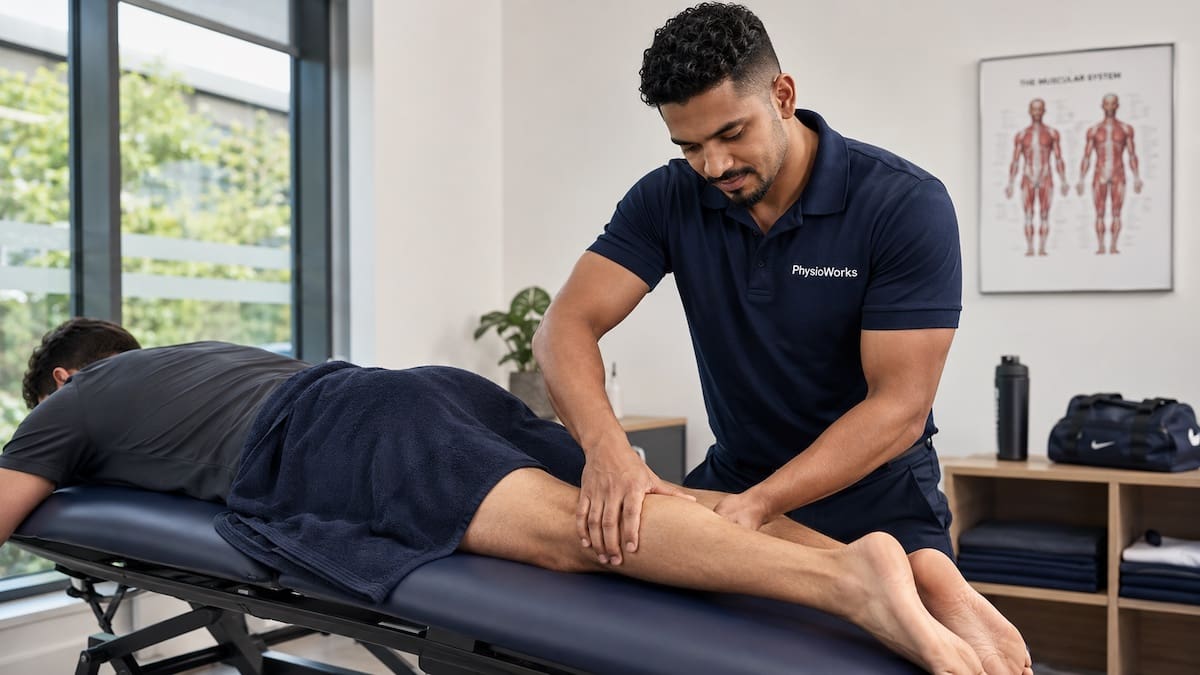
Post-event recovery massage treating calf tightness after sport

Targeted calf massage may form part of a broader recovery plan after sport.

When is the best time for a recovery massage?

There is no single ideal time for everyone. Your preferred timing will depend on the length and intensity of the event, the symptoms you notice afterwards and the demands of your next training session.

Many people consider a sports recovery massage later the same day or during the following two days. A lighter session may suit general tiredness or tightness soon after exercise. Waiting until the next day may feel better when soreness is still developing.

If your main symptom is widespread post-exercise soreness, compare it with the usual features of delayed onset muscle soreness. DOMS commonly develops after unfamiliar or harder-than-usual exercise and can become more noticeable during the following day.

Choose your timing based on how you feel

Soon after the event

Gentle treatment may suit ordinary fatigue or mild muscle tightness when you otherwise feel well and have no signs of injury.

Later the same day

This may suit general heaviness, stiffness or tired muscles after a moderate event or training session.

Within 24–48 hours

This timing often feels more comfortable after longer events, heavy strength training or when muscle soreness becomes clearer the next day.

Assessment first

Choose physiotherapy or medical advice first when you have sharp pain, marked swelling, bruising, numbness or pain that changes how you walk or move.

How does the type of event affect massage timing?

Running and endurance events

After a shorter race or moderate run, some runners prefer massage later the same day for general calf, thigh or hip tightness. After a long-distance event, waiting until the following day may feel more comfortable.

Team sports

Sprinting, jumping, kicking, tackling and repeated changes of direction can leave several muscle groups feeling tired. A player may consider recovery massage later that day or within 24 hours, particularly when another game or training session is approaching.

Gym and strength training

Hard or unfamiliar resistance training can cause local muscle soreness that develops over the following 24–48 hours. Massage may feel more useful once the location and extent of the soreness are clearer.

How does your next training session affect timing?

Your next activity matters as much as the event you have just completed. Massage may help some people feel more relaxed or comfortable between closely scheduled sessions. However, it should not be used to hide pain or force a return to hard training before your body is ready.

Massage works best as one part of a wider recovery plan. Sleep, food, hydration, light movement, rest and sensible training loads remain important.

When should recovery massage wait?

Do not treat every symptom after sport as ordinary muscle soreness. Massage may not be the right first step when symptoms suggest an injury, illness or another condition requiring assessment.

For a suspected sporting injury, a physiotherapist can assess the painful area and advise whether massage, exercise, load changes or another form of care is suitable. Our guide to common muscle injuries may also help you recognise symptoms that deserve closer review.

Is post-event recovery massage suitable for you?

A recovery massage may be worth considering when your symptoms feel muscular, widespread and consistent with recent exercise rather than a distinct injury.

General muscle tightness

You feel stiff, heavy or tired after sport but can otherwise move normally.

Normal training soreness

Your symptoms developed after a harder or less familiar session and do not include marked swelling, bruising or weakness.

Recovery between sessions

You want support managing muscle comfort between training, events or gym sessions.

Your massage therapist can discuss the treatment area, pressure, positioning and your goals before treatment starts. You may request a pressure change, decline treatment of an area or stop the session at any time.

What to do next

When your symptoms feel like ordinary post-exercise tightness or soreness, choose a recovery massage time that fits your comfort and training week. Waiting until the following day is reasonable when you expect soreness to develop overnight.

Book a physiotherapy assessment instead when pain is sharp, localised, worsening or affecting normal movement. Seek medical advice promptly for unusual calf swelling, breathing symptoms, heat illness or other concerning signs.

Book Massage

Select your preferred clinic or massage therapist.

Follow PhysioWorks

Get physiotherapy tips, exercise videos, recovery advice and blog updates.

Post-Event Recovery Massage FAQs

How soon after sport should I get a recovery massage?

Many people consider a recovery massage later the same day or within 24–48 hours. The best time depends on the event, your symptoms and when you next plan to train or compete.

Is it better to get a massage straight after sport or the next day?

A gentle massage soon after sport may suit mild general tightness. Waiting until the following day may feel better after longer or harder events, when developing soreness is easier to identify.

Can massage help delayed onset muscle soreness?

Massage may help some people feel less sore or more relaxed for a short period. It should form part of a broader recovery plan that includes sleep, hydration, food, light movement and sensible training loads.

When should I see a physiotherapist instead of booking massage?

Book a physiotherapy assessment when you have sharp or localised pain, swelling, bruising, weakness, numbness or pain that changes how you walk or move. Seek medical advice for unusual one-sided calf swelling or other concerning symptoms.

Can I train after a post-event recovery massage?

Light activity may feel comfortable after massage, but your next session should reflect your symptoms, fatigue and overall recovery. Avoid using massage to push through pain or return to hard training before you are ready.

References

  1. Dupuy O, Douzi W, Theurot D, Bosquet L, Dugué B. An evidence-based approach for choosing post-exercise recovery techniques. Front Physiol. 2018;9:403.
  2. Poppendieck W, Wegmann M, Ferrauti A, Kellmann M, Pfeiffer M, Meyer T. Massage and performance recovery: a meta-analytical review. Sports Med. 2016;46(2):183–204.
  3. Davis HL, Alabed S, Chico TJA. Effect of sports massage on performance and recovery: a systematic review and meta-analysis. BMJ Open Sport Exerc Med. 2020;6(1):e000614.
Remedial vs Relaxation Massage: Which Is Right for You?

Compare the goals, pressure and focus of remedial and relaxation massage so you can choose an appointment that better matches what you need.


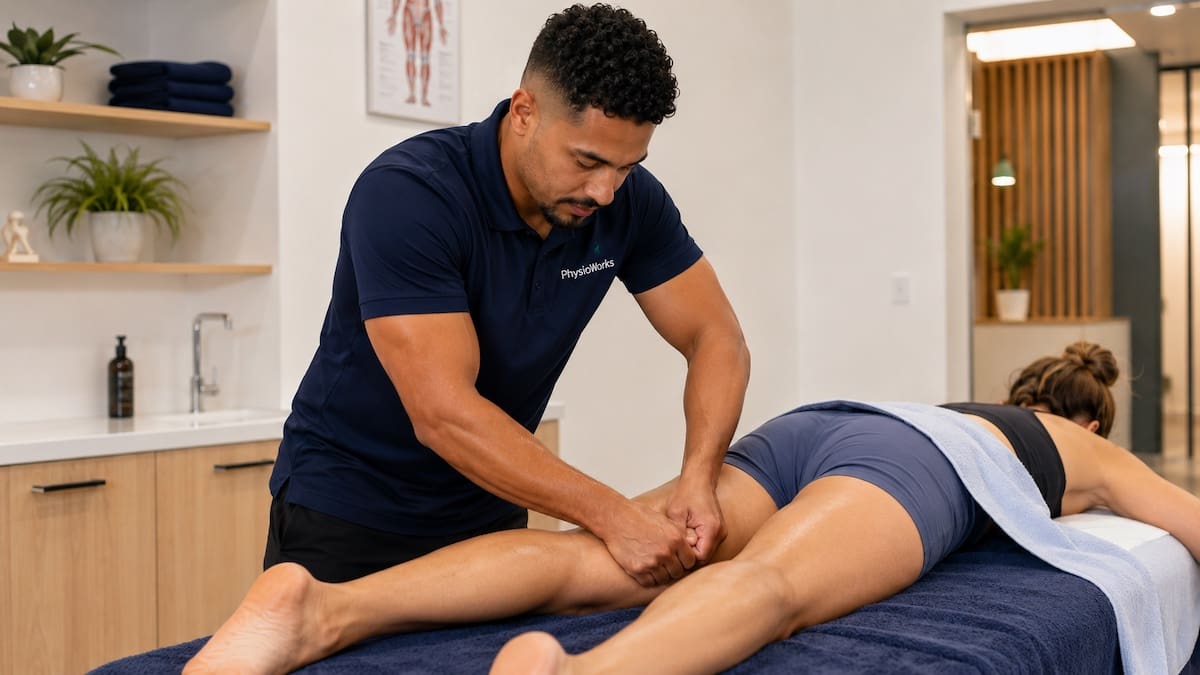
Massage therapist applying focused thumb pressure to the hamstring during remedial massage
Remedial massage may use focused pressure to treat a specific tight or uncomfortable area.

Remedial and relaxation massage can overlap, but they usually begin with different priorities. Relaxation massage focuses on calm and general comfort. Remedial massage uses a more targeted approach for one or several problem areas.

You do not need to make the perfect choice before booking. Tell your therapist whether you want relaxation, recovery or focused help, and they can discuss the most suitable approach with you.

Massage is available at selected PhysioWorks clinics. Choose your clinic or therapist below if you know who you would like to book.

What Is the Difference Between Remedial and Relaxation Massage?

The main difference is the purpose of the session. Relaxation massage usually treats broader areas with smooth, flowing techniques. Remedial massage usually spends more time on a defined area that feels tight, sore or restricted.

Relaxation Massage

A gentler treatment style aimed at general comfort, calm and whole-body relaxation.

  • Main goal: unwind and ease general tension
  • Pressure: usually light to moderate
  • Focus: broader areas or a general full-body approach
  • Techniques: smooth strokes, kneading and gentle movement
  • May suit: stress, busy periods, poor sleep and general tightness

Learn about relaxation massage

Remedial Massage

A more focused treatment style aimed at a specific muscle group, body region or recurring problem area.

  • Main goal: focus on a defined area of tightness or discomfort
  • Pressure: tailored from gentle to firm
  • Focus: one or several priority areas
  • Techniques: targeted pressure, slower work and localised treatment
  • May suit: work-related tightness, training soreness and recurring problem areas

Learn about remedial massage

Which Massage Should You Choose?

You want to switch off

Relaxation massage will usually provide the calmer and more general treatment experience.

One area keeps tightening

Remedial massage may allow more appointment time for that specific body region.

You prefer gentle pressure

Either style can be gentle. Tell your therapist about your pressure preference before treatment begins.

You prefer firm pressure

Remedial or deep tissue massage may suit, but firmer pressure is not automatically more effective.

You are recovering from training

Remedial or sports massage may suit when one area feels overloaded or sore.

You are still unsure

Choose the session length that suits your needs and explain your goals to the therapist at the start.

Can Remedial Massage Also Feel Relaxing?

Yes. Remedial massage does not need to feel intense or uncomfortable. A therapist may begin with broader, calming techniques and then spend more time on one or two priority areas.

Likewise, a relaxation session can include some additional attention to tight shoulders, calves or the upper back without becoming a fully targeted remedial treatment.

What Symptoms Do People Commonly Book Massage For?

People commonly choose massage for muscle tension, general stiffness, post-exercise soreness and stress-related tightness. Common treatment areas include the neck, shoulders, upper back, lower back, hips, thighs and calves.

Useful related guides include:

What Happens During Your Massage Appointment?

  1. Discuss what you want from the session

    Tell your therapist whether your priority is relaxation, general recovery or treatment of a particular area.

  2. Choose the treatment areas

    Your therapist will discuss which areas you would like treated and any areas you want avoided.

  3. Agree on pressure and positioning

    Pressure, positioning, clothing and draping can be adjusted to help you feel comfortable and secure.

  4. Give feedback during treatment

    Tell your therapist when the pressure feels too light, too firm or uncomfortable. You can request a change or stop treatment at any time.
Your Comfort and Preferences Matter

Your session should stay aligned with your goals. You may ask questions, request a pressure change, decline treatment to an area or stop treatment at any stage.

Tell your therapist before treatment if you are pregnant, take anticoagulant medication, recently had surgery, have a fracture or skin condition, or are receiving treatment for cancer or another significant medical condition. This information can affect pressure, positioning and treatment suitability.

When Should You Seek an Assessment Before Massage?

Massage may suit many everyday muscle aches. However, some symptoms need medical or physiotherapy assessment before hands-on treatment.

Related Massage Services

What Should You Do Next?

Choose relaxation massage when your main goal is calm, rest and general comfort. Choose remedial massage when you want focused treatment for one or several specific areas.

During the appointment, tell your therapist what you want from the session and how the pressure feels. They can adapt the treatment as your needs become clearer.

Book Massage

Select your preferred clinic or massage therapist.

Brisbane Massage Therapists

Meet the PhysioWorks massage therapists and choose a practitioner, clinic and appointment pathway that suits your needs.

Follow PhysioWorks

Get physiotherapy tips, exercise videos, recovery advice and blog updates.

References

  1. Mak S, Allen J, Begashaw M, et al. Use of massage therapy for pain, 2018–2023: a systematic review. JAMA Network Open. 2024;7(7):e2422259.
  2. Lee H, Gross AR, Chacko N, et al. Massage for neck pain contrasted against standard non-surgical treatment: a systematic review update. Journal of Bodywork and Movement Therapies. 2024;40:385–396.
  3. West KL, Huzij T. A systematic review of manual therapy modalities and anxiety. Journal of Osteopathic Medicine. 2024;124(11):487–497.

Remedial vs Relaxation Massage FAQs

What is the difference between remedial and relaxation massage?

Relaxation massage focuses on calm, general comfort and broad muscle tension using smooth techniques at a comfortable pressure. Remedial massage focuses more closely on a specific tight, sore or restricted area. Pressure can be adjusted in either style.

Is remedial massage always deep or painful?

No. Remedial massage can use gentle, moderate or firm pressure. The therapist should adjust the treatment according to your sensitivity, preferences and response. Pain is not required for massage to be useful.

Which massage is better for stress and sleep?

Relaxation massage will usually suit someone whose main goals are stress relief, comfort and help switching off. Individual responses vary, and massage does not guarantee improved sleep.

Can one appointment combine relaxation and remedial massage?

Yes. A therapist may use broader relaxation techniques before spending more time on one or two priority areas. Explain what you want from the session so the balance can be tailored to you.

What pressure should I choose?

Choose pressure that feels comfortable and tolerable. Start lighter when an area is sensitive or reactive. You can ask the therapist to increase or reduce pressure at any time.

When should I arrange an assessment before massage?

Arrange medical or physiotherapy assessment first when symptoms follow significant trauma, keep worsening, include unexplained weakness or swelling, or involve numbness, pins and needles or pain travelling down an arm or leg.

Massage Gift Voucher Brisbane

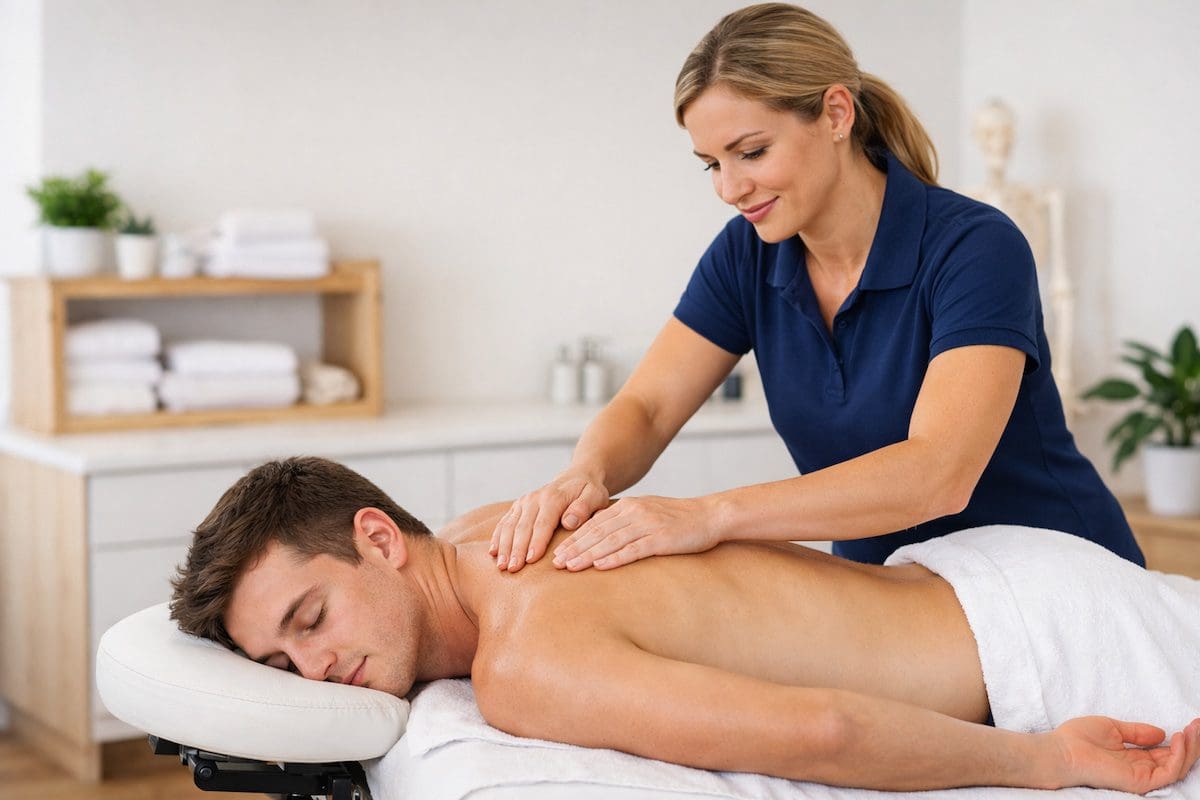
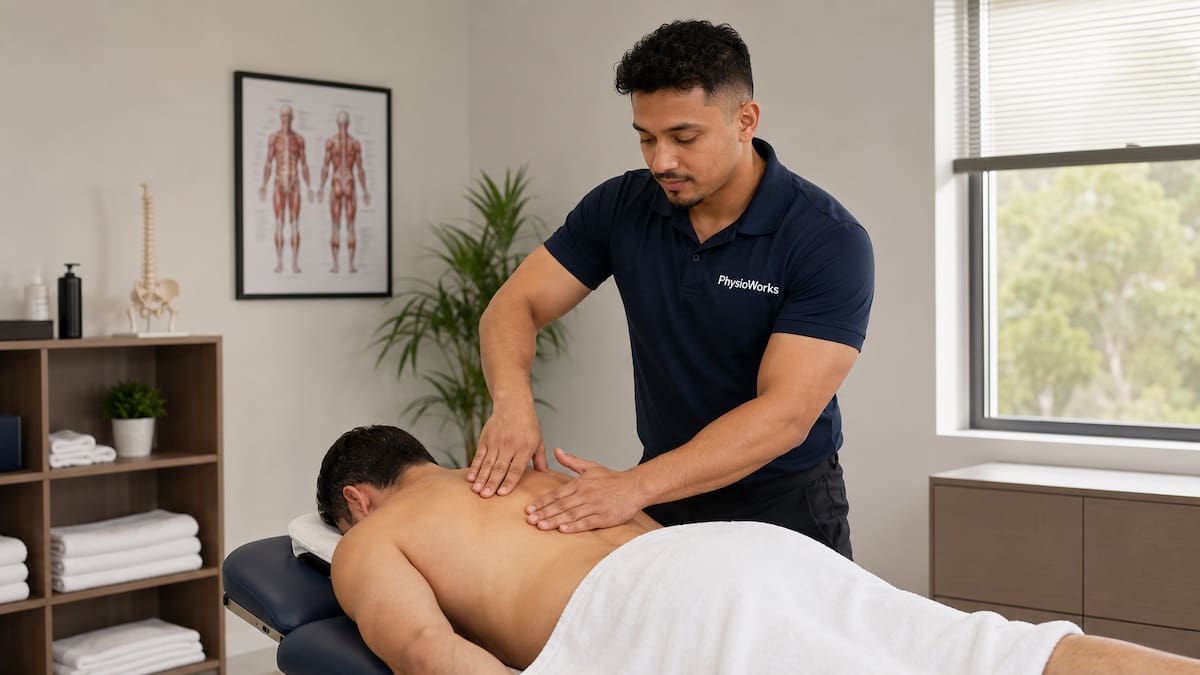
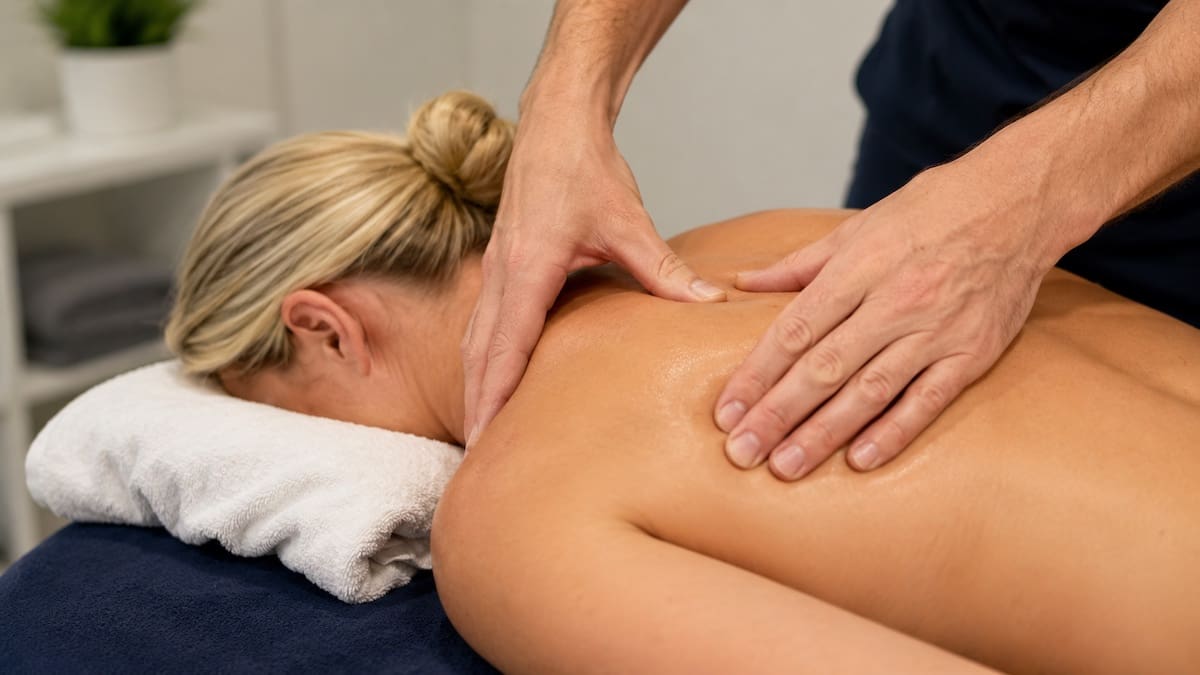
physiotherapist performing upper back massage on patient lying prone in clinic

Massage treatment available with a PhysioWorks gift voucher

Looking for a massage gift voucher in Brisbane? A PhysioWorks massage gift voucher is a practical, flexible gift for relaxation, recovery, and muscle care. You can buy a voucher online in minutes, or contact your nearest clinic for help.

It suits birthdays, anniversaries, thank-you gifts, and simple self-care. If you are comparing options, you can also browse our full range of massage services in Brisbane, including remedial massage and sports massage.

Available across multiple PhysioWorks Brisbane clinics, these vouchers are a simple option when you want to give someone a useful health and wellbeing gift.

Massage is available at selected PhysioWorks clinics. Choose your clinic or therapist below if you know who you would like to book.

How do you buy a massage gift voucher in Brisbane?

You can buy a massage gift voucher online through PhysioWorks, which is the fastest option for most people. Alternatively, you can contact reception if you would like help choosing a voucher or confirming the best clinic location.

👉 Buy a Massage Gift Voucher Online

What can a massage gift voucher be used for?

A massage gift voucher may be used for a range of massage services, depending on the recipient’s needs and the appointment booked. Common options include remedial massage, sports massage, and relaxation-focused massage care.

This makes the voucher a useful gift for active people, busy professionals, and anyone wanting help with muscle tightness, recovery, or general wellbeing. If the recipient also has a common soft tissue issue, they may find our information on muscle injuries helpful.

Why this gift is easy to give

  • Instant online purchase for last-minute gifts
  • Flexible use across massage services
  • Easy for the recipient to book at a suitable time
gift voucher

Gift voucher example for PhysioWorks massage services

Why choose a massage gift voucher?

A massage gift voucher is simple to organise and easy for the recipient to use. It offers flexibility while still giving a thoughtful health and wellbeing gift.

  • Easy to purchase online
  • Suitable for a wide range of ages and needs
  • Useful for relaxation, recovery, and muscle care
  • A practical gift that the recipient can choose how to use

Is a massage gift voucher right for the person you are buying for?

If they enjoy massage, need help winding down, or often deal with muscle tightness from work, exercise, or day-to-day stress, a massage gift voucher is usually a strong option. Many people also appreciate having the flexibility to choose the timing and style of their appointment.

What should you do next?

If you want a simple and useful gift, a PhysioWorks massage gift voucher is an easy choice. Buy online now, or speak with reception if you would like help choosing the most suitable option.

Instant online purchase also makes it a strong last-minute gift option.

👉 Purchase Your Massage Gift Voucher Now

Massage Gift Voucher Brisbane FAQs

Can I buy a massage gift voucher online?

Yes. You can buy a PhysioWorks massage gift voucher online through the product page. This is the quickest option and suits most buyers who want a simple checkout process.

What massage types can a gift voucher be used for?

A massage gift voucher may be used for a range of massage appointments, depending on the recipient’s needs and the service booked. This can include options such as remedial massage or sports massage.

Is a massage gift voucher a good present?

For many people, yes. It is a practical gift that supports relaxation, recovery, and wellbeing, which makes it suitable for birthdays, thank-you gifts, celebrations, and general self-care.

Can I contact the clinic if I need help choosing a voucher?

Yes. If you are unsure which massage gift voucher is most suitable, reception can help guide you. That can be useful if you want to confirm service options or clinic availability before buying.

Do massage gift vouchers expire?

Voucher terms can vary, so it is best to check the current conditions on the product page or with reception before purchase. That helps you confirm any expiry details and plan the gift with confidence.

Can the recipient choose the massage type later?

In many cases, yes. The recipient can usually book the massage service that best suits their needs at the time of appointment, subject to the voucher conditions and clinic availability.

Where can I find more massage information?

You can browse our Massage FAQs & Products page for more answers, or explore our broader Brisbane massage services section for related treatment information.

Book Massage

Select your preferred clinic or massage therapist.

Massage Products

These muscle and soft tissue products are commonly used by our remedial massage therapists and physiotherapists to relax or loosen muscles.

View all massage products

Follow PhysioWorks

Get physiotherapy tips, exercise videos, recovery advice and blog updates.

What Are the Best Massage Techniques?


Ashish applying massage techniques to upper-back muscle tension
Massage pressure and technique should match your goals and comfort.

The best massage techniques depend on why you want treatment. Lighter, flowing strokes may suit relaxation. Slower, firmer or more focused techniques may suit muscle tightness, exercise recovery or movement discomfort.

A massage therapist may combine several techniques during one appointment. Your comfort, health history and response to pressure should guide the session. Explore our Brisbane massage services for treatment and booking options.

Quick answer: No single massage technique is best for everyone.

Choose according to your main goal, preferred pressure, symptoms and whether you need assessment before treatment.

Which Massage Technique Should You Choose?

Start with the outcome you want from your appointment. Then discuss your pressure preference and any health concerns with your therapist.

  • Relaxation or stress: Swedish massage or gentle gliding techniques may suit you.
  • General muscle tension: remedial massage may combine kneading, sustained pressure and movement.
  • Training soreness: sports or recovery massage may focus on heavily loaded muscle groups.
  • Localised sensitive areas: graded trigger point work may be appropriate.
  • Movement restriction: myofascial techniques or assisted stretching may form part of the session.

Massage is available at selected PhysioWorks clinics. Choose your clinic or therapist below if you know who you would like to book.

Explore Related Massage Services

Different services use overlapping techniques. The main differences are the treatment goal, pressure and clinical focus.

What Are the Main Massage Techniques?

Longitudinal gliding or effleurage

Effleurage uses smooth strokes along a muscle or body region. Therapists commonly use it to introduce touch, spread massage medium and help you settle into treatment.

This technique often appears in Swedish massage and relaxation massage.

Kneading or petrissage

Petrissage involves lifting, rolling or compressing soft tissue. Your therapist can vary the depth, speed and direction according to your comfort and treatment goal.

Kneading commonly forms part of therapeutic massage, remedial massage and deep tissue sessions.

Myofascial release

Fascia is connective tissue that surrounds and links muscles and other structures. Myofascial techniques generally apply slow, sustained pressure or stretch rather than rapid strokes.

These techniques may help some people feel more comfortable during movement. Learn more about myofascial release massage.

Trigger point therapy

A trigger point is a sensitive area within a muscle. Pressure over it may reproduce local discomfort or symptoms elsewhere.

Your therapist should apply pressure gradually and adjust it to your response. Treatment should feel controlled rather than sharp or threatening. Read our trigger point therapy guide.

Active Release Techniques

Active Release Techniques combine focused therapist contact with movement of a nearby joint or muscle. Your therapist may direct the movement or ask you to move while maintaining contact.

Learn more about Active Release Techniques.

Transverse friction massage

Transverse friction uses short movements across the direction of tissue fibres. A therapist may consider it for selected tendon, ligament or scar-related presentations.

It does not suit every painful tendon or recent injury. An assessment should determine whether it has a useful role within a broader rehabilitation plan.

PNF stretching alongside massage

Proprioceptive neuromuscular facilitation, or PNF, combines a light muscle contraction with a stretch. A therapist may use it when improving movement range forms part of the treatment goal.

PNF requires clear instructions and controlled effort. See our guide to PNF stretching.

Which Massage Pressure Is Best?

More pressure does not automatically produce a better result. Effective treatment should match your sensitivity, symptoms and goals.

  • Light pressure: may suit relaxation, stress or sensitive areas.
  • Moderate pressure: may suit general muscle tightness and recovery.
  • Firm pressure: may suit selected deeper or localised areas when tolerated.

Tell your therapist if you brace, hold your breath or feel sharp pain. They can reduce the pressure, change the technique or stop treatment.

When May Massage Help?

People commonly seek massage for muscle tightness, stress-related tension, exercise soreness or discomfort linked with prolonged sitting and repetitive activity.

Massage may provide short-term relief for some types of musculoskeletal pain. However, it should not replace assessment when the cause remains unclear or your symptoms suggest another condition.

When Should You Seek Assessment First?

Arrange medical or physiotherapy assessment before massage when symptoms are severe, unexplained or worsening. Take extra care after significant injury or when your general health has changed.

Seek advice before massage if you have:

  • unexplained swelling, heat, redness or bruising
  • pins and needles, numbness or progressive weakness
  • fever, infection or an open wound
  • constant or unexplained night pain
  • a suspected fracture, blood clot or acute tissue tear
  • new symptoms after a fall, collision or accident

What This Means for You

Start by identifying your main goal. Choose a lighter style for relaxation or a more targeted service for persistent muscle tightness and training-related discomfort.

Your massage therapist can adjust the technique as your body responds. You do not need to tolerate excessive pain for a session to feel useful.

Related Information

Massage FAQs

What is the most popular type of massage?

Swedish massage is a commonly requested style because it uses comfortable, flowing strokes and often focuses on relaxation.

Which massage technique suits muscle pain?

Remedial massage, deep tissue techniques or trigger point therapy may suit some types of muscle soreness. The right choice depends on the cause, irritability and your pressure tolerance.

Can massage help with stress?

Relaxation-style massage may help some people feel calmer and reduce stress-related muscle tension. Individual responses vary.

What is the difference between Swedish and deep tissue massage?

Swedish massage generally uses lighter, flowing strokes. Deep tissue massage usually uses slower and firmer pressure over selected muscle and connective-tissue layers.

How often should you have a massage?

Frequency depends on your goals, symptoms, workload and response. Some people book occasional sessions, while others use a short treatment series during demanding training or recovery periods.

What to Do Next

Choose a massage service that matches your main goal. Tell your therapist about your symptoms, health history and pressure preference before treatment begins.

Book a Brisbane massage appointment online, or call PhysioWorks when you need help choosing a therapist or clinic.

Book Massage

Select your preferred clinic or massage therapist.

Brisbane Massage Therapists

Our massage therapists adjust treatment to your goals, comfort and clinical presentation. Availability and services vary between PhysioWorks clinics.

Remedial Massage Therapists

Our remedial massage therapists help relieve muscle tension, improve flexibility, reduce soft tissue pain, and support recovery from training loads, desk posture, and everyday physical stress.

Massage Products

These muscle and soft tissue products are commonly used by our remedial massage therapists and physiotherapists to relax or loosen muscles.

View all massage products

Follow PhysioWorks

Follow PhysioWorks for practical recovery information, mobility ideas and clinic updates.

Follow PhysioWorks

Get physiotherapy tips, exercise videos, recovery advice and blog updates.

What Is a Trigger Point and Why Does It Hurt?

Article by John Miller & Erin Runge
trigger-point-release-lower-back-massage

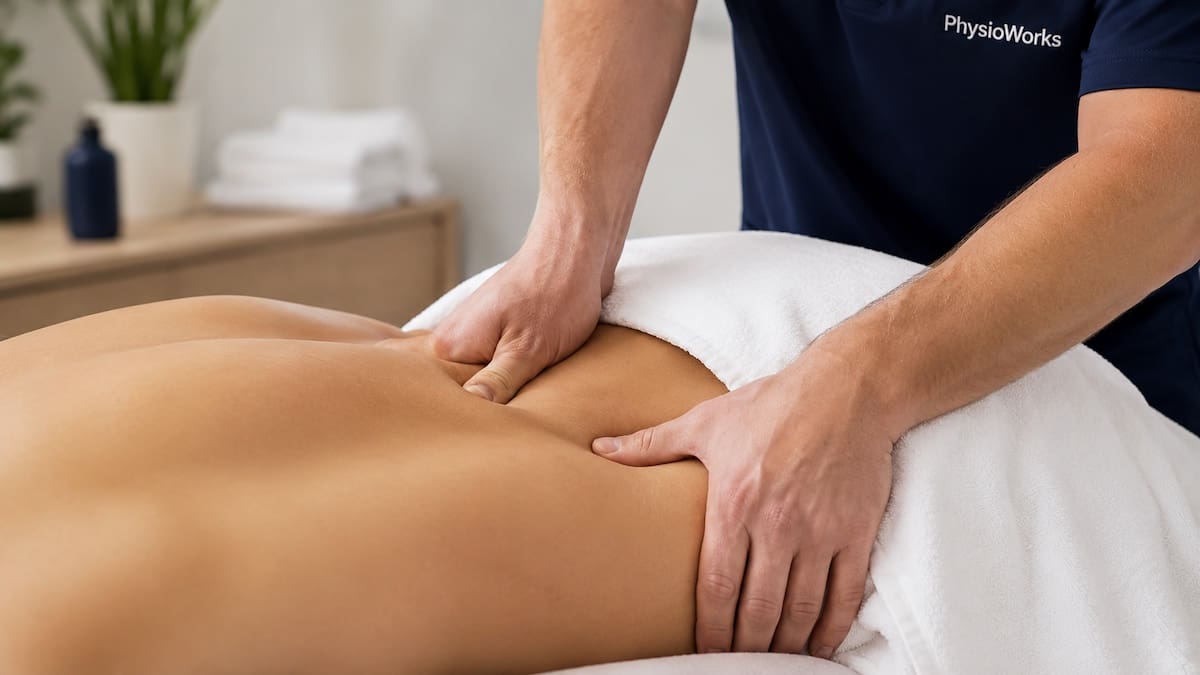
Targeted pressure may ease sensitive lower back muscles.

A trigger point is a tender and sensitive area felt within a muscle. Pressing it may reproduce pain at the site or in another region. People often describe these areas as muscle “knots”. However, the pain experience may involve muscle sensitivity, the nervous system, movement habits and several other contributing factors.

Trigger points may occur with muscle pain, stiffness, reduced movement and discomfort during work, exercise or daily activity. However, a tender point does not always explain the full cause of someone’s symptoms.

Quick answer: A trigger point is a sensitive area in a muscle that may cause local tenderness or pain felt elsewhere. Assessment should also consider movement, physical load, sleep, stress, posture and other possible sources of pain.

What Does a Trigger Point Feel Like?

A trigger point may feel like a tender spot or firm area within a muscle. Pressure over the area may reproduce familiar symptoms. Some people feel pain directly beneath the clinician’s fingers, while others notice discomfort in a nearby or more distant region.

Common features may include:

  • local muscle tenderness
  • pain reproduced by pressure
  • pain felt in another area
  • stiffness or reduced movement comfort
  • discomfort during repeated activity or sustained positions
  • a feeling of muscle tightness or fatigue

These features can overlap with other causes of neck pain, back pain and soft-tissue discomfort. Therefore, assessment should not rely on tenderness alone.

Why Does a Trigger Point Hurt?

There is no single proven explanation for why every trigger point becomes painful. Current theories involve changes in muscle activity, local tissue sensitivity and how the nervous system processes pain.

Pressing a sensitive area may activate pain receptors and reproduce symptoms. In some cases, the nervous system may also become more responsive after persistent pain, repeated loading, poor sleep or ongoing stress.

As a result, the painful spot may form one part of the problem rather than the entire diagnosis.

Can Trigger Points Cause Referred Pain?

Yes. Pressure over a tender muscle area may produce pain somewhere else. Clinicians call this referred pain.

For example, a sensitive muscle in the neck or shoulder may reproduce symptoms around the shoulder blade, head or upper arm. However, pain in these regions can also come from joints, nerves, tendons or other structures. A clinician should consider these alternatives before attributing symptoms to a trigger point.

Why Do Trigger Points Develop?

Trigger points may become noticeable after a combination of physical and lifestyle factors rather than one isolated cause.

Possible contributors include:

  • repeated or unfamiliar muscle loading
  • long periods in one position
  • sudden increases in exercise or training
  • poor recovery between demanding activities
  • reduced strength or movement capacity
  • stress and disrupted sleep
  • muscle guarding after pain or injury

Posture alone rarely explains ongoing muscle pain. Instead, symptoms often reflect how long someone holds a position, how much physical load they tolerate and how well they recover.

How Does a Clinician Assess a Trigger Point?

A physiotherapist or massage therapist may gently examine the painful area and ask whether pressure reproduces familiar symptoms. They may also assess movement, strength, joint mobility, nerve sensitivity and the activities that aggravate or ease the pain.

A useful assessment should consider:

  • where the pain started
  • whether symptoms stay local or travel
  • which movements or activities provoke pain
  • changes in strength or movement
  • recent training, work or lifestyle loads
  • other possible sources of referred pain

No single pressure test can confirm that a trigger point causes all symptoms. Clinical reasoning remains important, particularly when pain is severe, persistent or associated with weakness, numbness or unexplained health changes.

Trigger point therapy massage treatment to upper back muscles during remedial massage

Trigger point therapy may help ease muscle tightness and support movement.

How Are Trigger Points Commonly Managed?

Management depends on the wider cause of the symptoms. Treatment may include hands-on pressure, massage, movement advice, progressive exercise and changes to aggravating loads.

Trigger point therapy may use sustained or repeated pressure over sensitive muscle areas. The pressure should remain tolerable and should not cause unnecessary guarding or a major flare-up.

Other options may include:

  • gentle mobility exercises
  • gradual strength and endurance training
  • changes to work or training loads
  • breaks from sustained positions
  • sleep and recovery strategies
  • massage or soft-tissue treatment
  • dry needling where clinically appropriate

Research suggests that some hands-on and needling approaches may provide short-term pain relief for selected people. However, treatment usually works best as part of a broader plan rather than as the only strategy.

Can You Treat a Trigger Point Yourself?

Some people use a massage ball, foam roller or gentle self-pressure for short-term relief. Start with light pressure and avoid forcing directly into severe pain.

Self-management may include:

  • applying gentle pressure for 20 to 60 seconds
  • moving the nearby joint through a comfortable range
  • taking regular breaks from sustained positions
  • gradually rebuilding strength and activity tolerance
  • reducing pressure if symptoms worsen or travel

Stop if self-treatment causes marked pain, bruising, numbness, tingling, weakness or a lasting increase in symptoms. Avoid placing strong pressure over the front or side of the neck, major blood vessels, recent injuries, broken skin or areas with reduced sensation.

Shoulder blade trigger point ball release performed safely against a wall

Gentle wall pressure can target shoulder blade tension.

What Does This Mean for Your Pain?

A tender muscle area may contribute to your pain, but it may not be the only factor. Treating the spot without addressing the activity, movement or recovery issue that keeps irritating it may provide only temporary change.

A physiotherapist can assess whether your symptoms relate mainly to muscle sensitivity or whether another structure may be involved. They can then help you build a plan that may include exercise, load management, hands-on care and a gradual return to normal activity.

When Should You Seek Further Assessment?

Consider an assessment when pain persists, repeatedly returns or limits work, sleep, exercise or everyday movement.

Seek prompt medical advice if muscle pain occurs with:

  • significant unexplained weakness
  • persistent numbness or tingling
  • fever or feeling generally unwell
  • unexplained weight loss
  • major trauma
  • chest pain or shortness of breath
  • progressive night pain unrelated to position

Related Information

Frequently Asked Questions

What is a trigger point?

A trigger point is a tender and sensitive area felt within a muscle. Pressure over it may reproduce pain locally or in another region. It may form part of a broader muscle pain presentation rather than represent a complete diagnosis on its own.

Why does a trigger point hurt?

A trigger point may hurt because the muscle and nearby nervous system have become sensitive. Repeated loading, sustained positions, poor recovery and ongoing pain may contribute. Researchers have not confirmed one single mechanism that explains every painful trigger point.

Can trigger points cause pain elsewhere?

Yes. Pressure over a sensitive muscle area may reproduce pain in another location. This is called referred pain. However, joints, nerves and other tissues can also cause referred symptoms, so a proper assessment may help identify the likely source.

Are trigger points the same as muscle knots?

People often use the terms trigger point and muscle knot to describe a tender or firm area in a muscle. “Muscle knot” is an informal term. A trigger point usually refers more specifically to a sensitive area that may reproduce local or referred pain.

Can massage help a trigger point?

Massage and sustained pressure may provide short-term relief for some people. Results vary, and treatment should remain tolerable. Longer-term improvement may also require changes to movement, strength, workload, sleep and recovery.

Can dry needling help trigger point pain?

Dry needling may reduce pain for some people in the short term, although research results vary by body region and comparison treatment. A trained physiotherapist should assess whether it is suitable and explain the expected benefits, alternatives and risks.

What Should You Do Next?

If a tender muscle area keeps returning, affects movement or does not settle with simple self-care, consider a physiotherapy or massage assessment. Your clinician can check for other causes of pain and recommend a plan that matches your symptoms, activities and goals.

Choose your clinic and appointment pathway

Select a PhysioWorks clinic to continue to live booking, an appointment request or reception assistance.

Massage Products

These muscle and soft tissue products are commonly used by our remedial massage therapists and physiotherapists to relax or loosen muscles.

View all massage products

Follow PhysioWorks

Get physiotherapy tips, exercise videos, recovery advice and blog updates.

References

  1. Zhai T, Jiang F, Chen Y, Wang J, Feng W. Advancing musculoskeletal diagnosis and therapy: a comprehensive review of trigger point theory and muscle pain patterns. Front Med (Lausanne). 2024;11:1433070. doi:10.3389/fmed.2024.1433070.
  2. Dach F, Ferreira KS. Treating myofascial pain with dry needling: a systematic review for the best evidence-based practices in low back pain. Arq Neuropsiquiatr. 2023;81(12):1169-1178. doi:10.1055/s-0043-1777731.
  3. Chen Y, Sun Y, Ai S, Wang Q. Comparison of dry needling with physical modalities for myofascial trigger point of patients with neck pain: a systematic review and meta-analysis. J Bodyw Mov Ther. 2025;45:493-501. doi:10.1016/j.jbmt.2025.08.015.

For general consumer information about massage, see the Healthdirect massage overview.

Why Are PhysioWorks Massage Therapists in High Demand?

Massage therapists in Brisbane that patients trust are usually the ones who listen well, adapt their treatment, and deliver more than a routine rubdown. At PhysioWorks, our remedial massage therapists are in high demand because they are tertiary-qualified, experienced, and trained to match the massage style to your goals, comfort, and symptoms.

If you are comparing massage services in Brisbane, it helps to know what separates a structured remedial massage appointment from a generic massage. Many people book when they want help with muscle tension, recovery, tightness, stress, or post-exercise soreness. Others simply want to relax and feel better after a busy week.

Massage is available at selected PhysioWorks clinics. Choose your clinic or therapist below if you know who you would like to book.

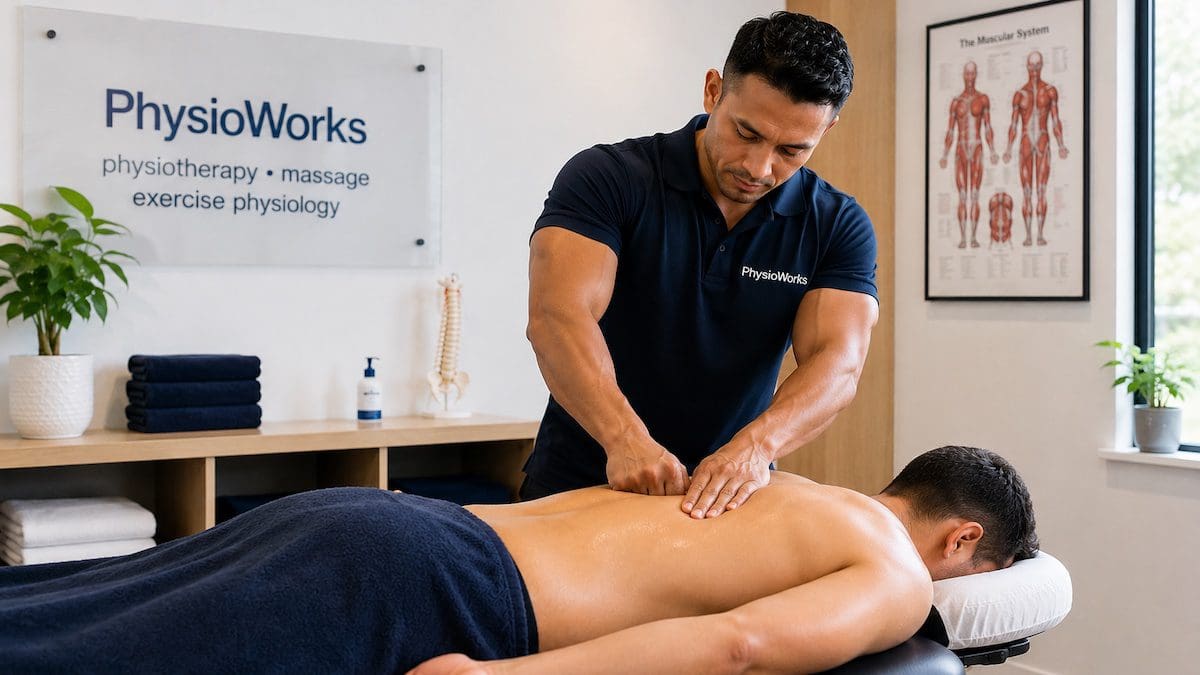
Massage therapists Brisbane treating upper back tension in a PhysioWorks massage room
PhysioWorks Massage in Brisbane

Why are PhysioWorks massage therapists in high demand?

PhysioWorks massage therapists are in high demand because people want professional care that feels tailored, not generic. Our therapists use recognised remedial massage training and choose techniques that suit your preferences, body region, and treatment goals. That may mean firm work for muscle tightness, lighter techniques for relaxation, or a blended approach when recovery and comfort both matter.

What massage styles does PhysioWorks offer?

Our registered remedial massage therapists perform a wide range of massage styles. These include remedial massage, deep tissue massage, sports massage, acupressure, Swedish massage, trigger point therapy, and relaxation massage.

You benefit from that range because your therapist can adjust the session to your needs. We would not use a firm sports massage approach if all you wanted was a gentler, calming treatment.

Symptoms massage may help

Many people book massage when they feel tight, sore, stressed, or physically run down. Massage may help with common issues such as neck pain, back muscle pain, DOMS, muscle tension after training, or general stress-related tightness. It may also support people who want short-term comfort while they continue with exercise, physiotherapy, or day-to-day activity.

Who may benefit from massage?

Massage may suit office workers, gym-goers, runners, tradies, busy parents, and people who simply want to relax. Some want help with physical recovery. Others want to slow down, improve comfort, and feel less wound up. Massage also sits well alongside broader care such as physiotherapy treatment or guided exercise when symptoms involve more than simple muscle tightness.

Is this massage right for you?

If you want a session that matches your goals, pressure tolerance, and reason for booking, PhysioWorks may be a good fit. Many people find they get more value from a massage when the therapist asks the right questions first, explains the treatment approach, and adjusts the session as needed rather than following the same routine every time.

When may massage not be appropriate?

Massage is not suitable for every situation. New injuries, unexplained swelling, severe pain, infection, or symptoms that seem unusual may need assessment first. If you are unsure, a physiotherapist or massage therapist can help decide whether massage is appropriate or whether another treatment path is more suitable.

Relax, rehabilitate, or rejuvenate with PhysioWorks massage

At PhysioWorks, we make massage easier to access with online bookings, gift vouchers, and private health insurance rebates where eligible. For many Brisbane patients, that makes high-quality massage more affordable than expected. You can also view local clinic options including Ashgrove massage, Clayfield massage, and Sandgate massage.

What to do next

Start by thinking about what you want from your appointment. Do you want help with tight muscles, recovery after sport, stress relief, or a gentler relaxation session? That answer helps guide the most suitable massage style.

If you are unsure, book a PhysioWorks massage appointment and explain your goals. Your therapist can discuss the most appropriate approach and adapt the session to suit your body, comfort, and preferences.

Book Massage

Select your preferred clinic or massage therapist.

Massage Satisfaction Promise

We want your massage to feel worthwhile, professional, and matched to your needs. Clear communication before and during your appointment helps you get the most from your session, whether your goal is recovery, relaxation, or a blend of both.

Massage Therapy FAQs

What is remedial massage?

Remedial massage targets muscles and soft tissues to help relieve tension, improve flexibility, and support recovery. Therapists may use deeper or more focused techniques depending on your symptoms and goals.

How does sports massage benefit athletes?

Sports massage may help athletes manage muscle tightness, recover between sessions, and prepare for training or competition. It is often used to support performance and recovery rather than as a stand-alone solution.

What is the difference between deep tissue and Swedish massage?

Deep tissue massage usually uses firmer pressure and focuses on deeper muscle layers. Swedish massage is generally gentler and aims to promote relaxation, circulation, and a calmer overall feel.

Can massage therapy help with stress relief?

Many people find massage helpful for stress relief because it can promote relaxation, reduce muscle tension, and support a calmer overall feel.

How often should I get a massage?

That depends on your goals, symptoms, budget, and lifestyle. Some people benefit from regular sessions during busy or high-load periods, while others prefer occasional appointments for maintenance or relaxation.

Related Articles

  1. Sports Recovery Massage – Discover techniques for muscle recovery and performance enhancement.
  2. DOMS – Delayed Onset Muscle Soreness – Learn about managing and preventing muscle soreness after exercise.
  3. Muscle Pain & Injury – Understand different types of muscle injuries and treatment options.
  4. Massage Therapy Types and Benefits – Explore various massage styles and their specific benefits.
  5. Improving Flexibility in Athletes – Tips and techniques for enhancing athletic flexibility.
  6. Techniques Used in Sports Massage – An overview of specialised sports massage techniques.
  7. Sport Injury Management – Effective strategies for managing and recovering from sports injuries.
  8. Book Your Massage Here – Easy booking for your next massage at PhysioWorks.
  9. Massage FAQs & Products – Frequently asked questions about massage therapy and recommended products.

References

  1. Bervoets DC, Luijsterburg PAJ, Alessie JJN, Buijs MJ, Verhagen AP. Massage therapy has short-term benefits for people with common musculoskeletal disorders compared to no treatment: a systematic review. J Physiother. 2015;61(3):106-116. doi:10.1016/j.jphys.2015.05.018
  2. Mak S, Roseen EJ, Wang C. Use of Massage Therapy for Pain, 2018-2023. JAMA Netw Open. 2024;7(7):e2421441. doi:10.1001/jamanetworkopen.2024.21441
  3. Dakić M, Madić D, Drid P, et al. The Effects of Massage Therapy on Sport and Exercise Performance: A Systematic Review. Int J Environ Res Public Health. 2023;20(12):6076. doi:10.3390/ijerph20126076
  4. West KL, Kamper SJ, Jelsma J, et al. A systematic review of manual therapy modalities and anxiety. J Bodyw Mov Ther. 2024;40:1549-1563. doi:10.1016/j.jbmt.2024.06.008

Brisbane Massage Therapists

The massage therapists who consult to PhysioWorks operate independently-owned businesses. Here are some of our massage therapist details.

Massage Products

These muscle and soft tissue products are commonly used by our remedial massage therapists and physiotherapists to relax or loosen muscles.

View all massage products

Follow PhysioWorks

Get physiotherapy tips, exercise videos, recovery advice and blog updates.

What Is Acupuncture?

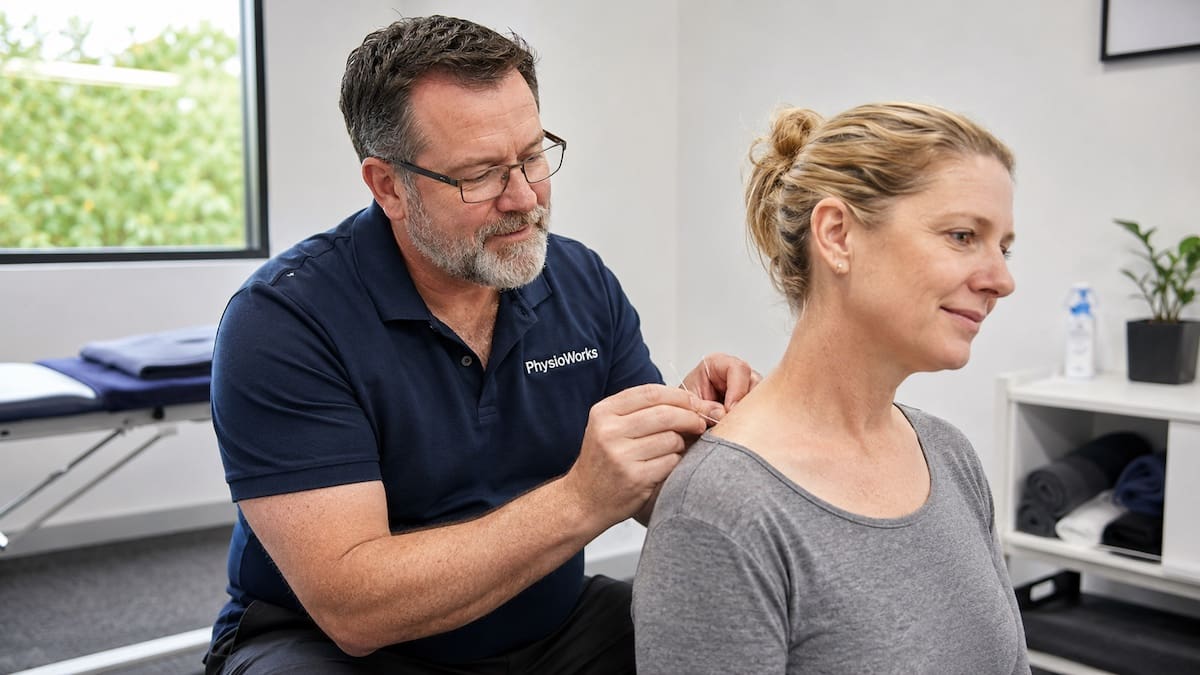
What is acupuncture upper trapezius needling in physiotherapy clinic
Calm acupuncture explanation in clinic.

Acupuncture uses very fine, sterile, single-use needles placed at selected points on the body. It may help some people manage pain, muscle tightness, and movement restriction when it is used after a clear assessment and as part of a broader physiotherapy plan.

At PhysioWorks, acupuncture is usually considered alongside physiotherapy treatment, exercise, hands-on care, and practical advice. It is not a stand-alone cure. The right choice depends on your symptoms, health history, and what your assessment shows.

Quick Answer: What Is Acupuncture?

Acupuncture is a needling treatment used in some pain and movement plans. A trained practitioner places fine needles into selected points. The aim is to influence pain signals, muscle tone, and comfort so you can move more easily.

  • uses fine, sterile, single-use needles
  • may help short-term pain and muscle tension
  • works best when linked to clear goals
  • should follow a health and safety screen

How Does Acupuncture Work?

Acupuncture can be explained in more than one way. Traditional Chinese medicine describes it through qi and meridians. Modern pain care often explains it through the nervous system, local tissue response, and changes in pain sensitivity.

Some people feel less pain, less muscle guarding, or easier movement after treatment. However, results vary. For most musculoskeletal problems, acupuncture works best when it supports an active plan. That plan may include strength work, mobility, load management, and clear advice.

Does Acupuncture Hurt?

Most people feel little more than a brief prick as the needle enters the skin. You may then feel mild aching, warmth, heaviness, or tingling. These feelings are usually short-lived and should be monitored during treatment.

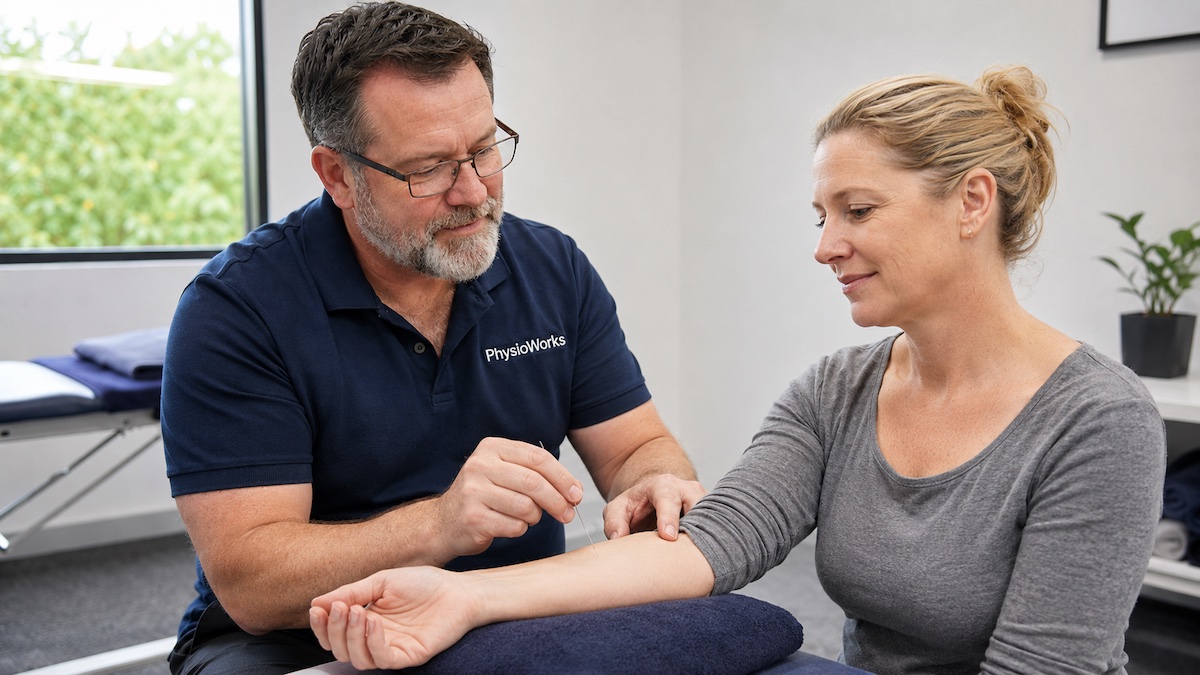
Acupuncture forearm point demonstration with fine sterile needle
Fine needle placement explained clearly.

What Conditions May Acupuncture Help?

A physiotherapist may discuss acupuncture when pain, muscle tension, or protective guarding limits movement. It may be considered after assessment for issues such as back pain, neck pain, shoulder pain, knee pain, or headaches.

It may also form part of a broader pain management plan. The aim is not just short-term relief. The better goal is to help you move, load, and function with more confidence.

Acupuncture vs Dry Needling

Feature Acupuncture Dry Needling
Main framework Point selection from acupuncture systems Western musculoskeletal assessment
Common target Pain, tension, and symptom control Trigger points, tender muscle bands, and movement limits
Usual role A support option within a wider care plan A targeted muscle treatment within a physiotherapy plan
Shared feature Both use fine needles and should be matched to your condition, safety screen, and goals.

For a fuller comparison, read about acupuncture and dry needling or the PhysioWorks guide to dry needling.

Is Acupuncture Right for You?

It may suit you if you have:

  • muscle tension or guarding
  • pain that limits easy movement
  • symptoms linked to stress or sensitivity
  • a clear plan for exercise and progress

It may not be the first choice if you have:

  • an unclear or changing diagnosis
  • red flags that need medical review
  • a strong need for loading or strength work first
  • a preference for non-needling care

Your physiotherapist should explain why acupuncture is being considered, what other options are available, and what role it plays in your plan. If the main issue is muscle tenderness, trigger point therapy may also be discussed.

What Does the Research Say?

Research suggests acupuncture may help some people with pain, but the strength of evidence varies by condition. Recent reviews report possible benefits for pain relief, chronic neck pain, and knee osteoarthritis. They also note that treatment dose, patient selection, and comparison with sham treatment still matter.

In practice, this means acupuncture should be framed as an option, not a guarantee. It may help you feel more comfortable in the short term. Longer-term improvement still depends on a clear diagnosis, movement confidence, and a plan that matches your daily demands.

Safety and Hygiene

At PhysioWorks, acupuncture uses sterile, single-use needles. Your practitioner should ask about your health history, medications, bleeding risk, pregnancy status, fainting history, skin health, and other factors that may affect needling safety.

Can You Claim Acupuncture on Private Health Insurance?

Private health insurance rebates vary between funds and policies. Some people may be able to claim acupuncture or dry needling when it forms part of an eligible physiotherapy consultation. Check your policy before booking if rebates matter to your decision.

More Information About Acupuncture and Related Treatments

FAQs About Acupuncture

What is acupuncture used for?

Acupuncture is commonly used to help manage pain, muscle tension, and movement restriction. In physiotherapy settings, it may be considered for problems such as back pain, neck pain, headaches, and joint pain.

Is acupuncture safe?

Acupuncture is generally considered safe when a trained practitioner uses sterile single-use needles and screens you first. Tell your practitioner about medicines, bleeding issues, pregnancy, fainting history, and recent illness.

How long does an acupuncture session take?

Session length varies. Many appointments include assessment, explanation, needling, exercise advice, and a plan for what to do next. Needling time is only one part of the visit.

How many acupuncture sessions will I need?

The number of sessions depends on your condition, goals, and response. Some people need only a short trial. Others need a staged plan that also includes exercise and load management.

Is acupuncture the same as dry needling?

No. Both use fine needles, but they use different reasoning systems. Acupuncture often uses selected points from acupuncture frameworks. Dry needling usually targets tight or painful muscles using a musculoskeletal assessment.

What should you do next if you are considering acupuncture?

Book an assessment first. That helps your physiotherapist decide whether acupuncture is suitable, whether another treatment may suit better, or whether you need medical review before needling.

What To Do Next

If pain, muscle tension, or movement restriction is affecting your day, book a physiotherapy assessment. Your physiotherapist can explain whether acupuncture is suitable and how it may fit with your broader recovery plan.

Choose your clinic and appointment pathway

Select a PhysioWorks clinic to continue to live booking, an appointment request or reception assistance.

Follow PhysioWorks

Get physiotherapy tips, exercise videos, recovery advice and blog updates.

References

  1. Qin C, Ma H, Ni H, et al. Efficacy and safety of acupuncture for pain relief: a systematic review and meta-analysis. Support Care Cancer. 2024;32(12):780. doi:10.1007/s00520-024-08971-9
  2. Fang J, Shi H, Wang W, et al. Durable effect of acupuncture for chronic neck pain: a systematic review and meta-analysis. Curr Pain Headache Rep. 2024;28(9):957-969. doi:10.1007/s11916-024-01267-x
  3. Luo X, Liu J, Li Q, et al. Acupuncture for treatment of knee osteoarthritis: a clinical practice guideline. J Evid Based Med. 2023;16(2):237-245. doi:10.1111/jebm.12526
  4. Ho L, Lai CNT, Chen H, et al. Systematic review of clinical practice guidelines on acupuncture for chronic musculoskeletal pain. BMC Complement Med Ther. 2025;25(1):322. doi:10.1186/s12906-025-05070-y

What Is Dry Needling?

Article by John Miller & Erin Runge
Physiotherapist performing dry needling on shoulder muscle for trigger point pain

Dry needling treatment for shoulder muscle pain

Dry needling is a physiotherapy technique that uses fine, sterile needles to target sensitive muscle bands and trigger points. It may help reduce muscle pain, ease tightness, and improve movement when used as part of a broader treatment plan that can also include exercise, advice, and hands-on care. At PhysioWorks, dry needling is usually considered after a thorough assessment of your symptoms, movement, and likely pain source. For a broader overview of acupuncture and dry needling, or a deeper treatment page on dry needling physiotherapy, you can explore those guides as well.

Quick links

[/vc_column_text][/vc_column][/vc_row]

What is dry needling physiotherapy?

Dry needling physiotherapy uses a thin filiform needle to treat irritated muscle tissue and trigger points without injecting any substance. It is based on modern anatomy, pain science, and clinical assessment rather than traditional Chinese medicine theory.

How does dry needling work?

Dry needling aims to settle sensitive muscle points, reduce guarding, and improve movement tolerance. Your physiotherapist selects treatment points based on your symptoms, movement tests, muscle tension, and the tissues that appear to be contributing to your pain.

Because dry needling usually forms part of a broader rehabilitation plan, it is often combined with other physiotherapy treatment techniques, such as exercise therapy, movement retraining, advice, and hands-on treatment.

What are the benefits of dry needling?

  • May reduce muscle pain and sensitivity
  • May help relax tight or overactive muscles
  • May improve movement and flexibility
  • May support recovery alongside exercise and physiotherapy
  • May reduce referred pain from trigger points

Important: Dry needling is usually an adjunct treatment. It often works best when your physiotherapist also addresses the reasons your symptoms developed, such as strength deficits, movement overload, posture, work demands, training errors, or recovery habits.

What conditions may dry needling help?

Dry needling is most often used as an adjunct treatment for muscle pain, trigger points, and movement restrictions linked to musculoskeletal conditions. It is usually one part of a full treatment plan rather than a stand-alone fix.

What body areas are commonly treated?

Dry needling is often used around areas where muscle tension and trigger points commonly contribute to pain or stiffness. These may include the:

  • neck and upper trapezius region
  • shoulder and shoulder blade muscles
  • lower back and gluteal muscles
  • hip muscles
  • thigh and calf muscles
  • jaw-related muscle tension in selected cases

If your symptoms are linked to local muscle tightness, your physiotherapist may also assess whether related issues such as headaches, sciatica, or general muscle pain are part of the pattern.

How does a dry needling session work?

1. Assessment
Your physiotherapist assesses your movement, pain patterns, and muscle tension.

2. Targeted treatment
Fine needles are inserted into specific trigger points or tight muscle bands.

3. Response
You may feel a twitch, ache, or release sensation in the muscle.

4. Follow-up
Treatment is usually combined with exercise, stretching, or hands-on therapy.

What does dry needling feel like?

Many people feel a brief ache, twitch, cramp-like response, or local heaviness when the needle reaches a sensitive trigger point. After treatment, the area may feel looser, mildly sore, or tired for a short time, similar to post-exercise soreness.

What should you expect after dry needling?

  • Mild muscle soreness for 24 to 48 hours
  • Improved movement or reduced tightness
  • Occasional fatigue in the treated muscle
  • Gradual improvement when combined with exercise

Following your physiotherapist’s advice after treatment can help you get the best result. For many people, that includes gentle movement, hydration, and continuing the exercises or self-management plan you were given.

Tip: If your pain keeps returning, your physiotherapist will usually look beyond trigger points alone. They may assess load management, strength, joint movement, work setup, sleep, training habits, and recovery capacity so your results last longer.

Is dry needling the same as acupuncture?

No. Dry needling and acupuncture use similar needles, but they are based on different treatment models. Dry needling generally uses western anatomical assessment and targets muscles, trigger points, and pain-related movement problems. You can read more in our guide to what acupuncture is and our treatment overview covering acupuncture and dry needling.

When is dry needling not appropriate?

Dry needling may not be suitable for everyone. Your physiotherapist will consider factors such as needle tolerance, bleeding risk, infection, skin condition, general health, pregnancy considerations, and the location being treated before deciding whether it is appropriate.

Private health fund rebates

Private health fund cover for dry needling varies. In many cases, it is billed as part of a physiotherapy consultation rather than as a separate item. It is sensible to check your level of cover and any limits with your insurer before booking.

Who may benefit from dry needling?

People with muscle tightness, myofascial pain, recurrent trigger points, or pain that limits normal movement may benefit from dry needling when it is clinically appropriate. It is often combined with exercise, load management, and hands-on treatment for a more complete result.

If your main issue is more soft tissue tightness than injury diagnosis, some people also explore options such as trigger point therapy, myofascial release massage, or remedial massage depending on their goals and presentation.

When should you consider dry needling?

You may consider dry needling if muscle pain, tightness, or trigger points are slowing your recovery despite usual treatment. A physiotherapist can assess whether dry needling fits your presentation or whether another treatment approach is likely to suit you better.

Related information

FAQs about dry needling

Is dry needling painful?

Dry needling can feel uncomfortable for a moment, especially when a sensitive trigger point is treated. However, most people tolerate it well, and any soreness usually settles within a day or two.

How long does dry needling take to work?

Some people feel easier movement or reduced pain soon after treatment, while others notice change over the next 24 to 48 hours. The response varies depending on the condition, irritability, and what else is included in your treatment plan.

Can dry needling help muscle knots?

Dry needling is commonly used to treat trigger points, which many people describe as muscle knots. It may help reduce muscle guarding and improve comfort when combined with stretching, exercise, and load management.

Do physiotherapists use dry needling on its own?

Usually not. Physiotherapists often use dry needling as one part of a broader plan that may include diagnosis, exercise, hands-on treatment, ergonomic advice, and guided return to activity.

Is dry needling safe?

Dry needling is generally considered safe when performed by a properly trained clinician using sterile technique and appropriate screening. Like any procedure, it carries some risks, so your physiotherapist should explain these before treatment.

What should you do after dry needling?

Light movement, hydration, and following your physiotherapist’s advice are usually sensible after dry needling. It is also common to combine treatment with mobility work or exercises while the muscle is easier to move.

What to do next

If you are wondering whether dry needling is suitable for your pain, stiffness, or trigger points, a physiotherapy assessment is the best first step. Your clinician can identify the tissues involved, explain whether dry needling is appropriate, and build a plan around your goals.

If dry needling is not the right fit, your physiotherapist can guide you towards other options such as exercise therapy, manual therapy, load management, or a more targeted rehabilitation plan.

Choose your clinic and appointment pathway

Select a PhysioWorks clinic to continue to live booking, an appointment request or reception assistance.

Follow PhysioWorks

Get physiotherapy tips, exercise videos, recovery advice and blog updates.

References

  1. Dach F, Ferreira KS. Treating myofascial pain with dry needling: a systematic review for the best evidence-based practices in low back pain. Arq Neuropsiquiatr. 2023;81(12):1169-1178. doi:10.1055/s-0043-1777731
  2. Chys M, Schneider S, Smith CA, et al. Clinical effectiveness of dry needling in patients with musculoskeletal pain—an umbrella review. J Clin Med. 2023;12(4):1397. doi:10.3390/jcm12041397
  3. Gattie E, Cleland JA, Snodgrass S. The effectiveness of trigger point dry needling for musculoskeletal conditions by physical therapists: a systematic review and meta-analysis. J Orthop Sports Phys Ther. 2017;47(3):133-149. doi:10.2519/jospt.2017.7096
  4. Sánchez-Montoya M, Arias-Buría JL, Fernández-de-Las-Peñas C, et al. Safety and anatomical accuracy of dry needling procedures in musculoskeletal system: a systematic review of cadaveric studies. J Man Manip Ther. 2026;34(1):78-95. doi:10.1080/10669817.2025.2536818

What Is Acupressure?

Article by John Miller & Erin Runge
Acupressure pressure point therapy for upper back muscle tension
Acupressure uses firm pressure to ease muscle tension.

Acupressure is a hands-on technique that uses firm pressure on selected points in muscles and soft tissues. These points may feel tender, tight, or linked with a wider area of pain. Acupressure does not use needles, which makes it different from acupuncture and dry needling.

People often ask about acupressure for muscle tension, pain relief, headaches, stress-related tightness, and recovery after work or sport. It may help some people feel calmer and move more freely. However, it works best as one part of a broader plan.

Quick answer: Acupressure applies steady manual pressure to soft-tissue points. It may help ease local muscle guarding, reduce pain sensitivity, and support relaxation. It should not replace assessment when pain is new, severe, worsening, or unexplained.

How Does Acupressure Work?

Acupressure works by applying controlled pressure to a chosen point for a short time. The pressure may affect local blood flow, muscle tone, nerve sensitivity, and how the brain reads pain signals.

Clinicians may use their thumb, fingers, knuckles, elbow, or a supported hand position. The pressure should feel firm but tolerable. You should still be able to breathe and relax during treatment.

Recent research suggests that some forms of acupressure may provide short-term pain relief for chronic musculoskeletal pain. However, the evidence is still mixed, and longer-term effects remain less certain. This is why your treatment plan should match your symptoms, goals, and health history.

What Is Acupressure Used For?

People may try acupressure when symptoms feel tight, guarded, or stress-related. It is often used as one part of physiotherapy, massage, or self-care advice.

  • neck and upper back tension
  • muscle soreness after work, sport, or training
  • headache symptoms linked with neck or jaw tension
  • back pain with muscle guarding
  • tender trigger points in muscles
  • persistent pain where relaxation and movement confidence matter

Acupressure May Suit You If

  • your symptoms feel muscular or tension-based
  • pressure on the area feels relieving rather than sharp
  • you want a non-needle option
  • you can relax during firm pressure
  • your clinician has checked for warning signs

Is Acupressure The Same As Trigger Point Therapy?

Not exactly. The terms can overlap, but they come from different traditions. Acupressure often refers to pressure on mapped points used in traditional acupuncture systems. Trigger point therapy usually refers to pressure on tender muscle points that may refer pain elsewhere.

In practice, many modern clinicians use simple, patient-centred wording. They may describe the treatment as pressure point therapy, soft-tissue release, trigger point pressure, or manual therapy. The key point is that the pressure should match your symptoms, comfort, and treatment goals.

What Can Acupressure Feel Like?

During acupressure, you may feel a deep ache, pressure, warmth, or a “good pain” feeling. The sensation should not feel sharp, burning, electric, or unsafe.

After treatment, some people feel looser straight away. Others notice change over 24 to 48 hours. Mild soreness can happen, like the feeling after new exercise.

How Does Acupressure Fit With Physiotherapy?

Acupressure is not a full treatment plan by itself. A physiotherapist may use it to settle symptoms so you can move, strengthen, and build confidence again.

For example, someone with neck pain may need pressure work, posture advice, strength exercises, and work setup changes. Someone with back pain may need movement testing, load advice, and a graded exercise plan.

Some people also compare acupressure with dry needling. Both may target sensitive points, but dry needling uses fine needles while acupressure uses manual pressure only.

Can You Use Acupressure At Home?

Some people use gentle self-pressure at home. A massage ball, thumb pressure, or a firm but soft surface may help ease mild muscle tension.

Keep home pressure simple. Use short bouts, avoid bruising, and stop if symptoms spread, worsen, or feel unusual. Do not press hard over the front of the neck, open wounds, inflamed skin, new swelling, or areas with reduced feeling.

Simple Self-Care Rule

Use gentle pressure, then move. Pressure alone rarely solves the reason symptoms started.

Walking, light mobility, pacing, strength work, sleep, and load management often matter more for long-term change.

Is Acupressure Safe?

Acupressure is usually low risk when a trained clinician uses it for the right person and the right problem. However, it may not suit every situation.

Seek advice first if you have a bleeding disorder, use blood-thinning medicine, fragile skin, infection, fever, new swelling, a recent fracture, unexplained night pain, a new lump, or worsening nerve symptoms. These may include numbness, weakness, pins and needles, or bladder or bowel changes.

When Should You See A Physiotherapist?

See a physiotherapist if pain lasts more than a few days, keeps returning, limits work or sport, or you are unsure why it started. Assessment can help identify whether your symptoms fit muscle tension, joint irritation, nerve sensitivity, tendon pain, or another cause.

This matters because acupressure may help some symptoms settle, but other problems need a different plan. Your clinician may recommend exercise, education, manual therapy, muscle pain management, headache care, or another pathway.

What To Do Next

If you want to understand whether acupressure suits your symptoms, book a physiotherapy appointment. Your physiotherapist can assess the problem, explain your options, and help you choose the safest next step.

You can also read more about headache physiotherapy, tension headache, or remedial massage if your symptoms feel tension-related. For broader support, view our Brisbane physiotherapy services.

Choose your clinic and appointment pathway

Select a PhysioWorks clinic to continue to live booking, an appointment request or reception assistance.

Massage Products

These muscle and soft tissue products are commonly used by our remedial massage therapists and physiotherapists to relax or loosen muscles.

View all massage products

Follow PhysioWorks

Get physiotherapy tips, exercise videos, recovery advice and blog updates.

Frequently Asked Questions

What is acupressure?

Acupressure is a hands-on technique that uses firm pressure on selected points in muscles and soft tissues. It does not use needles. People often try it for muscle tension, pain relief, stress-related tightness, and relaxation.

How does acupressure work?

Acupressure may affect muscle tone, local blood flow, nerve sensitivity, and pain processing. The exact effect can vary from person to person. It works best when paired with movement, strengthening, pacing, and advice that targets the cause of symptoms.

Is acupressure the same as acupuncture?

No. Acupuncture uses fine needles. Acupressure uses manual pressure only. Both may target similar points, but the treatment method and clinical reasoning can differ.

Does acupressure help muscle tension?

It may help some people with muscle tension feel looser or calmer for a short time. Long-term results usually depend on the wider plan, including exercise, work setup, sleep, stress load, and training habits.

Is acupressure safe?

Acupressure is usually low risk when used correctly. It may not suit people with bleeding risk, infection, fever, recent fracture, unexplained night pain, new swelling, fragile skin, or worsening nerve symptoms. Seek advice if you are unsure.

When should I book physiotherapy instead of self-treatment?

Book physiotherapy if pain is severe, persistent, spreading, linked with weakness or numbness, or keeps returning. Assessment helps identify the cause and whether pressure point therapy is the right option.

Can I do acupressure myself?

You can use gentle self-pressure for mild muscle tension if it feels safe and settles quickly. Avoid hard pressure, bruising, the front of the neck, inflamed skin, numb areas, new swelling, and unexplained pain.

What should acupressure feel like?

It may feel firm, achy, warm, or relieving. It should not feel sharp, electric, burning, or unsafe. Tell your clinician if the pressure feels too strong or causes symptoms to spread.

References

  1. Lee TKW, Chang JR, Hao D, Fu SN, Wong AYL. The effectiveness of auricular acupressure on chronic musculoskeletal pain: a systematic review and meta-analysis of randomized controlled trials. J Integr Complement Med. 2025;31(1). doi:10.1089/jicm.2023.0630
  2. Li T, Li X, Huang F, Tian Q, Fan ZY, Wu S. Clinical efficacy and safety of acupressure on low back pain: a systematic review and meta-analysis. Evid Based Complement Alternat Med. 2021;2021:8862399. doi:10.1155/2021/8862399
  3. Ang L, Song E, Lee H, Lee MS. Acupressure for managing osteoarthritis: a systematic review and meta-analysis. Appl Sci. 2021;11(10):4457. doi:10.3390/app11104457

High-Intensity Interval Training (HIIT)

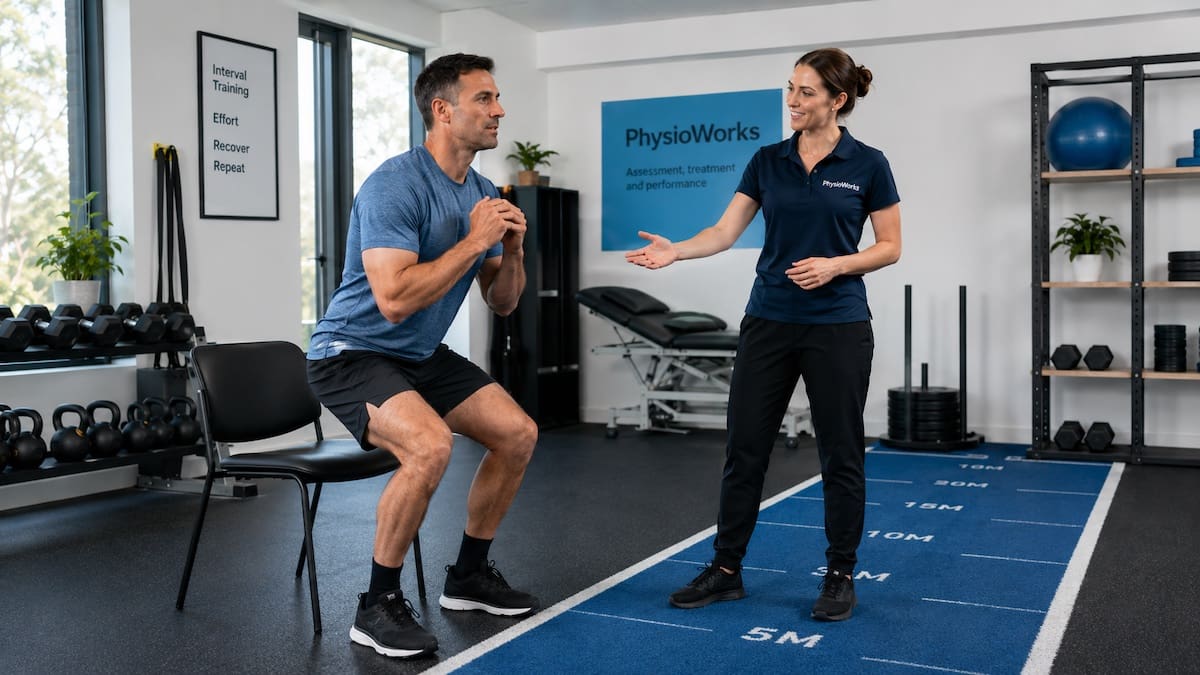
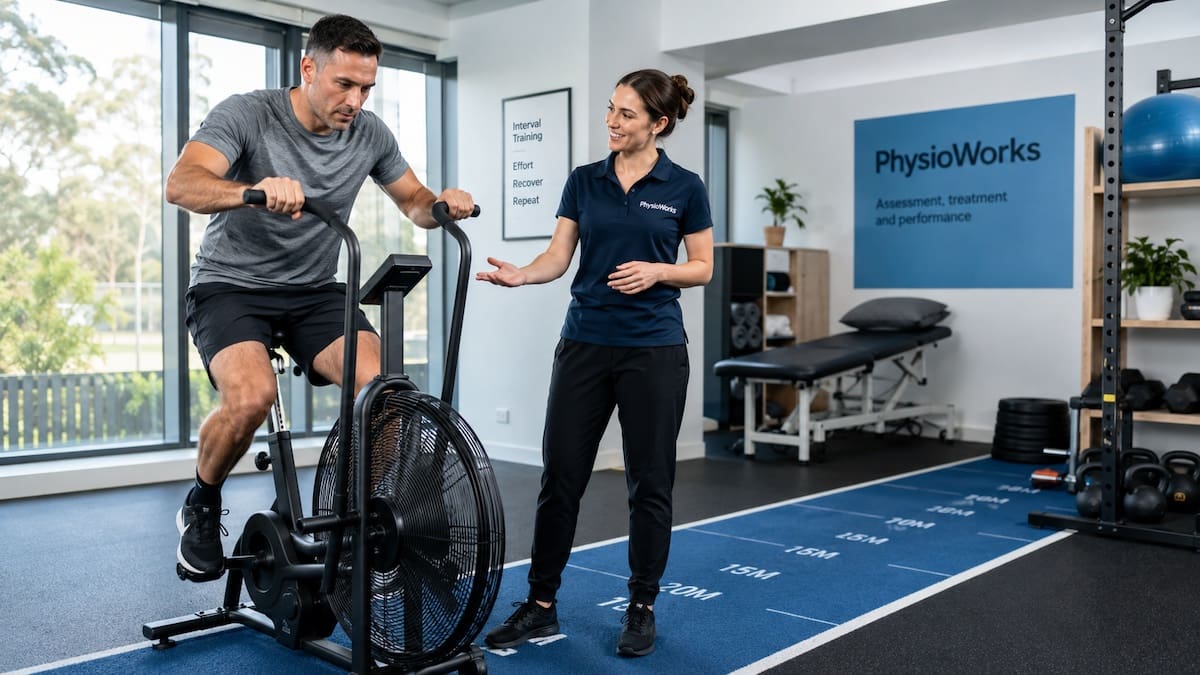
High-Intensity Interval Training HIIT supervised cardio interval exercise session

Guided HIIT can be scaled to your fitness level.

High-Intensity Interval Training (HIIT) alternates short bursts of hard effort with brief recovery periods. It can improve fitness, heart health and exercise capacity in less time than many traditional workouts. If you are returning from injury, building fitness or need a tailored plan, exercise physiology or physiotherapy guidance can help you choose the right starting point.

HIIT suits many people because it is flexible. You can use it with walking, cycling, rowing, bodyweight drills or gym-based circuits. However, the safest HIIT program depends on your goals, injury history, fitness level and recovery capacity.

Quick takeaway: HIIT can be useful when the dose matches your body. Start with simple intervals, avoid sudden spikes, and progress only when your recovery remains steady.

What Is High-Intensity Interval Training (HIIT)?

High-Intensity Interval Training (HIIT) is a style of exercise that alternates repeated short periods of vigorous work with planned recovery. A session might include 20 to 60 seconds of hard effort followed by 20 to 90 seconds of lighter movement or rest. The aim is to challenge your heart, lungs, muscles and energy systems in a short workout.

Many HIIT sessions include:

  • a dynamic warm-up,
  • repeated work and recovery intervals,
  • several rounds matched to your fitness level, and
  • a cooldown to settle your breathing and movement.

Common Features of HIIT Training

  • short bursts of hard work followed by recovery,
  • sessions often completed in 10 to 30 minutes,
  • options using running, cycling, rowing, walking or bodyweight drills,
  • programs that can be adjusted for beginners or experienced exercisers, and
  • stronger results when the plan is progressed gradually.

What Are the Benefits of High-Intensity Interval Training (HIIT)?

HIIT can improve aerobic fitness, exercise tolerance and cardiometabolic health. Recent reviews report benefits for cardiorespiratory fitness and several heart-health markers. HIIT may also suit people who struggle to find time for longer workouts because the sessions are usually short and varied.

Potential benefits of HIIT include:

  • improved cardiovascular fitness,
  • better exercise efficiency for busy people,
  • increased tolerance to higher training loads,
  • support for weight-management plans when paired with nutrition and recovery, and
  • a flexible way to train at home, outdoors or in a gym.

How Does HIIT Work?

HIIT works by challenging both your aerobic and anaerobic energy systems. During each hard interval, your heart rate and breathing rise quickly. During recovery, your body starts to clear fatigue products and prepare for the next effort. Over time, this repeated stress-and-recovery pattern can improve fitness and exercise tolerance.

Because the loads are higher than steady exercise, HIIT should be dosed carefully. That is especially important if you have had a muscle strain, delayed onset muscle soreness (DOMS) or recurring tendinopathy.

Where Does Exercise Physiology Fit With HIIT?

An Accredited Exercise Physiologist (AEP) can help turn HIIT from a random hard workout into a structured exercise plan. At PhysioWorks, exercise physiology focuses on safe progression, pacing, strength, fitness and confidence. This can be useful if you are new to interval training, returning after injury, managing a health condition or unsure how hard to train.

An AEP may help you choose the right exercise mode, work-to-rest ratio, session frequency and progression speed. For active people and athletes, performance exercise physiology may also help align HIIT with strength, sport demands and recovery.

Physio or Exercise Physiology for HIIT?

Choose the starting point that matches your main issue.

  • See a physiotherapist first: if pain, injury, swelling, weakness or loss of movement is limiting exercise.
  • See an exercise physiologist: if you need a structured fitness, strength, chronic disease or return-to-exercise plan.
  • Use both when needed: physiotherapy can guide diagnosis and early recovery, while EP can progress longer-term conditioning.

Is High-Intensity Interval Training Safe for Beginners?

HIIT can be safe for beginners when it starts at the right level. The problem is not the name. The problem is starting too hard, too soon or too often. Many injuries happen when people copy advanced workouts before they have built enough strength, movement control and recovery capacity.

If you are new to exercise, you may do better with shorter work intervals, longer recovery periods and lower-impact options such as brisk uphill walking, cycling or rowing. Exercise physiology may also help if you want a supervised plan that builds fitness without repeated flare-ups.

HIIT Readiness Check

Before you add HIIT, check whether your body can recover from harder sessions. A good starting point should feel challenging, but it should not leave you sore for several days or make an old injury flare.

  • Green light: you recover within 24 to 48 hours and movement feels normal.
  • Yellow light: soreness lasts longer than expected or technique drops quickly.
  • Red light: pain is sharp, spreading, worsening or linked with dizziness or chest symptoms.

Who Should Be Careful With HIIT Workouts?

You should be more cautious with HIIT if you have heart or lung disease, uncontrolled blood pressure, dizziness, poor exercise tolerance or a recent injury. HIIT also needs careful planning if you are returning to sport after time off or trying to manage persistent pain.

In these cases, HIIT may still help, but the program should be modified. Many people do better when they first build a base with lower-intensity exercise, then progress into intervals. If you play sport regularly, our sports injuries information may also help you understand load, recovery and overuse patterns.

Can HIIT Help During Rehabilitation?

Yes, HIIT principles can sometimes be used in rehabilitation, but the dose matters. Physiotherapists may use interval-style loading to rebuild fitness without overloading an injured area. For example, intervals on a bike, cross trainer or in a pool can let someone train hard while keeping impact lower than running or jumping.

Exercise physiologists may also use interval-style programming during later rehabilitation or return-to-fitness planning. This can help rebuild exercise capacity, confidence and training tolerance while still respecting pain, fatigue and recovery response.

This is one reason HIIT is attractive in rehab and performance settings. It is adaptable. Nevertheless, it should support the bigger recovery plan rather than replace sound diagnosis, strength work, mobility and graded return to activity. You may also find our injury prevention programs guide useful if you are rebuilding capacity after a break.

High-Intensity Interval Training HIIT sit-to-stand interval exercise coaching

Start HIIT with safe, controlled exercise progressions.

Beginner HIIT Progression Example

A simple HIIT plan should start easier than you think. Progress one variable at a time, such as interval length, number of rounds or exercise impact.

Stage Example Best For
Entry level 20 seconds brisk effort, 60 seconds easy recovery, 6 rounds Beginners or return after a break
Building phase 30 seconds hard effort, 60 seconds recovery, 8 rounds People tolerating early sessions well
Higher load 40 seconds hard effort, 40 seconds recovery, 8 to 10 rounds Experienced exercisers with good recovery

Common HIIT Mistakes That Increase Injury Risk

Most HIIT problems come from poor dosing rather than the training method itself. Sudden changes in speed, volume, jumping, hill work or gym load can irritate muscles, tendons and joints.

  • Skipping the warm-up
  • Adding too many hard sessions in one week
  • Using high-impact jumping before building strength
  • Training hard when sleep or recovery is poor
  • Ignoring pain that changes your movement pattern

If muscle pain is limiting your exercise, our muscle pain and injury guide can help you compare general soreness, DOMS and possible strain patterns.

Does HIIT Help Mental Performance as Well?

Emerging research suggests HIIT may also support brain health and cognitive performance. Reviews have reported favourable effects on brain-derived neurotrophic factor (BDNF), which is involved in neuroplasticity and brain function. This does not mean HIIT is always better for every person, but it adds to the case for exercise as part of whole-body health.

Exercise can also support mood and resilience. For broader advice on activity and wellbeing, see exercise for mental health. Healthdirect also explains that exercise can support mental health, reduce stress and improve sleep when started safely and gradually.

How Do You Start HIIT Safely?

Start with one or two sessions per week. Choose a low-impact option if needed. Keep the first few sessions short, and leave enough recovery between them. A simple beginner example is 20 seconds of hard work followed by 40 to 60 seconds of easy recovery for 6 to 8 rounds after a warm-up.

The American College of Sports Medicine provides useful public guidance on physical activity levels and vigorous exercise participation in adults. See their overview of physical activity guidelines.

Related PhysioWorks Articles

Frequently Asked Questions About High-Intensity Interval Training (HIIT)

How long should a HIIT session last?

Many HIIT sessions last between 10 and 30 minutes, depending on the workout design, the intensity of the work intervals and your fitness level. Shorter sessions can still be effective when the intensity is high enough and the recovery periods are planned well.

How many times per week should you do HIIT?

Most people do well with one to three HIIT sessions per week. The right amount depends on your training background, sport, work demands, sleep and injury history. Too many hard sessions can reduce recovery and increase the chance of overload problems.

Is HIIT better than steady exercise?

Not always. HIIT is often more time-efficient, but steady exercise still has clear benefits. Steady exercise may suit beginners, people with some medical conditions or those building an aerobic base. The best choice depends on your body, goals and tolerance.

Can you do HIIT if you have had an injury?

Sometimes, yes. However, the exercise choice, impact level and work-to-rest ratio may need to change. If you have had a recent injury or keep flaring up with exercise, professional guidance can help you return more safely.

Can an exercise physiologist help with HIIT?

Yes. An exercise physiologist can help match HIIT to your goals, fitness level, health history and recovery response. This may include exercise selection, work-to-rest timing, weekly frequency and safe progression.

What is the easiest HIIT option for beginners?

Low-impact intervals are often the easiest starting point. Brisk walking, cycling, rowing or step-ups can raise your heart rate without the same impact as sprinting or jumping. Start with longer rests and progress gradually.

Should HIIT feel painful?

No. HIIT should feel hard, but it should not cause sharp pain, worsening symptoms or movement changes. Stop and seek advice if pain persists, spreads or keeps returning each time you train.

What to Do Next

If HIIT interests you but you are unsure where to start, begin with a program that matches your current fitness and recovery capacity. Avoid the trap of chasing intensity before your body is ready for it.

If pain, injury history or poor exercise tolerance is holding you back, a PhysioWorks physiotherapist or exercise physiologist can assess your starting point and help tailor a plan that builds fitness safely and progressively.

Choose your clinic and appointment pathway

Select a PhysioWorks clinic to continue to live booking, an appointment request or reception assistance.

Follow PhysioWorks

Get physiotherapy tips, exercise videos, recovery advice and blog updates.

References

  1. Cadenas-Sanchez C, Moriana-Coronas FJ, Esteban-Cornejo I, et al. A systematic review and cluster analysis approach of 103 systematic reviews and meta-analyses on the effectiveness of high-intensity interval training on cardiorespiratory fitness. J Sport Health Sci. 2024;13(4):633-652.
  2. Edwards JJ, Thielen H, Harrison AS, et al. High-intensity interval training and cardiometabolic health in adults: an overview of systematic reviews. Sports Med. 2023;53(10):1967-1991. doi:10.1007/s40279-023-01849-3
  3. Mielniczek M, Czechowska D, Pol W, et al. The effect of high-intensity interval training (HIIT) on brain-derived neurotrophic factor in adults: a systematic review. Int J Mol Sci. 2024;25(24):13315. doi:10.3390/ijms252413315
  4. Leite CDFC, dos Santos PB, de Souza HL, et al. Exercise-induced muscle damage after a high-intensity interval training session: a systematic review. Sports. 2023;11(11):219. doi:10.3390/sports11110219
You've just added this product to the cart: