
Common physiotherapy treatment techniques include tailored exercise, manual therapy, education, activity advice, taping, bracing, and selected modalities. Your physiotherapist chooses these techniques after assessing your symptoms, movement, goals, and recovery stage. You can also read our broader physiotherapy treatment guide for a full overview.
Most physiotherapy plans use more than one approach. For example, your plan may combine exercise prescription, manual joint treatment, education, and home strategies. This helps address symptoms and contributing factors such as strength deficits, stiffness, load tolerance, and movement control.
The main physiotherapy treatment techniques are exercise, education, manual therapy, activity planning, taping, bracing, and selected adjunct treatments. Each technique has a different role, so your plan should change as pain settles and your capacity improves.
Early care often focuses on comfort, movement, and reassurance. Later care usually builds strength, stamina, control, and confidence. This staged approach helps treatment move beyond short-term symptom relief and towards better function in work, sport, and daily life.
A physiotherapist chooses treatment techniques by matching the assessment findings with your goals, symptoms, and current load tolerance. They will usually check how you move, what triggers symptoms, what eases them, and how your body responds to simple tests.
Your physiotherapist may also ask about work, sport, sleep, stress, training history, previous injuries, and any scans or medical reports. This helps them decide whether your plan should focus on pain control, mobility, strength, return to activity, or a mix of these priorities.
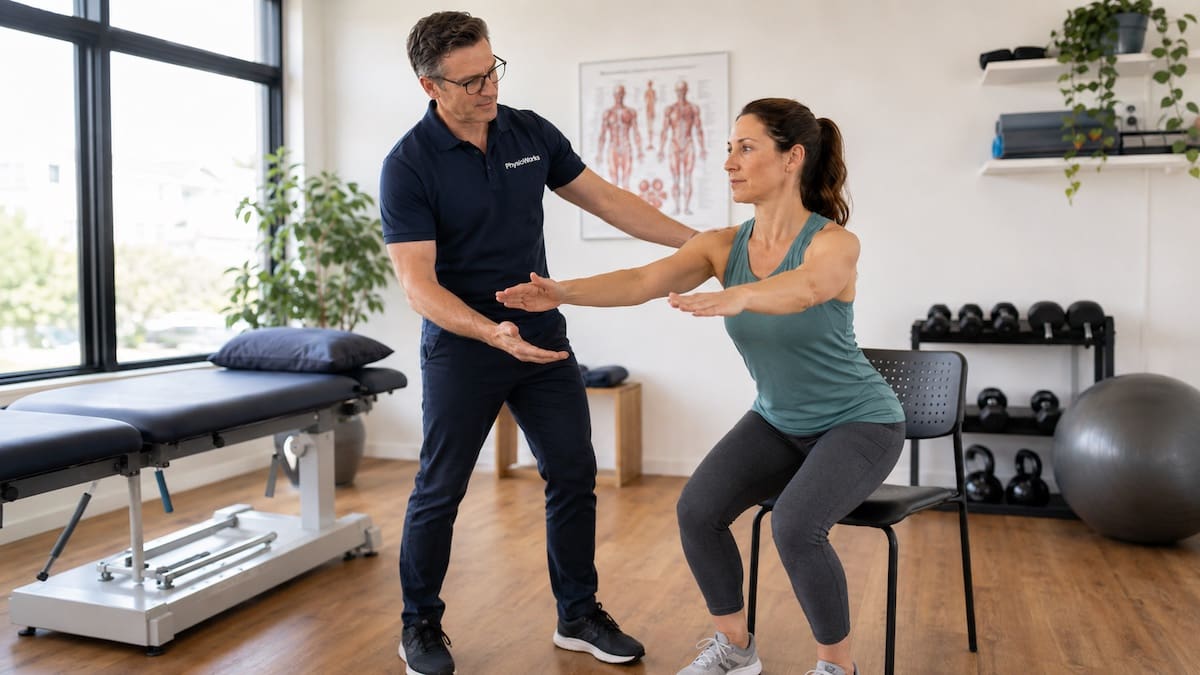
Exercise is often the foundation of physiotherapy. It may include mobility drills, strengthening exercises, balance training, walking progressions, gym-based work, or sport-specific drills. The aim is to build capacity, not just chase short-term comfort.
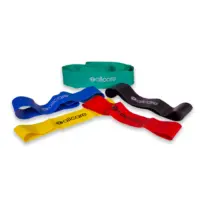
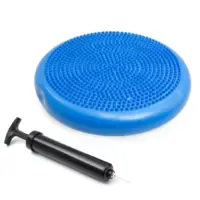
Your program may include stretching exercises, balance and proprioception training, and balance training. Over time, your physiotherapist may progress the load, speed, range, or complexity so the program reflects your real activity goals.
Manual therapy may include joint mobilisation, movement-based manual techniques, and soft tissue treatment. These techniques may assist pain modulation, stiffness, and movement confidence, especially when they help you move or exercise more comfortably.
Soft tissue care, including soft tissue massage, may be used where muscle tension, sensitivity, or guarding is affecting function. However, hands-on care usually works best when it supports an active plan rather than replacing it.
Education is a treatment technique in its own right. It helps you understand what may be contributing to symptoms, how much activity is sensible, and when to modify your loads. This can reduce fear, improve pacing, and help you avoid boom-bust cycles.
Many people also need help deciding what soreness is acceptable. Your physiotherapist can explain warning signs, expected exercise responses, and when to adjust intensity, volume, or recovery time.
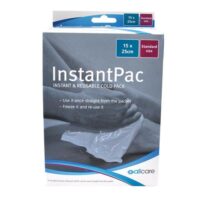
Early rehabilitation may include acute soft tissue injury care, sub-acute soft tissue injury management, swelling strategies, gentle movement, and clear activity advice. The goal is to protect irritated tissue while keeping you moving safely.
As the injury settles, your physiotherapist usually increases load and complexity. This may include strength progressions, work simulation, walking tolerance, or sport-specific drills.
Some physiotherapists may use dry needling or acupuncture as part of a broader plan. These approaches may help some people manage pain or muscle sensitivity, but they should be matched to your presentation and preferences.
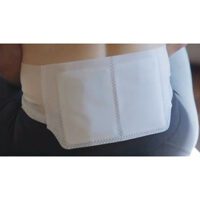
Taping and bracing may provide short-term support during activity. These options can be useful during return to work, return to sport, or flare-up management while strength and control are improving.
Supports work best with a plan. Your physiotherapist may recommend when to use them, when to reduce reliance, and which exercises will help you build confidence without them.
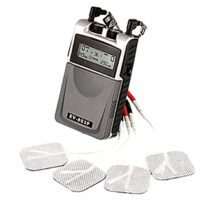
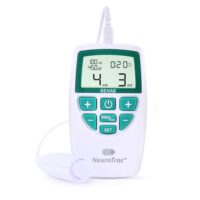
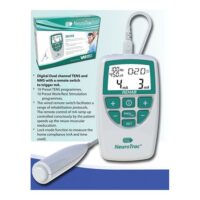
Modalities such as electrotherapy and therapeutic ultrasound may be used as adjuncts. They may support comfort when pain limits movement, but they should not replace a clear exercise and activity plan.
Some people also use a TENS machine between appointments. Your physiotherapist can guide safe use, pad placement, and whether it suits your symptoms.
Hands-on treatment is usually not enough on its own for lasting change. It may help pain or stiffness, but most recovery plans also need exercise, education, and graded return to activity so the body can tolerate normal loads again.
For many musculoskeletal problems, the best plan is active and progressive. Manual therapy may make movement easier, while exercise and activity planning help build the physical capacity needed for daily life, work, and sport.
A good physiotherapy plan should change as you improve.
You should consider booking a physiotherapy assessment if symptoms persist, keep returning, or limit sleep, work, sport, or daily activity. An assessment can help clarify what is driving the problem and which treatment techniques suit your goals.
If symptoms followed a fall, trauma, sudden swelling, marked weakness, unexplained weight loss, fever, night pain, or changes in bladder or bowel control, seek urgent medical advice. These signs need prompt review rather than routine exercise progression.

Common physiotherapy treatment techniques include exercise prescription, manual therapy, education, activity advice, taping, bracing, and selected modalities. Your physiotherapist chooses these based on your assessment, recovery stage, and goals.
No. Many plans focus on exercise, education, and load advice. Manual therapy may be added when it helps comfort, movement, or confidence, but it usually works best as part of an active rehabilitation plan.
Yes. Exercise is often a major part of physiotherapy because it helps restore movement, strength, balance, and activity tolerance. Your program should be tailored and progressed over time.
Taping and braces may provide short-term support during activity. They can help confidence while strength and control improve, but they should usually sit alongside a clear rehabilitation plan.
Machines may help some people manage symptoms, especially early in care. However, they are usually adjuncts. Most people still need education, movement, exercise, and activity planning to improve function.
Understanding common physiotherapy treatment techniques can help you know what to expect from an appointment. Before you attend, note what triggers symptoms, what eases them, how long flare-ups last, and what activities matter most to you.
If pain or stiffness is limiting your daily life, work, training, or sport, book a physiotherapy assessment. Your physiotherapist can help match the right techniques to your presentation and stage of recovery.
Select a PhysioWorks clinic to continue to live booking, an appointment request or reception assistance.
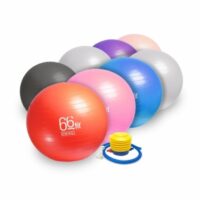
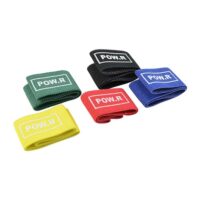
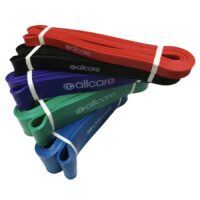
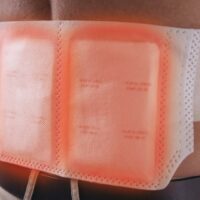
These muscle and soft tissue products are commonly used by our physiotherapists to relax or loosen muscles, improve strength, comfort, flexibility, and home exercise programs.