What Are the Main Massage Techniques?
Longitudinal gliding or effleurage
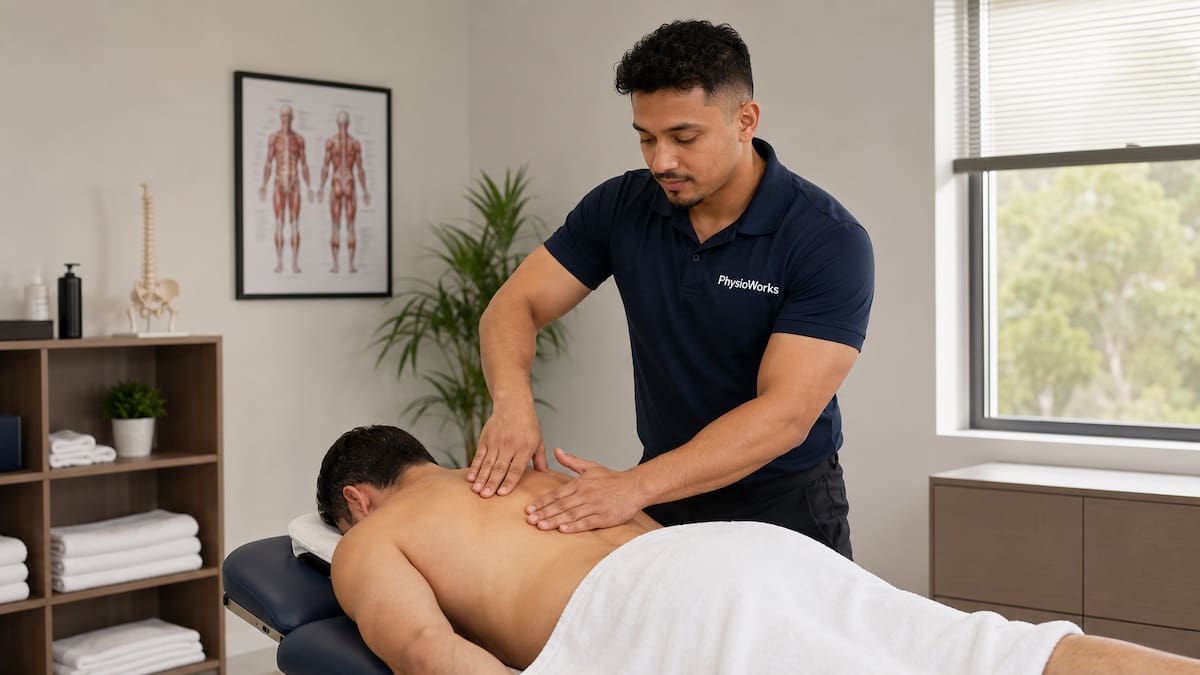
Effleurage uses smooth strokes along a muscle or body region. Therapists commonly use it to introduce touch, spread massage medium and help you settle into treatment.
This technique often appears in Swedish massage and relaxation massage.
Kneading or petrissage
Petrissage involves lifting, rolling or compressing soft tissue. Your therapist can vary the depth, speed and direction according to your comfort and treatment goal.
Kneading commonly forms part of therapeutic massage, remedial massage and deep tissue sessions.
Myofascial release
Fascia is connective tissue that surrounds and links muscles and other structures. Myofascial techniques generally apply slow, sustained pressure or stretch rather than rapid strokes.
These techniques may help some people feel more comfortable during movement. Learn more about myofascial release massage.
Trigger point therapy
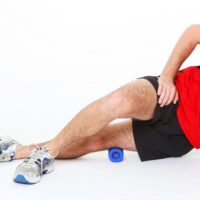
A trigger point is a sensitive area within a muscle. Pressure over it may reproduce local discomfort or symptoms elsewhere.
Your therapist should apply pressure gradually and adjust it to your response. Treatment should feel controlled rather than sharp or threatening. Read our trigger point therapy guide.
Active Release Techniques
Active Release Techniques combine focused therapist contact with movement of a nearby joint or muscle. Your therapist may direct the movement or ask you to move while maintaining contact.
Learn more about Active Release Techniques.
Transverse friction massage
Transverse friction uses short movements across the direction of tissue fibres. A therapist may consider it for selected tendon, ligament or scar-related presentations.
It does not suit every painful tendon or recent injury. An assessment should determine whether it has a useful role within a broader rehabilitation plan.
PNF stretching alongside massage
Proprioceptive neuromuscular facilitation, or PNF, combines a light muscle contraction with a stretch. A therapist may use it when improving movement range forms part of the treatment goal.
PNF requires clear instructions and controlled effort. See our guide to PNF stretching.
Which Massage Pressure Is Best?
More pressure does not automatically produce a better result. Effective treatment should match your sensitivity, symptoms and goals.
- Light pressure: may suit relaxation, stress or sensitive areas.
- Moderate pressure: may suit general muscle tightness and recovery.
- Firm pressure: may suit selected deeper or localised areas when tolerated.
Tell your therapist if you brace, hold your breath or feel sharp pain. They can reduce the pressure, change the technique or stop treatment.
When May Massage Help?
People commonly seek massage for muscle tightness, stress-related tension, exercise soreness or discomfort linked with prolonged sitting and repetitive activity.
Massage may provide short-term relief for some types of musculoskeletal pain. However, it should not replace assessment when the cause remains unclear or your symptoms suggest another condition.
When Should You Seek Assessment First?
Arrange medical or physiotherapy assessment before massage when symptoms are severe, unexplained or worsening. Take extra care after significant injury or when your general health has changed.
Seek advice before massage if you have:
- unexplained swelling, heat, redness or bruising
- pins and needles, numbness or progressive weakness
- fever, infection or an open wound
- constant or unexplained night pain
- a suspected fracture, blood clot or acute tissue tear
- new symptoms after a fall, collision or accident
What This Means for You
Start by identifying your main goal. Choose a lighter style for relaxation or a more targeted service for persistent muscle tightness and training-related discomfort.
Your massage therapist can adjust the technique as your body responds. You do not need to tolerate excessive pain for a session to feel useful.
Related Information
Massage FAQs
What is the most popular type of massage?
Swedish massage is a commonly requested style because it uses comfortable, flowing strokes and often focuses on relaxation.
Which massage technique suits muscle pain?
Remedial massage, deep tissue techniques or trigger point therapy may suit some types of muscle soreness. The right choice depends on the cause, irritability and your pressure tolerance.
Can massage help with stress?
Relaxation-style massage may help some people feel calmer and reduce stress-related muscle tension. Individual responses vary.
What is the difference between Swedish and deep tissue massage?
Swedish massage generally uses lighter, flowing strokes. Deep tissue massage usually uses slower and firmer pressure over selected muscle and connective-tissue layers.
How often should you have a massage?
Frequency depends on your goals, symptoms, workload and response. Some people book occasional sessions, while others use a short treatment series during demanding training or recovery periods.
What to Do Next
Choose a massage service that matches your main goal. Tell your therapist about your symptoms, health history and pressure preference before treatment begins.
Book a Brisbane massage appointment online, or call PhysioWorks when you need help choosing a therapist or clinic.