Massage FAQs

Massage FAQs

massage benefits

Massage FAQs answer the common questions people ask about massage therapy in Brisbane, including what massage may help, which style may suit you, and when massage is worth considering for pain, stress, tight muscles, or post-exercise soreness.

At PhysioWorks, massage is commonly used to help with muscle tension, recovery from training, and everyday aches linked to overuse, posture, or stress. It can also sit alongside broader care such as physiotherapy, muscle injury treatment, and guided rehabilitation when symptoms are more stubborn or keep returning.

Ashgrove · Clayfield · Sandgate

Massage appointments available this week. Early booking is recommended.

What do massage FAQs usually cover?

Massage FAQs usually cover what massage may help, which style may suit your goals, how sore you might feel afterwards, and when massage should be avoided or modified. They also help you decide whether you need relaxation-focused care, injury-focused treatment, or a combined plan with physiotherapy.

People commonly book massage for tight neck and shoulder muscles, post-exercise soreness, stress, headaches linked to tension, and general soft tissue discomfort. If your symptoms appear more like muscle pain, trigger points, or a recent muscle strain, massage may form part of your management plan.

What conditions can massage therapy help?

Massage therapy may help some people with muscle tightness, stress-related tension, and certain pain presentations. It is often used for soft tissue discomfort, recovery after exercise, and short-term symptom relief when muscles feel overloaded, guarded, or stiff.

What are the benefits of massage therapy?

Massage therapy may help reduce muscle tension, ease stress, improve short-term comfort, and support recovery after loading or training. Some people also find it useful for relaxation, body awareness, and feeling less guarded through tight or overworked areas.

Evidence on massage is mixed, but current reviews support possible benefits for some pain conditions and for delayed onset muscle soreness after exercise. Public health sources such as Healthdirect’s massage therapy guide also explain that massage can be used alongside conventional care rather than as a replacement for it.

Which massage style may suit you?

Relaxation massage Often suits stress, general tension, and people wanting a gentler session.
Remedial massage Often suits local tightness, overuse discomfort, and more targeted soft tissue work.
Sports / recovery massage Often suits training soreness, post-event recovery, and active people managing heavier loads.

You can also compare options in our guide to massage styles, or view all Brisbane massage services before booking.

What are the best massage techniques?

The best massage technique depends on your goal. Some people want relaxation and stress relief, while others want more targeted work for tight muscles, muscle knots, or post-training soreness.

Remedial massage

Remedial massage is commonly chosen when a specific body region feels tight, painful, or overloaded. It is often used for work-related tension, sports recovery, and soft tissue discomfort.

Deep tissue massage

Deep tissue massage uses slower, firmer techniques and may suit people who prefer more pressure through stubborn tightness. Firmer is not always better, though, and treatment should still feel purposeful rather than excessive.

Swedish massage

Swedish massage is generally the better fit when your priority is relaxation, circulation, and easing general muscular tension rather than targeting one main injury pattern.

Trigger point therapy

Trigger point therapy may help when symptoms seem linked to localised muscle knots or referred discomfort. It is usually blended with other massage techniques rather than used in isolation.

Can massage help sports recovery?

Massage may help sports recovery by easing muscle soreness, improving perceived recovery, and helping you relax after hard training. However, the evidence does not show that massage directly boosts strength, sprint speed, or endurance performance in the short term.

For active people in Brisbane, sports massage is often most helpful when used with sensible load management, recovery planning, sleep, hydration, and progressive exercise. If you are dealing with a recent strain, you may also need guidance on speeding up muscle recovery or early muscle injury treatment.

Is this massage right for you?

Massage may be a good option if your main problem is muscular tightness, stress-related tension, post-exercise soreness, or a soft tissue issue that feels better with movement and hands-on work. It may be less suitable as a stand-alone option if your symptoms are severe, worsening, highly irritable, or linked to nerve, joint, or medical causes.

When massage may not be appropriate

You may need another assessment path first if you have a suspected fracture, severe inflammation, unexplained swelling, infection, fever, chest symptoms, new neurological symptoms, or a recent traumatic injury. If you are unsure, our team can help guide you toward the right starting point, which may be massage, physiotherapy, or medical review first.

Common massage questions

What is the difference between remedial and relaxation massage?

Remedial massage usually focuses on a specific problem area, such as tight calves, neck tension, or post-training soreness. Relaxation massage is broader and gentler, with the main goal of easing stress and helping you unwind. Read more in our remedial vs relaxation massage guide.

How does massage help muscle injuries?

Massage may help some muscle injuries by easing surrounding tension, improving comfort, and supporting movement while the area settles. It is often combined with activity modification and rehab exercises rather than used as the only treatment. See muscle treatment for the broader approach.

When is the best time for a sports massage?

That depends on your goal. A lighter pre-event massage may help you feel prepared, while a recovery-focused massage is often used after hard training or competition. Timing, pressure, and the body region treated should all match your training load.

What should you expect during a massage session?

Your massage therapist should ask about your symptoms, health history, goals, and pressure preferences before treatment starts. The session should feel purposeful, respectful, and tailored to your body rather than following a one-size-fits-all routine.

Can I buy a massage gift voucher?

Yes. If you want to give someone a practical wellbeing gift, you can purchase a PhysioWorks massage gift voucher online.

What to do next

If you are deciding between relaxation massage, remedial massage, or sports recovery massage, start with your main goal: stress relief, muscular tightness, or help with a stubborn soft tissue issue. If you are not sure, our Brisbane team can help you choose the most suitable appointment type.

You can also book through your nearest clinic and discuss whether massage alone is likely to help or whether you would be better served by combining massage with physiotherapy or rehabilitation advice.

Book a Massage Appointment

Choose your preferred clinic to book online, call, or view clinic details.

References

  1. Mak S, Morien A, Delmore G, et al. Use of Massage Therapy for Pain, 2018-2023: A Systematic Review. JAMA Netw Open. 2024.
  2. Dakić M, Drid P, Madić D, et al. The Effects of Massage Therapy on Sport and Exercise Performance: A Systematic Review. Int J Environ Res Public Health. 2023.
  3. Davis HL, Alabed S, Chico TJA. Effect of sports massage on performance and recovery: a systematic review and meta-analysis. BMJ Open Sport Exerc Med. 2020;6(1).
  4. Gross AR, Lee H, Ezzo J, et al. Massage for neck pain. Cochrane Database Syst Rev. 2024.

Remedial Massage Therapists

Our remedial massage therapists help relieve muscle tension, improve flexibility, reduce soft tissue pain, and support recovery from training loads, desk posture, and everyday physical stress.


[/vc_column_text][/vc_column][/vc_row]

Massage Products

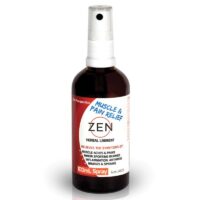
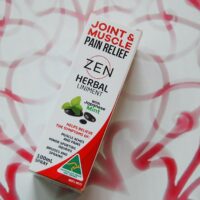
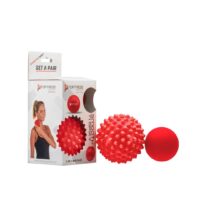
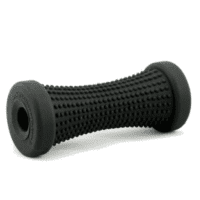
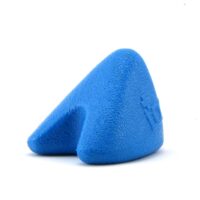
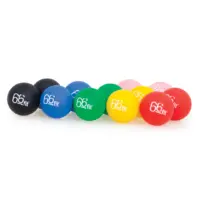
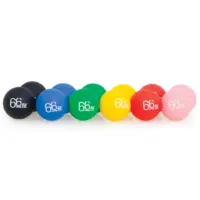
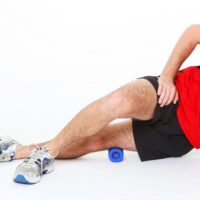
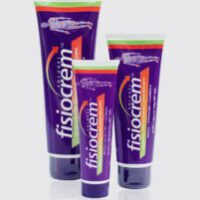
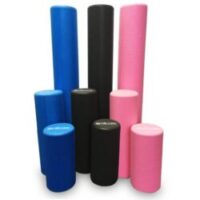
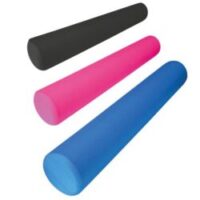
These muscle and soft tissue products are commonly used by our remedial massage therapists and physiotherapists to relax or loosen muscles.

View all massage products

Follow PhysioWorks

Get free physiotherapy tips, exercise videos, and recovery advice.

Facebook Instagram YouTube TikTok X (Twitter) Email

You've just added this product to the cart: