Massage

Massage

Foam Roller Benefits: Do They Really Work?

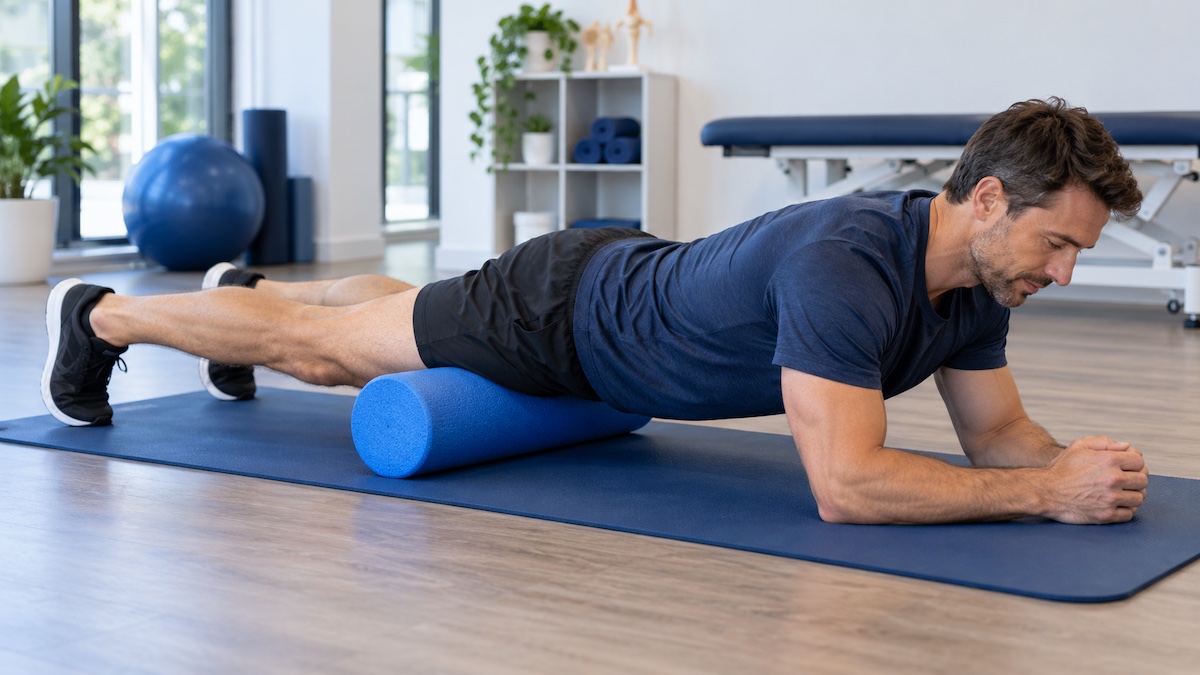
Foam roller benefits include improved movement, less post-exercise stiffness, and a practical way to manage tight muscles at home. If you are considering adding one to your routine, you can view our foam roller range for suitable options. A foam roller is not a cure-all, but it can be a useful part of a broader recovery plan that also includes exercise programs, sensible exercise load management, and the right diagnosis when pain keeps returning.

Many people use foam rollers after gym sessions, running, field sport, or long hours sitting at work. When used well, a foam roller may help you feel looser, move more comfortably, and recover from training soreness. It is most useful for general muscle tightness, delayed onset muscle soreness (DOMS), and warm-up or cool-down routines rather than serious injuries.

Quick Summary

  • Foam rolling may improve short-term flexibility and range of motion
  • May reduce post-exercise soreness
  • Supports recovery between sessions
  • Works best alongside exercise and load management
  • Not a replacement for injury diagnosis

What Are Foam Rollers?

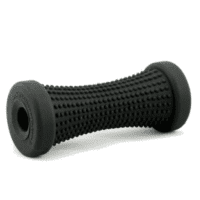
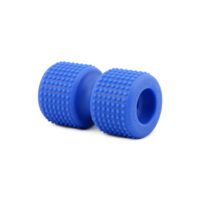
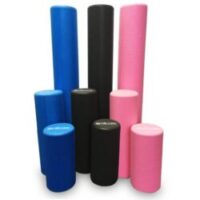
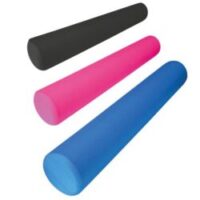
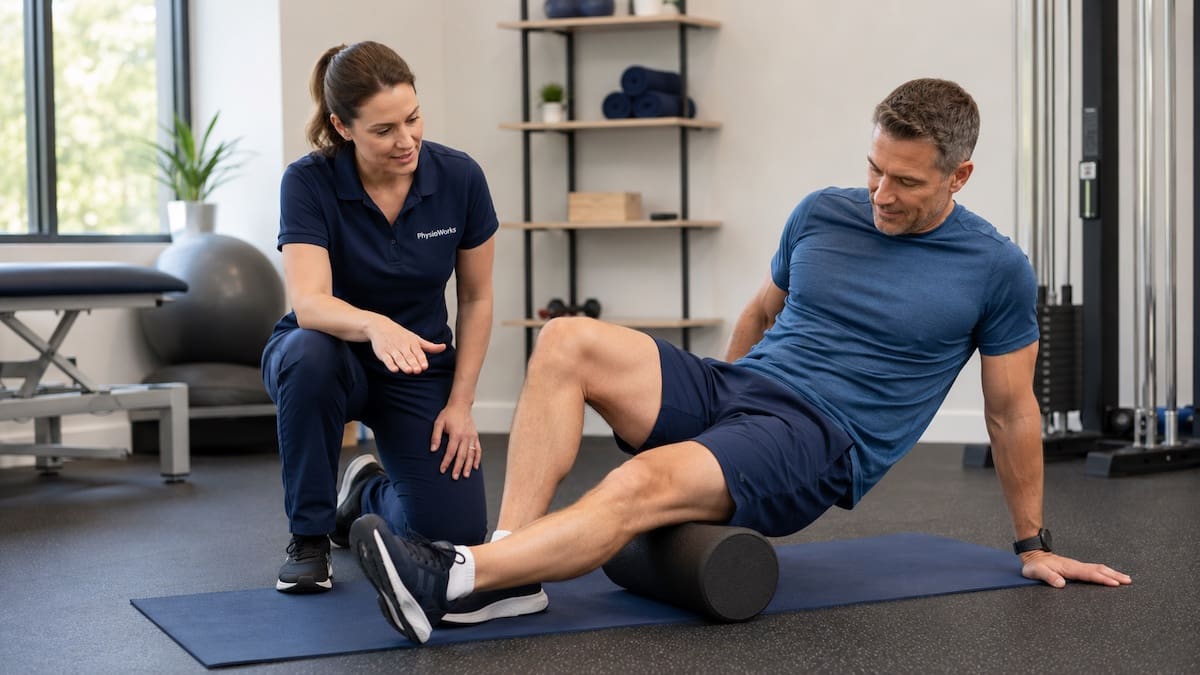
Foam rollers are firm cylindrical tools used for self-massage or self-myofascial release. They are commonly used on the calves, thighs, glutes, and upper back to help reduce muscle tension and improve movement.

Foam Roller Benefits for Recovery and Mobility

The strongest evidence supports improvements in short-term flexibility and recovery. Foam rolling may help reduce muscle soreness and improve movement after exercise.

If pain is sharp or localised, it may relate to a muscle strain or muscle pain.

How Do Foam Rollers Help?

Foam rolling helps reduce perceived tightness, improve movement tolerance, and relax muscles. It does not permanently change tissue but can improve short-term comfort.

Which Foam Roller Should You Choose?

  • Soft: beginners or sensitive muscles
  • Medium: suits most people
  • Firm: higher pressure for experienced users
  • Short: targeted areas
  • Long: full-body use

You can browse our foam roller range to compare options.

Who May Benefit?

  • Active individuals and gym users
  • Runners and athletes
  • People with muscle stiffness
  • General muscle tightness

When Should You Avoid Foam Rolling?

Avoid acute injuries, fractures, or highly painful areas. Seek advice if unsure.

How to Use a Foam Roller

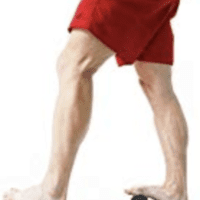
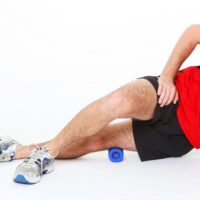
Roll for 30 to 60 seconds per muscle group using moderate pressure. Follow with movement or exercise.

Are Foam Rollers Worth It?

Foam rollers are a simple recovery tool that works best alongside exercise and load management.

If you want one for home use, you can view our foam roller range.

Roller Products

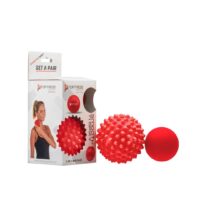
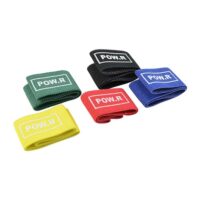
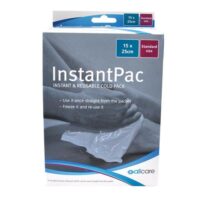
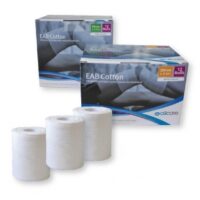
These foam roller related support products are commonly used by our physiotherapists to help reduce strain, improve comfort, loosen and massage your body.

View all roller related products

FAQs About Foam Roller Benefits

Do foam rollers actually work?

Yes. They can improve mobility and reduce soreness in the short term.

Can foam rolling prevent injuries?

No. Injury prevention depends on strength, load management, and technique.

When should I foam roll?

Before or after exercise depending on your goal.

How long should I foam roll?

30 to 60 seconds per muscle group is usually enough.

What to Do Next

If symptoms persist or worsen, a physiotherapist can assess and guide your recovery.

Book your appointment – 24/7

Choose your preferred PhysioWorks clinic and book online.

Follow PhysioWorks

Get free physiotherapy tips, exercise videos, recovery advice, and blog updates.

Facebook Instagram YouTube B X Email PhysioWorks

Massage FAQs

massage benefits

Massage FAQs answer the common questions people ask about massage therapy in Brisbane, including what massage may help, which style may suit you, and when massage is worth considering for pain, stress, tight muscles, or post-exercise soreness.

At PhysioWorks, massage is commonly used to help with muscle tension, recovery from training, and everyday aches linked to overuse, posture, or stress. It can also sit alongside broader care such as physiotherapy, muscle injury treatment, and guided rehabilitation when symptoms are more stubborn or keep returning.

Ashgrove · Clayfield · Sandgate

Massage appointments available this week. Early booking is recommended.

What do massage FAQs usually cover?

Massage FAQs usually cover what massage may help, which style may suit your goals, how sore you might feel afterwards, and when massage should be avoided or modified. They also help you decide whether you need relaxation-focused care, injury-focused treatment, or a combined plan with physiotherapy.

People commonly book massage for tight neck and shoulder muscles, post-exercise soreness, stress, headaches linked to tension, and general soft tissue discomfort. If your symptoms appear more like muscle pain, trigger points, or a recent muscle strain, massage may form part of your management plan.

What conditions can massage therapy help?

Massage therapy may help some people with muscle tightness, stress-related tension, and certain pain presentations. It is often used for soft tissue discomfort, recovery after exercise, and short-term symptom relief when muscles feel overloaded, guarded, or stiff.

What are the benefits of massage therapy?

Massage therapy may help reduce muscle tension, ease stress, improve short-term comfort, and support recovery after loading or training. Some people also find it useful for relaxation, body awareness, and feeling less guarded through tight or overworked areas.

Evidence on massage is mixed, but current reviews support possible benefits for some pain conditions and for delayed onset muscle soreness after exercise. Public health sources such as Healthdirect’s massage therapy guide also explain that massage can be used alongside conventional care rather than as a replacement for it.

Which massage style may suit you?

Relaxation massage Often suits stress, general tension, and people wanting a gentler session.
Remedial massage Often suits local tightness, overuse discomfort, and more targeted soft tissue work.
Sports / recovery massage Often suits training soreness, post-event recovery, and active people managing heavier loads.

You can also compare options in our guide to massage styles, or view all Brisbane massage services before booking.

What are the best massage techniques?

The best massage technique depends on your goal. Some people want relaxation and stress relief, while others want more targeted work for tight muscles, muscle knots, or post-training soreness.

Remedial massage

Remedial massage is commonly chosen when a specific body region feels tight, painful, or overloaded. It is often used for work-related tension, sports recovery, and soft tissue discomfort.

Deep tissue massage

Deep tissue massage uses slower, firmer techniques and may suit people who prefer more pressure through stubborn tightness. Firmer is not always better, though, and treatment should still feel purposeful rather than excessive.

Swedish massage

Swedish massage is generally the better fit when your priority is relaxation, circulation, and easing general muscular tension rather than targeting one main injury pattern.

Trigger point therapy

Trigger point therapy may help when symptoms seem linked to localised muscle knots or referred discomfort. It is usually blended with other massage techniques rather than used in isolation.

Can massage help sports recovery?

Massage may help sports recovery by easing muscle soreness, improving perceived recovery, and helping you relax after hard training. However, the evidence does not show that massage directly boosts strength, sprint speed, or endurance performance in the short term.

For active people in Brisbane, sports massage is often most helpful when used with sensible load management, recovery planning, sleep, hydration, and progressive exercise. If you are dealing with a recent strain, you may also need guidance on speeding up muscle recovery or early muscle injury treatment.

Is this massage right for you?

Massage may be a good option if your main problem is muscular tightness, stress-related tension, post-exercise soreness, or a soft tissue issue that feels better with movement and hands-on work. It may be less suitable as a stand-alone option if your symptoms are severe, worsening, highly irritable, or linked to nerve, joint, or medical causes.

When massage may not be appropriate

You may need another assessment path first if you have a suspected fracture, severe inflammation, unexplained swelling, infection, fever, chest symptoms, new neurological symptoms, or a recent traumatic injury. If you are unsure, our team can help guide you toward the right starting point, which may be massage, physiotherapy, or medical review first.

Common massage questions

What is the difference between remedial and relaxation massage?

Remedial massage usually focuses on a specific problem area, such as tight calves, neck tension, or post-training soreness. Relaxation massage is broader and gentler, with the main goal of easing stress and helping you unwind. Read more in our remedial vs relaxation massage guide.

How does massage help muscle injuries?

Massage may help some muscle injuries by easing surrounding tension, improving comfort, and supporting movement while the area settles. It is often combined with activity modification and rehab exercises rather than used as the only treatment. See muscle treatment for the broader approach.
When is the best time for a sports massage?

That depends on your goal. A lighter pre-event massage may help you feel prepared, while a recovery-focused massage is often used after hard training or competition. Timing, pressure, and the body region treated should all match your training load.

What should you expect during a massage session?

Your massage therapist should ask about your symptoms, health history, goals, and pressure preferences before treatment starts. The session should feel purposeful, respectful, and tailored to your body rather than following a one-size-fits-all routine.

Can I buy a massage gift voucher?

Yes. If you want to give someone a practical wellbeing gift, you can purchase a PhysioWorks massage gift voucher online.

What to do next

If you are deciding between relaxation massage, remedial massage, or sports recovery massage, start with your main goal: stress relief, muscular tightness, or help with a stubborn soft tissue issue. If you are not sure, our Brisbane team can help you choose the most suitable appointment type.

You can also book through your nearest clinic and discuss whether massage alone is likely to help or whether you would be better served by combining massage with physiotherapy or rehabilitation advice.

Book a Massage Appointment

Choose your preferred clinic to book online, call, or view clinic details.

References

  1. Mak S, Morien A, Delmore G, et al. Use of Massage Therapy for Pain, 2018-2023: A Systematic Review. JAMA Netw Open. 2024.
  2. Dakić M, Drid P, Madić D, et al. The Effects of Massage Therapy on Sport and Exercise Performance: A Systematic Review. Int J Environ Res Public Health. 2023.
  3. Davis HL, Alabed S, Chico TJA. Effect of sports massage on performance and recovery: a systematic review and meta-analysis. BMJ Open Sport Exerc Med. 2020;6(1).
  4. Gross AR, Lee H, Ezzo J, et al. Massage for neck pain. Cochrane Database Syst Rev. 2024.

Remedial Massage Therapists

Our remedial massage therapists help relieve muscle tension, improve flexibility, reduce soft tissue pain, and support recovery from training loads, desk posture, and everyday physical stress.

[/vc_column_text][/vc_column][/vc_row]

Massage Products

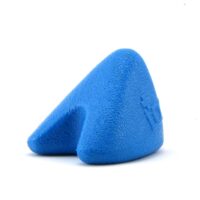
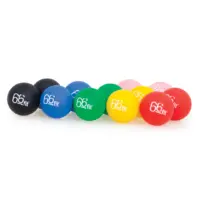
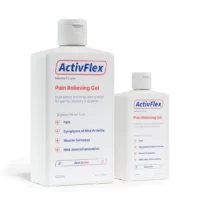
These muscle and soft tissue products are commonly used by our remedial massage therapists and physiotherapists to relax or loosen muscles.

View all massage products

Follow PhysioWorks

Get free physiotherapy tips, exercise videos, recovery advice, and blog updates.

Facebook Instagram YouTube B X Email PhysioWorks

Which Massage Style Should I Choose?


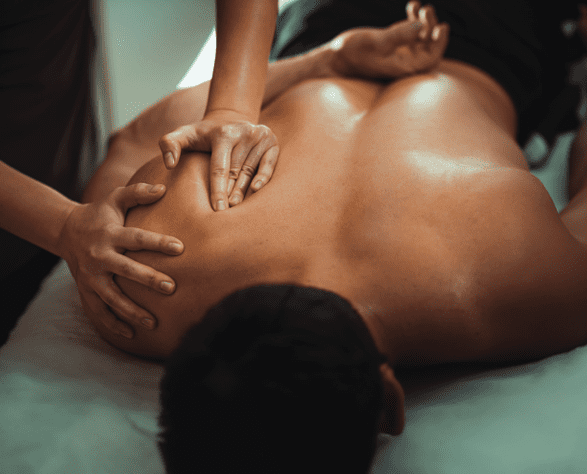
Massage styles Brisbane upper back and shoulder treatment with massage therapist

Massage styles vary by pressure, purpose and treatment goals.

Massage styles Brisbane clients choose can vary in pressure, pace, and purpose. Some aim to reduce tension and help you relax, while others focus on muscle soreness, movement problems, or recovery after activity. If you are comparing options, start with the main Brisbane massage therapy hub to see the broader range of services available at PhysioWorks.

Choosing the right massage depends on your goals, symptoms, health history, and personal preference. For example, one person may want a gentler session to reduce stress, while another may need more targeted hands-on care for tight muscles, sporting load, or postural strain. This guide explains common massage styles and helps you decide which approach may suit you best.

Ashgrove · Clayfield · Sandgate

Massage appointments available this week. Early booking is recommended.

What Are Massage Styles?

Massage styles are different ways a therapist can work with your muscles and soft tissues. The main differences usually involve pressure, rhythm, body position, and the reason for treatment. Some massage styles focus on relaxation. Others are more problem-focused and may help with muscle tightness, exercise recovery, or everyday aches and pains.

At PhysioWorks, massage is often selected based on what you want from the session. Your therapist may also adapt a treatment by combining techniques rather than using just one style from start to finish.

Common Massage Styles and Their Benefits

Different massage styles suit different goals. The table below gives a quick guide before you choose your appointment type.

Massage Style May Suit Typical Feel
Remedial massage Sore, tight, or overloaded muscles Targeted, light to firm
Deep tissue massage Persistent muscle tension or firmer treatment preference Firm and controlled
Swedish massage Relaxation, stress, and first-time massage users Gentle to moderate
Sports massage Training load, recovery, and athletic preparation Purposeful and activity-focused
Pregnancy massage Pregnancy-related muscle tension and comfort needs Gentle, supported, and modified
Active Release Techniques Restricted muscles during specific movements Targeted pressure with movement


Deep tissue massage therapist treating shoulder muscle tension in Brisbane clinic

Targeted massage pressure can be adjusted to your comfort.

Remedial Massage

Remedial massage is a targeted style often used for sore, tight, or overloaded muscles. Many people choose it when they want a focused session aimed at improving comfort, movement, and day-to-day function.

Deep Tissue Massage

Deep tissue massage uses firmer pressure through deeper muscle layers. It may suit people with persistent muscle tension, gym-related soreness, or long-standing tightness, although it is not always the best choice for everyone.

Swedish Massage

Swedish massage uses smooth, flowing strokes and tends to feel gentler. It is often chosen for relaxation, stress reduction, and people new to massage.

Sports Massage

Sports massage is commonly used by active people before or after training and competition. It may help support recovery, reduce muscle tightness, and prepare the body for load.

Pregnancy Massage

Pregnancy massage is adapted for comfort and safety during pregnancy. It may help ease muscular tension, improve comfort, and support relaxation when performed with appropriate positioning and screening.

Active Release Techniques

Active Release Techniques combine hands-on pressure with movement. They are often used when muscles feel restricted or irritated during specific actions.

Symptoms Massage May Help

Depending on the style used, massage may help people experiencing muscle tightness, post-exercise soreness, stress-related tension, stiffness, trigger points, and general aches. Some people also choose massage alongside care for related issues such as lower back pain, stiff neck, or calf pain. The most suitable approach depends on the cause of your symptoms.

Who May Benefit From Different Massage Styles?

A gentler style may suit people who want to relax, improve comfort, or ease into massage treatment. A more targeted style may suit people with localised tightness, gym or work-related muscle overload, or recovery goals. Active people often prefer a treatment matched to training demands, while others may simply want a session that helps them feel looser and more comfortable.

Is This Massage Right for You?

If you are unsure which option to book, you do not need to solve it on your own. A PhysioWorks massage therapist can discuss your goals, symptom pattern, and preferred pressure. That helps match the massage style to the person rather than forcing every person into the same format.

  • Choose relaxation or Swedish massage if stress, sleep, or general tension is your main concern.
  • Choose remedial massage if you want more targeted work for sore or tight muscles.
  • Choose deep tissue massage if you prefer firmer pressure and have a clear muscle tension goal.
  • Choose sports massage if training load, recovery, or performance preparation is the main aim.
  • Choose pregnancy massage if you are pregnant and need safe positioning plus modified pressure.

If symptoms are severe, spreading, or linked with numbness or weakness, book physiotherapy or medical review first.

When Massage May Not Be Appropriate

Massage is not suitable in every situation. It may need to be delayed or modified if you have an acute infection, fever, some skin conditions, an unexplained lump or swelling, a recent fracture, a suspected blood clot, or severe pain that has not been assessed. Pregnancy, recent surgery, or significant medical conditions may also change the safest treatment approach.

If your symptoms are new, severe, spreading, or linked to numbness, weakness, chest pain, or other concerning signs, a physiotherapist or doctor may need to assess you first.

Massage Styles FAQs

What are the main massage styles?

Common massage styles include remedial massage, deep tissue massage, Swedish massage, sports massage, pregnancy massage, and Active Release Techniques. Each style uses different pressure, pace, and treatment goals.

Which massage style is best for muscle tension?

That depends on the cause and sensitivity of the area. Many people with local muscle tension choose remedial massage or deep tissue massage. Others prefer a gentler style if they are sensitive or mainly want relaxation.

What is the difference between remedial massage and relaxation massage?

Remedial massage is usually more targeted and aims to address specific soft tissue problems. Relaxation massage is generally gentler and broader, with a stronger focus on comfort, stress reduction, and overall wellbeing.

Is firm massage always better?

No. Firmer pressure is not always more useful. The right pressure should match your goals, comfort, health history, and tissue sensitivity. Your therapist can adjust pressure during the session.

How do I choose the right massage style?

Start with your main goal, such as relaxation, muscle tension relief, recovery, or help with a specific sore area. If you are unsure, a PhysioWorks massage therapist can help guide you toward the most suitable option.

When should massage be avoided?

Massage may need to be delayed or modified if you have an acute infection, fever, some skin conditions, an unexplained lump or swelling, a recent fracture, a suspected blood clot, or severe unexplained pain. In these cases, medical or physiotherapy assessment may be needed first.

What to Do Next

If you are comparing massage styles in Brisbane, start by thinking about your main goal: relaxation, muscle tension relief, recovery, or help with a specific sore area. Then book the option that seems closest to your needs, or ask our team to guide you.

PhysioWorks offers a range of massage options across Brisbane clinics. If needed, we can also help direct you toward related care such as physiotherapy or further education through our massage FAQs.

Book a Massage Appointment

Choose your preferred clinic to book online, call, or view clinic details.

Massage Satisfaction Promise

We want your session to suit your goals. If you prefer lighter or firmer pressure, want your therapist to spend more time on one region, or would like a more relaxation-based or problem-focused approach, please say so. Clear feedback helps shape the session to your comfort and priorities.

References

  1. Mak SS, Roseen EJ, Wang C. Use of Massage Therapy for Pain, 2018-2023. JAMA Netw Open. 2024;7(7):e2422933. doi:10.1001/jamanetworkopen.2024.22933
  2. Gross AR, Dziengo S, O’Keeffe M, et al. Massage for neck pain. Cochrane Database Syst Rev. 2024;3(3):CD004871. doi:10.1002/14651858.CD004871.pub5
  3. Bervoets DC, Luijsterburg PAJ, Alessie JJN, Buijs MJ, Verhagen AP. Massage therapy has short-term benefits for people with common musculoskeletal disorders compared to no treatment: a systematic review. J Physiother. 2015;61(3):106-116. doi:10.1016/j.jphys.2015.05.018

Brisbane Massage Therapists

Remedial Massage Therapists

Our remedial massage therapists help relieve muscle tension, improve flexibility, reduce soft tissue pain, and support recovery from training loads, desk posture, and everyday physical stress.

Massage Products

These muscle and soft tissue products are commonly used by our remedial massage therapists and physiotherapists to relax or loosen muscles.

View all massage products

Follow PhysioWorks

Get free physiotherapy tips, exercise videos, recovery advice, and blog updates.

Facebook Instagram YouTube B X Email PhysioWorks

Massage Benefits: What Are They?

Massage benefits can include short-term pain relief, less muscle tension, improved relaxation, better movement comfort, and support for recovery. If you are exploring massage services in Brisbane, the best results usually come when the massage style matches your goals, symptoms, and activity demands.

At PhysioWorks, massage is integrated within a broader musculoskeletal care approach. Massage is often used to help people with muscular tightness, post-exercise soreness, stress, stiffness, and day-to-day overload. Depending on your needs, your therapist may recommend remedial massage, deep tissue massage, Swedish massage, or trigger point therapy.

massage-benefits

Key Massage Benefits

  • short-term pain relief
  • reduced muscle tension
  • improved relaxation and stress reduction
  • better movement comfort
  • recovery support after exercise

Common reasons people book massage

  • tight neck, shoulder, or back muscles
  • post-exercise soreness or heavy legs
  • stress, tension, and poor relaxation
  • general stiffness after sitting, travel, or work
  • recovery support alongside physio or exercise

Ashgrove · Clayfield · Sandgate

Massage appointments available this week. Early booking is recommended.

Which massage may suit you?

Swedish Massage

Often suits relaxation, stress reduction, and general muscle tension.

Deep Tissue Massage

May suit people who prefer firmer pressure through tight muscles.

Remedial Massage

Often suits targeted muscular pain, tightness, or function-limiting soft tissue problems.

Sports Massage

May suit active people wanting recovery support around training and competition.

Trigger Point Therapy

May suit localised muscle tightness and referred pain patterns.

Lymphatic Massage

May be discussed when swelling management is part of your care plan.

What are the main massage benefits?

Massage benefits usually include reduced muscle tension, short-term pain relief, improved relaxation, and better comfort with movement. However, the effect can vary depending on the condition being treated, the type of massage used, and whether massage is combined with other care such as exercise, load management, or physiotherapy advice.

Many people book massage because they feel tight, overworked, stiff, or sore after sport, desk work, travel, or physically demanding jobs. Massage may also help when symptoms relate to muscle pain, mild overload, or post-exercise soreness such as Delayed Onset Muscle Soreness (DOMS).

Massage may help vs when to get checked first

Massage may help

  • muscle tension
  • general stiffness
  • post-exercise soreness
  • stress-related tightness
  • day-to-day overload

Get checked first

  • severe unexplained pain
  • recent fracture or major trauma
  • unexplained swelling
  • suspected blood clot
  • infection or concerning skin changes

How can massage help sore, tight, or overworked muscles?

Massage may help sore or tight muscles by easing protective muscle guarding, improving short-term comfort, and helping you feel looser after work or exercise. For many people, that means easier movement, less heaviness, and a better window to stretch, strengthen, or return to normal activity.

Massage often works best when combined with good load management, including appropriate exercise, recovery, pacing, and a gradual return to activity. That broader approach can help benefits last longer rather than relying on hands-on treatment alone.

Massage often works best alongside

  • appropriate exercise
  • load management and pacing
  • stretching or mobility work
  • strength and conditioning
  • physiotherapy advice when needed

That is one reason massage is commonly used after training blocks, busy work periods, or recurring muscular flare-ups. For active people, sports massage may suit recovery goals, while people with more localised soft tissue problems may respond better to targeted approaches such as remedial massage or trigger point therapy.

Can massage help stress, sleep, and recovery?

Massage may help stress, sleep, and recovery by encouraging relaxation and helping the body settle after physical or mental overload. Many people report feeling calmer, less tense, and more comfortable after a session, although the size and duration of benefit vary from person to person.

If stress is driving jaw clenching, upper trapezius tension, headaches, or poor recovery, massage can sometimes be a useful part of a broader plan. It may also complement strategies such as exercise, pacing, breathing work, and good sleep habits rather than replacing them.

Who may benefit from massage therapy?

Massage therapy may suit people who feel tight, stiff, stressed, heavy, or generally run down from work, training, travel, or long hours in one position. It can also be useful when symptoms feel muscular rather than sharp, unstable, or strongly nerve-related.

Common examples include office workers with postural tightness, gym-goers with recovery soreness, manual workers with overloaded muscles, and people who simply want a calmer treatment experience. Some people also choose lymphatic massage when swelling management is part of the discussion.

When may massage not be appropriate?

Massage is not right for every person or every situation. Recent fracture, infection, unexplained swelling, a suspected blood clot, some skin conditions, or severe unexplained pain are examples where treatment may need to be delayed, modified, or redirected.

If you are unsure, tell your therapist about your symptoms, health history, medications, and recent injuries before treatment begins. That helps your therapist decide whether massage is suitable, whether pressure should be adjusted, or whether another treatment pathway would be safer and more useful.

Is massage right for you?

Massage may be right for you if your main problem is muscular tightness, stress, mild stiffness, or post-exercise soreness and you want hands-on treatment to help you feel and move better. The best choice depends on whether you want a gentler relaxation-focused approach or a more targeted treatment style.

If you want broader relaxation, Swedish massage may suit you. If you want firmer pressure through tight tissue, deep tissue massage may fit better. If the issue feels more local, injury-related, or function-limiting, a remedial massage approach is often the better starting point.

Not sure which massage suits you?

Book a massage appointment and we can help guide you towards the massage style that best matches your goals, symptoms, and recovery needs.

Massage Benefits: Frequently Asked Questions

What are the benefits of massage therapy?

Massage therapy may help reduce muscle tension, improve relaxation, ease short-term pain, and support comfort with movement. Many people also use massage to manage stress, post-exercise soreness, or day-to-day stiffness. The exact benefit depends on the reason for treatment and the style of massage used.

How often should you get a massage?

That depends on your symptoms, workload, recovery goals, and budget. Some people book weekly or fortnightly during a flare-up, while others prefer a maintenance massage every three to six weeks. If symptoms keep returning quickly, it is worth reviewing training load, posture, exercise, or work demands as well.

Can massage help chronic pain?

Massage may help some people with chronic pain, especially when muscle tension, stress, or movement fear are part of the picture. However, chronic pain is often multifactorial, so massage usually works best as one part of a broader plan that may also include exercise, education, pacing, and lifestyle changes.

Is massage therapy safe for everyone?

Massage is safe for many people, but not everyone at every time. Recent trauma, infection, suspected DVT, severe unexplained pain, some inflammatory flare-ups, and certain medical conditions may mean massage needs to be modified or delayed. A good therapist will screen for that before treatment starts.

What type of massage should I choose?

Choose the massage style that best matches your goal. Swedish massage often suits relaxation and general tension. Deep tissue massage suits people who prefer firmer pressure. Remedial massage is usually better when you want more targeted work for a specific muscular or soft tissue problem.

Can massage help mental wellbeing?

Massage may support mental wellbeing by helping you relax, slow down, and feel less physically tense. Many people report reduced stress and a better sense of calm after treatment. Still, massage is a support strategy, not a replacement for medical or psychological care when that is needed.

What should you do next?

If tight muscles, recovery soreness, or stress are making daily life less comfortable, booking a massage can be a practical first step. Your therapist can help match the treatment style to your goals and let you know whether massage alone is suitable or whether you would benefit from extra advice or physiotherapy support.

PhysioWorks offers massage services across Brisbane, so you can choose the clinic and massage style that best fits your needs.

Book a Massage Appointment

Choose your preferred clinic to book online, call, or view clinic details.

References

  1. Mak S, Kutner JS, Smith MC, et al. Use of Massage Therapy for Pain, 2018-2023. JAMA Netw Open. 2024;7(7):e2425925.
  2. West KL, Mahr ID, Marcum ZA, et al. A systematic review of manual therapy modalities and anxiety. Complement Ther Med. 2024;82:103073.
  3. Gross AR, Paquin JP, Dupont G, et al. Massage for neck pain. Cochrane Database Syst Rev. 2024;2(2):CD004871.
  4. Nahon RL, Therese M, Grant M, et al. Physical therapy interventions for the treatment of delayed onset muscle soreness: systematic review. Physiother Theory Pract. 2021.

Remedial Massage Therapists

Our remedial massage therapists help relieve muscle tension, improve flexibility, reduce soft tissue pain, and support recovery from training loads, desk posture, and everyday physical stress.

Massage Products

These muscle and soft tissue products are commonly used by our remedial massage therapists and physiotherapists to relax or loosen muscles.

View all massage products

Follow PhysioWorks

Get free physiotherapy tips, exercise videos, recovery advice, and blog updates.

Facebook Instagram YouTube B X Email PhysioWorks

When Is the Best Time for a Pre Event Massage?

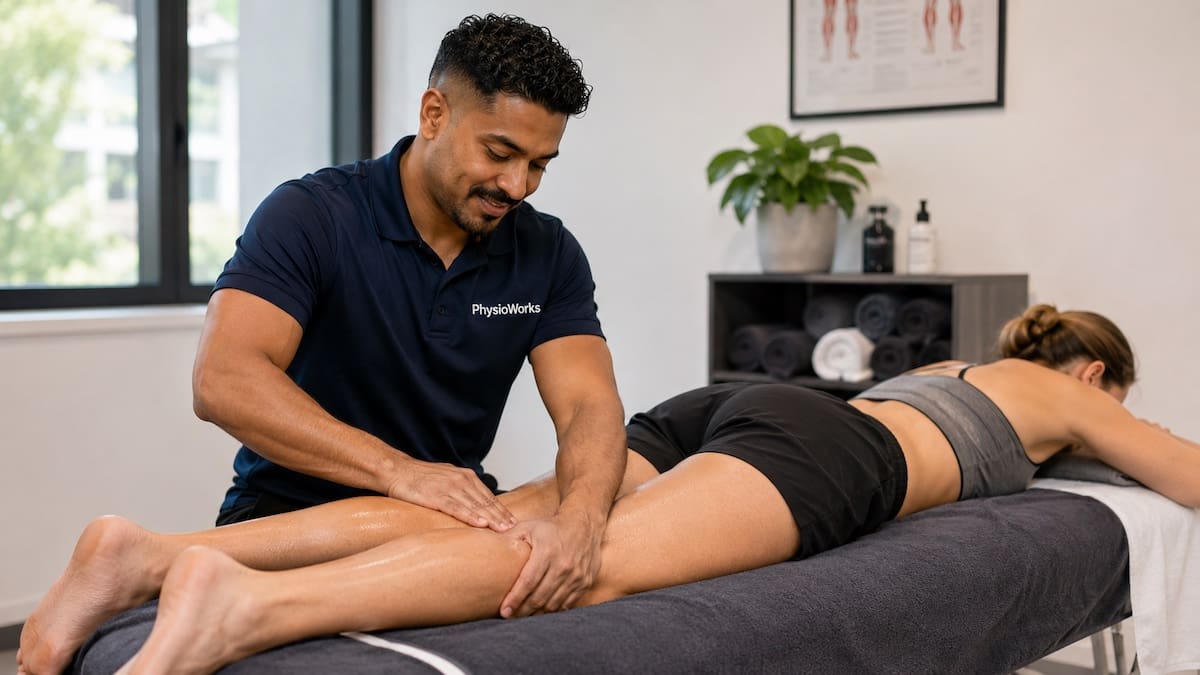
pre event massage on calf muscle preparing athlete for sport
Pre-event calf massage before sport.

Optimise Your Performance With Pre Event Massage

Pre event massage is usually best booked 48–72 hours before competition if you want deeper work. Light massage may suit the day before or the day of an event, but heavy pressure too close to sport can leave muscles tender.

A pre event massage is a short, targeted massage session before a workout, race, match, or sporting event. It sits alongside your usual sports massage, warm-up, training, and recovery plan.

Ashgrove · Clayfield · Sandgate

Massage appointments available this week. Early booking is recommended.

What Is a Pre Event Massage?

A pre event massage is a massage session before sport or exercise. It usually targets the muscles you are about to use, such as the calf, hamstrings, thighs, glutes, back, neck, or shoulders.

The goal is to help you feel ready, mobile, and calm without making the body sore or heavy. Your massage therapist may use light flushing, gentle compression, short strokes, or targeted work on tight areas.

Quick Timing Guide

  • 3–5 days before: deeper work may suit tight or loaded areas.
  • 48–72 hours before: often the best window for firm but controlled sports massage.
  • 24 hours before: keep pressure light and familiar.
  • Same day: use only brief, gentle massage if you already tolerate it well.

When Should You Book a Pre Event Massage?

Three to Five Days Before Sport

Deep tissue massage may suit athletes who want firmer work before an event. This timing gives your body time to settle if the session causes mild soreness.

This window may suit muscle tightness, heavy training weeks, and areas that often feel loaded. It also gives you time to adjust training, mobility, fluid intake, and rest before the event.

Forty-Eight to Seventy-Two Hours Before Sport

For many athletes, 48–72 hours before competition is the most useful window for pre event massage. The session can still be targeted, but it should not be so intense that it affects race day or match day movement.

Timing matters because massage can change how your body feels. A known treatment style is safer than trying a new, heavy technique close to competition.

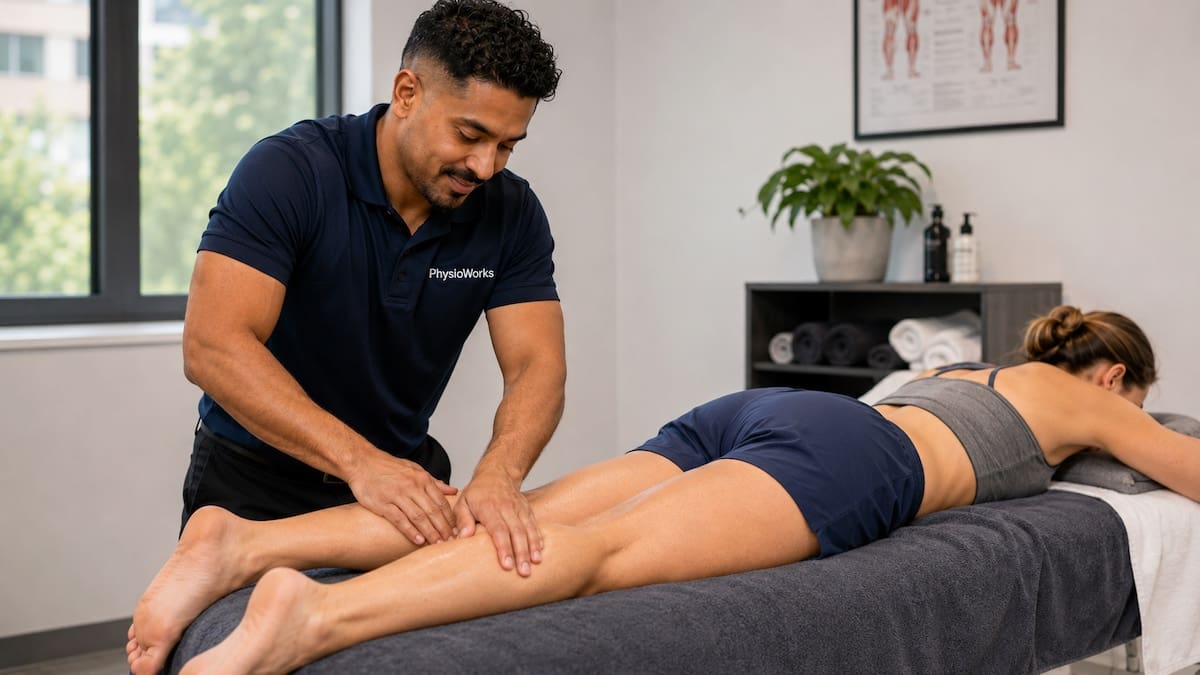
pre event massage calf pressure adjusted before competition
Lighter pressure suits event-day timing.

The Day Before or Same Day

Massage within 24 hours should stay light. Deep tissue or intense work can leave muscles tender, sore, or dull. That may affect how you move during sport.

Light techniques may still help with relaxation, blood flow, and pre-event calm. Many athletes combine a light pre event massage with an active warm-up and recovery massage strategies after the event.

What Benefits May Pre Event Massage Provide?

Research suggests sports massage may help some people with soreness, comfort, flexibility, and perceived recovery. Performance effects vary. Your response depends on pressure, timing, training load, sport type, and how your body usually responds.

Pre event massage may help with:

  • short-term muscle relaxation
  • a calmer pre-event routine
  • awareness of tight or sensitive areas
  • lighter movement before competition
  • confidence when paired with a good warm-up

Symptoms Massage May Help Before Sport

Pre event massage may suit athletes who feel tight, tense, heavy, or mildly stiff before sport. It may also support people who often manage delayed onset muscle soreness, training tightness, or post-training muscle soreness.

However, massage is not a substitute for assessment if pain feels sharp, sudden, swollen, bruised, or worse over time. In that case, check whether you may have a muscle strain or another sports injury before you compete.

Discuss Timing With Your Massage Therapist

Tell your massage therapist your event date, sport, training load, injury history, and preferred pressure. This helps them choose a session style that fits your timing and avoids unnecessary soreness.

If you are also managing a recent strain, recurring niggle, or return-to-sport concern, a physiotherapist may help fit massage into a broader sports injury management plan.

Is This Massage Right for You?

Pre Event Massage May Suit You If:

  • you have a race, match, or event in the next few days
  • you want light, targeted treatment before sport
  • you already know your body responds well to massage
  • you want help planning massage timing around training
  • you also use warm-up, sleep, fluid intake, and recovery strategies

When Massage May Not Be Appropriate

Avoid pre event massage if you have fever, infection, open wounds, unexplained swelling, severe bruising, suspected acute tearing, or symptoms that are getting worse. You should also avoid deep massage if your doctor or physiotherapist has advised against it.

If you are unsure, discuss your symptoms before treatment. This matters most if your pain is new, sharp, linked to a clear injury, or limiting your sport.

Helpful Links

People Also Ask

How long before an event should I get a pre event massage?

Many athletes book a pre event massage 48–72 hours before competition. This gives enough time for any mild post-massage soreness to settle. If you book within 24 hours, keep the massage light and brief.

Is a massage the day before a race too close?

Massage the day before a race can be suitable if it is light and familiar. Avoid heavy pressure or new techniques because they may leave your muscles feeling sore, heavy, or flat on race day.

Can you get a massage on the same day as an event?

Same-day pre event massage should be short, gentle, and part of your usual routine. It should support your warm-up, not replace it. Avoid deep or intense work just before competition.

Should I choose deep tissue or light massage before an event?

Deep tissue massage is usually better 48–72 hours before an event. Light massage is safer in the last 24 hours. Your therapist can adjust pressure based on your sport, timing, and past response.

Who should avoid pre event sports massage?

Avoid pre event massage if you have an acute injury, open wounds, fever, infection, unexplained swelling, or medical advice to avoid massage. Seek assessment if pain is sharp, sudden, or worsening.

pre event massage finishing calf treatment before sport
Calm treatment before the next event.

What to Do Next

Choose your massage timing based on your event date. Book firmer work several days before sport. Keep massage light if your event is tomorrow or today.

For more guidance, read our Brisbane massage services page or book a massage appointment at a PhysioWorks clinic.

Massage Satisfaction Promise

We aim to provide a consistently high standard of care. If, within the first 30 minutes of your massage, you feel the treatment is not meeting your expectations, please tell your massage therapist. You may choose to stop the session at that point, with no charge applied.

Book a Massage Appointment

Choose your preferred clinic to book online, call, or view clinic details.

Brisbane Massage Therapists

Remedial Massage Therapists

Our remedial massage therapists help relieve muscle tension, improve flexibility, reduce soft tissue pain, and support recovery from training loads, desk posture, and everyday physical stress.

Massage Products

These muscle and soft tissue products are commonly used by our remedial massage therapists and physiotherapists to relax or loosen muscles.

View all massage products

Follow PhysioWorks

Get free physiotherapy tips, exercise videos, recovery advice, and blog updates.

Facebook Instagram YouTube B X Email PhysioWorks

References

  1. Davis HL, Alabed S, Chico TJA. Effect of sports massage on performance and recovery: a systematic review and meta-analysis. BMJ Open Sport Exerc Med. 2020;6(1):e000614.
  2. Dakić M, Toskić L, Ilić V, et al. The effects of massage therapy on sport and exercise performance: a systematic review. Sports (Basel). 2023;11(6):110.
  3. Buoite Stella A, Ruzza FR, Callovini A, et al. Immediate effects of sports massage on muscle strength, power and balance after simulated trail running in the cold. Sport Sci Health. 2025;21:1107–1117.
  4. Mine K, Lei D, Nakayama T. Is pre-performance massage effective to improve maximal muscle strength and functional performance? A systematic review. Int J Sports Phys Ther. 2018;13(5):789–799.

When Should You Book a Post-Event Recovery Massage?

A post-event recovery massage is often booked later the same day or within 24–48 hours after sport.

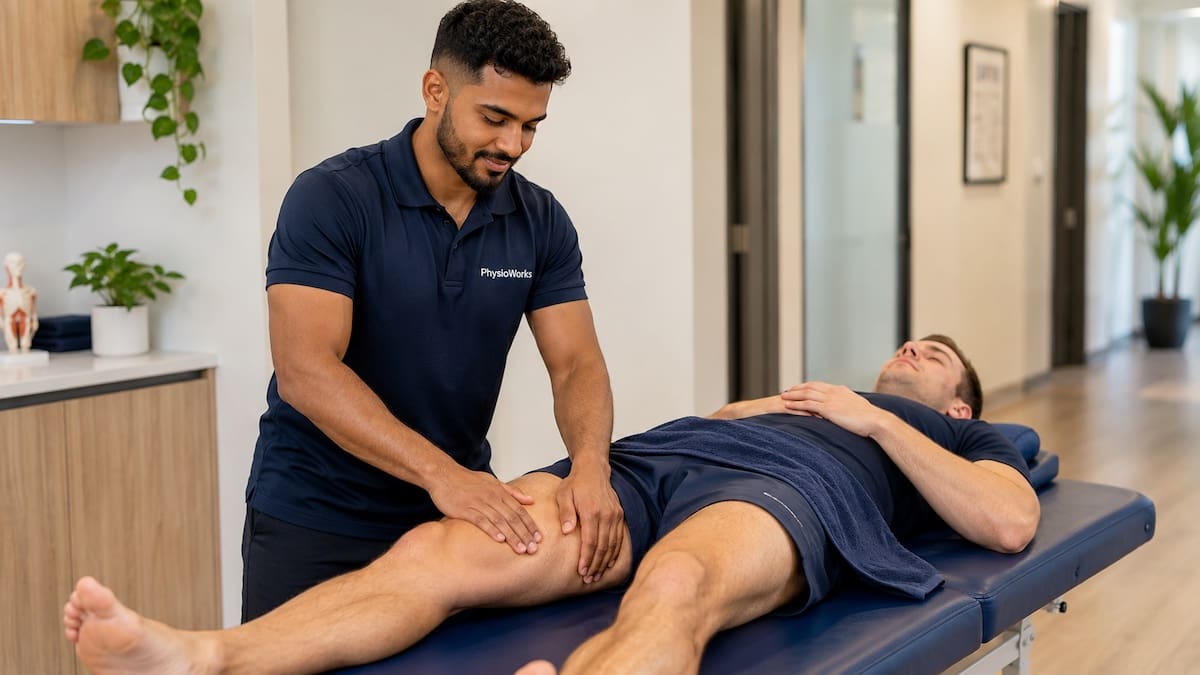
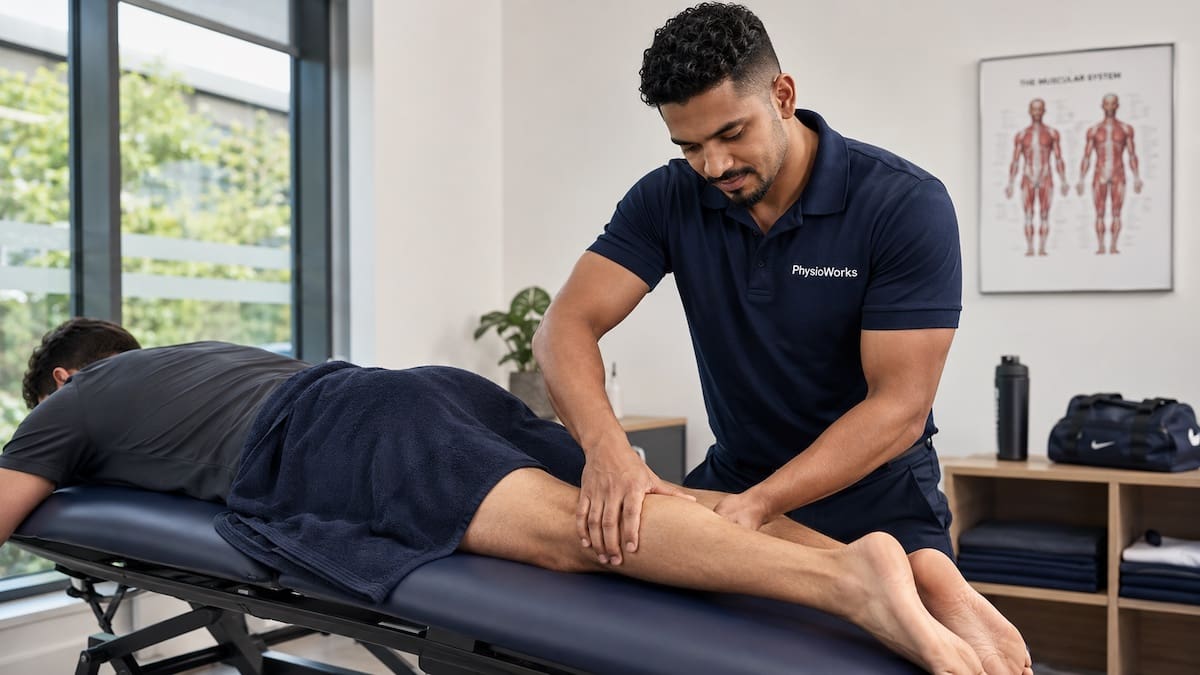
Post-event recovery massage treating calf tightness after sport

Calf massage after sport.

The best time to book a post-event recovery massage is usually between 30 minutes and 48 hours after exercise or a game. This window fits how muscles often feel after hard work, fatigue, and post-exercise soreness.

There is no single perfect time for every person. The right time depends on the event, how sore you feel, and what you plan to do next. Many athletes use sports massage and sports recovery massage to support their training week.

Short Answer

Most people book a recovery massage later the same day or within the next two days. This may help ease tight, heavy, or sore muscles between sport, training, or gym sessions.

If your main symptom is post-exercise soreness, compare your symptoms with delayed onset muscle soreness (DOMS). This can help you tell normal post-sport soreness from pain that may need a check.

Ashgrove · Clayfield · Sandgate

Massage appointments available this week. Early booking is recommended.

Why Timing Matters After Sport

After hard exercise, muscles can feel tired, heavy, tight, or sore. This is common after long events, new loads, hill work, speed work, heavy gym, or repeated changes of direction.

In the first 24–48 hours, many people notice stiffness or DOMS. A recovery massage during this time may help ease muscle tension and help you relax.

Massage works best as part of a broader recovery plan. It may sit beside sleep, food, water, rest, light movement, and smart training load. If you are not sure whether your soreness is normal, read our guide to common muscle injuries.

When Should You Book a Post-Event Recovery Massage?

The right time depends on how your body feels after the event. Some people like massage soon after sport. Others feel better the next day, when sore spots are clearer.

Quick Timing Guide

  • 30 minutes to 6 hours: may suit light tightness after a moderate event.
  • Later the same day: may suit heavy, tight, or tired muscles that are not painful.
  • 24–48 hours: often suits harder sport, long runs, heavy gym, or clear DOMS.
  • Book a physio check first: sharp pain, swelling, bruising, limping, or worse pain may need review before massage.

Immediate Massage vs Waiting a Day

Immediate post-event massage may suit light events or short races. The aim is usually comfort, calm, and light recovery support.

Waiting 24–48 hours may suit longer or harder efforts. At that stage, soreness is often easier to find. This can help your massage therapist choose the right pressure and focus.

Event-Specific Timing Examples

Running events: After short races or moderate runs, some runners book massage later the same day to ease tight calves, hamstrings, or hips. After long events, waiting until the next day is often more comfortable.

Team sports: Sports with sprinting, kicking, jumping, tackling, or fast turns can leave many muscles tired. Many players book recovery massage within 24 hours, especially when another game or session is close.

Gym and strength training: Heavy lifting can cause local muscle soreness. Massage may feel better one to two days later, once stiffness or DOMS is clear.

How Training Schedules Influence Timing

Your next session matters. If you plan to train again soon, massage may help you feel more comfortable as you return to activity. If you have more rest days, waiting a little longer may still be fine.

Recreational and competitive athletes often plan massage around key training blocks. This can help them manage soreness without using massage as the only recovery tool.

When Should You Avoid Immediate Recovery Massage?

Post-event massage may not be the right first step if you have sharp pain, major swelling, bruising, heat illness symptoms, numbness, odd calf swelling, or pain that changes how you walk.

In those cases, book a physiotherapy assessment first. Your physiotherapist can check whether massage is safe and suitable, or whether you need injury care, load advice, or medical review.

Is This Massage Right for You?

Post-event recovery massage may suit you if you feel heavy, stiff, or sore after sport, but you do not have signs of a more serious injury.

It may be useful if you:

  • feel general muscle tightness after sport
  • notice calf, hamstring, quad, hip, or back stiffness
  • want help with soreness between events
  • are returning after a harder-than-usual session
  • want guidance on whether soreness sounds normal

What This Means for Your Recovery

If you feel stiff, sore, or heavy after sport, a post-event recovery massage may be a useful part of your plan. Normal post-exercise soreness often settles within a few days.

Pain that stays, worsens, or limits movement may need a check. A physiotherapist can help decide whether massage alone is suitable, or whether exercise advice, load change, or injury care may help.

Related Information

Post-event recovery massage quadriceps finishing strokes after sport

Calm quadriceps treatment after sport.

What to Do Next

If post-event soreness is settling as expected, book a recovery massage at a time that fits your training week. If symptoms feel sharp, local, or less clear, book a physiotherapy assessment first.

PhysioWorks offers massage appointments in Brisbane, including Ashgrove, Clayfield, and Sandgate. Choose your preferred clinic and appointment time online.

Book a Massage Appointment

Choose your preferred clinic to book online, call, or view clinic details.

Brisbane Massage Therapists

Remedial Massage Therapists

Our remedial massage therapists help relieve muscle tension, improve flexibility, reduce soft tissue pain, and support recovery from training loads, desk posture, and everyday physical stress.

Massage Products

These muscle and soft tissue products are commonly used by our remedial massage therapists and physiotherapists to relax or loosen muscles.

View all massage products

Follow PhysioWorks

Get free physiotherapy tips, exercise videos, recovery advice, and blog updates.

Facebook Instagram YouTube B X Email PhysioWorks

Post-Event Recovery Massage FAQs

How soon after sport should I get a recovery massage?

Many people book a post-event recovery massage later the same day or within 24–48 hours. The right time depends on the event, soreness level, and your next session.

Is it better to get a massage straight after sport or the next day?

Light massage soon after sport may suit mild tightness. Waiting until the next day may feel better after longer or harder events, when sore spots are clearer.

Can massage help delayed onset muscle soreness?

Many people find massage useful for tight muscles linked with DOMS. It should sit beside rest, water, sleep, light movement, and smart training load.

When should I see a physiotherapist instead of booking massage?

Book a physiotherapy assessment if you have sharp pain, swelling, bruising, limping, odd calf swelling, numbness, or pain that gets worse.

Can I train after a post-event recovery massage?

Many people return to light activity after massage, but hard training may need more time. Your therapist can discuss timing based on your soreness and next event.

References

  1. Dupuy O, Douzi W, Theurot D, Bosquet L, Dugué B. An evidence-based approach for choosing post-exercise recovery techniques. Front Physiol. 2018;9:403.
  2. Poppendieck W, Wegmann M, Ferrauti A, Kellmann M, Pfeiffer M, Meyer T. Massage and performance recovery: a meta-analytical review. Sports Med. 2016;46(2):183-204.
  3. Davis HL, Alabed S, Chico TJA. Effect of sports massage on performance and recovery: a systematic review and meta-analysis. BMJ Open Sport Exerc Med. 2020;6(1):e000614.

Massage Gift Voucher Brisbane

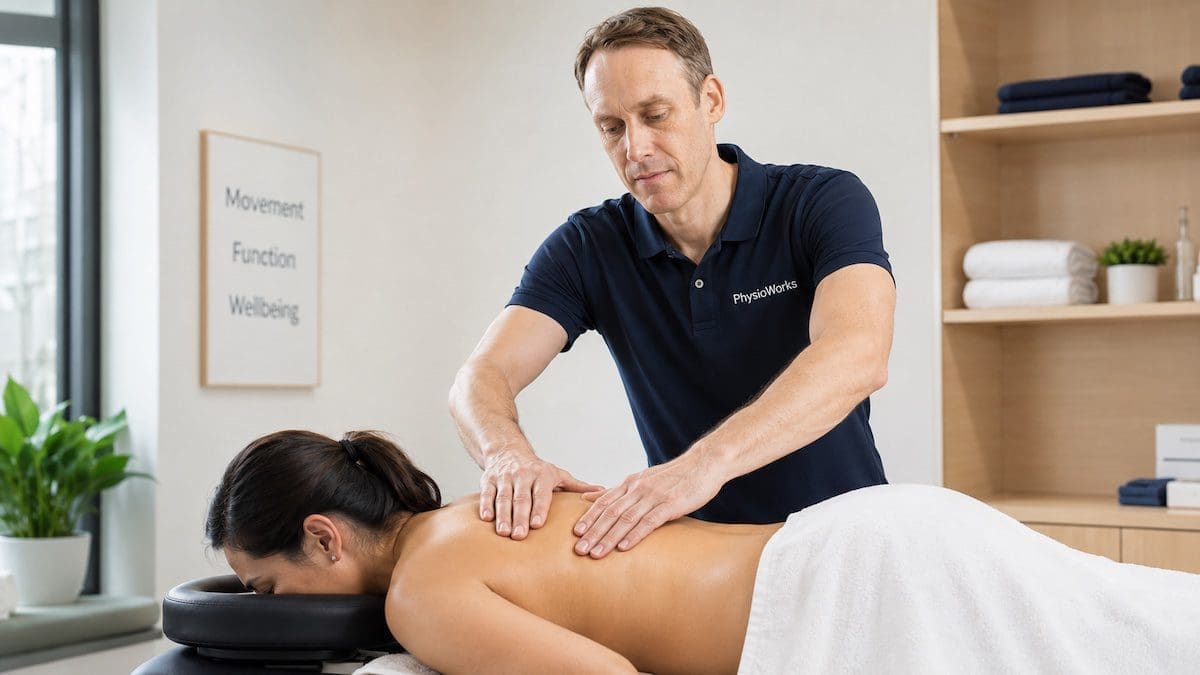
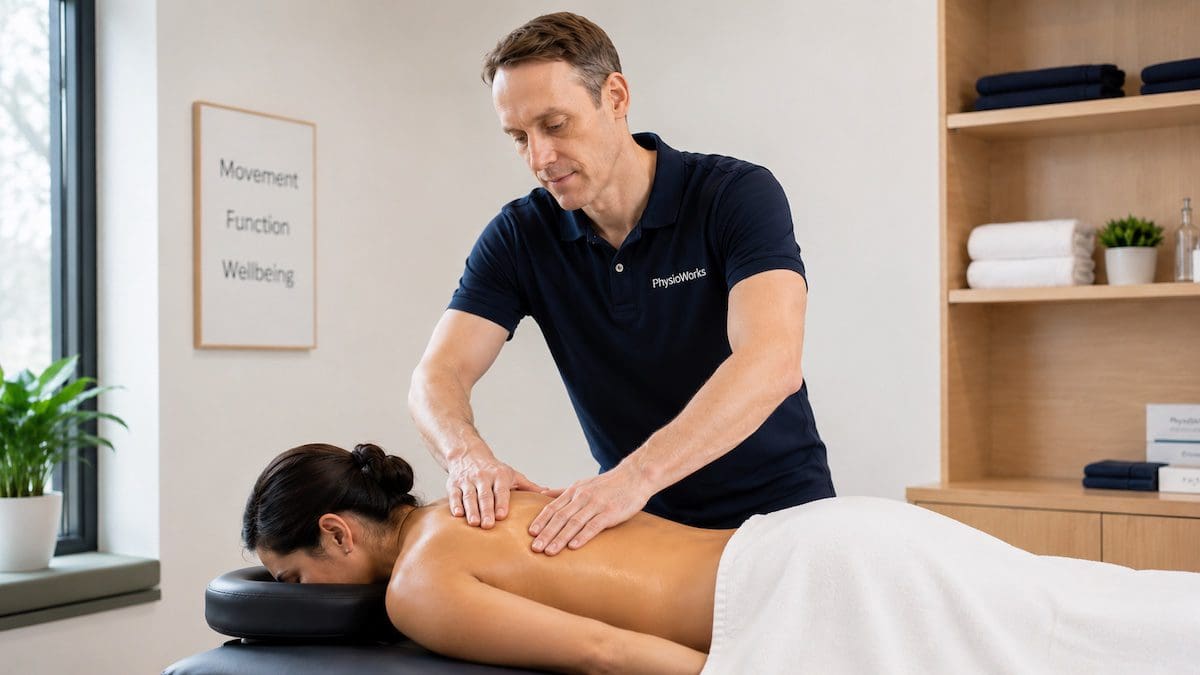
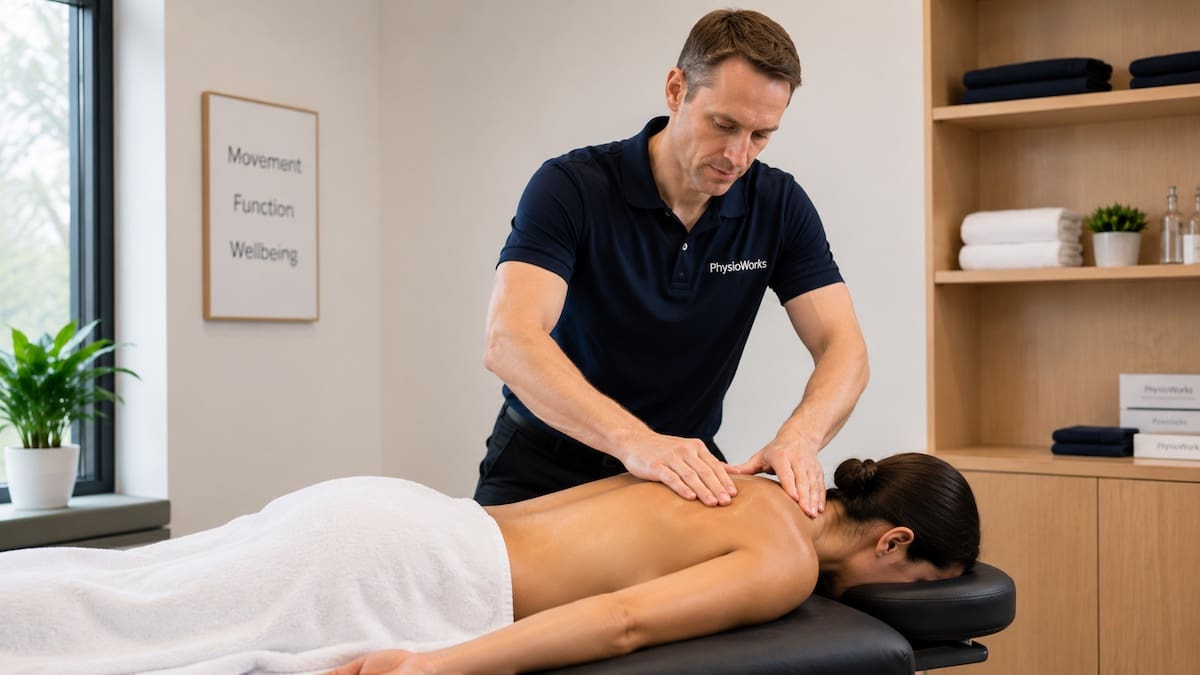
physiotherapist performing upper back massage on patient lying prone in clinic

Massage treatment available with a PhysioWorks gift voucher

Looking for a massage gift voucher in Brisbane? A PhysioWorks massage gift voucher is a practical, flexible gift for relaxation, recovery, and muscle care. You can buy a voucher online in minutes, or contact your nearest clinic for help.

It suits birthdays, anniversaries, thank-you gifts, and simple self-care. If you are comparing options, you can also browse our full range of massage services in Brisbane, including remedial massage and sports massage.

Available across multiple PhysioWorks Brisbane clinics, these vouchers are a simple option when you want to give someone a useful health and wellbeing gift.

Ashgrove · Clayfield · Sandgate

Massage appointments available this week. Early booking is recommended.

How do you buy a massage gift voucher in Brisbane?

You can buy a massage gift voucher online through PhysioWorks, which is the fastest option for most people. Alternatively, you can contact reception if you would like help choosing a voucher or confirming the best clinic location.

👉 Buy a Massage Gift Voucher Online

What can a massage gift voucher be used for?

A massage gift voucher may be used for a range of massage services, depending on the recipient’s needs and the appointment booked. Common options include remedial massage, sports massage, and relaxation-focused massage care.

This makes the voucher a useful gift for active people, busy professionals, and anyone wanting help with muscle tightness, recovery, or general wellbeing. If the recipient also has a common soft tissue issue, they may find our information on muscle injuries helpful.

Why this gift is easy to give

  • Instant online purchase for last-minute gifts
  • Flexible use across massage services
  • Easy for the recipient to book at a suitable time
gift voucher

Gift voucher example for PhysioWorks massage services

Why choose a massage gift voucher?

A massage gift voucher is simple to organise and easy for the recipient to use. It offers flexibility while still giving a thoughtful health and wellbeing gift.

  • Easy to purchase online
  • Suitable for a wide range of ages and needs
  • Useful for relaxation, recovery, and muscle care
  • A practical gift that the recipient can choose how to use

Is a massage gift voucher right for the person you are buying for?

If they enjoy massage, need help winding down, or often deal with muscle tightness from work, exercise, or day-to-day stress, a massage gift voucher is usually a strong option. Many people also appreciate having the flexibility to choose the timing and style of their appointment.

What should you do next?

If you want a simple and useful gift, a PhysioWorks massage gift voucher is an easy choice. Buy online now, or speak with reception if you would like help choosing the most suitable option.

Instant online purchase also makes it a strong last-minute gift option.

👉 Purchase Your Massage Gift Voucher Now

Massage Gift Voucher Brisbane FAQs

Can I buy a massage gift voucher online?

Yes. You can buy a PhysioWorks massage gift voucher online through the product page. This is the quickest option and suits most buyers who want a simple checkout process.

What massage types can a gift voucher be used for?

A massage gift voucher may be used for a range of massage appointments, depending on the recipient’s needs and the service booked. This can include options such as remedial massage or sports massage.

Is a massage gift voucher a good present?

For many people, yes. It is a practical gift that supports relaxation, recovery, and wellbeing, which makes it suitable for birthdays, thank-you gifts, celebrations, and general self-care.

Can I contact the clinic if I need help choosing a voucher?

Yes. If you are unsure which massage gift voucher is most suitable, reception can help guide you. That can be useful if you want to confirm service options or clinic availability before buying.

Do massage gift vouchers expire?

Voucher terms can vary, so it is best to check the current conditions on the product page or with reception before purchase. That helps you confirm any expiry details and plan the gift with confidence.

Can the recipient choose the massage type later?

In many cases, yes. The recipient can usually book the massage service that best suits their needs at the time of appointment, subject to the voucher conditions and clinic availability.

Where can I find more massage information?

You can browse our Massage FAQs & Products page for more answers, or explore our broader Brisbane massage services section for related treatment information.

Book a Massage Appointment

Choose your preferred clinic to book online, call, or view clinic details.

Massage Products

These muscle and soft tissue products are commonly used by our remedial massage therapists and physiotherapists to relax or loosen muscles.

View all massage products

Follow PhysioWorks

Get free physiotherapy tips, exercise videos, recovery advice, and blog updates.

Facebook Instagram YouTube B X Email PhysioWorks
You've just added this product to the cart: