
Muscle Treatment


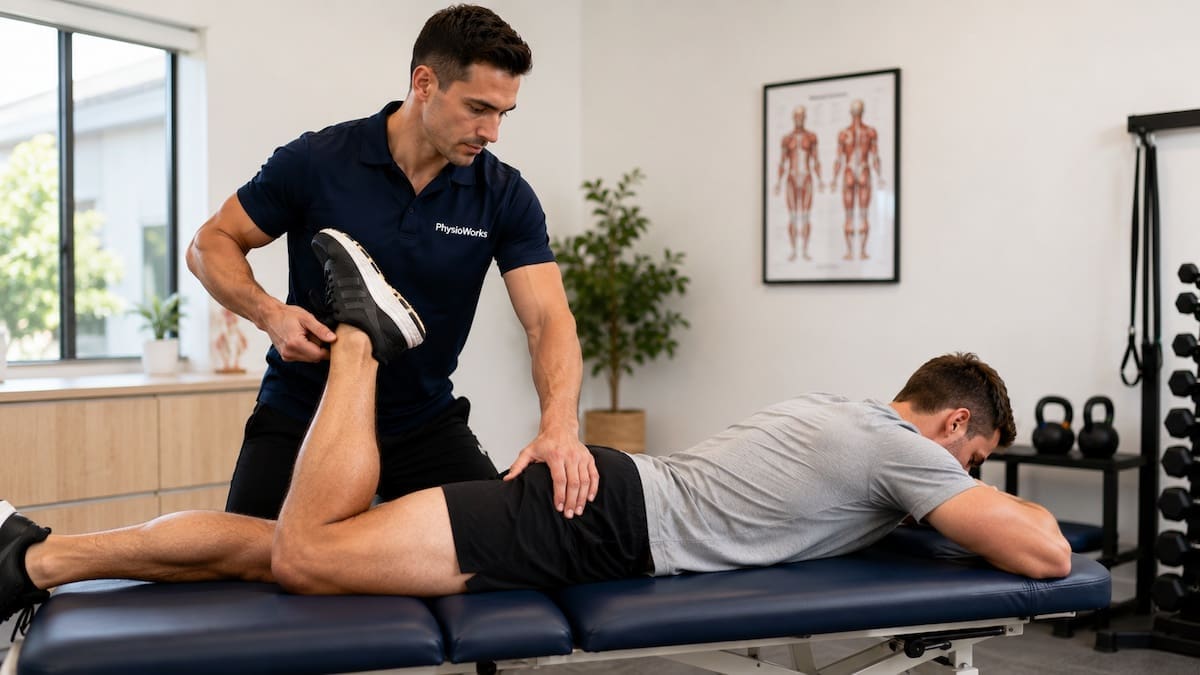
Hamstring assessment helps guide muscle treatment after injury.
Muscle treatment helps reduce pain, protect healing tissue, and restore safe movement after a muscle strain or acute soft tissue injury. Early physiotherapy may help you understand the injury, avoid flare-ups, and plan a clear return to work, sport, or daily activity.
Muscle strains often happen during sprinting, lifting, sudden direction change, or repeated work tasks. Treatment usually starts with protection and load control, then moves into strength, flexibility, and task-specific rehab.
Muscle Treatment at a Glance
- Early goal: reduce pain and protect healing fibres.
- Main focus: restore movement, strength, and confidence.
- Rehab aim: match recovery to work, sport, and daily demands.
- Seek help: if pain, weakness, bruising, or function loss persists.
What Is Muscle Treatment?
Muscle treatment is a guided plan for a muscle injury, not just a single technique. It may include education, load changes, hands-on care, taping, compression advice, mobility work, and progressive strengthening.
A physiotherapist may first check the injury site, pain behaviour, range of movement, strength, bruising, swelling, and the activity that triggered the problem. This helps decide whether the injury behaves like a simple strain, a deeper tear, tendon involvement, or another condition.
For more detail on the broader injury group, see our muscle pain and injury page.
Early Muscle Treatment After a Strain
When you experience a muscle strain, early treatment should protect the injured area while keeping safe movement in the plan. Complete rest for too long may slow your return to normal activity.
Immediate Steps
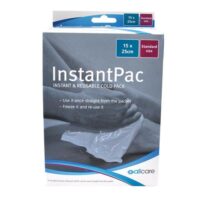
Early management often starts with relative rest, compression, elevation where practical, and controlled movement. Cold therapy may help pain and swelling in the first 48 to 72 hours. Heat may suit later stages when stiffness and guarding are the main issue.
For a broader first-aid guide, see Healthdirect’s sprains and strains advice.
What Early Treatment May Help With
- Reduce pain and swelling
- Protect healing muscle fibres
- Restore comfortable range of movement
- Guide safe walking, lifting, or sport changes
- Reduce the risk of doing too much too soon
When Should You Book an Assessment?
Book a physiotherapy assessment if your pain is sharp, bruising is spreading, strength is reduced, or you cannot return to normal walking, work, or training.
You should also seek advice if symptoms keep returning in the same muscle group, or if pain does not improve over the first few days.
How Physiotherapy Guides Muscle Treatment
Physiotherapy aims to match treatment to your injury stage. A new muscle strain needs a different plan from a recovering injury that now feels stiff, weak, or under-conditioned.
Assessment and Diagnosis
Your physiotherapist may assess tenderness, contraction strength, stretch tolerance, movement control, and sport or work tasks. They may also consider whether imaging or medical review is needed when the history suggests a larger tear or another injury.
Hands-On Care
Hands-on treatment may help reduce protective muscle guarding and improve comfort. It should not replace active rehab, but it can support movement when pain or stiffness limits progress.
Rehab Exercise
Exercise usually progresses from low-load activation to heavier strength work, then speed, power, or work-specific tasks. This step-by-step plan helps the injured muscle cope with real demands again.
Muscle Treatment Phases
Muscle treatment works best when each stage has a clear goal. Progress depends on pain, strength, movement quality, and the task you need to return to.
| Phase | Main Goal | Common Focus |
|---|---|---|
| Early | Settle pain | Relative rest, compression, gentle movement |
| Middle | Rebuild capacity | Strength, range, balance, controlled loading |
| Late | Return to full demand | Speed, power, lifting, work tasks, sport drills |
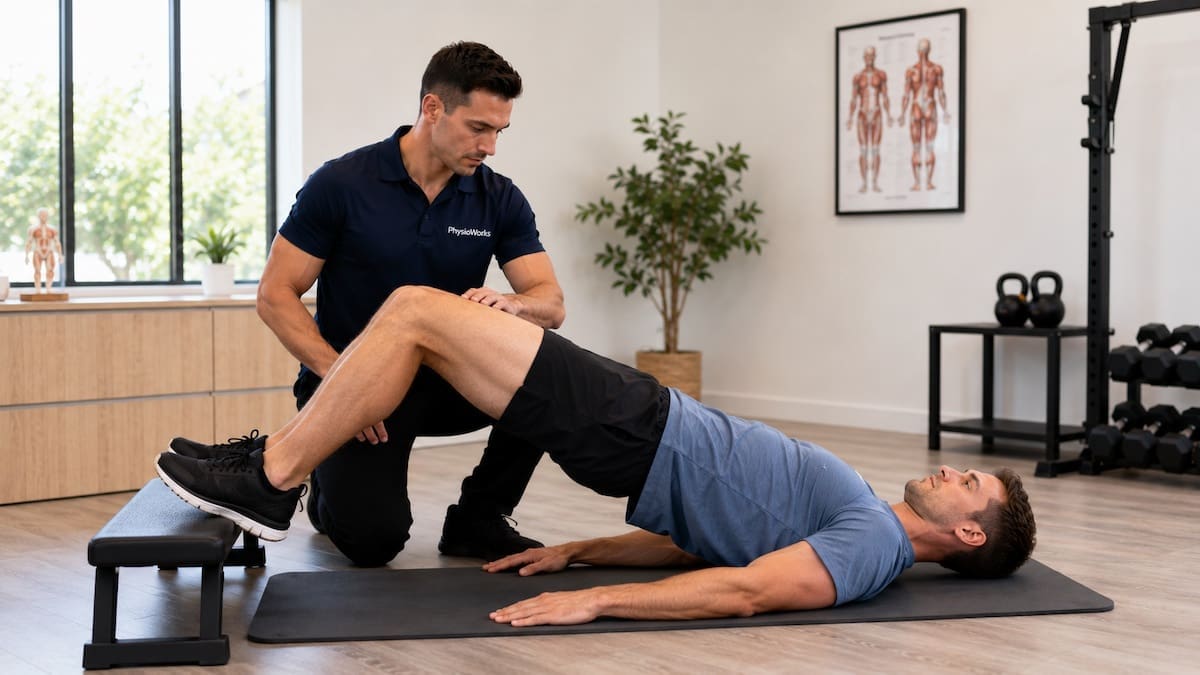
Bridge strengthening helps rebuild hamstring capacity.
Sports-Specific Muscle Injury Treatment
Sport-related muscle strains often flare during sprinting, jumping, kicking, throwing, or fast direction change. Sports rehab should link strength work to the actual movement demands of your sport.
If your injury happened in training or competition, sports physiotherapy may help guide your progression. Competitive athletes may also benefit from our return to sport testing pathway before full training or match play.
Sport Rehab May Include
- Running or change-of-direction progressions
- Acceleration and deceleration drills
- Strength testing and side-to-side comparison
- Gradual exposure to speed, power, or kicking
- Training-load advice to reduce re-injury risk
Return to Work vs Return to Sport
Not every muscle injury needs the same end point. A warehouse worker, runner, desk worker, and field-sport athlete all need different capacity targets.
Return to Work
- Build tolerance for walking, lifting, pushing, pulling, and standing
- Use graded exposure to reduce flare-ups
- Plan safe task changes during heavier work periods
- Progress repeated movements before full work demand
Return to Sport
- Restore pain-free strength through full range
- Progress from slow control to speed
- Add acceleration, jumping, or direction change gradually
- Use objective checks before full training where needed
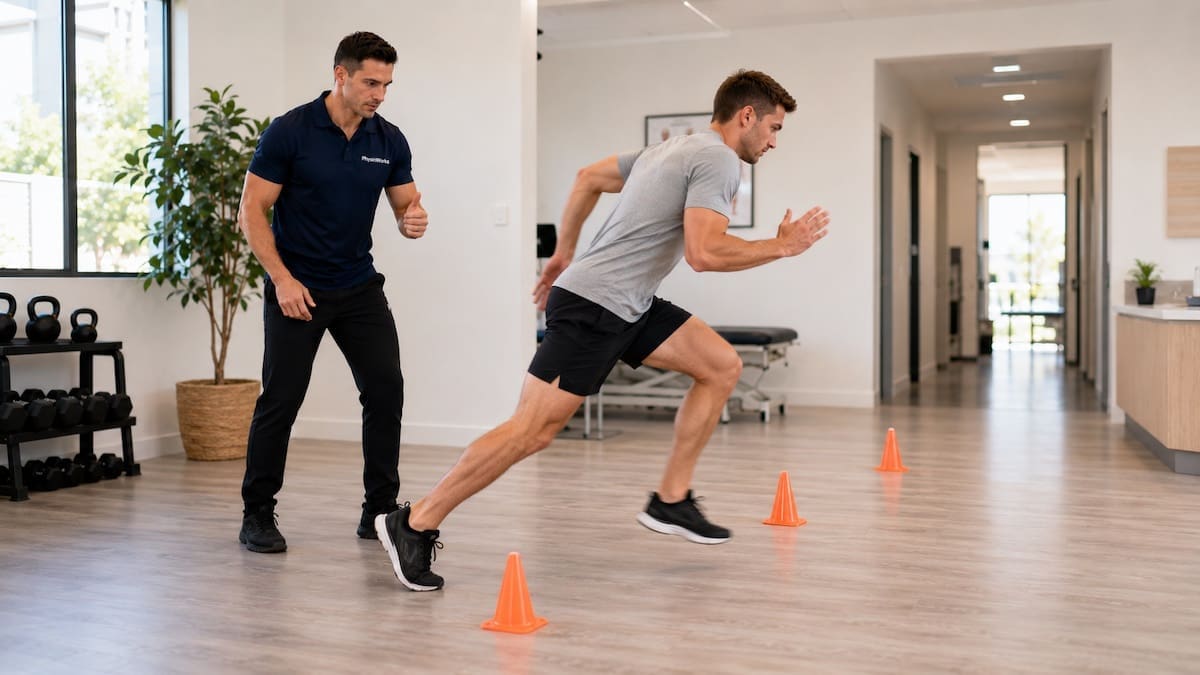
Acceleration drills support later return-to-running progress.
Where Massage Can Fit
Massage may help comfort and muscle guarding during the right stage of rehab. It should not be used aggressively over a fresh strain. However, later-stage tightness, protective tone, or nearby muscle soreness may respond to guided care.
Useful options may include remedial massage, soft tissue massage, or deep tissue massage when clinically suitable.
Related Muscle Injury Guides
- Acute injury treatment
- Acute soft tissue injury
- Soft tissue injury healing guide
- Muscle strain
- Sports injury physiotherapy
Muscle Treatment FAQs
What is the best early treatment for a muscle strain?
Early muscle treatment usually starts with relative rest, compression, swelling control, and gentle movement that does not sharply increase pain. The exact plan depends on the injury site, bruising, strength loss, and activity goals.
Should I use ice or heat for a muscle injury?
Ice may help pain and swelling in the first 48 to 72 hours after a fresh strain. Heat may suit later-stage stiffness or protective tightness. Avoid heat early if swelling or bruising is still increasing.
When can I start strengthening after a muscle strain?
Strengthening often starts gently once movement is comfortable and pain is settling. It usually progresses from light activation to heavier loading, then speed or sport-specific work. Pushing too hard too soon may flare symptoms.
Can massage help a muscle strain?
Massage may help nearby tightness and protective guarding during recovery. Strong massage directly over a fresh strain is usually avoided early. A physiotherapist or massage therapist can guide timing and pressure.
How do I know if a muscle injury needs assessment?
Book an assessment if you have marked bruising, swelling, weakness, limping, sharp pain, or trouble returning to work or sport. Repeated strains in the same area also deserve a clearer rehab plan.
How do I reduce the risk of another strain?
Re-injury risk may reduce when strength, range, confidence, and sport or work capacity all return. Late-stage rehab should include the movements you need most, such as lifting, sprinting, jumping, or repeated work tasks.
What to Do Next
If muscle pain persists, strength does not return, or daily tasks remain limited, a physiotherapy assessment may help clarify your injury and guide the next step.
Book a PhysioWorks appointment if you want help with early care, staged rehab, or a safer return to work, gym, running, or sport.
Choose your clinic and appointment pathway
Select a PhysioWorks clinic to continue to live booking, an appointment request or reception assistance.
Muscle & Soft Tissue Products
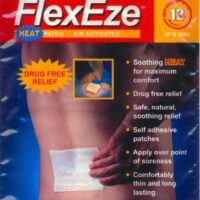
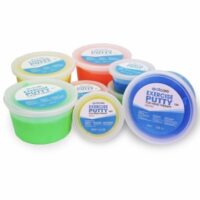
These muscle and soft tissue products are commonly used by our physiotherapists to relax or loosen muscles, improve strength, comfort, flexibility, and home exercise programs.
-
-
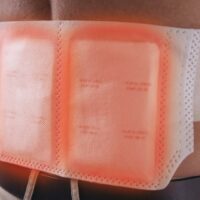
-
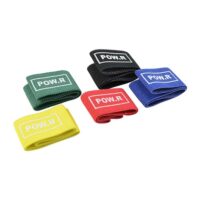 Exercise Equipment, Knee, Resistance Band
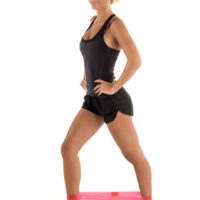
POW.R Fabric Mini Loop Bands
$12.00 – $55.00Select optionsQuick View -
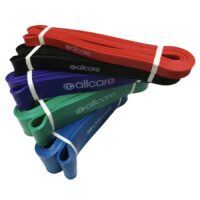
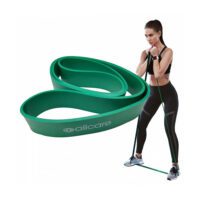 Exercise Equipment, Resistance Band
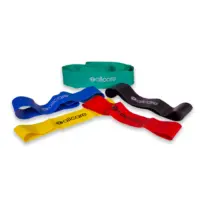
AllCare Powerloop Bands
$24.95 – $79.95Select optionsQuick View -
-
-
-
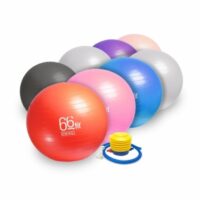
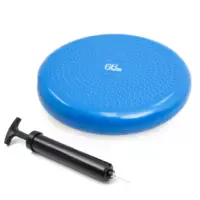
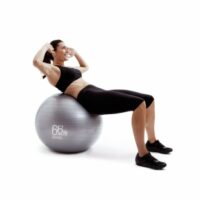 Exercise Balls, Back, Exercise Equipment, Knee, Shoulder
66fit Exercise Balls | Core & Rehab Stability Ball
$32.00 – $57.00Select optionsQuick View -
-
-
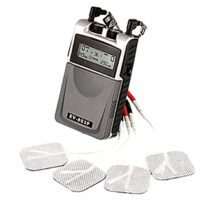
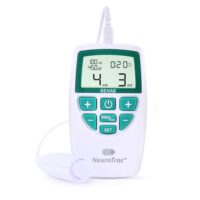
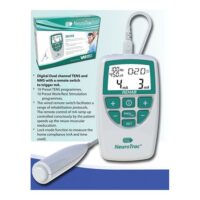
- EMS Machines, Pain Management, TENS Machine, TENS Machine & EMS
NeuroTrac Rehab (TENS Machine + EMS)
$285.00Add to cartQuick View - Liniments & Gels, Massage Liniments, Pain Management
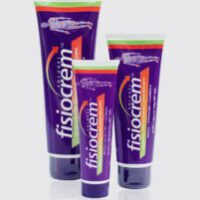
Fisiocrem
$16.95 – $39.95Select optionsQuick View -




References
- Wulff MW, et al. Return to sport, reinjury rate, and tissue changes after acute muscle strain injury: A systematic review. Sports Med Open. 2024.
- Geraci A, et al. Prevention and rehabilitation of the athletic hamstring injury. Curr Rev Musculoskelet Med. 2024.
- Perna P, et al. Return-to-play criteria following a hamstring injury in professional athletes: A scoping review. J Sport Rehabil. 2025.
- Hickey JT, Opar DA, Weiss LJ, Heiderscheit BC. Hamstring strain injury rehabilitation and return to activity considerations. J Athl Train. 2022;57(2):125-135.
