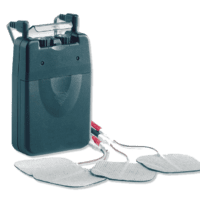
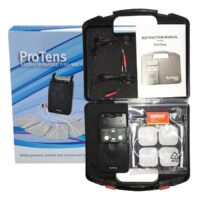
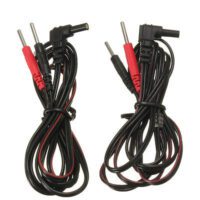
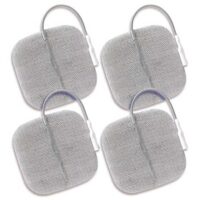
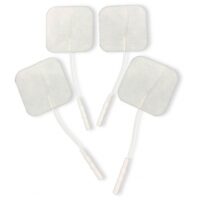
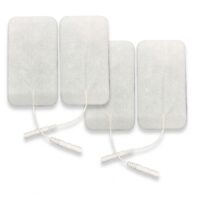
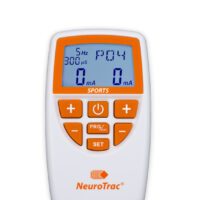
FAQs

Frequently Asked Questions


What Is Scapulohumeral Rhythm?

Article by John Miller & Erin Runge


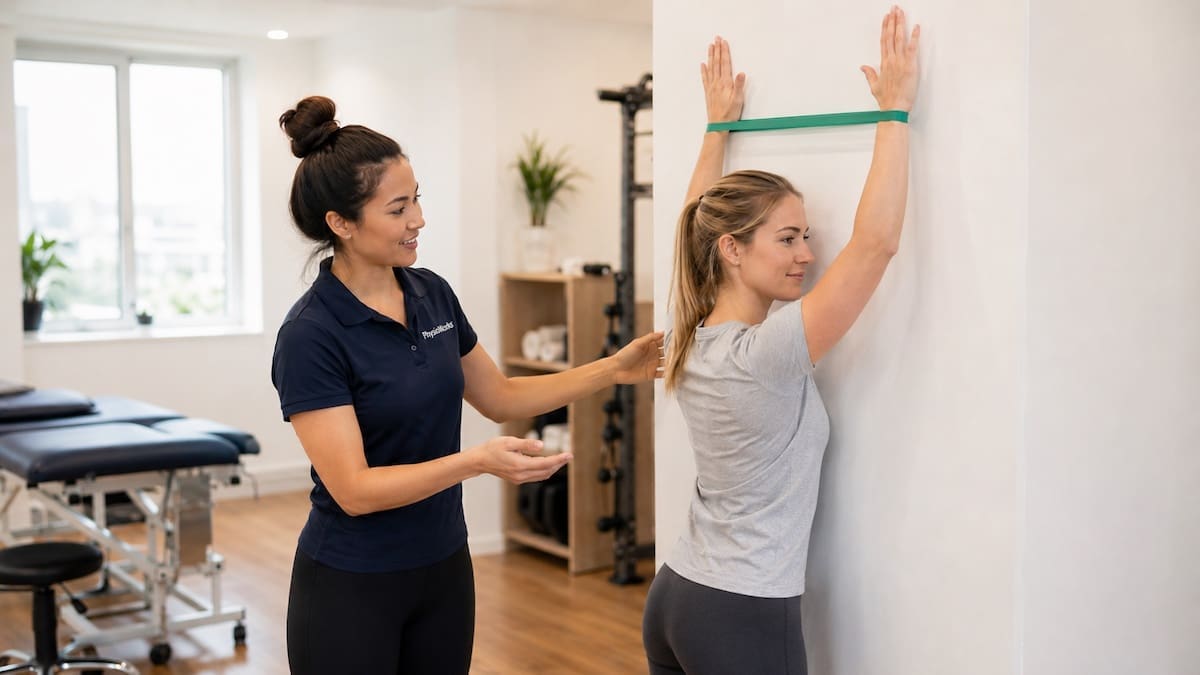
Scapulohumeral rhythm wall slide showing shoulder blade control during arm elevation

Wall slide for shoulder blade control.

Scapulohumeral rhythm describes how your shoulder blade and shoulder joint move together when you lift your arm. Good timing helps your shoulder move smoothly, stay strong, and create space for the rotator cuff tendons. When the movement pattern changes, some people notice shoulder pain, clicking, weakness, or poor control.

This page explains what scapulohumeral rhythm means, why it matters, and how physiotherapy may help when altered shoulder blade movement contributes to symptoms. For broader shoulder causes and treatment options, visit our Shoulder Pain guide.

Quick Summary

  • Scapulohumeral rhythm is the shared motion between the shoulder blade and shoulder joint.
  • It helps you lift, reach, throw, swim, push, pull, and carry.
  • Altered rhythm may occur with rotator cuff tendinopathy, shoulder impingement, or shoulder stiffness.
  • Movement differences are not always painful or abnormal.
  • A physiotherapist can assess whether shoulder blade control is relevant to your symptoms.

What Does Scapulohumeral Rhythm Mean?

Scapulohumeral rhythm means the shoulder blade, also called the scapula, rotates and tilts as the upper arm bone moves. This helps your arm lift overhead without relying only on the ball-and-socket joint.

A common teaching model says about two-thirds of arm elevation comes from the shoulder joint and one-third from the shoulder blade. In real people, the ratio varies. The more useful idea is simple: the shoulder blade and arm need to share the work.

Scapulohumeral rhythm diagram showing coordinated shoulder elevation with scapula upward rotation.

Shoulder blade and arm movement rhythm.

Why Is Scapulohumeral Rhythm Important?

Your shoulder is built for mobility. However, it also needs strong control from the rotator cuff, shoulder blade muscles, neck, and upper back. These muscles help guide your arm during reaching, lifting, throwing, swimming, and gym exercises.

When timing changes, the shoulder may feel less stable or less powerful. Some people also notice symptoms during overhead activity, especially if the rotator cuff or bursa is already irritated.

Movement Control Matters Most

A visible shoulder blade difference does not always mean there is a problem. It matters more when the movement links with pain, weakness, loss of function, or reduced confidence.

What Can Alter Shoulder Blade Movement?

Scapulohumeral rhythm can change for several reasons. Often, more than one factor is involved. Common contributors include:

  • rotator cuff pain, weakness, or fatigue
  • poor endurance in the serratus anterior or lower trapezius muscles
  • stiffness in the thoracic spine or shoulder joint
  • neck pain or upper back tightness
  • training overload, especially with repeated overhead work
  • guarding after pain, injury, or surgery
  • reduced confidence with reaching or loading

Shoulder blade control may also change in people with shoulder instability, shoulder bursitis, or frozen shoulder.

What Symptoms Can Be Linked With Altered Rhythm?

Altered scapulohumeral rhythm may be one part of a shoulder pain picture. It can be relevant when symptoms appear during lifting, reaching, or repeated arm use.

  • pain when lifting the arm overhead
  • clicking, catching, or clunking
  • early fatigue during arm activity
  • loss of strength when pushing, pulling, or throwing
  • a shoulder blade that wings, shrugs, or feels hard to control
  • symptoms that increase with repeated overhead work

If pain travels down the arm, causes pins and needles, or feels linked to neck movement, a physiotherapist may also assess your neck pain and nerve-related signs.

How Do Physiotherapists Assess Scapulohumeral Rhythm?

A physiotherapist watches how your shoulder blade and arm move during simple tasks. They may compare both sides, then test strength, range, control, and symptom response.

Assessment may include:

  • arm elevation from the front and side
  • wall slides, resisted reaching, or loaded movement
  • rotator cuff strength tests
  • shoulder blade control tests
  • neck and upper back mobility checks
  • sport or work-specific movements if needed

Scans such as X-ray, ultrasound, or MRI can show bones and soft tissues, but they do not show how your shoulder blade works during real movement. That is why a clinical movement assessment remains useful.

Can Exercises Improve Scapulohumeral Rhythm?

Targeted exercise may help when altered movement control is linked with pain, fatigue, or poor function. The aim is not to force a perfect-looking shoulder blade. Instead, treatment should improve comfort, strength, control, and confidence.

Your program may include:

Useful rehab rule: the right exercise should feel controlled. Mild effort is normal, but sharp pain, increasing weakness, or worsening symptoms means the program may need adjusting.

What Treatment May Help?

Treatment depends on what your assessment finds. Some people need strength work. Others need mobility, load management, technique coaching, or help settling an irritable shoulder.

Physiotherapy may include:

  • education about shoulder mechanics and symptom triggers
  • hands-on treatment where stiffness is limiting movement
  • exercise progression for the rotator cuff and shoulder blade muscles
  • thoracic spine and neck movement work
  • return-to-gym, return-to-swim, or return-to-throw planning
  • advice on how to keep active while symptoms settle

If your shoulder symptoms relate to sport or overhead loading, throwing injuries and sports physiotherapy may also be relevant.

When Should You Seek Help?

Consider physiotherapy assessment if shoulder pain or clicking keeps returning, limits overhead tasks, or affects work, training, sleep, or sport. Early advice may help you understand what is driving the problem and how to load the shoulder safely.

Seek prompt medical advice if you have a recent major injury, visible deformity, sudden loss of shoulder power, fever, unexplained swelling, chest pain, or severe night pain that does not ease.

What To Do Next

If shoulder blade control seems linked with your pain, a physiotherapist can assess your scapulohumeral rhythm, strength, range, and loading pattern. They can then explain which changes matter and which are normal movement variation.

Book a physiotherapy appointment if you want a clear plan for shoulder pain, clicking, overhead movement, gym loading, swimming, throwing, or work-related reaching.

Choose your clinic and appointment pathway

Select a PhysioWorks clinic to continue to live booking, an appointment request or reception assistance.

Shoulder Products

These shoulder products are commonly used by our physiotherapists to improve strength, posture, movement, plus assist home exercise programs.

View all shoulder products

Follow PhysioWorks

Get physiotherapy tips, exercise videos, recovery advice and blog updates.

Related Information

Frequently Asked Questions

Is scapulohumeral rhythm always the same for everyone?

No. Shoulder blade movement varies between people. It also changes with age, strength, sport, fatigue, injury history, and current symptoms. A physiotherapist looks for patterns that relate to your pain or loss of function, not just minor side-to-side differences.

Can poor scapulohumeral rhythm cause shoulder pain?

It can contribute in some cases, but it is rarely the only factor. Shoulder pain often involves load, tendon capacity, joint mobility, muscle endurance, sleep, work demands, and training history. Assessment helps identify which factors matter most for you.

Can I fix scapulohumeral rhythm with exercises?

Many people improve shoulder comfort and control with targeted exercise. The goal is better movement, strength, and confidence rather than a perfect-looking shoulder blade. Exercises should match your pain level, strength, and activity goals.

Do I need a scan to assess shoulder blade movement?

Usually no. Scans can help when a clinician suspects a structural injury, but they do not show how your shoulder blade moves during real tasks. A movement assessment is usually more useful for scapulohumeral rhythm.

Which muscles control scapulohumeral rhythm?

The serratus anterior, trapezius, rotator cuff, deltoid, pectoral muscles, and upper back muscles all help guide shoulder movement. Good control usually comes from coordinated timing, not one muscle working alone.

When should I book physiotherapy for shoulder clicking?

Book an assessment if clicking is painful, increasing, linked with weakness, or limiting lifting, sport, sleep, or work. Harmless clicking can occur, but painful or worsening clicking deserves a proper movement and strength review.

References

  1. Salamh PA, Hanney WJ, Boles T, et al. Is it Time to Normalize Scapular Dyskinesis? The Incidence of Scapular Dyskinesis in Those With and Without Symptoms: a Systematic Review of the Literature. Int J Sports Phys Ther. 2023;18(3):558-576. doi:10.26603/001c.74388
  2. Zhong Z, Lin J, Wang L, et al. Effect of scapular stabilization exercises on subacromial pain syndrome: a systematic review and meta-analysis. Front Neurol. 2024. doi:10.3389/fneur.2024.1357763
  3. Melo ASC, Ribeiro DC, Sole G, et al. Effectiveness of specific scapular therapeutic exercises in patients with shoulder pain: a systematic review with meta-analysis. JSES Rev Rep Tech. 2024.
  4. Yuksel E, Ozsoy G, Turan BK, et al. Scapular stabilization exercise training improves treatment effectiveness in patients with subacromial pain syndrome. J Shoulder Elbow Surg. 2024.
  5. Ludewig PM, Reynolds JF. The association of scapular kinematics and glenohumeral joint pathologies. J Orthop Sports Phys Ther. 2009;39(2):90-104. doi:10.2519/jospt.2009.2808
```html

Which Olympic Sport Has the Highest Injury Rate?

Which Olympic sport has the highest injury rate depends on the Games, the event and how injuries are recorded. The best comparisons come from structured injury-surveillance studies that follow athletes during an Olympic Games.

Current research now includes new information from the Paris 2024 Olympic Games. However, the latest published Paris studies are based on individual national teams rather than an equivalent whole-Games sport-by-sport ranking. For direct comparisons across all sports, Tokyo 2020 remains the strongest recent Summer Olympic dataset, while Beijing 2022 remains the strongest recent Winter Olympic dataset.

For more information about sporting injuries, visit our Sports Injuries hub.

Which Summer Olympic Sports Had the Highest Injury Rates?

The Tokyo 2020 injury and illness surveillance study followed 11,315 athletes from 206 national Olympic committees. Overall, about 9% of athletes sustained at least one injury during the study period.

The sports with the highest reported injury incidence were:

Boxing

27% of athletes sustained an injury.

BMX racing

27% of athletes sustained an injury.

BMX freestyle

22% of athletes sustained an injury.

Skateboarding

21% of athletes sustained an injury.

Karate

19% of athletes sustained an injury.

Handball

18% of athletes sustained an injury.

These figures represent injuries recorded during the Olympic surveillance period. They should not be interpreted as a permanent ranking of how dangerous each sport is.

Which Winter Olympic Sports Had the Highest Injury Rates?

The Beijing 2022 Winter Olympic surveillance study reported that about 10% of athletes sustained an injury. The highest injury incidence occurred in freestyle skiing and snowboarding events involving substantial speed, aerial manoeuvres and landing demands.

Ski halfpipe

30% injury incidence.

Ski big air

28% injury incidence.

Snowboard slopestyle

23% injury incidence.

Ski slopestyle

22% injury incidence.

Beijing 2022 therefore supports ski halfpipe as the Winter Olympic event with the highest injury incidence in that Games. It is better to report the four leading events identified by the study than invent a fifth-ranked category.

What Does the Latest Paris 2024 Research Show?

Research from Paris 2024 is now being published and gives us newer information about Olympic injuries. However, the currently available studies do not provide the same whole-Games sport-by-sport comparison as the Tokyo surveillance study.

Team Korea

A 2025 study examined injuries and illnesses among Team Korea athletes during their pre-Olympic training camp and the Paris Olympic Village period. It provides useful contemporary injury-surveillance information, but it represents one national delegation rather than every athlete competing in Paris.

Team USA

Published Team USA surveillance has also added important information from Paris 2024. One study included 635 US Olympic athletes and recorded 174 injuries and 99 illnesses across the surveillance period. Most health problems did not result in time loss from competition.

A separate analysis found that injury or illness was associated with a poorer finishing percentile after accounting for expected performance, although it did not show a statistically significant reduction in the probability of winning a medal.

Until a comparable whole-Games sport-by-sport analysis is available, Tokyo 2020 remains the most appropriate recent dataset for directly comparing Summer Olympic sports.

What Do We Know About Milano Cortina 2026?

The Milano Cortina 2026 Winter Olympic Games have now taken place. As expected in elite winter sport, injuries occurred during training and competition, and athlete health remained an important part of Games medical services.

However, reports of individual injuries cannot determine which sport had the highest overall injury rate. As of August 2026, we have not identified a published whole-Games sport-by-sport injury-surveillance analysis for Milano Cortina 2026 equivalent to the Beijing 2022 study.

For that reason, Beijing 2022 remains the most recent suitable published dataset for directly ranking Winter Olympic sports by injury incidence. This page should be updated when the full Milano Cortina surveillance data are published.

Which Olympic Sports Had Lower Injury Rates?

Lower injury incidence during one Games does not mean a sport is inherently safe. However, several sports recorded relatively few injuries in the Tokyo and Beijing surveillance studies.

Tokyo 2020

The lowest reported injury incidence, at about 1–2%, occurred in:

  • Diving
  • Road cycling
  • Rowing
  • Marathon swimming
  • Shooting

Beijing 2022

The lowest reported injury incidence, also around 1–2%, occurred in:

  • Curling
  • Alpine mixed team parallel slalom
  • Nordic combined
  • Alpine super-G

These figures describe what happened during those particular Olympic Games. Training exposure, weather, course design, athlete numbers, competition format and injury definitions can all affect reported rates.

Why Do Olympic Injury Rates Differ Between Sports?

Olympic sports expose athletes to very different physical demands. Injury risk can rise when several high-load factors occur together.

Speed and falls

High-speed cycling, skiing and snowboarding can produce substantial forces when an athlete falls or crashes.

Contact and collision

Combat and team sports expose athletes to direct contact, tackles, impacts and unpredictable forces.

Jumping and landing

Aerial and slopestyle events place high demands on landing control, balance and the lower limbs.

Rapid changes of direction

Cutting, braking and accelerating repeatedly can place high loads through the knees, ankles and muscles.

Training and competition load

Elite athletes often combine substantial training exposure with tightly scheduled competition and limited recovery time.

Event-specific demands

Equipment, playing surfaces, weather, course design and competition rules can change injury exposure between events and Games.

Do Olympic Injury Rates Apply to Recreational Athletes?

Not directly. Olympic athletes train and compete at an exceptional level, often at greater speed, intensity and technical difficulty than recreational athletes.

Olympic surveillance is useful because it highlights injury patterns and sporting demands. However, your own injury risk depends on factors such as your sport, previous injuries, training load, strength, technique, age, recovery and level of competition.

If pain or an injury is affecting your sport, an individual assessment is more useful than relying on an elite-sport injury statistic.

What Should You Do if a Sports Injury Is Limiting You?

Seek assessment if pain persists, repeatedly returns or changes how you train or compete. A physiotherapist can assess your symptoms, movement and sporting demands, then help you work towards an appropriate rehabilitation and return-to-sport plan.

For acute injuries, concussion symptoms, suspected fractures or severe pain, seek appropriate medical assessment rather than trying to continue through symptoms.

Frequently Asked Questions

Which Olympic sport has the highest injury rate?

There is no permanent single highest-risk Olympic sport. At Tokyo 2020, boxing and BMX racing had the highest reported injury incidence at 27% each. At Beijing 2022, ski halfpipe ranked highest at 30%.

Which Summer Olympic sports had the highest injury rates?

Tokyo 2020 reported the highest injury incidence in boxing and BMX racing at 27%, followed by BMX freestyle at 22%, skateboarding at 21%, karate at 19% and handball at 18%.

Which Winter Olympic sport had the highest injury rate?

At Beijing 2022, ski halfpipe had the highest reported injury incidence at 30%, followed by ski big air at 28%, snowboard slopestyle at 23% and ski slopestyle at 22%.

Which sport had the highest injury rate at Paris 2024?

Current published Paris 2024 research includes injury surveillance from individual national teams, but this does not provide an equivalent whole-Games ranking across every sport. It is therefore too early to name one Paris 2024 sport as having the highest overall injury incidence from comparable Games-wide data.

Which sport had the highest injury rate at Milano Cortina 2026?

As of August 2026, a comparable published whole-Games sport-by-sport injury-surveillance analysis for Milano Cortina 2026 has not been identified. Beijing 2022 remains the latest suitable dataset for comparing Winter Olympic sports directly.

Do Olympic injury rates apply to recreational athletes?

Not directly. Olympic athletes compete at exceptional levels of speed, intensity and technical difficulty. Recreational injury risk depends on individual factors including training load, previous injury, strength, technique, recovery and the demands of the sport.

References

  1. Soligard T, Palmer D, Steffen K, et al. New sports, COVID-19 and the heat: sports injuries and illnesses in the Tokyo 2020 Summer Olympics. British Journal of Sports Medicine. 2023;57:46–54. View the Tokyo 2020 study on PubMed.
  2. Soligard T, Palmer D, Steffen K, et al. Olympic Games during nationwide lockdown: sports injuries and illnesses, including COVID-19, at the Beijing 2022 Winter Olympics. British Journal of Sports Medicine. 2023. View the Beijing 2022 study on PubMed.
  3. Bae J, et al. Team Korea injury and illness surveillance at the 2024 Paris Olympic Games. Injury Epidemiology. 2025. View the Team Korea study on PubMed.
  4. Post EG, et al. Beyond the field: injury and illness patterns among Team USA athletes at the Paris 2024 Olympic and Paralympic Games. 2025. View the Team USA surveillance study on PubMed.
  5. Anderson T, Post EG, Triplett AN, et al. The impact of injury and illness on Team USA performance outcomes at the Paris 2024 Summer Olympic Games. Scientific Reports. 2025;15:36377. View the Team USA performance study.

Choose your clinic and appointment pathway

Select a PhysioWorks clinic to continue to live booking, an appointment request or reception assistance.

What to Do Next

If pain or injury is stopping you from training, competing or returning to your sport, consider an assessment to clarify the problem and plan an appropriate next step.

Follow PhysioWorks

Get physiotherapy tips, exercise videos, recovery advice and blog updates.

```
Article by John Miller & Erin Runge
Heel pain plantar fasciitis patient stepping out of bed with foot discomfort
Morning heel pain when stepping out of bed

First-step heel pain is a common sign of plantar fasciitis.

Plantar fasciitis usually improves when you reduce the loads irritating your heel, improve calf and foot flexibility, rebuild strength, and return to activity gradually. Many people also benefit from taping, supportive footwear, and short-term aids while the sore tissue settles.

If your heel hurts most with your first few steps in the morning or after rest, plantar fasciitis is one of the most common causes of heel pain. You can also read our full Plantar Fasciitis guide for a broader explanation of symptoms, causes, and treatment options.

Quick Ways to Help Plantar Fasciitis

  • Reduce painful walking, running, or long standing for a short period.
  • Stretch the calf and plantar fascia if stiffness is contributing.
  • Wear supportive shoes rather than flat, unsupportive footwear.
  • Try taping, heel cups, or orthotic support if needed.
  • Build calf, foot, and lower limb strength as pain settles.

How can you get rid of plantar fasciitis?

The best way to get rid of plantar fasciitis is to treat the factors that caused it in the first place. For many people, that means settling the irritated heel tissue, improving ankle and calf mobility, restoring strength, and reducing overload from walking, running, sport, or prolonged standing.

If there has been a recent increase in activity, time on your feet, hill walking, court sport, or time spent on hard surfaces, it is often worth temporarily reducing that load. Complete rest is not always necessary, but a short period of smarter loading can help calm symptoms faster.

Supportive shoes, arch taping, and temporary pressure-relieving options such as heel cups can also make daily walking more comfortable while your rehabilitation progresses.

Why plantar fasciitis keeps coming back

Plantar fasciitis often returns when the painful tissue settles but the original driver remains unchanged. Common contributors include tight calf muscles, limited ankle movement, weak calf or foot muscles, poor load progression, unsupportive footwear, and long hours of standing or walking.

That is why short-term pain relief alone is usually not enough. A lasting result often depends on improving the way your foot and lower limb handle load. Some people may also have overlapping causes of heel pain such as a heel spur, Achilles tendinopathy, or another source of foot pain.

What treatment works best for plantar fasciitis?

Good plantar fasciitis treatment usually combines several strategies rather than relying on one quick fix. Research-based care commonly includes stretching, taping, manual therapy, progressive strengthening, activity modification, footwear advice, and orthotic support when appropriate.

A physiotherapist may recommend:

  • plantar fascia-specific stretching
  • calf stretching if ankle stiffness is contributing
  • hands-on treatment to improve foot and ankle mobility
  • foot taping to unload the sore tissue
  • progressive calf and foot strengthening
  • footwear advice for work, sport, and daily activities
  • orthotic or arch support advice where appropriate
  • a graded return to walking, work, exercise, or sport

If poor foot control is contributing, guided rehabilitation such as Active Foot Posture Correction Exercises may also help as part of a broader rehabilitation plan.

Common mistake: Many people either push through sharp first-step heel pain every day or stop all activity for too long. A better approach is to calm the irritation, keep symptoms manageable, and rebuild load tolerance step by step.

What can you do at home for plantar fasciitis?

At home, it often helps to reduce painful overload, avoid going barefoot on hard floors, wear supportive shoes, stretch your calf and plantar fascia, and begin simple strengthening exercises as pain settles. Ice may help after aggravating activity, but most long-term improvement comes from gradual tissue loading rather than short-term pain relief alone.

Many people improve faster when they avoid two common mistakes: pushing through severe heel pain every day, or stopping all activity for too long. A measured approach usually works best.

When should you get plantar fasciitis checked?

You should seek help if your heel pain is not improving after a few weeks, keeps returning, limits work or exercise, or does not behave like classic first-step plantar heel pain. It is also worth getting assessed if you have swelling, numbness, burning pain, night pain, or trouble walking.

A physiotherapist can help confirm whether you have plantar fasciitis or another heel condition, then guide the treatment that best suits your symptoms, mobility, footwear, and activity demands. You may also find our Foot, Ankle & Heel Pain FAQs page useful.

Plantar fasciitis FAQs

How long does plantar fasciitis take to heal?

Mild plantar fasciitis may improve within a few weeks, while more persistent cases can take several months. Recovery often depends on how long symptoms have been present and whether the main load, flexibility, and strength contributors are being addressed properly.

Should you keep walking with plantar fasciitis?

Usually yes, but in a modified way. Walking is often fine if pain stays manageable and does not flare significantly afterwards. You may need to temporarily reduce distance, pace, hills, or time spent on hard surfaces.

Do orthotics help plantar fasciitis?

Orthotics can help some people, especially when foot posture, arch support, or repeated loading are contributing factors. They usually work best alongside stretching, strengthening, footwear advice, and sensible load management.

Is plantar fasciitis the same as a heel spur?

No. Plantar fasciitis involves irritation of the plantar fascia, while a heel spur is a bony growth at the heel. Some people have both, and some people have a heel spur with no pain at all.

Can a physiotherapist help plantar fasciitis?

Yes. A physiotherapist can assess why your heel pain developed, confirm the diagnosis, identify aggravating factors, and guide the right treatment plan to settle pain and reduce the risk of it returning.

What should you do next?

If you think you have plantar fasciitis, act early. Small changes to load, footwear, flexibility, and strength can make a big difference before the problem becomes stubborn.

If your heel pain is lingering or keeps returning, book a PhysioWorks appointment for a proper assessment and a treatment plan tailored to your needs.

Choose your clinic and appointment pathway

Select a PhysioWorks clinic to continue to live booking, an appointment request or reception assistance.

Follow PhysioWorks

Get physiotherapy tips, exercise videos, recovery advice and blog updates.

References

  1. Koc TA Jr, Miedaner JA, Boissonnault WG, et al. Heel Pain - Plantar Fasciitis: Revision 2023. J Orthop Sports Phys Ther. 2023;53(12):CPG1-CPG39. doi:10.2519/jospt.2023.0303
  2. Morrissey D, Cotchett M, Said J, et al. Management of plantar heel pain: a best practice guide informed by a systematic review, expert clinical reasoning and patient values. Br J Sports Med. 2021;55(19):1106-1118. doi:10.1136/bjsports-2019-101970
  3. DiGiovanni BF, Nawoczenski DA, Lintal ME, et al. Plantar fascia-specific stretching exercise improves outcomes in patients with chronic plantar fasciitis. J Bone Joint Surg Am. 2006;88(8):1775-1781. doi:10.2106/JBJS.E.01281

What injuries do Olympic swimmers suffer?

swimmer shoulder warm-up with resistance band before pool training
Elite swimmer performing shoulder activation with a resistance band before high-volume pool training.

Olympic swimmer injuries often come from high training volume, repeated overhead strokes, and sudden changes in load. Although swimming looks low impact, it can still irritate tendons, joints, and soft tissues. For a broader hub that covers common patterns and management options, see our Swimming Injuries page.

Short Answer

Most Olympic-level swimmers report problems in the shoulder, followed by the spine and, in breaststroke swimmers, the knee. These injuries usually relate to repeated load, fatigue, technique changes, and training spikes. If symptoms keep returning or limit training, a physiotherapy assessment can help clarify the driver and guide a safer plan. You can also start with our Swimming Injuries hub.

Why do swimmers get injured?

Swimming places repeated load through the shoulders, neck, upper back, hips, knees, and ankles. Over time, small technique changes, fatigue, reduced recovery, and growth spurts (in younger swimmers) can increase tissue stress. Training spikes matter too, especially when distance, intensity, or strength work increases quickly.

Most common injuries in elite swimmers

1) Shoulder pain and “swimmer’s shoulder”

The shoulder is the most commonly affected region in competitive swimming. Many swimmers experience shoulder pain during their career, often linked with rotator cuff and tendon overload, reduced shoulder control, and training volume. If your symptoms match this pattern, start here: Swimmer’s Shoulder. For related shoulder conditions, you may also find these pages useful: Rotator Cuff Injury, Shoulder Impingement, Shoulder Bursitis, Rotator Cuff Tendinopathy, Rotator Cuff Tear.

2) Breaststroker’s knee

Knee pain in swimmers often clusters around breaststroke, because the kick loads the inner knee and patellofemoral region differently to other strokes. If breaststroke triggers pain, see: Breaststroker’s Knee.

3) Back and spine pain

Spinal symptoms can develop when swimmers train with high volume, limited recovery, and repeated extension and rotation loads (especially in butterfly and breaststroke). Many cases involve muscle overload, joint irritation, or training-related flare-ups. If you want a swimming-specific overview, see: Swimmer’s Back.

Other injuries that can affect swimmers

Common risk factors

  • Rapid increases in distance, intensity, or strength training
  • Reduced recovery, sleep disruption, or high competition density
  • Previous injury that never fully settled
  • Reduced shoulder blade control and endurance
  • Reduced shoulder rotation range, or stiffness in the thoracic spine
  • Technique drift under fatigue

What this means for you

If pain lingers, keeps returning, or changes your stroke, you should treat it as a training load signal rather than something to push through. A physiotherapy assessment can help identify the main driver (load, technique, strength control, mobility, or recovery issues), then guide a plan that matches your stroke and event demands. As a practical first step, track when symptoms start (which stroke, which set, and what volume), then bring those notes to your appointment.

Related Information

Choose your clinic and appointment pathway

Select a PhysioWorks clinic to continue to live booking, an appointment request or reception assistance.

Follow PhysioWorks

Get physiotherapy tips, exercise videos, recovery advice and blog updates.

References

Li D, Liu Y. A 45-year global systematic evaluation of musculoskeletal injuries in swimmers: a systematic review and meta-analysis with 10973 athletes. J Sports Med Phys Fitness. 2026;66(1):82-91. doi:10.23736/S0022-4707.25.17045-X. Available from: https://pubmed.ncbi.nlm.nih.gov/41342747/

Trinidad A, León-Guereño P, de la Fuente J, et al. An Updated Review of the Epidemiology of Swimming Injuries. PM R. 2021. doi:10.1002/pmrj.12503. Available from: https://pubmed.ncbi.nlm.nih.gov/33010194/

Feijen S, Tate A, Kuppens K, Claes A, Struyf F. Swim-Training Volume and Shoulder Pain Across the Life Span of the Competitive Swimmer: A Systematic Review. J Athl Train. 2020;55(1):32-41. doi:10.4085/1062-6050-439-18. Available from: https://pubmed.ncbi.nlm.nih.gov/31935141/

For a broader overview of common swimming injury patterns and next steps, see: https://physioworks.com.au/sports/water/swimming/

What Is a TENS Machine?

TENS machine electrodes placed on lower back for pain relief treatment

Safe TENS pad placement matters.

A TENS machine is a small portable device that may help reduce pain by sending mild electrical pulses through pads placed on the skin. These pulses stimulate sensory nerves and may reduce how strongly pain messages reach the brain.

People often use a TENS machine as one part of a broader plan for pain relief, movement, and activity pacing. For a deeper treatment guide, read our page on TENS machine pain relief.

Quick Answer: What Does a TENS Machine Do?

  • A TENS machine uses sticky electrode pads and mild electrical pulses.
  • It may help short-term pain relief for some people.
  • It does not fix the underlying cause of pain.
  • Pad position, intensity, and timing can change the result.
  • Ask for advice first if you have an implanted device, heart rhythm concern, pregnancy concerns, reduced skin feeling, or unusual symptoms.

Important Safety Note

TENS and EMS machines are medical devices. Always read the label and instruction manual. TENS may provide modest short-term pain relief, but it may not suit every pain condition. Discuss use with your doctor, pharmacist, or physiotherapist if symptoms persist, worsen, or feel unusual.

How Does a TENS Machine Work?

A TENS machine works by sending small electrical pulses through electrode pads placed on the skin. Most people describe the feeling as tingling, tapping, or buzzing. It should not feel sharp or painful.

The stimulation may help pain in two main ways:

  • It may reduce some pain signals travelling through the nerves.
  • It may assist the release of natural pain-relieving chemicals, such as endorphins.

Key Takeaway

  • TENS may help calm pain while the machine is on, or soon after use.
  • It often works better when paired with movement, exercise, and pacing.
  • Correct pad placement and settings are important for safe use.

For this reason, physiotherapists may recommend TENS as one part of a broader pain management plan.

Should You Use a TENS Machine for Your Pain?

You may consider a TENS machine if pain is limiting movement and you need short-term symptom relief. However, TENS suits some people better than others. Professional advice can help confirm whether it matches your symptoms, goals, and health history.

TENS should support recovery rather than replace it. If pain keeps returning, spreads, causes weakness, affects bladder or bowel control, or follows a major injury, seek medical advice rather than relying on a device.

What Is a TENS Machine Used For?

A TENS machine may help provide short-term symptom relief for selected pain conditions. Common examples include:

A TENS machine does not fix the underlying cause of pain. Instead, it may make movement, exercise, sleep positioning, or daily activity feel more manageable while you address the main drivers of your symptoms.

TENS vs EMS: What Is the Difference?

A TENS machine mainly targets sensory nerves to assist pain relief. An EMS machine, or electrical muscle stimulation machine, stimulates muscles to contract.

EMS devices are usually used for muscle activation, strengthening, or rehabilitation. Some devices include both TENS and EMS modes, so check the product label carefully. To compare the two, see our guide to EMS machines and how they differ from TENS.

Where Should TENS Pads Be Placed?

TENS pads are usually placed around or near the painful area, depending on the condition and the device instructions. Do not place pads over broken or irritated skin, near the eyes, on the front of the neck, over the head, or across the chest unless a qualified health professional has specifically advised it.

Pad placement should feel comfortable. If the skin becomes irritated, the sensation feels unpleasant, or pain increases, stop using the device and seek advice.

When Should You Avoid Using a TENS Machine?

Do not use a TENS machine if you have a pacemaker, implanted electrical device, heart rhythm concern, epilepsy, or reduced skin sensation unless your doctor has confirmed it is safe. If you are pregnant, ask your doctor, midwife, or physiotherapist before using TENS.

You should also avoid using TENS in water, while driving, while operating machinery, over a known tumour, or over an area that does not have normal feeling.

When Should You Get Your Pain Assessed?

Book an assessment if pain is not settling, keeps returning, limits walking or sleep, spreads into an arm or leg, or stops you doing normal work, sport, or daily tasks.

A physiotherapist can help identify likely contributing factors and explain whether TENS, exercise, manual therapy, education, or a different plan is more suitable.

How Can a Physiotherapist Help With TENS Machine Use?

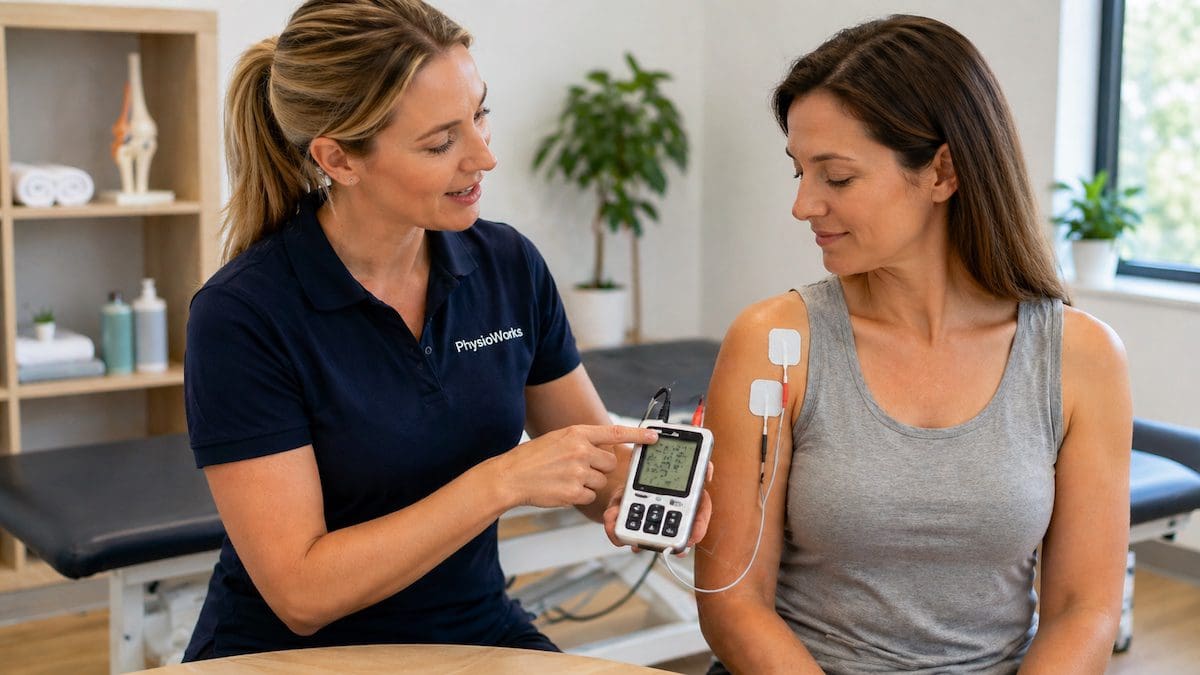
A physiotherapist can explain whether TENS suits your pain presentation, show safer electrode placement, and help choose settings that match your goals. They can also combine TENS with movement, strengthening, manual therapy, and load management where appropriate.

As a practical step, use pain relief to stay active within tolerable limits. Track what helps, then build activity gradually instead of making a sudden jump in walking, lifting, or training.

Related Information

Frequently Asked Questions

What is a TENS machine?

A TENS machine is a portable device that sends mild electrical pulses through pads on the skin. These pulses stimulate sensory nerves and may help short-term pain relief for some people.

Can a TENS machine fix the cause of pain?

No. A TENS machine may help reduce pain temporarily, but it does not treat the underlying cause. Persistent or recurring pain should be assessed so treatment can address the factors contributing to your symptoms.

Where should TENS pads be placed?

TENS pads are usually placed near or around the painful area, while avoiding unsafe regions such as broken skin, the front of the neck, the eyes, or across the chest. Placement depends on your condition and device instructions.

Is a TENS machine the same as an EMS machine?

No. TENS usually targets sensory nerves for pain relief, while EMS stimulates muscles to contract. Some devices include both modes, so check the label and instructions carefully.

Should I ask a physiotherapist before using TENS?

Yes, especially if you have ongoing pain, unusual symptoms, implanted devices, pregnancy concerns, reduced skin sensation, or you are unsure where to place the pads. A physiotherapist can help confirm safe use and suitable settings.

What to Do Next

If pain is limiting your movement, a TENS machine may help you stay more comfortable while you work on recovery. However, ongoing pain usually needs proper assessment to identify contributing factors and guide treatment.

If you are unsure whether TENS is suitable, book a physiotherapy appointment. Your physiotherapist can explain safe use, pad placement, and how TENS may fit into your broader recovery plan.

Choose your clinic and appointment pathway

Select a PhysioWorks clinic to continue to live booking, an appointment request or reception assistance.

Compare TENS Machines

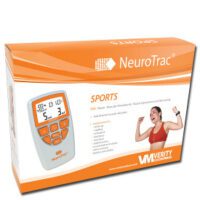
If your physiotherapist has recommended TENS, the product options below may help you choose a suitable device. Always follow the product instructions and seek advice if you are unsure.

TENS Machine Products

These TENS machines and accessories are commonly used to help manage pain at home. They work best when combined with a tailored physiotherapy plan.

View all TENS machines

Follow PhysioWorks

Get physiotherapy tips, exercise videos, recovery advice and blog updates.

References

  1. Healthdirect Australia. TENS (Transcutaneous electrical nerve stimulation). Last reviewed October 2024.
  2. Johnson MI, Paley CA, Jones G, Mulvey MR, Wittkopf PG. Efficacy and safety of transcutaneous electrical nerve stimulation (TENS) for acute and chronic pain in adults: a systematic review and meta-analysis of 381 studies. BMJ Open. 2022;12(2):e051073.
  3. Wu Y, Zhu Y, Fu Y, et al. Effects of transcutaneous electrical nerve stimulation on knee osteoarthritis pain and physical function: a systematic review and meta-analysis. Clin Rehabil. 2022;36(4):472-485.
  4. Lee H, Nnoaham KE, O'Brien T, et al. Transcutaneous electrical nerve stimulation (TENS) for chronic pain. Cochrane Database Syst Rev. 2024.

How to Use a TENS Machine Safely

Learn how to set up a TENS machine, position the electrode pads, choose a comfortable intensity and recognise when you should get advice before using it.

TENS machine electrodes placed on lower back for pain relief treatment

Safe TENS use starts with appropriate electrode placement and a comfortable intensity.

Learning how to use a TENS machine starts with safe pad placement, a low starting intensity and knowing when TENS may not be suitable. A TENS machine sends mild electrical stimulation through electrode pads placed on your skin. It may provide temporary pain relief for some people.

TENS is generally most useful as one part of a broader pain-management or rehabilitation plan rather than as a replacement for assessment, movement or exercise. For more background, see our TENS machine pain relief guide.

How Do You Set Up a TENS Machine?

Your own device instructions take priority because controls, programs and electrode configurations differ between models.

  1. Check your skin

    Choose clean, dry, healthy skin around the area you want to treat. Avoid broken, irritated or significantly numb skin.

  2. Connect the electrode pads

    Connect the leads and pads according to your device instructions while the TENS machine remains switched off.

  3. Position the pads

    Place the electrodes near or around the painful area. Keep each pad fully attached to the skin and avoid prohibited areas described in the device instructions.

  4. Start at the lowest intensity

    Switch the machine on with the intensity set low.

  5. Increase the intensity gradually

    Slowly increase the intensity until you feel a strong but comfortable tingling sensation. It should not feel sharp, burning or painful.

  6. Check your response

    Notice how your symptoms and skin respond during treatment. Turn the intensity down or stop if the stimulation becomes unpleasant.

  7. Switch the machine off before removing the pads

    Turn the TENS unit off before moving or removing electrodes. Follow the manufacturer's instructions for storing the pads and device.

Where Should TENS Pads Be Placed?

TENS electrodes are commonly positioned near or around the painful area rather than directly on the exact point of pain. The best position can vary with the body region, pain pattern and individual response.

Small changes in electrode position can noticeably change the sensation. A physiotherapist can help you test a suitable arrangement when the correct placement is unclear.

What Should TENS Feel Like?

TENS should usually produce a noticeable but comfortable tingling or buzzing sensation. Stronger is not necessarily better. The stimulation should not feel sharp, burning or painful.

If the sensation becomes uncomfortable, reduce the intensity or stop the unit. Persistent skin irritation, worsening pain or unusual symptoms are reasons to stop and review whether the device, pads or treatment approach is suitable.

Some devices include both TENS and electrical muscle stimulation settings. An EMS machine is designed to stimulate muscle contraction, whereas TENS is primarily used for sensory stimulation associated with pain relief. Check the selected mode before treatment.

How Long Should You Use a TENS Machine?

There is no single treatment duration that suits every person or every TENS unit. Session length depends on the device, treatment area, symptoms and individual response.

Follow the manufacturer's instructions and any advice given by your treating health professional. If you are using TENS for the first time, it can be useful to begin conservatively and check your skin and symptom response afterwards.

Healthdirect provides Australian information about TENS and recommends seeking professional advice about appropriate settings, electrode placement and how often to use the device.

When May TENS Help?

TENS may provide temporary pain relief for some people. The effect varies considerably, and not everyone finds it useful.

When TENS does reduce symptoms, that period of greater comfort may make it easier to continue suitable movement, exercise or everyday activity. However, TENS does not diagnose the cause of pain or replace treatment directed at the underlying problem.

Temporary relief

TENS may reduce pain while the machine is being used or for a period afterwards.

Keep moving

Reduced symptoms may make suitable movement or activity more comfortable for some people.

Part of a plan

TENS usually works best as an adjunct to an appropriate rehabilitation or pain-management strategy.

People commonly ask about TENS when managing back pain, neck pain, arthritis and nerve pain. Suitability depends on the cause of the symptoms and your health history rather than the body region alone.

When Should You Avoid Using TENS?

Do not use a TENS machine while driving, operating machinery, bathing or using it in or around water. Do not use it in a way that prevents you from safely controlling your movement or surroundings.

Stop using the device if it causes increasing pain, significant skin irritation, burning, unexpected symptoms or makes you feel unwell.

What Are Common TENS Machine Mistakes?

Starting too strongly

Begin at a low intensity and increase gradually. A painful electrical sensation is not the goal.

Poor pad contact

Old, dry or poorly attached electrodes can produce inconsistent or uncomfortable stimulation.

Unsafe pad placement

Electrodes should remain on suitable skin and away from prohibited body regions listed in the device instructions.

Using the wrong mode

Combination devices may include TENS and EMS programs. Check which mode you have selected before treatment.

Why Is My TENS Machine Not Working Properly?

A weak, uneven or absent sensation does not always mean that you need more intensity. Check the simple causes first.

No sensation

Check the battery or charge level, lead connections, electrodes and intensity setting.

Weak or patchy sensation

Check whether the electrode pads still adhere evenly and replace worn pads when required.

Skin irritation

Stop treatment, inspect the skin and check the condition and placement of the electrodes before using them again.

How Can a Physiotherapist Help With TENS?

A physiotherapist can assess your symptoms and help determine whether TENS is a reasonable option for you. They can also demonstrate electrode placement and explain how the device may fit with exercise, pacing, strength work and other parts of your management plan.

For persistent or recurring symptoms, a broader pain management approach usually matters more than any single device. The aim is to improve useful movement, capacity and confidence rather than simply chase temporary symptom relief.

TENS Machine Benefits and Limitations

Possible TENS machine benefits include temporary symptom relief, portability and the ability to use a non-drug pain-management option in appropriate circumstances.

However, TENS does not work for everyone. It does not diagnose pain, repair injured tissue or replace a rehabilitation plan. A large systematic review found evidence that TENS can reduce pain intensity during or immediately after treatment compared with placebo in adults with acute and chronic pain, although individual response varies.

Related TENS and Pain Information

Compare TENS Machines

If TENS has been recommended for you, you can compare available TENS units and replacement electrode pads below. Check the product instructions carefully and ask your physiotherapist for advice if you are unsure which option or settings suit your needs.

TENS Machine Products

These TENS machines and accessories are commonly used to help manage pain at home. They work best when combined with a tailored physiotherapy plan.

View all TENS machines

Frequently Asked Questions

How do you use a TENS machine?

Place the pads on clean, dry, healthy skin near or around the painful area. Start at the lowest intensity, then gradually increase it until you feel a strong but comfortable tingling sensation. Follow the device instructions and switch the unit off before moving or removing the pads.

Where should TENS pads be placed?

TENS pads are commonly positioned near or around the painful area. Avoid broken or irritated skin, areas with markedly reduced sensation, the eyes and the front or sides of the neck. Avoid arrangements that pass stimulation across your chest unless a health professional has specifically advised that configuration.

What setting should I use on a TENS machine?

The appropriate setting depends on your device and individual situation. Start low and gradually increase the intensity until the stimulation feels strong but comfortable. It should not feel sharp, burning or painful.

How long should I use a TENS machine?

There is no single session length that suits every person or device. Follow the manufacturer's instructions and any advice from your treating health professional. Consider a conservative first session so you can check your skin and symptom response.

Can I use a TENS machine every day?

Some people use TENS regularly, but frequency should follow the device instructions and your health advice. Check your skin after treatment and stop if pain, persistent redness or irritation increases.

Can a TENS machine fix the cause of pain?

No. TENS may provide temporary pain relief, but it does not diagnose or correct the underlying cause. Persistent, recurring, new or unexplained pain may need assessment so management can address the main contributing factors.

Is a TENS machine the same as an EMS machine?

No. TENS primarily provides sensory electrical stimulation associated with pain relief. EMS is designed to stimulate muscle contraction. Some devices provide both modes, so check which program you have selected.

Should I ask a physiotherapist before using TENS?

Seek professional advice if you are using TENS for the first time and are unsure whether it is suitable, particularly for new or unexplained pain or if you have relevant health conditions. A physiotherapist can also help with electrode placement, settings and how TENS fits into a broader management plan.

What to Do Next

If TENS reduces your pain, use that improvement to support appropriate movement and rehabilitation rather than relying on the device as your whole treatment plan.

If you are uncertain whether TENS is suitable, or pain keeps returning, a physiotherapy assessment can help identify the likely contributors to your symptoms and guide safe use of TENS alongside other treatment and exercise options.

Choose your clinic and appointment pathway

Select a PhysioWorks clinic to continue to live booking, an appointment request or reception assistance.

Follow PhysioWorks

Get physiotherapy tips, exercise videos, recovery advice and blog updates.

References

  1. Johnson MI, Paley CA, Jones G, Mulvey MR, Wittkopf PG. Efficacy and safety of transcutaneous electrical nerve stimulation (TENS) for acute and chronic pain in adults: a systematic review and meta-analysis of 381 studies. BMJ Open. 2022;12(2):e051073. doi:10.1136/bmjopen-2021-051073
  2. Viderman D, Nabidollayeva F, Abdildin YG, et al. The impact of transcutaneous electrical nerve stimulation (TENS) on acute pain and other postoperative outcomes: a systematic review with meta-analysis. Journal of Clinical Medicine. 2024;13(2):427. doi:10.3390/jcm13020427
  3. Wu Y, Zhu F, Chen W, Zhang M. Effects of transcutaneous electrical nerve stimulation (TENS) in people with knee osteoarthritis: a systematic review and meta-analysis. Clinical Rehabilitation. 2022;36(4):472–485. doi:10.1177/02692155211065636
  4. Healthdirect Australia. TENS (transcutaneous electrical nerve stimulation). Accessed September 2026.
  5. Therapeutic Goods Administration. Medical devices. Accessed September 2026.

TENS Machine Benefits

TENS machine benefits shoulder electrode pad placement for short-term pain relief

Safe shoulder pad placement supports comfortable TENS use.

TENS machine benefits may include modest short-term pain relief, drug-free symptom support, portable home use and adjustable settings. A TENS unit does not fix the cause of pain. However, it may help some people feel more comfortable while they follow a broader physiotherapy plan.

A transcutaneous electrical nerve stimulation machine sends gentle electrical pulses through pads placed on healthy skin. Many people use TENS between physiotherapy appointments as part of a wider pain management plan.

If you are new to TENS, start with our TENS machine overview. You may also find our guide on how to use a TENS machine useful before buying a unit or applying pads at home.

Quick Summary: TENS Machine Benefits

  • May provide modest short-term pain relief.
  • Can be used at home, work or while travelling.
  • Offers a drug-free support option for some pain conditions.
  • Works best with movement, exercise and physiotherapy advice.
  • Should only be used on safe body areas and healthy skin.

Do TENS Machines Help Pain?

TENS machines may help reduce pain for a short time while the unit is running. Some people also notice short relief after use. Results vary. Some users feel clear relief, while others notice little change.

TENS is usually a support tool, not a stand-alone treatment. It may help most when it makes it easier to move, sleep, do gentle exercise, work, or manage a flare-up.

Best Use Case

Use TENS to settle symptoms while you work on the main drivers of pain, such as strength, mobility, posture, activity load, sleep, stress or recovery.

What Is a TENS Machine?

TENS stands for transcutaneous electrical nerve stimulation. “Transcutaneous” means “through the skin”. A TENS machine sends low-voltage electrical pulses through electrode pads placed near a painful area.

A TENS machine is a medical device. It may help reduce pain signals for a short time, but it does not treat the cause of pain. For better long-term results, it should sit alongside education, activity changes and a suitable physiotherapy exercise program.

What Are the Main TENS Machine Benefits?

The main TENS machine benefits are short-term symptom relief, convenience and adjustable stimulation. Many users like that TENS is portable and does not involve medication. However, results differ between people and pain types.

  • Modest short-term pain relief: pain may ease during use and for a short time afterwards.
  • Drug-free support: TENS may help some people manage symptoms without increasing medicine use.
  • Home convenience: small battery-powered units can be used at home, work or while travelling.
  • Adjustable settings: intensity, pulse width and frequency can usually be changed for comfort.
  • Low rate of serious side effects: most issues involve brief skin redness or irritation.
  • Physiotherapy support: TENS can sit alongside exercise, manual therapy and pacing advice.

Who May Benefit From a TENS Machine?

A TENS machine may suit people who need extra short-term pain relief while they stay active and complete their rehab plan. It is often considered for back pain, neck pain, osteoarthritis, chronic muscle or joint pain and selected post-operative pain.

  • Back pain or neck pain.
  • Some forms of sciatica or nerve-related pain.
  • Osteoarthritis of the knee, hip, shoulder or hand.
  • Chronic muscle or joint pain.
  • Fibromyalgia or widespread pain conditions.
  • Selected post-operative pain, when approved by your healthcare team.

How Does a TENS Machine Provide Pain Relief?

TENS may reduce pain by stimulating sensory nerves. This can change how pain signals travel through the nervous system. Some settings create a tingling feeling. Other settings create small muscle twitches.

Sensory-Level Stimulation

Gentle stimulation creates a tingling feeling near the painful area. This may interfere with pain messages travelling towards the brain. This idea is often called the gate control theory of pain.

Motor-Level Stimulation

Stronger stimulation may create small muscle twitches. Some people find this setting helps pain settle for longer after a session. Still, comfort should guide use.

Where Should You Place TENS Pads?

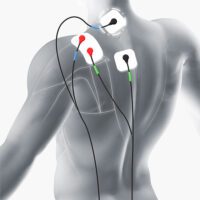
TENS pads are usually placed around, beside, above or below the painful area. Do not place pads on unsafe regions. For shoulder pain, one pad may sit near the rear shoulder and one near the front shoulder, provided both pads stay away from the neck, chest and broken skin.

Shoulder Pad Placement Safety Tip

Do not place pads across the front of the chest, over the throat, near the eyes, on the head, or over broken skin. Stop use if symptoms feel unusual, intense, spreading or unsafe.

Which TENS Machine Features Matter Most?

The most useful features depend on your pain area, confidence using technology and how often you plan to use the device.

Use Case Feature to Prioritise Why It Helps
Back or neck pain Dual channels and adjustable intensity Lets you treat a wider area or adjust each side separately.
Knee or hip osteoarthritis Simple programs and a clear screen Makes repeat home use easier.
Travel or work use Portable size and belt clip Improves convenience during the day.
Regular long-term use Replacement pads and lead access Keeps the unit usable and reliable.

Need Help Choosing a TENS Machine?

If you are unsure which unit suits your pain area, start with your main goal. Do you want simple home pain relief, adjustable programs, easy travel use, or reliable replacement pads?

Compare TENS Machines

What Are the Limits of TENS Machine Benefits?

TENS machine benefits are usually modest and short term. TENS does not correct weak muscles, stiff joints, irritated nerves, poor sleep, stress load, or poor activity tolerance. If pain keeps worsening, arrange a physiotherapy or medical review.

Healthdirect notes that TENS should be used as directed and may not suit everyone. Read the device instructions and seek advice if you have a medical condition, implanted device, pregnancy-related concern, or unclear symptoms.

TENS Works Best When It Supports Action

A good result is not just lower pain. It is lower pain that helps you walk, move, sleep, exercise, work, or complete daily tasks with more confidence.

When Should You Not Use a TENS Machine?

Do not use TENS in unsafe areas or when medical clearance is needed. This includes use over the front of the neck, eyes, head, chest, broken skin or near implanted electronic devices unless your doctor has approved it.

  • Do not use TENS if you have a pacemaker, implanted defibrillator or other implanted electronic device unless you have written medical clearance.
  • Do not place pads over the front of your neck, eyes, head or directly over your chest.
  • Do not use pads on broken, irritated or infected skin.
  • Do not use TENS with epilepsy unless your doctor approves it.
  • Seek guidance before using TENS during pregnancy.

Important Safety Note

TENS and EMS machines are medical devices. Always read the label and instruction manual. Use only as directed. Ask your doctor or physiotherapist before use if you have a medical condition, implanted electronic device, pregnancy-related concern or persistent symptoms.

How Do You Choose a TENS Machine?

The right TENS machine depends on your pain area, how often you plan to use it and how easy the device is to manage. Clear controls, reliable pads and replacement accessories matter more than extra features you may not use.

  • Clear screen and simple controls.
  • Good-quality electrode pads and leads.
  • Adjustable programs or modes.
  • Portable size with belt clip or carry case.
  • Easy access to replacement pads.
  • Helpful after-sales support.

TENS Machine Benefits FAQs

What are the main TENS machine benefits?

TENS machine benefits may include modest short-term pain relief, drug-free symptom support, portable home use, adjustable settings and a low rate of serious side effects when used correctly.

Can a TENS machine replace pain medication?

A TENS machine should not replace prescribed pain medication unless your doctor advises this. It may provide extra short-term symptom relief for some people as part of a broader pain management plan.

Who may benefit most from a TENS machine?

People with back pain, neck pain, osteoarthritis, chronic muscle or joint pain, fibromyalgia or selected post-operative pain may benefit from a TENS machine when it is used safely and appropriately.

Are there risks or side effects with TENS machines?

Serious side effects are uncommon when TENS is used correctly. Mild skin irritation or redness under the pads can occur. Do not use TENS over broken skin, unsafe body areas or near implanted electronic devices without medical clearance.

Do TENS machines fix the cause of pain?

TENS machines do not fix the underlying cause of pain. They are best used as a support tool while physiotherapy, exercise, education and lifestyle changes address the factors contributing to symptoms.

Where should shoulder TENS pads go?

Shoulder TENS pads may sit around the painful shoulder area, such as one near the rear shoulder and one near the front shoulder. Avoid the front of the neck, chest, head, broken skin and any unsafe placement described in your device manual.

Related TENS Machine FAQs

Pain FAQs

What Should You Do Next?

If you are considering TENS, choose a quality unit, read the instructions carefully and confirm safe pad placement. A physiotherapist can help you match settings to your pain area and decide whether TENS fits your wider treatment plan.

If your symptoms are new, worsening, spreading, or not improving, book a physiotherapy assessment before relying on a device. If you already know TENS is suitable for you, compare the available options below.

View TENS Machine Options

Choose your clinic and appointment pathway

Select a PhysioWorks clinic to continue to live booking, an appointment request or reception assistance.

TENS Machine Products

These TENS machines and accessories are commonly used to help manage pain at home. They work best when combined with a tailored physiotherapy plan.

View all TENS machines

Follow PhysioWorks

Get physiotherapy tips, exercise videos, recovery advice and blog updates.

References

  1. Healthdirect Australia. TENS (Transcutaneous electrical nerve stimulation). Accessed June 10, 2026.
  2. Gibson W, Wand BM, Meads C, Catley MJ, O’Connell NE. Transcutaneous electrical nerve stimulation (TENS) for chronic pain - an overview of Cochrane Reviews. Cochrane Database Syst Rev. 2019;4(4):CD011890.
  3. Teoli D, An J. Transcutaneous Electrical Nerve Stimulation. StatPearls. Updated 2024.

Can I Claim a TENS Machine on Private Health Insurance?

TENS machine private health insurance rebates vary by fund and policy.

A TENS machine is a small device that may help reduce pain using gentle electrical pulses. Many Australians ask whether they can claim a TENS machine on private health insurance through extras cover.

The short answer is: sometimes. It depends on your fund, your extras policy, waiting periods, annual limits, and the paperwork your insurer asks for.

Quick Answer

Some Australian extras policies may rebate a TENS machine or related accessories. However, each fund sets its own rules.

  • Check whether your extras policy lists health aids, appliances, or TENS devices.
  • Ask if you need a physiotherapist or doctor recommendation.
  • Keep a tax invoice that lists the device name, model, date, and amount paid.
  • Confirm whether your fund covers replacement electrodes and leads.

For general information about TENS as a treatment option, read our TENS machine pain relief guide. For broader rebate planning, see our current private health insurance rebates guide.

How Does a TENS Machine Help With Pain?

A TENS machine sends small electrical impulses through adhesive pads placed on your skin. These signals may help reduce pain sensitivity for a short period. Some people use TENS between physiotherapy visits so they can move more comfortably and stay active.

TENS does not replace assessment or treatment for the cause of pain. It works better as one part of a broader plan that may include education, pacing, exercise, manual therapy, and self-management.


TENS machine electrode placement on lower back during physiotherapy guidance

Lower-back electrode placement during TENS setup.

Useful TENS guides

When Might Private Health Insurance Cover a TENS Machine?

If your fund offers a rebate, it commonly sits under extras cover. The category may be called health aids, appliances, medical devices, or a similar name.

  • Policy limits: your fund may set a yearly limit per person or family.
  • Clinical paperwork: your insurer may ask for a letter from a physiotherapist or doctor.
  • Waiting periods: new or upgraded policies may have a waiting period.
  • Accessories: some policies may cover TENS electrodes and leads, even if the device is not covered.

How Do I Claim a TENS Machine Rebate?

  1. Check your policy. Ask whether your extras cover includes TENS machines, medical appliances, or health aids.
  2. Confirm the claim rules. Ask if your fund needs a written recommendation, item code, or approved supplier.
  3. Get clinical advice. A physiotherapist can check whether TENS suits your situation.
  4. Buy an eligible device. Keep a compliant tax invoice with the model, supplier, date, and amount paid.
  5. Lodge the claim. Submit the invoice and supporting letter through your fund’s app, website, branch, or claim form.
  6. Keep records. Save your receipt and letter in case your fund asks for more details.

What Documents Do Health Funds Usually Need?

Each insurer sets its own rules. Still, many funds ask for similar documents before they pay a rebate.

  • A letter or recommendation from your physiotherapist or doctor, if required.
  • A tax invoice that shows the device name, model, supplier, date, and amount paid.
  • Your member details and claim form, if your fund does not use online claiming.
  • Any item code or health appliance code requested by your insurer.

How Much Will My Health Fund Pay?

Rebates vary between funds and policies. Some funds pay a set amount. Others pay a percentage of the purchase price up to a yearly limit.

Before you buy, ask your fund these questions:

  • Is a TENS machine covered under my extras policy?
  • What is my remaining annual limit?
  • Do I need a physiotherapist or doctor recommendation?
  • Are replacement TENS electrodes and leads covered?
  • Is there a waiting period or supplier rule?

Claim Readiness Checklist

  • Policy checked: you know whether your extras cover includes TENS machines.
  • Paperwork confirmed: you know whether your fund needs a letter.
  • Device eligible: the model and supplier meet your fund’s rules.
  • Invoice saved: the receipt lists the device, date, supplier, and price.
  • Use is appropriate: you have checked TENS is safe for your health situation.

Do I Need a Prescription for a TENS Machine?

You can usually buy a TENS machine in Australia without a prescription. However, many health funds only pay a rebate if you provide a written recommendation from a physiotherapist or doctor.

If you are unsure about settings, pad placement, or whether TENS suits your pain, book a physiotherapy appointment. Your physiotherapist can guide safe use and help you build a broader plan.

How Should I Choose a TENS Machine?

Because TENS machines are medical devices, choose one that is clear, reliable, and easy to use. Avoid buying on rebate rules alone.

  • Choose clear controls and an easy-to-read screen.
  • Check that replacement pads and leads are easy to buy.
  • Look for several modes and adjustable intensity.
  • Choose a compact device that suits home, work, or travel.
  • Read the label and instruction manual before use.

Compare TENS machine options

When Should I Avoid TENS Until I Get Advice?

Do not use TENS when it may be unsafe. Ask your doctor or physiotherapist first if you have a medical condition or are unsure.

  • You have a pacemaker or implanted electrical device.
  • You are pregnant or trying to use TENS during pregnancy.
  • You plan to place pads near the front of your neck, chest, head, or broken skin.
  • You have reduced skin sensation and may not feel the intensity properly.
  • You want to use TENS while driving, bathing, or sleeping.

Healthdirect Australia also provides general public guidance about TENS use and safety.

Important

TENS and EMS machines are medical devices. Always read the label and instruction manual. A TENS machine may provide modest short-term pain relief. Consult your doctor or physiotherapist before use and if symptoms persist. Use only as directed. Health fund rebates vary between policies and can change, so always confirm details with your insurer before you buy.

People Also Ask About TENS and Private Health Insurance

Do all health funds cover TENS machines?

No. Cover varies between policies. Some funds may rebate a TENS machine under extras cover. Others may not cover the device or may only cover accessories.

Can I buy any TENS machine and claim it?

Not always. Some funds only rebate approved devices. Your insurer may also ask for a written recommendation and a compliant tax invoice.

Can I claim replacement pads and leads?

Some policies may rebate replacement pads, electrodes, or leads as medical supplies. Check whether TENS electrodes and leads are listed on your policy.

Does Medicare cover TENS machines?

In general, Medicare does not cover the cost of a home TENS machine for pain relief. If a rebate is available, it usually comes through private health insurance extras cover.

Can a physiotherapist write a letter for my claim?

A physiotherapist may provide a recommendation if TENS is suitable for your situation. Your fund still decides whether the device meets its claim rules.

Related Information

What Should I Do Next?

If you want to claim a TENS machine, check your insurer’s rules before you buy. Then confirm whether you need a recommendation from a physiotherapist or doctor.

If pain is limiting movement, sleep, work, or daily activity, a physiotherapist can assess your situation and explain whether TENS may fit into your plan.

Choose your clinic and appointment pathway

Select a PhysioWorks clinic to continue to live booking, an appointment request or reception assistance.

TENS Machine Options

Compare TENS devices, replacement electrodes, and leads if your physiotherapist has advised that TENS is suitable for your situation.

Follow PhysioWorks

Get physiotherapy tips, exercise videos, recovery advice and blog updates.

Kinesiology Tape vs Rigid Tape

Article by John Miller & Erin Runge
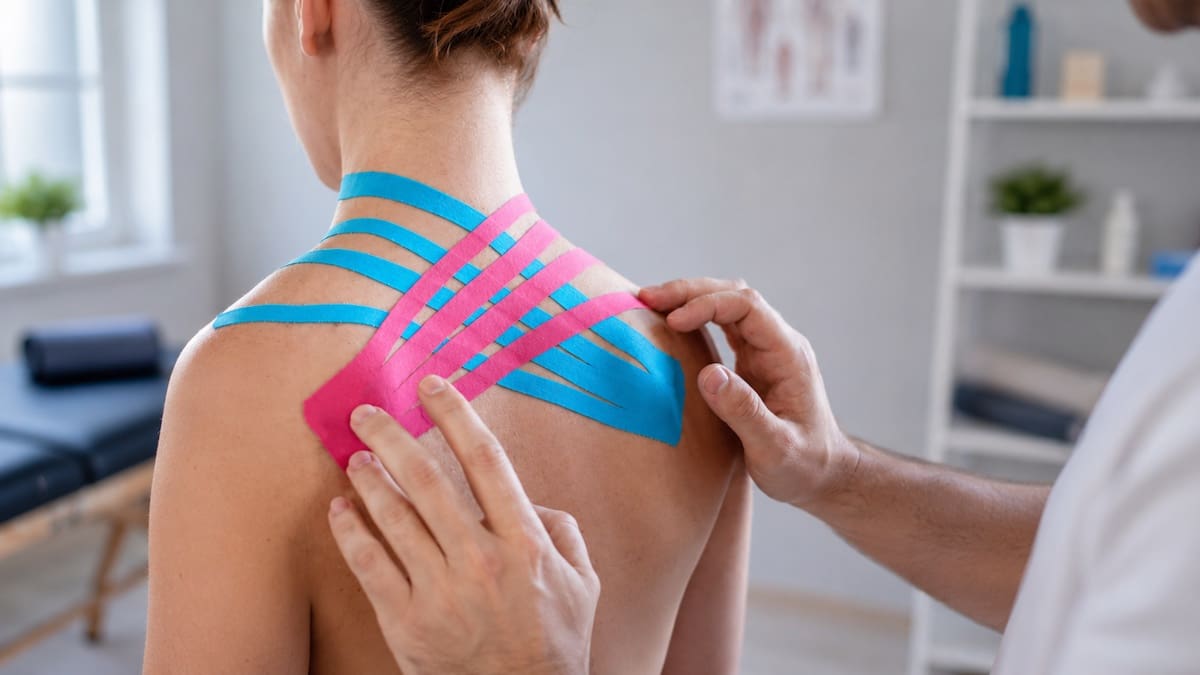
Kinesiology tape on shoulder during physiotherapy treatment for upper back support
Kinesiology tape applied across the shoulder and upper back.

Kinesiology Tape vs Rigid Tape: What Is the Difference?

Kinesiology tape vs rigid tape comes down to movement. Kinesiology tape is elastic, so it moves with your skin and soft tissues. Rigid tape is firmer, so it is usually used to limit or guide joint movement for a short time.

Both tapes can help in the right setting. However, they do different jobs. Kinesiology tape may suit light support, swelling support, or movement awareness. Rigid sports tape may suit joint protection, short-term stability, or return-to-sport strapping. A physiotherapist can assess your injury and choose the right supportive taping and strapping option.

Quick Comparison: Which Tape Does What?

Feature Kinesiology Tape Rigid Tape
Main role Flexible support and sensory feedback Firm support and motion control
Movement Allows more movement Limits selected movement
Common use Muscle, tendon, swelling, posture or light joint support Ankle, thumb, wrist, knee or sport strapping
Wear time Often several days if skin tolerates it Usually for sport, training, or a specific activity window

When Is Kinesiology Tape Used?

Kinesiology tape is designed to stretch with the skin. It may help some people with short-term comfort, swelling support, or movement awareness. It is often used around the shoulder, knee, back, calf, ankle, or elbow.

Common uses include tendon overload, muscle soreness, mild swelling, posture cueing, or light support during movement. For a broader guide, read our article on kinesiology tape.

Research findings are mixed. Some reviews show small short-term benefits for pain or disability, while others show limited added value over sham taping or other care. In practice, kinesiology tape is best viewed as an add-on to exercise, load management, and clinical assessment.

When Is Rigid Tape Used?

Rigid tape, also called sports tape or strapping tape, is used when you need firmer support. It can help limit unwanted movement around a joint and may improve confidence during sport or higher-load activity.

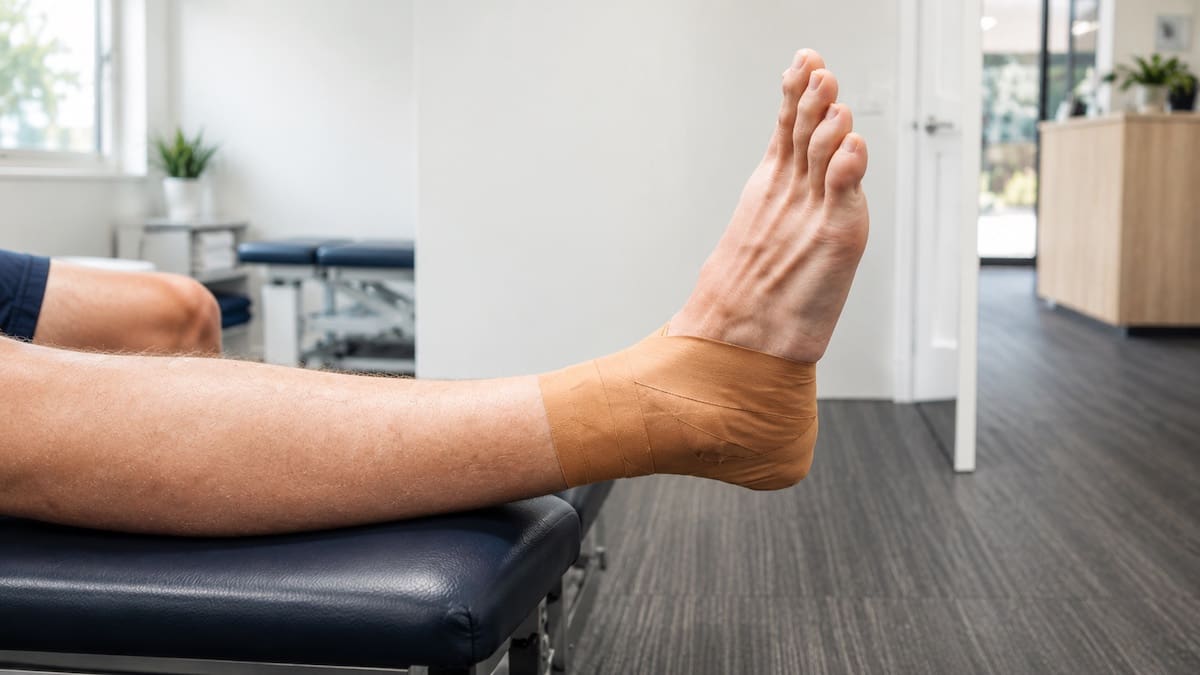
Rigid tape is often used for sprained ankles, thumb sprains, wrist support, knee ligament support, or return-to-sport strapping. It is usually applied for a shorter time than kinesiology tape. For ankle-specific advice, read our ankle strapping guide.

Rigid tape ankle strapping during physiotherapy treatment for joint support
Rigid tape can provide firmer ankle support.

Which Tape Works Better?

Neither tape is automatically better. The better choice depends on the goal.

  • Choose kinesiology tape when you want flexible support, light feedback, or help with movement awareness.
  • Choose rigid tape when you need firmer joint support or a short-term limit on movement.
  • Choose assessment first if pain is new, severe, swollen, unstable, or not improving.

The real question is not only kinesiology tape vs rigid tape. It is whether your body needs symptom support, swelling support, joint control, or a full rehab plan.

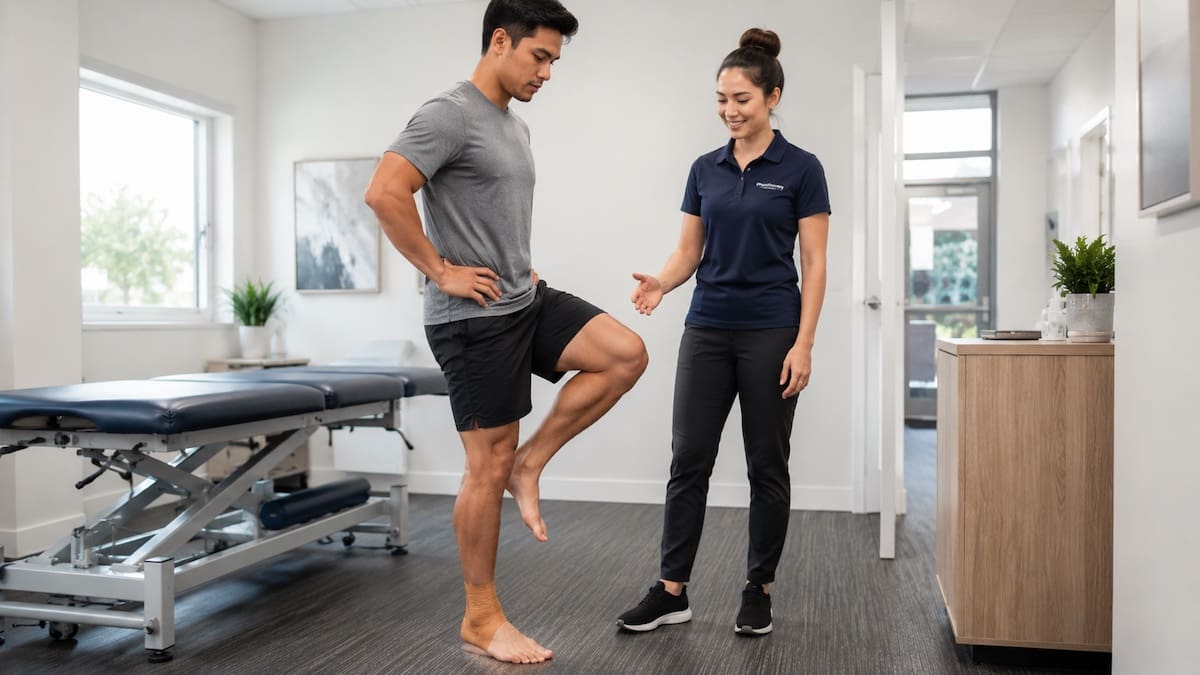
Taped ankle balance test checking control during physiotherapy rehabilitation
Testing control after ankle taping.

How Are Kinesiology Tape and Rigid Tape Applied?

Kinesiology tape is usually applied along or across muscles, tendons, or joints with different levels of stretch. It should feel comfortable and should not pull harshly on the skin.

Rigid tape is applied more firmly. The direction, tension, and anchor points matter because the tape aims to guide or limit movement. Poor technique can feel uncomfortable or fail to support the area properly.

Safety check: Remove tape if you notice pins and needles, numbness, colour change, throbbing, itching, burning, blisters, or increasing pain. Avoid taping over broken or irritated skin.

When Should You Ask a Physiotherapist?

Ask a physiotherapist if you are unsure which tape suits your injury, if symptoms keep returning, or if you need sport-specific strapping. A physiotherapist can assess your movement, swelling, strength, and activity demands, then match the tape to your goal.

This matters for sport injuries, recurrent ankle sprains, knee pain, shoulder pain, or symptoms that flare when training load increases. If your goal is return to sport, taping should sit within a staged plan that may include strength, balance, landing control, running drills, or sports physiotherapy.

Related PhysioWorks Articles

Kinesiology Tape vs Rigid Tape FAQs

Is kinesiology tape better than rigid tape?

Not always. Kinesiology tape is usually better when you want flexible support and more natural movement. Rigid tape is usually better when you want firmer support and motion control around a joint. The right choice depends on your injury, activity, skin tolerance, and stage of recovery.

When should I use rigid sports tape?

Rigid sports tape is commonly used for acute sprains, joint instability, return-to-sport strapping, and situations where limiting movement may help. It is often used around the ankle, thumb, wrist, or knee. Because it changes joint movement more than elastic tape, it should be applied with a clear purpose.

Can kinesiology tape help with pain?

Kinesiology tape may help some people with short-term pain relief or symptom support, especially when combined with exercise, manual therapy, or load management. However, research does not show a consistent benefit for every condition. It should usually be one part of a broader rehabilitation plan.

Can I wear kinesiology tape in the shower?

Yes, many kinesiology tapes are designed to stay on during showering and daily movement for several days. Skin sensitivity, sweat, body hair, and application technique can affect how well it sticks. Remove it if it causes itching, burning, blistering, or marked peeling.

Can rigid tape stay on for days?

Usually not. Rigid tape is more often used during training, sport, or a specific period of joint protection. Leaving it on too long may irritate the skin or make circulation and movement feel restricted. It is generally less suitable than kinesiology tape for prolonged wear.

Should tape replace exercise or physiotherapy?

No. Tape may support movement, confidence, or comfort, but it does not replace assessment, strength work, balance training, or load management. If symptoms keep returning, worsen, or affect sport or work, physiotherapy can help identify the likely driver and build a clearer plan.

What To Do Next

If you are comparing kinesiology tape vs rigid tape because of pain, swelling, instability, or return-to-sport concerns, book a physiotherapy assessment. Your physiotherapist can check what needs support, apply the right tape, and show you how taping fits into your rehab plan.

Book online 24/7 and choose the PhysioWorks clinic that suits you.

Choose your clinic and appointment pathway

Select a PhysioWorks clinic to continue to live booking, an appointment request or reception assistance.

Related Taping Products

These products may help when your physiotherapist has shown you the right taping method and safe wear time.

Follow PhysioWorks

Get physiotherapy tips, exercise videos, recovery advice and blog updates.

References

  1. Healthdirect Australia. Sprained ankle. Healthdirect Australia. Accessed July 4, 2026.
  2. Tran L, et al. Efficacy of Kinesio Taping Compared to Other Treatment Modalities in Musculoskeletal Disorders: A Systematic Review and Meta-Analysis. Res Sports Med. 2023;31(4):416-439. doi:10.1080/15438627.2021.1989432.
  3. Romero-Morales C, Pedraza-García I, López-López D, et al. Is ankle taping effective to limit the ankle dorsiflexion in a single-training session? Sao Paulo Med J. 2024;142(3):e2022578. doi:10.1590/1516-3180.2022.0578.R1.06032023.
  4. Bocchino G, Grassa D, Bove A, et al. The Effects of Kinesio Tape on Acute Ankle Sprain: A Systematic Review. J Clin Med. 2025;14(5):1440. doi:10.3390/jcm14051440.

What Does Kinesiology Tape Help With?

Article by John Miller & Erin Runge

Kinesiology tape may help reduce pain, swelling, and movement-related discomfort in some musculoskeletal conditions. It is most often used to support soft tissue injuries, improve muscle or joint awareness, and assist movement when combined with physiotherapy, exercise, and load management.

Kinesiology tape is one of several taping options used at PhysioWorks. Depending on your problem, your physiotherapist may also discuss sports taping and strapping, rehabilitation exercises, or broader physiotherapy treatment.

Kinesiology tape is commonly used for swelling support and movement assistance.

Many people use kinesiology tape for sore tendons, strained muscles, joint irritation, posture support, and swelling. However, it usually works best as part of a broader treatment plan rather than as a stand-alone fix.

How does kinesiology tape help?

Kinesiology tape may help by improving skin sensory feedback, reducing pressure on irritated tissues, and supporting movement awareness. In some people, this can reduce discomfort during activity and make it easier to move more confidently while you recover.

Common reasons people use kinesiology tape

  • Soft tissue injury support
  • Muscle activation or movement retraining
  • Joint support and proprioception
  • Swelling or lymphatic support
  • Tendon pain during exercise progression

What can kinesiology tape help with?

Kinesiology tape may help with soft tissue injuries, some tendon problems, swelling, and joint control issues. It is commonly used to assist symptoms rather than cure the underlying condition, which is why physiotherapy assessment still matters.

Soft Tissue Injuries

Kinesiology tape is often used during the early or middle stages of recovery to reduce strain and improve comfort with movement.

Muscle Activation and Control

Some taping techniques aim to improve muscle awareness or reduce overload in irritated areas.

  • Muscle weakness
  • Low muscle tone (hypotonia)
  • Movement retraining during rehabilitation

Joint Support and Movement Control

Kinesiology tape may improve proprioception and movement awareness during daily activity or sport.

  • Joint alignment and maltracking such as patellofemoral pain syndrome
  • Joint instability or hypermobility
  • Postural issues such as rounded shoulders or slouched posture
  • Scapular control problems

Bone Stress and Recovery Support

While kinesiology tape does not replace proper fracture management, it may assist comfort and support in selected later-stage cases.

  • Post-fracture support during rehabilitation
  • Tenoperiosteal stress such as shin splints
  • Adolescent growing pains

Can kinesiology tape help tendon pain?

Kinesiology tape may help some people with tendon pain by reducing discomfort during movement and exercise. It is often used alongside strengthening, load management, and progressive rehabilitation rather than instead of them.

Foot and Ankle

Knee

Hip and Groin

Shoulder

Does kinesiology tape work for knee support during movement
Kinesiology tape applied to the knee may help support movement and comfort during activity.

Elbow

Wrist and Hand

Swelling and Lymphatic Support

Some kinesiology tape applications are designed to assist swelling management by gently lifting the skin and improving superficial fluid movement.

  • Swelling and oedema
  • Lymphoedema
  • Joint swelling

Does kinesiology tape work on its own?

Kinesiology tape usually works best when combined with a proper diagnosis, exercise, and load management. For many problems, it is a helpful add-on rather than the main treatment.

If you would like a general overview of musculoskeletal injury care, the evidence map on taping for conditions of the musculoskeletal system is a useful research summary.

When should you use kinesiology tape?

Kinesiology tape is most useful when it supports a clear goal such as reducing pain with movement, assisting swelling, or improving confidence during exercise. It is less useful when applied without a diagnosis, a plan, or the right technique.

Frequently Asked Questions

What does kinesiology tape help with?

Kinesiology tape may help with pain, swelling, muscle support, and movement control in selected musculoskeletal conditions. It is commonly used for strains, sprains, tendon pain, joint irritation, and lymphatic-style swelling support.

Does kinesiology tape reduce swelling?

Kinesiology tape may help reduce mild swelling in some cases, especially when a lymphatic fan technique is used. It is usually combined with other strategies such as movement, compression, exercise, and recovery advice.

Can kinesiology tape help tendon pain?

Kinesiology tape may help some people with tendon pain, particularly when exercise is uncomfortable in the early stages. However, long-term improvement usually depends more on strengthening and sensible load progression than on tape alone.

How long should you wear kinesiology tape?

Many people wear kinesiology tape for a few days at a time, depending on skin tolerance, activity level, and the treatment goal. Your physiotherapist can advise you on safe wear time and when it should be replaced or removed.

Is kinesiology tape better than strapping tape?

Kinesiology tape and rigid strapping tape do different jobs. Kinesiology tape is usually used to assist movement and symptom support, while rigid tape is more often used to limit motion and provide firmer joint support.

What to Do Next

If you are thinking about using kinesiology tape, start with the reason you want it. The best results usually come when taping matches your diagnosis, movement goals, and current stage of healing.

A physiotherapist can assess your injury, decide whether kinesiology tape is likely to help, and combine it with rehabilitation strategies that target the real cause of your symptoms.

References

  1. Tran L, Silvernail JL, Avins AL, et al. Efficacy of Kinesio Taping Compared to Other Treatment Modalities for Musculoskeletal Disorders: A Systematic Review and Meta-Analysis. Sports Med Open. 2023;9(1):13.
  2. Mo Q, Liang Y, Li C, et al. Effectiveness and clinical relevance of kinesio taping in musculoskeletal disorders: an overview of systematic reviews. BMJ Open. 2024;14(10):e087165.
  3. Cupler ZA, Alrwaily M, Polakowski E, et al. Taping for conditions of the musculoskeletal system: an evidence map review. Braz J Phys Ther. 2020;24(6):479-499.

Choose your clinic and appointment pathway

Select a PhysioWorks clinic to continue to live booking, an appointment request or reception assistance.

Follow PhysioWorks

Get physiotherapy tips, exercise videos, recovery advice and blog updates.

You've just added this product to the cart: