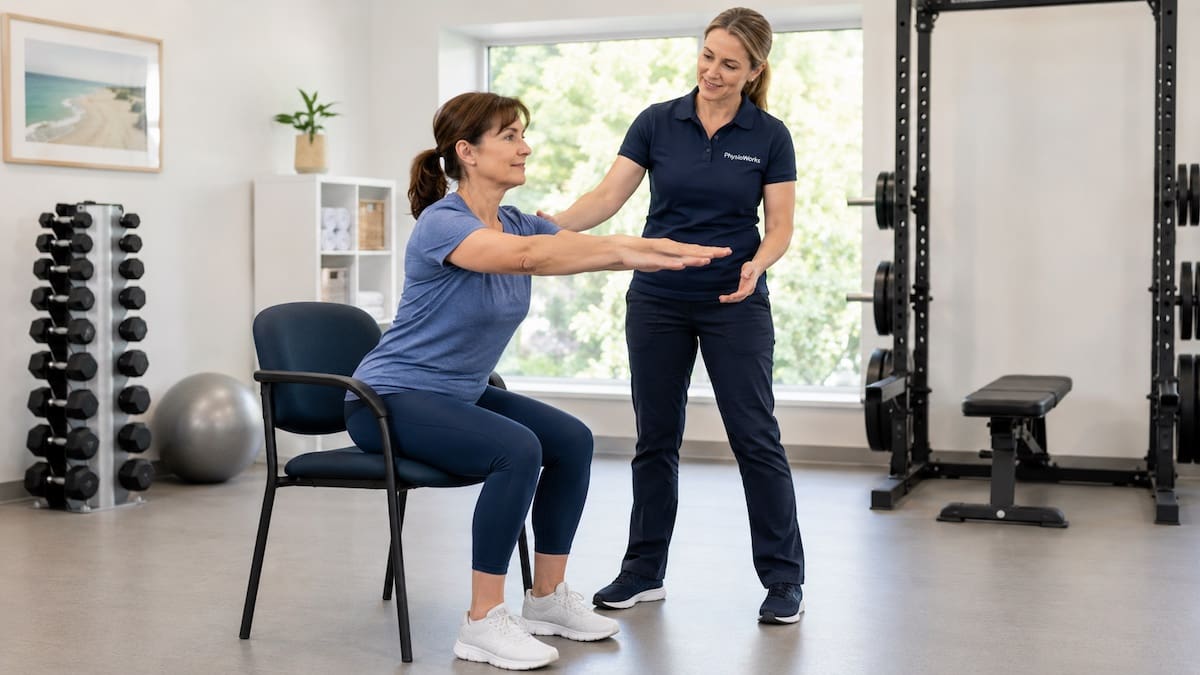
Healthy ageing exercise over 30 is about building strength, maintaining mobility, and preventing injuries before they become ongoing problems. The right approach can help you stay active, improve performance, manage workload, and maintain long-term joint and muscle health.
Many people in their 30s are balancing work, training, sport, and family life. This often leads to inconsistent exercise, stiffness, or recurring niggles. The good news is that small, consistent improvements in strength, mobility, and recovery can make a significant difference. If you want a more structured approach, our exercise programs, exercise physiology, and physiotherapy services can help guide you.
Your 30s are a key time to build habits that support long-term health and performance. While you may still feel capable of pushing hard, inconsistent training, poor recovery, and limited strength work can start to lead to recurring injuries or reduced performance.
Common early signs include: - Tight hips or back stiffness - Shoulder tension - Reduced flexibility - Occasional tendon pain
Addressing these early helps prevent more persistent issues later.
What should healthy ageing exercise over 30 include?
Healthy ageing exercise over 30 should include a balance of strength training, aerobic exercise, mobility work, and recovery strategies. This helps improve performance while reducing injury risk.
A typical week may include: - Strength training 2–3 times per week - Cardio sessions for fitness - Mobility work several times per week - Regular daily movement
If you feel tight or stiff Add mobility work, stretching, and posture exercises.
If you feel weaker Focus on strength training with progressive loading.
If injuries keep returning Review technique, load management, and recovery.
If fitness has dropped Start with consistent cardio and build gradually.
If time is limited Focus on shorter, consistent sessions rather than long workouts.
Top 5 exercise priorities over 30
Strength training — builds resilience and reduces injury risk
Mobility — keeps movement efficient and comfortable
Cardiovascular fitness — supports overall health and performance
Load management — prevents overuse injuries
Consistency — delivers long-term results
Why do injuries start appearing?
Injuries in your 30s are often linked to: - Inconsistent training - Sudden increases in load - Reduced strength or control - Poor recovery habits
Common issues include tendon pain, back pain, and joint stiffness. The key is not to avoid activity, but to improve how you train.
How can exercise improve long-term health?
Regular exercise over 30 can: - Build strength and resilience - Improve mobility and flexibility - Reduce injury risk - Improve fitness and energy - Support mental health and sleep
It also helps maintain performance in sport, gym training, and recreational activity.
Example weekly plan over 30
Monday: Strength training + short cardio
Tuesday: Mobility or light activity
Wednesday: Cardio session
Thursday: Strength training
Friday: Mobility or recovery
Weekend: Sport, gym, or recreational activity
When should you get advice?
You should consider professional advice if: - Pain keeps returning - You feel unsure how to progress - You are losing strength or performance - You are recovering from injury - You want a structured plan
A physiotherapist can help improve movement, reduce pain, and guide your training.
A mix of strength training, cardio, and mobility work is usually best.
How often should you exercise over 30?
Most people benefit from regular exercise on most days, with strength training 2–3 times per week.
Can you still improve fitness after 30?
Yes. You can improve strength, fitness, and performance well beyond your 30s.
Why do I feel tighter in my 30s?
Reduced mobility, long sitting periods, and training imbalance can contribute.
How do you prevent injury over 30?
Focus on strength, gradual progression, and consistent training habits.
What to do next
If you want to stay active and perform well long-term, start with a simple, consistent plan. Small improvements done regularly often lead to the best results.
If you would like guidance, a PhysioWorks physiotherapist can help tailor a program to your goals.
Choose your clinic and appointment pathway
Select a PhysioWorks clinic to continue to live booking, an appointment request or reception assistance.
Healthy ageing exercise over 40 is one of the most effective ways to maintain strength, mobility, fitness, and long-term joint health. The right program can help you stay active, reduce injury risk, improve energy levels, and keep doing the activities you enjoy for years to come.
Many people in their 40s begin to notice stiffness, slower recovery, reduced flexibility, or recurring aches. These changes are normal, but they respond very well to the right mix of strength training, mobility work, aerobic exercise, and smart load management. If you want a more structured approach, our exercise programs, exercise physiology, and physiotherapy services can help guide you.
After 40, it is common to notice gradual changes in muscle mass, flexibility, joint health, and recovery speed. You may feel tighter after sitting, take longer to recover after exercise, or notice recurring issues such as back pain, shoulder stiffness, or knee discomfort.
These changes are not a sign to stop exercising. In fact, they are a reason to exercise more effectively. With the right approach, you can maintain strength, fitness, and performance well beyond your 40s.
What should healthy ageing exercise over 40 include?
Healthy ageing exercise over 40 should include a mix of strength training, aerobic exercise, mobility work, and recovery strategies. This combination helps maintain muscle mass, support joints, improve fitness, and reduce injury risk.
A balanced week often includes: - Strength training 2–3 times per week - Moderate aerobic exercise most days - Mobility or flexibility work several times per week - Regular movement throughout the day
If you feel stiff Add mobility work, stretching, and posture exercises.
If you feel weaker Focus on strength training such as squats, lunges, and resistance work.
If you get recurring injuries Review technique, load management, and recovery.
If fitness has dropped Start with walking, cycling, or swimming and build gradually.
If you sit a lot Increase daily movement and reduce prolonged sitting.
Top 5 exercise priorities over 40
Strength training — helps maintain muscle and joint support
Cardiovascular fitness — supports heart health and energy
Mobility and flexibility — reduces stiffness and improves movement
Load management — prevents overuse injuries
Consistency — delivers long-term results
Why do injuries become more common?
Injuries can become more common after 40 due to reduced recovery speed, accumulated load over time, reduced strength, and inconsistent training habits.
Common issues include: - Tendon pain - Back pain - Shoulder stiffness - Knee pain
The key is not to stop activity, but to adjust how you train. Gradual progress, strength work, and recovery strategies are critical.
How can exercise improve long-term health?
Regular exercise over 40 can: - Maintain muscle mass and strength - Improve joint stability - Support bone health - Reduce chronic disease risk - Improve energy and sleep - Support mental health
It also helps you continue recreational activities such as running, golf, gym training, or sport.
Example weekly plan over 40
Monday: Strength training + short cardio
Tuesday: Mobility + light activity
Wednesday: Cardio session
Thursday: Strength training
Friday: Light activity or mobility
Weekend: Sport, walking, or recreation
When should you get advice?
You should consider professional advice if: - Pain keeps returning - You feel unsure how to progress - You are losing strength or fitness - You want a structured plan - You are recovering from injury
A physiotherapist can help you improve movement, reduce pain, and build a plan that fits your goals.
A combination of strength training, cardio, and mobility work is usually best.
How often should you exercise over 40?
Most people benefit from exercise on most days, with strength training at least twice weekly.
Can you still build muscle after 40?
Yes. Strength training can still increase muscle mass and strength after 40.
Why do I feel stiffer after 40?
Reduced mobility, less movement, and changes in tissue elasticity can contribute.
How do you avoid injury over 40?
Focus on gradual progression, strength training, and good recovery habits.
What to do next
If you want to stay active and reduce injury risk, start with a simple, consistent plan. Small improvements done regularly often lead to the best long-term results.
If you would like guidance, a PhysioWorks physiotherapist can help tailor a program to your goals and current level.
Choose your clinic and appointment pathway
Select a PhysioWorks clinic to continue to live booking, an appointment request or reception assistance.
Exercise over 50 can help support healthy ageing, strength, balance, bone health, stamina, confidence and day-to-day independence. You do not need to train like an athlete. Instead, most people do best with regular movement, gradual progression, and the right mix of strength, aerobic exercise, balance work and mobility.
Walking, cycling, swimming or similar aerobic activity on most days
Balance and coordination practice several times weekly
Mobility and posture work to stay comfortable and active
Steady progression instead of stop-start bursts
What is healthy ageing?
Healthy ageing means staying as physically, mentally and socially capable as possible as you get older. For many adults over 50, that means keeping the strength, mobility and confidence needed for work, family, travel, stairs, carrying, sport, hobbies and social activity.
What should exercise over 50 include?
Exercise over 50 should include aerobic activity, strengthening, balance work, mobility training and regular light movement through the day. This mix supports heart health, muscle mass, bone strength, joint function and confidence better than relying on walking or stretching alone.
Australian movement guidance also supports regular moderate-to-vigorous activity, muscle-strengthening activity, balance and coordination work, daily light movement, and less prolonged sitting. Read the Australian 24-hour movement guidelines.
Which exercise should you focus on first?
Use this quick guide to choose a useful starting point.
If you feel unfit or low on stamina Start with walking, cycling, pool exercise or other low-impact aerobic activity.
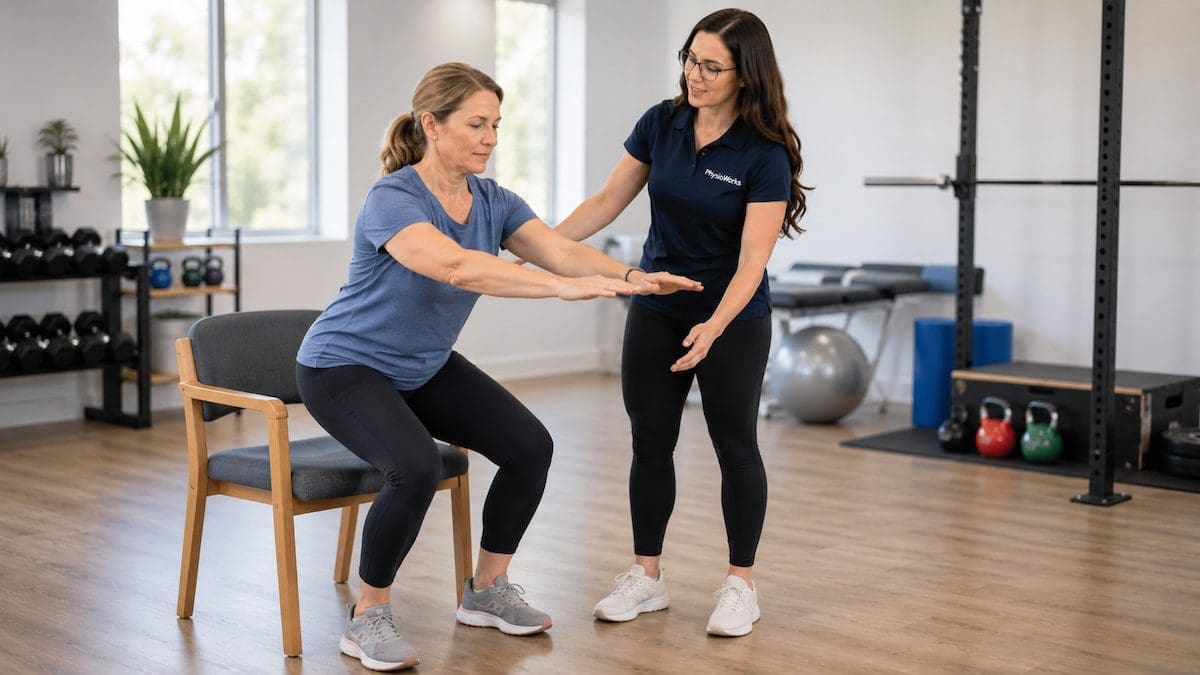
If you feel weaker than you used to Add chair squats, step-ups, heel raises, resistance bands or supervised strength training.
If balance feels less reliable Prioritise supported single-leg balance, tandem walking, stepping drills and falls prevention exercise.
If stiffness or posture is limiting you Add mobility, stretching, posture, and movement control exercises.
If pain or arthritis keeps interrupting you Start with lower-load exercise and get a tailored plan if symptoms keep flaring.
Why does exercise feel harder after 50?
Exercise can feel harder after 50 because muscle mass, power, joint flexibility, bone density and recovery speed may gradually change with age. Previous injuries, pain, stress, illness and long periods of inactivity can also reduce confidence and make everyday exercise feel more demanding.
However, age alone does not stop progress. Many people improve once they train consistently, start at the right level and progress slowly. A manageable amount done regularly is usually better than doing too much too soon, flaring symptoms, then stopping again.
How can exercise improve healthy ageing?
Regular exercise can support cardiovascular fitness, muscle strength, bone health, balance, mood, sleep and confidence. It also helps people maintain function for climbing stairs, getting up from chairs, carrying shopping, gardening, travelling and staying active in work, family and recreation.
Many people also use exercise to help manage common age-related issues such as age-related muscle loss, osteoporosis and osteopenia, general joint stiffness, reduced walking tolerance, poor balance and deconditioning. Evidence supports multimodal programs that combine aerobic exercise, resistance training, balance and mobility work.
Can you start exercise over 50 if you have pain or arthritis?
Yes, many people can start exercise over 50 even if they have pain or arthritis. The key is choosing the right entry point, matching the exercise to the problem, and progressing gradually rather than pushing through strong flare-ups.
For example, some people start with walking, cycling, hydrotherapy, chair-based strength work or guided mobility exercise. Others need help with pacing, technique or recovery habits first. Helpful starting points include our guides to warming up, safe exercise warning signs, and posture.
A simple weekly exercise plan over 50
This example suits many healthy adults as a general starting point. Adjust it if you have pain, poor balance, injury, osteoporosis, illness, or major health concerns.
Day
Suggested focus
Monday
30-minute walk + sit-to-stands + heel raises
Tuesday
Mobility, posture exercises and light movement breaks
Wednesday
Strength session using bodyweight, bands or light weights
Thursday
Balance practice + light walk, cycling or pool exercise
Friday
Second strength session
Weekend
Active recreation such as walking, swimming, gardening or a social exercise class
What are the best exercises after 50?
The best exercises after 50 are the ones you can perform safely, consistently and progressively. Walking is excellent, but a stronger healthy ageing program usually also includes resistance exercises, balance drills, sit-to-stand work, step-ups, carrying tasks, and flexibility or mobility exercises.
Useful options may include chair squats, heel raises, light dumbbell or band exercises, stair walking, cycling, swimming, supported single-leg balance, and simple core control exercises. If motivation or confidence is an issue, supervised exercise often helps people stay consistent and progress more effectively.
When should you slow down or get checked?
You should slow down or get checked if exercise causes sharp pain, major swelling, repeated giving way, dizziness, chest pain, breathlessness that feels unusual, or symptoms that keep worsening instead of settling. Pain that lingers for days after light activity can also mean the program needs adjusting.
Get advice sooner rather than later if:
Pain steadily worsens with simple exercise
You feel unstable or worried about falling
You have osteoporosis, recent injury, major deconditioning or repeated flare-ups
You are unsure which exercise type is safest to start
You have stopped and restarted exercise several times without success
Exercise types that matter most after 50
Exercise type
Why it matters
Examples
Aerobic exercise
Supports heart, lungs, stamina and daily energy
Walking, cycling, swimming, water walking
Strength training
Helps maintain muscle, bone health and daily function
Supported single-leg stands, tandem walking, stepping drills
Mobility and posture
Improves comfort, movement quality and ease with daily tasks
Stretching, thoracic mobility, posture drills
Light movement
Helps reduce long sitting and keeps joints moving
Short walks, housework, standing breaks, gardening
How can a physiotherapist or exercise physiologist help?
A physiotherapist can help by assessing your starting point, identifying movement restrictions or pain triggers, and building a plan that suits your goals. That may include improving strength, mobility, balance, walking tolerance, posture and confidence while reducing the risk of overdoing it.
An accredited exercise physiologist may help when you need a longer-term, structured exercise plan for healthy ageing, chronic disease, osteoporosis, diabetes, deconditioning, gym confidence or functional strength. Many people benefit from combined care, where physiotherapy addresses pain or movement limits and exercise physiology helps build capacity over time.
How much exercise should a healthy adult over 50 do?
Most adults over 50 do well with activity on most days, plus strengthening work at least twice each week. Balance and coordination work also become more important with age. The right amount still depends on your current fitness, health conditions and recovery between sessions.
Is walking enough exercise over 50?
Walking is a strong starting point, but it is usually not enough on its own for full healthy ageing. Strength work, balance practice and mobility exercises also help maintain muscle mass, bone health, confidence and function as you get older.
Can strength training be safe after 50?
Yes. Strength training can be safe after 50 when it is matched to your current ability and progressed sensibly. It is one of the most useful tools for maintaining muscle, supporting bone health and making daily tasks feel easier.
What if I have not exercised for years?
You can still start. Most people do best by beginning with simpler movements, shorter sessions and lower loads than they first expect. Then they build up gradually. A guided program can help reduce flare-ups and make the process feel more manageable.
Should I exercise if I have arthritis?
In many cases, yes. Well-chosen exercise can help reduce stiffness, improve movement and build strength around sore joints. The main goal is to find the right type and dose of activity rather than to avoid movement altogether.
When should I see a physiotherapist before starting exercise?
It is worth seeing a physiotherapist if you have significant pain, poor balance, repeated flare-ups, recent injury, osteoporosis or low confidence with exercise. It can also help if you want a clearer plan and do not know where to begin.
What to do next
If you want to stay active, independent and confident, start with exercise that feels achievable now rather than waiting for the perfect time. A sensible program can build momentum and help you avoid the stop-start cycle that often comes from doing too much too soon.
If you would like help choosing the right starting point, a PhysioWorks physiotherapist or exercise physiologist can assess your needs and guide a program that suits your age, goals, symptoms and current fitness.
Choose your clinic and appointment pathway
Select a PhysioWorks clinic to continue to live booking, an appointment request or reception assistance.
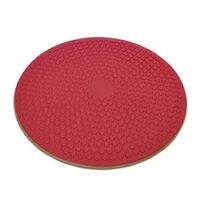
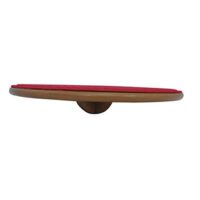
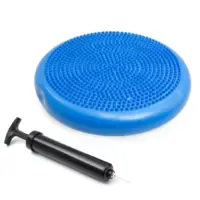
These balance products are commonly used by our physiotherapists to improve strength, balance, prevent injuries falls or injuries, plus assist home exercise programs.
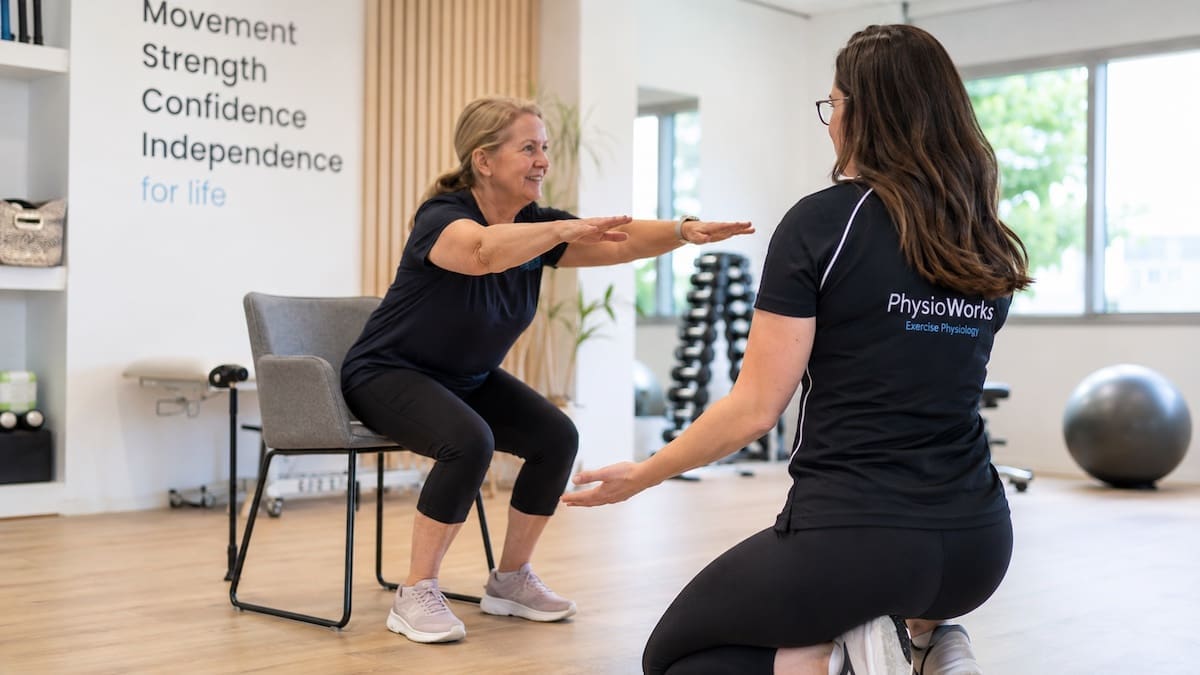
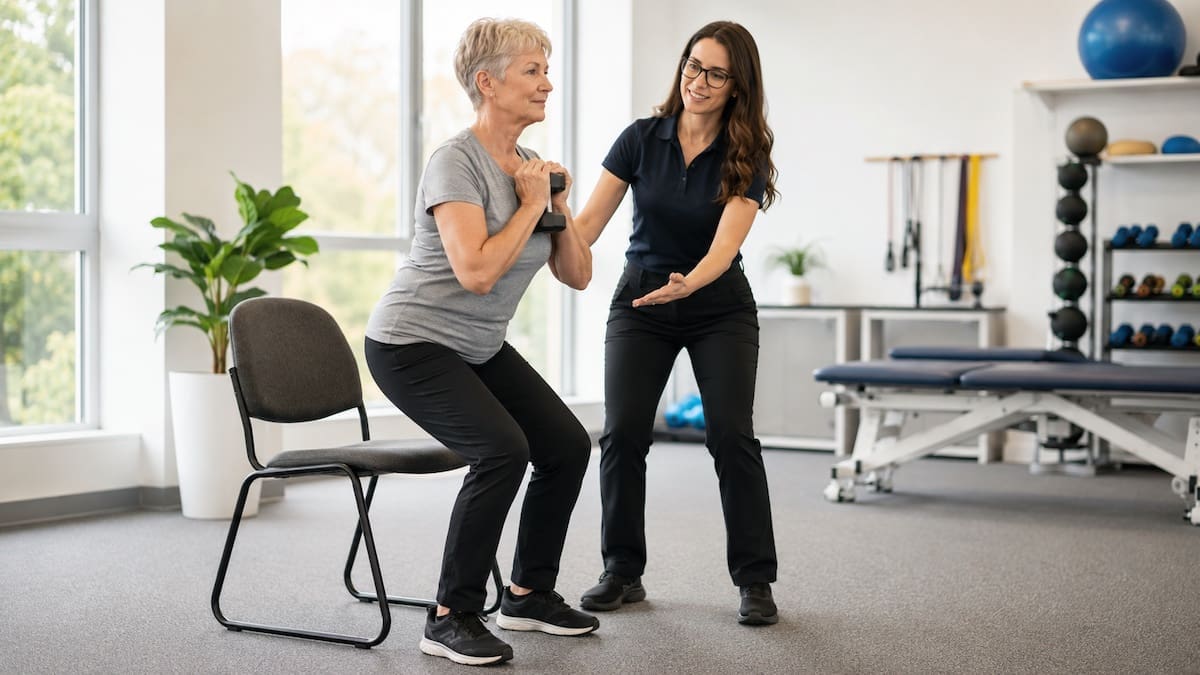
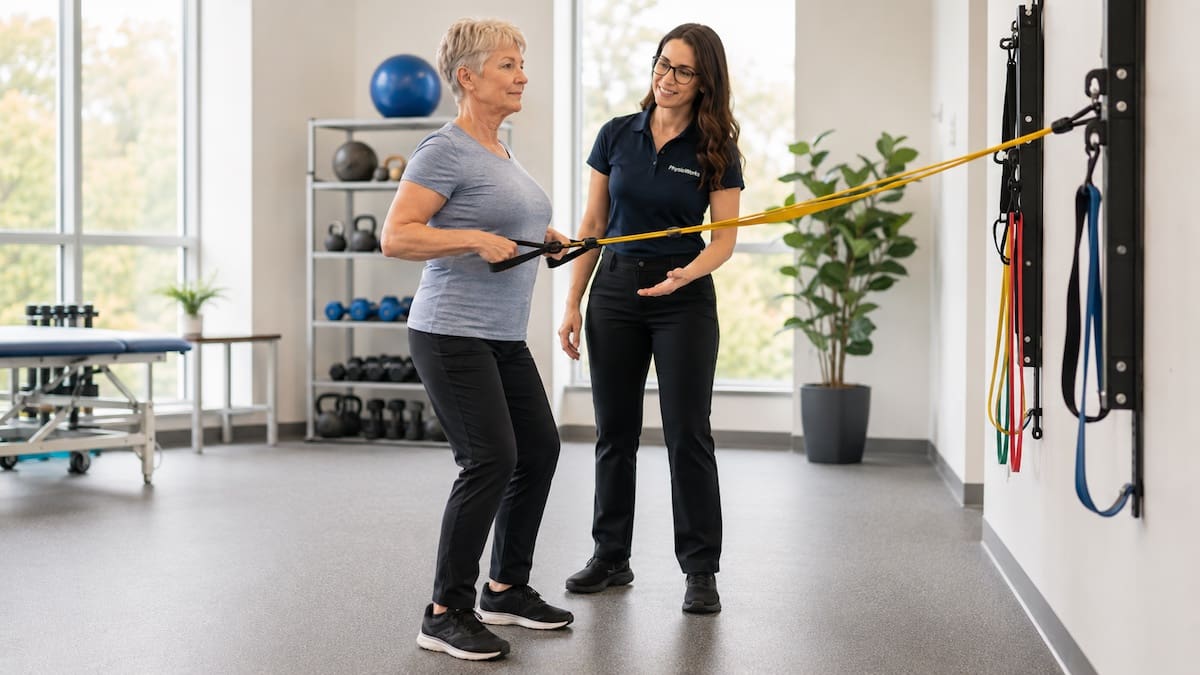
Supervised strength exercise can support balance, mobility and confidence.
Healthy ageing exercise over 60 should include strength, balance, mobility, aerobic activity and light movement through the day. The goal is not to train harder every year. The goal is to keep building capacity, confidence and consistency.
Practise balance, mobility and coordination often.
Add light movement across the day.
Break up long sitting periods.
What Is Healthy Ageing?
Healthy ageing means staying strong, mobile, steady and independent as you get older. For many adults over 60, this means feeling confident with stairs, chairs, walking, shopping, housework, travel, gardening and social activity.
What Should Healthy Ageing Exercise Over 60 Include?
Healthy ageing exercise over 60 should include aerobic activity, strength work, balance practice, mobility training and regular light movement. This mix supports heart health, muscle strength, bone health, posture, walking confidence and daily function.
A balanced week may include walking, cycling, swimming or pool exercise on most days. Add strength training at least twice per week. If balance feels less reliable, a targeted option such as our Balance & Falls Prevention Class may be useful.
Australian guidance for older adults supports regular activity, muscle strengthening, balance and mobility work, daily light movement and less prolonged sitting. Read the Australian recommendations for older adults.
Which Exercise Should You Focus On First?
Use this quick guide to choose a starting point.
If stamina is your main issue Start with walking, cycling, swimming or pool exercise.
If you feel weaker than you used to Try chair squats, heel raises, step-ups, bands or guided strength work.
If balance feels less reliable Use supported balance drills, stepping practice and falls prevention exercise.
If stiffness limits you Add mobility, posture drills and gentle movement control exercises.
If pain keeps interrupting you Start with lower-load exercise and slower progress.
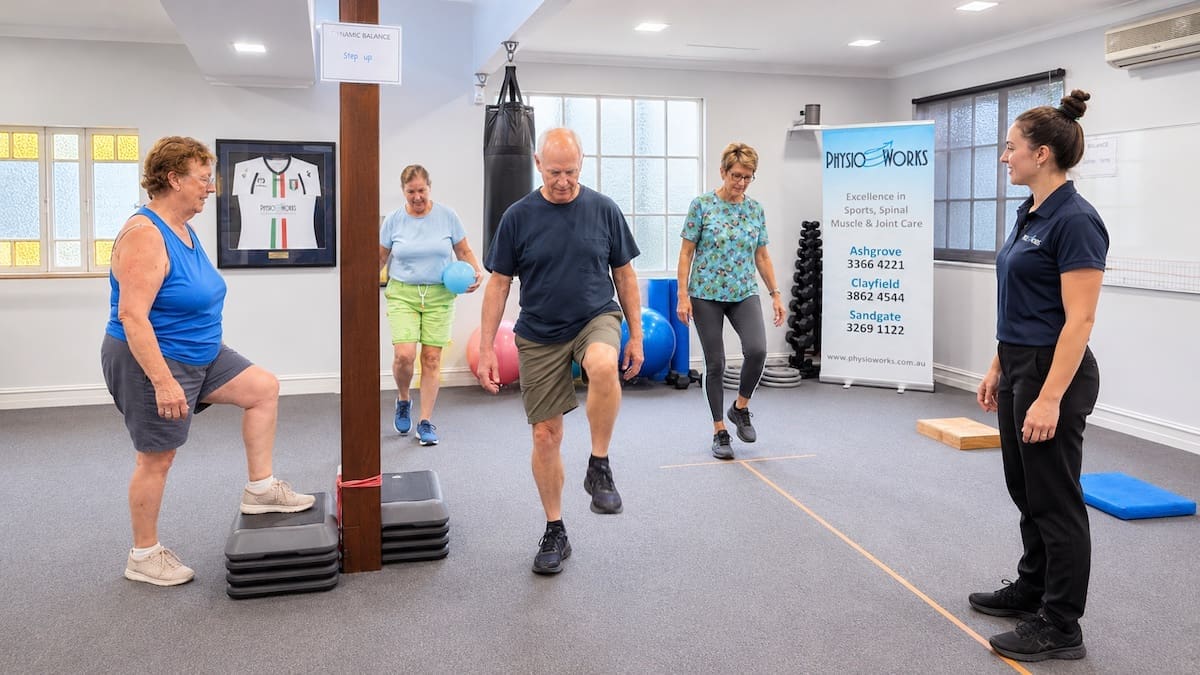
Supervised balance work helps build steadiness and walking confidence.
Top 5 Exercise Priorities Over 60
Priority
Why it matters
Examples
Walking fitness
Builds stamina and daily activity tolerance
Walking, cycling, swimming
Leg strength
Helps with stairs, chairs and carrying
Sit-to-stands, step-ups, heel raises
Balance practice
Supports steadiness and confidence
Stepping drills, supported single-leg balance
Mobility
Helps movement feel easier
Stretching, posture drills, thoracic mobility
Less sitting
Supports joints, circulation and health
Standing breaks, short walks, housework
Why Does Exercise Feel Harder After 60?
Exercise can feel harder after 60 because muscle strength, power, joint movement, bone density and recovery can change over time. Previous injuries, arthritis, pain, illness, reduced activity and lower confidence can also make movement feel harder.
However, age alone does not stop progress. Many adults over 60 improve once they train often, start at the right level and progress slowly. A manageable amount done often is usually better than doing too much, flaring up and stopping.
How Can Exercise Improve Healthy Ageing Over 60?
Regular exercise can support fitness, strength, balance, bone health, mood, sleep, mobility and independence. It can also help with stairs, chairs, shopping, walking, gardening, travel and family activity.
Exercise is also important for common age-related concerns such as osteoporosis and osteopenia, joint stiffness, reduced walking tolerance, poor balance and deconditioning. Strength and balance training can support falls prevention and confidence.
Strength and balance training can support safer movement with low bone density.
Which PhysioWorks Class May Suit You?
The right class depends on your goal, health history and confidence. Most classes need an assessment first. This helps your clinician match the class to your starting level.
People with chronic conditions, low fitness or strength goals.
Can You Exercise Over 60 With Pain or Arthritis?
Many people can start exercise over 60 even with pain or arthritis. The key is to choose the right entry point. Start low, progress slowly and avoid pushing through strong flare-ups.
Some people start with walking, cycling, hydrotherapy, chair strength work or guided mobility exercise. Others need help with pacing, technique or recovery first. These guides may help: warming up, safe exercise warning signs and posture.
A Simple Weekly Plan Over 60
This is a general starting point. It needs adjusting if you have pain, poor balance, injury, recent illness or health concerns.
Day
Focus
Monday
Walk plus sit-to-stands and heel raises
Tuesday
Mobility, posture and light activity
Wednesday
Strength using bodyweight, bands or weights
Thursday
Balance practice plus light cardio
Friday
Second strength session
Weekend
Active recreation or a social exercise class
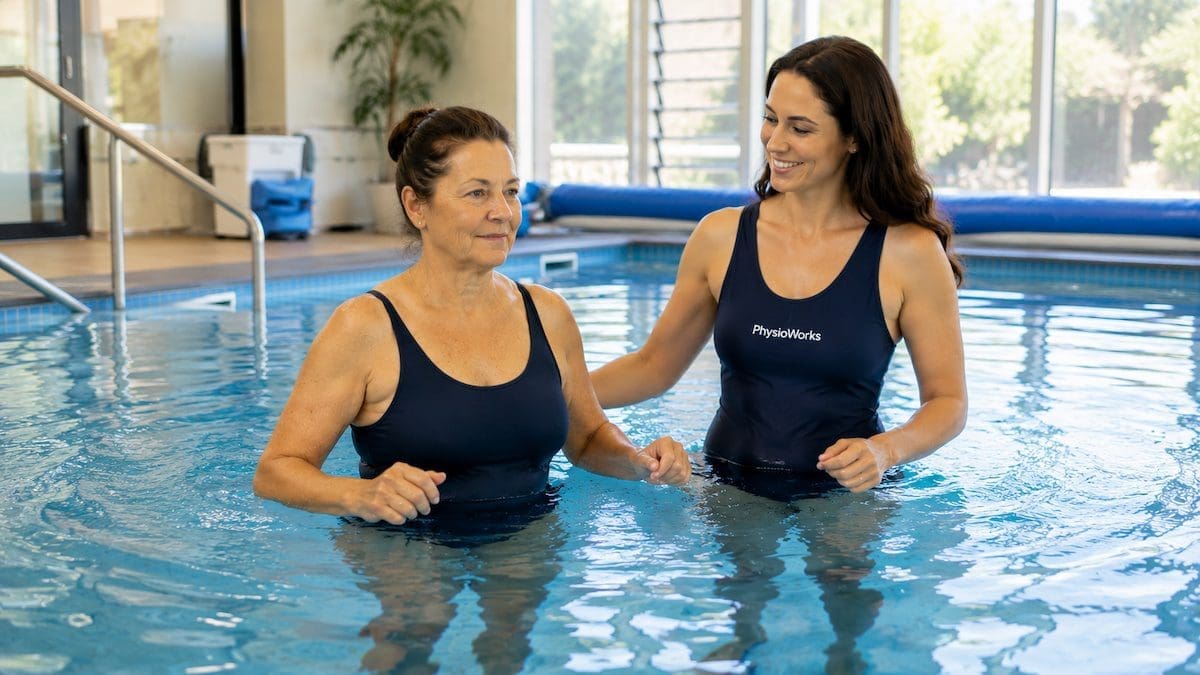
Hydrotherapy may suit people who need lower-load exercise options.
When Might Hydrotherapy Help Over 60?
Hydrotherapy may help when land-based exercise feels too painful, heavy or unstable. Warm-water exercise can reduce body-weight load. It still lets you practise walking, strength, balance and mobility.
Hydrotherapy may suit some people with arthritis, persistent pain, reduced walking tolerance or poor balance confidence. Start with an assessment so your clinician can check whether pool exercise, clinic strength work or a combined plan suits you.
Should You Choose Physiotherapy or Exercise Physiology?
Choose physiotherapy first if you have a new injury, acute pain, worsening symptoms, dizziness, falls or need early treatment. Choose Exercise Physiology if you need a structured exercise plan for strength, fitness, chronic disease, bone health or long-term capacity.
Many people use both. A physiotherapist may help settle pain or assess balance. An Accredited Exercise Physiologist may then guide strength, fitness, bone-loading exercise, hydrotherapy or a long-term plan.
A Simple Decision Guide
New pain or injury? Start with physiotherapy.
Ongoing weakness or low fitness? Consider Exercise Physiology.
Unsteady or worried about falls? Ask about a balance assessment.
Low bone density? Ask about supervised strength exercise.
Joint pain with poor land tolerance? Ask about hydrotherapy.
When Should You Slow Down or Get Checked?
Slow down or get checked if exercise causes sharp pain, major swelling, giving way, dizziness, chest pain, unusual breathlessness or symptoms that keep worsening. Pain that lasts for days after light exercise can also mean your plan needs changing.
Get Advice Sooner If:
Pain worsens with simple exercise.
You feel unstable or worry about falling.
You have osteoporosis, recent injury or major deconditioning.
You are unsure which exercise is safest.
You keep stopping and restarting without success.
How Can a Physiotherapist Help?
A physiotherapist can assess your starting point, pain triggers and movement limits. They can then help build a plan for strength, mobility, balance, walking, posture and confidence.
This is useful if you have old injuries, arthritis, back pain, poor balance, low confidence or repeated setbacks. A tailored plan can make exercise clearer, safer and easier to follow.
Healthy Ageing Exercise Options at PhysioWorks
PhysioWorks offers several supervised exercise pathways for adults over 60. Your clinician can help match the option to your goals, safety needs and current ability.
Exercise Physiology for strength, fitness, chronic disease, arthritis, osteoporosis and long-term capacity.
How much exercise should a healthy adult over 60 do?
Most adults over 60 should move on most days. Add strength work at least twice weekly. Balance work also matters, especially if you feel unsteady.
What types of exercise matter most over 60?
The most useful mix includes cardio, strength, balance and mobility. This helps support independence, steadiness, stamina, bone health and muscle health.
Is walking enough exercise over 60?
Walking is a strong start. It is usually not enough on its own. Strength, balance and mobility work also help protect function and confidence.
Can strength training be safe after 60?
Yes. Strength training can be safe when it matches your ability. Start with simple movements and progress slowly.
What if I have not exercised for years?
You can still start. Begin with shorter sessions and lower loads. Build up gradually. A guided plan can reduce flare-ups.
Should I exercise if I have arthritis?
In many cases, yes. Well-chosen exercise can help stiffness, movement and strength. The key is the right type and dose.
When should I see a physiotherapist before starting exercise?
See a physiotherapist if you have pain, poor balance, repeated flare-ups, recent injury, osteoporosis, major deconditioning or low confidence.
Is it too late to get fit at 60?
No. Many people improve strength, balance, mobility and fitness after 60. Start at the right level and stay consistent.
How many steps per day should you aim for over 60?
There is no perfect number for everyone. A realistic target depends on your fitness, pain, balance and health. Build gradually.
What To Do Next
Start with exercise that feels achievable now. A sensible plan can build momentum and reduce the stop-start cycle that comes from doing too much too soon.
If you want help choosing the right starting point, a PhysioWorks physiotherapist or exercise physiologist can assess your needs and guide a plan that suits your age, goals, symptoms and fitness.
Choose your clinic and appointment pathway
Select a PhysioWorks clinic to continue to live booking, an appointment request or reception assistance.
These balance products are commonly used by our physiotherapists to improve strength, balance, prevent injuries falls or injuries, plus assist home exercise programs.
Supervised balance and strength training can support confidence with daily movement.
Healthy ageing exercise over 70 helps you stay strong, steady, mobile, and independent. A good program can improve leg strength, balance, stamina, bone health, posture, walking confidence, and daily function. It may also help you manage arthritis, chronic pain, reduced fitness, stiffness, and fear of falling.
You do not need hard exercise to benefit. Many adults over 70 do well when they start gently, practise often, and build up in small steps. The right mix usually includes walking fitness, strength work, balance training, mobility, and less sitting. If you need a more personal starting point, our exercise programs, exercise physiology, and physiotherapy services can help guide you safely.
Practise balance and coordination several times each week.
Break up long sitting with light activity.
Choose exercise you can repeat and progress.
What is healthy ageing?
Healthy ageing means keeping as much strength, mobility, steadiness, confidence, and independence as possible. For many adults over 70, this means staying capable with stairs, chairs, walking, shopping, housework, gardening, travel, and social activity.
What should healthy ageing exercise over 70 include?
Healthy ageing exercise over 70 should include aerobic activity, strengthening, balance work, mobility training, and regular light movement. This mix supports heart health, muscle, bone strength, posture, walking confidence, and everyday function better than walking alone.
A balanced week may include walking, cycling, swimming, or low-impact cardio on most days. It should also include strength training at least twice each week. If balance feels less reliable, a targeted option such as our Balance and Falls Prevention Class may help.
The aim is not to do more all at once. Start with the right amount, then repeat it often. Short sessions, supported balance drills, chair-based exercise, and regular walking often build confidence better than a long program that feels too hard.
Where should you start?
Use this guide to choose your first focus.
If walking confidence is your main issue Start with supported walking, shorter walks more often, and guided balance practice.
If you feel weaker than you used to Prioritise sit-to-stands, heel raises, step-ups, resistance bands, and leg strengthening.
If balance feels less reliable Focus on supported single-leg balance, tandem walking, stepping drills, and falls prevention exercise.
If stiffness or posture limits you Add mobility, thoracic movement, stretching, posture drills, and movement control exercises.
If pain or arthritis interrupts you Start with lower-load exercise, lighter effort, and slower progressions.
Top exercise priorities over 70
Priority
Why it matters
Simple examples
Walking fitness
Builds stamina and confidence with daily activity.
Walking, pool walking, cycling, short repeated walks.
Leg strength
Helps with stairs, chairs, carrying, and independence.
Sit-to-stands, heel raises, step-ups, bands.
Balance practice
Supports steadiness and may reduce falls risk.
Tandem walking, supported single-leg standing, stepping drills.
Supports circulation, joint comfort, and general health.
Standing breaks, short walks, stairs, housework.
Why does exercise feel harder after 70?
Exercise can feel harder after 70 because muscle mass, power, joint movement, bone density, reaction speed, and recovery can change with age. Past injuries, arthritis, pain, illness, less activity, and lower confidence can also make movement feel harder.
However, age does not stop progress. Many adults over 70 improve strength, mobility, balance, and walking tolerance when they train often and progress slowly. Good load management matters. A small amount done often usually works better than doing too much, flaring up, then stopping.
How can exercise improve healthy ageing over 70?
Regular exercise can support heart fitness, muscle strength, balance, bone health, mood, sleep, mobility, and independence. It also helps people keep doing tasks such as stairs, chair transfers, shopping, gardening, and walking further.
Exercise also plays an important role in managing common age-related issues such as osteoporosis and osteopenia, joint stiffness, reduced walking tolerance, poor balance, and deconditioning. Strength and balance training are especially useful for falls confidence.
Can you start exercising over 70 if you have pain or arthritis?
Yes. Many people can start exercising over 70 even if they have pain or arthritis. The key is to choose the right starting level, match the exercise to your body, and progress gradually. You should not push through strong flare-ups.
Some people start with walking, cycling, hydrotherapy, chair-based strength work, or guided mobility exercise. Others need help with pacing, technique, or recovery first. Helpful guides include warming up, safe exercise warning signs, and posture.
Strength training can start simply.
A simple weekly exercise plan over 70
This is a general starting point. Adjust it if you have pain, poor balance, recent illness, injury, or major health concerns.
Day
Suggested focus
Monday
10 to 20-minute walk, sit-to-stands, and heel raises.
Tuesday
Mobility, posture, and light activity through the day.
Wednesday
Short strength session with bodyweight, bands, or light weights.
Thursday
Balance practice plus a short walk, cycling, or pool exercise.
Friday
Second short strength session plus easy aerobic activity.
Weekend
Walking, gardening, swimming, or a suitable social exercise class.
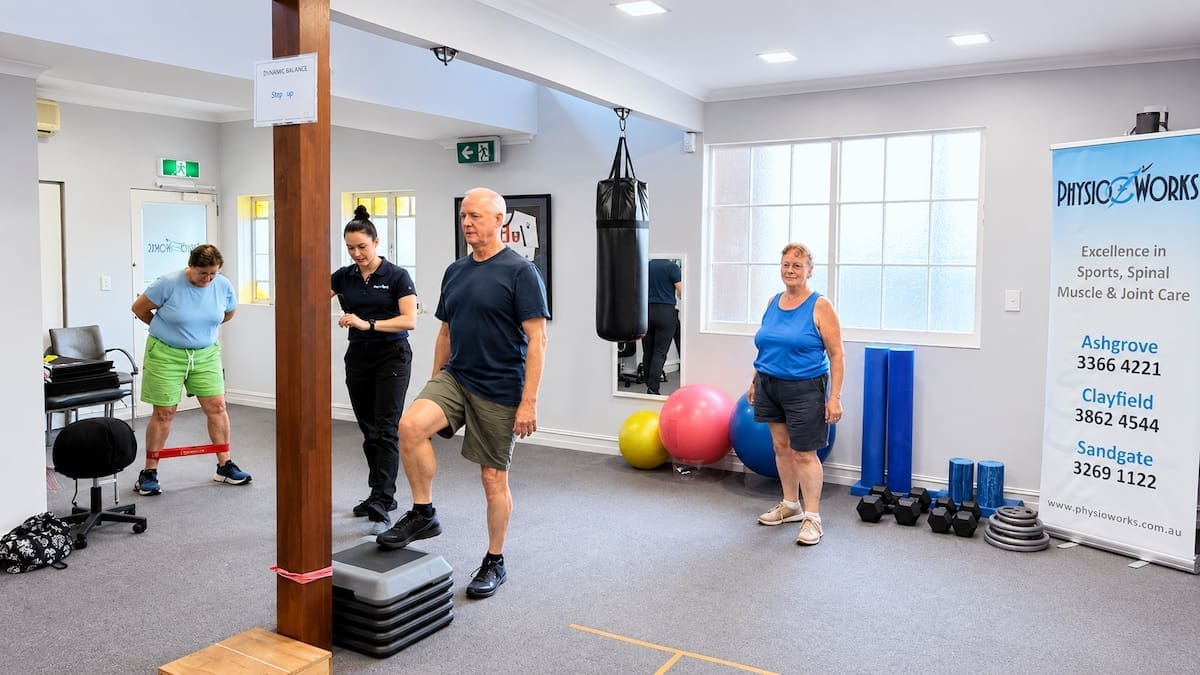
Group exercise can build confidence.
Which PhysioWorks group class may suit you?
Group exercise can help when you want structure, support, and steady progress. It is not the right starting point for everyone. An assessment helps confirm your goals, safety needs, balance level, pain triggers, and suitable starting level.
People who feel more comfortable exercising in warm water or need a gentler entry point.
Class availability can change. Please call your preferred clinic to check current options and whether an assessment is needed before joining.
What exercises work well over 70?
Useful exercises over 70 are safe, repeatable, and progressive. Walking helps, but many people also need resistance exercise, balance drills, sit-to-stand practice, step work, carrying tasks, and mobility exercises.
Good options may include chair squats, heel raises, light dumbbells, resistance bands, swimming, cycling, stair practice, supported single-leg balance, and simple core control. If motivation or confidence is a barrier, supervised exercise may help you stay consistent.
When should you slow down or get checked?
Slow down or get checked if exercise causes sharp pain, major swelling, repeated giving way, dizziness, chest pain, unusual breathlessness, or symptoms that keep worsening. Pain that lasts for days after light exercise may also mean your program needs adjusting.
Get advice sooner if:
Pain steadily worsens with simple exercise.
You feel unstable or worried about falling.
You have osteoporosis, recent injury, or major deconditioning.
You are unsure which exercise type is safe to start.
You have stopped and restarted exercise several times without success.
How can a physiotherapist help with healthy ageing exercise over 70?
A physiotherapist can assess your starting point, identify movement limits or pain triggers, and build a plan that suits your goals. That plan may target strength, mobility, balance, walking tolerance, posture, and confidence.
This can be useful if you have old injuries, arthritis, back pain, poor balance, low confidence, or repeated setbacks. It may also help if you feel deconditioned after illness or feel unsure about how hard to push.
How much exercise should a healthy adult over 70 do?
Most adults over 70 should move on most days. Add moderate activity across the week, strength work at least twice weekly, and balance work often. It also helps to reduce long sitting periods.
What exercise is useful for over 70s?
A useful program combines walking or other cardio, strength training, balance practice, and mobility work. This mix supports independence, steadiness, stamina, confidence, muscle, and bone health better than one exercise type alone.
Is walking enough exercise over 70?
Walking is a strong starting point, but it is usually not enough by itself. Strength work, balance practice, and mobility exercises also help maintain muscle, bone health, confidence, and function.
Can strength training be safe after 70?
Yes. Strength training can be safe after 70 when it matches your current ability and builds gradually. It is one of the most helpful ways to support muscle, function, and bone health.
What if I have not exercised for years?
You can still start. Begin with simple movements, short sessions, and low loads. Then build up gradually. A guided program may help reduce flare-ups and make the process feel more manageable.
Should I exercise if I have arthritis?
In many cases, yes. Well-chosen exercise may reduce stiffness, improve movement, and build strength around sore joints. The goal is to find the right type and dose of activity.
When should I see a physiotherapist before starting exercise?
It is worth seeing a physiotherapist if you have strong pain, poor balance, repeated flare-ups, recent injury, osteoporosis, major deconditioning, or low confidence with exercise.
Is it too late to get fit at 70?
No. Many people improve strength, balance, mobility, and fitness after 70. Start at the right level, stay consistent, and build gradually.
How many steps per day should you aim for over 70?
There is no single perfect number. A realistic step target depends on your fitness, pain, balance, and health. Gradually increasing daily walking often works better than chasing an arbitrary number.
Which group class is suitable for older adults?
The right class depends on your goals. Balance classes may suit falls concerns. Bone density classes may suit bone health goals. Mat Pilates-style group exercise may suit posture and control. Hydrotherapy may suit lower-load exercise needs.
What to do next
If you want to stay active, independent, and confident, start with exercise that feels achievable now. A sensible program can help you avoid the stop-start cycle that comes from doing too much too soon.
If you would like help choosing the right starting point, a PhysioWorks physiotherapist or exercise physiologist can assess your needs and guide a program that suits your age, goals, symptoms, and current fitness.
Choose your clinic and appointment pathway
Select a PhysioWorks clinic to continue to live booking, an appointment request or reception assistance.
These balance products are commonly used by our physiotherapists to improve strength, balance, prevent injuries falls or injuries, plus assist home exercise programs.
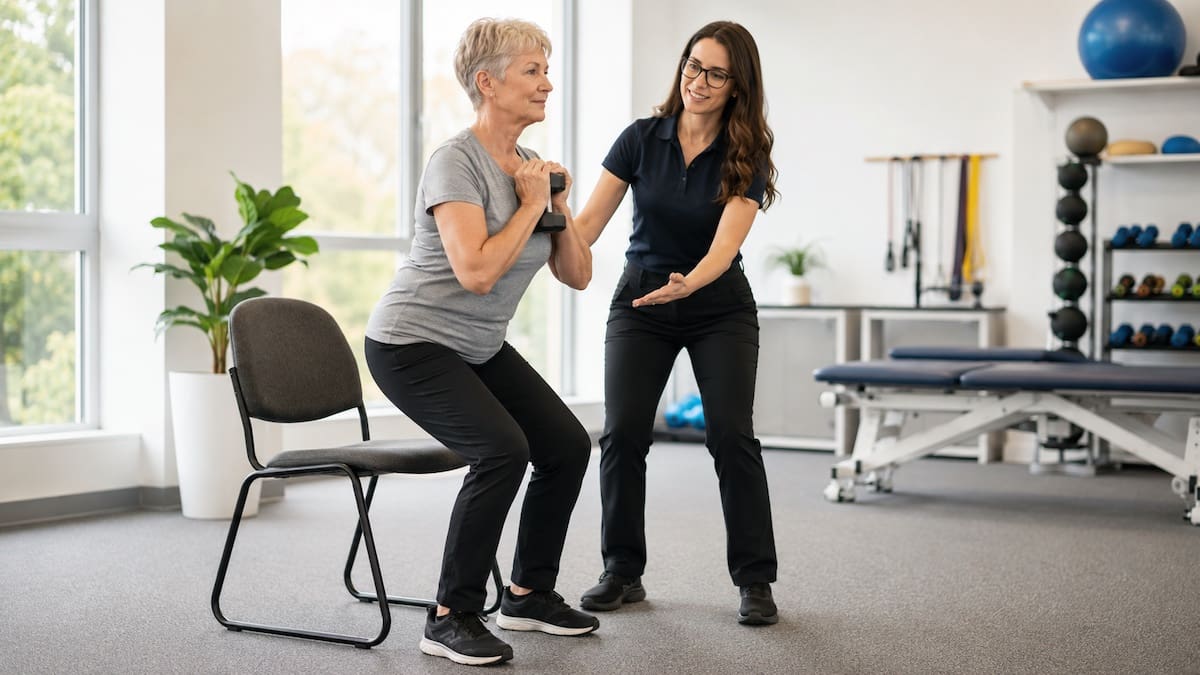
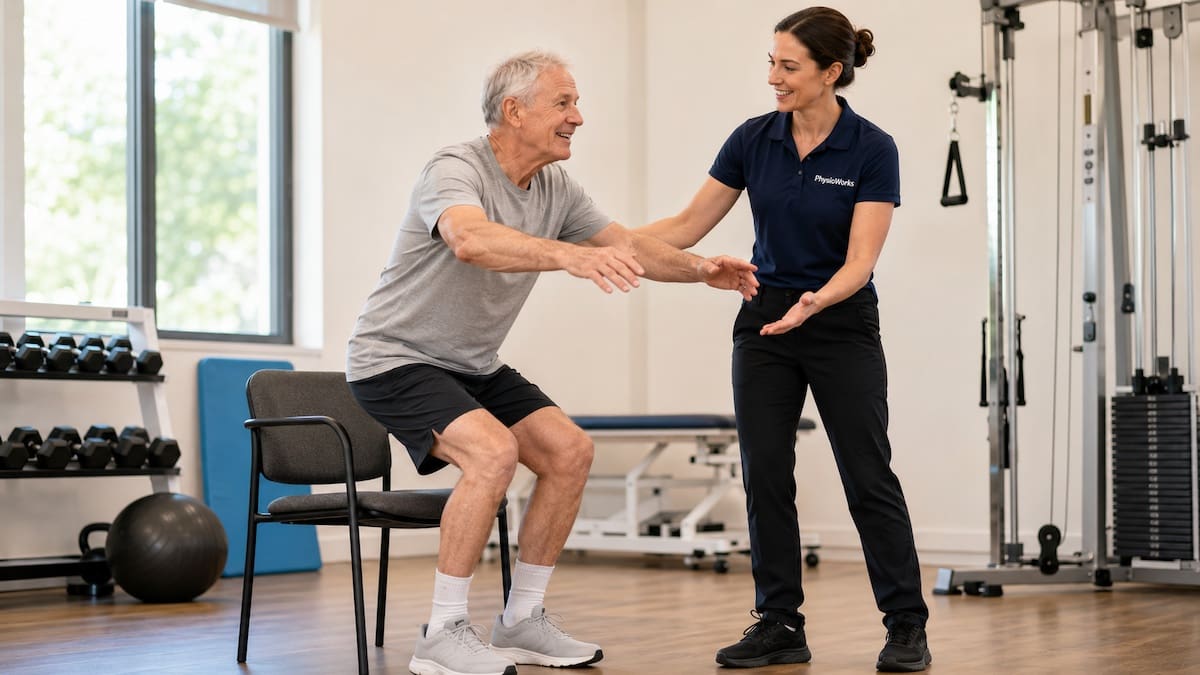
Supervised strength exercise can help rebuild confidence and function.
Healthy ageing exercise over 80 can help you stay strong, steady, mobile, and independent. A good program may improve leg strength, balance, walking confidence, posture, and daily function. It can also help if arthritis, chronic pain, stiffness, low fitness, fear of falling, or age-related muscle loss has slowed you down.
You do not need hard exercise to get benefit. Many adults in their 80s and beyond do best when they start gently, use support where needed, and build up in small steps. A safe mix often includes walking, strength work, balance practice, mobility, and less sitting.
Practise balance, mobility, and coordination at least three times weekly.
Add light movement through the day.
Break up long sitting periods.
What Is Healthy Ageing?
Healthy ageing means keeping as much strength, mobility, steadiness, and confidence as possible as you get older. For many adults over 80, that means getting out of a chair, walking safely, carrying light shopping, doing housework, getting to appointments, and staying active with family and friends.
What Should Healthy Ageing Exercise Over 80 Include?
Healthy ageing exercise over 80 should include low-impact cardio, strength training, balance work, mobility, and regular light movement. This mix helps your heart, muscles, bones, joints, posture, and day-to-day function more than walking or stretching alone.
A good week may include walking, cycling, swimming, or pool exercise on most days. Add strength training twice weekly. If balance feels less steady, our Balance and Falls Prevention Class may be a useful pathway after an assessment.
What Should You Focus On First Over 80?
Walking confidence: Start with supported walking, shorter walks, and guided balance practice.
Weak legs: Use sit-to-stands, heel raises, step-ups, and band work.
Balance worry: Start with supported balance drills and safe stepping practice.
Stiffness or posture: Add mobility, stretching, posture work, and gentle control drills.
Pain or arthritis: Use lower-load exercise and slower progress. A tailored plan often helps.
Top 5 Exercise Priorities Over 80
Priority
Why It Matters
Simple Examples
Walking fitness
Builds stamina and daily confidence.
Short walks, pool walking, cycling.
Leg strength
Helps with chairs, stairs, and carrying.
Sit-to-stands, heel raises, step-ups.
Balance
Helps steadiness and falls confidence.
Supported stands and stepping drills.
Mobility
Helps movement feel easier.
Stretching and posture drills.
Less sitting
Supports joints and circulation.
Standing breaks and light housework.
Why Does Exercise Feel Harder After 80?
Exercise can feel harder after 80 because muscle strength, power, joint range, bone density, balance reactions, and recovery can change with age. Past injuries, pain, illness, less activity, and lower confidence can also make movement feel harder.
However, age alone does not stop progress. Many adults over 80 improve their strength, walking, balance, and confidence when they start at the right level and build slowly.
Good load management matters. A small amount done often is usually better than doing too much, flaring up, and stopping again.
How Can Exercise Improve Healthy Ageing Over 80?
Regular exercise can help with fitness, strength, balance, bone health, sleep, mood, mobility, and independence. It can also help you keep doing daily tasks such as chair transfers, stairs, walking, gardening, shopping, and travel.
Exercise is also useful for common age-related issues such as osteoporosis and osteopenia, joint stiffness, poor balance, and deconditioning. Balance and strength work are often the two key areas to build.
Can You Start Exercising Over 80 If You Have Pain or Arthritis?
Yes, many people can start exercising over 80 even if they have pain or arthritis. The key is to choose the right type and dose. Do not push through strong flare-ups.
Warm water exercise may help when land work feels too sore or hard.
Important: group classes require an assessment first. Some people should start with one-to-one care before joining a class.
When Should You Slow Down or Get Checked?
Slow down or book advice if exercise causes sharp pain, major swelling, repeated giving way, dizziness, chest pain, unusual breathlessness, or symptoms that keep getting worse. Pain that lasts for days after light exercise may also mean your plan needs changing.
Get Advice Sooner If:
Pain keeps getting worse with simple exercise.
You feel unsteady or worried about falling.
You have osteoporosis, recent injury, or major weakness.
You feel dizzy, unusually breathless, or unwell with exercise.
You do not know which exercise is safe to start.
You have stopped and restarted several times.
Strength progressions can be matched to your current capacity.
How Can a Physiotherapist Help?
A physiotherapist can assess your starting point, check pain triggers, and build a plan that suits your goals. Your plan may include strength, balance, walking, mobility, posture, and confidence work.
This can help if you have old injuries, arthritis, back pain, poor balance, low confidence, or repeated setbacks. A clear plan can make exercise feel safer and easier to follow.
How much exercise should a healthy adult over 80 do?
Most adults over 80 should move on most days, do strength work twice weekly, and practise balance often. It also helps to break up long sitting periods.
What exercise is best for over 80s?
A mix of walking or other cardio, strength training, balance work, and mobility is usually best. This mix supports strength, steadiness, fitness, and function.
Is walking enough exercise over 80?
Walking is a strong start, but it is usually not enough alone. Strength, balance, and mobility work also matter.
Can strength training be safe after 80?
Yes. Strength training can be safe after 80 when it matches your current ability and builds slowly.
What if I have not exercised for years?
You can still start. Begin with simple movements, short sessions, and low loads. Then build as your body adapts.
Should I exercise if I have arthritis?
In many cases, yes. Well-chosen exercise can help stiffness, movement, and strength. The right dose matters.
When should I see a physiotherapist before starting exercise?
Book an assessment if you have pain, poor balance, falls worry, recent injury, osteoporosis, major weakness, or low confidence.
Is it too late to get fit at 80?
No. Many people improve strength, balance, mobility, and fitness after 80 when they start gently and stay consistent.
How many steps per day should you aim for over 80?
There is no single perfect number. A realistic target depends on your fitness, pain, balance, and health. Gradual increases are safest for most people.
What to Do Next
Start with exercise that feels safe and achievable now. Small steps done often can build confidence and reduce the stop-start cycle.
If you want help choosing the right pathway, a PhysioWorks physiotherapist or exercise physiologist can guide you. Your pathway may include one-to-one care, a home plan, Balance & Falls Prevention Class, Physiotherapy Group Exercise Classes, Bone Density Class pathways, or hydrotherapy.
Choose your clinic and appointment pathway
Select a PhysioWorks clinic to continue to live booking, an appointment request or reception assistance.
These balance products are commonly used by our physiotherapists to improve strength, balance, prevent injuries falls or injuries, plus assist home exercise programs.
Knee pain on stairs often happens when the kneecap joint is sensitive under load. It may affect climbing, descending, squatting, kneeling, hills, running, or standing from a low chair.
Going upstairs loads the kneecap as you push your body upward.
Going downstairs often hurts more because the thigh muscles control your body weight as the knee bends.
Pain around or behind the kneecap often points to patellofemoral joint irritation.
Pain below the kneecap may involve the patellar tendon.
Swelling, locking, giving way, or trauma needs closer assessment.
Why Does My Knee Hurt Going Up and Down Stairs?
Knee pain on stairs usually means the knee is working harder than it can currently tolerate. As the knee bends under body weight, the kneecap presses more firmly against the thigh bone.
If the kneecap does not glide well, or the hip and thigh muscles do not control the leg well, the joint and nearby soft tissues may become painful. This pattern is common in Runner’s Knee and other forms of patellofemoral pain.
What Symptoms Commonly Occur With Knee Pain on Stairs?
Symptoms vary, but many people notice a clear pattern linked to bending the knee under load.
Pain at the front of the knee or behind the kneecap
Pain when climbing or descending stairs
Discomfort with squats, hills, kneeling, running, or cycling
Stiffness after sitting with the knee bent
Grinding, clicking, or crunching around the kneecap
Swelling, warmth, locking, or giving way in more irritated knees
What Causes Knee Pain on Stairs?
Several knee problems can cause stair pain. The pain location, onset, swelling pattern, and mechanical symptoms help guide the likely cause.
Pain pattern
Possible cause
Common clues
Front knee or behind kneecap
Patellofemoral pain syndrome
Worse with stairs, squats, hills, running, or sitting
Grinding or ache behind kneecap
Chondromalacia patella
Pain with hills, stairs, kneeling, or loaded bending
Twisting pain, swelling, catching, or blocked movement
Pain below kneecap
Patellar tendon overload
Pain with stairs, jumping, running, or loaded squats
Why Is Going Down Stairs Often Worse?
Going down stairs often hurts more because your quadriceps control your body weight as the knee bends. This increases demand through the kneecap joint.
If your hip, thigh, or calf muscles lack strength or timing, your knee may drift inward or load unevenly. A step-down assessment can show whether your stair pain relates to strength, joint sensitivity, or knee biomechanics.
Stair Pain Decision Guide
Mild pain that settles quickly: reduce stair volume, use the handrail, and start gentle strengthening.
Sharp pain, swelling, locking, or giving way: arrange physiotherapy or medical assessment before pushing through.
Pain after a fall or twist: seek prompt assessment, especially if you cannot walk normally.
How Do Physiotherapists Assess Knee Pain on Stairs?
A physiotherapy assessment helps identify which structure is irritated and why stairs trigger symptoms. Your physiotherapist may review your knee history, pain location, swelling pattern, training load, footwear, and daily activity demands.
They may also assess knee range of motion, kneecap mobility, joint tenderness, hip strength, quadriceps strength, calf control, balance, foot posture, squat technique, and step-down movement. Imaging is not always needed, but it may help when symptoms are severe, traumatic, persistent, or unclear.
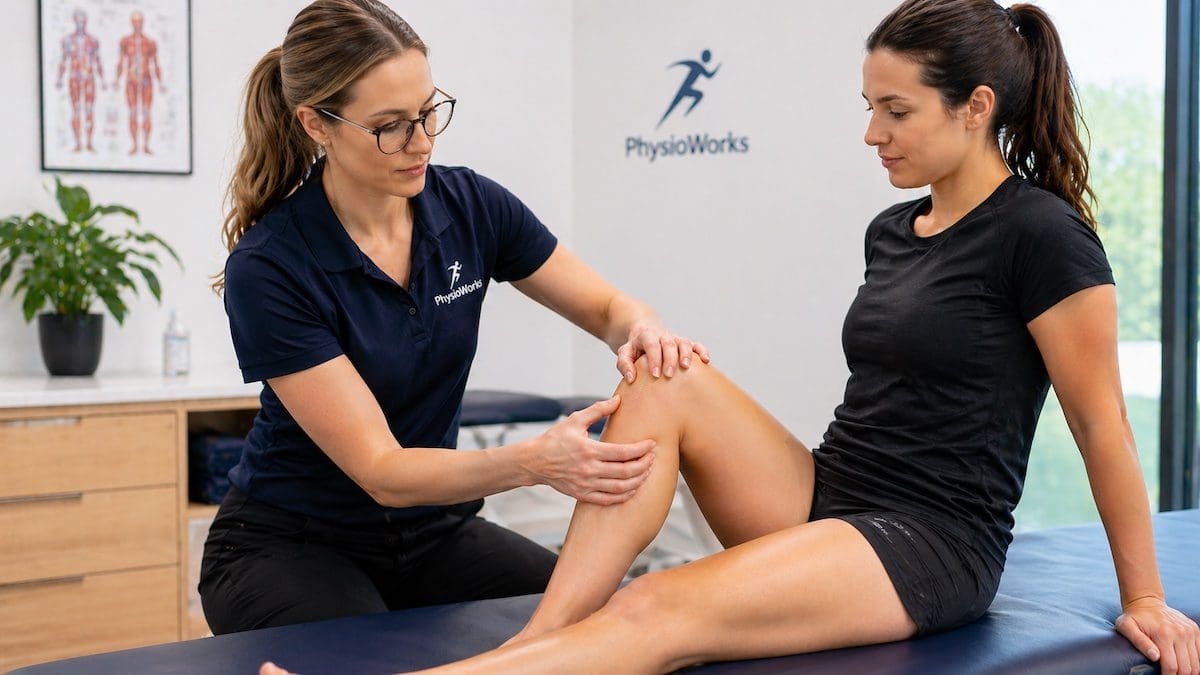
Step-down control shows how the knee handles stairs.
What Treatment Helps Knee Pain on Stairs?
Knee pain on stairs treatment usually starts with calming irritation, improving movement control, and building strength. The right plan depends on your diagnosis, pain level, current function, and goals.
Exercise therapy: hip, quadriceps, calf, and trunk strengthening to improve stair tolerance.
Movement retraining: coaching step-downs, squats, sit-to-stand, and stair technique.
Load management: adjusting stairs, hills, running, gym work, or sport while the knee settles.
Taping or bracing: short-term support for some kneecap pain presentations.
Manual therapy: joint or soft tissue techniques where stiffness contributes.
Footwear or orthotic advice: support where foot posture affects knee loading.
Return-to-activity planning: graded progressions for work, walking, running, gym, or sport.
Physiotherapy works better when treatment matches your stair pain trigger. For example, kneecap pain usually needs different progressions from meniscus pain, knee arthritis, or patellar tendon overload.
What Can I Do Now for Knee Pain on Stairs?
You can often keep moving if symptoms stay mild and settle quickly. Repeated sharp pain usually means your knee needs a short-term load change and a clearer strength plan.
Use the handrail to reduce knee load.
Take one step at a time during flare-ups.
Limit repeated stair trips while pain is high.
Avoid deep squats, hills, or jumping if they flare symptoms.
Start gentle strength work that does not worsen symptoms.
Use ice or heat if it helps your pain settle.
Book an assessment if pain is not improving within one to two weeks.
When Should I Worry About Knee Pain on Stairs?
Seek assessment sooner if your knee pain is worsening, swollen, unstable, locking, or linked to trauma. These signs may point to joint irritation or an injury that needs a clearer diagnosis.
You cannot fully bend or straighten the knee.
You cannot walk or weight-bear normally.
Your knee gives way, locks, or catches repeatedly.
You have marked swelling after a twist or fall.
You have fever, redness, severe night pain, or unexplained symptoms.
Pain limits work, sport, sleep, or daily stairs.
Knee Pain on Stairs FAQs
Why do my knees hurt when I go up and down stairs?
Knees often hurt on stairs because bending under load places extra pressure through the kneecap joint. Patellofemoral pain syndrome, chondromalacia patella, tendon overload, meniscus irritation, or knee arthritis can make this load painful.
Why do my knees hurt going down stairs but not up?
Going down stairs usually places greater demand on the quadriceps and kneecap because your muscles control your body weight against gravity. This can expose weakness, poor control, or kneecap sensitivity.
Is knee pain on stairs always arthritis?
No. Arthritis is only one possible cause. Many people with knee pain on stairs have patellofemoral pain syndrome, chondromalacia patella, tendon overload, or movement-control issues rather than significant joint wear.
What exercises help knee pain on stairs?
Helpful exercises often include hip strengthening, quadriceps strengthening, step-ups, sit-to-stand drills, calf strengthening, and controlled squats. The right exercise depends on your assessment findings and current pain level.
Is it safe to keep using stairs with knee pain?
It is often safe to keep using stairs if pain stays mild and settles quickly afterwards. Use a handrail, reduce repeated trips, and avoid pushing through sharp pain. Instability, swelling, catching, or worsening pain needs assessment.
Should I see a physiotherapist or doctor first?
For gradual knee pain on stairs without major trauma, a physiotherapist is usually a suitable first contact. Seek urgent medical care if you suspect fracture, infection, severe injury, or cannot weight-bear normally.
How long does knee pain on stairs take to improve?
Some people improve within a few weeks. Longer-standing or more complex knee pain may need several months of progressive strengthening and load management. Your physiotherapist can estimate timing after assessment.
You do not have to keep avoiding stairs. If knee pain limits your home life, work, exercise, or sport, a PhysioWorks physiotherapist can assess the cause and guide a practical plan.
Book an appointment today to have your knee assessed and start working towards stronger, more confident stair climbing.
Regain confidence and comfort on stairs.
Choose your clinic and appointment pathway
Select a PhysioWorks clinic to continue to live booking, an appointment request or reception assistance.
Safe Exercise Guide – Listen to Your BodyJohn Miller2026-10-05T22:14:00+10:00
Is Pain During Exercise Normal?
Some mild discomfort can be acceptable during rehabilitation. However, pain should not keep increasing, change the way you move or leave you clearly worse later that day or the next morning.
Movement quality and symptom response can help guide a safe exercise starting point.
Pain during exercise does not always mean that damage is occurring. Muscles, joints and tendons can remain sensitive while you rebuild strength, movement and physical capacity.
However, this does not mean that you should push through every symptom. The type of pain, whether it increases and how quickly you recover provide more useful information than one pain number alone.
Your condition, stage of recovery and prescribed rehabilitation plan may require different limits. Advice from your physiotherapist, surgeon or medical practitioner should take priority over this general guide.
What Should You Monitor During Exercise?
Consider your pain, breathing, effort, movement quality and function together. One symptom does not always provide the complete picture.
Pain
Notice the intensity, location and type of pain, and whether it remains stable or increases with each repetition.
Movement quality
Reduce the load when you start limping, guarding, compensating heavily or losing control of the movement.
Breathing
You should usually regain control of your breathing when you reduce the pace. During steady aerobic exercise, the talk test may help you judge intensity.
Effort
The same session can feel harder when you are tired, stressed, unwell, dehydrated or exercising in hot conditions.
Function
Check whether exercise affects walking, stairs, lifting, work, sleep or other normal activities later that day.
Neurological symptoms
Numbness, pins and needles, radiating pain, unexpected weakness or giving way deserve caution and may require assessment.
How Much Pain Is Acceptable During Exercise?
A pain scale can support decision-making, but it should not be used in isolation. The quality of the pain and its effect on movement remain important.
Mild: 0–3 out of 10
Mild discomfort may be acceptable when it remains stable, does not alter your technique and begins settling after the exercise.
Moderate: 4–5 out of 10
Reduce or modify the exercise when symptoms are building, movement becomes guarded or pain remains elevated afterward.
Higher: above 5 out of 10
Stop or substantially reduce the exercise when pain is strong, sharp, rapidly worsening or changing how you move.
A low pain score may still be concerning when the pain is sharp, unfamiliar or associated with instability, weakness, swelling or neurological symptoms.
Should You Continue, Modify or Stop?
Continue
Continue when discomfort remains mild, your movement stays controlled and symptoms settle toward their normal level after the session.
Modify
Reduce the weight, speed, range, repetitions or session length when symptoms build, technique deteriorates or recovery takes longer than expected.
Stop
Stop when pain becomes sharp or rapidly worse, movement becomes unsafe or you develop swelling, giving way, chest symptoms, faintness or sudden neurological changes.
What Should Pain Feel Like After Exercise?
Mild discomfort may remain for a short period after rehabilitation or unfamiliar exercise. It should usually begin settling once the exercise stops and continue moving back towards your normal level over the following hours.
The session may have been too demanding when pain:
continues to increase after you finish;
remains clearly above your normal level for several hours;
causes swelling, limping or reduced movement;
interferes with normal walking, stairs, work or sleep; or
becomes worse after each repeated session.
What Does Pain the Next Morning Mean?
The next-morning response is often one of the most useful indicators of whether your body tolerated the total exercise dose. Compare your pain, stiffness, swelling and function with your usual baseline before the session.
Back at baseline
Your usual pain, stiffness and function have returned. The previous exercise dose was probably manageable.
Slightly worse
A small temporary increase may be manageable. Keep the exercise at the same level or reduce it slightly rather than progressing.
Clearly worse
Greater pain, stiffness, swelling or loss of function suggests that the session exceeded your current capacity. Reduce the next dose.
Repeated next-morning deterioration matters more than one isolated response. Track the pattern over several sessions and seek assessment when symptoms continue to build.
How Can You Modify an Exercise?
You may not need to stop exercise completely. Instead, adjust one or more variables so the activity remains manageable.
Reduce the resistance
Use a lighter weight, softer resistance band or greater body support.
Reduce the movement range
Work through a comfortable portion of the movement before gradually increasing the range.
Reduce repetitions or sets
Lower the total exercise volume rather than repeatedly provoking symptoms.
Reduce speed or impact
Slow the movement or replace jumping and running with a lower-impact alternative.
Allow more recovery
Add recovery time between sessions when symptoms have not returned to their usual level.
A reduction of about 20–30% may provide a practical starting point. A larger adjustment may be needed when pain or function remains substantially worse.
Is Muscle Soreness After Exercise Normal?
Mild muscle soreness can occur after unfamiliar exercise, a harder session or activities involving substantial eccentric muscle work. This is commonly called delayed onset muscle soreness.
Normal post-exercise soreness usually affects the muscles you trained. It often feels like a broad ache, tenderness or stiffness and commonly develops several hours after exercise rather than causing sharp pain during the activity.
Injury-related pain is more likely to be sudden, localised or associated with swelling, bruising, weakness, giving way or loss of normal movement. Symptoms can overlap, so arrange an assessment when you remain uncertain.
Does Every Condition Use the Same Pain Limit?
No. Pain-monitoring rules depend on the condition, stage of healing and purpose of the exercise.
Some tendon and persistent musculoskeletal rehabilitation programs may allow controlled discomfort during loading, provided symptoms settle and do not progressively worsen. Other situations may require stricter limits, including:
acute fractures or suspected fractures;
early post-operative rehabilitation;
unstable joint or ligament injuries;
acute inflammatory conditions;
new neurological symptoms; or
specific restrictions provided by a surgeon or medical practitioner.
A general pain-monitoring guide should support an individual rehabilitation plan rather than replace assessment.
What Does Normal Exercise Effort Feel Like?
Normal exercise effort varies with the activity. During cardiovascular exercise, your breathing and heart rate should increase while remaining controlled at the planned intensity.
The talk test can help during continuous aerobic exercise. At a moderate intensity, most people can still speak in short sentences. The test is less useful during short strength sets, sprinting or high-intensity intervals.
During strength exercise, the working muscles may feel warm, tired or uncomfortable. Many people finish most sets while they could still complete another one to three controlled repetitions. The suitable effort depends on your experience, health, goals and exercise plan.
How Should You Use the 24–48-Hour Check?
Review how you feel later that day and over the next two days. Do not focus only on the discomfort felt during one repetition.
Check your normal activities
Compare walking, stairs, lifting, reaching and other daily tasks with your usual level.
Check whether symptoms are settling
Mild symptoms that settle differ from symptoms that continue rising after the session.
Review sleep and energy
Repeated sleep disturbance, heavy fatigue or poor recovery may indicate that the training load is too high.
Look for repeated patterns
Reduce the load when the same exercise causes a larger or longer-lasting flare after each session.
The 24–48-hour check is a guide rather than a strict rule. Normal muscle soreness may remain beyond two days. In contrast, urgent symptoms require immediate action rather than waiting to see whether they settle.
How Quickly Should You Increase Exercise?
Increase training gradually and change one main variable at a time where practical. Variables include weight, repetitions, sets, speed, distance, frequency and exercise complexity.
A fixed percentage increase does not suit every person or activity. Your recent training history, recovery, health, sleep, work demands and previous injuries all affect how much exercise you can tolerate.
Record your sessions when you are rebuilding fitness or returning from injury. A simple record of the exercise, load, repetitions, pain response and next-morning symptoms can reveal patterns more clearly than memory alone.
Should You Exercise When You Feel Unwell or Exhausted?
Consider reducing or postponing harder exercise when you have an acute illness, fever, marked fatigue, poor hydration or unusually poor sleep. Hot and humid conditions can also increase effort and affect recovery.
Medication changes and some medical conditions may alter heart rate, balance, blood pressure, heat tolerance or perceived effort. Ask your doctor or health professional for guidance when you have exercise restrictions or remain unsure how a health condition affects training.
When Should You Arrange an Assessment?
Arrange an assessment when symptoms repeatedly interrupt exercise, reduce normal function or prevent progression.
Consider physiotherapy or medical assessment for:
pain that becomes sharper, stronger or more frequent;
pain that repeatedly appears at the same stage of a workout;
symptoms that remain clearly worse the next morning;
swelling, bruising, instability or loss of movement;
numbness, pins and needles, radiating pain or unexpected weakness;
symptoms that alter walking, lifting, work or sleep;
a decline in performance that does not improve after reducing the load; or
uncertainty about exercising safely with a medical condition.
How Can Physiotherapy or Exercise Physiology Help?
A physiotherapist can assess pain, injury, movement and functional limitations. Management may include advice, load modification, rehabilitation exercises and a graded return to activity.
An Accredited Exercise Physiologist can help develop structured exercise for strength, fitness, balance, long-term health conditions and general physical capacity.
The most suitable pathway depends on whether you primarily need assessment of pain or injury, longer-term exercise prescription or coordinated support from both professions.
What This Means for You
Exercise does not always need to be symptom-free to be useful. However, your response should remain controlled and recoverable.
Monitor pain during the activity, how it settles afterward and how you feel the next morning. Continue when symptoms remain mild and stable. Modify the dose when symptoms linger or increase. Stop when pain becomes sharp, movement becomes unsafe or concerning symptoms develop.
What Should You Do Next?
Reduce or stop the activity when symptoms are worsening, affecting your technique or interfering with normal function. A physiotherapist or exercise physiologist can help you choose an appropriate starting point and progress the program safely.
Choose your clinic and appointment pathway
Select a PhysioWorks clinic to continue to live booking, an appointment request or reception assistance.
Find assessment and rehabilitation support for sport and training-related symptoms.
Exercise Pain FAQs
Is it normal to have some pain during rehabilitation exercises?
Sometimes. Mild, stable discomfort may be acceptable for some conditions when you can maintain normal technique and symptoms settle afterward. Your prescribed condition-specific limits should take priority.
How much pain is too much during exercise?
Pain above about 5 out of 10, pain that keeps increasing or pain that changes your movement usually warrants stopping or reducing the exercise. The type and behaviour of the pain matter as much as the number.
How quickly should exercise-related pain settle?
Mild discomfort should usually begin settling after the exercise and move back towards your normal level within several hours. Persistent or increasing symptoms suggest that the exercise dose may have been too high.
What if I am more painful the next morning?
A clear increase in pain, stiffness, swelling or loss of function the next morning suggests that the previous exercise dose exceeded your current tolerance. Reduce the next session and avoid progressing until symptoms stabilise.
Should I stop exercising completely when pain increases?
Not necessarily. You may be able to reduce the resistance, movement range, repetitions, speed or frequency. Complete rest is more appropriate when symptoms are severe, rapidly worsening or accompanied by concerning signs.
When should exercise pain be assessed?
Arrange an assessment when pain is worsening, repeatedly lasts into the next day, affects normal movement or occurs with swelling, instability, weakness, locking, numbness or tingling.
Meniscal assessment helps guide the right treatment path.
Meniscus surgery or physiotherapy? For many people with a degenerative meniscus tear, physiotherapy is the right first step. A guided rehab plan can often improve pain, swelling, strength and daily function without surgery. However, a locked knee, a displaced fragment, or a major twist injury may still need early medical or orthopaedic review.
This FAQ helps you compare both paths. It explains when rehab is often the safer start, when surgery may be needed, and what signs should prompt faster review. For a wider guide to knee pain, visit our main knee hub.
Physiotherapy is often the first choice for a degenerative meniscus tear.
Surgery may be needed if the knee is truly locked or cannot straighten.
A large acute tear after a twist may need early surgical review.
MRI can help, but scan results do not decide care by themselves.
Assessment should match the scan, your symptoms and your goals.
What Is a Meniscal Injury?
A meniscal injury affects one of the two C-shaped cartilage pads inside your knee. These pads help spread load, support joint control and protect the knee during walking, stairs, squats, twists and sport.
A tear can happen suddenly after a pivot or deep bend. It can also build over time as part of age-related knee change. If your pain started during sport or a clear twist, our meniscus tear guide may help.
When Is Meniscus Surgery or Physiotherapy the Better Option?
The better option depends on the tear type, your age, your symptoms, your sport or work needs, and whether the knee is blocked. Degenerative tears often respond well to rehab. A locked knee or a large displaced tear may need faster surgical review.
Key Decision Factors
Did the pain start after a twist, or did it build slowly?
Can the knee fully straighten?
Did swelling appear quickly after injury?
Does the knee truly lock, or does it only feel stiff?
Does the knee give way with walking or stairs?
Does your goal involve sport, heavy work, or daily comfort?
What Types of Meniscal Tears Matter Most?
Acute meniscal tears usually happen after twisting, cutting, pivoting or deep bending under load. They are more common in sport. The injury story is often clear.
Degenerative meniscal tears often build more slowly. They are common in middle-aged and older adults. These tears may sit alongside other knee changes and do not always need surgery.
When Is Physiotherapy Usually the Better First Option?
Physiotherapy is often the better first option when the tear is degenerative, the knee is not locked, and the main problems are pain, swelling, stiffness, weakness or low confidence. In this setting, a graded rehab plan can help you move better while avoiding the risks and downtime of surgery.
Rehab often focuses on swelling control, knee movement, quadriceps strength, hip strength, balance and graded return to activity. If you need a practical starting point, our knee exercises guide covers common early options.
When Might Meniscus Surgery Be More Appropriate?
Surgery may be more appropriate when the knee is truly locked, when a loose piece blocks movement, or when a large acute tear is unlikely to settle with rehab alone. Surgical review may also help if a repairable tear is likely, especially in a younger person after a fresh twist injury.
Seek Help Sooner If:
you cannot fully straighten the knee
the knee locked after a twist
swelling came on quickly after injury
the knee keeps catching or giving way
pain is severe or getting worse
How Is a Meniscal Injury Assessed?
A physiotherapist or knee surgeon will use your injury story, symptoms and physical tests to guide the next step. Joint-line pain, swelling, loss of extension and pain with twisting can point to a meniscal problem.
MRI may help when the diagnosis is unclear, when surgery is being considered, or when the knee is not improving as expected. Even so, many adults have scan changes that do not need surgery. For a broader decision guide, read should I see a doctor or physio for a knee injury?.
Functional testing helps judge rehab versus surgical review.
What Does Meniscus Physiotherapy Involve?
Meniscus physiotherapy usually starts by settling pain and swelling. Your physiotherapist may then help restore knee extension, improve walking, build strength and guide a safe return to stairs, work, gym, running or sport.
improve balance, squat control and stair confidence
Return stage
grade running, gym, work tasks or sport demands
If stairs are one of your main triggers, our page on knee pain on stairs may also help explain load-related knee pain.
What Does This Mean for Degenerative Meniscal Tears?
For many middle-aged adults with degenerative meniscal tears, physiotherapy should often come before arthroscopic surgery. This does not mean surgery is never useful. It means the first step is often a clear assessment, a staged rehab plan and a fair trial of exercise-based care unless urgent mechanical signs are present.
This is important because an MRI report can sound alarming. A physiotherapist can help match the scan findings with your pain, swelling, strength, walking, stairs and goals.
When Should You Seek Help Quickly?
Seek prompt assessment if your knee locks, cannot straighten, swells fast after injury, or gives way with daily walking. You should also act sooner if symptoms are getting worse, if stairs feel unsafe, or if you are unsure whether the problem needs surgical review.
If you are trying to choose between meniscus surgery or physiotherapy, start with a clinical assessment rather than the scan report alone. In many cases, structured physiotherapy is the most sensible first step.
However, if your knee is truly locked or strongly suggests a displaced tear, urgent medical or orthopaedic review may be needed. A PhysioWorks physiotherapist can assess your knee, explain whether rehab is likely to help, and guide you if referral is the better path.
Is physiotherapy better than surgery for a meniscus tear?
For many degenerative meniscus tears, physiotherapy is often the preferred first option. Exercise-based care can improve pain and function for many people. A locked knee, displaced tear or major acute injury may still need surgical review.
When might meniscus surgery be necessary?
Meniscus surgery may be needed if the knee is truly locked, cannot fully straighten, has a displaced fragment, or has a repairable acute tear after a clear twist injury. These signs need prompt assessment.
Can an MRI tell if I need meniscus surgery?
MRI can show the tear type and location, but the scan alone does not decide care. Your symptoms, knee movement, function, age, goals and examination findings all matter.
How long should you try physiotherapy before considering surgery?
That depends on the tear type and your progress. Many degenerative tears suit a structured rehab trial first. A locked knee, blocked movement or displaced tear usually needs earlier review.
What does physiotherapy for a meniscal injury involve?
Physiotherapy often includes swelling care, knee movement, strength work, walking practice, stair confidence and graded return to sport or daily activity.
Structured meniscus rehab can rebuild knee confidence.
Choose your clinic and appointment pathway
Select a PhysioWorks clinic to continue to live booking, an appointment request or reception assistance.
Neck exercises can help many people manage stiffness, posture-related discomfort, and recurring neck pain. A useful program usually combines gentle movement, chin tucks, and gradual strengthening for the neck, shoulders, and upper back. For a broader guide to causes and treatment options, see our Neck Pain page.
The right plan depends on your symptoms, work demands, training load, and how your neck responds over the next 24 hours. Start gently, avoid forcing movement, and seek advice if symptoms spread into your arm or worsen.
Quick answer: The most useful starting neck exercises often include gentle rotations, side bends, chin tucks, and shoulder blade setting. Use short sessions through the day rather than one long session.
Neck symptoms often involve sensitive joints, tight muscles, reduced movement confidence, and low endurance in the muscles that support your head and shoulder girdle. A steady exercise routine can improve tolerance for desk work, driving, sleep positions, lifting, and training.
Exercise also gives you a practical way to test load. If a movement feels easier over time and symptoms settle within 24 hours, you are usually heading in the right direction. If pain escalates or spreads, your program may need adjustment.
Gentle rotation can help restore comfortable neck movement.
Neck exercises for pain relief
1. Neck rotations
Sit tall. Turn your head slowly to the left until you feel a mild stretch. Return to centre, then repeat to the right. Keep the movement smooth and avoid forcing the end range.
2. Chin tucks
Sit or stand upright. Gently draw your head straight back, as if making a “double chin”. Hold for 2–3 seconds, then relax. You should feel the deep neck muscles working, not a sharp pinch.
3. Side bends
Bring your ear towards your shoulder until you feel a gentle stretch on the opposite side. Hold briefly, then switch sides. Keep your shoulders down and relaxed.
4. Shoulder blade setting
Gently draw your shoulder blades back and slightly down without shrugging. Hold briefly, then relax. This supports upper back posture and may reduce repeated load on the neck during desk tasks.
Best starting routine
Mobility: rotations and side bends.
Posture reset: chin tucks.
Support: shoulder blade setting.
Timing: brief sessions across the day.
Progression: increase only if symptoms settle well.
How often should you do neck exercises?
Most people do best with short sessions across the day. As a guide, try 1–2 sets of 6–10 repetitions, two to four times daily. Then adjust based on how your neck responds over the next 24 hours.
Goal
Starting point
Progress when
Calm symptoms
1 set of 6 gentle reps
Movement feels smoother afterwards
Improve mobility
1–2 sets of 6–10 reps
Symptoms settle within 24 hours
Build endurance
2–4 short sessions daily
Desk, driving, or training tolerance improves
Prevent flare-ups
Brief movement breaks every 30–60 minutes
You can repeat the habit consistently
If you flare up, reduce your range, slow the movement, or cut the volume. Then build again once your symptoms settle.
Can neck exercises help with tension headaches?
Neck exercises may help when headaches link to neck and shoulder tension. Consistent mobility, posture resets, and upper back endurance work can reduce strain in the muscles and joints that refer symptoms towards the head.
However, headaches can have several causes. If your headaches are severe, unusual, increasing, or linked with dizziness, fever, trauma, vision changes, or neurological symptoms, seek medical advice. You may also find our Tension Headache article helpful.
When should you stop neck exercises and get checked?
Stop and get assessed if neck exercises cause sharp pain, arm tingling, numbness, weakness, worsening headaches, dizziness, fever, unexplained weight loss, or symptoms after trauma.
Mild muscle effort or light soreness can be normal when you restart exercise. Sharp pain, spreading symptoms, or worsening function are different. These signs suggest you may need an assessment before progressing.
If symptoms travel into your arm, read more about Neck Arm Pain. If your symptoms relate to repeated phone or device posture, our Text Neck article may also help.
What habits help prevent neck pain?
Ergonomic setup: Aim for a screen height and desk layout that reduce sustained forward head posture. See Ergonomic Workstation Assessment.
Movement breaks: Change position every 30–60 minutes where possible.
Posture variety: There is no perfect posture. Change positions often and build strength so your neck tolerates daily load better.
Gradual loading: Build gym, running, cycling, or work tasks steadily rather than jumping back to full load.
If your symptoms mainly relate to sitting, workstation habits, or upper back fatigue, our Posture Correction guide explains practical ways to improve tolerance.
What does this mean for you?
If your neck pain feels stubborn, keeps returning, or limits work and exercise, a physiotherapist can assess what is driving it and match exercises to your stage of recovery. Your plan may include exercise progressions, posture coaching, hands-on care, or targeted load management.
If muscle tightness blocks your progress, short-term soft tissue work may also assist. See Neck Massage for massage options that may support neck comfort.
1. What are the best neck exercises for pain relief?
Useful starting neck exercises often include gentle rotations, side bends, chin tucks, and shoulder blade setting. These exercises target movement, posture control, and upper back support. Start with a small range and short sessions. If symptoms persist, worsen, or spread into your arm, a physiotherapist can tailor your plan.
2. How often should I do neck exercises?
A common starting point is 1–2 sets of 6–10 repetitions, two to four times per day. Short sessions usually work better than one long session. Progress slowly if your neck feels easier afterwards and symptoms settle within 24 hours. Reduce volume if pain increases.
3. Can neck exercises help with tension headaches?
Neck exercises may help when headaches relate to neck stiffness, shoulder tension, or poor endurance around the upper back. Chin tucks, gentle mobility, and shoulder blade exercises can reduce load on sensitive tissues. However, headaches vary, so seek advice if they are severe, unusual, or worsening.
4. Are neck exercises safe?
Neck exercises are usually safe when you move slowly, stay within a comfortable range, and avoid forcing pain. Stop if you notice sharp pain, pins and needles, numbness, weakness, dizziness, or worsening headaches. These symptoms need closer assessment before you keep progressing.
5. What habits help prevent neck pain?
Regular movement breaks, a comfortable workstation, gradual strength training, and a neutral sleep setup can help reduce neck flare-ups. Try changing position every 30–60 minutes and build your exercise load gradually. Consistency matters more than doing a large session occasionally.
Upper back control can reduce repeated neck strain.
What to do next
If neck exercises help but symptoms keep returning, your program may need better progression. If symptoms worsen, spread into your arm, or limit daily tasks, book a physiotherapy assessment so your neck, shoulders, upper back, posture habits, and exercise load can be reviewed.
A physiotherapist can explain which exercises suit your current stage and which movements to avoid or modify. This can help you move with more confidence and reduce the chance of repeated flare-ups.
Choose your clinic and appointment pathway
Select a PhysioWorks clinic to continue to live booking, an appointment request or reception assistance.