Common causes of neck pain
Neck pain commonly develops from poor posture, long periods of desk work, reduced movement, muscle overload, stress-related tension, awkward sleeping positions, or a sudden strain. Some people also develop symptoms after sport, lifting, or a driving incident. If you also notice headache, arm pain, pins and needles, or weakness, related issues such as cervical radiculopathy, cervicogenic neck headache, or whiplash may need to be considered.
Helpful pages for common triggers
- Perfecting Your Posture for Neck Health
- Learn how posture changes can reduce daily neck strain.
- Neck Pain Causes and Solutions
- See common reasons neck pain starts and what may help.
- Desk Setup Tips for Neck Care
- Improve your workstation to reduce sustained neck loading.
How can you relieve neck pain quickly?
Quick neck pain relief usually comes from reducing aggravating positions, using gentle range-of-motion exercises, changing posture often, and settling irritated tissues with heat or cold. While complete recovery is not always immediate, these steps often make day-to-day activity more comfortable and help you keep moving.
Practical neck pain relief tips
- Change position regularly rather than staying still for long periods.
- Use a heat pack for stiffness or an ice pack if the area feels irritated after a recent flare-up.
- Keep movements gentle and comfortable instead of forcing stretches.
- Reduce time spent looking down at your phone or laptop.
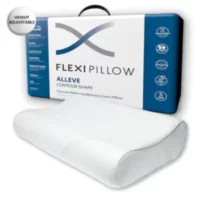
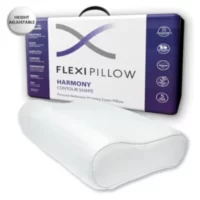
- Support your neck at night with a pillow that suits your sleeping position.
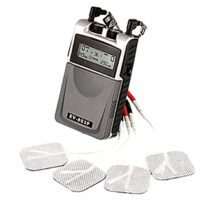
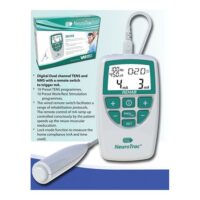
For more on simple self-care, see how to choose the best pillow for neck support, heat packs, and TENS machine pain relief. For a general Australian health overview, see Healthdirect’s neck pain guide.
Which exercises may help neck pain relief?
Exercises that are commonly used for neck pain relief aim to improve mobility, muscle control, posture, and load tolerance. The best program depends on whether your pain is linked to stiffness, muscle tension, headache, nerve irritation, or deconditioning.
Can massage help neck pain relief?
Massage may help some people by reducing muscle tension, improving comfort, and making it easier to move. It is often most helpful when combined with exercise, posture advice, and activity modification rather than used on its own. Read more about neck massage and relaxation massage.
What can you do to prevent neck pain?
Prevention usually comes down to better movement habits, smarter workstation setup, regular exercise, and avoiding long periods in one posture. Sleep setup also matters, especially if you regularly wake with stiffness.
When should you worry about neck pain?
You should seek prompt medical review if neck pain follows significant trauma, is linked with severe headache, fever, unexplained weight loss, worsening arm weakness, widespread numbness, unsteady walking, or loss of hand coordination. Ongoing pain that keeps returning, limits sleep, or affects work and driving also deserves assessment.
Neck Pain Relief FAQs
- What helps neck pain relief at home?
- Gentle movement, posture changes, relative rest, and simple heat or cold strategies often help. Avoid staying in one position too long and reduce activities that clearly aggravate your neck.
- What are common causes of neck pain?
- Common causes include poor posture, desk work, muscle overload, stress-related tension, awkward sleeping positions, and sudden strain. Sometimes headaches or arm symptoms point to a more specific neck problem.
- Which exercises may help neck pain relief?
- Exercises that improve neck movement, muscle control, posture, and endurance are often useful. The right program depends on your symptoms, irritability, and the cause of your neck pain.
- Should you use ice or heat for neck pain?
- Heat often suits stiffness and muscle tightness, while ice may help after a recent flare-up or when the area feels irritated. Many people use whichever option feels best and helps them move more comfortably.
- When should you see a physiotherapist for neck pain?
- See a physiotherapist if your symptoms persist, keep returning, limit work or sleep, or spread into your shoulder or arm. A physiotherapist can assess the cause and guide a personalised treatment plan.
- When is neck pain an emergency?
- Urgent medical review is important if neck pain follows major trauma or is linked with severe headache, fever, worsening weakness, widespread numbness, balance changes, or other concerning neurological symptoms.
Related Articles
- Neck Pain
- Read the main condition page covering symptoms, causes, and treatment.
- Neck Pain Causes and Solutions
- Explore common reasons neck pain starts and what to do next.
- Perfecting Your Posture for Neck Health
- Improve everyday posture habits to reduce neck strain.
- Neck Exercises for Pain Relief and Prevention
- See exercise options that may help neck pain relief and recovery.
- Neck Strengthening Exercises
- Build neck support, endurance, and better load tolerance.
- Posture Exercises
- Use posture-focused exercises to reduce repeated neck strain.
- Choosing the Best Pillow for Neck Support
- Match your pillow to your sleep position and neck comfort needs.
- Do I Need Physiotherapy for Neck Pain?
- Find out when assessment and tailored treatment may help.
- Preventing Neck Strain at Work
- Use practical workstation and posture tips to reduce recurrence.
- Neck Massage Benefits
- See how massage may support comfort and movement.
- Healthdirect: Neck Pain
- Australian consumer health advice on symptoms, causes, and treatment.
- Better Health Channel: Neck Pain
- General advice on common causes, treatment, and prevention.
What to Do Next
If your neck pain is not improving, keeps returning, or affects work, sleep, driving, sport, or daily activities, book an assessment with your physiotherapist. Early assessment can help identify the cause of your symptoms, guide the right exercises, and reduce the chance of ongoing flare-ups.